Meat Processing Bins
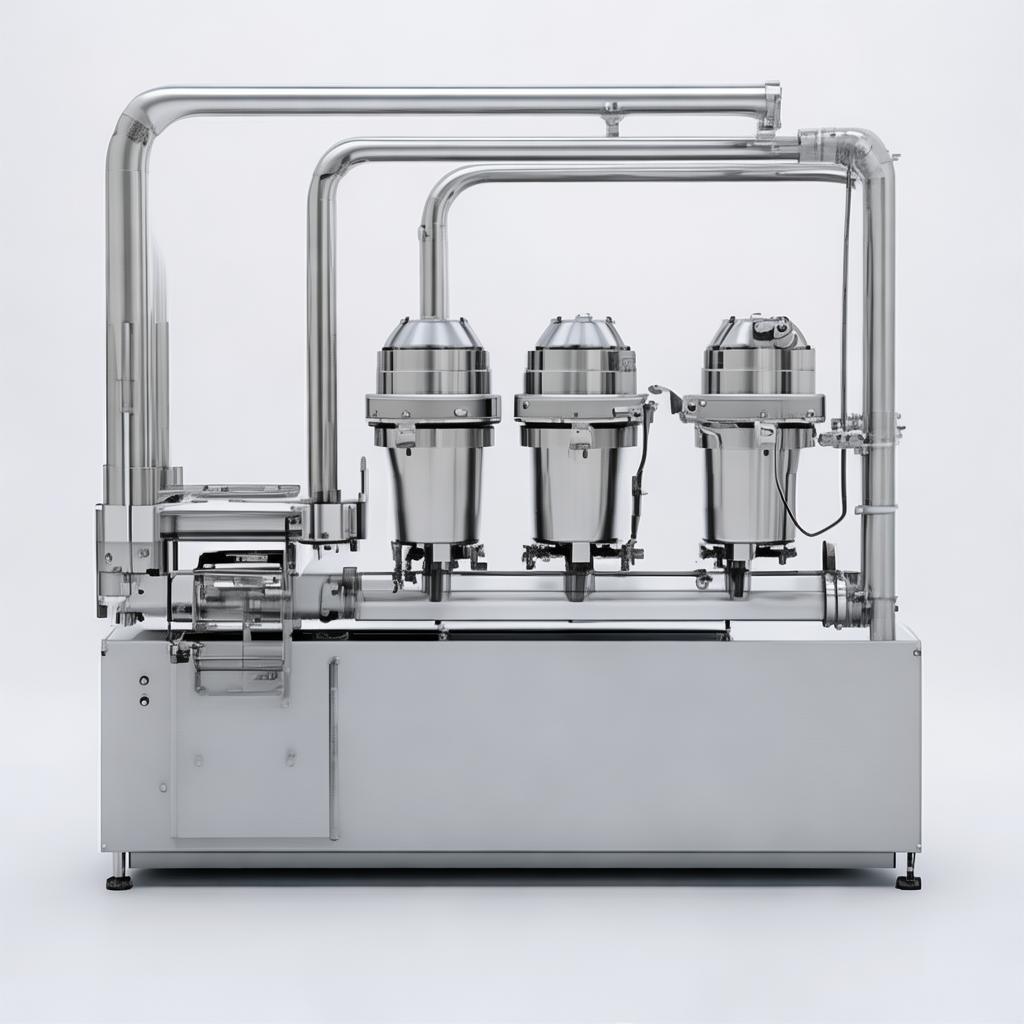
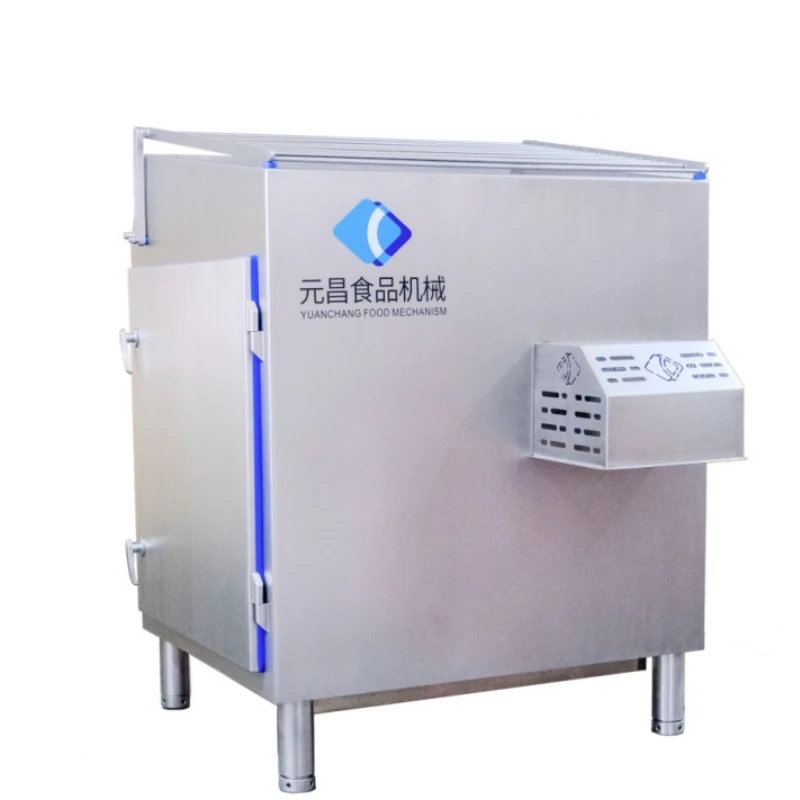
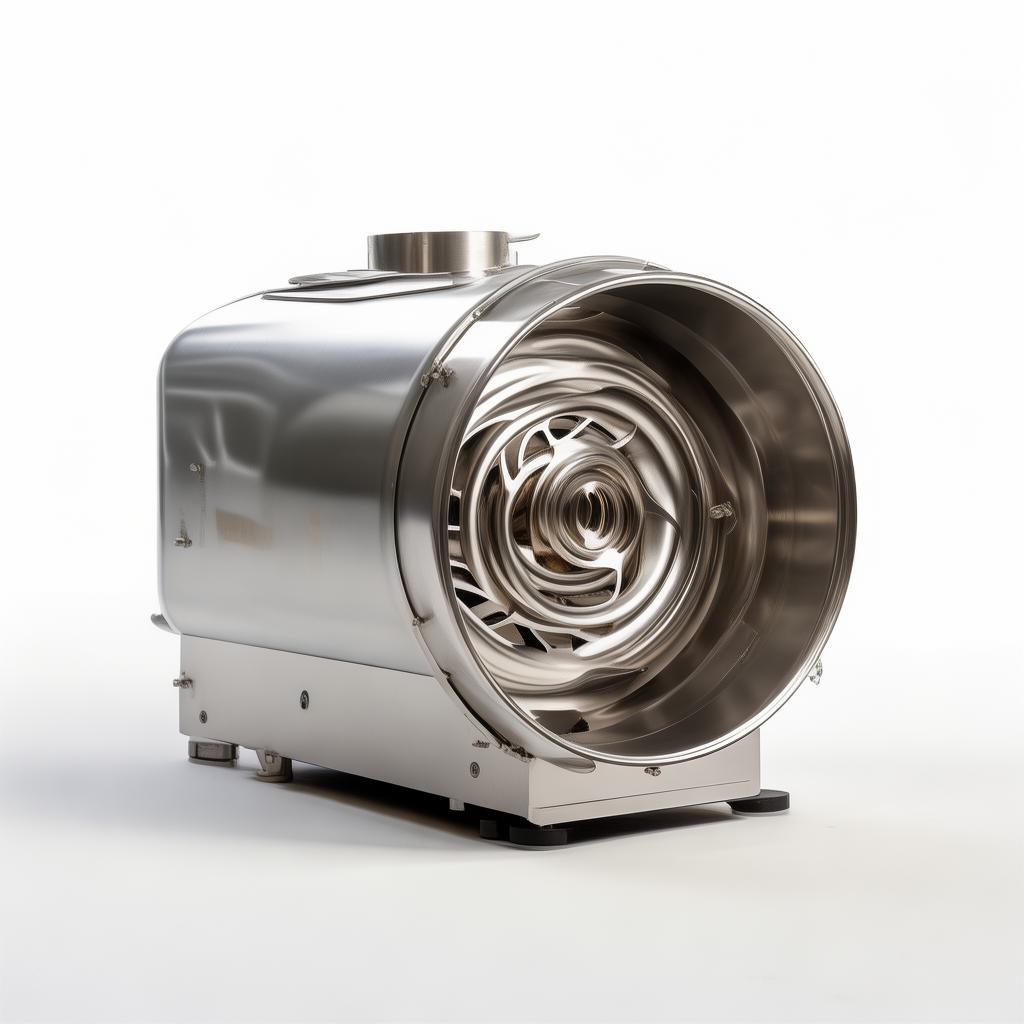
High-Quality Meat Processing Bins: Enhance Efficiency & Hygiene in Your Facility
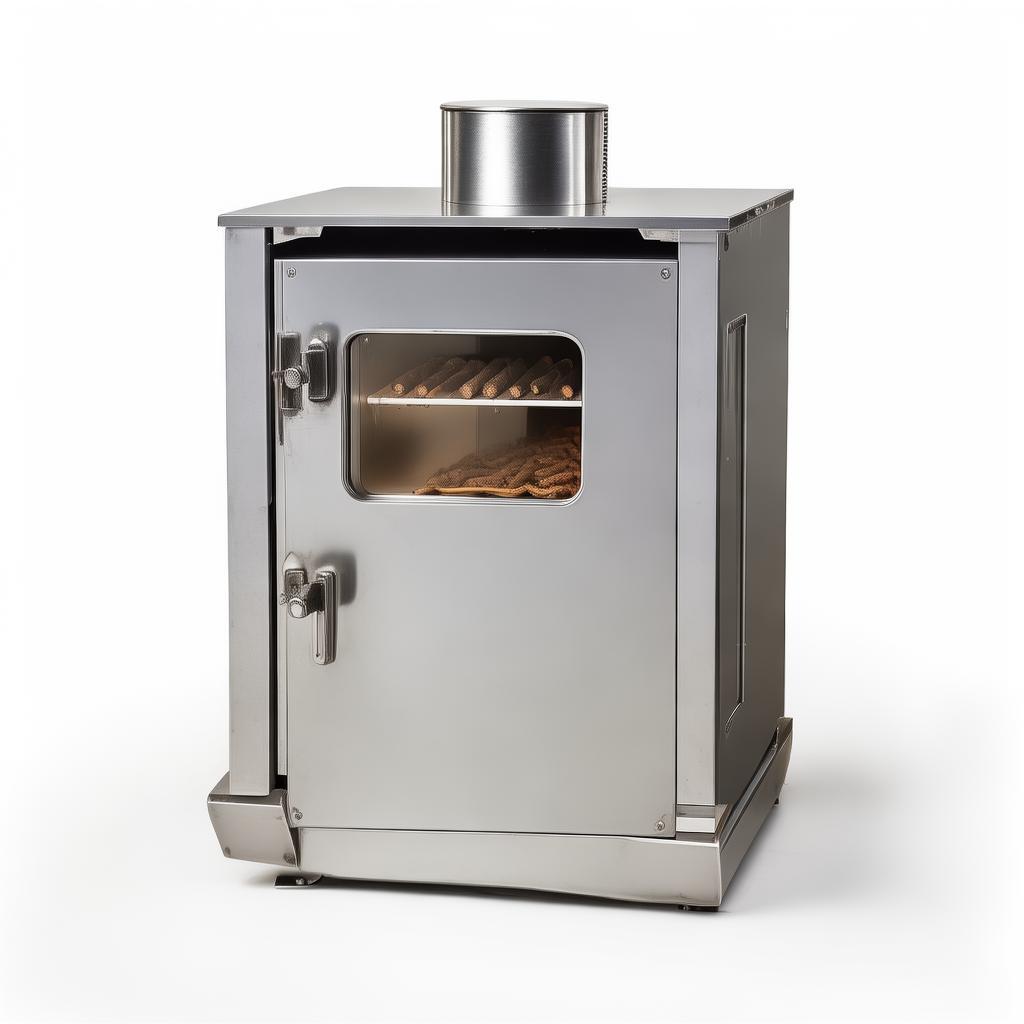
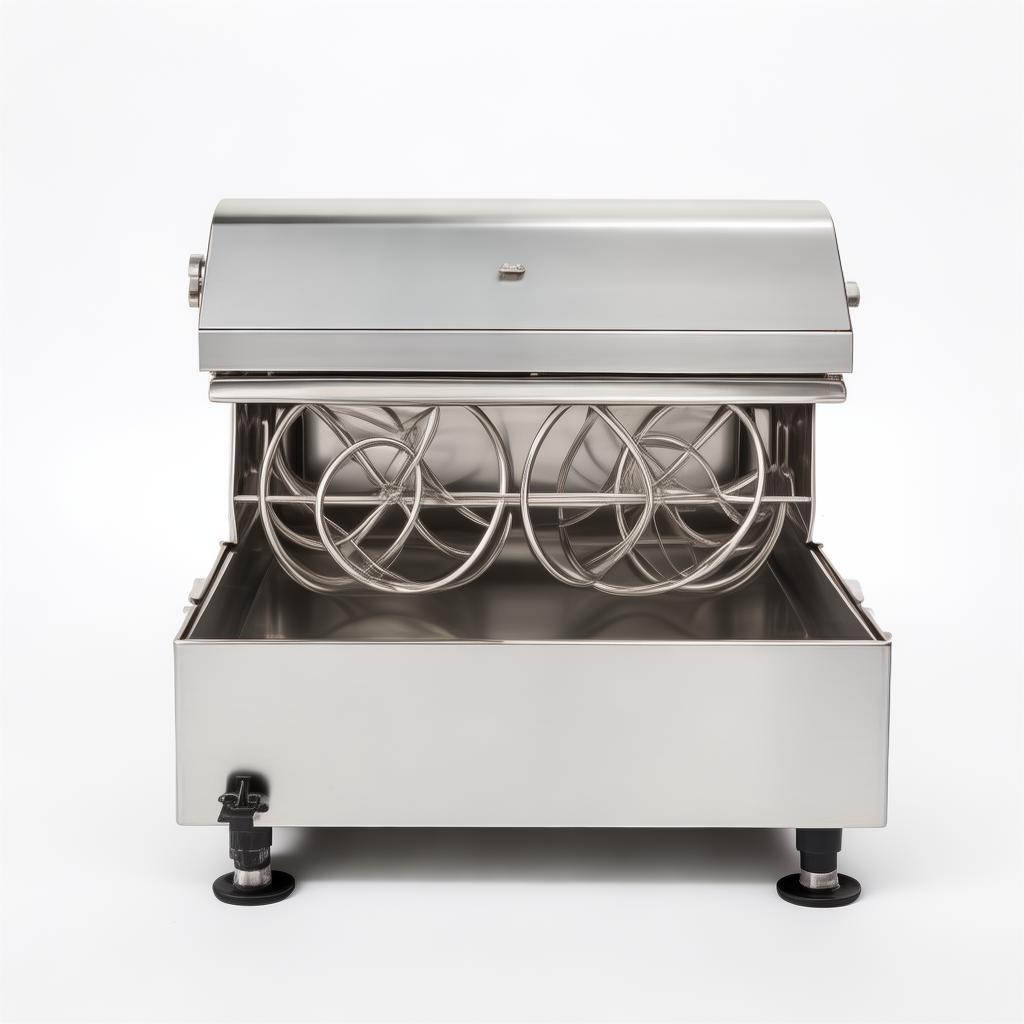
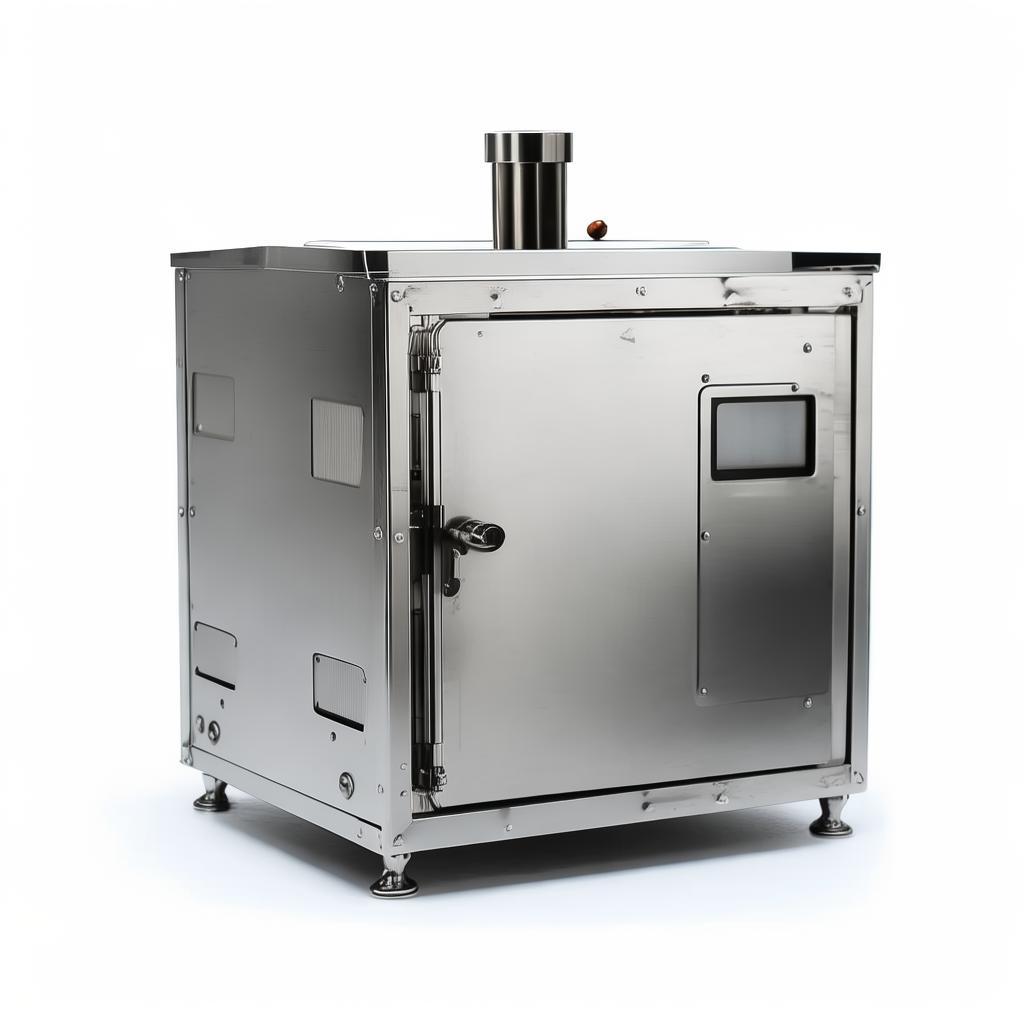
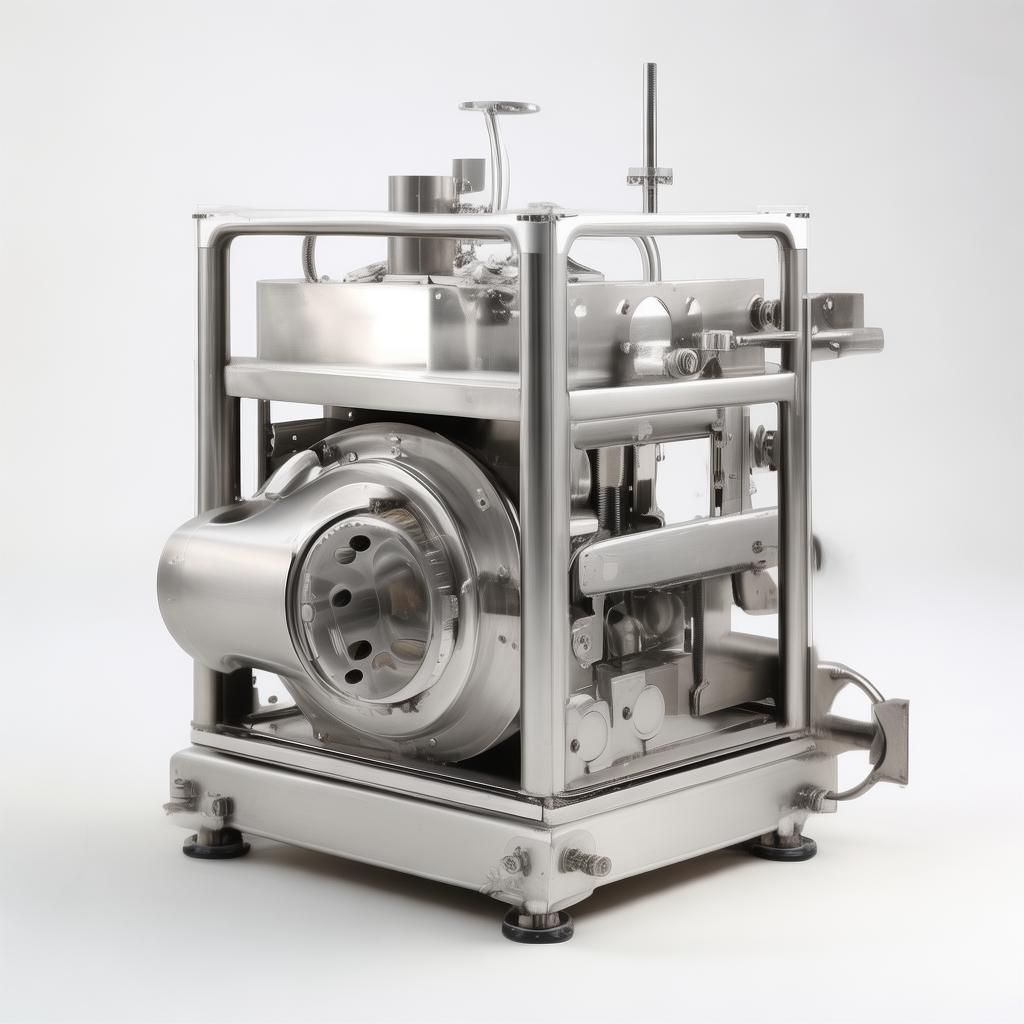
meat processing system meat processing tools and equipment Meat processing machinery
Reliable Solutions for Demanding Food Production Environments

Written by David Chen, Export Director at Hebei Yuanchang Food Mechanism & Technology Co., Ltd.
Understanding the Critical Role of Meat Processing Bins in Modern Operations
In the fast-paced world of meat processing, efficiency, sanitation, and product integrity are not just buzzwords – they're the bedrock of a successful operation. Every piece of equipment plays a vital role, and often overlooked in the grand scheme of automated lines and sophisticated machinery are the humble yet indispensable meat processing bins. These containers are the workhorses that handle raw materials, intermediate products, and even finished goods as they move through various stages of production. Choosing the right bins means more than just selecting a container; it's about investing in a component that directly impacts workflow, hygiene standards, and ultimately, the profitability of your business.
From the initial butchering and trimming to marination, mixing, stuffing, and even temporary storage before packaging, bins are constantly in use. They must withstand rigorous daily use, repeated cleaning cycles, and exposure to a range of temperatures and substances. The material, design, and build quality of these bins are paramount. A poorly chosen bin can lead to cross-contamination risks, material spoilage, operational slowdowns, and increased labor for cleaning and maintenance. On the other hand, a well-designed, robust bin contributes to a streamlined process, simplifies sanitation protocols, and helps maintain the pristine quality of your meat products.
Consider the sheer volume of material passing through a typical processing plant daily. This necessitates bins that are not only durable but also easy to handle, stackable, and compatible with existing material handling systems. Whether you're dealing with large wholesale cuts, smaller portions for further processing, or ingredients for formulated products like sausages and patties, the right bin ensures safe, efficient, and hygienic transfer. The global meat processing equipment market, projected to reach significant figures like USD 17.39 billion by 2034 according to Fortune Business Insights, underscores the scale of this industry and the importance of every component within it. Our focus today is on a fundamental piece of that puzzle: the meat processing bin.
The industry demands solutions that can adapt to diverse needs. Some operations require bins for bulk transport of trimmings to rendering, while others need specialized containers for holding marinated meats that will be tumbled or processed further. For manufacturers producing items like sausages, deli meats, or formed burgers, bins are crucial for collecting and transporting meat mixes from grinders and mixers to stuffing or molding machines. The choice often hinges on factors such as capacity requirements, the specific type of meat being handled (beef, pork, poultry, lamb), and the overall processing environment – from chilled processing rooms to ambient curing areas.
At Hebei Yuanchang, with our 40 years of experience dating back to 1986, we've seen firsthand how critical these seemingly simple items are. We understand the daily grind, the regulatory pressures, and the constant drive for optimization. It’s why we don't just manufacture bins; we engineer solutions that address the real-world challenges faced by meat processors, importers, and distributors worldwide. This deep dive will explore what makes a meat processing bin truly effective, covering material science, design considerations, hygiene protocols, and how to select the optimal solution for your specific production line.
The continuous demand for processed meat, a market segment projected to exceed USD 1.3 trillion by 2035 (Precedence Research), directly fuels the need for reliable equipment. This includes not only the large machinery but also the supporting infrastructure. Our commitment is to provide that reliable foundation. We aim to equip you with the knowledge to make informed purchasing decisions, ensuring your investment in processing bins contributes positively to your operational efficiency, product quality, and overall food safety compliance.
Let's break down the essential elements that define a superior meat processing bin, from the raw materials used in their construction to the specific features that enhance their utility in demanding environments.
Key Considerations for Selecting Meat Processing Bins
Navigating the options for meat processing bins requires a clear understanding of your operational needs. It's not a one-size-fits-all scenario. Several factors must be carefully weighed to ensure you select equipment that enhances, rather than hinders, your production flow and hygiene protocols.
- Material of Construction: This is paramount for hygiene and durability. Food-grade plastics like high-density polyethylene (HDPE) or polypropylene (PP) are common choices. They offer excellent resistance to chemicals, temperature fluctuations, and impact. Stainless steel is another option, particularly for high-temperature applications or when extreme rigidity is required, though it can be heavier and more costly.
- Design and Ergonomics: Smooth, seamless interiors are critical for easy cleaning and preventing bacterial buildup. Rounded corners, drain plugs for efficient emptying, and reinforced bases for stability when loaded are significant advantages. Consider features like stackability to maximize floor space and forklift compatibility for efficient movement.
- Capacity and Dimensions: Bins come in various sizes, from small ingredient hoppers to large bulk bins. You need to match the capacity to your batch sizes and workflow. Ensure the dimensions are practical for your facility's layout, doorways, and transport systems.
- Hygiene and Cleanability: This cannot be overstated. The bins must be easy to sanitize thoroughly. Non-porous surfaces, absence of crevices, and materials approved for food contact are essential. The ability to withstand high-pressure washing and common cleaning agents is a must.
- Durability and Longevity: Meat processing is tough on equipment. Bins should resist cracking, chipping, and warping under constant use and cleaning. Investing in high-quality materials and robust construction translates to a longer service life and lower replacement costs.
- Temperature Resistance: Processing can involve chilling, freezing, or sometimes warming. Ensure the bin material can handle the temperature range without degrading or becoming brittle.
Our Meat Processing Bin Solutions: Built for Performance and Compliance
At Hebei Yuanchang, we specialize in providing robust, food-grade meat processing bins designed to meet the stringent demands of the international market. Our product line is engineered for maximum hygiene, durability, and operational efficiency. We leverage our four decades of experience and advanced manufacturing capabilities to deliver bins that are a true asset to your processing facility.

Food-Grade Polyethylene Construction
Our primary offering features bins constructed from virgin, food-grade HDPE (High-Density Polyethylene). This material is selected for its excellent impact resistance, chemical inertness, and ability to withstand a wide temperature range (-30°C to +70°C is common). It's non-porous, ensuring it won't absorb odors or liquids, making sanitation significantly easier and more effective. This material choice directly supports compliance with international food safety standards.
Seamless, Hygienic Design
We engineer our bins with seamless interiors and rounded corners to eliminate crevices where bacteria can thrive. This design philosophy is crucial for food processing environments. The smooth surfaces allow for rapid and thorough cleaning using standard high-pressure wash-down systems, reducing downtime and the risk of contamination.
Reinforced Structures for Heavy Loads
Understanding that meat processing involves heavy loads, our bins feature reinforced bases and stacking ribs. This not only ensures stability when stacked multiple units high, optimizing storage space, but also prevents deformation under pressure. The robust construction guarantees longevity, even in the most demanding industrial settings. We utilize advanced rotational molding or injection molding techniques, depending on the specific bin design, to ensure structural integrity.
Optional Features for Enhanced Functionality
We offer a range of customization options to tailor our bins to your exact needs. This can include:
- Integrated drain plugs for efficient liquid removal.
- Lids to protect contents from environmental contamination and pests.
- Dollies or casters for easier manual transport in smaller facilities.
- Color-coding options for segregation of different meat types or processes.
These options allow for a more integrated workflow, reducing manual handling and potential risks.
Technical Specifications & Comparison
To help you make an informed decision, here's a look at the typical specifications for our popular meat processing bins and a comparison against common alternatives.
| Feature | Hebei Yuanchang Standard Bin (HDPE) | Stainless Steel Bin | Standard Plastic Totes |
|---|---|---|---|
| Material | Food-Grade HDPE | 304 or 316 Stainless Steel | Various Plastics (often recycled or lower grade) |
| Hygiene & Cleanability | Excellent (Seamless, Non-porous) | Excellent (Smooth, Easy to Sterilize) | Good to Fair (Can be porous, crevices) |
| Durability & Impact Resistance | Very Good (Resists cracking) | Excellent (Rigid, but can dent) | Fair to Poor (Prone to cracking/breaking) |
| Weight | Light to Moderate | Heavy | Very Light |
| Cost | Moderate | High | Low |
| Temperature Range | Wide (-30°C to +70°C typical) | Very Wide (Resists extreme heat/cold) | Limited (Can become brittle in cold, warp in heat) |
While stainless steel offers ultimate rigidity, its weight and cost are significant drawbacks for many high-volume operations. Standard plastic totes often fail to meet the durability and hygiene requirements essential for meat processing. Our HDPE bins strike an optimal balance, offering superior performance and value for critical applications.
Applications in the Meat Processing Chain
Meat processing bins are versatile and find application at numerous critical points within a production line. Understanding these roles helps in visualizing how our bins can integrate seamlessly into your operations.
Raw Material Handling
From receiving animal carcasses to collecting trimmed or portioned meat pieces after initial butchering. Bins ensure hygienic containment and facilitate transport to further processing stages.
Mixing and Marination
Used to collect meat ingredients before mixing with spices, additives, or marinades. They are ideal for holding product during marination periods, especially when combined with tumbling or massaging equipment.
Forming and Stuffing
Essential for collecting meat mixtures from grinders and mixers before they are fed into stuffing machines for sausages or forming machines for patties and nuggets.
Temporary Storage & Transport
Holding processed ingredients or finished products between stages, or for moving them between different processing areas, packaging, or cold storage.
Waste and By-Product Management
Efficiently collect and transport trimmings, fat, or offal for rendering or disposal, maintaining cleanliness in the main processing areas.
Installation, Handling, and Maintenance Insights
Proper installation, handling, and maintenance are key to maximizing the lifespan and effectiveness of your meat processing bins. While bins themselves require minimal "installation," their integration into your workflow and the procedures around their use are critical.
Handling and Logistics
Our bins are designed with ergonomic handling in mind. Most feature smooth edges and can be easily lifted manually or by using pallet jacks and forklifts, especially when equipped with appropriate bases or runners. When ordering, consider the container loading strategy. Many of our bins are stackable, allowing for efficient use of space during international shipping, which can significantly reduce freight costs. A standard 40ft container can hold a substantial number of our bins, optimizing your import logistics. We can provide detailed packing lists and loading recommendations.
Cleaning and Sanitization Protocols
Maintaining hygiene is non-negotiable.
- Daily Cleaning: After each use, empty the bins completely. Use warm water and a mild detergent to scrub all interior and exterior surfaces. High-pressure sprayers are effective, but ensure they don't cause damage.
- Sanitization: Follow up cleaning with a food-grade sanitizer. Ensure the sanitizer is approved for use with HDPE and that contact times are adhered to. Rinse thoroughly if required by the sanitizer's specifications.
- Deep Cleaning: Periodically, a more thorough cleaning may be necessary, potentially involving steam cleaning or specialized cleaning agents. Always check the chemical resistance of HDPE if using non-standard cleaning solutions.
- Drying: Allow bins to air dry completely before reuse or storage to prevent moisture buildup that can encourage microbial growth.
Our seamless design dramatically simplifies these cleaning processes, reducing labor and ensuring thoroughness.
Maintenance and Inspection
Regularly inspect your bins for any signs of wear and tear, such as cracks, deep scratches, or deformation. Damaged bins can compromise hygiene and structural integrity and should be removed from service immediately. While HDPE is highly durable, extreme impacts or prolonged exposure to UV light (if stored outdoors without protection) can eventually degrade the material.
Procurement Guidance: Sourcing Smartly from Hebei Yuanchang
As a direct manufacturer with over 40 years of experience, Hebei Yuanchang Food Mechanism & Technology Co., Ltd. offers a distinct advantage for international buyers. We understand the complexities of sourcing industrial equipment globally and are committed to making the process as smooth and transparent as possible.
Why Source Directly from Us?
- Factory-Direct Pricing: Eliminating intermediaries means you benefit from competitive pricing without compromising on quality.
- Quality Control: We manage the entire production process in our state-of-the-art facility, ensuring adherence to strict quality standards. Our in-house machining workshop, equipped with advanced CNC centers, allows us to produce high-precision components, vital for overall product integrity.
- Customization Capabilities: We understand that one size rarely fits all. We work with clients to develop custom solutions, whether it's specific dimensions, unique features, or branding. Our OEM/ODM services are built on flexibility and technical expertise.
- Export Expertise: We have extensive experience exporting to markets worldwide, including the USA. We are familiar with international shipping requirements, documentation, and compliance standards.
- Traceable After-Sales Support: Our commitment extends beyond delivery. With a traceable management system, we ensure you receive timely support and access to spare parts if ever needed.
Evaluating Suppliers: What to Look For
When selecting a supplier for critical equipment like meat processing bins, consider the following:
- Experience and Reputation: How long have they been manufacturing? What do their existing clients say?
- Manufacturing Capabilities: Do they have modern facilities and advanced machinery?
- Material Quality: Do they use certified, food-grade materials?
- Certifications: Are their products compliant with relevant international standards (e.g., FDA, CE)?
- Logistics and Support: Can they handle international shipping efficiently and provide reliable after-sales service?
Hebei Yuanchang meets and exceeds these criteria, positioning us as your trusted partner for high-quality meat processing bins and equipment.
Our manufacturing facility, spanning 14,000 square meters and employing 80-100 skilled professionals, is equipped to handle large-volume orders with precision. The integration of R&D, production, and sales ensures a cohesive approach to delivering value to our clients.
Customer Testimonials
Hear from our satisfied clients worldwide:

"We switched to Hebei Yuanchang's HDPE bins for our sausage production line about two years ago. The improvement in cleanability and durability over our old metal tubs was immediate. They stack well, hold their shape, and we've had zero issues with cracking or contamination. Highly recommended for any serious processor."
- Maria Rodriguez, Operations Manager
Prime Cuts Deli, USA

"As a large-scale exporter, reliable equipment is crucial. Hebei Yuanchang's processing bins are robust, easy to handle, and meet international hygiene standards. Their consistent quality and efficient export service have made them a valued supplier for our export-bound meat products."
- John Chen, Procurement Director
Global Meat Exports, Canada

"We needed a more sanitary solution for our marination process. The bins from Yuanchang are fantastic – smooth inside, no leaks, and they clean up beautifully. The option for lids is a great addition for protecting product quality during transit to our packaging facility."
- Sarah Kim, Plant Manager
Savory Meats Co., Australia
Frequently Asked Questions (FAQ)
Your common questions answered:
Q: What is the typical lifespan of your HDPE meat processing bins?
Under normal operating conditions with proper cleaning and handling, our food-grade HDPE bins are designed to last for many years, often 5-10 years or more. Their resistance to cracking and impact means they maintain structural integrity longer than many alternatives.
Q: Are your bins compliant with FDA regulations?
Yes, we use virgin, food-grade HDPE that is compliant with FDA regulations for food contact applications. This ensures the safety and integrity of the meat products handled within them.
Q: Can I get these bins in custom colors?
Absolutely. Color-coding is a common requirement for large-scale operations to help segregate different product types or allergens. We can accommodate custom color requests for bulk orders.
Q: What is the minimum order quantity (MOQ) for your bins?
Our MOQs vary depending on the specific bin model and customization. For standard models, we can often accommodate smaller orders, but for significant cost efficiencies, especially for international shipments, larger order volumes are recommended. Please contact us with your specific requirements.
Q: How are the bins shipped internationally?
We typically ship via ocean freight in 20ft or 40ft containers. Our bins are designed to be stackable, maximizing container space and reducing shipping costs. We can provide detailed packing and loading plans.
Ready to Optimize Your Meat Processing Operations?
Invest in quality, hygiene, and efficiency. Our meat processing bins are built to last and designed to perform in the most demanding environments.
We offer competitive factory pricing and reliable export services worldwide.
Hebei Yuanchang Food Mechanism & Technology Co., Ltd. | Established 1986 | 40 Years of Industry Experience
Address: Shijiazhuang, Hebei Province, China | Phone: +86 15830991513 | Email: ycmeatmech@gmail.com
ycmeatmech.com | Specializing in meat processing equipment, including pretreatment, filling, molding, ripening, and auxiliary items.