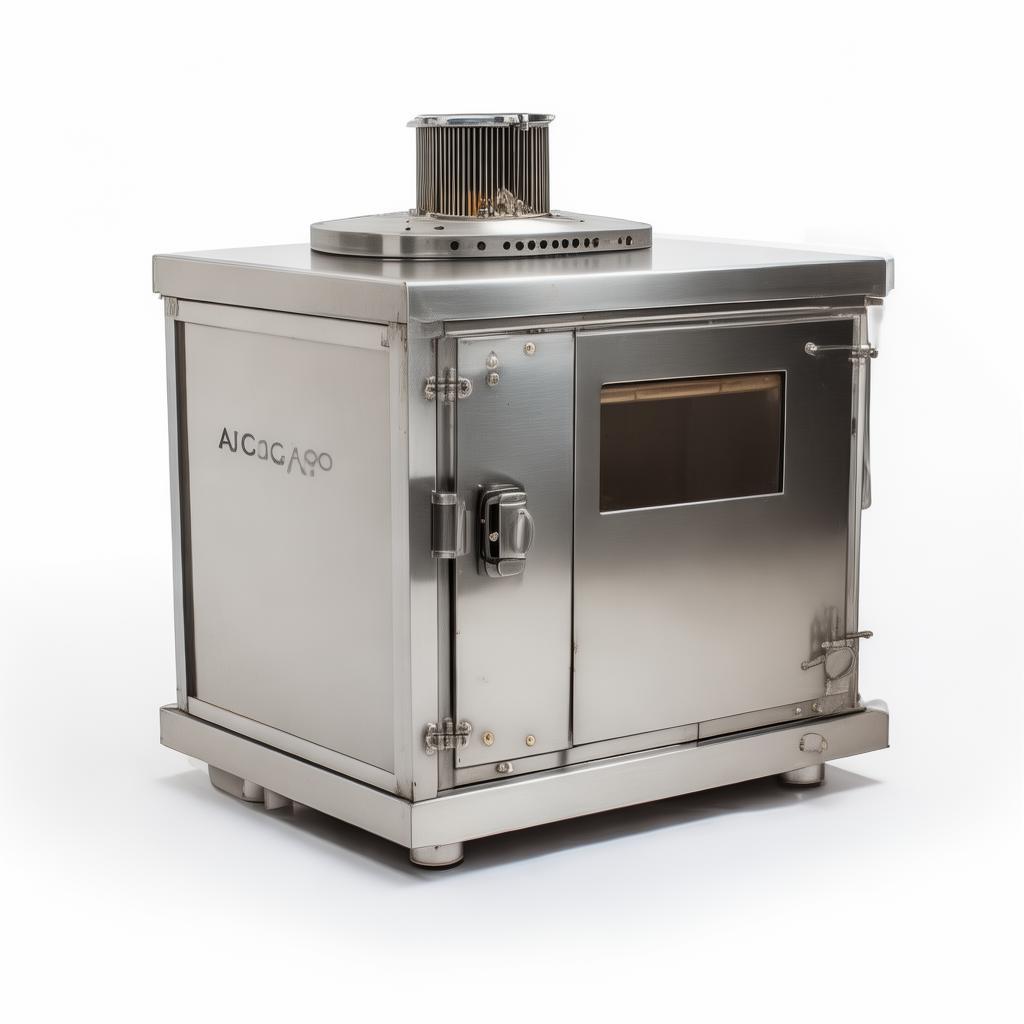
Meat Metal Detection
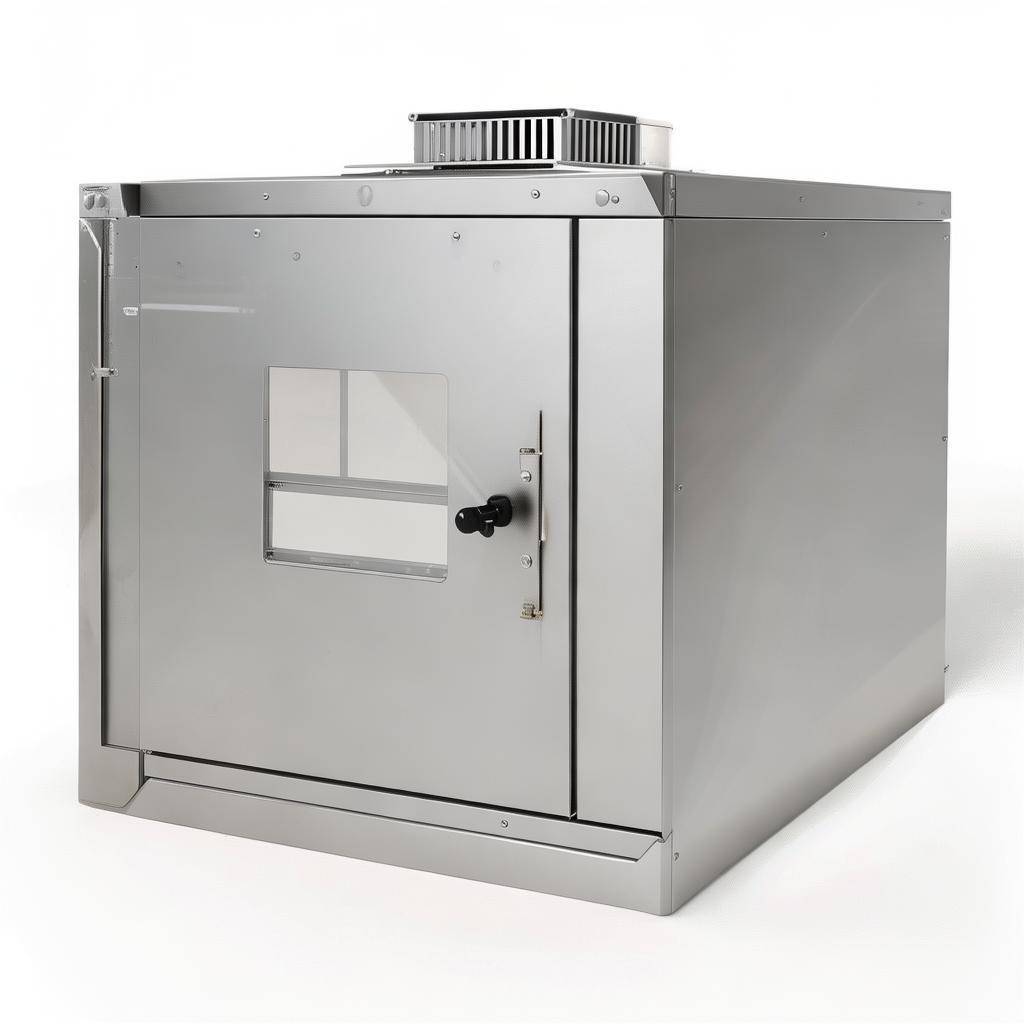
Precision Metal Detection for Meat Processing: Ensuring Safety and Quality
Protecting Your Brand and Consumers from Contamination
 By Dr. Evelyn Reed, Lead Process Engineer
Published:
Reader Level: Expert
By Dr. Evelyn Reed, Lead Process Engineer
Published:
Reader Level: Expert
The Unseen Threat: Why Metal Detection is Non-Negotiable in Meat Processing
In the demanding world of meat processing, product integrity is paramount. From the initial butchery to the final packaged product, every step carries a risk of contamination. Among the most insidious threats are metallic foreign bodies. A stray fragment from a cutting blade, a worn component in processing machinery, or even a misplaced tool can find its way into your product. The consequences of such an oversight are severe: potential customer injury, product recalls that cripple brand reputation, costly regulatory fines, and a significant loss of consumer trust. This is where robust metal detection systems become not just a desirable piece of equipment, but an absolute necessity for any serious player in the global meat supply chain.
The market for meat processing equipment is substantial and growing. Reports indicate a global market value already exceeding USD 11 billion and projected to surpass USD 17 billion by 2034, with consistent growth driven by increasing demand for processed meats, automation for hygiene, and stringent food safety standards. (Source: Fortune Business Insights, Meat Processing Equipment Market Analysis). Within this landscape, ensuring product safety is a primary concern for processors worldwide. International procurement managers and operations directors are constantly seeking reliable solutions to mitigate risks. They understand that a minor lapse in quality control can have disproportionately large financial and reputational impacts.
Consider the sheer volume of product passing through a typical processing line daily. We're talking tons of meat, processed into various forms – sausages, burgers, cured meats, ready-to-eat meals, and more. Automation is key to efficiency, but it also introduces potential points of failure. Gears can wear, blades can chip, conveyor belts can degrade. If these issues aren't detected immediately, metallic particles, ranging from microscopic shavings to larger fragments, can become embedded in the product. These are not hypothetical scenarios; they are operational realities that experienced plant managers grapple with. The goal is to intercept these contaminants *before* they reach the consumer.
This is precisely why investing in advanced metal detection technology for your meat processing lines is crucial. It acts as the final line of defense, a vigilant guardian against metallic foreign objects. It’s about more than just compliance; it’s about operational excellence, brand protection, and ultimately, safeguarding public health. For international buyers, particularly those in highly regulated markets like the United States and Europe, demonstrating a commitment to these safety standards is non-negotiable. Equipment that provides reliable detection, easy integration, and robust performance is highly sought after.
At Hebei Yuanchang Food Mechanism & Technology Co., Ltd., we understand these pressures intimately. With over 40 years of experience in designing and manufacturing meat processing equipment, we've seen firsthand the evolution of safety requirements and the critical role of detection technologies. Our expertise isn't just in building machinery; it's in understanding the entire workflow, the potential pitfalls, and the most effective solutions to ensure your production lines operate efficiently and safely. We engineer our equipment, including our recommended metal detection systems, with these real-world operational challenges in mind.
This guide delves into the specifics of metal detection within the meat industry. We’ll explore why it’s essential, how the technology works, the different types of systems available, and what factors to consider when choosing the right one for your specific production needs. Whether you are dealing with raw meat, processed patties, sausages, or frozen products, understanding the nuances of metal detection is vital for maintaining the highest standards of food safety and quality. Procurement specialists often look for suppliers who can provide comprehensive solutions, not just individual machines. Our goal is to equip you with the knowledge to make an informed decision.
The global processed meat market is projected to reach over USD 1.2 trillion by 2034, underscoring the immense scale and economic importance of this sector. (Source: Fortune Business Insights, Processed Meat Market). With such volumes, the potential for contamination incidents, however small the probability, carries significant risk. Implementing effective metal detection is a proactive strategy that directly contributes to product safety, operational continuity, and market competitiveness. It's an investment in reliability and a testament to your commitment to producing safe, high-quality food products for consumers worldwide. We believe that by providing clear, expert insights, we empower our clients to make the best choices for their operations.
For those involved in the upstream supply of meat products – grinding, forming, or filling operations – the placement and sensitivity of metal detection are critical. Consider the challenges of detecting fine ferrous particles versus non-ferrous metals or stainless steel fragments. Different product matrices (e.g., high salt content, wet products) can also influence detection sensitivity. Our approach is to collaborate with clients to understand these variables, ensuring the deployed detection solution is optimized for their unique production environment.
Ultimately, metal detection in meat processing is about risk management. It’s about protecting your investment, your workforce, and the consumers who trust your brand. As experts in the field, we emphasize a holistic approach, integrating safety measures seamlessly into your existing production lines. The technology itself has advanced significantly, offering greater precision, higher throughput, and improved reliability. This page aims to demystify this technology and highlight why it’s an indispensable asset for modern meat processors.
The High-Stakes Risks in Meat Processing: Beyond the Obvious
Operating a meat processing facility involves navigating a complex web of risks. While common hazards like microbial contamination are widely understood, the threat of physical contaminants, particularly metal fragments, often demands specialized attention. Failing to implement effective detection can lead to a cascade of negative outcomes:
- Consumer Safety & Health Hazards: The most critical risk. Ingesting metal fragments can cause severe internal injuries, dental damage, and choking hazards. This directly impacts consumer well-being and brand responsibility.
- Product Recalls & Brand Damage: A single reported incident of metal contamination can trigger a widespread product recall, costing millions in lost product, logistics, and crisis management. The damage to brand reputation can be long-lasting and incredibly difficult to repair.
- Regulatory Non-Compliance & Fines: Food safety agencies worldwide, including the USDA in the US, have strict regulations regarding foreign object detection. Non-compliance can result in hefty fines, production halts, and even license suspension.
- Damage to Processing Equipment: Larger metal fragments can cause catastrophic damage to downstream processing machinery, such as grinders, slicers, and packaging equipment, leading to unexpected downtime and expensive repairs.
- Loss of Wholesale & Retail Contracts: Major retailers and wholesale buyers often mandate stringent quality and safety certifications, including effective foreign object detection. Failure to meet these standards can lead to the loss of vital business partnerships.
- Increased Operational Costs: Beyond direct recall expenses, undetected metal contamination leads to increased quality control checks, manual inspections, and potential rework, all of which erode profit margins.
Think about the operational realities: wear and tear on machinery is inevitable. Over time, components like augers, blades, screens, and even structural parts can shed metal particles. Even simple maintenance tasks, if not performed meticulously with clean tools and procedures, can introduce foreign objects. For example, a worn bearing in a mixer or a chipped grinding plate in a patty maker are common culprits. These issues require constant vigilance and a robust detection system as a safeguard.
The complexity of modern meat processing lines means that contaminants can travel significant distances before being detected, if at all. Identifying the source of contamination after it has entered the product stream is a time-consuming and resource-intensive investigation. This is why investing in upfront detection, ideally after critical points where contamination is likely, such as after grinding and before packaging, is a far more efficient and effective strategy.
Furthermore, different types of metal present unique detection challenges. Ferrous metals (iron-based) are generally the easiest to detect due to their magnetic properties. However, stainless steel and non-ferrous metals (like aluminum or copper) are non-magnetic and require more sophisticated detection methods, such as multi-frequency or multi-coil systems. The "product effect"—interference from the meat product itself, especially when it's high in salt or moisture—must also be accounted for to avoid false positives while maintaining sensitivity to small metal fragments.
Deciphering Metal Detector Technology for Meat Products
At its core, a metal detector for food processing operates by generating an electromagnetic field. When a conductive material, like a metal particle, passes through this field, it disrupts the field, creating a detectable signal. This signal then triggers a rejection mechanism, such as a pneumatic pusher arm or a conveyor belt stop, to remove the contaminated product from the line.
The type of metal detector primarily depends on the metals you need to detect and the product characteristics:
1. Ferrous Metal Detectors (FMD):
These are the simplest and often most cost-effective. They use magnetic fields to detect ferrous metals (iron-based). They are essential but limited, as they won't reliably detect stainless steel or non-ferrous metals.
2. Non-Ferrous Metal Detectors (NMD) / Multi-Metal Detectors:
These systems employ advanced electromagnetic principles to detect a wider range of metals, including stainless steel (both magnetic and non-magnetic grades) and non-ferrous metals like aluminum, brass, and copper. They are crucial for comprehensive contamination control.
Technologies within this category include:
- Single Frequency: Standard technology for NMDs.
- Multi-Frequency: Offers enhanced sensitivity and reduced false positives by analyzing the product at multiple frequencies. This is particularly beneficial for challenging products like meat, which can have varying moisture and salt content.
- Multi-Coil Systems: Utilize multiple sensor coils to create a more uniform detection field, minimizing "dead spots" and improving the detection of irregular-shaped metal fragments.
Beyond the detection coil, the system's performance is heavily influenced by its integration with the processing line. This includes the detector's aperture size (must accommodate product flow), the speed of the conveyor belt, and the type and speed of the rejection mechanism. A fast-acting, accurate rejection system is vital to remove contaminated product quickly, preventing it from causing further issues or mixing with good product.
Calibration is another critical aspect. Metal detectors require regular calibration using test pieces of specific metal types and sizes. The frequency of calibration depends on operational stability, product changes, and regulatory requirements. Many modern systems offer automated calibration features or guided calibration routines to simplify this process and ensure consistent performance. We recommend a minimum of daily calibration checks before the start of each shift.
For meat processing, systems with robust construction, designed for washdown environments (IP ratings), are essential due to the frequent cleaning required. Materials like stainless steel are standard. Software features such as data logging, performance monitoring, and integration with a plant's SCADA or MES systems are increasingly important for traceability and continuous improvement initiatives.
Understanding these technical nuances helps procurement teams identify equipment that meets not only detection sensitivity requirements but also the demanding operational conditions of a meat processing plant. It’s about selecting a system that is reliable, maintainable, and delivers peace of mind.
Targeted Applications: Where Metal Detection is Indispensable
Metal detection is not a one-size-fits-all solution. Its strategic placement within a meat processing facility is key to its effectiveness. Different stages of processing present unique opportunities for contamination and require tailored detection approaches.
Here are critical points in the meat processing workflow where metal detection is most impactful:
1. Post-Grinding / Pre-Forming:
Grinders are notorious for wear and tear. Chipped blades, worn plates, or fragments from the grinder housing itself can easily enter the meat. Detecting at this stage prevents these contaminants from being incorporated into formed products like burgers or sausages. This is arguably the most critical detection point for many meat products.
2. Pre-Packaging Inspection:
After forming, portioning, or slicing, but before final packaging, metal detection acts as a final safety check. This catches any contamination that may have occurred during intermediate handling or forming processes. This is essential for both retail-ready products and bulk wholesale items.
3. On Packaging Lines:
While less common for detecting metal within the product itself (as it should have been caught earlier), some systems are integrated directly into packaging lines to detect metal contaminants in packaging materials or from the packaging machinery itself. This is more relevant for detecting issues with the packaging film or sealers.
4. Specific Product Types:
- Sausage Production: Detecting in ground meat before filling ensures no metal fragments from grinders or mixers enter the casings.
- Burger Patty Production: Critical after grinding and before forming/pressing to catch any metal from machinery wear.
- Marinated/Injected Meats: If metal needles or parts of injectors are a risk, detection after these processes is vital.
- Pet Food (Meat-Based): Similar to human-grade meat, pet food also requires stringent safety measures, making metal detection essential.
The global meat processing equipment market continues to expand, with projections suggesting growth to around USD 15-19 billion by 2033-2035 at CAGR rates of 5-7% (Sources: Grand View Research, Skyquestt, IMARC Group). This growth is fueled by demand for convenience foods and adherence to stricter safety protocols. Implementing effective metal detection is a direct response to these market drivers, helping processors meet evolving consumer expectations and regulatory demands.
When considering installation, factors like the type of conveyor belt (metal-free is preferred), product height and width, and potential for signal interference from other plant equipment must be evaluated. Our engineers work closely with clients to determine the optimal placement and configuration for maximum detection efficiency.
Your Guide to Selecting the Right Metal Detector
Choosing the correct metal detection system is critical for ensuring optimal performance and ROI. It's not just about buying a detector; it's about selecting a solution that fits your specific operational needs and product profile.
Consider these key factors:
1. Metal Types to Detect:
Are you primarily concerned with ferrous metals, or do you need to detect stainless steel and non-ferrous metals? For most meat processors, comprehensive detection covering all three is recommended, especially given the prevalence of stainless steel in machinery.
2. Product Characteristics:
- Conductivity & Salinity: High salt content or moisture in meat products can interfere with detection (product effect). Multi-frequency or advanced signal processing can mitigate this.
- Product Size & Shape: The aperture of the detector must accommodate your product without excessive clearance, which can reduce sensitivity. Irregularly shaped products may benefit from multi-coil systems.
- Product Temperature: While less of a factor for standard metal detection, extreme temperatures can sometimes influence sensor performance.
3. Production Throughput:
The detector and rejection system must be able to handle your line speed without causing bottlenecks. Faster lines require more responsive detection and rejection mechanisms.
4. Environmental Conditions:
Meat processing environments are often wet and require frequent high-pressure cleaning. Look for systems with high Ingress Protection (IP) ratings (e.g., IP65, IP69K) and construction from food-grade stainless steel.
5. Integration & Automation:
Consider how the detector will integrate with your existing line. Does it require a stand-alone conveyor, or can it be incorporated into your current setup? Connectivity for data logging and remote monitoring can be valuable for traceability and OEE (Overall Equipment Effectiveness) tracking.
6. Ease of Use & Maintenance:
Calibration should be straightforward, and cleaning should be simple. User-friendly interfaces reduce operator error and training time. Reliable after-sales support and readily available spare parts are also crucial.
Our commitment at Hebei Yuanchang is to provide solutions that meet these rigorous demands. We work with trusted partners and can integrate high-quality metal detection systems into our comprehensive meat processing lines, ensuring a seamless and compliant operation for our international clients.
Remember, a detector that is overly sensitive can lead to frequent false positives, causing unnecessary product waste and line stoppages. Conversely, a detector that is not sensitive enough will miss critical contaminants. Finding the right balance, tailored to your specific product and operational context, is key. This often involves consultation with experts who understand both the detection technology and the intricacies of meat processing.
For example, detecting 1mm stainless steel fragments in a solid block of cheese is significantly harder than detecting 3mm ferrous fragments in a dry powder. Meat products fall somewhere in between, with varying challenges based on composition. Therefore, a thorough risk assessment of your specific production process is the best starting point for selecting the right system.
Tangible Benefits of Advanced Metal Detection Systems
Implementing a state-of-the-art metal detection system goes beyond mere compliance; it delivers substantial operational and commercial advantages:
1. Enhanced Food Safety & Consumer Confidence:
The primary benefit is the direct protection of consumers from potential harm. This builds and maintains trust, which is the bedrock of any successful food brand.
2. Reduced Risk of Recalls:
Proactive detection significantly minimizes the likelihood of costly and reputation-damaging product recalls. Preventing a recall is always more cost-effective than managing one.
3. Improved Operational Efficiency:
Modern systems are designed for high throughput, minimizing disruption to production lines. Automated rejection systems ensure rapid and accurate removal of contaminated product, reducing waste and rework.
4. Meeting Retailer & Regulatory Demands:
Many international markets and major retailers require proof of effective foreign object detection. Compliance with standards like HACCP, BRC, and SQF is often facilitated by robust detection systems.
5. Protection of Downstream Equipment:
By catching metal fragments early, you prevent potential damage to expensive processing equipment like slicers, grinders, and packaging machines, thus avoiding significant repair costs and downtime.
6. Data Logging & Traceability:
Advanced systems offer data logging capabilities, recording detection events, calibration results, and system status. This data is invaluable for quality assurance, audits, and continuous process improvement.
The market for meat processing equipment is driven by efficiency, safety, and automation. The global market size for meat processing equipment is projected to reach between USD 15 billion and USD 19 billion by 2033-2035. (Sources: Grand View Research, Skyquestt, IMARC Group). Investing in detection technology is a direct way to enhance efficiency and safety, aligning with these major market trends.
From a procurement perspective, a system that offers high sensitivity, reliability in a harsh environment, and straightforward operation will provide the best long-term value. It's about minimizing risk while maximizing operational continuity.
Our Manufacturing Prowess: Engineering for Excellence
At Hebei Yuanchang Food Mechanism & Technology Co., Ltd., our 40 years of experience since 1986 have honed our manufacturing capabilities to an exceptional standard. We understand that the reliability of your entire production line hinges on the quality of its components. While we may integrate best-in-class metal detectors from trusted partners, our core strength lies in producing robust, high-performance meat processing machinery that forms the backbone of your operation.
We operate from a facility spanning 14,000 square meters, employing a dedicated team of 80-100 professionals. This scale allows us to manage the entire production cycle in-house, from research and development to sales. Our integrated approach ensures that every piece of equipment leaving our factory meets stringent quality controls.
Our extensive in-house machining workshop is equipped with over 20 sets of advanced processing machinery, including:
- Lathes and Milling Machines for precision shaping.
- High-Precision Grinding Machines for critical tolerances.
- Boring Machines for accurate internal diameter finishing.
- Plate Shears and Bending Machines for fabricating robust casings and structures.
- Wire Cutting Equipment for intricate component creation.
A significant enhancement to our capabilities came in 2012 with the introduction of 8 Japanese Mazak CNC machining centers. These cutting-edge machines empower us to produce components with exceptionally high standards, catering to large volumes, extreme precision requirements, and non-standard specifications that are often crucial in specialized meat processing applications.
This investment in precision machining means we can independently produce high-precision parts for our core product lines—Pretreatment Of Meat Products, Meat Product Filling Molding, Ripening Process For Meat Products, and Auxiliary Items. Coupled with our traceable after-sales management system, this capability ensures that any component issues, however rare, can be addressed with certainty and speed. Our goal is to provide you with worry-free operation and dependable after-sales service, a critical factor for international buyers.
Meat metal detector metal detector for meat processing Metal detection in food production
We are not just assemblers; we are manufacturers with a deep understanding of material science, machining tolerances, and engineering design. This expertise allows us to build equipment that is not only functional but also durable and optimized for the demanding hygienic environments of meat processing plants.
When you partner with Hebei Yuanchang, you gain access to over four decades of accumulated practical knowledge and a manufacturing infrastructure designed for quality and reliability. This foundation ensures that our equipment, whether it's a filling machine, a ripening tumbler, or pretreatment machinery, is built to last and perform.
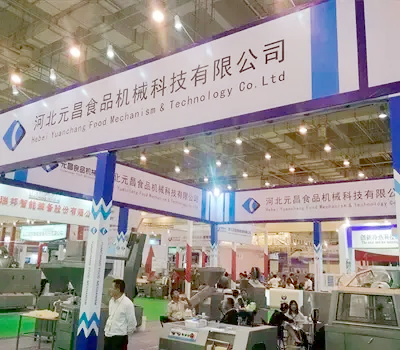
Commitment to International Standards and Quality
Operating in the global food processing industry demands adherence to a strict framework of international standards. At Hebei Yuanchang, our commitment to quality, safety, and compliance is reflected in the certifications we hold and the standards we uphold in our manufacturing processes.
We understand that for international buyers, particularly in markets like the USA, Europe, and beyond, certifications are not just badges but assurances of product integrity and operational responsibility. While our primary focus is on the mechanical engineering and manufacturing of robust equipment, we ensure that our production processes align with globally recognized quality management systems.
Our manufacturing capabilities are built upon principles that support compliance with key industry standards. This includes:

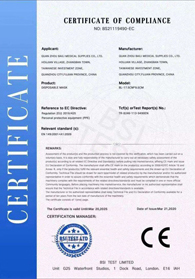

ISO 9001: Our quality management system is designed to ensure consistent product quality and customer satisfaction through rigorous process control and continuous improvement. This underpins our entire manufacturing operation.
CE Marking: For products intended for the European Economic Area, our equipment is designed to meet essential health, safety, and environmental protection requirements, allowing for free circulation in the European market.
RoHS Compliance: We ensure that our equipment adheres to the Restriction of Hazardous Substances directive, particularly relevant for electrical components, guaranteeing the absence of restricted materials.
Furthermore, the materials used in our equipment, especially those in direct contact with food products, are selected to meet stringent food-grade standards, such as FDA compliance where applicable. Our stainless steel grades are carefully chosen for their durability, corrosion resistance, and hygienic properties suitable for the rigorous demands of meat processing environments.
For metal detection systems we integrate, we partner with manufacturers who also demonstrate strong adherence to international safety and performance standards. This ensures that the entire solution we provide meets the highest levels of quality and reliability required by global food safety regulations and discerning buyers.
Our track record of over 40 years and consistent export activities to numerous countries are testament to our ability to meet diverse international requirements. We are committed to transparency and providing all necessary documentation to facilitate your import and compliance processes.
Your Metal Detection Questions, Answered
Navigating the complexities of food safety equipment can bring up many questions. Here are some of the most common inquiries we receive regarding metal detection in meat processing:
1. How sensitive can these detectors be?
Sensitivity is measured by the smallest metal sphere a detector can reliably identify. For advanced multi-frequency systems used in meat processing, detecting ferrous spheres as small as 0.5mm to 1.0mm and stainless steel spheres of 1.0mm to 1.5mm is achievable, depending on the specific system, aperture size, and product being inspected. Extremely high sensitivity can sometimes lead to false positives, so a balance is crucial.
2. Can these detectors distinguish between different types of metal?
Yes, advanced multi-frequency and multi-coil systems can be programmed to differentiate between ferrous, non-ferrous, and various grades of stainless steel, allowing for tailored detection profiles. This helps minimize false rejects caused by conductive products.
3. What is the "product effect" and how is it handled?
The product effect refers to the signal generated by the food product itself (especially those high in salt or moisture) that can interfere with the detection of metal. Multi-frequency detectors and sophisticated signal processing algorithms are designed to distinguish between the product's signal and a true metal contaminant signal, thereby reducing false positives while maintaining sensitivity.
4. How often do I need to calibrate the detector?
Calibration should be performed at least once per shift, or more frequently if there are product changes, line speed adjustments, or environmental shifts. Many systems offer automated calibration features or prompts to ensure this critical step is not missed. Regular testing with calibrated test pieces is also advised.
5. Can metal detectors detect non-metallic contaminants?
No. Metal detectors are specifically designed to identify metallic contaminants. For non-metallic contaminants like plastic, glass, or bone, other inspection technologies, such as X-ray systems, would be required.
6. What are the installation requirements?
Installation requires a stable, vibration-free surface and adequate space for the detector, conveyor (if applicable), and rejection mechanism. For washdown environments, proper sealing and drainage are essential. It's also important to consider potential electromagnetic interference from other plant equipment.
7. How do you handle after-sales service and spare parts for international clients?
We provide comprehensive support. Our traceable after-sales management system, coupled with our in-house precision parts manufacturing, allows us to efficiently supply spare parts globally. We also offer remote diagnostics and on-site support when needed, ensuring minimal downtime for your operations.
Ensure Your Meat Products are Metal-Free
Protect your brand, your customers, and your bottom line with advanced metal detection solutions. Let us help you integrate the right safety technology into your processing lines.
We are ready to discuss your specific needs and provide a tailored solution.
Hebei Yuanchang Food Mechanism & Technology Co., Ltd. | Address: Shijiazhuang, Hebei Province, China | Phone: +86 15830991513 | Email: ycmeatmech@gmail.com
© Hebei Yuanchang. All rights reserved. | Contact Us