Meat Lugs With Lids
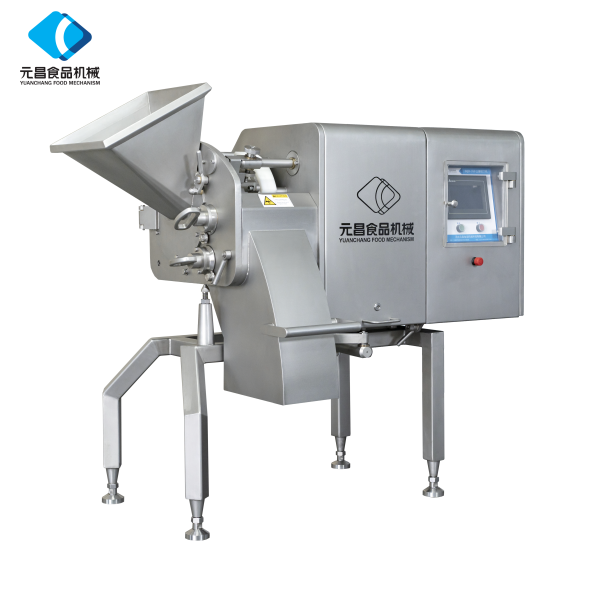
Meat Lugs with Lids: Essential Solutions for Bulk Ingredient Handling and Storage
Streamline your operations, ensure product integrity, and enhance your supply chain efficiency with robust, food-grade meat lugs.



Understanding the Critical Role of Meat Lugs in Modern Processing
In the fast-paced world of meat processing, handling bulk ingredients efficiently and hygienically is paramount. From receiving raw materials to storing semi-finished products and transporting them through various stages of production, the right equipment makes a tangible difference. This is where high-quality meat lugs, especially those equipped with secure lids, come into play. They aren't just containers; they are integral components of a well-oiled processing line, designed to protect product integrity, prevent contamination, and optimize workflow. Whether you're dealing with large volumes of beef, pork, poultry, or even specialty ingredients, selecting the correct meat lug is a decision that impacts everything from operational safety to final product quality and cost-effectiveness.
The market for meat processing equipment itself is substantial, reflecting the global demand for processed meats. Reports indicate the global meat processing equipment market was valued at over USD 11 billion in 2025 and is projected to exceed USD 17 billion by 2034, driven by rising demand for processed meat, automation, and stringent food safety standards. (Fortune Business Insights). Within this ecosystem, auxiliary items like meat lugs are often overlooked but are fundamentally critical for handling the very materials these sophisticated machines process. They are the workhorses that keep raw meat, marinated cuts, ground products, and even finished components moving safely and efficiently through your facility.

Choosing the right meat lugs involves more than just picking a standard bin. It requires an understanding of material science, ergonomic design, regulatory compliance, and operational logistics. Factors like material durability, resistance to chemicals and extreme temperatures, ease of cleaning, stacking capabilities, and the secure fit of lids are all critical considerations. For businesses involved in international trade, the specifications and compliance certifications of these lugs can also be a deciding factor for import into different markets.
This landing page is designed to guide you through the selection process, highlighting why robust, well-designed meat lugs with lids are indispensable tools for any serious meat processing operation. We’ll delve into their advantages, the technical specifications you should look for, and how partnering with an experienced manufacturer like Hebei Yuanchang Food Mechanism & Technology Co., Ltd. can provide you with reliable, cost-effective solutions tailored to your specific needs. Let’s explore how these essential pieces of equipment can significantly enhance your processing efficiency and product safety.
Key Challenges in Bulk Meat Handling
Contamination Risks
Uncovered lugs are susceptible to airborne contaminants, pests, and cross-contamination from other areas of the plant. This poses a direct threat to food safety and regulatory compliance.
Product Degradation
Exposure to air can lead to dehydration, oxidation, and spoilage of meat products. Lids help maintain a controlled environment, preserving freshness and quality.
Operational Inefficiencies
Poorly designed lugs can be difficult to stack, maneuver, or clean, leading to lost time, potential damage, and increased labor costs. Inconsistent sizes can also hinder efficient use of space.
Material Strain
Constant exposure to cleaning agents, temperature fluctuations, and heavy loads can degrade lesser materials, leading to premature wear, cracking, or warping. This necessitates frequent replacements.
The Advantages of High-Quality Meat Lugs with Lids
- Enhanced Food Safety: Lids provide a crucial barrier against environmental contamination, sealing in product and preventing ingress of foreign matter. This is non-negotiable in today's food safety landscape, where audits and certifications are rigorous.
- Preservation of Product Quality: By minimizing air exposure, lids help reduce moisture loss and prevent oxidation, maintaining the color, texture, and flavor of the meat products. This translates to better product shelf-life and consumer satisfaction.
- Superior Stackability and Space Optimization: Designed for efficiency, these lugs often feature interlocking bases and lids, allowing for stable, secure stacking. This maximizes storage and transport capacity, reducing logistical costs. Our lugs are designed for optimal container loading, a key consideration for international exports.
- Durability and Longevity: Manufactured from robust, food-grade materials like high-density polyethylene (HDPE) or polypropylene, they resist impacts, chemicals, and temperature extremes. This means fewer replacements and a lower total cost of ownership. We typically work with materials certified for food contact.
- Ease of Cleaning and Maintenance: Smooth interior surfaces and often rounded corners make these lugs quick and easy to clean and sanitize, which is critical for maintaining hygienic processing environments. This reduces labor and the risk of bacterial buildup.
- Operational Versatility: Suitable for use in refrigerated or freezer environments, as well as for transport, these lugs integrate seamlessly into various processing stages, from mixing and marinating to packaging and distribution.
Technical Deep Dive: What to Look For
When specifying meat lugs for your operation, several technical aspects deserve close attention. These details determine the lug's performance, lifespan, and suitability for your specific applications. Remember, procurement decisions for essential equipment like this should always consider long-term operational benefits and compliance.
Material Selection
The vast majority of industrial meat lugs are constructed from virgin, food-grade High-Density Polyethylene (HDPE) or Polypropylene (PP). These polymers offer an excellent balance of strength, chemical resistance, temperature tolerance, and regulatory compliance (FDA, EU food contact standards). Avoid recycled materials unless they are specifically certified for food use, as impurities can compromise safety and performance. We ensure all our materials meet the highest food-grade standards, preventing issues like leaching or absorption.
Dimensions and Load Capacity
Lugs come in a wide array of standard sizes, from small utility bins to large bulk containers. Common dimensions might range from 600x400mm to 1200x1000mm. Crucially, check the static and dynamic load capacities. A lug rated for 500 kg static load can support that weight when stationary, but its dynamic load capacity (when being moved) will be lower. Understanding the weight of your products and handling methods is vital to prevent deformation or failure.
Lid Design and Security
The lid is as important as the lug itself. Look for lids that fit snugly and securely. Options include simple press-on lids, hinged lids for convenience, or those with latches for added security. A good lid will have a reinforcing rim to maintain its shape and prevent it from falling into the lug. Some designs also incorporate drainage channels to prevent condensation buildup. The interface between the lid and the lug rim is critical for an effective seal.
Reinforcement and Structural Integrity
Look for features like reinforced corners, base ribs, and sturdy sidewalls. These elements prevent the lug from buckling under heavy loads and resist damage from forklift tines or impacts during transit. The structural design directly impacts the lug's lifespan and its ability to protect the contents.
Hygiene and Cleanability
Smooth, non-porous surfaces with minimal crevices are essential. Rounded internal corners make it easier to remove all product residue and facilitate thorough cleaning and sanitization. Consider if the lugs are compatible with automated washing systems.
Temperature Resistance
Meat processing often involves significant temperature variations, from chilling and freezing to potential exposure to hot washdowns. Ensure the chosen material and design can withstand these extremes without becoming brittle (in cold) or deforming (in heat).
Material Comparison: HDPE vs. PP for Meat Lugs
While both HDPE and PP are excellent choices for meat lugs, they offer slightly different performance characteristics:
| Feature | High-Density Polyethylene (HDPE) | Polypropylene (PP) |
|---|---|---|
| Impact Strength | Excellent, especially at low temperatures. Less prone to cracking under impact. | Good, but can become more brittle at very low temperatures. |
| Stiffness & Rigidity | More flexible, allowing for some deformation without permanent damage. | More rigid and stiffer, holds shape better under load. |
| Temperature Range | Wider operating range, particularly good in cold environments. | Good, but HDPE often preferred for extreme cold applications. Higher melting point than HDPE. |
| Chemical Resistance | Excellent resistance to most acids, bases, and solvents. | Excellent resistance, especially to organic solvents and oils. |
| Cost | Typically slightly more cost-effective. | Can be slightly more expensive, but offers higher rigidity. |
| Common Applications | Bulk handling, freezer storage, general-purpose transport. | Applications requiring higher rigidity, food trays, specialized containers. |
heavy duty meat lug with lid dicer meat meat packaging materials
For most standard meat lug applications, HDPE is the go-to material due to its superior low-temperature impact resistance and cost-effectiveness. However, if extreme rigidity or a higher melting point is a priority, PP may be the better choice. Our technical team can help you determine the optimal material for your specific operational demands.
Applications Across the Meat Industry
Meat lugs with lids are versatile tools used across numerous segments of the meat processing industry:
Raw Material Handling
Receiving and temporarily storing primal cuts, deboned meat, or ground meat before further processing. Lids protect against dust and pests.
Marinating and Tumbling
Holding marinated products or ingredients undergoing tumbling and massager processes for ripening and tenderization. Sealed lugs prevent evaporation and contamination.
Portioning and Forming
Transporting meat trimmings or prepared mixtures to forming machines or portioning stations. Lids keep contents secure during movement.
Finished Product Storage
Storing cooked, cured, or smoked meat products before packaging and distribution, ensuring hygiene and preventing dehydration.
Logistics and Distribution
Used for internal transfers or external shipping, providing a robust container that protects the product throughout the supply chain.
Pet Food Processing
Handling and storing ingredients for pet food production, maintaining hygiene and ingredient integrity.
Procurement Considerations for Meat Lugs
Sourcing bulk handling solutions like meat lugs requires a strategic approach. Beyond unit price, consider these critical procurement factors:
Supplier Reliability
Work with established manufacturers with a proven track record. Look for consistent quality, on-time delivery, and responsive customer service. A supplier with in-house manufacturing capabilities, like ours, offers greater control over quality and lead times.
Material Certifications
Ensure the materials used comply with food safety regulations in your target markets (e.g., FDA, EU regulations). Request documentation if needed, especially for export.
OEM/ODM Capabilities
Do you need custom sizes, colors, or branding? Many suppliers offer Original Equipment Manufacturer (OEM) or Original Design Manufacturer (ODM) services. Inquire about minimum order quantities (MOQs) and development timelines.
Logistics and Shipping
Consider how the lugs will be shipped to you. For international orders, efficient container loading and packing are crucial to minimize freight costs. We optimize palletization for maximum space utilization.
Why Partner with Hebei Yuanchang?
At Hebei Yuanchang Food Mechanism & Technology Co., Ltd., we bring over 40 years of experience in food processing machinery and auxiliary equipment. Established in 1986, our extensive practical knowledge ensures we understand the demands placed on equipment in real-world, high-volume environments. We don't just sell products; we provide solutions backed by deep industry insight.
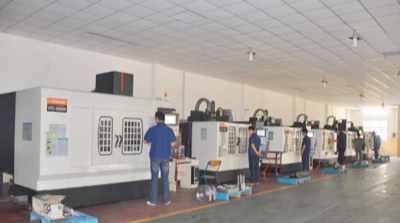
Our integration of R&D, production, and sales, combined with an in-house machining workshop featuring advanced Japanese CNC centers, allows us to maintain exceptional quality control and offer bespoke solutions. We pride ourselves on producing high-precision, durable meat lugs with lids that meet stringent international standards. Our commitment extends to a traceable after-sales management system, ensuring you receive reliable support throughout the product lifecycle.
We understand the critical importance of food safety and operational efficiency. Our meat lugs are designed and manufactured with these principles at the forefront, providing you with dependable tools that enhance your processing capabilities and safeguard your products. From initial consultation to reliable delivery, we aim to be your trusted partner in optimizing your meat handling operations.
Our Commitment to Quality: Certifications & Capabilities
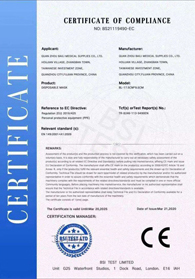
Quality assurance is at the core of our manufacturing process. We adhere to strict production protocols and utilize advanced technology to ensure our meat lugs meet and exceed industry expectations. Our capabilities include:

Our facility is equipped with over 20 sets of advanced processing machinery, enabling us to produce high-precision components efficiently. With 8 Japanese Mazak CNC machining centers, we can handle complex specifications and large volumes, ensuring consistency and reliability in every product. This in-house control over part production is a significant advantage for our clients.
What Our Clients Say

David Chen
Procurement Manager, North Star Meats
"We switched to Yuanchang's meat lugs about two years ago, and the difference in durability is remarkable. The previous ones cracked easily, especially in the freezer. These hold up incredibly well, and the lids fit securely, which has reduced spoilage during transit. Getting factory pricing directly from them saved us a considerable amount."

Maria Rodriguez
Operations Supervisor, Global Meat Exports
"The hygiene standards are critical for our export business. Yuanchang's lugs are easy to sanitize, and the secure lids give us peace of mind that our product is protected. Their OEM service for adding our logo was also handled smoothly. We appreciate their technical support when we needed to confirm load capacities for international shipping."

Ben Carter
Wholesale Butcher, Prime Cuts Inc.
"We deal with large quantities daily. The stackability of these lugs is fantastic – they don't topple over. Cleaning is a breeze, which saves our staff time. Plus, the consistent quality from Yuanchang means we don't have unexpected failures mid-shift. Requesting a catalog from them was our first step to significant improvement."
Ready to Optimize Your Meat Handling Operations?
Discover how our durable, food-grade meat lugs with lids can enhance your efficiency, safety, and product quality. Get in touch with our experts today.
Frequently Asked Questions (FAQ)
Q: What is the typical lifespan of a high-quality meat lug?
A: With proper care and depending on the specific usage and material (HDPE generally offers excellent longevity), a good meat lug can last anywhere from 5 to 10 years or even longer. Factors like heavy impact, constant exposure to extreme temperatures, or abrasive cleaning agents can shorten this lifespan.
Q: Can these lugs be used for freezing applications?
A: Yes, absolutely. High-density polyethylene (HDPE), in particular, is chosen for its excellent performance in sub-zero temperatures, remaining impact-resistant and less brittle than other plastics. Our lugs are designed to withstand cold storage environments without compromising structural integrity.
Q: What are the advantages of ordering directly from a manufacturer like Hebei Yuanchang?
A: Ordering directly allows you to benefit from factory pricing, shorter communication lines, greater flexibility for customization (OEM/ODM), and direct access to technical expertise. It also ensures you are getting genuine products with verified quality certifications.
Q: How do I determine the correct size and load capacity for my needs?
A: Consider the types of meat products you handle, the typical quantities per lug, and your handling methods (manual, forklift, conveyor). We recommend consulting with our sales or engineering team. We can assess your operational workflow and recommend the most suitable dimensions and load-rated lugs to ensure safety and efficiency.
Q: What are the minimum order quantities (MOQs) for custom branding or specific designs?
A: MOQs for OEM/ODM services vary based on the complexity of the customization and the specific product. Typically, for large-volume industrial items like meat lugs, MOQs are reasonable for custom colors or logo applications. Please contact our sales department with your specific requirements to get an accurate quote and lead time.