Meat Grinder Uses
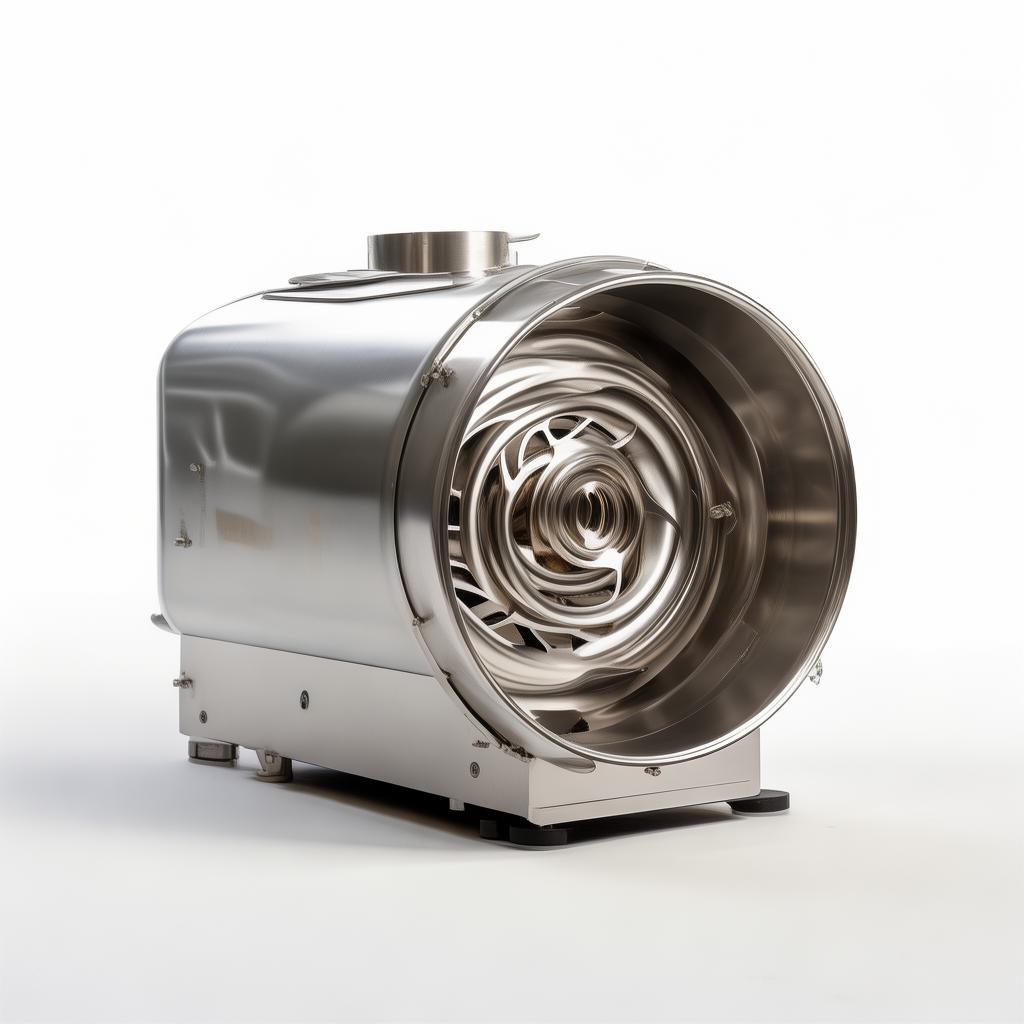
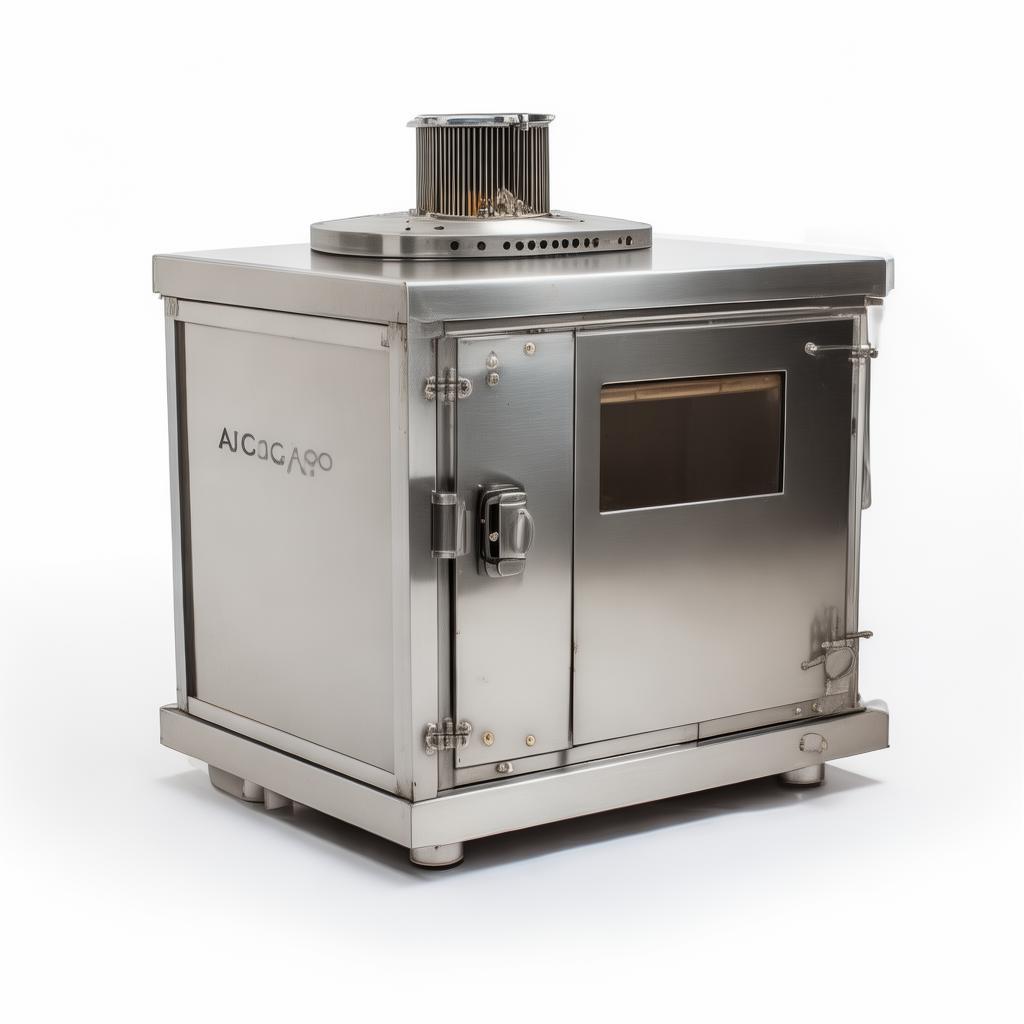
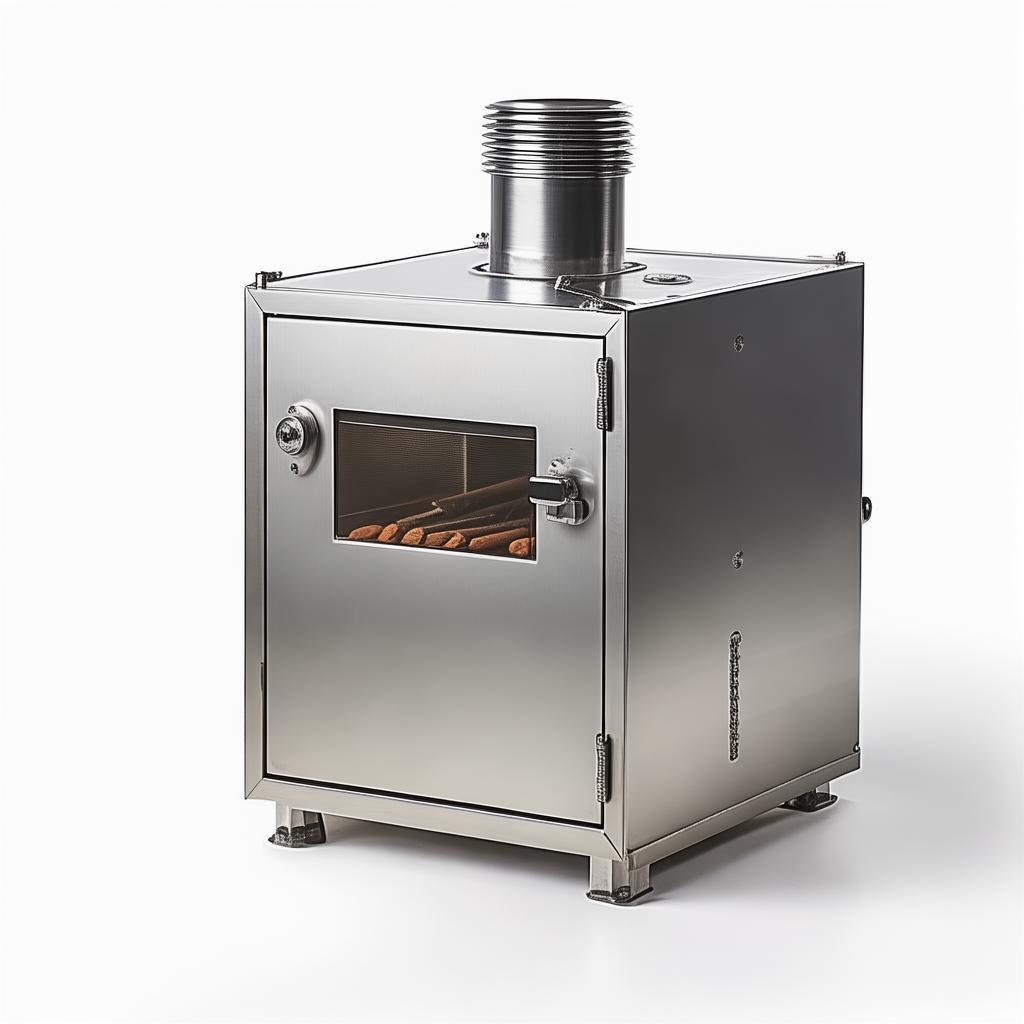

Hebei Yuanchang Food Mechanism & Technology Co., Ltd.
Your Trusted Partner in Advanced Meat Processing Solutions Since 1986
Unlocking Versatility: Beyond the Basics of Meat Grinder Uses in Modern Food Production
When we talk about meat grinders, most operators immediately think of a single, albeit crucial, function: reducing raw meat into a coarser or finer ground form for various culinary applications. It’s a fundamental piece of equipment, a workhorse in butcher shops, restaurants, and home kitchens alike. However, within the rigorous and often demanding landscape of international B2B food manufacturing, the "meat grinder" is a term that can encompass a far broader spectrum of functionality and application than its common perception suggests. It’s not merely about grinding; it’s about precision, consistency, efficiency, and adaptability – core tenets that drive profitability and market competitiveness in industries ranging from artisanal sausage production to large-scale pet food manufacturing and even specialized ingredients for the pharmaceutical sector.
At Hebei Yuanchang, with our 40 years of deep-rooted experience since 1986, we’ve seen firsthand how the evolution of meat processing technology has transformed the humble grinder into a sophisticated multi-tasking unit. This isn't just about finer or coarser grinds anymore. Modern industrial grinders, often more accurately termed "emulsifiers" or "fine grinders," are engineered to achieve specific textural outcomes, incorporate other ingredients uniformly, and prepare meat for complex processing stages. They are the starting point for everything from uniform burger patties and perfectly blended sausage mixes to the fine, homogenous pastes required for pâtés, terrines, and even certain reconstituted meat products. The precise control over particle size, fat distribution, and protein denaturation is critical, impacting everything from product mouthfeel and shelf life to processing yield and overall consumer appeal.
The global meat processing equipment market, valued at USD 11.29 billion in 2025 and projected to reach USD 17.39 billion by 2034, underscores the immense scale and ongoing innovation in this sector. Key segments, including filling, massaging, cutting, grinding, and smoking machines, highlight the integrated nature of modern processing lines. Our focus here is on the initial stages, where grinding equipment plays a pivotal role. The drive for automation, enhanced hygiene standards, and labor efficiency, particularly significant in markets like Asia-Pacific, means that the capabilities expected from a "meat grinder" have expanded exponentially. It’s about achieving consistent results, batch after batch, meeting stringent food safety regulations like ISO standards, and optimizing raw material utilization to ensure profitability. A high-quality industrial grinder isn't just a piece of machinery; it's an investment in product integrity and operational excellence.
Consider the nuances: a fine emulsion grinder, often a type of advanced meat grinder, is indispensable for creating the smooth, uniform texture required in high-end delicatessen products or certain types of pet food kibble where palatability and digestibility are paramount. The ability to finely dice or emulsify meat, often with the addition of water or other binding agents, opens up a world of product development possibilities. This level of control is what differentiates a mass-produced commodity from a premium food offering. Procurement managers and operations directors worldwide are constantly seeking equipment that not only performs reliably but also offers the flexibility to adapt to evolving market demands and consumer preferences. This necessitates a deeper understanding of what a modern meat grinding system can truly accomplish.
Beyond the direct processing of meat, industrial grinders find applications in preparing other raw materials that form critical components in processed foods. Fats, connective tissues, and even certain types of offal can be processed to specific consistencies, providing essential elements for flavor, texture, and binding in blended products. Furthermore, the precise particle size reduction achieved by advanced grinders can influence cooking times, moisture retention, and the overall sensory experience of the final food item. This level of technical detail is why we emphasize the "mechanism" in our company name – it's about the engineering and the precise interplay of components that deliver these results.
The complexities don't stop at the grind itself. The meat processing equipment market, estimated at USD 11.28 billion in 2024, includes tenderizing, filling, grinding, slicing, and massaging equipment, all essential for different stages. For grinding equipment, the challenge lies in maintaining temperature control during processing to prevent bacterial growth and fat smearing – a critical operational consideration that impacts food safety and product quality. This is where the engineering design of the grinder, including efficient cooling systems for the grinding head and appropriate motor power, becomes paramount. It's not uncommon for manufacturers to require specialized configurations or additional features to meet unique processing needs or comply with regional food safety standards.
This comprehensive overview aims to illuminate the diverse and critical "meat grinder uses" that extend far beyond the basic concept. It’s about understanding the sophisticated capabilities of industrial-grade machinery, the strategic importance of precise particle size reduction, and the potential for innovation that these versatile machines unlock for your business. Whether you are looking to enhance existing product lines, develop new market offerings, or simply improve the efficiency and consistency of your operations, a thorough appreciation of meat grinder applications is your first step towards making an informed equipment investment.
As pioneers in meat processing equipment since 1986, Hebei Yuanchang Food Mechanism & Technology Co., Ltd. is dedicated to providing solutions that meet these evolving demands. Our 40 years of accumulated expertise, coupled with our advanced manufacturing capabilities, including Japanese Mazak CNC machining centers, allow us to produce high-precision components essential for reliable and high-performance grinding systems. We understand the operational realities, the procurement challenges, and the critical need for equipment that delivers on its promise of quality, efficiency, and longevity. Let’s delve deeper into the specific applications and benefits that modern meat grinding technology offers.
Operational Challenges and Why Precision Grinding Matters
In the fast-paced world of food production, consistency isn't just a buzzword; it’s the bedrock of brand reputation and profitability. For purchasing managers and operations directors, the decision on processing equipment directly impacts everything from product quality and shelf life to operational costs and regulatory compliance. When it comes to meat grinding, the challenges are multifaceted:
- Temperature Fluctuation: Meat is sensitive. Overheating during grinding can lead to fat smear, bacterial proliferation, and a significant reduction in product quality, impacting taste and safety. This is a constant concern for processors handling large volumes.
- Particle Size Inconsistency: Inconsistent particle size results in uneven cooking, poor texture, and an unappealing final product. For products like sausages or formed patties, this means batch-to-batch variability, a red flag for quality control.
- Fat/Lean Ratio Management: Achieving and maintaining the correct fat-to-lean ratio is crucial for flavor, moisture, and binding. Inaccurate grinding can disrupt this delicate balance.
- Cross-Contamination: With different meat types or batches being processed, preventing cross-contamination is a paramount food safety concern. Easy-to-clean designs are not a luxury but a necessity.
- Efficiency and Throughput: In international trade, speed and volume are critical. Equipment must be capable of handling high throughput without sacrificing quality, directly impacting delivery timelines and cost-effectiveness.
Our industrial meat grinders and emulsifiers are engineered to address these very challenges. By leveraging decades of manufacturing experience and incorporating advanced design principles, we ensure that each machine delivers precise, repeatable results. The integrated cooling systems and robust construction are designed to maintain optimal temperatures, while the precision-engineered cutting plates and screws guarantee uniform particle size reduction. This is not just about processing meat; it's about mastering the science and engineering behind every grind.
The meat processing equipment market is poised for significant growth, estimated at USD 12.04 billion in 2024 and reaching USD 19.66 billion by 2033. This expansion is fueled by the rising demand for processed meats and the industrialization of processing facilities, especially in regions like Asia-Pacific. For businesses looking to capitalize on these trends, investing in reliable, high-performance grinding technology is a strategic imperative.
Core Applications: Where Meat Grinder Uses Shine
The term "meat grinder" is often a simplification for the sophisticated machinery we produce. The underlying technology enables a wide array of applications critical to various segments of the food industry:
Sausage and Cured Meat Production
This is perhaps the most classic application. Achieving the right texture and homogeneity for sausages (from coarse bratwurst to fine frankfurters) and other cured products like salami requires precise particle size control. Our grinders ensure uniform mixing of meat, fat, and spices, which is vital for flavor development and preventing fat separation during stuffing and cooking. We understand the importance of consistency for export markets demanding standardized quality.
Industry Insight: Export markets often have strict specifications for particle size and fat content. Consistent grinding is key to meeting these import regulations and consumer expectations.
Burger Patties and Formed Meat Products
For high-volume burger production, consistency in grind is paramount for even cooking and texture. Our equipment can handle large batches efficiently, ensuring that each patty has the same mouthfeel. This is also crucial for other formed products like meatballs, nuggets, and loaves, where the binding properties of the ground meat are essential.
Procurement Note: Look for machines with high throughput and easy cleaning cycles to maximize your return on investment during peak production periods.
Pet Food Manufacturing
The pet food industry relies heavily on effective grinding for creating palatable and digestible food. Whether it's for wet pet food pastes or for processing ingredients that will be extruded into dry kibble, precise grinding is necessary. The ability to process various meat by-products and organ meats efficiently and hygienically makes our equipment ideal for this sector.
Operational Consideration: Hygiene is critical in pet food. Our designs emphasize ease of disassembly and cleaning to prevent spoilage and ensure product safety.
Fine Emulsification and Pâté Production
Advanced models, often referred to as fine emulsifiers, are capable of grinding meat to an extremely fine, almost paste-like consistency. This is essential for producing smooth pâtés, terrines, and certain types of processed meat products where a very uniform texture is desired. The meat processing equipment market is seeing growth in these specialized segments, driven by demand for premium convenience foods.
Technical Insight: The choice of cutting plates and the gap between the screw and barrel are critical for achieving fine emulsions. We offer various configurations for tailored results.
Our engineering team understands that each of these applications has unique requirements regarding particle size, temperature control, and hygiene. We don't just sell grinders; we provide solutions tailored to your specific processing needs. With over 20 sets of advanced machining equipment in our in-house workshop, including high-precision grinding machines and Japanese Mazak CNC machining centers, we possess the capability to manufacture components that meet the most exacting standards, ensuring the longevity and performance of our machines.
Technical Specifications & Features: The Yuanchang Difference
When evaluating industrial meat grinding equipment, understanding the technical specifications is paramount for making a sound procurement decision. At Hebei Yuanchang, we focus on engineering excellence that translates into tangible operational benefits:
| Feature | Description | Benefit |
|---|---|---|
| Motor Power | High-efficiency, heavy-duty industrial motors (e.g., 3.7kW, 5.5kW, 7.5kW+) | Ensures consistent torque for processing tough meats and large volumes without strain; reduces downtime. |
| Grinding Capacity | Varies by model, typically 200 kg/hr to over 1000 kg/hr | Scalable solutions for small operations to large industrial plants, optimizing throughput. |
| Materials of Construction | High-grade stainless steel (e.g., SUS304, SUS316) for all food-contact parts | Corrosion resistance, durability, easy sanitation, compliance with food safety standards (e.g., FDA, CE). |
| Cutting System | Precision-engineered screw, plates, and knives; optional double-cutting system | Achieves consistent particle size, minimizes heat generation, extends sharpness and efficiency. |
| Cooling System | Integrated cooling jackets for grinding head and hopper | Maintains meat temperature below 2°C, preventing bacterial growth and fat smearing. Crucial for quality and safety. |
| Hopper Capacity | Range from 20L to 100L+, with safety grates | Accommodates various batch sizes, enhances operator safety by preventing accidental contact with moving parts. |
| Ease of Cleaning | Removable grinding head assembly, polished surfaces | Facilitates quick and thorough cleaning, minimizing downtime between batches and preventing cross-contamination. |
how to use a meat grinder Meat grinder used commercial meat grinder
Our commitment to quality is reflected in our manufacturing processes. Utilizing over 20 sets of advanced machining equipment, including lathes, milling machines, and wire cutting equipment, allows us to produce high-precision, non-standard components. The addition of Japanese Mazak CNC machining centers in 2012 further enhanced our capability for producing complex parts with extreme accuracy, ensuring that every Yuanchang grinder is built to last and perform.
The meat processing equipment market is projected to reach USD 17.39 billion by 2034. This growth is driven by automation and the increasing demand for processed meats globally. For businesses operating in this dynamic market, partnering with a manufacturer that emphasizes precision engineering and robust construction is essential for long-term success.
Logistics & Export Considerations for International Buyers
As a global supplier, Hebei Yuanchang understands that international B2B trade involves complexities beyond the machinery itself. We have streamlined our export processes to ensure a smooth experience for our clients worldwide:
- Packaging: Our equipment is securely packaged in durable wooden crates or custom steel frames designed to withstand the rigors of international shipping. We consider factors like moisture protection and shock absorption to ensure equipment arrives in optimal condition.
- Shipping Options: We work with reputable freight forwarders to offer flexible shipping solutions, including FCL (Full Container Load) and LCL (Less than Container Load) options via sea freight, as well as air freight for urgent orders. We can provide detailed container loading plans to maximize space utilization and minimize costs.
- Documentation: We handle all necessary export documentation, including commercial invoices, packing lists, certificates of origin, and CE/ISO certifications, to facilitate customs clearance in your destination country.
- Lead Times: Production lead times typically range from 30 to 60 days, depending on order volume and customization. We maintain transparent communication regarding production schedules and shipping timelines.
- Payment Terms: We offer flexible payment terms, often involving an initial deposit followed by the balance payment before shipment, to accommodate international transactions.
Our experience spans exporting to numerous countries, and we are adept at navigating the diverse regulatory landscapes and logistical challenges inherent in cross-border commerce. We aim to make the procurement process as transparent and straightforward as possible, ensuring you receive your equipment efficiently and without unexpected complications.
The global meat processing equipment market is expected to reach USD 18 billion by 2033, with significant demand for efficient and reliable machinery from international buyers. Our robust manufacturing capabilities and export expertise position us as a prime partner for your global supply chain needs.
Buyer's Guide: Selecting the Right Meat Grinder for Your Operation
Choosing the correct meat grinder is a critical decision that impacts product quality, operational efficiency, and profitability. Here’s what procurement professionals should consider:
- Capacity & Throughput: How much meat do you need to process per hour? Match the grinder's capacity to your production volume to avoid bottlenecks. Over-specifying can lead to unnecessary capital expenditure, while under-specifying cripples operations.
- Meat Type & Desired Texture: Are you grinding lean beef, fatty pork, poultry, or a mix? Do you need a coarse grind for sausage, a fine emulsion for pâté, or something in between? The cutting plates, knives, and screw design are crucial here.
- Temperature Control: For high-volume operations or warm climates, integrated cooling systems are non-negotiable to maintain product safety and quality. Don't underestimate the impact of temperature rise during grinding.
- Material Quality & Durability: Look for machines constructed from food-grade stainless steel (SUS304 is standard, SUS316 for highly corrosive environments). Robust construction ensures longevity and reduces maintenance costs.
- Ease of Cleaning & Maintenance: Minimal downtime is key. The machine should be designed for quick disassembly and thorough cleaning to meet hygiene standards and prepare for the next batch. Consider the availability of spare parts.
- Safety Features: Ensure the machine complies with relevant safety standards (e.g., CE). Features like safety grates and interlocks are essential for operator protection.
- Supplier Reputation & Support: Partner with a manufacturer that has a proven track record, offers reliable after-sales support, and understands international trade. Our 40 years of experience and ISO certifications speak to our commitment.
At Hebei Yuanchang, we pride ourselves on providing comprehensive support. Our in-house engineering team is available to discuss your specific needs and recommend the most suitable grinding solution. We also offer OEM/ODM services for clients requiring customized specifications or private labeling.
Our Manufacturing Strength: Trust Hebei Yuanchang
As a leading manufacturer with 40 years of experience, Hebei Yuanchang Food Mechanism & Technology Co., Ltd. offers more than just machinery. We offer reliability, precision, and a deep understanding of the food processing industry.
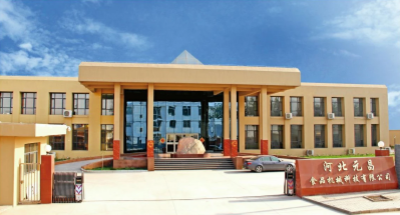
Our modern production facility in Shijiazhuang, Hebei Province.

Adherence to international quality standards.
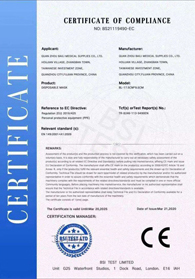
Ensuring compliance with European market requirements.
- Extensive Experience: Since 1986, we have refined our designs and manufacturing processes to meet global standards.
- Advanced Machining Capabilities: With over 20 sets of processing machinery and Japanese Mazak CNC centers, we ensure high precision and quality in every component.
- Quality Assurance: We implement rigorous quality control measures throughout the production cycle.
- Traceable After-Sales Management: Our independent production of high-precision parts ensures reliable and efficient after-sales service.
- Dedicated Team: Our 80-100 employees are committed to delivering excellence in R&D, production, and sales.
Choosing Hebei Yuanchang means partnering with a factory that understands the critical role our equipment plays in your success. We are committed to providing robust, efficient, and reliable meat processing solutions that empower your business.
Hear From Our Partners: Realistic Feedback

Procurement Manager, USA
"We integrated Yuanchang's industrial grinder into our sausage production line about 18 months ago. The consistency in grind size is impressive, leading to a much more uniform product. The temperature control feature is also invaluable – we've significantly reduced spoilage compared to our old unit. Shipping was handled efficiently, and the machine has been running reliably since installation."
Purchased for: Sausage Production Line

Operations Director, Mexico
"We needed a robust grinder for our pet food processing. Yuanchang's recommendation was spot-on. The capacity is excellent, and the stainless steel construction makes cleaning straightforward, which is crucial for hygiene. Their communication regarding production and shipping was clear and proactive. A solid piece of equipment for a demanding application."
Purchased for: Pet Food Raw Material Processing

Plant Manager, Japan
"We required a fine emulsifier for our premium deli products. Yuanchang delivered a machine that met our exact specifications. The precision of the grind is exceptional, and the build quality is evident. They were accommodating with minor customization requests, and the after-sales support has been responsive. Highly recommended for specialized applications."
Purchased for: Premium Deli Products
Ready to Enhance Your Meat Processing Operations?
Discover how Hebei Yuanchang's advanced meat grinding solutions can optimize your production, ensure product quality, and drive business growth. With 40 years of expertise, we're your reliable partner for international B2B food processing equipment.
Frequently Asked Questions (FAQ)
With proper maintenance and operation, our industrial meat grinders are built for longevity, typically lasting 10-15 years or more. The use of high-grade stainless steel and precision-engineered components ensures durability, even under heavy, continuous use. Regular cleaning and timely replacement of cutting parts (knives and plates) are key.
Our industrial grinders are designed for processing chilled or slightly frozen meat (typically -2°C to 0°C). Grinding fully frozen meat can put excessive strain on the motor and cutting mechanism and is not recommended. For specific requirements involving frozen blocks, please consult with our engineering team for specialized solutions.
Power requirements vary by model. Our machines are typically designed for industrial three-phase power (e.g., 380V, 50/60Hz). We can discuss voltage and frequency conversions if your facility has different power specifications. It’s crucial to ensure your facility’s electrical infrastructure can support the chosen machine’s power draw.
Spare parts, such as cutting plates, knives, and augers, are available directly from Hebei Yuanchang. Due to our in-house manufacturing of high-precision components, we can provide genuine parts quickly. Please contact our after-sales service team with your machine model and the specific part number required.
Why Choose Hebei Yuanchang?
For over four decades, Hebei Yuanchang Food Mechanism & Technology Co., Ltd. has been at the forefront of meat processing equipment innovation. We combine deep industry experience with advanced manufacturing technology to deliver solutions that meet the evolving demands of the global market. Our commitment to quality, reliability, and customer satisfaction makes us the ideal partner for businesses seeking to excel in the competitive landscape of food production. We understand the intricacies of international B2B trade, from product specification to logistics and after-sales support.
Connect with us today to explore how our range of meat grinders and other processing equipment can elevate your operations.