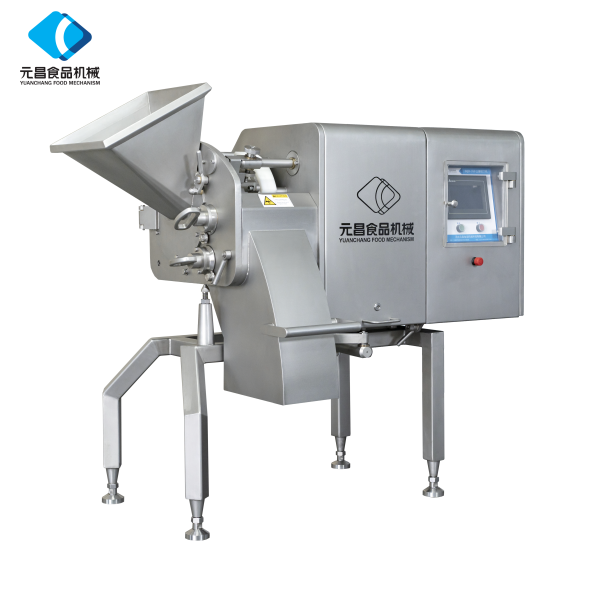
Meat Grinder Machine Price
Meat Grinder Machine Price: Your Guide to Industrial Wholesale Options
Unlocking Efficiency and Quality in Meat Processing

By Mr. Jian Li, Export Director at Hebei Yuanchang Food Mechanism & Technology Co., Ltd.
With over 20 years in international food machinery export and a deep understanding of processing workflows.
Navigating the Landscape of Meat Grinder Machine Prices for Wholesale Buyers
When you're looking for meat grinder machine price figures for your wholesale or industrial operation, it's easy to get lost in a sea of options. The critical distinction often missed is the gap between a retail-style grinder and a commercial-grade workhorse designed for high-volume throughput and consistent performance. As an export director with decades of experience supplying international markets, I’ve seen firsthand how crucial selecting the right machine impacts not just initial cost, but long-term operational efficiency, product quality, and ultimately, your bottom line.
The global meat processing equipment market, a sector valued at over USD 11.29 billion in 2025 and projected to reach USD 17.39 billion by 2034, underscores the sheer scale of this industry. Within this, meat grinders are foundational. They are not just about reducing particle size; they are instrumental in pretreatment processes, crucial for everything from sausage production and burger patties to pet food formulations. The price you'll encounter for a meat grinder machine is directly tied to its capacity, the quality of materials used, the precision of its engineering, and its intended operational environment. Are you outfitting a small butcher shop with modest daily needs, or equipping a large-scale food manufacturing facility that demands continuous operation and compliance with stringent food safety standards like HACCP or ISO 22000?
Understanding the pricing structure requires looking beyond the sticker price. Factors like the motor power (measured in HP or kW), the size of the grinding plates and knives, the hopper capacity, and the construction material (often high-grade stainless steel like SUS304 for food contact surfaces and robust cast iron or stainless steel for the body) all play a significant role. For international wholesale buyers, additional considerations come into play: shipping costs, import duties, potential customization requirements for specific markets (e.g., voltage, certifications), and the availability of reliable after-sales support and spare parts. A machine that seems inexpensive upfront might prove costly if it requires frequent maintenance, downtime, or replacement parts that are difficult to source.
The intent behind searching for "meat grinder machine price" is often multi-faceted. Some buyers are in the initial research phase, trying to gauge the market and understand the investment range. Others are actively comparing suppliers, looking for the best value proposition. Many are specifically seeking wholesale or factory-direct pricing, aiming to bypass intermediaries and secure more competitive terms for bulk purchases. Our aim here is to provide clarity, drawing on 40 years of manufacturing experience at Hebei Yuanchang, to help you make an informed decision that aligns with your operational needs and budget.
The market itself is dynamic. Reports indicate a steady growth, with various segments like filling, grinding, and massaging equipment being crucial. The demand for processed meats – which heavily relies on efficient grinding and forming – is a significant driver. As quoted in one analysis, the global processed meat market is projected to grow substantially, which in turn fuels the need for robust processing equipment. This isn't just about volume; it’s about consistency. A good industrial meat grinder ensures uniform particle size, which is vital for product texture, binding, and overall quality. Inconsistent grinding can lead to textural issues, poor emulsification in sausages, and a less appealing final product. This is where investing in a quality machine, even if the initial meat grinder machine price is higher, pays dividends.
We've seen a significant trend towards automation and enhanced hygiene standards. This means modern industrial grinders are often designed for ease of cleaning, with smooth surfaces and fewer crevices where bacteria can harbor. Features like detachable grinding heads and dishwasher-safe components are becoming standard expectations. Furthermore, the integration of advanced control systems can optimize grinding speed and temperature, preventing meat from becoming overworked or overheating, which can degrade quality and flavor. These technological advancements, while adding to the machine's complexity and initial cost, contribute to better food safety outcomes and superior product consistency, critical factors for any serious B2B buyer.
At Hebei Yuanchang, we specialize in providing robust, reliable meat processing equipment, including a comprehensive range of meat grinders suitable for various industrial applications. Our commitment is to offer not just competitive pricing but also enduring quality and comprehensive support. We understand that your investment in a meat grinder is a strategic decision. Therefore, this guide aims to break down the cost factors, highlight key features to consider, and provide insights into what to expect when sourcing these essential machines internationally. We’ll cover everything from the basic components that influence price to the advanced features that can revolutionize your production line. Let's delve into what truly matters when evaluating a meat grinder machine price for your business.
Key Factors Influencing Meat Grinder Machine Price
The price tag on a meat grinder isn't arbitrary. It's a reflection of its build, capabilities, and the technology incorporated. For a wholesale buyer, understanding these elements is paramount to distinguishing between a genuine investment and a potential liability.
- Capacity & Throughput: This is perhaps the most significant price driver. Industrial grinders are rated by how much meat they can process per hour. Higher capacity machines, often featuring larger motors and more robust augers, command higher prices. For example, a grinder processing 100-200 kg/hr will be priced differently than one handling 1,000-2,000 kg/hr. Consider your peak production needs to avoid overspending or under-equipping.
- Material Construction: Food-grade stainless steel (like SUS304) for all food-contact parts—hopper, auger, grinding plates, knives—is non-negotiable for hygiene and durability. Higher-grade stainless steel, thicker gauge materials, and more polished finishes increase the cost but offer superior longevity and resistance to corrosion. The frame and motor housing also vary, with heavy-duty cast iron or stainless steel being more expensive but more durable than lighter alloys.
- Motor Power & Efficiency: The horsepower (HP) or kilowatt (kW) rating of the motor directly impacts the grinder's ability to handle tough cuts or frozen meat without bogging down. More powerful, high-efficiency motors, especially those designed for continuous duty, add to the initial price but reduce energy consumption and maintenance over time.
- Grinding Head Design & Precision: The design of the grinding head—including the auger, knife, and plate system—determines the quality and consistency of the grind. Precision-machined components ensure a clean cut, minimize smearing, and extend the life of the blades. Higher precision manufacturing, often involving CNC machining, leads to a higher price but significantly better results and less meat degradation.
- Features & Automation: Advanced features such as integrated cooling systems (to prevent overheating of meat), variable speed controls, automatic feed systems, reverse functionality, and sophisticated safety interlocks add to the complexity and cost. For operations aiming for high efficiency and reduced labor, these can be worthwhile investments.
- Certifications & Compliance: Machines designed to meet international standards (e.g., CE for Europe, NSF for food safety in North America, UL for electrical safety) often have higher price points due to the rigorous testing and quality control involved. As an international supplier, we ensure our machines meet the necessary standards for your target market.
- Brand Reputation & OEM/ODM Capabilities: Established brands with a proven track record in industrial food machinery often command premium prices. For businesses looking for unique specifications or private labeling, OEM/ODM services will also influence the final meat grinder machine price, reflecting the engineering and customization effort.
At Hebei Yuanchang, we leverage our 40 years of experience to balance these factors, offering machines that provide exceptional value without compromising on critical performance or durability. Our in-house machining capabilities, including Japanese Mazak CNC centers, allow us to produce high-precision components that contribute to both quality and cost-effectiveness.
Industrial Grinder vs. Commercial Countertop: What's the Real Difference in Price and Performance?
It's a common misconception that a "meat grinder" is a one-size-fits-all category. The price disparity between a high-end domestic grinder and a genuine industrial unit can be tenfold, and for good reason. Understanding this is crucial for buyers seeking true wholesale value.
A commercial countertop grinder, often found in smaller butcher shops or delis, is typically designed for intermittent use. Its motor might be less powerful, its housing perhaps made of less robust materials, and its grinding plates and knives may wear out faster. While the initial meat grinder machine price might seem attractive, the total cost of ownership can escalate due to:
- Limited Throughput: Struggles with larger batches, leading to extended processing times or requiring multiple passes.
- Overheating: Motors can overheat during prolonged use, potentially affecting meat quality and leading to downtime.
- Inconsistent Grind: May produce a less uniform grind, especially with tougher or partially frozen meats, impacting product texture.
- Durability Issues: Components may not withstand the rigors of daily, high-volume operation, leading to frequent repairs or premature replacement.
An industrial meat grinder, on the other hand, is engineered for sustained performance in demanding environments. These machines, which are our focus at Hebei Yuanchang, are built with:
- High-Capacity Motors: Powerful, often fan-cooled motors designed for continuous operation without overheating.
- Heavy-Duty Construction: Robust stainless steel or cast iron bodies and food-grade stainless steel grinding heads that resist wear and tear.
- Precision Engineering: Tightly toleranced grinding plates and knives ensure a clean, consistent grind and longevity.
- Ergonomic Design: Features like easy-clean grinding heads, safety guards, and intuitive controls improve operator efficiency and safety.
The market analysis consistently shows growth in the meat processing equipment sector, driven by demand for processed meats and automation. For instance, the global meat processing equipment market was estimated at USD 11.28 billion in 2024. Investing in an industrial grinder means investing in reliability, scalability, and product integrity. While the initial meat grinder machine price will be higher, the operational efficiencies, reduced downtime, and consistent quality achieved typically yield a much higher return on investment for wholesale and large-scale operations.
Consider this: a grinding operation that needs to process 500 kg of meat per hour for sausage production. A countertop unit might take several hours, requiring constant supervision and potentially leading to quality variations. An industrial grinder could achieve this in under an hour, with consistent particle size and minimal operator intervention, freeing up staff for other critical tasks. This efficiency gain, multiplied over a workweek or month, more than justifies the higher upfront investment. We ensure our wholesale pricing reflects the value of this industrial-grade performance.
Technical Specifications: What to Look For in an Industrial Meat Grinder
When evaluating meat grinder machine price for industrial use, scrutinizing the technical specifications is non-negotiable. This is where the rubber meets the road, determining performance, durability, and suitability for your specific tasks.
| Specification | Key Considerations for Industrial Buyers | Impact on Price |
|---|---|---|
| Capacity (kg/hr) | Crucial for production planning. Ensure it meets peak demand with buffer. Standard industrial capacities range from 200 kg/hr to over 2,000 kg/hr. Look for machines rated for continuous operation. | High: Higher capacity machines require larger motors, more robust gearboxes, and larger grinding heads, significantly increasing cost. |
| Motor Power (HP / kW) | Adequate power prevents bogging down, especially with frozen meat or tougher cuts. Industrial motors are typically 3 HP (2.2 kW) and above, designed for heavy-duty cycles. Check for thermal overload protection. | Moderate to High: More powerful, industrial-grade motors are more expensive. |
| Grinding Head Material | Food-grade stainless steel (e.g., SUS304) is standard. Look for thickness and finish. Some heavy-duty models might use specialized alloys for extreme durability. | Moderate: Premium stainless steel and higher-grade alloys increase material costs. |
| Auger & Knife/Plate System | Hardened stainless steel auger for efficient meat feed. High-quality, precision-sharpened steel knives and plates (various hole sizes for different grinds). Replaceable parts are key for longevity. | Moderate: Precision manufacturing and hardening processes for blades/plates add to cost. |
| Hopper Capacity | Larger hoppers reduce the frequency of manual loading, improving efficiency. Industrial machines often have integrated, large-capacity hoppers. | Low to Moderate: Larger volume increases material and manufacturing complexity. |
| Power Supply / Voltage | Must match your facility's power grid (e.g., 220V/380V, 50Hz/60Hz, 3-Phase). | Low: Standardized electrical components are cost-effective. Custom voltage might add minor costs. |
| Safety Features | Emergency stop buttons, safety guards on all moving parts, interlocks that prevent operation when guards are open. CE certification often mandates specific safety features. | Moderate: Integrated safety systems and certification processes add development and component costs. |
| Ease of Cleaning | Detachable grinding head, smooth surfaces, minimal crevices. Crucial for hygiene and minimizing downtime for cleaning. | Low to Moderate: Design for disassembly and polished finishes enhance usability and cost slightly. |
At Hebei Yuanchang, our industrial meat grinders, like the YC-100 (100 kg/hr) or YC-200 (200 kg/hr) models, are designed with these specifications in mind. We utilize SUS304 stainless steel extensively and employ precision machining for critical components. Our motors are robust, built for continuous operation, and we offer customization for voltage requirements to suit international clients. The meat grinder machine price for our units reflects this commitment to quality, durability, and operational excellence, ensuring you receive a machine that performs reliably day in and day out.
Regarding market data, reports often highlight that automation and hygiene standards are key growth drivers. For example, the meat processing equipment market is seeing increased investment in technologies that enhance both efficiency and food safety. This is precisely what our industrial grinders are built for.
Applications: Where Industrial Meat Grinders Make a Difference
The versatility of an industrial meat grinder extends far beyond simply making ground beef. Its ability to process various meats and ingredients uniformly makes it indispensable in numerous food production lines. Understanding these applications can help you better assess the long-term value reflected in the meat grinder machine price.
1. Sausage Manufacturing:
This is a primary application. Grinders break down meat to the required particle size for emulsification with fat, water, and spices. Uniformity is key for consistent texture and binding in products like fresh sausages, bratwurst, and Italian sausage. The choice of grinding plate (fine, medium, coarse) directly dictates the final product texture.
2. Burger Patty Production:
Industrial grinders prepare the meat blend for burger patties. Consistent grind size ensures uniform cooking and a desirable mouthfeel. Many operations use a two-stage grinding process for premium burgers—a coarser grind followed by a finer one—to achieve specific textural characteristics.
3. Pet Food Manufacturing:
The pet food industry relies heavily on meat grinding for both wet and dry food formulations. Grinders process raw meats, by-products, and bone meal into homogenous mixtures that form the base of nutritious pet foods. As noted in market reports, the demand for processed pet foods, including those with high meat content, continues to rise, driving equipment needs.
4. Reconstituted and Formed Meat Products:
For products like meatballs, nuggets, and other formed items, grinding is the first step in creating a cohesive meat mixture. Industrial grinders can handle a variety of meat types and may even incorporate pre-blended ingredients for efficiency.
5. Pretreatment for Further Processing:
Grinders are often the initial step in a longer processing chain. The ground meat might then go into mixers, stuffers, or tenderizing machines for further preparation. The efficiency of the grinder directly impacts the throughput of subsequent equipment.
6. Handling Specific Meats:
Industrial grinders are robust enough to process various meats, including beef, pork, poultry, lamb, and even game meats. Some models are specifically designed or can be optimized for handling partially frozen meat, a common practice to achieve a cleaner grind and better texture.
When considering the meat grinder machine price, think about how its capabilities align with these diverse applications. A machine offering flexibility in grinding plate sizes and robust construction for handling various meats and textures provides greater long-term utility and value. Our YC series grinders are engineered for precisely this kind of versatility, backed by decades of manufacturing experience.
The market for processed meats is expanding globally, with convenience and ready-to-eat options driving demand. This directly translates to a sustained need for reliable processing equipment like industrial meat grinders. Reports indicate that segments like filling, grinding, and massaging equipment are key growth areas.
Installation, Maintenance, and Logistics: Beyond the Meat Grinder Machine Price
The initial purchase price of a meat grinder is only one piece of the puzzle. For wholesale buyers operating internationally, understanding the practicalities of installation, ongoing maintenance, and global logistics is vital for a clear picture of the total cost of ownership and operational readiness.
Installation Considerations:
Industrial meat grinders typically require a stable, level surface and access to appropriate electrical power (usually 3-phase power for larger units). Ventilation might be necessary depending on the motor size and operating environment. For units with significant weight, ensure your facility can handle the placement. Most of our machines are designed for straightforward setup, but we always provide detailed manuals and can offer guidance. Basic installation can often be handled by your in-house maintenance team, but for complex setups or specific electrical requirements, engaging a qualified local technician is advisable.
Routine Maintenance for Longevity:
Consistent maintenance is key to maximizing the lifespan and performance of your grinder. This typically involves:
- Daily Cleaning: Thoroughly clean all food-contact parts after each use. Disassemble the grinding head, wash, rinse, and sanitize components. Ensure parts are dry before reassembly to prevent rust.
- Knife and Plate Sharpening/Replacement: The cutting edges of knives and plates dull over time. Regular sharpening or replacement is crucial for maintaining grind quality and preventing motor strain. We supply replacement parts, ensuring you can maintain optimal performance.
- Lubrication: Check and replenish lubricants in gearboxes or other moving parts as per the manufacturer's recommendations.
- Motor Checks: Periodically inspect the motor for any signs of wear, unusual noise, or overheating. Ensure cooling vents are clear.
Proper maintenance not only extends the life of the machine but also ensures food safety and consistent product quality, directly impacting your brand reputation. Skipping maintenance is a false economy when considering the overall meat grinder machine price and its operational lifespan.
Logistics and International Shipping:
When sourcing from international suppliers like Hebei Yuanchang, logistics are a significant part of the process. Factors influencing the final delivered meat grinder machine price include:
- Packaging: Machines are typically crated or palletized for international transit to prevent damage. This adds to the shipping volume and weight.
- Shipping Method: Options include ocean freight (most economical for bulk, but longer transit times) or air freight (faster, but significantly more expensive). We work with reliable freight forwarders to find the best balance of cost and time for your needs.
- Incoterms: Agreement on terms like FOB (Free On Board), CIF (Cost, Insurance, Freight), or DDP (Delivered Duty Paid) dictates who is responsible for costs and risks at various stages of transit. We are experienced in navigating these terms.
- Customs Duties & Taxes: Import duties and taxes vary by country and commodity code. It's essential to research your local regulations or consult with a customs broker to accurately estimate these costs, which are separate from the factory price.
- Import/Export Documentation: Ensuring all necessary paperwork (e.g., commercial invoice, packing list, certificate of origin) is accurate and complete is critical for smooth customs clearance.
Our team manages the export documentation and can provide all necessary information to facilitate the import process. We aim for transparency, so you have a clear understanding of the total investment required from factory to your doorstep.
With 40 years in operation, we understand these logistical complexities. Our goal is to provide not just a high-quality grinder but a seamless international procurement experience, ensuring your investment in our machinery is a strategic advantage.
Wholesale Procurement: How to Buy Direct and Maximize Your Meat Grinder Machine Price Advantage
Securing the best meat grinder machine price for your business often means bypassing traditional distribution channels and sourcing directly from manufacturers. For wholesale buyers, this direct-to-factory approach unlocks significant cost savings and allows for closer collaboration on product specifications and customization.
Why Buy Direct from a Manufacturer?
- Cost Efficiency: Eliminating distributor and reseller markups means a lower overall purchase price. This is particularly impactful for bulk orders.
- Access to Factory Expertise: You gain direct access to the engineers and production managers who build the machines, facilitating detailed technical discussions and problem-solving.
- Customization (OEM/ODM): Manufacturers like Hebei Yuanchang offer OEM (Original Equipment Manufacturer) and ODM (Original Design Manufacturer) services. This allows you to brand machines with your logo, modify specifications, or even develop entirely new product lines based on our manufacturing capabilities.
- Direct Quality Control: You can inquire about the factory's quality assurance processes, certifications, and production standards, ensuring the machines meet your requirements.
- Streamlined Communication: Direct communication channels reduce misunderstandings and speed up the decision-making process.
What to Look For in a Wholesale Supplier:
When engaging directly with a factory, assess them on these points:
- Manufacturing Experience: Look for established companies with a long history of production. Our 40 years since 1986 is a testament to our stability and accumulated expertise.
- Production Capacity: Does the factory have the infrastructure and workforce to handle your order volume reliably? We operate on a 14,000 sq meter facility with 80-100 employees.
- In-House Capabilities: A factory with its own machining workshop and advanced CNC equipment (like our Japanese Mazak centers) demonstrates control over component quality and precision.
- Quality Management Systems: Are they certified to international standards like ISO 9001? Do they have robust quality control checks at various production stages?
- Export Experience: A supplier experienced in international trade will be better equipped to handle logistics, documentation, and compliance for your market.
- After-Sales Support: While direct sourcing reduces costs, reliable support for spare parts and technical assistance is crucial. Our traceable after-sales management system and independent production of high-precision parts aim to provide this.
At Hebei Yuanchang, we pride ourselves on offering direct factory pricing without compromising on quality or support. We understand the procurement decision workflow of B2B buyers and are structured to meet those needs efficiently. By engaging with us directly, you secure a competitive meat grinder machine price backed by decades of manufacturing excellence and a commitment to international client satisfaction.
Remember, the global meat processing equipment market is robust, with demand for efficient, reliable machines consistently growing. Aligning with a capable direct manufacturer ensures you capitalize on this trend effectively.
Why Choose Hebei Yuanchang for Your Meat Grinder Needs?
With 40 years in the industry, Hebei Yuanchang Food Mechanism & Technology Co., Ltd. isn't just another manufacturer; we are a cornerstone in the meat processing equipment sector. Our commitment to quality, innovation, and customer satisfaction sets us apart, especially when considering the value proposition beyond just the meat grinder machine price.
Our Strengths:
- 40 Years of Experience (Since 1986): Deep-rooted expertise in R&D, production, and sales of meat processing equipment.
- Integrated Manufacturing: Our 14,000 sq meter facility houses over 80-100 skilled employees, R&D, production, and sales departments.
- Advanced In-House Machining: Equipped with over 20 processing machines and 8 Japanese Mazak CNC machining centers, enabling high-precision, non-standard component production.
- Comprehensive Product Lines: We cover pretreatment, filling, molding, and ripening processes for meat products, offering complete solutions.
- Traceable After-Sales Support: Our system ensures reliable service and readily available high-precision spare parts, giving you peace of mind.
- International Export Focus: Proven track record of supplying reliable machinery to global markets.
We understand that investing in industrial machinery is a significant decision. That's why we focus on delivering machines that offer a superior balance of performance, durability, and cost-effectiveness. The meat grinder machine price you receive from us reflects a commitment to quality engineering and efficient manufacturing processes. We aim to be your trusted partner in enhancing your meat processing operations.
Frequently Asked Questions (FAQ) - Meat Grinder Machine Price & Procurement
A: The meat grinder machine price for industrial units can range from approximately USD 1,500 to USD 15,000 or more, depending heavily on capacity, features, and build quality. Smaller industrial units (e.g., 100-200 kg/hr) might start around USD 2,000-4,000, while high-capacity, feature-rich machines for large-scale operations can exceed USD 10,000. Wholesale and direct-from-factory pricing will generally be at the lower end of these ranges.
meat mixer grinder price commercial meat grinder machine heavy duty meat grinder price
A: Yes. Beyond the FOB factory price, consider international shipping (freight, insurance), customs duties and taxes in your country, potential import brokerage fees, and local transportation to your facility. We provide clear export documentation to assist with customs.
A: Assess your peak processing volume per hour or per shift. It's wise to select a grinder with a capacity that comfortably exceeds your average needs, allowing for peak demands without compromising product quality or causing bottlenecks. Consider future growth as well.
A: We offer a standard [e.g., 1-year] warranty on our industrial meat grinders, covering manufacturing defects. Specific terms can be provided upon request. Our focus on robust construction and high-quality components aims to minimize the need for warranty claims.
A: Absolutely. We have extensive experience in OEM/ODM projects. We can customize machines with your branding, adapt specifications, or even collaborate on new designs based on your unique requirements. This is a valuable service for businesses looking to develop their own product lines.
A: Lead times vary based on order volume and current production schedules. For standard models, it might range from 15 to 45 working days. For custom OEM/ODM orders, the timeline will be discussed during the project scoping phase. We will provide an accurate estimate when you place your inquiry.
Ready to Optimize Your Meat Processing?
Don't let uncertainty about meat grinder machine price hold back your business. Partner with an experienced manufacturer committed to quality and value.
We are here to provide expert advice and competitive wholesale pricing tailored to your needs.
Get Your Custom Quote Today!
Don't settle for less. Experience the difference of direct-from-factory quality and competitive pricing.
Request Factory Pricing NowWe aim to respond within 24 business hours.