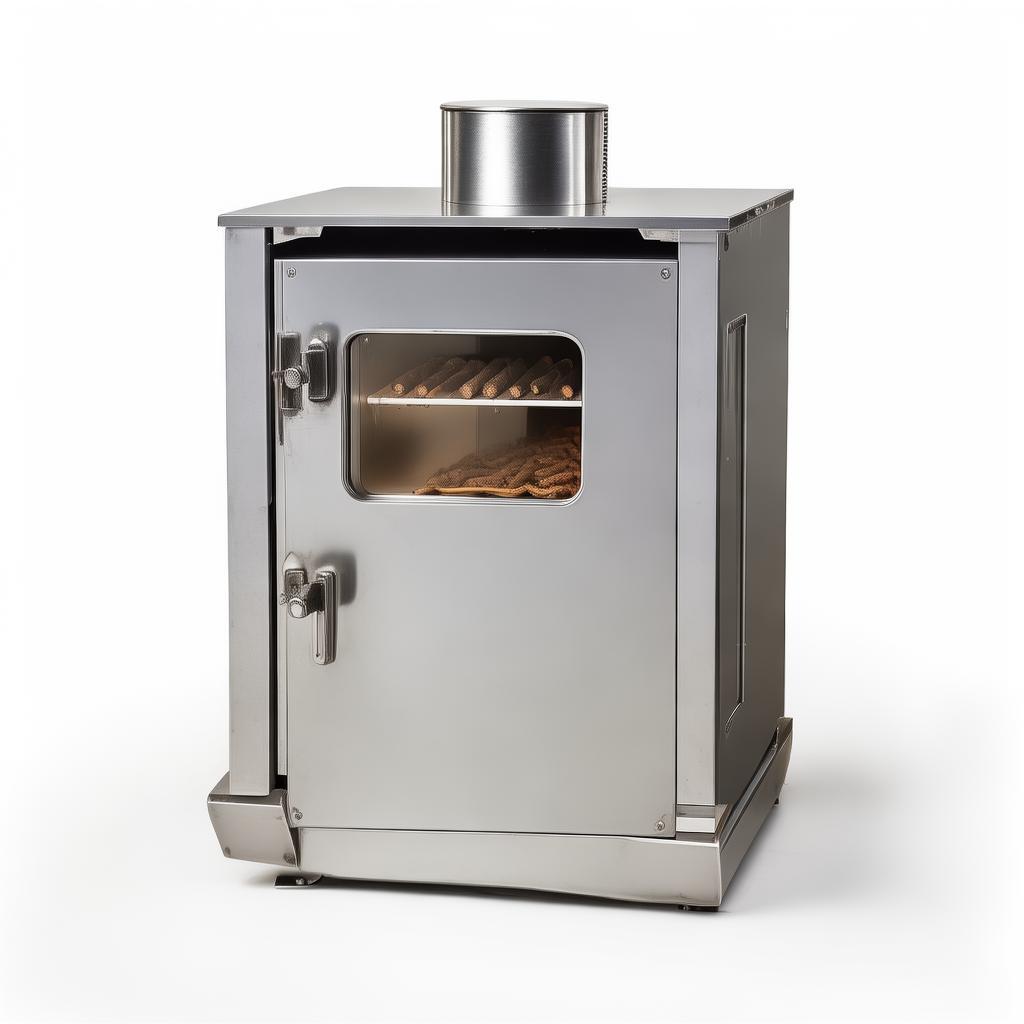
Meat Grinder Machine Commercial
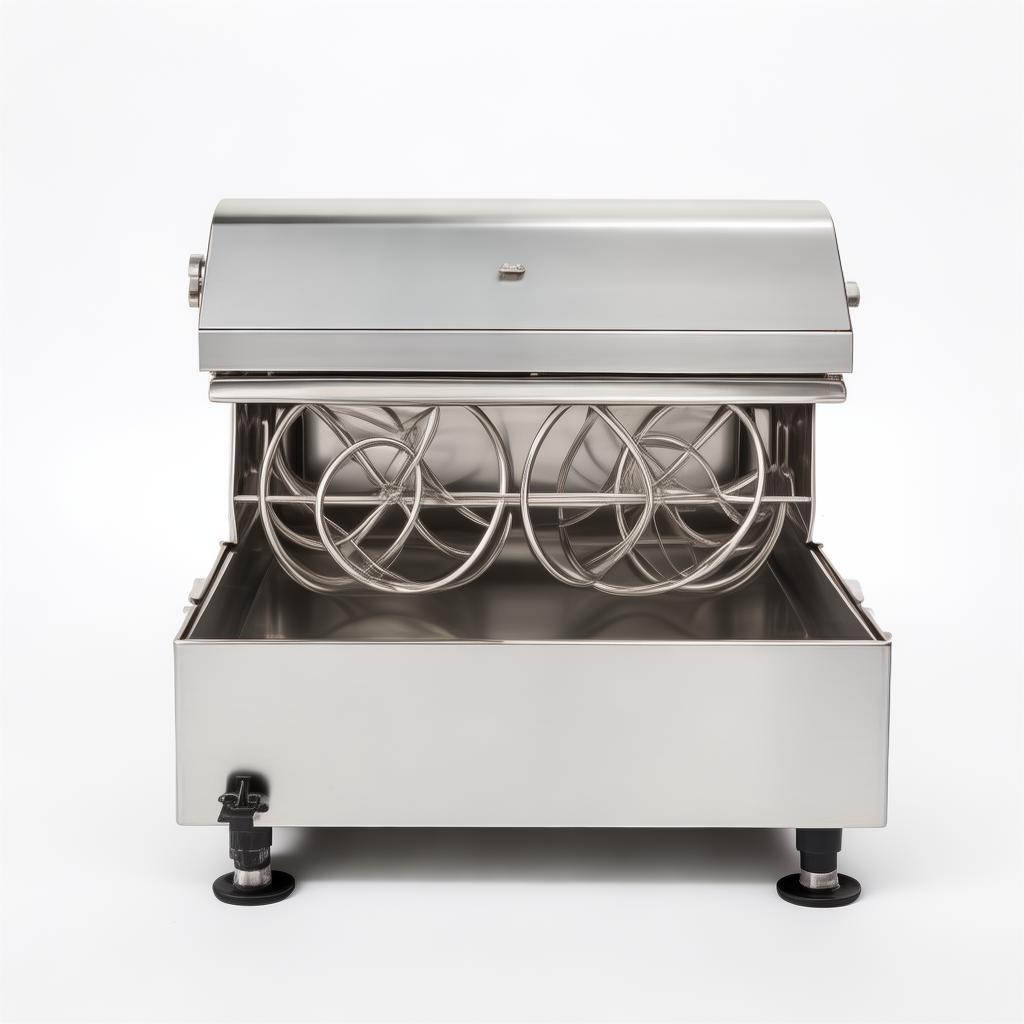
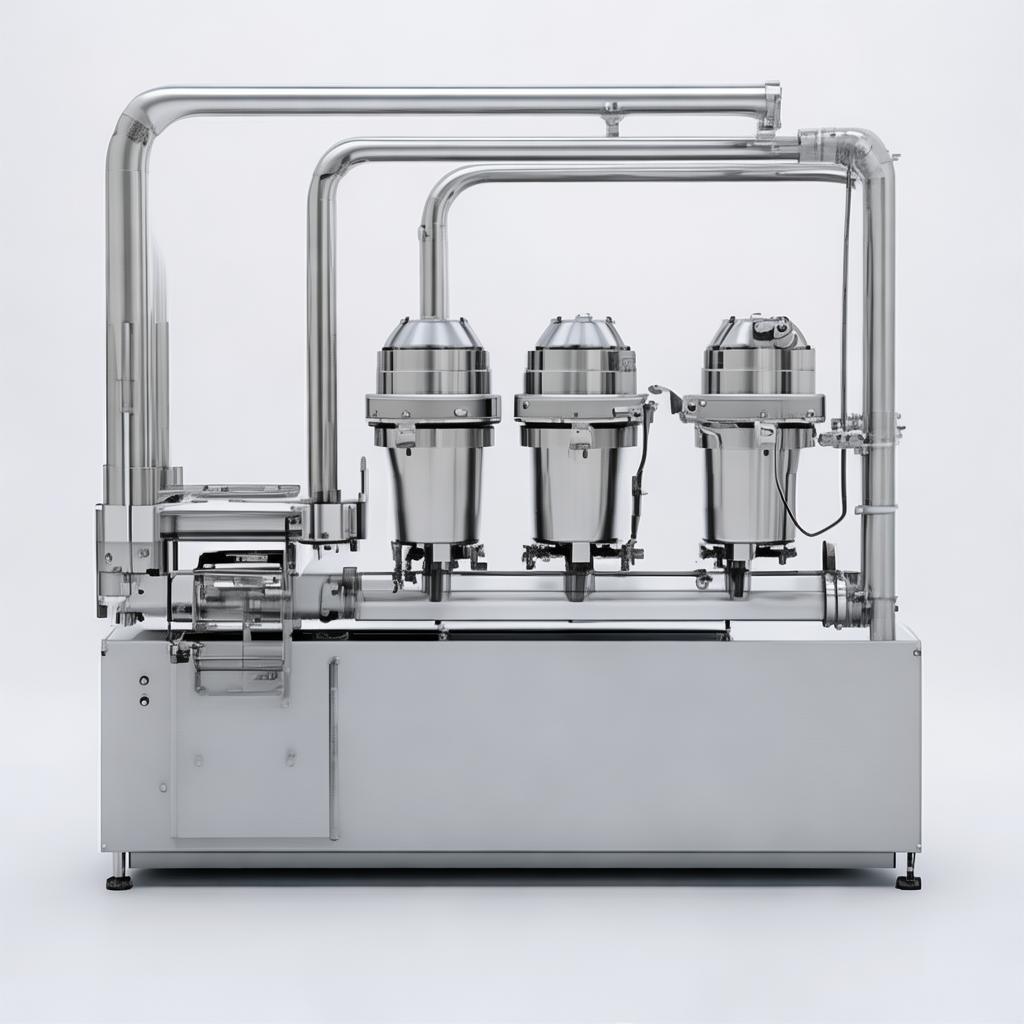
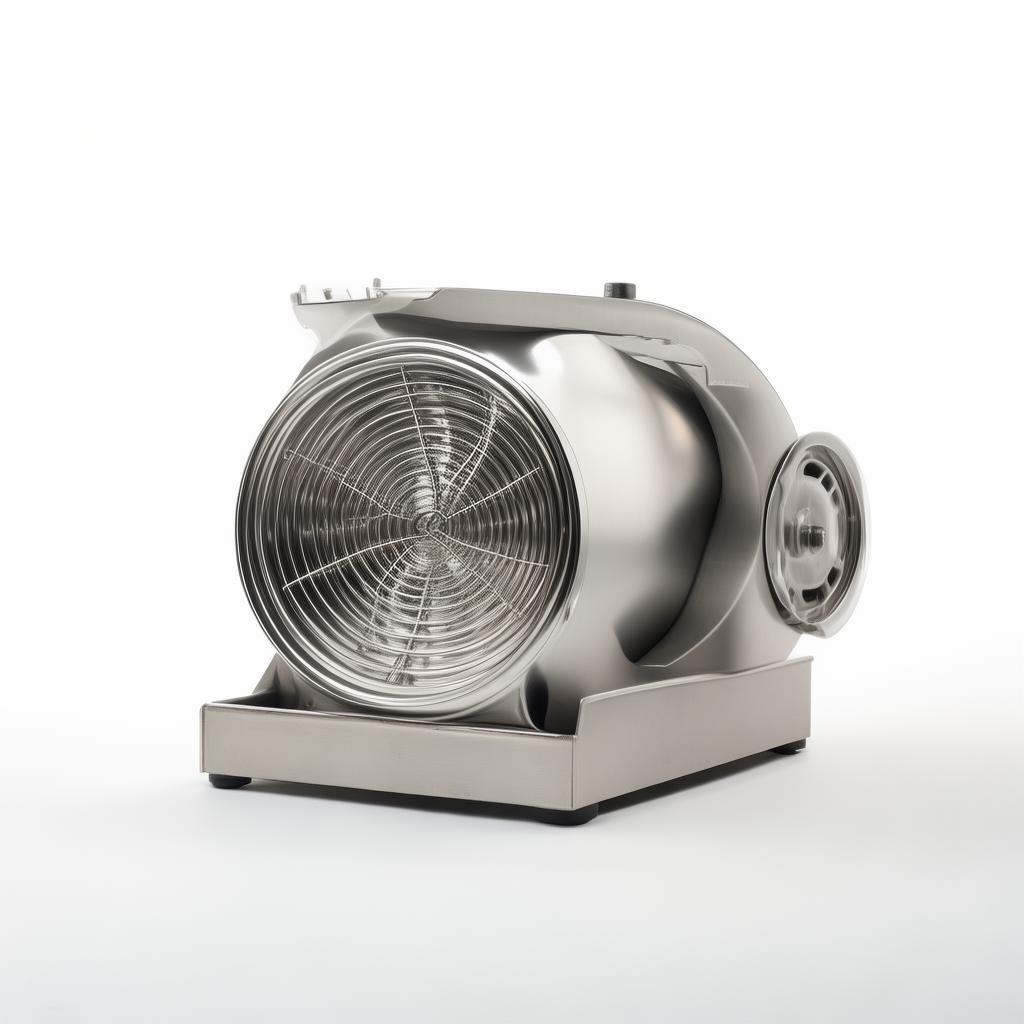
Commercial Meat Grinder Machines: Precision, Power, and Profitability for Your Food Business

By Alex Chen, Senior Export Manager at Hebei Yuanchang Food Mechanism & Technology Co., Ltd.
Specializing in International B2B Food Processing Equipment Solutions
Navigating the Demands of Modern Meat Processing: The Commercial Grinder's Crucial Role
In today's competitive food service and processing landscape, efficiency, consistency, and quality aren't just desirable; they're essential for survival and growth. Whether you're running a bustling butcher shop, a high-volume catering operation, a food manufacturing plant producing sausages and deli meats, or even a research facility developing new meat-based products, the ability to process raw meat into uniform, usable forms is fundamental. At the heart of this transformation lies a robust, reliable piece of equipment: the commercial meat grinder. It's more than just a machine; it's a workhorse that underpins your entire product offering, influencing everything from texture and flavor to production speed and final profitability. Getting this crucial element right means investing in equipment that not only performs but also integrates seamlessly into your operational workflow.
The global meat processing equipment market is a testament to this demand, valued at approximately USD 11.29 billion in 2025 and projected to climb to USD 17.39 billion by 2034, with a steady CAGR of around 5.0%. This growth, as detailed by market analyses, is fueled by a clear upward trend in processed meat consumption, a continuous drive for automation to enhance hygiene and labor efficiency, and the increasingly stringent global food safety standards that processors must meet. Within this expansive market, grinding machines are consistently highlighted as a core segment, alongside filling, massaging, and cutting equipment. They are indispensable for the initial preparation stages, directly impacting the quality of subsequent processing steps like molding, stuffing, and ripening. For any enterprise looking to scale or optimize its meat handling capabilities, understanding the nuances of commercial meat grinders is paramount.
Consider the procurement manager tasked with sourcing new equipment. Their primary concerns revolve around ROI, operational uptime, compliance, and supplier reliability. They need to evaluate not just the upfront cost but also the long-term value: the lifespan of the machine, the availability of spare parts, the ease of maintenance, and the energy efficiency. The "meat grinder machine commercial" search query signals a buyer who is beyond the entry-level consumer models. They are looking for industrial-grade solutions designed for continuous operation, capable of handling larger volumes, and built with durable materials that can withstand the rigors of a professional environment. This is where the distinction between a home appliance and a commercial workhorse becomes critical. A commercial grinder needs to be a dependable partner, not a potential bottleneck.
Furthermore, the demand for diverse meat products – from finely ground beef for patties to coarsely ground pork for sausages, or even specialized blends for pet food – necessitates versatility. A high-quality commercial grinder offers this flexibility. Its design impacts the final product's characteristics significantly. A machine with inconsistent motor power or a poorly designed cutting plate and auger system can lead to smearing of the meat, a higher fat-smearing ratio, increased oxidation, and ultimately, a less desirable product texture and flavor. This is unacceptable in a market where consumers are increasingly discerning about the quality and provenance of their food. The search for a "commercial meat grinder" is a search for solutions that deliver predictable, high-quality results every single time.
From an engineering perspective, the design considerations are complex. Stainless steel construction for hygiene and corrosion resistance, powerful yet energy-efficient motors (often with multiple horsepower ratings), robust gearboxes, interchangeable grinding plates and knives for different textures, and safety features like interlock guards and emergency stops are all standard expectations. The thermal management of the grinding head is also vital to prevent meat from overheating during extended runs, which is crucial for maintaining both quality and food safety. The ability to easily disassemble and clean these units is not an afterthought; it's a critical operational requirement that impacts labor costs and regulatory compliance. We understand these technical challenges deeply, having spent decades refining our own product lines.
The scope of "commercial" applications is broad. A small restaurant might need a grinder capable of processing 5-10 kg of meat per hour for daily fresh batches of burger patties or sausages. A mid-sized butcher shop could require a machine handling 50-100 kg per hour for a wider range of ground meat products and bulk orders. Then there are industrial food manufacturers, processing hundreds or even thousands of kilograms per hour, often integrating grinders into fully automated production lines for products like emulsified sausages, meatloaves, and pet food kibble. Each scenario demands a different scale of equipment, but the core requirements for durability, performance, and ease of maintenance remain constant. This is precisely why understanding your specific operational volume and product mix is the first step in selecting the right commercial meat grinder.
We recognize that sourcing industrial equipment internationally involves more than just browsing a catalog. It requires trust, transparency, and a clear understanding of manufacturing capabilities. Buyers are not just purchasing a machine; they are seeking a partnership that ensures ongoing support, consistent quality, and reliable delivery. This is where understanding the supplier's experience, their manufacturing infrastructure, and their commitment to quality assurance becomes as important as the machine's specifications. With over 40 years of experience since 1986, Hebei Yuanchang Food Mechanism & Technology Co., Ltd. has cultivated exactly this kind of deep-seated expertise, equipping us to address the intricate needs of businesses worldwide seeking high-performance commercial meat grinding solutions.
The Core Challenges in Commercial Meat Grinding: What Businesses Face Daily
When you're running a food business that relies on processed meats, the daily grind (pun intended) presents several common challenges. These aren't minor inconveniences; they can directly impact your bottom line, product quality, and regulatory standing.
- Inconsistent Product Texture: Achieving the exact grind size and consistency required for burgers, sausages, or deli meats can be difficult with underpowered or poorly designed equipment. This leads to variations in mouthfeel and customer satisfaction.
- Overheating and Smearing: Especially during peak production or longer runs, meat can overheat. This leads to fat smearing, which results in a greasy texture, reduced shelf life, and a less appealing visual appearance. It also poses a food safety risk.
- Slow Throughput: Consumer demand for fresh, high-quality ground meats means you often need to process large volumes quickly. Grinders that can't keep up become a significant bottleneck in your operation.
- Hygiene and Cleaning Complexities: Meat processing environments demand stringent hygiene. Equipment that is difficult to disassemble, clean thoroughly, and reassemble correctly can lead to bacterial growth, compliance issues, and wasted labor time.
- Durability and Maintenance Costs: Industrial environments are tough. Grinders that aren't built with heavy-duty components will break down, leading to costly repairs, unexpected downtime, and lost revenue.
- Energy Inefficiency: Older or poorly designed motors can consume excessive power, adding to your operational overheads without delivering proportional performance.
These issues are not theoretical. They are the realities faced by countless operators who have learned the hard way that not all commercial grinders are created equal. Investing in the right machine from the outset is a proactive strategy to mitigate these risks and ensure operational smoothness.
Our Commercial Meat Grinder: Engineered for Performance, Built for Your Business
At Hebei Yuanchang, we've honed our commercial meat grinders over four decades of direct manufacturing and export experience. We understand that your needs are specific, and our machines are designed to meet them head-on, offering a blend of power, precision, and practicality.
Unmatched Grinding Power & Consistency
Our grinders are equipped with robust, high-torque motors and heavy-duty gearboxes engineered for continuous operation. This ensures consistent particle size and texture, no matter the type or volume of meat. We utilize precision-machined augers and high-carbon steel cutting plates and knives that maintain their sharpness, reducing smearing and overheating even during extended production cycles. This means your burgers hold together, your sausages have the right bite, and your overall product quality is consistently superior.
Superior Thermal Management
Keeping the meat cold is critical. Our grinder heads are designed with efficient heat dissipation in mind, often incorporating features that minimize friction and heat buildup. For certain models, we offer enhanced cooling options, ensuring that even large batches remain at optimal processing temperatures, preserving meat integrity and preventing spoilage. This attention to thermal control is vital for food safety and product quality.
Designed for Hassle-Free Operation & Hygiene
We know that downtime is costly and cleaning is a chore. Our grinders are designed for easy disassembly without specialized tools. All major components, including the grinding head, auger, plates, and knives, are typically made from food-grade stainless steel, making them easy to clean and sanitize. This adherence to hygienic design principles simplifies your HACCP compliance and reduces labor time spent on cleaning and maintenance.
Built to Last: Industrial-Grade Durability
Our commitment to quality starts with material selection and extends through our manufacturing process. Using high-grade stainless steel for housing and critical components, coupled with our in-house precision machining capabilities (including Japanese Mazak CNC centers for high-tolerance parts), ensures that our grinders are not just powerful but exceptionally durable. They are built to withstand the demanding environments of commercial kitchens and processing plants, offering a long service life and reliable performance.
Versatile Grinding Options
With a range of grinding plates (from fine to coarse) and knife options, our machines offer the versatility you need. Whether you're aiming for a smooth pâté, a textured sausage mix, or a chunky grind for a specialty product, you can achieve it with the right configuration. This adaptability means one machine can often serve multiple product needs.
Need to see the specs for different models? View our detailed technical specifications.
Key Features at a Glance
- Motor Power Options: Available in various horsepower ratings to match your production volume.
- Heavy-Duty Construction: Full stainless steel housing and components for durability and hygiene.
- Precision Cutting System: High-quality, replaceable grinding plates and knives for optimal performance.
- Efficient Heat Dissipation: Designed to minimize meat temperature rise during operation.
- Easy Cleanability: Simple disassembly for thorough cleaning and sanitization.
- Safety Interlocks: Integrated safety features for operator protection.
- Variable Plate Sizes: Multiple hole sizes available for diverse grind textures.
- Quiet Operation: Engineered for reduced noise levels in busy environments.
The market for meat processing equipment is robust, with industry reports indicating a global value of over USD 11 billion in 2025, projected to reach nearly USD 20 billion by 2033, driven by demand for processed meats and automation. (Fortune Business Insights)
Technical Specifications Overview
Understanding the technical details is crucial for selecting the right commercial meat grinder. Below is a representative overview. Specific models may vary in capacity, power, and dimensions to suit different operational scales. We encourage you to request a detailed catalog for precise model specifications.
| Feature | Model A (Compact) | Model B (Medium Duty) | Model C (Heavy Duty) |
|---|---|---|---|
| Motor Power | 2 HP (1.5 kW) | 3 HP (2.2 kW) | 5 HP (3.7 kW) |
| Grinding Capacity (approx. per hour) | 100-150 kg | 200-250 kg | 400-500 kg |
| Hopper Capacity | 5 L | 10 L | 15 L |
| Grinding Plate Diameter | #8 (82mm) | #12 (98mm) | #22 (108mm) |
| Materials | Stainless Steel Body, SS Grinding Head | Full Stainless Steel Construction | Heavy-Duty Full Stainless Steel |
| Standard Accessories | 1 Grinding Plate, 1 Knife, 1 Pusher | 2 Grinding Plates, 1 Knife, 1 Pusher | 3 Grinding Plates, 2 Knives, 1 Pusher |
| Power Supply | 220V/50Hz/1Ph | 220V/50Hz/3Ph or 380V/50Hz/3Ph | 380V/50Hz/3Ph |
| Dimensions (approx.) | 600x400x500 mm | 750x450x550 mm | 900x500x600 mm |
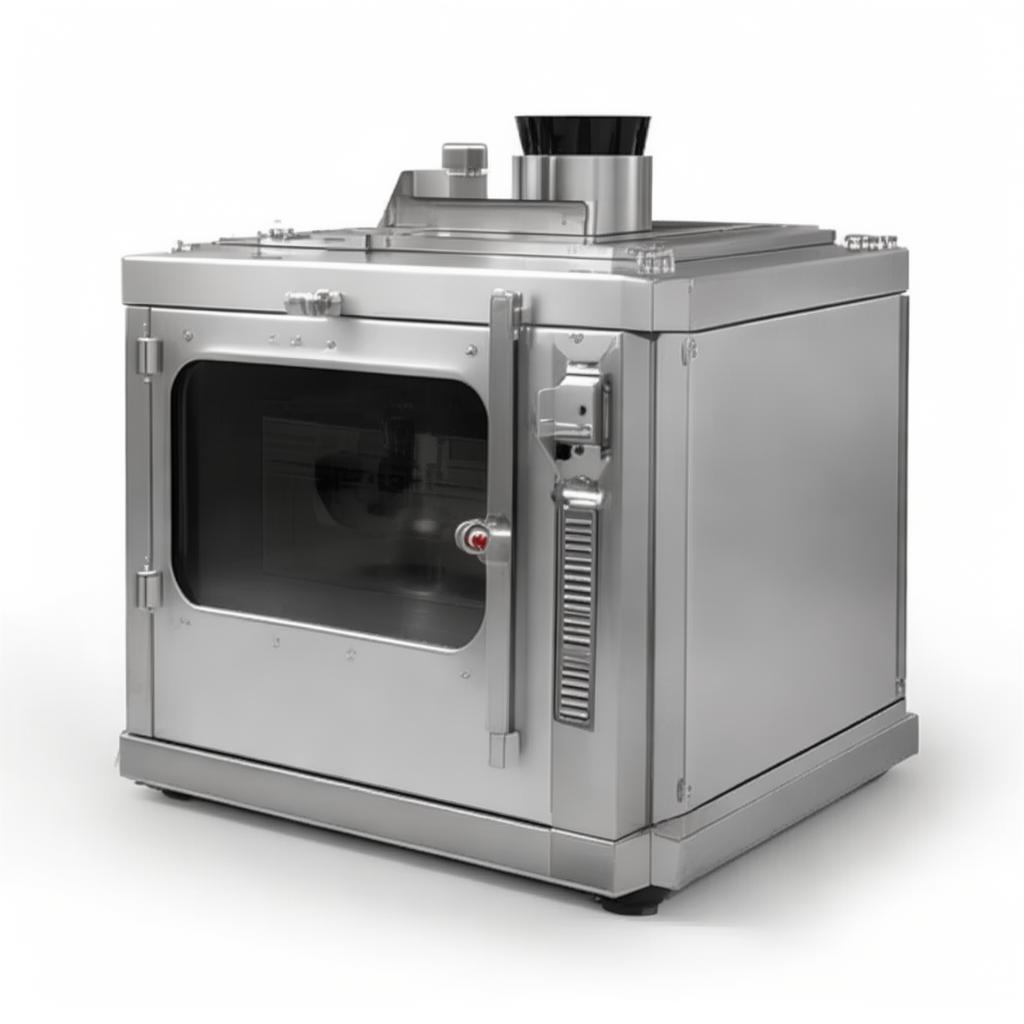
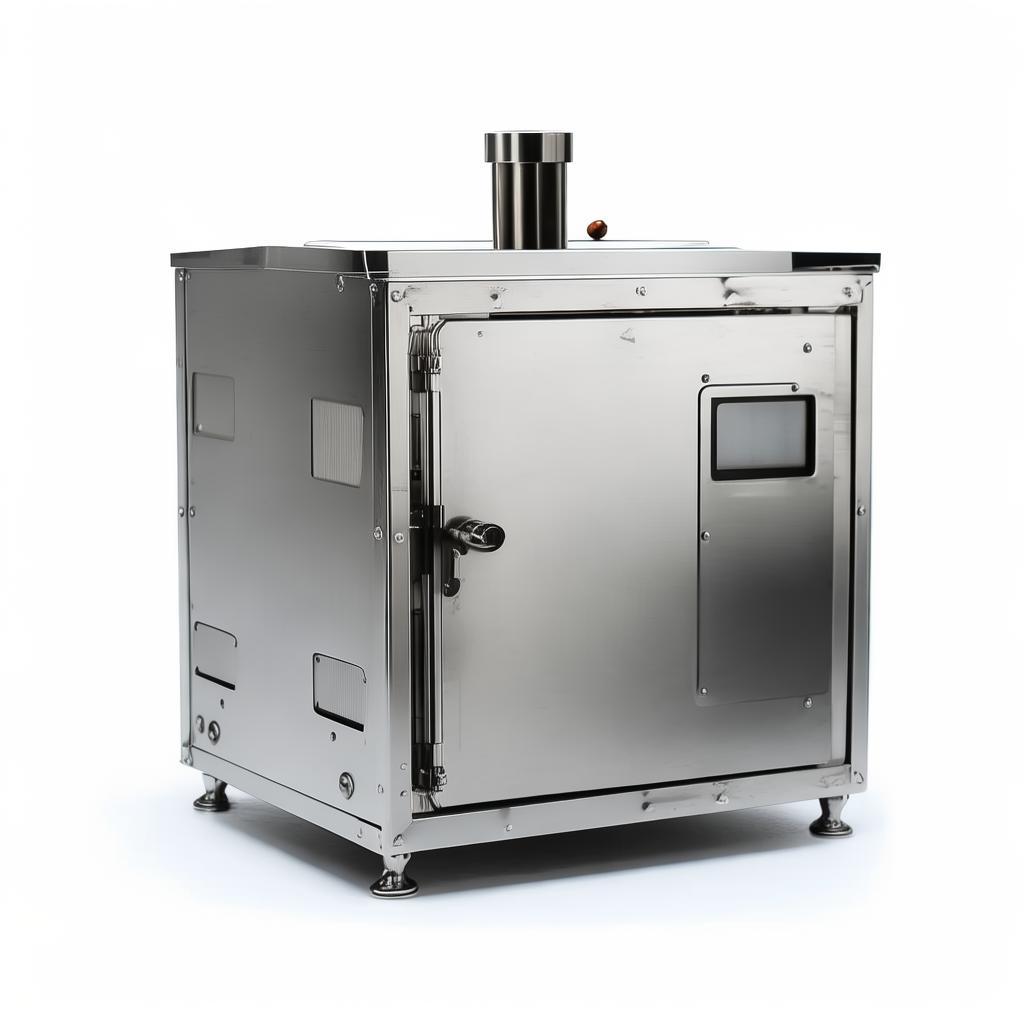
commercial meat grinder machine commercial meat grinder commercial meat grinder
The market demand for robust filling and stuffing machines, which often integrate grinding functions or work closely with grinders, is significant. These, along with tenderizing and massaging equipment for ripening, are key growth areas within the meat processing sector. (Grand View Research)
Real-World Applications: Where Our Grinders Shine
Our commercial meat grinders are not just versatile in terms of their technical capabilities; they are applicable across a wide spectrum of food processing businesses. Identifying your specific use case can help pinpoint the ideal model.
- Butcher Shops & Delis: Producing fresh ground beef, pork, lamb, and custom blends daily. Offering specialty items like sausages, burger patties, and meatloaves made to order. Consistency and speed are paramount here.
- Restaurants & Food Service: Ensuring high-quality ground meat for burgers, tacos, meatballs, and sauces. In-house grinding allows for superior control over ingredients and freshness.
- Meat Processing Plants: As a critical component of larger production lines for sausages, deli meats, cured products, and ready-to-eat meals. Precision grinding is essential for emulsification and texture control.
- Pet Food Manufacturers: Processing raw meat for kibble, wet food, or treats. Hygiene and the ability to handle various meat types are key.
- Catering Companies: Preparing bulk quantities of ground meat for events, ensuring consistent quality across large orders.
- Specialty Food Producers: Creating niche products like gourmet sausages, game meat preparations, or plant-based meat alternatives where precise texture is vital.
The demand for processed meats, a major driver for grinding equipment, is substantial. With the global processed meat market projected to reach USD 1.3 trillion by 2035, efficient preprocessing machinery is a necessity. (Precedence Research)
Installation and Operational Considerations
Getting your commercial meat grinder up and running smoothly involves a few practical steps. We aim to make this as straightforward as possible, drawing on our extensive export experience.
Site Preparation:
Ensure a stable, level, and clean surface capable of supporting the grinder's weight. Adequate space around the unit is necessary for operation, cleaning, and maintenance. Access to a suitable power supply (voltage and phase as per machine specifications) is critical. Electrical connections should be made by a qualified electrician to meet local codes and safety standards.
Initial Setup:
Carefully unpack the machine and inspect it for any transit damage. Install the grinding plates and knives according to the user manual. Ensure all components are securely fitted. Familiarize yourself with the safety features before powering on.
First Use & Break-in:
For new equipment, a brief break-in period is often recommended. This typically involves running the grinder with softer materials or for shorter durations initially. Always refer to your specific model's manual for detailed break-in procedures. Always process chilled meat for best results and to prevent smearing.
Routine Operation:
Feed meat into the hopper at a steady rate. Avoid forcing oversized pieces or foreign objects into the grinding chamber. Monitor the grinding process to ensure consistent output. If the machine begins to strain, stop and check for blockages or if the meat has become too warm.
After Use Cleaning Protocol:
This is arguably the most important step for longevity and hygiene. Immediately after use:
- Disconnect power.
- Disassemble the grinding head (hopper, worm, plate, knife, ring nut).
- Wash all disassembled parts thoroughly with warm, soapy water. Use a stiff brush to clean the grinding plate holes.
- Rinse with clean water and dry immediately and completely to prevent rust and bacterial growth. A mild sanitizing solution can be used if required by your HACCP plan.
- Lightly oil metal parts (knives, plates) with food-grade mineral oil before reassembly or storage to protect against rust.
- Reassemble the grinder, ensuring all parts are correctly positioned.
Proper cleaning not only ensures food safety but also significantly extends the life of your cutting components and the grinder itself.
Maintenance and Longevity: Getting the Most from Your Investment
A commercial meat grinder is a significant investment. With proper maintenance, it will serve your business reliably for many years.
- Regular Inspections: Periodically check for wear and tear on the auger, cutting plates, and knives. Replace them when they show signs of dulling or damage. This is crucial for maintaining grind quality and preventing motor strain.
- Lubrication: Ensure the gearbox is lubricated as per the manufacturer's recommendations. For models with bearings, check for proper lubrication intervals.
- Motor and Electrical Check: While typically robust, have your qualified technician periodically inspect the motor and electrical components for optimal performance and safety.
- Spare Parts Availability: We maintain a comprehensive inventory of high-precision spare parts, manufactured in-house. This ensures that if a component needs replacing, you can get it quickly, minimizing your downtime.
This focus on part quality and availability is a cornerstone of our "worry-free after-sales service" commitment. We understand that the operational lifespan of your equipment is directly tied to the quality of its components and the ease of their replacement.
Why Partner with Hebei Yuanchang? Our Commitment to You.
Choosing a supplier for industrial machinery involves more than just a transaction; it's about building a relationship based on trust and mutual success. Here’s what sets Hebei Yuanchang apart:
40 Years of Manufacturing Expertise:
Since 1986, we've been at the forefront of designing and producing food processing equipment. This deep well of experience translates into machines that are not only functional but also optimized for real-world industrial challenges. We understand the intricacies of meat processing, from the raw material to the finished product.
In-House Precision Machining:
Our extensive machining workshop, equipped with over 20 sets of processing machinery, including advanced Japanese Mazak CNC centers, allows us to produce high-precision components in-house. This means we have absolute control over the quality and specifications of critical parts, ensuring unparalleled consistency and reliability. It also dramatically improves our ability to supply specialized or custom components when needed.
Global Export Experience:
We regularly export our equipment worldwide. Our team is adept at navigating international logistics, documentation, and compliance requirements, ensuring a smooth transaction and delivery process for our global clientele. We understand the challenges of cross-border commerce and are equipped to address them.
Comprehensive Product Range:
While our commercial meat grinders are a core offering, we specialize in complete production lines for meat products, including pretreatment, filling, molding, and ripening processes. This holistic approach means we can support your business's growth across various stages of meat processing.
Commitment to Quality & Service:
We pride ourselves on delivering robust, high-quality machinery. Our traceable after-sales management system and in-house part production mean we stand behind our products, offering reliable support and a commitment to your long-term satisfaction. We are not just selling machines; we are providing solutions.
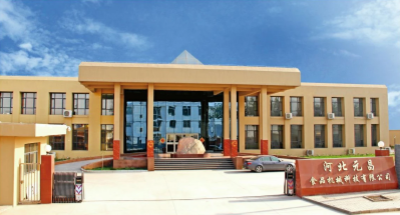
Our State-of-the-Art Machining Workshop

ISO Certified Quality Management
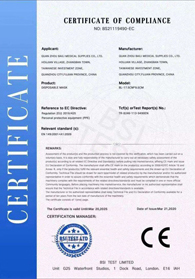
CE Certified for European Markets
Hear From Our Global Partners: Customer Reviews

Maria Rodriguez, Owner - "The Butcher's Block," Miami, USA
Purchased 18 months ago
"We switched to Yuanchang's medium-duty grinder, and it’s been a game-changer. Our daily output for ground beef and sausage mixes has doubled, and the consistency is fantastic. Cleaning is so much easier than our old unit. Truly a reliable piece of equipment for our busy shop."

David Lee, Operations Manager - "Global Food Processors," Seoul, South Korea
Purchased 3 years ago
"We integrated several of Yuanchang's heavy-duty grinders into our main production line for processed meats. The performance under continuous operation is impressive. We experienced a significant reduction in downtime compared to our previous suppliers. Their support with spare parts has also been very efficient."

Anja Müller, Head Chef - "Alpine Cuisine Catering," Munich, Germany
Purchased 1 year ago
"For our catering business, consistent quality for large batches is key. The Yuanchang compact grinder delivers exactly that. It's powerful enough for our needs, easy to clean after a big event, and doesn't take up too much valuable kitchen space. Highly recommended."
Frequently Asked Questions (FAQ)
Q: What is the typical lifespan of a commercial meat grinder?
A: With proper operation, regular cleaning, and timely maintenance, a high-quality commercial meat grinder from us can last well over 10-15 years, often much longer. Durability depends heavily on usage intensity and adherence to maintenance schedules.
Q: Can I grind frozen meat?
A: While some heavy-duty grinders can handle partially frozen meat (e.g., meat that is firm but not solid), it's generally best practice to grind chilled meat (typically 2-4°C or 35-40°F). Grinding fully frozen meat can damage the cutting plates and knives and put excessive strain on the motor. Always check your specific model's capabilities.
Q: How do I choose the right grind size?
A: Grind size is determined by the grinding plate you use. Finer plates (smaller holes) produce a smoother grind for products like pâtés or smooth sausages, while coarser plates (larger holes) are used for textured products like chunky sausages or meatloaves. We offer a variety of plate sizes to suit your needs.
Q: What are the power requirements for your grinders?
A: Our grinders are available in various power configurations to match different electrical supplies, typically 220V or 380V, single-phase or three-phase. Please refer to the technical specifications table or contact us directly with your site's power availability.
Q: Do you offer OEM/ODM services for meat grinders?
A: Yes, we do. Leveraging our extensive manufacturing capabilities and experience, we offer OEM (Original Equipment Manufacturer) and ODM (Original Design Manufacturer) services. This allows businesses to brand our reliable grinders as their own or to collaborate on custom designs to meet unique market needs. Inquire about OEM/ODM options.
Q: What is the typical lead time for an order?
A: Lead times can vary depending on order volume and customization. For standard models, lead times typically range from 30-60 days. For custom orders or larger quantities, please contact us for a precise estimate. We also work to optimize container loading for efficiency.
Q: How do you handle international shipping?
A: We have extensive experience in international shipping. We work with reliable freight forwarders to ensure safe and timely delivery to your destination port. We handle all necessary export documentation and can provide quotes for CIF, FOB, or other Incoterms as per your preference.
Ready to Enhance Your Meat Processing Operations?
Don't let outdated or inefficient equipment limit your potential. Invest in a commercial meat grinder built for performance, durability, and ease of use.
Get in Touch with Our Experts
We are here to answer your questions and help you find the perfect commercial meat grinder solution for your business.
Contact Information
Hebei Yuanchang Food Mechanism & Technology Co., Ltd.
Address: Shijiazhuang, Hebei Province, China
Phone: +86 15830991513
Email: ycmeatmech@gmail.com
Website: www.ycmeatmech.com
We are committed to providing high-quality industrial food processing equipment, backed by decades of experience and a dedication to customer satisfaction.
Send Us a Message
Copyright © 2026 Hebei Yuanchang Food Mechanism & Technology Co., Ltd. All rights reserved.
We specialize in wholesale export of OEM/ODM meat processing equipment, serving international B2B trade and cross-border commerce.