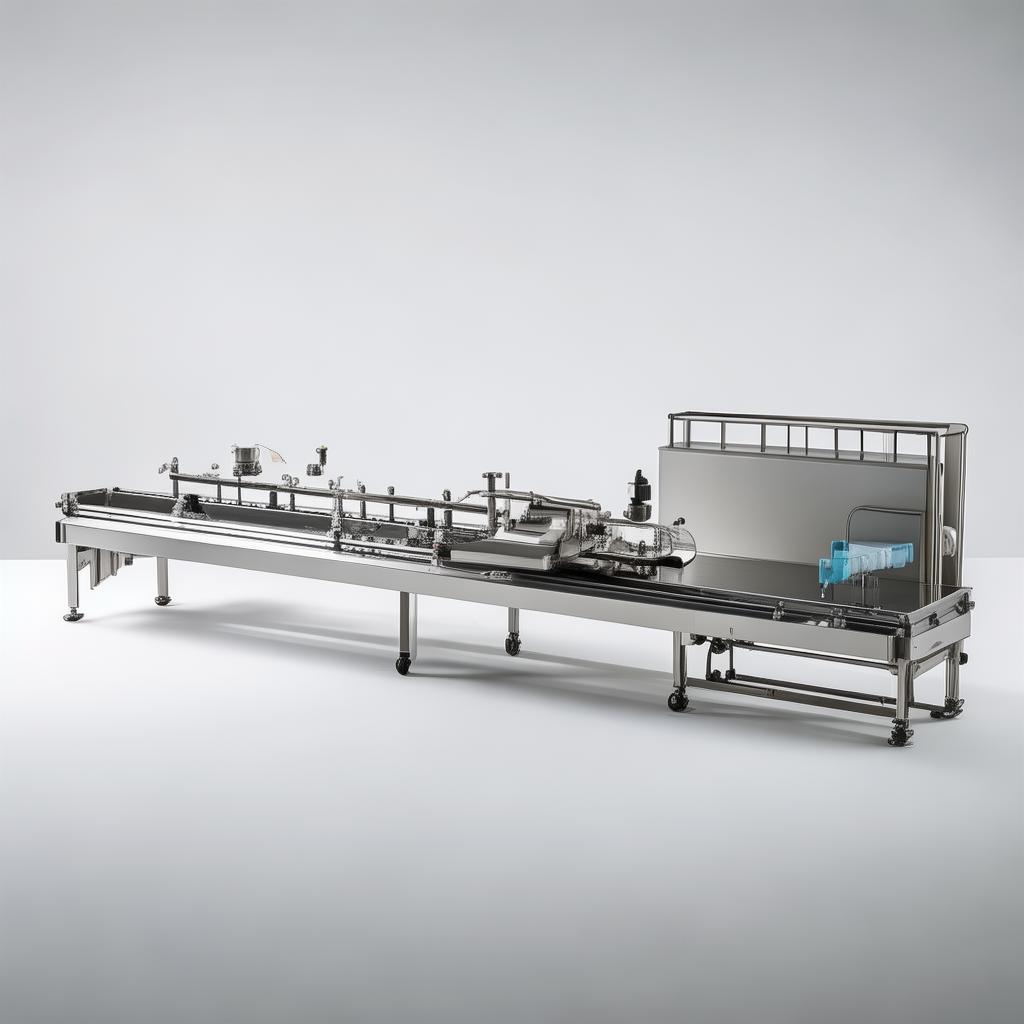
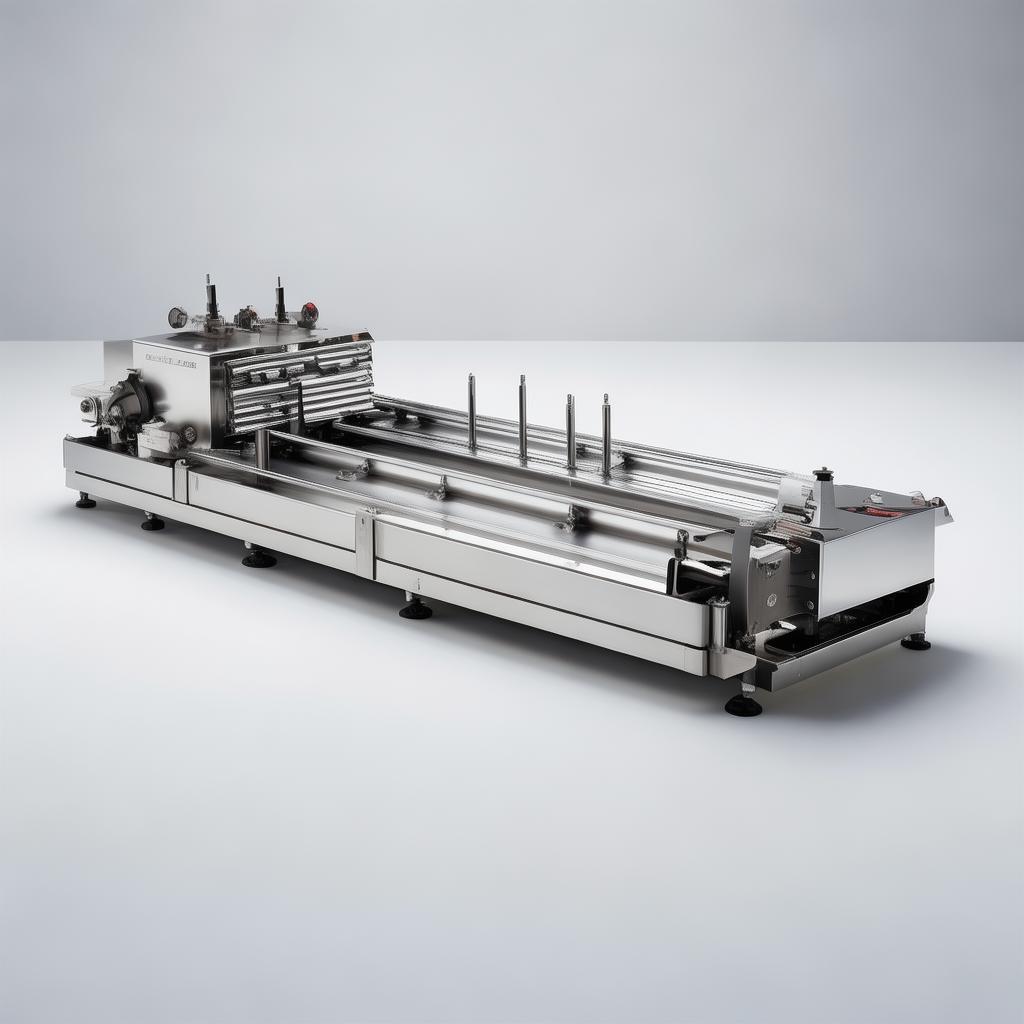
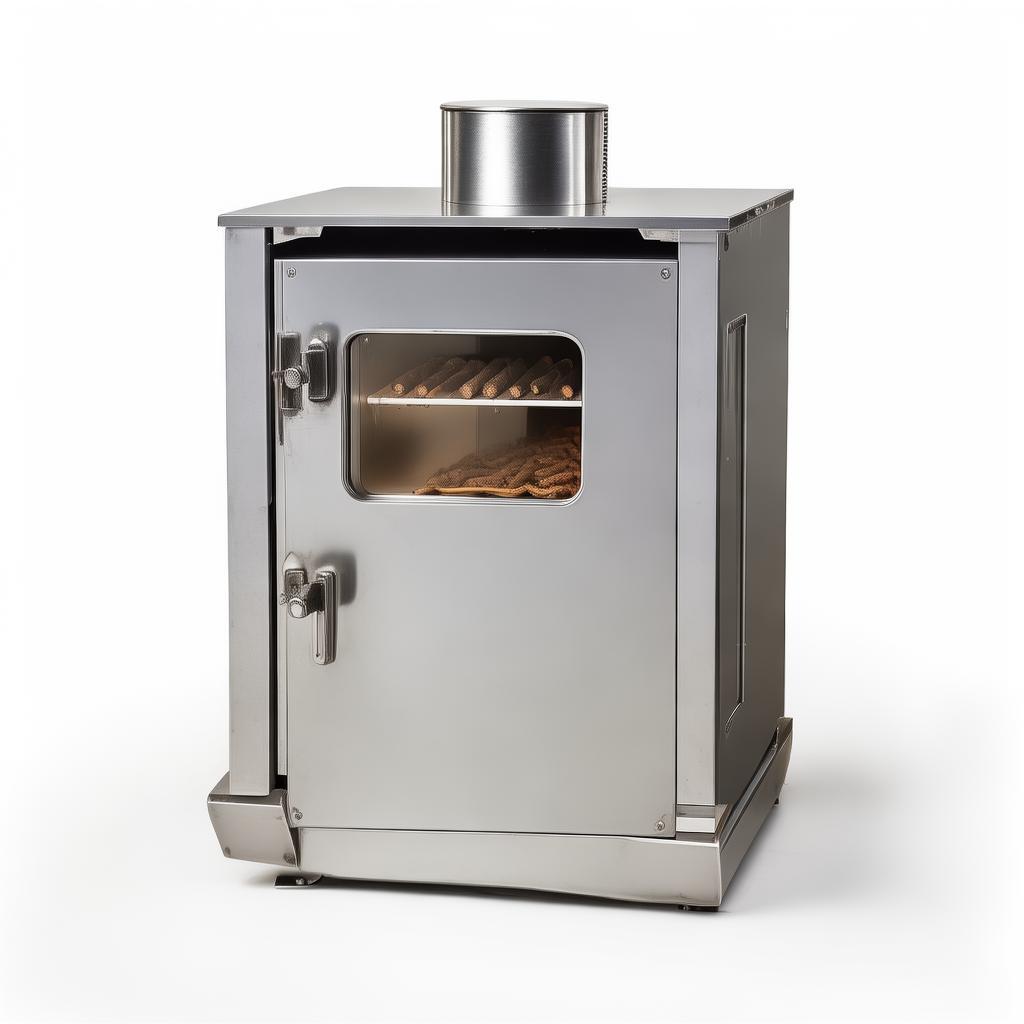
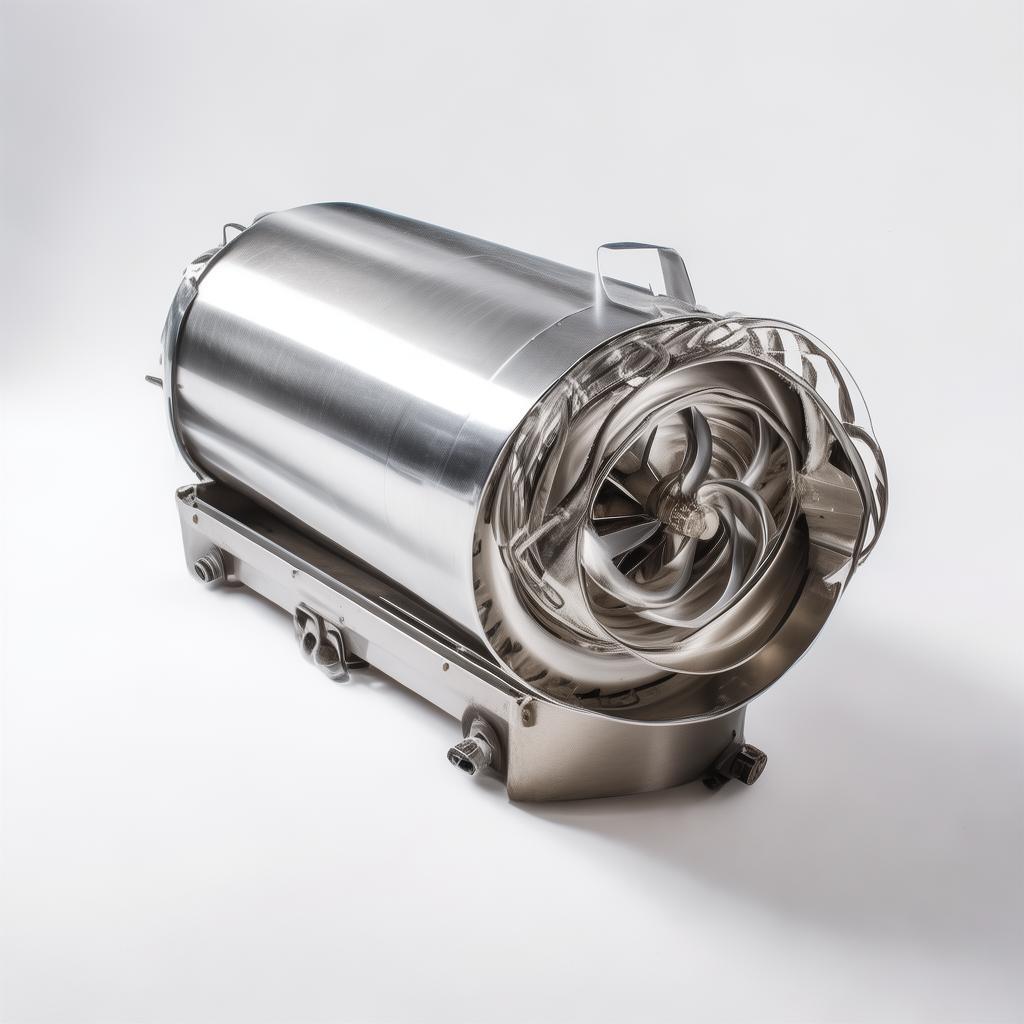
Meat Grinder Industrial Size
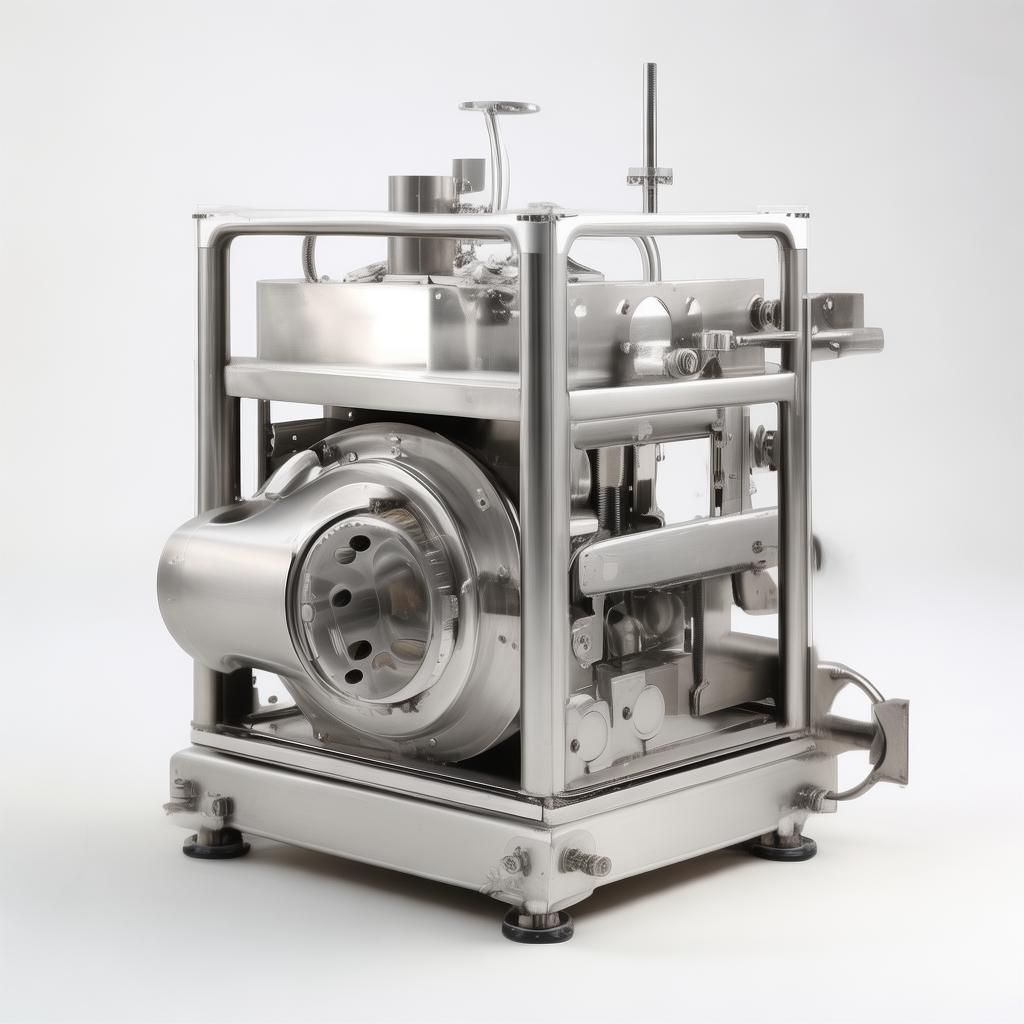
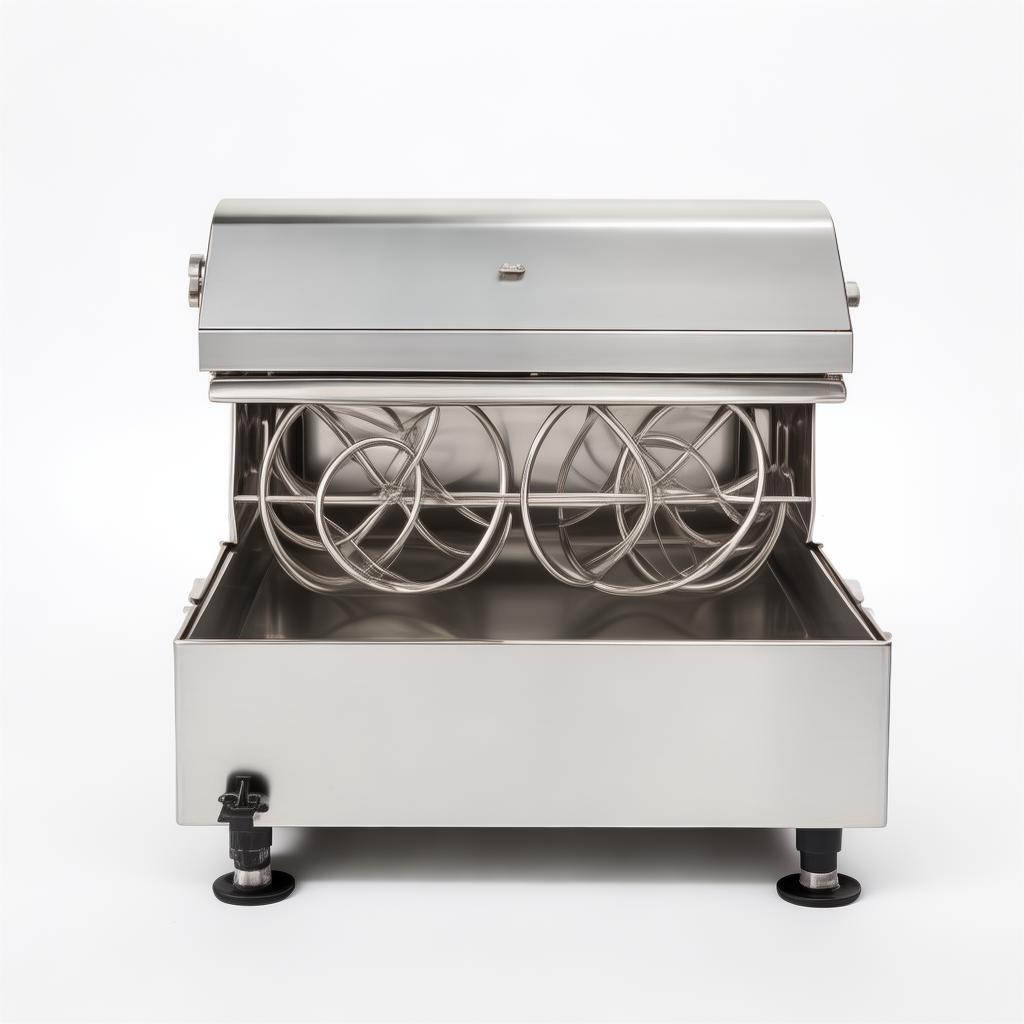
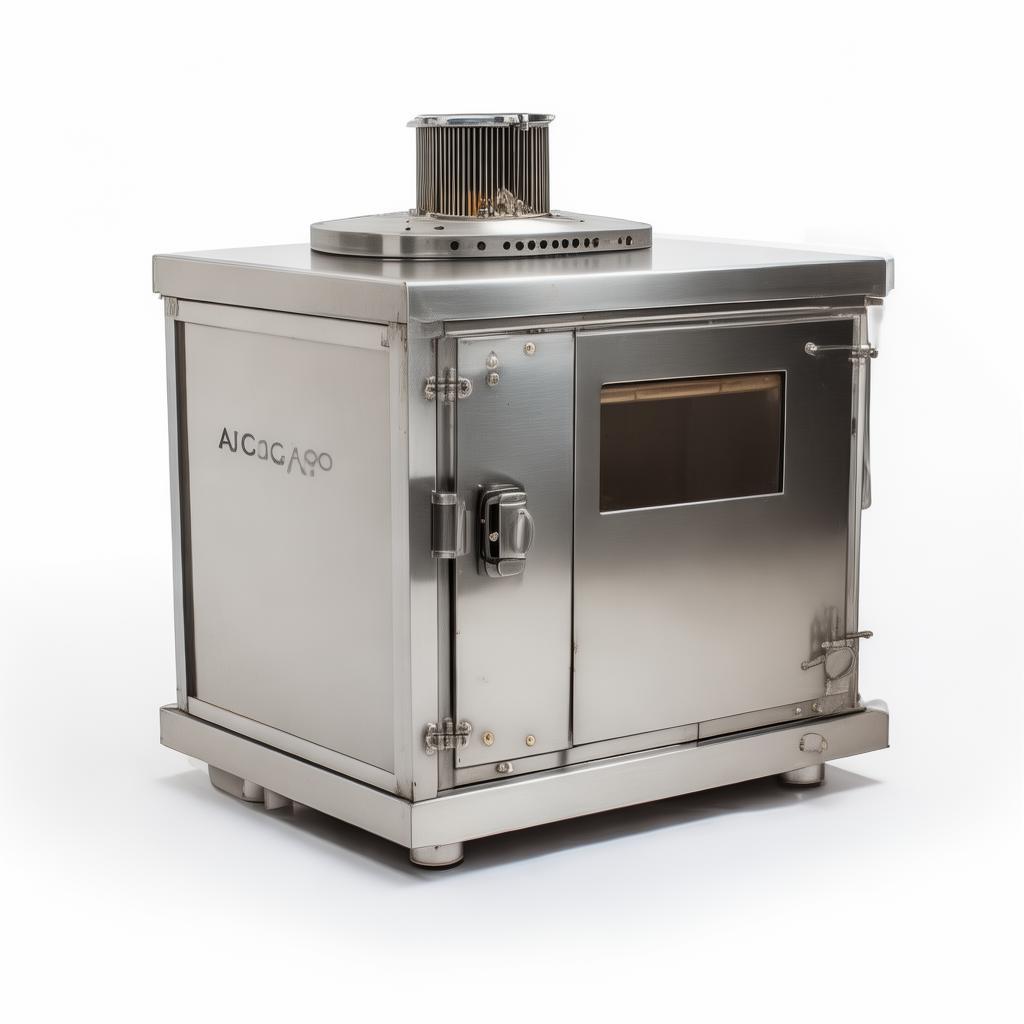
Industrial Size Meat Grinders: Powering Your Production with Precision and Efficiency
For businesses that rely on consistent, high-volume meat processing, the choice of an industrial size meat grinder isn't just about capacity; it's about precision, durability, and operational efficiency. At Hebei Yuanchang Food Mechanism & Technology Co., Ltd., we understand the intricate demands of modern food manufacturing. We've been designing and building robust meat processing equipment, including industrial grinders, for over 40 years, ensuring our clients can meet market demands while maintaining the highest quality standards. This guide delves into what makes an industrial meat grinder essential for your operations, from selecting the right unit to understanding its role in your complete production workflow.
The global meat processing equipment market is projected to grow significantly, with estimates placing it around USD 11.29 billion in 2025 and expected to reach USD 17.39 billion by 2034, growing at a CAGR of 5.0% according to Fortune Business Insights. This upward trend underscores the increasing demand for reliable, high-capacity machinery like industrial meat grinders, vital for segments including cutting, grinding, and filling. Our commitment at Hebei Yuanchang is to provide solutions that drive this growth for your business.
Table of Contents
- Why Choose an Industrial Size Meat Grinder?
- Essential Features for Industrial Meat Grinders
- Versatile Applications in Meat Processing
- Technical Specifications & Customization
- The Hebei Yuanchang Advantage: 40 Years of Expertise
- Navigating Procurement: What Buyers Need to Know
- Operational Considerations: Maintenance & Logistics
- Frequently Asked Questions
- Ready to Enhance Your Meat Processing?
Why Choose an Industrial Size Meat Grinder?
For businesses handling significant volumes – think large-scale sausage production, bulk meat patty manufacturing, or supplying ingredients for further processed foods – a domestic or commercial-grade grinder simply won't cut it. Industrial size meat grinders are engineered for continuous operation, higher throughput, and greater consistency. They are the backbone of any serious meat processing facility.
The need for robust machinery is evident across the industry. Reports indicate that segments like filling & stuffing equipment, along with grinding machines, are critical for efficient meat processing. The Grand View Research notes that the global market is projected to reach USD 15.04 billion by 2030, driven by factors like rising consumption of ready-to-eat meats and the imperative for automation to ensure hygiene and labor efficiency. An industrial grinder directly addresses these needs by providing the necessary output and reliability.
Beyond sheer capacity, industrial units offer enhanced durability. Constructed with heavy-duty stainless steel and precision-engineered components, these machines are built to withstand the rigors of daily, multi-shift operation. This means less downtime for repairs and a more predictable production schedule. When you're dealing with perishable goods, consistency and speed are paramount. An industrial grinder ensures your raw materials are processed to specification without becoming a bottleneck.
Think about the cost of production. While the upfront investment in an industrial grinder is higher, the operational efficiencies it provides translate into significant long-term savings. Reduced labor per kilogram processed, minimized product waste due to consistent grinding, and the ability to leverage bulk raw material purchasing all contribute to a stronger bottom line. It's an investment in scalability and profitability.
Operational Insight: Transitioning from smaller units to an industrial grinder often requires a re-evaluation of your cold chain management. Ensuring adequate refrigeration for larger batches of meat awaiting processing is crucial to maintain product integrity and safety.
Essential Features for Industrial Meat Grinders
When evaluating industrial size meat grinders, several key features should be at the forefront of your decision-making process. These aren't just bells and whistles; they directly impact performance, safety, and ease of use.
- High-Capacity Output: This is the primary driver. Look for grinders rated for continuous operation and capable of processing hundreds or even thousands of kilograms per hour. This ensures you can keep up with demand and avoid production bottlenecks.
- Robust Construction: Industrial units must be built from food-grade stainless steel (e.g., SUS304) for durability, hygiene, and resistance to corrosion. Heavy-duty motors and gearboxes are essential for sustained torque and longevity.
- Precision Grinding Plates and Knives: The quality of the cutting mechanism determines the texture and consistency of your ground meat. Industrial grinders utilize hardened steel plates and knives designed for high-volume, high-pressure grinding. Options for different hole sizes (e.g., 3mm, 4.5mm, 6mm, 8mm, 10mm) allow for versatile applications.
- Efficient Feeding Mechanism: A well-designed feed tray and throat ensure a steady flow of meat without jamming. Some models incorporate features to assist in pushing material through, reducing manual labor and increasing efficiency.
- Safety Interlocks: Compliance with international safety standards is non-negotiable. Look for features like safety guards, emergency stop buttons, and interlocks that prevent operation when guards are open. CE certification is often a key requirement for export markets.
- Ease of Cleaning and Maintenance: Given the nature of food processing, daily cleaning is mandatory. The grinder should be designed for quick disassembly and reassembly. Smooth surfaces and minimal crevices prevent bacterial growth.
- Motor Power and Voltage: Ensure the motor power (kW or HP) is sufficient for your intended use, considering the types of meat (lean, fatty, frozen) and processing speed required. Verify that the voltage and phase match your facility's power supply.
The Market Research Future report highlights that automation and hygiene standards are driving investment in advanced machinery, directly correlating with the features listed above. Selecting a grinder with these characteristics ensures you are investing in a machine that meets current industry demands and future-proofing your operation.
Versatile Applications in Meat Processing
An industrial size meat grinder is far more than a single-purpose machine. Its versatility makes it indispensable across a wide spectrum of meat processing operations, from primary product preparation to creating specialized food items.
Sausage Production
Essential for grinding meat to the precise texture required for various types of sausages, from fine-textured frankfurters to coarse-ground bratwurst. Combined with filling equipment, it forms a core part of any sausage line.
Burger & Patty Manufacturing
Achieving the desired grind consistency is critical for patty integrity, texture, and cooking performance. Industrial grinders ensure uniform particle size for high-volume patty production.
Pet Food Processing
A significant segment, pet food manufacturers rely on industrial grinders to process raw meats and by-products into fine grinds suitable for kibble, wet food, or raw-frozen formulations. Hebei Yuanchang has extensive experience in this area.
Pre-Treatment for Further Processing
Ground meat is a foundational ingredient for numerous further processed products like meatballs, meatloaf, fillings for pies, and ready-to-eat meals. The grinder acts as the initial step in these complex production chains.
Value-Added Product Creation
Creating specialized products like pates, terrines, or seasoned meat blends requires precise grinding to achieve specific textures and mouthfeels. Industrial machines offer the control needed.
Utilizing Secondary Cuts
Industrial grinders enable processors to efficiently utilize secondary cuts and trimmings, turning them into high-value products, thereby maximizing raw material yield and reducing waste.
The demand for processed meat products continues to climb, with global market sizes projected to exceed USD 1.2 trillion by 2034 (Fortune Business Insights). This expanding market necessitates efficient preprocessing steps, where industrial grinders play a crucial role in enabling the production of diverse product formats.
Technical Specifications & Customization
Selecting the right industrial size meat grinder involves understanding its core technical specifications and the potential for customization to match your unique operational needs. At Hebei Yuanchang, we pride ourselves on offering flexible solutions.
| Feature | Specification |
|---|---|
| Output Capacity | Up to 500 kg/hour (approx.) |
| Motor Power | 11 kW / 15 HP |
| Voltage/Phase | 380V / 50Hz / 3 Phase (Customizable) |
| Material Construction | Food-grade SUS304 Stainless Steel |
| Hopper Capacity | Approx. 50-70 Liters |
| Standard Grinding Plate Diameter | 100 mm |
| Dimensions (L x W x H) | Approx. 1200 x 800 x 1300 mm |
| Weight | Approx. 350 kg |
| Cooling System | Optional (for extended high-volume runs) |
| Safety Features | Emergency stop, safety interlocks, CE compliant design available |
industrial size meat grinder industrial meat grinders meat grinder factory
Customization Options: We understand that one size does not fit all. Depending on your specific needs, we can discuss options such as:
- Different grinding plate sizes and configurations for varied textures.
- Enhanced motor power for processing frozen meat blocks.
- Specialized feed throat designs for sticky or challenging materials.
- Integration with automated upstream or downstream equipment.
- Specific voltage or frequency requirements.
Our ability to customize is a direct result of our in-house machining capabilities. With over 20 sets of processing machinery, including Japanese Mazak CNC machining centers, we can produce high-standard, non-standard components precisely to specification. This allows us to tailor industrial grinders to your exact operational demands.
Technical Note: For applications requiring processing of partially frozen meat, consider models with more powerful motors and efficient cooling systems to prevent overheating and maintain grind quality.
The Hebei Yuanchang Advantage: 40 Years of Expertise
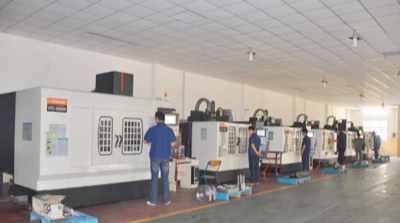
For over four decades, Hebei Yuanchang Food Mechanism & Technology Co., Ltd. has been a cornerstone in the meat processing equipment industry. Established in 1986, our longevity is a testament to our unwavering commitment to quality, innovation, and customer satisfaction. We integrate Research & Development, meticulous production, and efficient sales to deliver machinery that truly performs.
Our state-of-the-art facility, spanning 14,000 square meters, houses a team of 80-100 skilled professionals. This allows us to maintain complete control over the manufacturing process, from raw material sourcing to final assembly. Our in-house machining workshop is a key differentiator, equipped with over 20 advanced processing machines. The integration of Japanese Mazak CNC machining centers in 2012 significantly elevated our capability to produce high-precision, complex components required for industrial-grade equipment like our meat grinders.
This in-house expertise means we can offer not only standard, high-performance industrial grinders but also custom-engineered solutions. We understand the critical nature of downtime in your operation. Therefore, our traceable after-sales management system, coupled with our ability to produce critical parts independently, ensures that you receive timely and effective support, minimizing any disruption to your production schedule.
We are dedicated to building long-term partnerships. This is achieved by consistently delivering reliable equipment and providing unparalleled after-sales service. When you choose Hebei Yuanchang, you're choosing a partner with deep industry knowledge and a proven track record of excellence.
Why Our Experience Matters:
- 40 Years: Deep understanding of meat processing nuances.
- Integrated Facility: Full control over R&D, production, and quality.
- Advanced Machining: Precision components for superior performance and durability.
- Traceable Support: Worry-free after-sales service for maximum uptime.
Navigating Procurement: What Buyers Need to Know
Purchasing industrial equipment involves careful consideration to ensure you get the best value, performance, and long-term reliability. For industrial size meat grinders, here's a practical guide for procurement managers and decision-makers.
Key Procurement Considerations:
- Production Volume Analysis: Accurately forecast your current and future hourly/daily processing needs. Over-specifying can lead to unnecessary costs, while under-specifying creates a bottleneck.
- Meat Type and Temperature: Will you be grinding fresh, chilled, or partially frozen meat? Different applications require varying motor power and cutting assembly robustness. Processing frozen blocks necessitates significantly more power.
- Desired Grind Texture: Confirm the range of textures you need to produce. This dictates the size and type of grinding plates and knives required. Can the machine accommodate multiple plate sizes?
- Material Compatibility and Hygiene: Standard SUS304 stainless steel is preferred for its corrosion resistance and ease of cleaning. Ensure all parts in contact with food meet international standards.
- Power Requirements: Verify that your facility's electrical infrastructure can support the grinder's voltage, phase, and amperage requirements.
- Space and Ergonomics: Measure your available floor space and consider workflow. How will the grinder be integrated into your existing line? Is there sufficient access for loading and cleaning?
- After-Sales Support and Spare Parts: This is critical for minimizing downtime. Inquire about warranty, availability of spare parts (knives, plates, seals), and technical support. A manufacturer's ability to produce their own parts, like Hebei Yuanchang, is a significant advantage.
- Compliance and Certifications: For export markets, CE, UL, or other relevant certifications might be mandatory. Ensure the supplier can provide necessary documentation.
When evaluating suppliers, consider their experience, manufacturing capabilities, and commitment to customer service. A supplier with a strong history, like Hebei Yuanchang with 40 years in operation, is more likely to offer reliable equipment and dependable support. Don't hesitate to ask for detailed specifications, references, and factory tour opportunities (virtual or in-person).
Procurement is about more than just price; it's about total cost of ownership. A slightly more expensive machine that offers greater durability, efficiency, and support can deliver a far better ROI over its operational life.
Buyer Tip: Always ask for lead times and shipping costs upfront. International logistics can add significant complexity and cost, so clear communication from the outset is essential.
Operational Considerations: Maintenance & Logistics
Investing in an industrial size meat grinder is only the first step. Proper operational planning, including routine maintenance and efficient logistics, is crucial for maximizing its lifespan and ensuring consistent production.
Routine Maintenance Schedule
Daily: Thorough cleaning and sanitization of all food-contact surfaces. Check cutting plates and knives for wear or damage. Lubricate essential moving parts as per manual.
Weekly: Inspect motor and gearbox for unusual noises or vibrations. Check electrical connections. Sharpen or replace cutting plates and knives if performance degrades.
Monthly/Quarterly: Inspect drive belts, seals, and bearings. Schedule professional servicing if recommended by the manufacturer.
Logistics and Shipping
Packaging: Industrial machines are typically shipped on robust pallets, often crated for international transit. Ensure packaging is adequate to prevent damage during transit.
Shipping Methods: Options include sea freight (FCL/LCL) for cost-effectiveness or air freight for urgency. Your supplier can advise on the best method based on destination and lead time requirements.
Customs and Import Duties: Be prepared for import documentation and potential duties/taxes. Working with an experienced exporter like Hebei Yuanchang streamlines this process.
Installation and Commissioning
Site Preparation: Ensure a level, stable floor capable of supporting the machine's weight, and adequate access to power and drainage.
Integration: Plan how the grinder fits into your workflow. This may involve conveyor belts, chutes, or direct connection to filling machines.
Training: Proper operator training on safe operation, cleaning, and basic maintenance is essential for performance and longevity.
Proper maintenance not only extends the life of your industrial grinder but also ensures consistent product quality and minimizes safety risks. Adhering to a strict cleaning regimen is paramount in the food industry.
Frequently Asked Questions
A: With proper maintenance and regular servicing, a well-built industrial meat grinder can last 10-15 years or even longer. Factors like operating hours, the type of meat processed, and adherence to maintenance schedules play a significant role.
A: While some industrial grinders can handle partially frozen meat, grinding fully frozen blocks typically requires specialized, higher-powered models with robust cutting assemblies. Grinding very hard frozen meat can significantly accelerate wear on knives and plates if the machine isn't designed for it.
A: Calculate your peak hourly processing requirement. Consider the time it takes for your entire batch to be ready for grinding, then divide the total weight by that available time. Always add a buffer for unexpected demand or operational efficiency. For example, if you process 1000 kg in 2 hours, you need a grinder capable of at least 500 kg/hour, but aiming for 600-700 kg/hour provides a safe margin.
A: We can provide machines with CE certification upon request for markets that require it. Our focus is on robust engineering that meets international quality expectations. Please specify your certification needs when inquiring.
A: Our standard warranty covers manufacturing defects for one year on electrical components and six months on mechanical parts under normal operating conditions. Specific terms can be discussed during the sales process.
Elevate Your Meat Processing Capacity and Efficiency
Don't let inadequate equipment limit your production potential. An industrial size meat grinder from Hebei Yuanchang is an investment in your business's future, offering reliability, precision, and scalability.
Contact Us: +86 15830991513 | ycmeatmech@gmail.com
Visit Our Factory: Shijiazhuang, Hebei Province, China