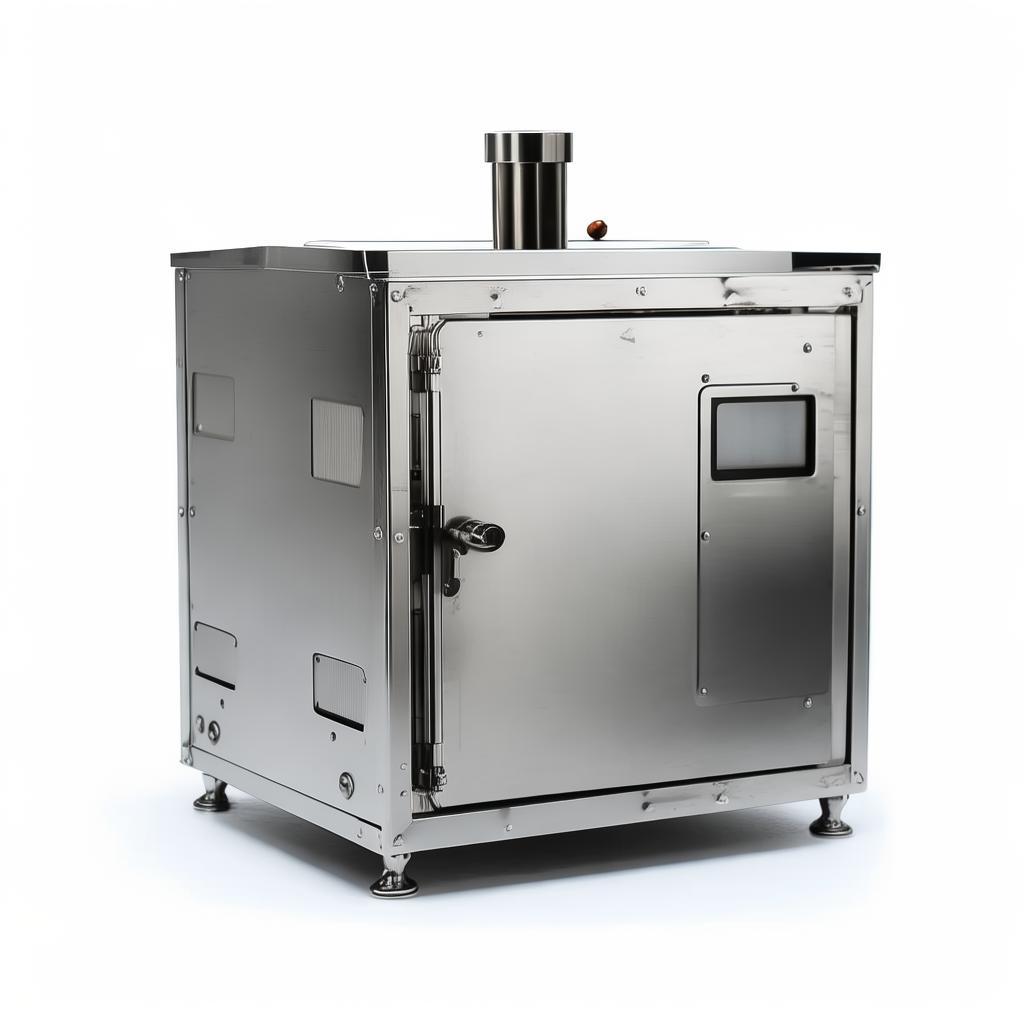
Meat Conveyer
Advanced Meat Conveyor Systems: Enhancing Efficiency and Hygiene in Global Food Processing
By David Chen, Lead Export Engineer | Hebei Yuanchang Food Mechanism & Technology Co., Ltd.
Published:
Streamlining Your Meat Processing: The Indispensable Meat Conveyor
In the high-stakes environment of modern meat processing, efficiency, hygiene, and product integrity are paramount. Every stage, from raw material handling to the final packaged product, demands robust, reliable, and safe equipment. This is where the humble yet critical meat conveyor system truly shines. Far beyond simple transport, advanced conveyor solutions are engineered to optimize workflows, minimize manual handling, prevent contamination, and ensure that your valuable product reaches its destination intact and of the highest quality. For businesses operating in the US and other English-speaking markets, understanding the nuances of these systems is key to maintaining a competitive edge and meeting stringent regulatory demands. The global meat processing equipment market, projected to reach USD 17.39 billion by 2034 according to Fortune Business Insights, underscores the sheer scale and importance of this sector. Within this expansive market, conveyors play a foundational role, acting as the circulatory system for an entire processing plant.
The journey of meat from farm to table is complex, involving numerous steps that require meticulous control. Pretreatment, filling, molding, ripening, and packaging all rely on the seamless movement of product. Manual transport is not only labor-intensive and costly but also significantly increases the risk of cross-contamination, spoilage, and physical damage to the meat. Automation, driven by the need for consistent quality, reduced operational expenditure, and adherence to evolving food safety standards like HACCP and GMP, has made automated conveying systems a non-negotiable component of any serious meat processing operation. The increasing demand for processed and ready-to-eat meats, a trend highlighted by various market reports such as IMARC Group's projection of the processed meat market reaching USD 29.8 billion by 2034, directly fuels the need for sophisticated material handling solutions that can keep pace with production volumes and maintain hygienic conditions.
At Hebei Yuanchang Food Mechanism & Technology Co., Ltd., we’ve spent 40 years since 1986 perfecting our understanding of these intricate requirements. Our focus isn't just on manufacturing metal and plastic components; it's on engineering solutions that solve real-world problems for meat processors. We recognize that a meat conveyor is not a one-size-fits-all product. Factors like the type of meat (beef, pork, poultry, or even pet food), its processing stage (raw, marinated, formed, cooked), the required throughput, the plant layout, and the specific hygiene protocols all dictate the optimal conveyor design. Whether you need a simple belt conveyor for moving deboned chicken portions, a sophisticated modular plastic belt system for intricate filling lines, or a robust stainless steel screw conveyor for bulk ingredient transport, our expertise ensures you get a system that’s built for your unique operational demands.
The market itself is dynamic. Reports from Grand View Research indicate the global meat processing equipment market was valued at USD 11.28 billion in 2024, with segments like filling and massaging equipment seeing significant growth. This growth is intrinsically linked to the efficiency gains provided by effective conveying systems. Consider the labor savings alone: a well-designed conveyor network can reduce the need for manual lifting and transport, freeing up valuable personnel for higher-skilled tasks. Moreover, in an era where labor shortages are a growing concern, especially in Western markets, automation through conveying technology is not just about cost-efficiency but about operational continuity. This aligns with the broader trend of automation adoption for hygiene and labor efficiency, as noted by Fortune Business Insights.
Choosing the right meat conveyor involves more than just selecting a product from a catalog. It requires a deep understanding of material science (food-grade plastics, stainless steel alloys), engineering principles (load bearing, power transmission, sanitation design), and the specific risks associated with food handling environments. Our goal at Yuanchang is to demystify this process for our international clients, providing not just equipment, but comprehensive support and insights. We are a manufacturer with an in-house machining workshop, equipped with over 20 sets of processing machinery and advanced Japanese Mazak CNC machining centers since 2012, enabling us to produce high-precision, non-standard components. This vertical integration is crucial for delivering custom solutions and ensuring the reliability that your operations depend on. Let's explore how our conveyor systems can transform your production line.

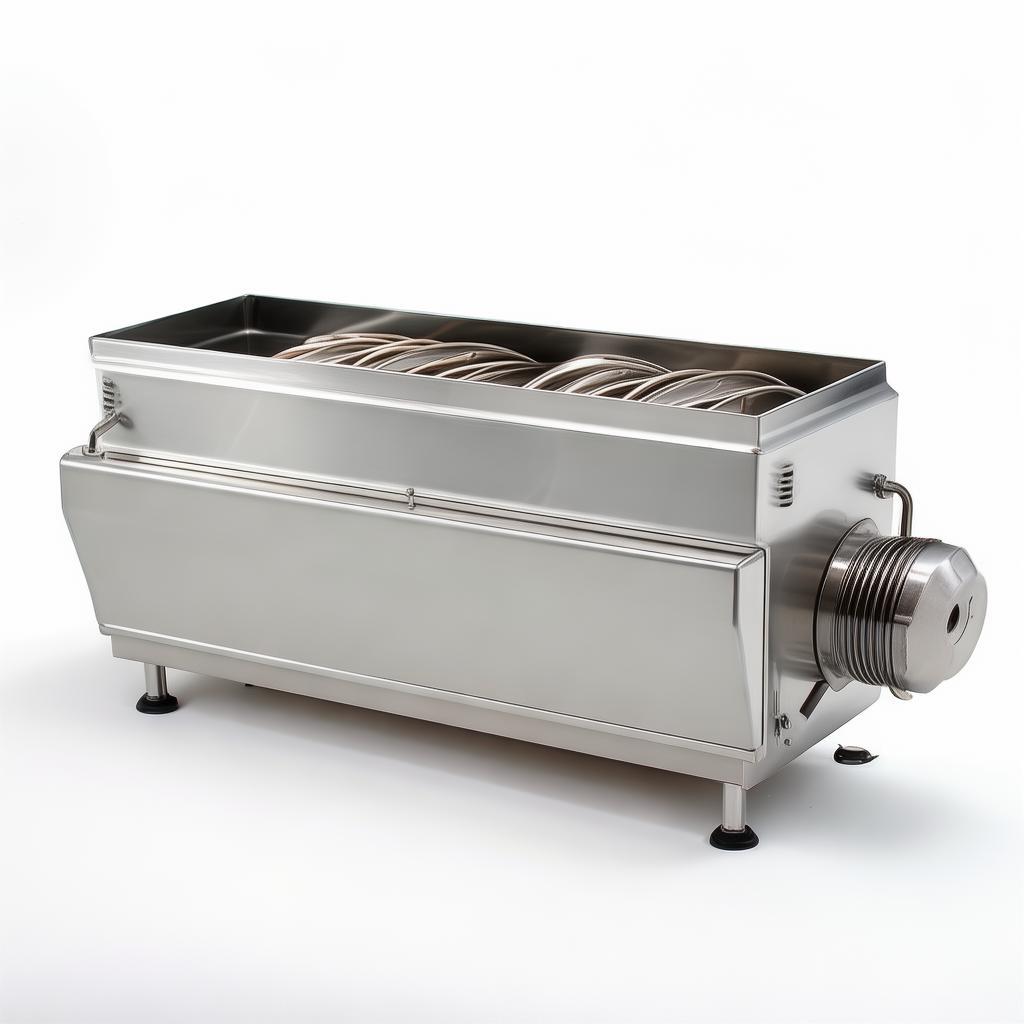
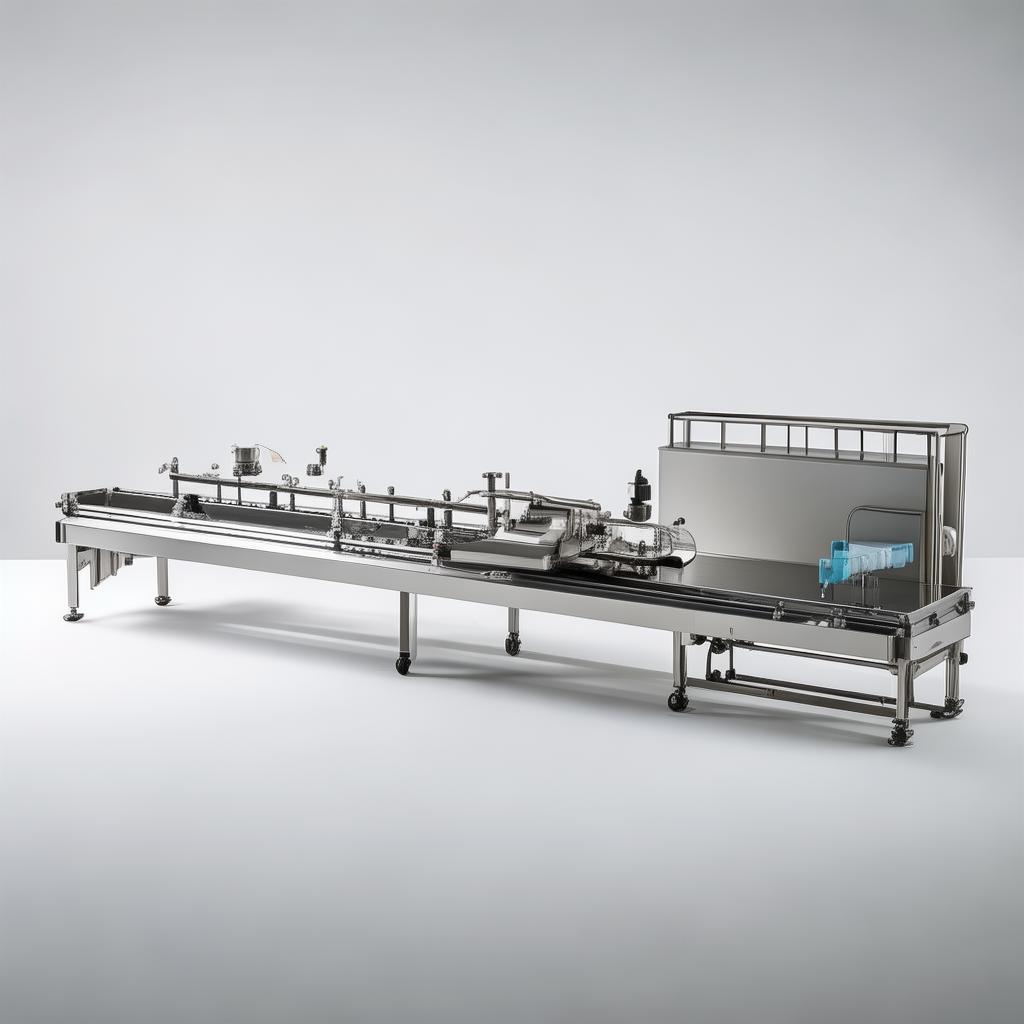
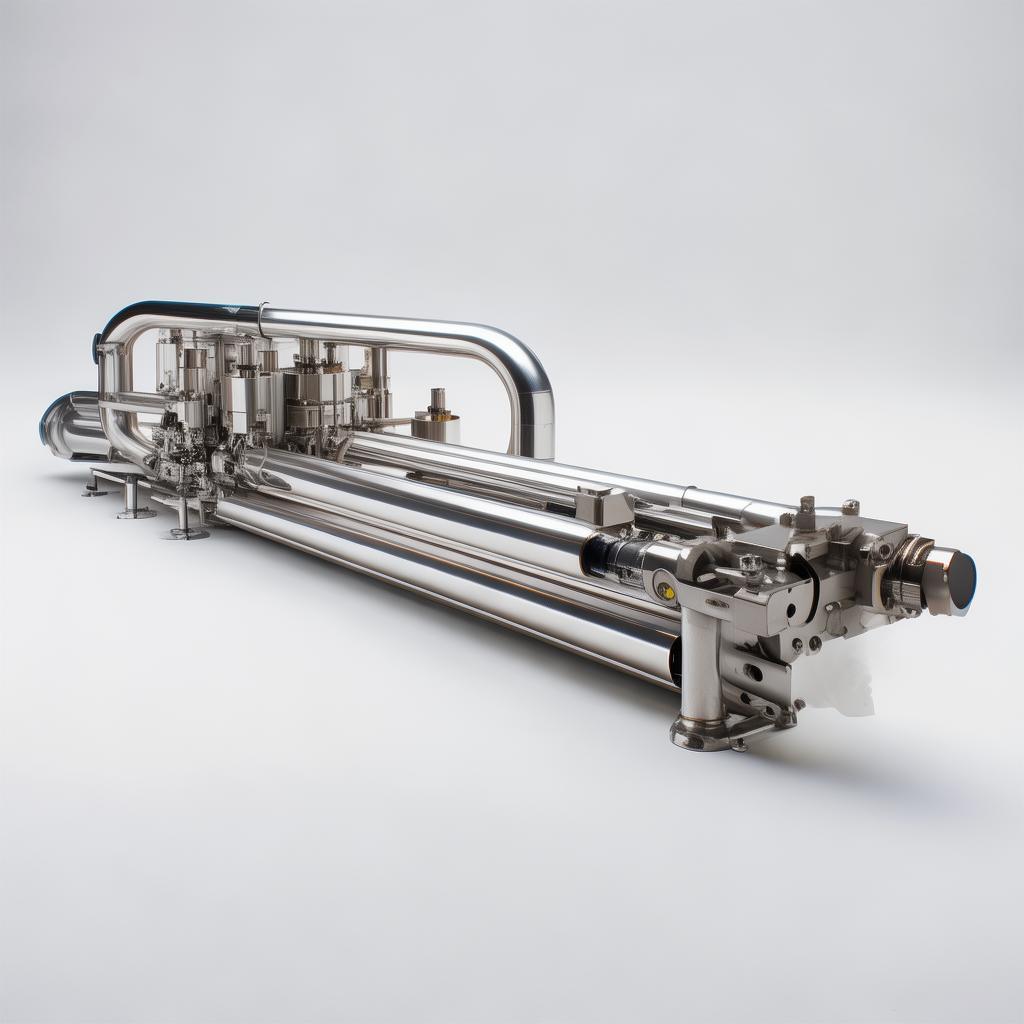
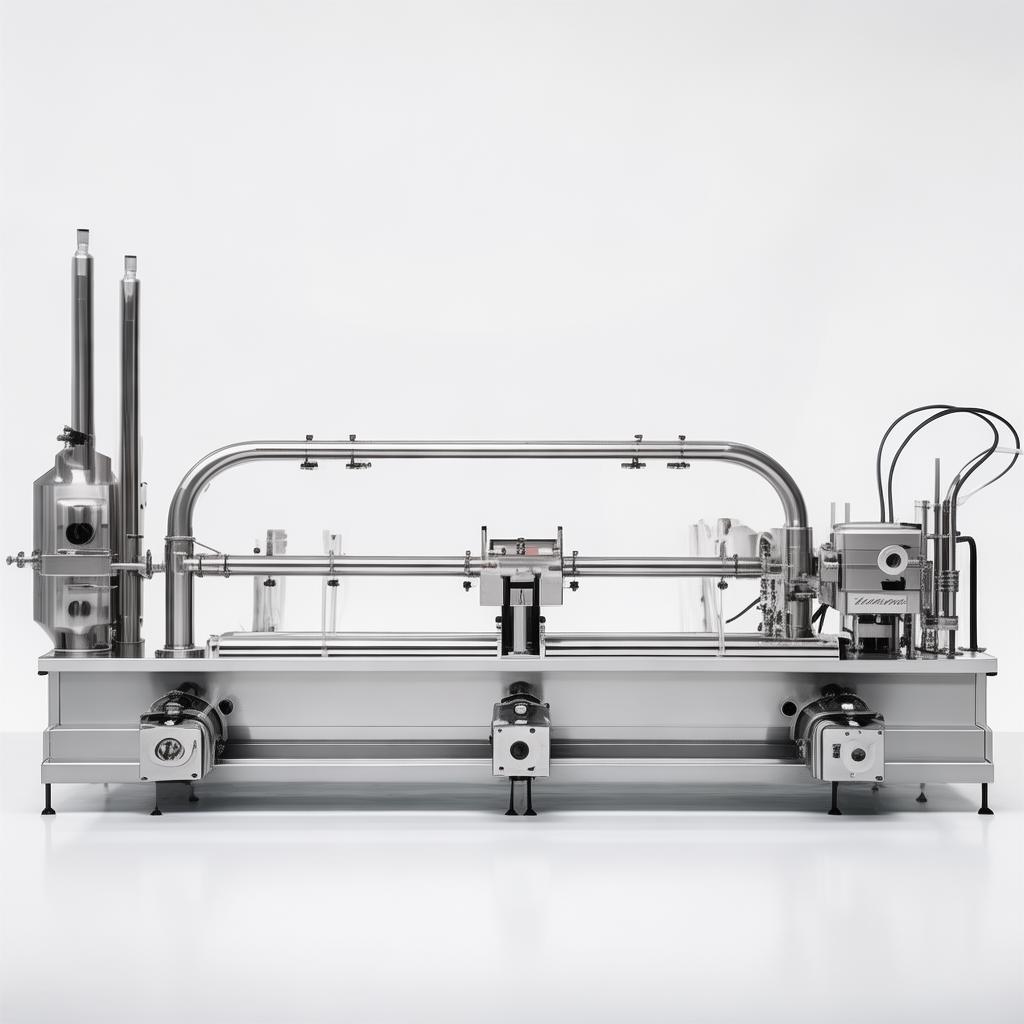
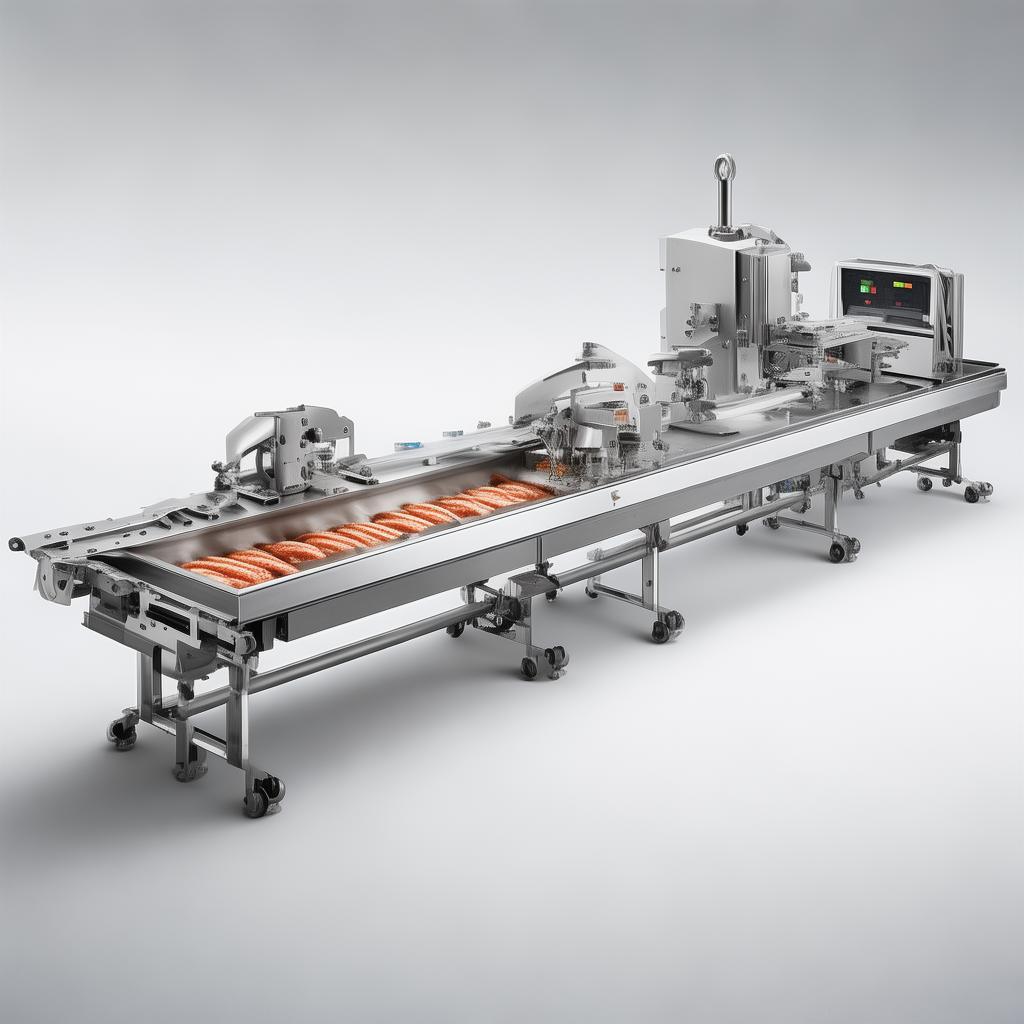
State-of-the-art meat conveyor systems engineered for hygiene and efficiency.
Navigating the Hurdles: Common Challenges in Meat Processing Conveying
Hygiene & Contamination Risks
Maintaining impeccable hygiene is non-negotiable. Traditional or poorly designed conveyors can harbor bacteria in crevices, joints, and under surfaces. This poses a significant risk of cross-contamination, leading to product recalls and reputational damage. Effective cleaning-in-place (CIP) and ease of disassembly for deep cleaning are critical design considerations we address.
Product Integrity & Damage
Meat products, especially formed or marinated items, can be delicate. Inadequate conveyor speed control, sharp turns, or rough transitions can lead to product breakage, deformation, or loss of valuable juices. Our systems are designed for smooth operation and gentle product handling.
Operational Inefficiencies & Bottlenecks
An outdated or undersized conveyor system can create bottlenecks, slowing down the entire production line. Inconsistent speeds, frequent breakdowns, or inadequate capacity lead to lost production time and increased labor costs. We focus on throughput optimization and robust design.
Material Degradation & Longevity
The harsh environments of meat processing plants (moisture, temperature fluctuations, cleaning chemicals) can quickly degrade inferior materials. Choosing conveyors made from appropriate food-grade stainless steel (e.g., 304, 316L) and durable, FDA-approved plastics is essential for long-term performance and ROI.
Integration with Existing Lines
Retrofitting new conveyor systems into established facilities can be complex. Ensuring seamless integration with existing machinery, control systems, and plant layouts requires careful planning and customized engineering, something our experienced team excels at.
Compliance and Regulatory Standards
Meeting stringent international food safety standards (FDA, USDA, CE, ISO) is a prerequisite. Conveyors must be designed with easy-to-clean surfaces, food-grade materials, and appropriate safety features to ensure compliance and facilitate audits.
Our Comprehensive Range of Meat Conveyor Solutions
We engineer a wide spectrum of conveyor systems, each tailored to specific processing needs. Our designs prioritize hygiene, durability, and operational efficiency, ensuring seamless integration into your production flow.
Modular Plastic Belt Conveyors
Ideal for a wide range of applications, these conveyors offer excellent sanitary properties, resistance to chemicals and abrasion, and the flexibility to handle curves and inclines. Available in various FDA/EU-approved materials. Perfect for fresh, frozen, or processed meats.
- Key Benefits: Easy cleaning, high load capacity, smooth surface, configurable for complex paths.
- Common Uses: Sorting, inspection, cooling tunnels, packaging lines.
Stainless Steel Flat Belt Conveyors
Built for extreme durability and maximum hygiene. Constructed from high-grade stainless steel (304 or 316L), these conveyors are resistant to corrosion and easy to sanitize. They are suitable for wet environments and heavy-duty applications.
- Key Benefits: Superior hygiene, heavy-duty capability, chemical resistance, long service life.
- Common Uses: Raw meat transport, wash-down areas, high-temperature processing.
Wire Mesh Belt Conveyors
These conveyors offer excellent airflow and drainage, making them ideal for applications involving cooking, cooling, or baking where product airflow is critical. They are also designed for easy cleaning and durability.
- Key Benefits: High drainage/airflow, suitable for high temperatures, open design for sanitation.
- Common Uses: Ovens, freezers, de-watering, pasteurization.
Screw Conveyors
Engineered for bulk material handling, screw conveyors move powders, granules, or viscous materials efficiently and hygienically. Our designs feature robust construction and easy-clean augers for ingredients like ground meat, marinades, or pet food mixes.
- Key Benefits: Enclosed design prevents contamination, handles bulk materials, precise material transfer.
- Common Uses: Ingredient feeding, deboned meat transport, waste material removal.
Material Excellence: Durability Meets Food Safety
The materials used in meat conveyors are critical to their performance, longevity, and adherence to food safety regulations. We exclusively use materials that meet or exceed international standards, ensuring both operational reliability and product integrity.
High-Grade Stainless Steel
We utilize food-grade stainless steel alloys such as 304 and 316L for our conveyor frames, supports, and critical components. This choice is deliberate: these materials offer exceptional resistance to corrosion from moisture, cleaning agents, and meat acids. They are non-porous, preventing bacterial growth, and are easily cleaned and sanitized, meeting rigorous USDA and FDA guidelines.
Operational Insight: While 304 is standard, 316L offers superior corrosion resistance, especially in highly saline or acidic environments, making it a worthwhile investment for specific applications. The finish of the stainless steel (e.g., brushed, polished) also impacts cleanability and hygiene.
Food-Grade Plastics (e.g., POM, PP, UHMW-PE)
For belt materials and certain structural components, we specify high-performance plastics like Acetal (POM), Polypropylene (PP), and Ultra-High Molecular Weight Polyethylene (UHMW-PE). These materials are chosen for their:
- FDA and EU compliance for direct food contact.
- Excellent wear resistance and low friction coefficients.
- Resistance to moisture, cleaning chemicals, and a wide temperature range.
- Lightweight yet durable construction.
Logistics Note: The choice of plastic material impacts weight, which can affect shipping costs and ease of installation, particularly for larger systems.
Technical Specifications: Engineering for Performance
Below are typical specifications. Please note that custom configurations are our specialty. We work closely with clients to tailor dimensions, speeds, and features to exact production requirements.
| Specification | Details / Range | Notes |
|---|---|---|
| Frame Material | SS304 / SS316L Stainless Steel | Standard/High Corrosion Resistance |
| Belt Material Options | Modular Plastic (POM, PP), Wire Mesh, Flat SS | FDA/EU Compliant |
| Belt Width | Customizable (e.g., 100mm - 1500mm) | Based on product size and throughput |
| Conveyor Length | Customizable (e.g., 0.5m - 30m+) | Modular design for scalability |
| Speed Control | Variable Frequency Drive (VFD) | 0.1 m/s to 1.0 m/s (typical) |
| Motor Power | Customizable (e.g., 0.75 kW - 5.5 kW) | Dependent on length, load, and incline |
| Load Capacity | Customizable (e.g., up to 200 kg/m) | Varies by belt type and structural design |
| Hygiene Features | Sanitary design, rounded corners, sealed bearings, CIP compatibility | Facilitates easy cleaning and reduces contamination points |
| Power Supply | 220V/380V/415V, 50Hz/60Hz, 3-Phase | Configurable for regional standards |
| Optional Features | Side guards, product guides, diverters, integrated weighing, metal detection | Enhance functionality and automation |
Procurement Note: Always request detailed engineering drawings and material certifications when evaluating conveyor suppliers to ensure they meet your specific project requirements and compliance needs.
Versatile Applications Across the Meat Industry
Our meat conveyor systems are designed to serve a multitude of functions throughout the meat processing value chain, from raw material input to finished goods dispatch.
Raw Material Handling
Transporting bulk cuts, deboned portions, or ground meat from receiving to initial processing stages like grinding or cutting. Robust, easy-to-clean designs are essential here.
Filling & Molding Support
Feeding product precisely into filling machines or molding equipment for sausages, patties, nuggets, and other formed products. Consistent speed and alignment are critical.
Ripening & Maturation
Moving products through ripening chambers or massaging tumblers, ensuring even exposure and optimal conditions. Our systems can be adapted for controlled environments.
Cooking & Cooling Lines
Transporting products through ovens, smokers, chillers, or water baths. Wire mesh or specialized belt materials are often employed here for heat transfer and drainage.
Inspection & Sorting
Presenting products for quality checks, metal detection, or automated sorting. Controlled speeds and stable surfaces are key.
Packaging & Palletizing
Moving finished products to packaging stations, automated bagging machines, or palletizing robots. Precision and reliability ensure smooth transitions.
Industry Observation: The increasing demand for processed meat, valued at USD 750.58 billion in 2026 and projected to reach USD 1,253.77 billion by 2034 (Fortune Business Insights), means these diverse applications are growing in complexity and volume, requiring increasingly sophisticated conveyor solutions.
The Yuanchang Advantage: From Design to Delivery
Decades of Manufacturing Expertise
With 40 years of experience, Hebei Yuanchang has established itself as a reliable manufacturer of food processing equipment. Our 14,000 sqm facility and dedicated team of 80-100 professionals are committed to R&D, production, and sales.
In-House Precision Machining
Our comprehensive machining workshop, featuring over 20 sets of advanced machinery including Japanese Mazak CNC machining centers, allows us to produce high-precision components in-house. This control over manufacturing ensures quality, reduces lead times, and enables us to deliver custom solutions for non-standard specifications.
OEM/ODM Capabilities
We are equipped to handle Original Equipment Manufacturer (OEM) and Original Design Manufacturer (ODM) projects. Whether you need to integrate our conveyors into your larger machinery or require a bespoke design from concept, our engineering team is ready to collaborate.
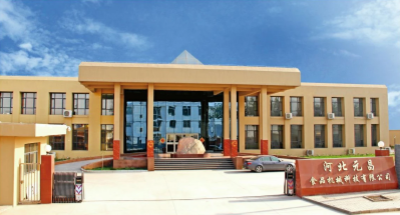
Precision Machining
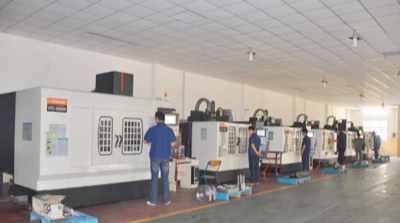
Assembly Line
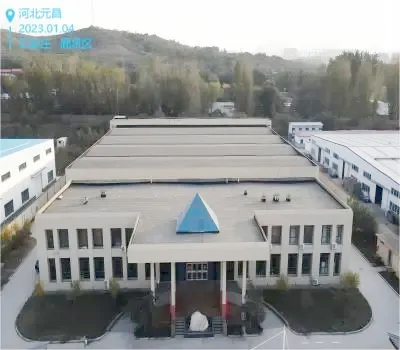
Quality Control

Our state-of-the-art manufacturing facility in Shijiazhuang, China.
Procurement Guidance: Making the Right Choice for Your Conveyor System
Selecting a meat conveyor supplier involves more than just comparing prices. As a buyer, focusing on Total Cost of Ownership (TCO) and long-term reliability is crucial. Here are key considerations:
Material Quality & Certifications
Verify that all food-contact materials are certified (FDA, EU). Request material datasheets and test reports. Inferior materials lead to premature failure and hygiene issues.
Engineering & Customization
Does the supplier offer custom engineering? A standard solution might not fit your unique layout or product. Look for suppliers with strong design capabilities.
After-Sales Support & Spares
What is their policy on spare parts and technical support? Downtime is costly. We maintain a traceable after-sales management system to ensure prompt support.
Lead Times & Logistics
Understand realistic production and shipping timelines. Factor in transit times and customs procedures for international orders.
Manufacturer vs. Distributor
Buying directly from a manufacturer like Yuanchang often provides better pricing, direct access to technical expertise, and clearer communication regarding customization and quality control.
Installation & Commissioning
Inquire about installation support. While many systems are designed for straightforward installation, complex setups may require on-site assistance.
Commitment to Global Standards: Certifications You Can Trust
Compliance with international food safety and equipment standards is a cornerstone of our manufacturing philosophy. We ensure our meat conveyor systems meet the rigorous requirements of global markets.

ISO 9001 Certified
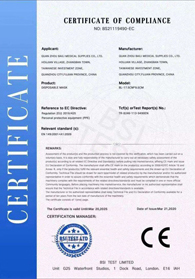
CE Marking

FDA Compliant Materials

RoHS Compliant
Our commitment extends beyond certifications. We actively adhere to principles of Good Manufacturing Practices (GMP) and ensure our equipment supports your HACCP plan.
Client Testimonials: Real-World Success Stories

"Yuanchang's modular belt conveyor has been a game-changer for our sausage production line. The smooth operation and excellent hygiene standards have significantly reduced our cleaning time and improved product consistency. Their export team was professional and ensured timely delivery to our facility in Chicago."
- Mark Jenkins, Operations Manager, Midwest Meats Inc.

"We needed a robust stainless steel conveyor for handling raw beef cuts. Yuanchang provided a custom solution that perfectly fit our space constraints and throughput requirements. The build quality is exceptional, and it's held up well to daily washdowns. Highly recommended for serious processors."
- David Miller, Plant Supervisor, Pacific Protein Solutions

"As a distributor, we look for reliable partners. Hebei Yuanchang has consistently delivered high-quality conveyors for our clients in the UK and Australia. Their OEM capabilities allow us to offer tailored solutions under our own brand, backed by Yuanchang's manufacturing prowess."
- Sophia Rossi, Procurement Director, Global Food Equipment Suppliers
Real Conversations, Real Solutions
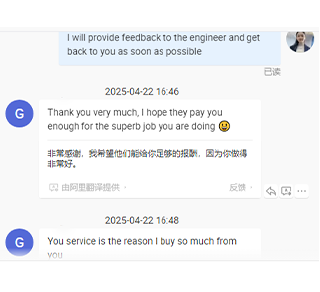


These snippets from client interactions showcase our direct, problem-solving approach. We believe in clear communication and providing actionable insights to help you make informed decisions.
Frequently Asked Questions
Q: What is the typical lead time for a custom meat conveyor system?
A: Lead times can vary significantly based on complexity and current production schedules. A standard configuration might take 4-6 weeks, while a highly customized system could require 8-12 weeks or more. We provide accurate lead time estimates upon order confirmation.
Q: Can your conveyors handle frozen meat products?
A: Yes, we offer options specifically designed for frozen products. This includes selecting appropriate belt materials (like specialized plastics or stainless steel) and ensuring motor/drive components are rated for low-temperature operation. Special considerations for insulation and condensation management may also apply.
Q: How easy is it to clean your stainless steel conveyors?
A: Our stainless steel conveyors are designed with sanitary principles in mind. This includes smooth surfaces, rounded corners, sealed components, and often, a modular design that allows for quick disassembly of key parts. Many systems are compatible with Clean-In-Place (CIP) procedures, minimizing downtime for sanitation.
Q: Do you provide installation support for international clients?
A: We provide comprehensive installation manuals and are available for remote technical support during your installation process. For complex projects or specific client requirements, on-site installation services can be arranged at an additional cost.
Q: What are the advantages of buying directly from a manufacturer like Hebei Yuanchang?
A: Buying direct means you get factory-direct pricing, cutting out distributor markups. You also gain direct access to our engineering team for custom solutions, benefit from shorter communication lines, and have full transparency into the manufacturing process and quality control measures. Our 40 years of experience also mean deep technical knowledge you can leverage.
Ready to Optimize Your Meat Processing Line?
Leverage our 40 years of expertise in food processing equipment to enhance your operational efficiency, maintain the highest hygiene standards, and ensure product quality. Whether you need a standard solution or a fully bespoke conveyor system, our team is here to help.
We serve clients globally, with extensive experience exporting to the USA, Europe, and beyond.