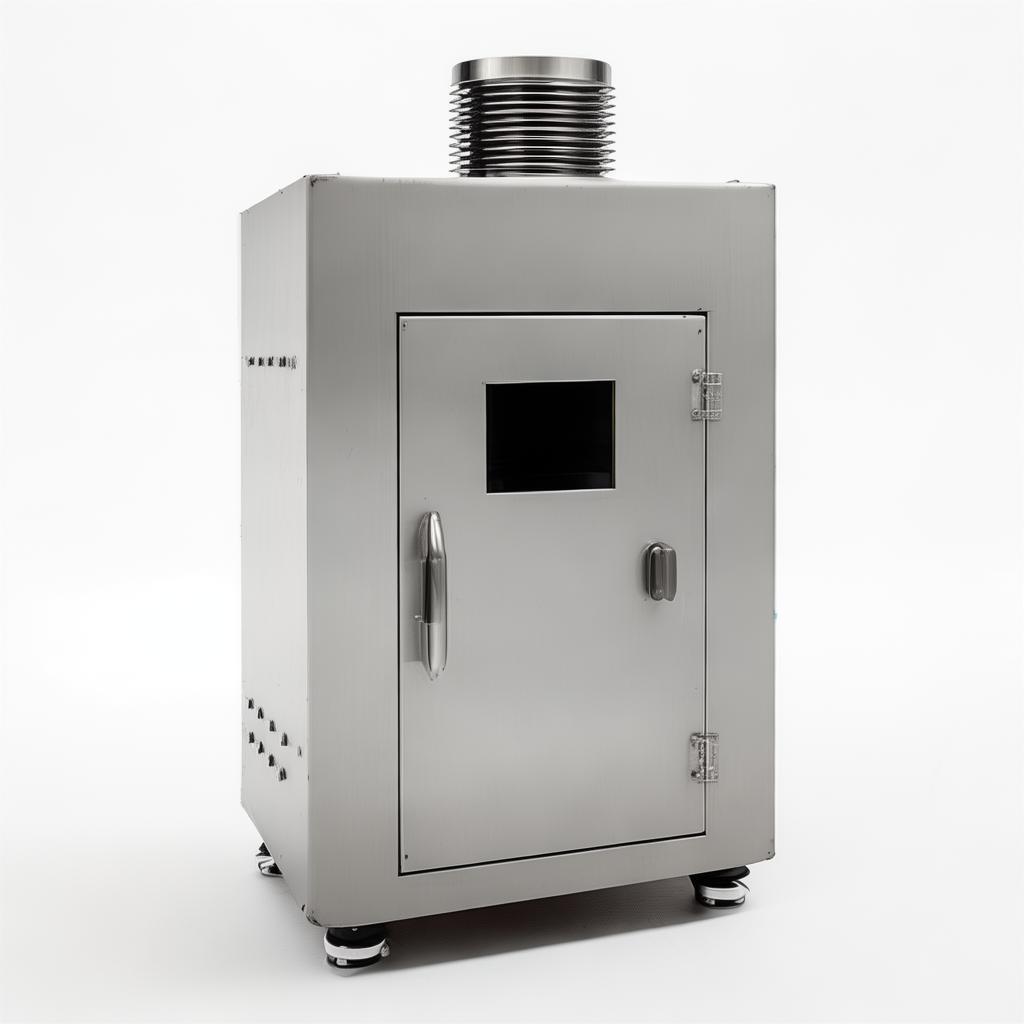
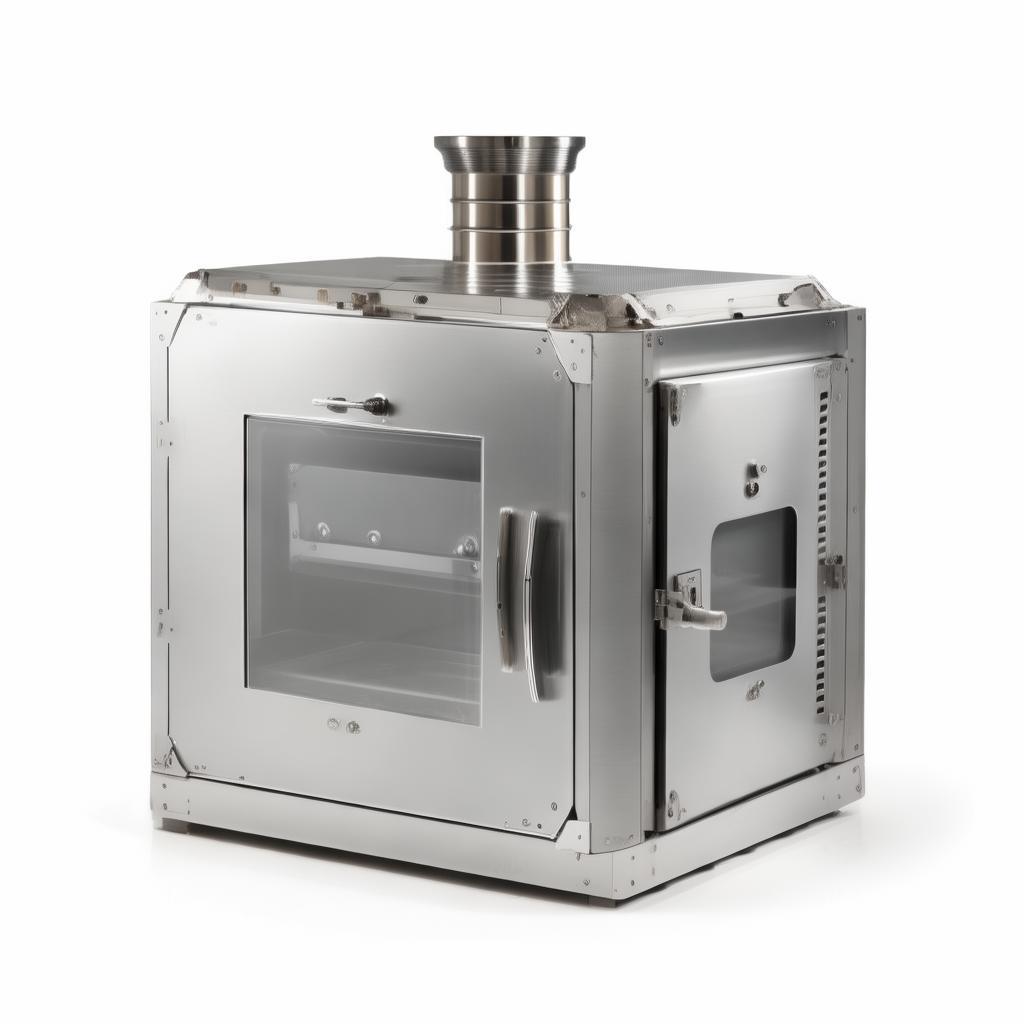
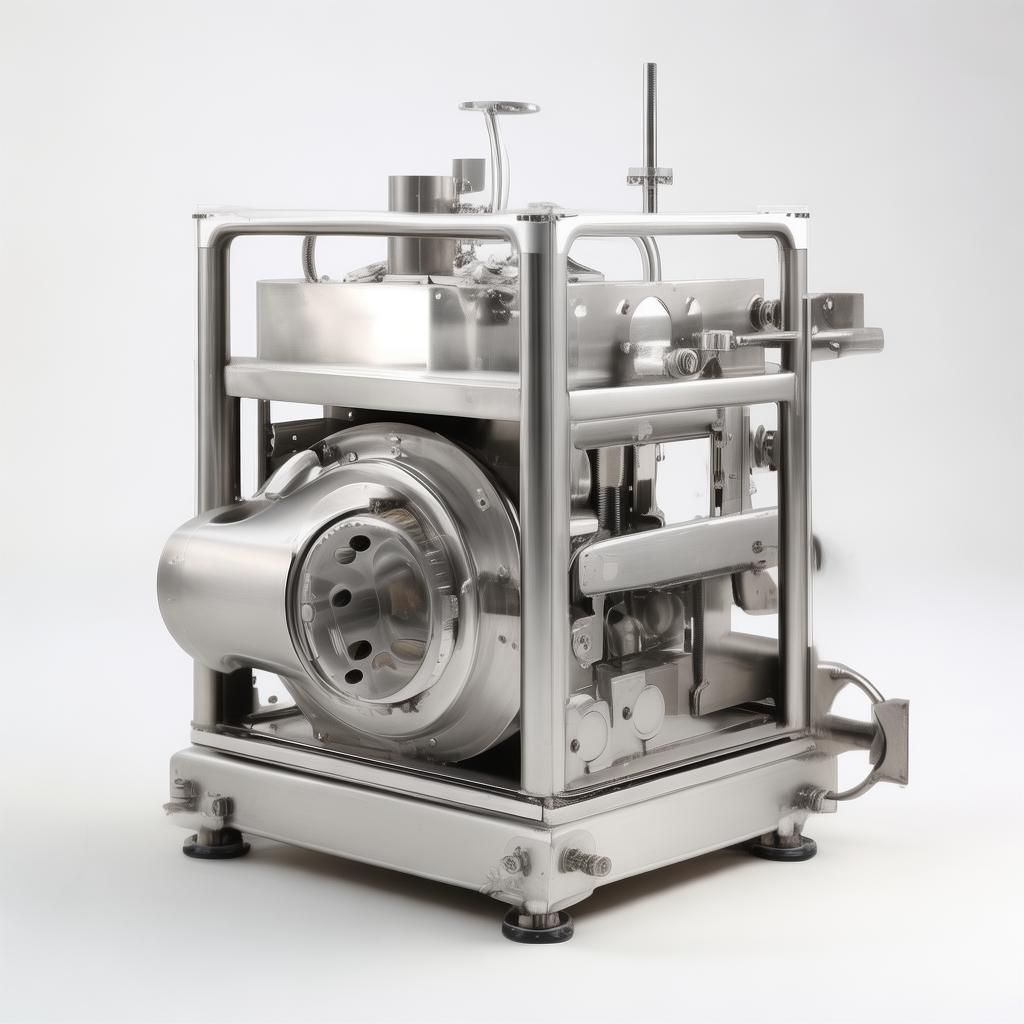
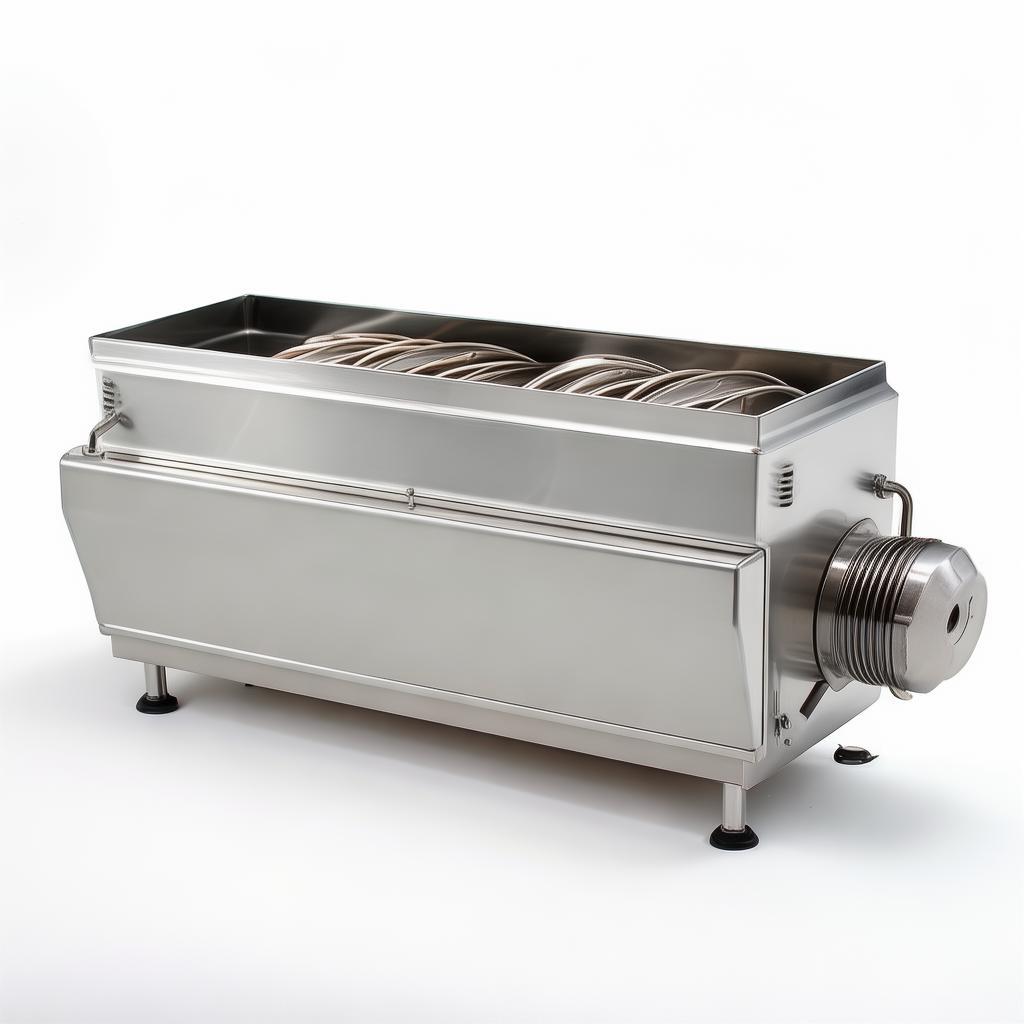
Meat Chopping Machine
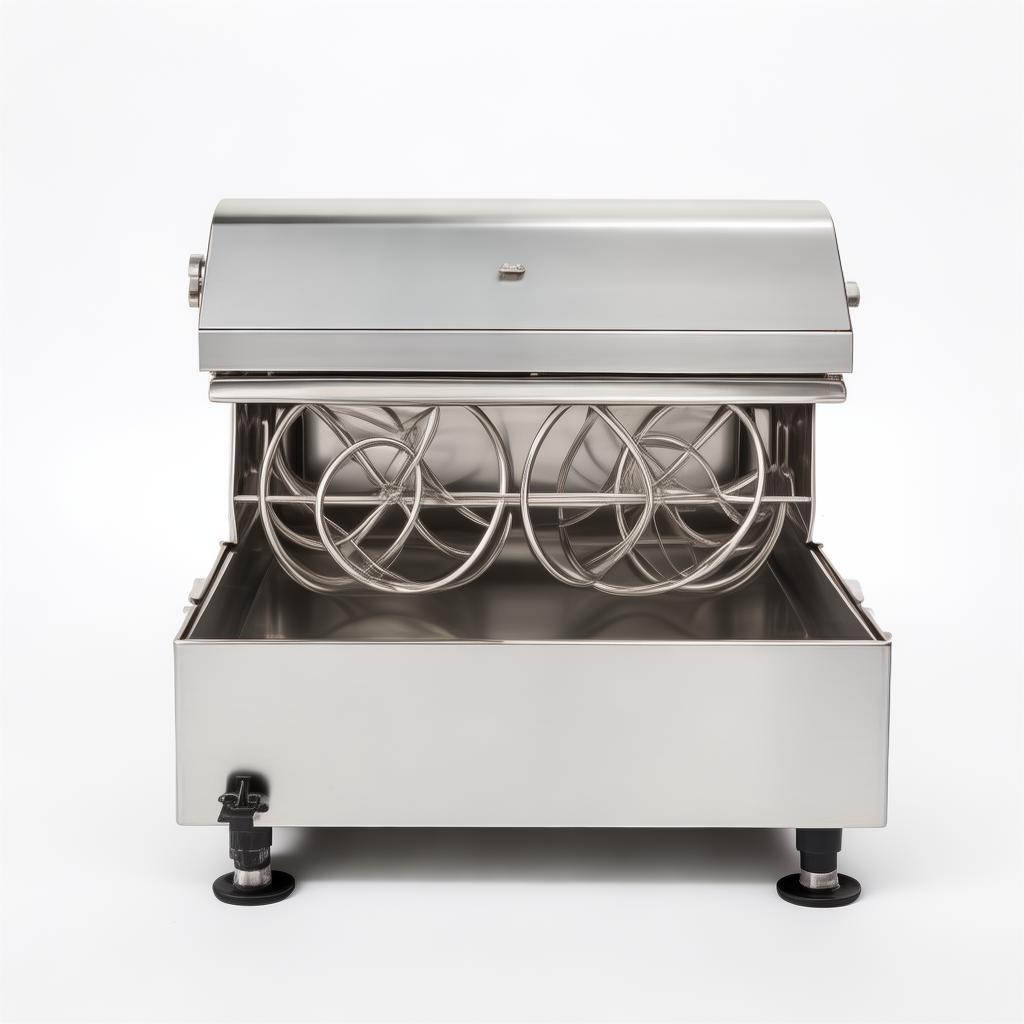
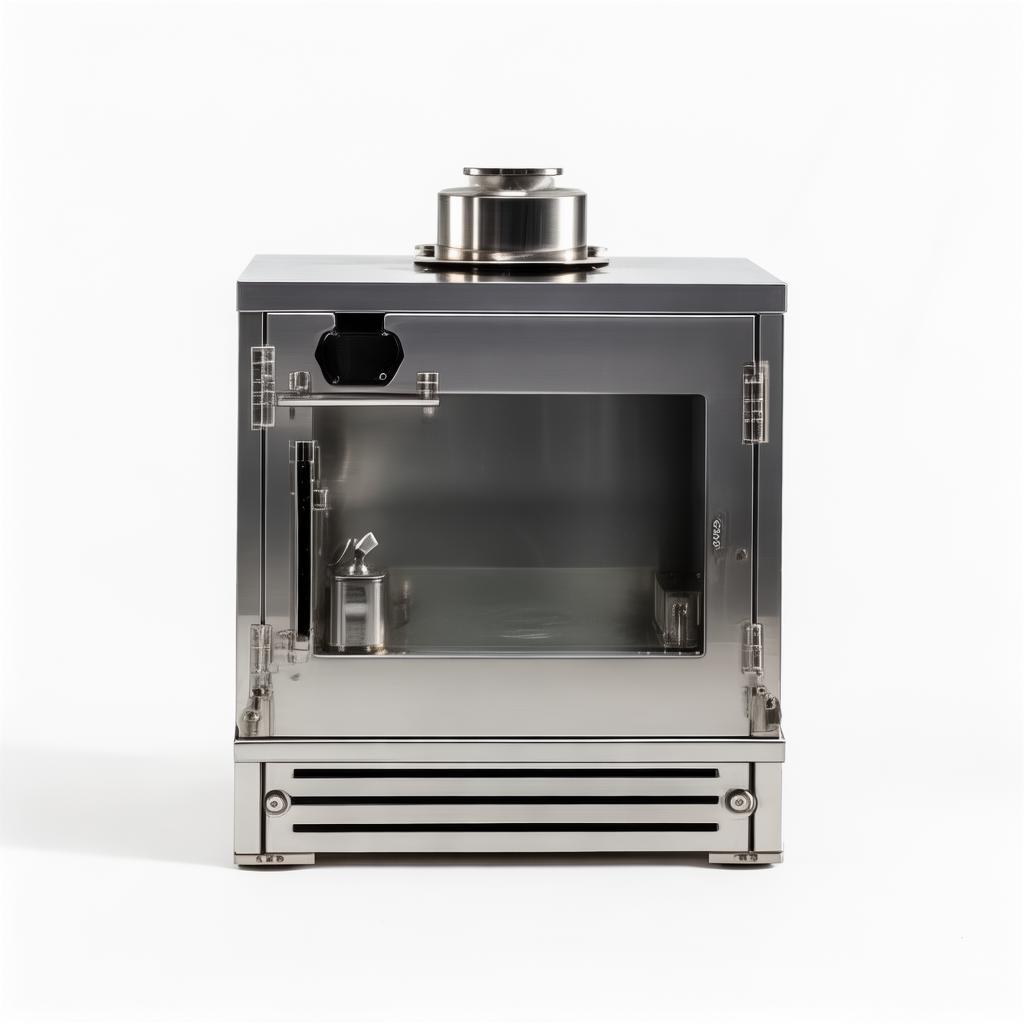
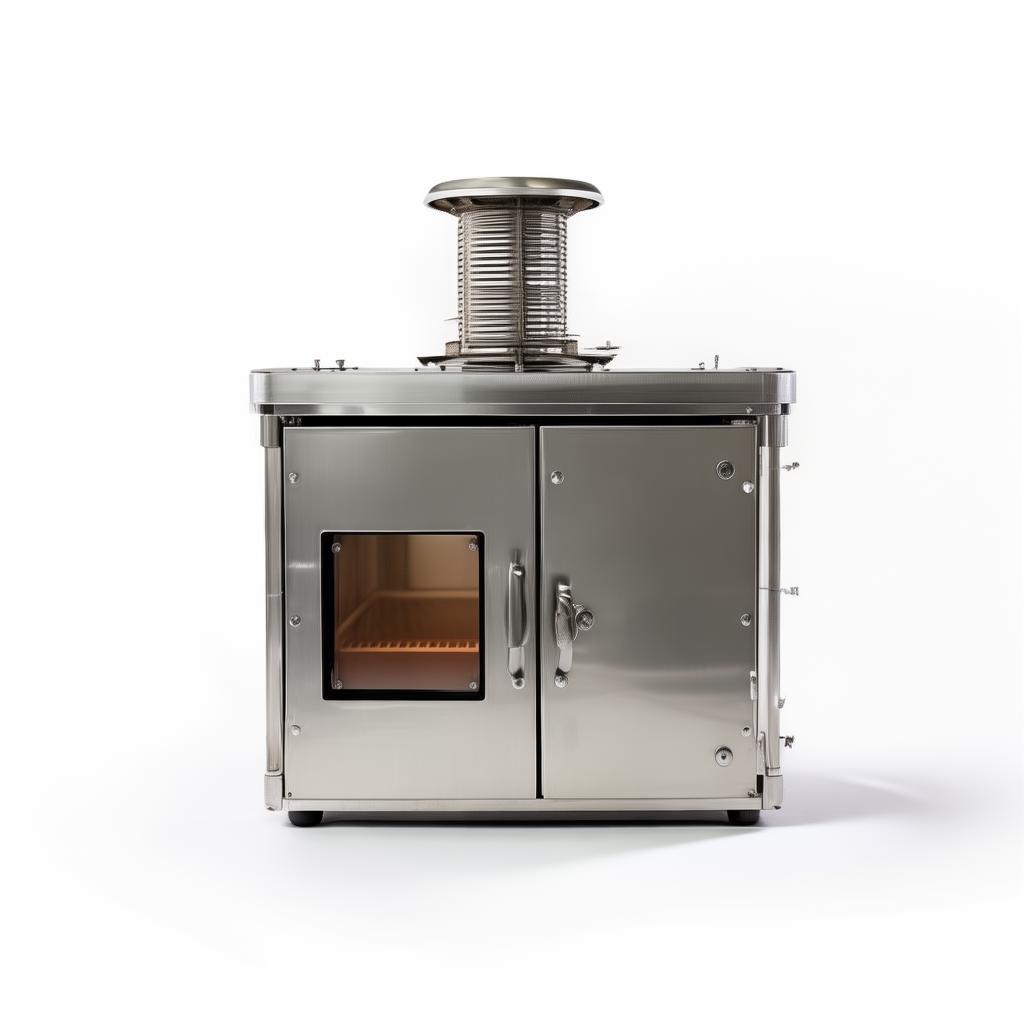
Precision Meat Chopping Machines for Industrial Scale Production
Enhance Efficiency, Ensure Quality, and Optimize Your Meat Processing Workflow


The Backbone of Modern Meat Processing: Understanding Your Chopping Needs
In the fast-paced world of food manufacturing, efficiency and precision are paramount. For businesses involved in meat processing, from large-scale operations to specialized producers of gourmet products, the right equipment is not just a tool; it's the bedrock of consistent quality and operational success. The meat chopping machine, often seen as a fundamental component, plays a critical role in preparing raw materials for a vast array of end products. Whether you're formulating sausages, creating seasoned ground meats, preparing ingredients for pet food, or developing complex meat preparations, the ability to achieve uniform particle size and texture quickly and reliably is non-negotiable.
The global meat processing equipment market is a testament to this vital need, projected to reach significant figures, with various reports indicating market values ranging from USD 11.28 billion in 2024 to over USD 30 billion by 2035, depending on the scope and segment analysis (e.g., Fortune Business Insights, Grand View Research, GMInsights). This growth is fueled by a rising global demand for processed meat, the increasing adoption of automation for hygiene and labor efficiency, and the stringent adherence to food safety standards. Specifically, equipment for cutting, grinding, and filling holds significant importance. A well-designed meat chopping machine directly impacts product yield, texture, and shelf life, making its selection a strategic decision for any procurement manager or operations director.
Consider the procurement journey. You're not just buying a piece of machinery; you're investing in a solution. This involves evaluating throughput requirements, desired particle consistency, the types of meats to be processed (beef, pork, poultry, even frozen blocks), and crucially, integration with your existing or planned production line. The wrong choice can lead to inconsistent product, higher waste, increased labor costs, and potential bottlenecks that ripple through your entire operation. This is where understanding the nuances of meat chopping technology becomes critical. It's about more than just a sharp blade; it's about sophisticated engineering designed to handle demanding industrial environments while delivering repeatable, high-quality results.
For instance, handling frozen meat blocks requires robust construction and powerful motors to prevent jamming and ensure smooth operation, whereas processing chilled or tempered meats might prioritize blade speed and cutting geometry for a finer mince. The specific cut you need—coarse grind for burgers, fine mince for pâtés, or even specialized cuts for textured products—dictates the type of chopper, the blade configuration, and the motor power required. Many industry professionals are keenly aware of the challenges in maintaining consistent particle size, especially when dealing with variations in raw material fat content or temperature. This consistency is key to achieving uniform cooking and superior final product appeal.
The complexity extends to ancillary functions. Are you looking for a standalone unit, or one that integrates seamlessly with a filling machine or a mixing system? Do you need advanced features like variable speed control, automated cleaning cycles, or specialized discharge mechanisms? The market offers a spectrum of solutions, from heavy-duty industrial grinders designed for high-volume throughput to more specialized choppers suited for smaller batch production or unique product formulations. Understanding these options is the first step in selecting equipment that aligns with your specific operational goals and commercial ambitions. We’ve seen firsthand how investing in the right chopping technology can dramatically reduce processing time for sausage makers and improve the uniformity of ground meat blends, leading to better consumer acceptance.
Furthermore, the material of construction is a crucial consideration for longevity and hygiene. Food-grade stainless steel is the industry standard, offering excellent corrosion resistance and ease of cleaning. However, the grade and finish of the stainless steel can vary, impacting its durability and resistance to wear, especially in high-abrasion environments. Compliance with international standards like CE or FDA requirements is often a prerequisite for export markets and critical for demonstrating a commitment to food safety. This is why detailed specifications, often found in technical datasheets and supported by certifications, are indispensable for informed decision-making. The objective is always to find a balance between initial investment, operational cost, production capacity, and the long-term reliability that safeguards your business continuity.
Key Operational Challenges & Our Solutions
Inconsistent Grind Size
Variable raw material temperatures or inadequate blade sharpness can lead to uneven particle distribution, impacting product texture and consumer appeal.
Our Solution: Precision-engineered cutting systems with optimized blade geometry and powerful, stable motor drives ensure uniform particle size, batch after batch.
Production Bottlenecks
Low throughput or frequent downtime due to machine limitations can disrupt the entire processing line, leading to missed deadlines and increased labor costs.
Our Solution: High-capacity designs, robust construction for continuous operation, and efficient material feeding minimize downtime and maximize output.
Hygiene & Sanitation
Complex internal parts can trap debris, making thorough cleaning difficult and increasing the risk of cross-contamination. This is a major concern in food safety compliance.
Our Solution: Seamless stainless steel construction, easily detachable components, and smooth surface finishes facilitate rapid and effective cleaning procedures.
Material Handling Limitations
Processing frozen blocks or tough cuts requires significant torque and robust cutting mechanisms to prevent damage and maintain efficiency.
Our Solution: Heavy-duty motors, hardened alloy steel blades, and reinforced cutting chambers are designed to handle demanding materials with ease.
Engineered for Performance: Unpacking the Advantages
Our range of meat chopping machines is not merely about meeting basic requirements; it's about exceeding expectations and providing tangible benefits that drive profitability. We understand that as a procurement professional, you're evaluating ROI, long-term value, and operational impact. That's why our engineering focus is on:
- Superior Grind Quality: Achieving the desired particle size and texture consistently is our top priority. This uniformity is critical for product consistency, cook times, and overall visual appeal. Our machines are designed to deliver a clean cut, minimizing smearing and heat generation, which preserves meat quality and extends shelf life.
- High Throughput Capacity: We offer models engineered for demanding industrial environments, capable of processing large volumes of meat efficiently. This ensures that your production lines remain fluid and meet market demand without compromise. For example, our larger units can handle up to X kg per hour, significantly boosting your production capabilities.
- Robust Construction & Durability: Built with high-grade stainless steel and industrial-strength components, our choppers are designed for longevity and reliable performance even under continuous, heavy-duty operation. This translates to reduced maintenance costs and fewer unexpected breakdowns, a key consideration for operational continuity.
- Enhanced Food Safety Compliance: Ease of cleaning is engineered into every aspect of our design. Detachable parts, smooth internal surfaces, and minimal crevices prevent bacterial growth, making sanitation protocols more efficient and effective. We adhere to stringent manufacturing standards to ensure our equipment meets global food safety regulations.
- Versatility and Adaptability: Whether you're processing beef, pork, poultry, lamb, or even game, our machines can be configured with various cutting plates and blade sets to achieve the exact grind size and texture you need. This flexibility allows you to diversify your product offerings without requiring multiple specialized machines.
- Energy Efficiency: While power is crucial for performance, we also focus on optimizing motor efficiency to minimize energy consumption, contributing to lower operational costs and a more sustainable manufacturing process.
By focusing on these core advantages, our meat chopping machines provide a powerful return on investment, enhancing product quality while streamlining your operations. This focus aligns with industry trends identified by IMARC Group, noting the importance of efficient processing for growing processed meat markets.
Technical Specifications: Performance in Detail
Choosing the right model depends on your specific throughput needs, product type, and operational scale. Below is a representative overview of our industrial meat chopping machine capabilities. We encourage direct consultation for precise configuration tailored to your workflow.
| Feature | Standard Industrial Model | Heavy-Duty High-Capacity Model |
|---|---|---|
| Motor Power | 7.5 kW / 10 HP | 15 kW / 20 HP |
| Voltage/Phase | 380V / 3-Phase / 50Hz (Customizable) | 380V-440V / 3-Phase / 50-60Hz (Customizable) |
| Hopper Capacity | Approx. 50-75 kg | Approx. 100-150 kg |
| Throughput Rate | Up to 800 kg/hour | Up to 1,500+ kg/hour |
| Cutting System | Single or double stage, with options for various hole sizes (3mm to 16mm) | Advanced multi-stage grinding, suitable for frozen blocks (-18°C) |
| Materials of Construction | Food-grade Stainless Steel (304/316) | Heavy-duty Food-grade Stainless Steel (304/316) with hardened alloy steel blades |
| Safety Features | Emergency stop, safety interlocks on covers | Comprehensive safety guards, electrical overload protection, interlock systems |
| Dimensions (Approx.) | 1200 x 800 x 1100 mm | 1600 x 1000 x 1400 mm |
| Optional Features | Variable speed, automated feeding, integrated cooling | Integrated cooling systems, custom hopper sizes, PLC control |
meat slicing machine butcher meat cutting machine machine for cutting meat
*Specifications are subject to change based on specific model and customization requirements.
Looking for specific performance metrics for your product? Contact our technical team for a detailed consultation and accurate specifications.
Applications Across the Food Industry
Our meat chopping machines are versatile workhorses, integral to a wide range of food processing applications:
- Sausage Manufacturing: Achieving precise mince for various sausage types, from breakfast links to coarse Italian sausages. Essential for filling and molding processes.
- Ground Meat Production: Creating consistent ground beef, pork, or lamb for burgers, meatloaves, and retail packaging.
- Pet Food Processing: Preparing meat ingredients for wet or dry pet food formulations, ensuring proper texture and digestibility.
- Pre-portioned Meats: Preparing meat for ready-to-cook meals, meal kits, or specialized culinary applications.
- Deli and Prepared Foods: Used in the preparation of pâtés, terrines, and other processed meat products requiring specific textures.
- Food Service Industry: Providing bulk chopping capabilities for large-scale catering operations or restaurant chains.
Installation and Operational Insights
Integrating new machinery into an established production floor requires careful planning. While our meat choppers are designed for straightforward installation, a few operational considerations are crucial for maximizing performance and longevity.
1. Power Supply: Ensure your facility’s electrical infrastructure can support the required voltage and phase for the chosen model. A dedicated circuit is often recommended to prevent power fluctuations. We can provide exact power draw specifications for your planning.
2. Space & Ventilation: Allocate sufficient space around the machine for operation, cleaning, and maintenance access. Good ventilation helps manage heat generated during operation and is important for food safety environments.
3. Water & Drainage: For cleaning purposes, proximity to a water source and adequate drainage for washdowns are essential. Our machines are built with robust sealing, but thorough cleaning routines are vital.
4. Operator Training: While intuitive to operate, proper training on start-up, shut-down, material loading, and safety procedures is crucial for both efficiency and operator well-being. We can provide basic training guidelines or on-site support upon request.
5. Maintenance Schedule: Adhering to a regular maintenance schedule, including blade sharpening or replacement, lubrication, and inspection of seals and electrical components, will significantly extend the life of your equipment and ensure consistent performance. We offer maintenance packages and spare parts to support your ongoing operations.
Remember, proper installation and routine care are not just about keeping the machine running; they are integral to maintaining the quality of your final product and ensuring compliance with food safety standards, an area where preventative maintenance plays a key role.
Why Partner with Hebei Yuanchang Food Mechanism & Technology Co., Ltd.?
With over 40 years of dedicated experience since 1986, Hebei Yuanchang Food Mechanism & Technology Co., Ltd. is more than just a manufacturer; we are your strategic partner in food processing innovation. Our deep understanding of the industry, combined with our advanced manufacturing capabilities, ensures you receive equipment that is not only reliable but also engineered for optimal performance and ROI.
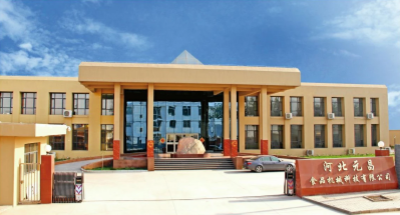
Our in-house machining workshop equipped with Japanese Mazak CNC centers.
Our Strengths:
- 40 Years of Expertise: Since 1986, we've honed our skills in R&D, production, and sales of meat processing equipment.
- Advanced Manufacturing: Over 20 sets of processing machinery, including 8 Japanese Mazak CNC machining centers, enabling high-precision, non-standard component production.
- Integrated R&D and Production: We control the entire process from design to final product, ensuring quality at every step.
- Traceable After-Sales Support: Our system allows for independent production of high-precision parts, guaranteeing worry-free service.
- Global Reach: We have a proven track record of exporting to markets worldwide, understanding international standards and logistics.
- Commitment to Quality: Our ISO-certified facility operates under strict quality control protocols.

We don't just build machines; we build solutions that contribute to your business's growth and efficiency. Our comprehensive approach to manufacturing, from component machining to final assembly, ensures the highest standards of quality and performance.
Procurement Guidance: What to Look For
Selecting the right meat chopping machine requires diligence. As industry experts, we advise procurement teams to consider the following:
- Capacity & Throughput: Honestly assess your current and future production needs. A machine that’s too small will create bottlenecks; one that’s too large may be inefficient for smaller runs. Check the kg/hour rating and consider peak demand.
- Material Compatibility: Ensure the machine can handle the types and temperatures of meat you process. Frozen blocks (-18°C) demand more robust engineering than chilled cuts.
- Grind Consistency: Request sample grinds or look for performance demonstrations. Particle size uniformity directly impacts your final product's quality.
- Ease of Cleaning & Maintenance: This is critical for food safety and operational efficiency. Look for hygienic design with easily accessible, detachable parts. Consider the availability of spare parts and technical support.
- Build Quality & Materials: Food-grade stainless steel is standard. Examine the thickness, finish, and the quality of components like motors and blades.
- Safety Features: Verify that the machine meets relevant safety standards (e.g., CE markings for European markets) and includes essential safety interlocks.
- Supplier Reputation & Support: Partner with a manufacturer with a proven track record, extensive experience, and reliable after-sales service, especially for international trade.
Don't hesitate to ask for detailed technical documentation, certification copies, and references. A good supplier will be transparent and provide the information you need to make a confident investment. We believe in empowering our clients with knowledge.
Customer Testimonials: Real Experiences

Operations Manager, Prime Cuts USA
"We were struggling with consistency in our ground beef for burgers. The YC-G500 chopper from Hebei Yuanchang has been a game-changer. The grind is uniform every single time, and the throughput is impressive. Installation was smoother than expected, and their support team was responsive."
Benefit: Consistent Product Quality & Increased Throughput

Procurement Director, Asia Foods Ltd.
"As an importer, reliability and adherence to specifications are critical. Hebei Yuanchang delivered exactly what was promised. Their YC-G800 model handles our pork processing efficiently, and the stainless steel construction meets our high hygiene standards. The logistics coordination was also very professional."
Benefit: Reliable Performance & Excellent Hygiene Standards

Owner, Miller's Specialty Meats
"We needed a smaller, robust chopper for our artisanal sausages. The YC-G300 fit perfectly. It's easy to clean between batches, which is crucial for our diverse product line. The build quality is excellent for the price point, and it’s held up exceptionally well over the past year."
Benefit: Ideal for Artisanal Production & Easy Maintenance
Frequently Asked Questions (FAQ)
What types of meat can these choppers process?
Our industrial meat choppers are designed to process a wide range of meats, including beef, pork, lamb, poultry, and their by-products. They can effectively handle fresh, chilled, and even frozen meat blocks (down to approximately -18°C, depending on the model and motor power). For specific material compatibility, especially for very hard or unusually fibrous materials, we recommend consulting our technical team.
How do I determine the correct grind size?
Grind size is determined by the cutting plates (die plates) with specific hole diameters and the blade configuration. We offer a range of standard hole sizes (e.g., 3mm, 4.5mm, 6mm, 8mm, 10mm, 13mm, 16mm) and corresponding blades. Your desired product texture, application (e.g., fine mince for pâté vs. coarse grind for burgers), and recipe specifications will guide this selection. We can advise on the optimal combination for your needs.
What are the typical maintenance requirements?
Regular maintenance is crucial for performance and longevity. Key tasks include: daily cleaning of all food-contact surfaces, regular inspection and sharpening or replacement of blades and cutting plates, lubrication of mechanical parts, and periodic checks of seals and electrical connections. We provide detailed maintenance manuals with each machine.
Do you offer OEM/ODM services for meat processing equipment?
Yes, Hebei Yuanchang specializes in OEM/ODM services. With our advanced manufacturing capabilities and extensive experience, we can customize existing designs or develop entirely new solutions to meet your specific branding, functional, or integration requirements. Discuss your OEM/ODM needs with our engineers.
What is the typical lead time for a machine?
Lead times can vary based on machine complexity, customization, and current production schedules. Generally, standard configurations may take 4-8 weeks from order confirmation to dispatch. Customized or high-capacity models might require a longer lead time. We will provide an accurate estimate upon receiving your specific requirements.
What certifications does your equipment hold?
Our manufacturing facility is ISO certified. Our equipment can be manufactured to meet international standards such as CE certification for the European market, and we can work with clients to ensure compliance with other regional or industry-specific standards as required.
Ready to Elevate Your Meat Processing Operations?
Let's discuss how our precision meat chopping machines can transform your production line and drive your business forward. We offer tailored solutions, competitive factory pricing, and unparalleled technical support.
Hebei Yuanchang Food Mechanism & Technology Co., Ltd. | Address: Shijiazhuang, Hebei Province, China
Enhancing Trust: Direct Communication
We believe in transparent and efficient communication. Here are a few snippets from recent inquiries demonstrating our responsiveness and technical expertise:

Global Food Corp
Client: We need a chopper for frozen pork blocks, minimum 1000 kg/hr throughput. What are the power requirements and blade types?
Support: Understood. For frozen pork blocks at 1000 kg/hr, our YC-G800 Heavy-Duty model with a 15kW motor is recommended. It uses hardened alloy steel blades and a specialized cutting mechanism for frozen materials. We can discuss custom configurations for optimal particle size...


Artisan Butcher Supplies
Client: We are looking for a smaller, easy-to-clean chopper for our small-batch sausages. Ease of sanitation is key.
Support: Our YC-G300 model is ideal for smaller operations. It features detachable stainless steel components for easy cleaning and sanitation, meeting stringent hygiene requirements for artisanal products...


Pet Food Innovations
Client: We need to process raw chicken and beef for pet food. Can your machines handle bone fragments?
Support: While our machines are robust, processing significant amounts of bone can cause premature wear. For such applications, we recommend specific configurations or pre-breaking bones. We can engineer a solution, but it's important to manage expectations regarding bone content...