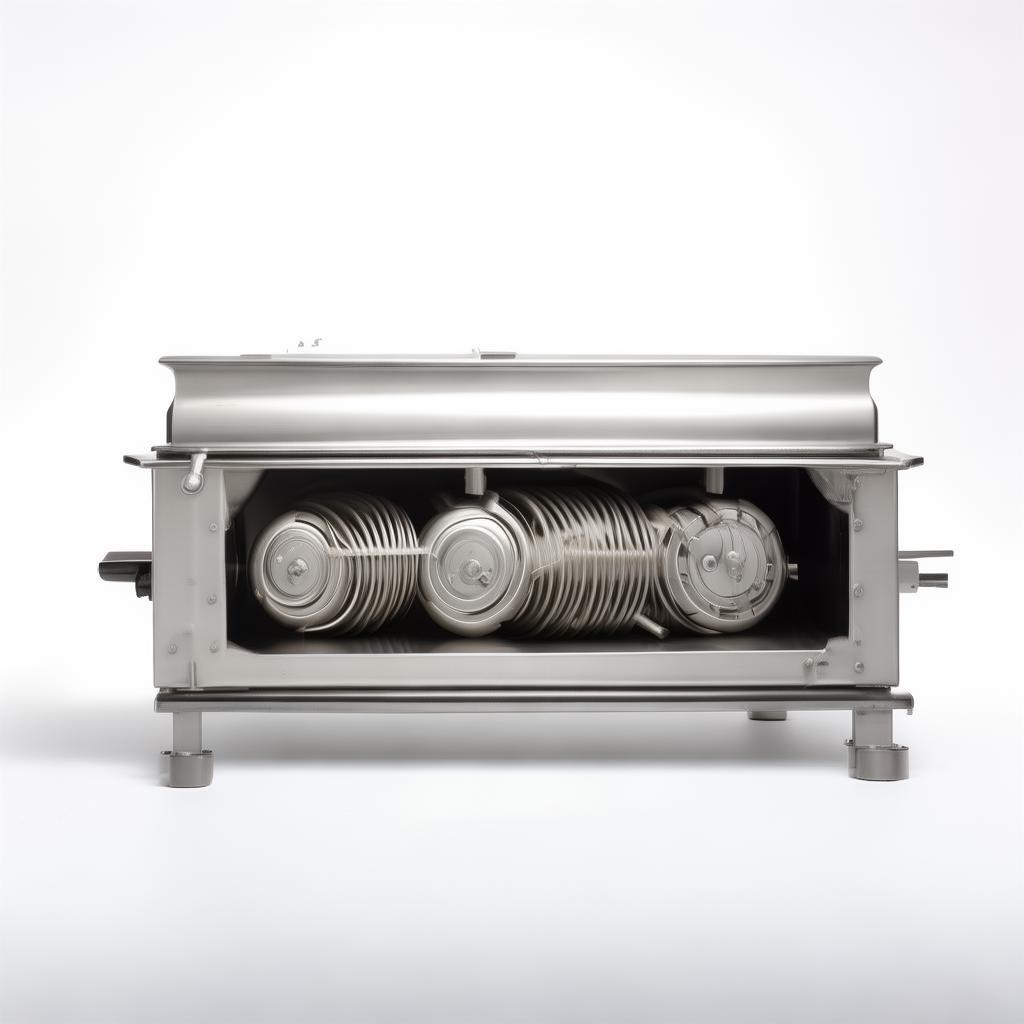
Material Tester
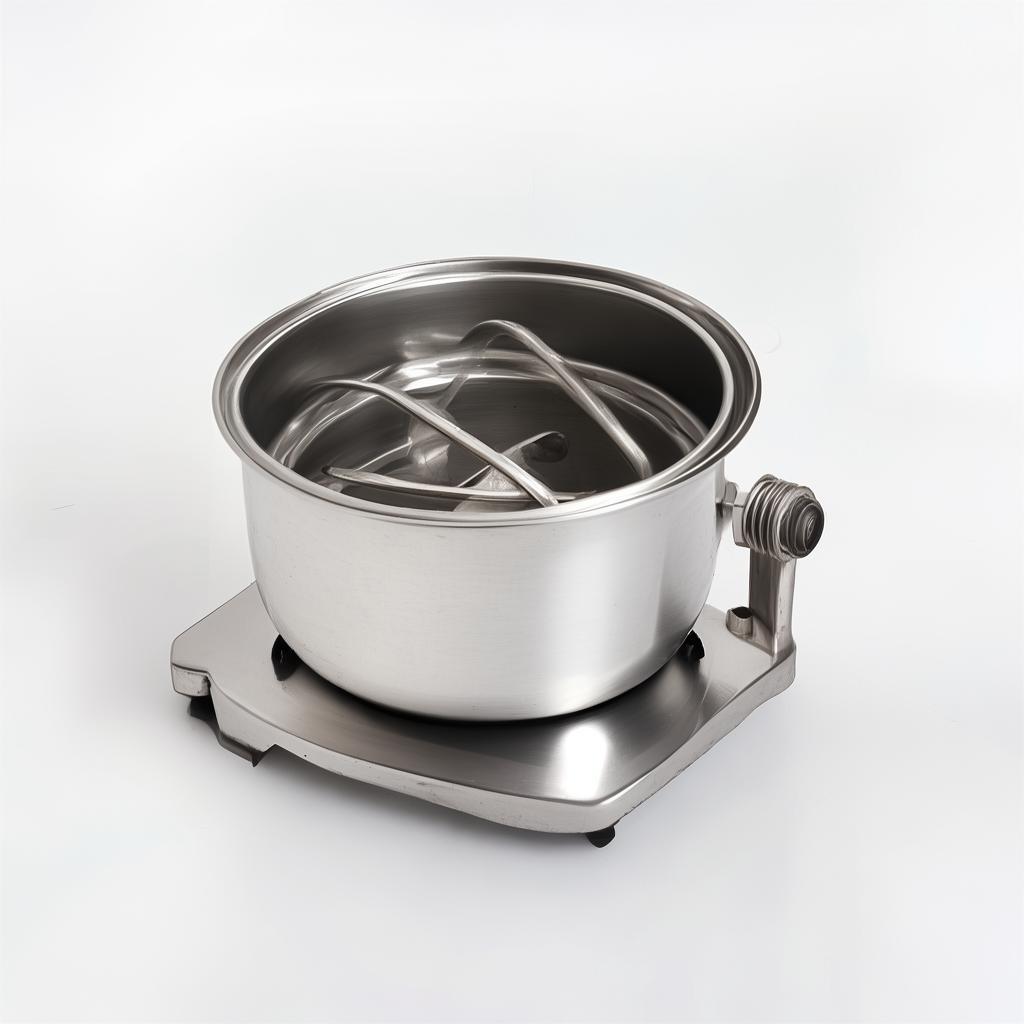
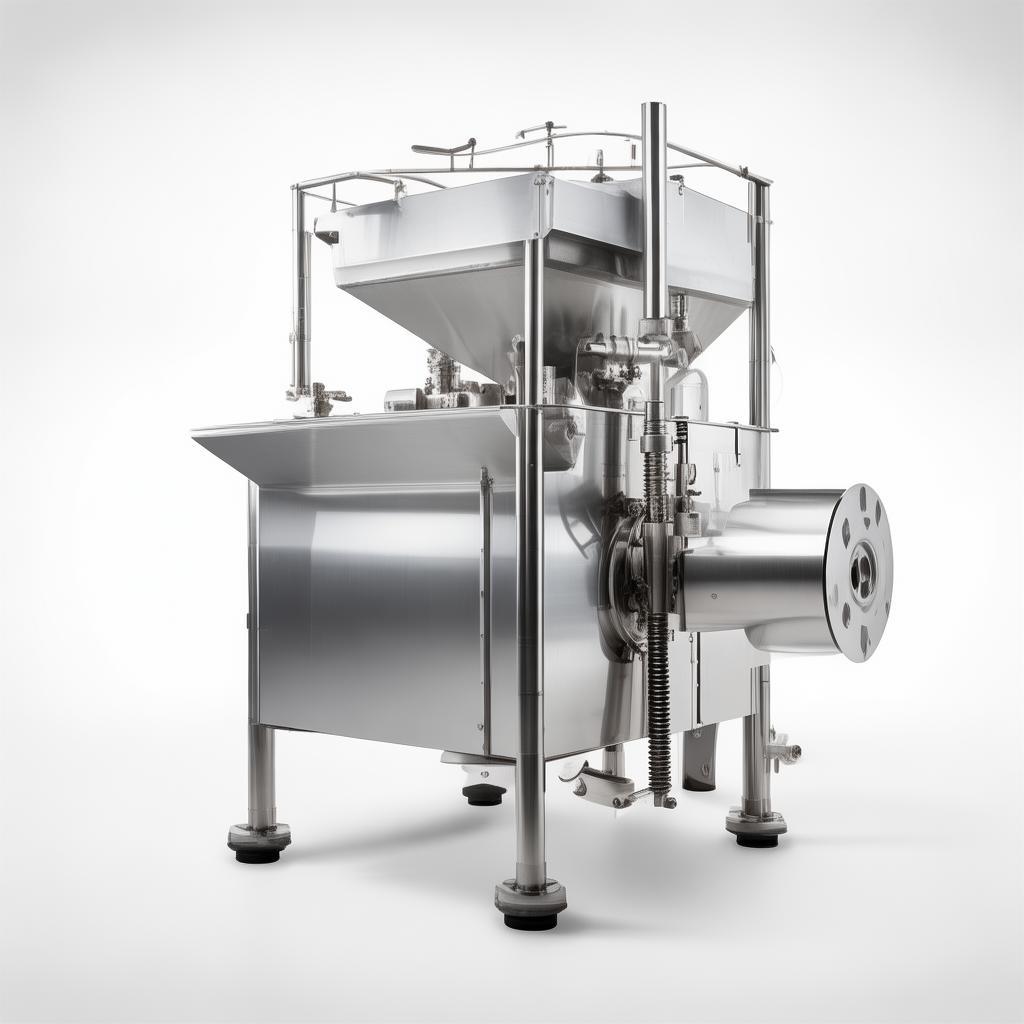
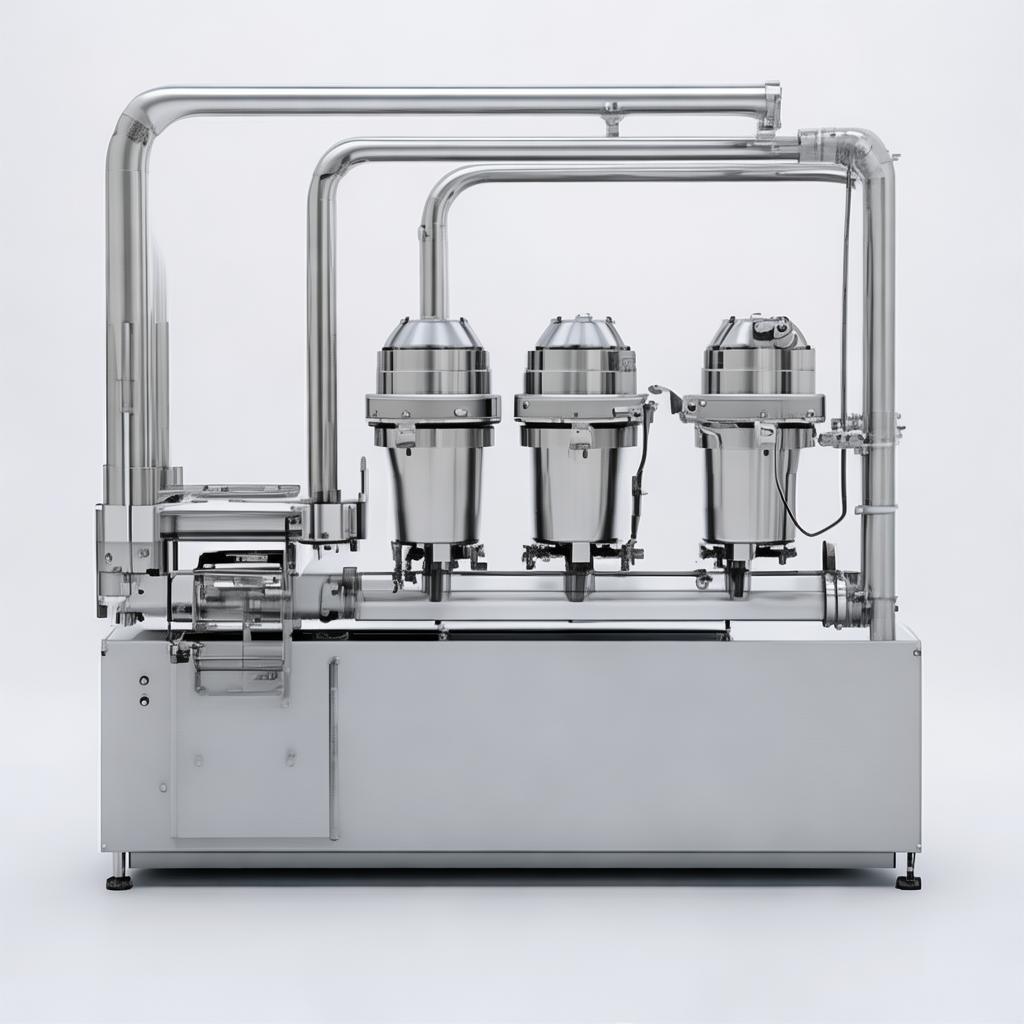
Precision Material Testing Equipment for Global Industrial Applications
Ensuring Quality, Durability, and Compliance with Advanced Testing Solutions

Introduction: The Critical Role of Material Testing in Modern Manufacturing
In today's hyper-competitive global marketplace, the integrity and performance of raw materials and finished products are paramount. Manufacturers across diverse sectors – from automotive and aerospace to consumer goods and construction – rely heavily on rigorous material testing to guarantee product quality, ensure compliance with international standards, and ultimately, protect their brand reputation and customer safety. The "material tester," in its broadest sense, refers to the sophisticated instrumentation and methodologies employed to evaluate physical, chemical, and mechanical properties. Without accurate, repeatable testing, a company is essentially operating blind, risking costly recalls, production delays, and significant financial liabilities. This isn't just about meeting minimum requirements; it's about achieving operational excellence and maintaining a competitive edge through superior material science understanding.
The global market for meat processing equipment, for example, illustrates this point vividly. Reports consistently show this market valued in the tens of billions of dollars, projected to exceed USD 19 billion by 2034 at a CAGR of around 5%. This growth is fundamentally tied to the demand for processed meats, which necessitates precise control over every stage of production. Equipment for pretreatment, filling, molding, and ripening – each a form of material testing and manipulation – are crucial. Whether it's ensuring the precise texture of a sausage filling, the tensile strength of a cured product, or the shelf-life stability of packaged goods, the underlying principle is accurate material characterization and controlled processing. The same applies to developing advanced polymers for industrial applications, testing the resilience of construction materials, or verifying the performance of electronic components. Each requires a tailored suite of testing instruments.
From an international trade perspective, understanding material testing capabilities is non-negotiable. Importers in North America, Europe, or Asia will demand transparent documentation and verifiable test results for raw materials and components sourced from overseas. Suppliers who can demonstrate a robust in-house testing infrastructure, or who can provide independent third-party certifications, immediately gain a significant advantage. This is where experienced manufacturers differentiate themselves. It's not merely about having a product; it's about having a product whose performance has been rigorously validated. This is particularly true for OEM/ODM factories, where custom specifications and proprietary materials are often involved. The ability to test and confirm that materials meet exact client requirements, often under stringent contractual obligations, is a core competency.
The journey from raw material to finished goods involves numerous decision points where material testing plays a vital role. For procurement directors, the initial sourcing decision hinges on material specifications and supplier reliability. Engineers rely on test data to design products that can withstand specific environmental stresses or operational loads. Quality control managers use testing to catch deviations before they impact the production line or end-user. Even in the SaaS and enterprise solutions space, though less direct, the underlying hardware components and their reliability are often validated through extensive material testing. For instance, the durability of server racks, the thermal properties of components, or the resilience of cabling all depend on validated material performance.
Consider the challenges faced by companies looking to optimize their supply chains for 2026 and beyond. With increasing emphasis on sustainability, ethical sourcing, and circular economy principles, the ability to accurately test materials for their environmental impact, recyclability, and long-term durability becomes critical. A material tester isn't just about destructive testing; it's also about non-destructive methods that can assess material integrity without compromising the sample, crucial for extending product lifecycles. The data generated from advanced testing equipment informs material selection, process optimization, and end-of-life assessments, directly contributing to corporate sustainability goals.
In essence, a comprehensive material testing strategy is the bedrock of reliable manufacturing and successful international trade. It mitigates risk, drives innovation, and builds trust. As we delve deeper into the specific types of material testers and their applications, it will become clear why investing in the right equipment and expertise is not an expense, but a strategic imperative for any forward-thinking industrial enterprise. We aim to provide insights that resonate with procurement decision-makers, engineers, and operations managers alike, focusing on practical applications and tangible benefits.
Navigating the Landscape of Material Testing: Key Equipment Categories
The term "material tester" encompasses a vast array of sophisticated instruments designed to probe and quantify specific material characteristics. Selecting the right equipment depends entirely on the materials being tested and the properties of interest. Understanding these categories is the first step in specifying your needs.
Mechanical Testers
These are perhaps the most commonly recognized types of material testers. They evaluate a material's response to applied forces.
- Universal Testing Machines (UTM): The workhorses of mechanical testing. They can perform tensile, compression, flexural, and shear tests, measuring properties like yield strength, ultimate tensile strength, elongation, and modulus of elasticity. Essential for metals, plastics, composites, and even some textiles. For instance, verifying the tensile strength of polyethylene yarn used in industrial ropes or geotextiles is a prime application.
- Hardness Testers: Measure a material's resistance to indentation, scratching, or abrasion. Common scales include Rockwell, Brinell, and Vickers for metals, and Shore for rubbers and plastics. Crucial for quality control of machined parts and verifying surface treatments.
- Impact Testers (e.g., Charpy, Izod): Determine a material's ability to withstand sudden, high-energy loads. They measure impact energy absorbed before fracture, vital for materials used in components subjected to shock or vibration, like automotive parts or structural elements.
- Fatigue Testers: Simulate cyclic loading conditions to determine a material's lifespan under repeated stress. This is critical for components in machinery, vehicles, and aerospace where long-term reliability is essential.
- Creep and Stress Rupture Testers: Evaluate a material's deformation or failure under constant load over extended periods, especially at elevated temperatures. Important for high-temperature applications in power generation or engines.
Physical and Chemical Testers
These testers focus on a material's composition, structure, and behavior under various environmental conditions.
- Spectrometers (e.g., FTIR, UV-Vis): Analyze the chemical composition and molecular structure of materials by measuring their interaction with electromagnetic radiation. Essential for identifying unknown substances, verifying material purity, and detecting contaminants.
- Rheometers and Viscometers: Measure the flow properties (viscosity) and deformation characteristics of fluids, polymers, and semi-solids. Crucial for paints, adhesives, food products (like meat emulsions), and polymer melts.
- Thermal Analyzers (e.g., DSC, TGA): Study material behavior as a function of temperature. Differential Scanning Calorimetry (DSC) measures heat flow associated with thermal transitions (melting, glass transition), while Thermogravimetric Analysis (TGA) measures mass change due to decomposition or evaporation. Vital for plastics, pharmaceuticals, and food products.
- Corrosion Testers (e.g., Salt Spray Chambers): Simulate corrosive environments to assess the resistance of metallic coatings and materials. Essential for automotive, marine, and construction industries.
- Weathering Testers (e.g., Xenon Arc, UV Chambers): Expose materials to simulated sunlight, temperature, and humidity cycles to evaluate their resistance to degradation over time. Critical for outdoor applications like building materials, automotive exteriors, and outdoor furniture.
Non-Destructive Testing (NDT) Equipment
These methods assess material integrity without damaging the sample, crucial for in-service inspection and high-value components.
- Ultrasonic Testers: Use sound waves to detect internal flaws, measure thickness, and analyze material structure.
- Radiographic Testers (X-ray, Gamma Ray): Employ radiation to visualize internal structures and defects.
- Eddy Current Testers: Detect surface and near-surface flaws in conductive materials.
- Dye Penetrant and Magnetic Particle Inspection: Surface inspection techniques for detecting surface-breaking cracks and discontinuities.
The selection process requires a deep understanding of material science and application requirements. A company specializing in producing high-performance polymers for automotive applications, for example, would likely invest in a UTM for tensile properties, a hardness tester for surface durability, a DSC for thermal transitions, and perhaps a weathering chamber for exterior component testing. Conversely, a food processing equipment manufacturer, like ourselves at Hebei Yuanchang Food Mechanism & Technology Co., Ltd., focuses on equipment that tests the *performance* and *integrity* of the food material being processed, ensuring consistent results and compliance with hygiene standards. This includes machines that test the filling consistency of meat emulsions or the structural integrity of ripened products.
Advantages of Robust Material Testing for B2B Buyers
Investing in reliable material testing equipment, or partnering with suppliers who prioritize it, offers tangible benefits that directly impact a buyer's bottom line and operational efficiency.
Enhanced Product Quality and Reliability
This is the most obvious benefit. Accurate testing ensures that materials and components meet design specifications and performance expectations. For a procurement manager sourcing industrial components, receiving parts that consistently meet tensile strength requirements or chemical resistance standards means fewer production line stoppages and a higher quality end product. It reduces the risk of catastrophic failures, which can have severe safety and financial implications.
Compliance with International Standards and Regulations
Many industries are governed by strict standards (e.g., ASTM, ISO, DIN, ANSI). Material testing is essential to demonstrate compliance. Whether it's ensuring a medical device material meets ISO 10993 biocompatibility standards or a construction material adheres to specific load-bearing requirements, verifiable test data is non-negotiable for market access, particularly in regions like the USA and the EU. This compliance directly impacts marketability and can prevent costly rejections at customs or non-compliance penalties.
Optimized Material Selection and Cost Reduction
Understanding the precise properties of different materials allows for informed selection. You can choose the most cost-effective material that meets performance requirements, avoiding over-specification and unnecessary expense. For example, instead of using a premium-grade alloy when a slightly lower-cost, but adequately tested, alternative would suffice, significant savings can be realized. This data-driven approach is key to profitable procurement. The global meat processing equipment market's growth, reaching an estimated USD 17.39 billion by 2034, is fueled by the need for efficient processing, which starts with understanding the materials being handled and the machines that interact with them.
Accelerated Product Development and Innovation
Rapid prototyping and iterative design are accelerated when material performance can be quickly and reliably assessed. Engineers can test new material formulations or design variations, receiving quick feedback on their suitability. This speeds up the time-to-market for new products, a critical advantage in fast-moving industries. It allows for more experimentation and innovation, pushing the boundaries of what's possible.
Reduced Risk and Enhanced Brand Reputation
Product failures due to material defects can be devastating for a brand. Robust testing acts as a critical risk mitigation tool, preventing faulty products from reaching the market. Consistent quality builds customer trust and loyalty, leading to repeat business and a stronger market position. A strong reputation for quality, backed by verifiable testing, is one of a company's most valuable assets.
Improved Operational Efficiency
For manufacturers, understanding material behavior can lead to optimized production processes. Knowing a material's machining characteristics, for instance, can help set appropriate speeds and feeds, reducing tool wear and cycle times. Similarly, for food processing equipment, understanding material flow and thermal properties ensures efficient operation of filling, molding, and ripening systems, reducing waste and energy consumption. The demand for processed meat, projected to reach USD 1.33 trillion by 2035, is directly linked to the efficiency and reliability of the processing equipment, which in turn depends on material science.
Hebei Yuanchang: Your Partner in Advanced Material Testing Solutions
At Hebei Yuanchang Food Mechanism & Technology Co., Ltd., while our primary focus is on high-quality meat processing equipment, the principles of material science and rigorous testing are embedded in our operations and product design. We understand that the materials we use in our machinery – from food-grade stainless steel to robust seals and wear-resistant components – must perform reliably under demanding industrial conditions. Our 40 years of experience since 1986 have taught us that the performance of our equipment is directly tied to the quality and testing of its constituent materials and the materials they process.
We are not direct manufacturers of universal testing machines or spectrometers. However, we are experts in understanding and applying the results of material testing to ensure our machinery delivers consistent, high-quality output for our clients in the food processing industry. This expertise translates into designing equipment that can accurately handle and transform various meat products, ensuring desired textures, shapes, and ripeness, which are all dependent on material properties.

Our state-of-the-art machining workshop, equipped with over 20 processing machines and Japanese Mazak CNC centers.
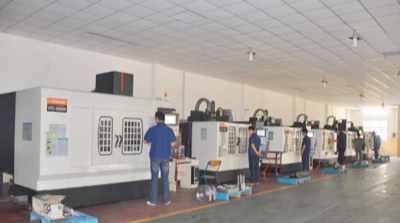
Producing high-standard components with exceptional precision.
Our Commitment to Quality Through Material Understanding
Our in-house machining workshop, boasting over 20 sets of advanced processing machinery including lathes, milling machines, and high-precision grinding machines, allows us to control the quality of critical components. The integration of Japanese Mazak CNC machining centers in 2012 was a significant step, enabling us to produce non-standard, high-volume, high-precision parts. This capability means we can independently manufacture high-precision parts, ensuring superior durability and performance for our meat processing equipment. The materials used in our machinery, such as food-grade stainless steel (e.g., SS304, SS316L), are selected for their specific properties – corrosion resistance, hygienic surface finish, and mechanical strength – all properties verified through rigorous selection criteria and internal quality checks, akin to material testing.
Expertise in Meat Processing Equipment
We specialize in:
- Pretreatment Of Meat Products: Equipment designed for optimal cutting, grinding, and mixing, ensuring consistent particle size and texture.
- Meat Product Filling Molding: Precision filling and molding machines that guarantee uniform product weight and shape, crucial for sausages, patties, and other formed products. Our understanding of rheology (material flow) is key here.
- Ripening Process For Meat Products: Advanced massaging machines that improve texture, tenderness, and flavor development through controlled mechanical action. This relates directly to the mechanical properties and structural integrity of the meat.
- Auxiliary Items: Essential support equipment that complements our main lines, ensuring a complete and efficient processing solution.
The global meat processing equipment market is projected to reach approximately USD 15.04 billion by 2030. This growth is driven by the increasing demand for processed meats and the adoption of automation for efficiency and hygiene. Our role is to provide the machinery that enables this efficiently and reliably, by understanding the materials being processed and engineering equipment that interacts with them optimally.
Global Reach and Customer Support
With over 40 years of experience and a dedicated team of 80-100 employees, we are equipped to serve international clients. Our traceable after-sales management system, coupled with our independent production of high-precision parts, ensures that you receive comprehensive support throughout the lifecycle of our equipment. We understand the logistics of international shipping and provide reliable export services.
Procurement Insight: When evaluating suppliers for critical industrial machinery, always inquire about their material sourcing policies, in-house manufacturing capabilities for key components, and their understanding of material performance relevant to the application. For food processing, hygiene standards and material traceability are paramount.
While we don't sell standalone material testers, we are experts in the application of material properties within the food processing industry. We can help you select the right equipment for your specific needs, backed by decades of practical manufacturing experience.
Technical Specifications & Capabilities
Material Tester Equipment Overview (General Categories)
| Equipment Category | Key Functions | Common Materials Tested | Industry Applications |
|---|---|---|---|
| Universal Testing Machines (UTM) | Tensile, Compression, Flexural, Shear Strength, Elongation | Metals, Plastics, Composites, Textiles, Rubber | Automotive, Aerospace, Construction, Consumer Goods |
| Hardness Testers | Resistance to Indentation, Scratching, Abrasion | Metals, Polymers, Ceramics | Manufacturing QC, Tooling, Automotive Parts |
| Impact Testers | Energy Absorption under Sudden Load | Metals, Plastics, Composites | Automotive, Aerospace, Structural Components |
| Spectrometers | Chemical Composition Analysis, Purity Verification | Metals, Polymers, Chemicals, Pharmaceuticals | Materials Science, Metallurgy, Chemical Industry |
| Thermal Analyzers (DSC/TGA) | Melting Point, Glass Transition, Decomposition Temperature, Thermal Stability | Polymers, Food Products, Pharmaceuticals, Chemicals | Plastics, Food Science, Pharma, Materials R&D |
| Weathering Chambers | UV Resistance, Color Fastness, Material Degradation | Plastics, Coatings, Textiles, Composites | Automotive Exteriors, Building Materials, Outdoor Products |
Hebei Yuanchang's Manufacturing Capabilities
| Capability | Description | Relevant Standards/Materials |
|---|---|---|
| Precision Machining | Utilizing over 20 sets of processing machinery and Japanese Mazak CNC centers for high-precision component manufacturing. | Tolerances up to ±0.01mm; specific material grades for food contact surfaces. |
| Material Selection | Sourcing and utilizing food-grade stainless steel (SS304, SS316L) and other durable industrial materials. | Compliance with FDA, CE regulations for food contact materials. |
| Design & Engineering | In-house R&D for optimizing meat processing equipment performance based on material properties. | Application-specific design for texture, flow, and structural integrity of processed meats. |
| Quality Control | Traceable after-sales management system and independent production of critical parts. | Ensuring consistent performance and longevity of machinery. |
Applications of Material Testing Across Industries
The insights gained from material testing are invaluable across virtually every industrial sector. Understanding these applications helps procurement specialists identify needs and evaluate supplier capabilities.
Automotive & Aerospace
Testing for tensile strength, fatigue life, impact resistance, and corrosion resistance of metals, alloys, plastics, and composites. Essential for safety-critical components.
Construction & Infrastructure
Evaluating the strength, durability, weathering resistance, and fire performance of concrete, steel, polymers, and adhesives. Ensuring structural integrity and longevity.
Electronics & Electrical
Assessing thermal properties, conductivity, dielectric strength, and mechanical integrity of semiconductor materials, plastics, and coatings. Crucial for device reliability.
Food & Beverage Processing
While direct material testing equipment is our focus, understanding the physical and chemical properties (rheology, thermal stability, tensile strength of processed products) of food materials is key to designing efficient filling, molding, and ripening machinery. Ensuring hygiene and compliance with food safety standards (e.g., FDA, CE) is paramount for equipment materials.
Medical Devices
Rigorous testing for biocompatibility, strength, flexibility, and sterilization compatibility of polymers, metals, and ceramics. Compliance with strict regulatory standards (e.g., ISO 10993).
Textiles & Apparel
Evaluating tensile strength, abrasion resistance, color fastness, and UV protection for natural and synthetic fibers and fabrics. Important for performance and durability.
Procurement Guidance: Selecting Your Material Tester Supplier
Choosing the right supplier for material testing equipment is a critical decision that impacts product quality, R&D efficiency, and overall business risk. Here are key factors to consider:
1. Understand Your Specific Needs
Before contacting suppliers, clearly define what you need to test: specific materials, properties (tensile, hardness, thermal, chemical), required test standards (ASTM, ISO), sample types (solid, liquid, powder), and the volume of testing. This clarity prevents miscommunication and ensures you get relevant quotes.
2. Evaluate Technical Expertise & Experience
Look for suppliers with a proven track record in your industry or for similar applications. Do they offer technical support, application advice, and training? A supplier who understands your challenges can recommend the most suitable equipment. For Hebei Yuanchang, our 40 years of experience in food processing machinery means we understand the critical material properties for successful food production, even if we don't sell the testing machines themselves.
3. Verify Compliance and Certifications
Ensure the equipment meets relevant international standards (e.g., CE for Europe, UL for North America) and that the supplier can provide necessary documentation. For materials used in food contact applications, FDA and NSF compliance is essential for the equipment's construction materials.
Certification Spotlight:
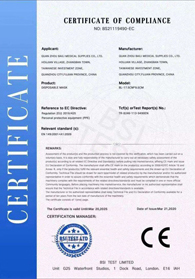
CE Certification: Indicates conformity with health, safety, and environmental protection standards for products sold within the European Economic Area (EEA). Essential for exporting to EU markets.
ISO Standards: Broadly applicable international standards for quality management (ISO 9001), environmental management (ISO 14001), and specific product/testing standards (e.g., ISO 6892 for tensile testing of metals).

4. Consider After-Sales Support and Maintenance
Material testing equipment requires regular calibration, maintenance, and occasional repairs. Evaluate the supplier's service network, response times, availability of spare parts, and training programs. A robust after-sales support system, like our traceable management system at Hebei Yuanchang, is crucial for minimizing downtime.
5. Evaluate Total Cost of Ownership (TCO)
Look beyond the initial purchase price. Consider costs for installation, training, calibration, maintenance, consumables, and potential upgrades. A lower initial price might lead to higher long-term operational expenses.
6. OEM/ODM Capabilities
If you require custom testing solutions or integrated systems, inquire about the supplier's OEM/ODM capabilities. Can they modify existing equipment or develop bespoke solutions to meet unique requirements? This is particularly relevant for integrated manufacturing lines where testing is part of the process.
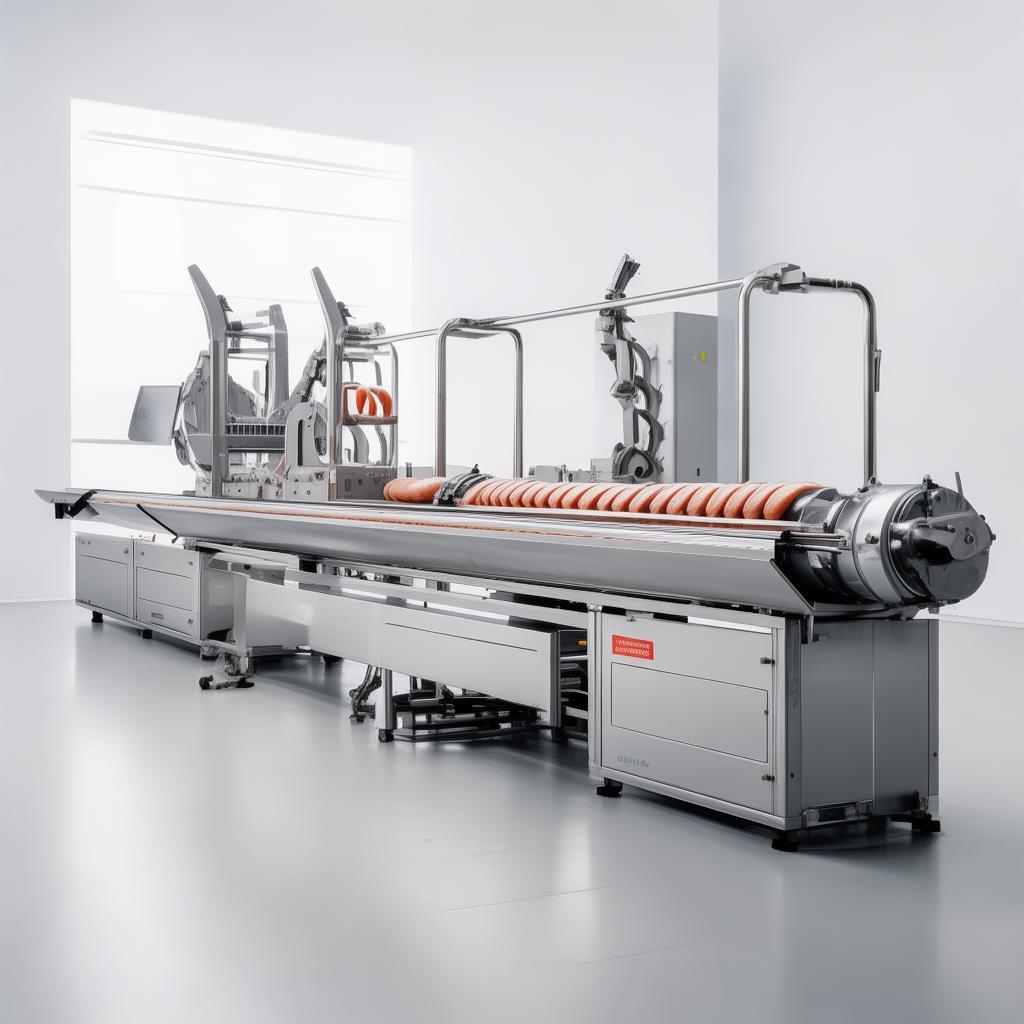
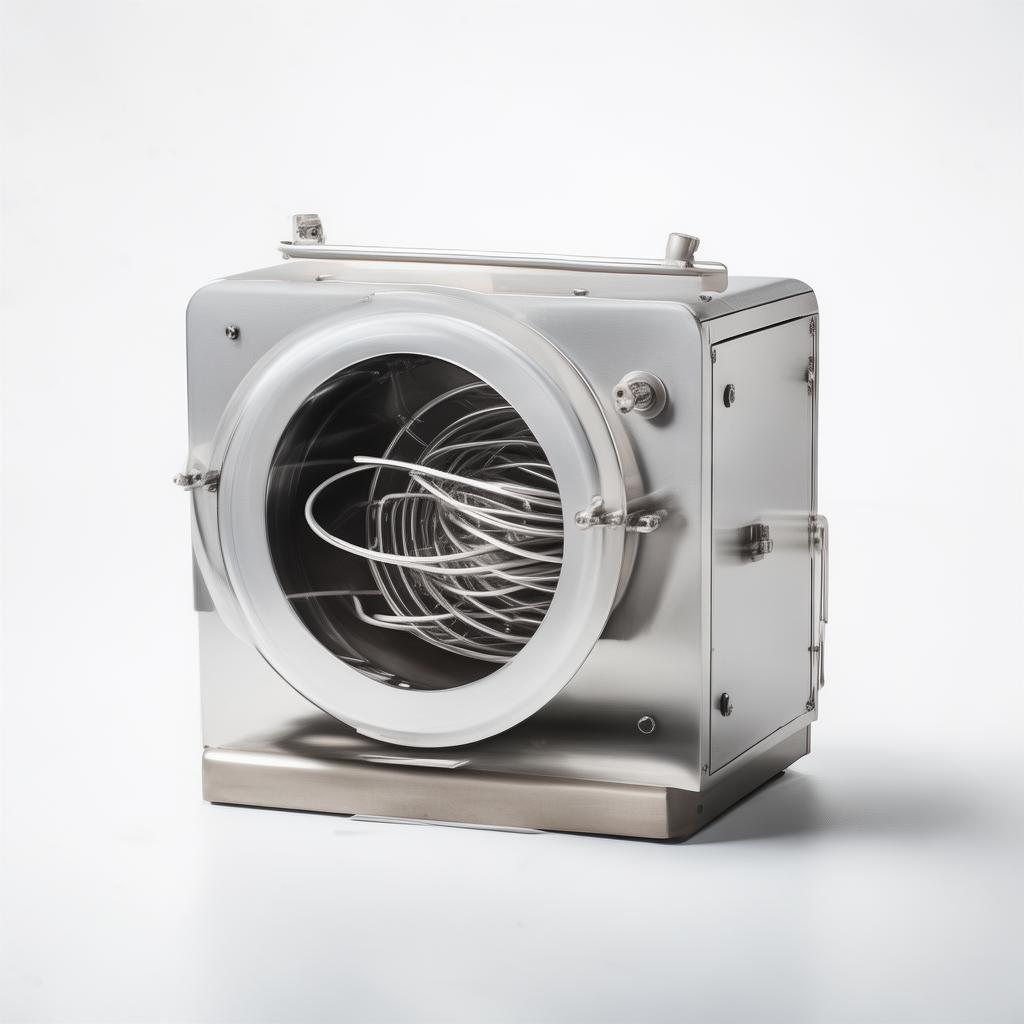
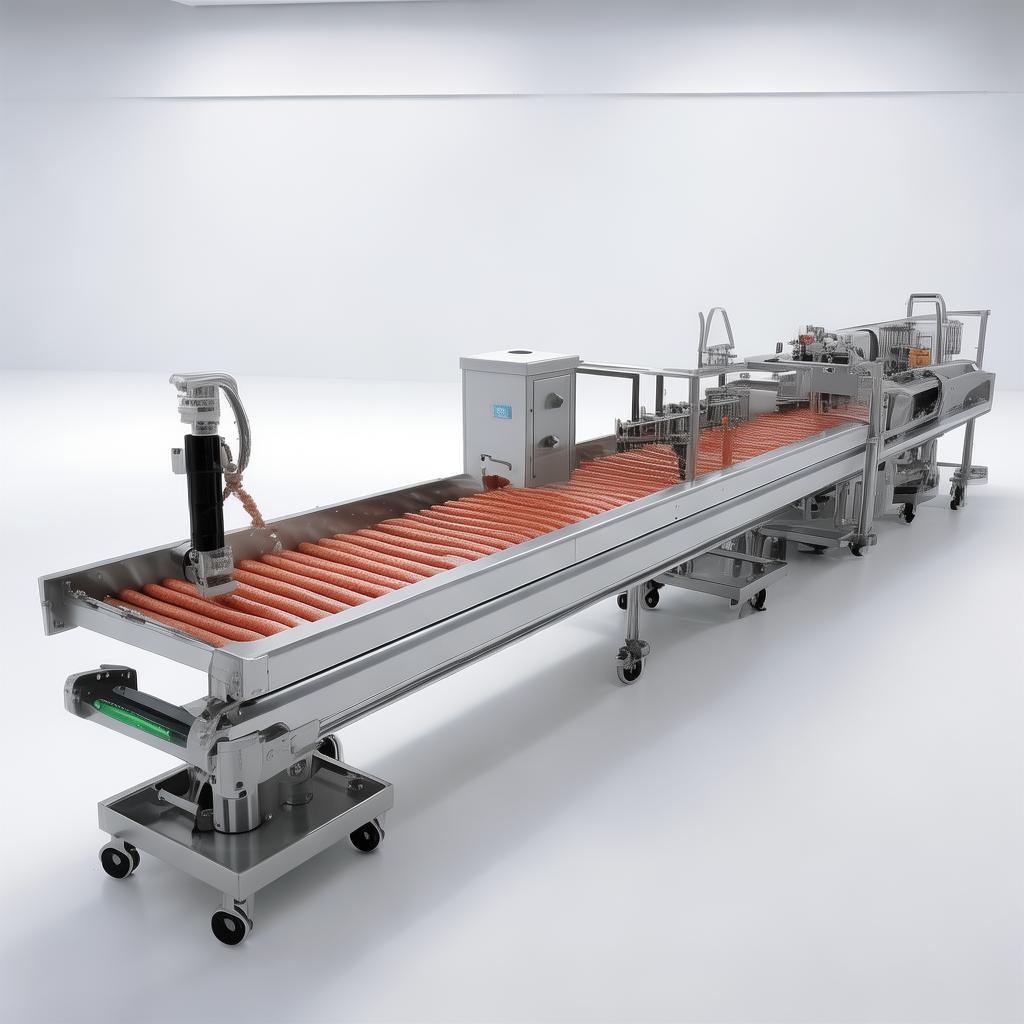
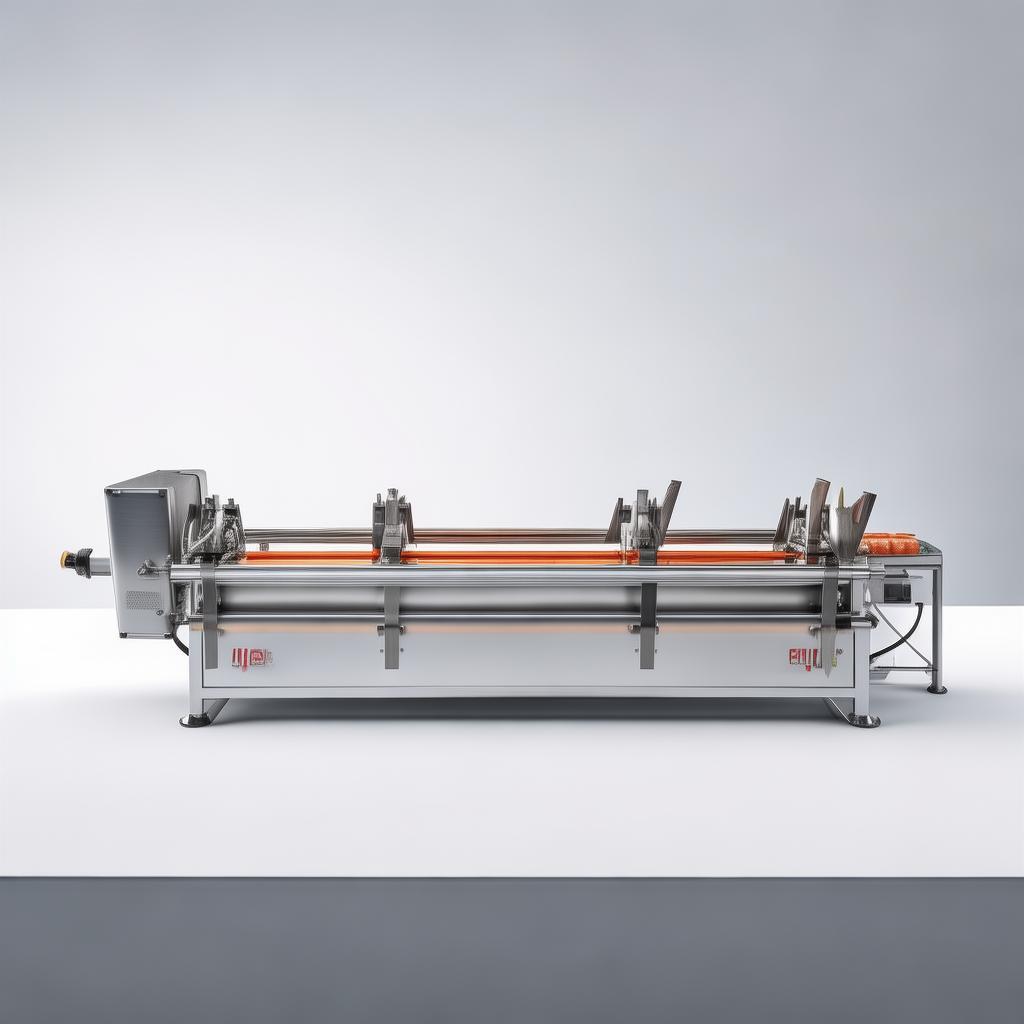
material handling solutions vacuum leak tester for packaging raw material mixer
Customer Testimonials
Hear from our satisfied clients who have benefited from our reliable meat processing machinery.

"Hebei Yuanchang's filling and molding machines have significantly improved our sausage production line's consistency. The uniformity of product weight and shape is exactly what we needed for efficient packaging and consistent consumer experience. Their export process was smooth and well-managed."
- Markus SchmidtProduction Manager, German Deli Meats

"We integrated their meat massaging equipment for our cured meat products. The improvement in texture and tenderness is remarkable, leading to a better final product and positive customer feedback. The machine's material quality is excellent, designed for easy cleaning, which is a big plus for food safety."
- Aisha KhanOperations Director, Halal Butchery Co.

"As a new entrant in the processed poultry market in Brazil, we needed reliable pretreatment equipment. Hebei Yuanchang provided a complete solution that met our budget and quality expectations. Their support team was responsive, and the machinery performs exactly as promised. Shipping and installation guidance were very helpful."
- Carlos SilvaPlant Manager, Brazilian Poultry Processors
Ready to Enhance Your Material Testing and Processing Capabilities?
Discover how Hebei Yuanchang's expertise in meat processing machinery can bring precision, efficiency, and reliability to your operations. While we don't sell standalone material testers, our equipment is designed with a deep understanding of material science, ensuring optimal performance for your food processing needs.
Get In Touch
Contact Us Directly
Hebei Yuanchang Food Mechanism & Technology Co., Ltd.
Shijiazhuang, Hebei Province, China
Phone: +86 15830991513
Email: ycmeatmech@gmail.com
Website: www.ycmeatmech.com/contacts.html
Chat with Us: