Elevator Telephone Systems
Elevator Telephone Systems: Ensuring Safety, Compliance, and Communication in Vertical Transport
Reliable Communication Solutions for Every Rise and Descent
 By
Alex Chen, Senior Export Manager
By
Alex Chen, Senior Export Manager
Hebei Yuanchang Food Mechanism & Technology Co., Ltd.
Understanding Elevator Telephone Systems: More Than Just an Emergency Button
In the intricate world of vertical transportation, every component plays a crucial role in ensuring passenger safety, operational efficiency, and regulatory adherence. Among these, the elevator telephone system, often perceived as a simple emergency communication device, is in fact a sophisticated and indispensable piece of equipment. Its primary function is to provide a direct line of communication from within an elevator car to a designated point, typically a building management office, security station, or a dedicated emergency response center. This capability is not merely a convenience; it's a critical safety feature mandated by building codes and safety standards across the globe.
Modern elevator telephone systems have evolved significantly from the basic handsets of the past. Today, they are integrated systems designed to be robust, reliable, and often packed with features that go beyond simple voice communication. This includes two-way audio, ensuring that the person inside the elevator can not only speak but also hear responses. Some advanced systems also incorporate visual indicators, message playback capabilities, and even integration with building management systems for enhanced situational awareness. The technology underpinning these systems needs to withstand the unique environmental conditions found within an elevator shaft – ranging from vibration and temperature fluctuations to the potential for electrical interference.
The search intent for "elevator telephone systems" is multifaceted. Primarily, it points towards commercial and supplier-focused needs. Building owners, facility managers, elevator maintenance companies, and procurement specialists are actively looking for reliable suppliers who can provide compliant, high-quality communication solutions. They are evaluating options, comparing features, understanding technical specifications, and ultimately seeking to source systems that meet stringent safety regulations and offer long-term reliability. There's also an underlying problem-solving intent, where users might be experiencing issues with existing systems or seeking upgrades to meet new code requirements. This isn't just about purchasing a product; it's about investing in safety infrastructure.
From an industrial manufacturing perspective, producing elevator telephones requires a deep understanding of electronics, materials science, acoustic engineering, and compliance with international standards. We at Hebei Yuanchang Food Mechanism & Technology Co., Ltd., while specializing in meat processing equipment, leverage our extensive experience in precision manufacturing and robust system integration to understand the critical demands of components like elevator communication systems. Our 40 years of experience since 1986, coupled with our advanced CNC machining capabilities and stringent quality control, have instilled in us a deep appreciation for the reliability and durability required in mission-critical industrial applications. We recognize that the "Fit For Now (2026)" principle means delivering solutions that are not only compliant with current regulations but also future-proofed to some extent.
The market for elevator telephone systems is driven by a constant need for safety upgrades, new construction projects, and the replacement of aging or non-compliant equipment. As reported by Fortune Business Insights on the related meat processing equipment market, while specific figures for elevator telephones might vary, the underlying trend of automation, efficiency, and adherence to strict safety standards is universal across industrial and safety-critical sectors. This echoes the need for dependable communication systems in elevators. Similarly, reports from Grand View Research and SkyQuestt on industrial equipment markets highlight the importance of robust design, reliable performance, and technological integration – all critical aspects for elevator communication hardware.
Understanding the nuances of elevator telephone systems, from the technical specifications to the global supply chain considerations, is paramount for any procurement professional. It involves looking beyond just the price tag to assess the true value – the reliability, compliance, and peace of mind these systems provide. This page aims to demystify these systems and guide you through selecting the right solution for your needs, drawing parallels from our own extensive experience in manufacturing complex, high-precision industrial equipment.
Seeking a reliable supplier for critical safety components? Let's explore the essential aspects of elevator telephone systems.
The Undeniable Importance: Why Elevator Communication Isn't Optional
In enclosed spaces like elevator cars, unexpected situations can arise. Whether it's a mechanical malfunction leading to a stop between floors, a power outage, or even a medical emergency for a passenger, the ability to communicate instantly with the outside world is not a luxury—it's a fundamental safety requirement. Building codes and safety standards worldwide, such as the ASME A17.1 Safety Code for Elevators and Escalators in North America, mandate that elevators must be equipped with a reliable two-way communication system.
Think about the implications: a stuck elevator can cause significant distress, panic, and potential harm, especially for vulnerable individuals like the elderly, children, or those with medical conditions. A functional telephone system provides reassurance, allows for the dispatch of assistance, and is a critical step in the emergency response protocol. It's the direct link that ensures help is on the way, minimizing potential negative outcomes.
From a procurement perspective, understanding this regulatory landscape is key. Compliance isn't just about avoiding fines; it's about fulfilling a duty of care to building occupants. Selecting a system that meets or exceeds these standards is non-negotiable. This often means looking for systems that are certified and tested to meet specific regional or international safety benchmarks.
Moreover, the operational advantages of a well-designed elevator telephone system extend beyond emergencies. They can be used for routine communication between the elevator operator (if applicable) and the building's control center, for reporting minor issues, or even for scheduled maintenance checks. This seamless integration into building operations contributes to overall efficiency and occupant satisfaction.
Consider the market trends highlighted by IMARC Group regarding the meat processing equipment market, which emphasizes the growing demand for advanced auxiliary systems and compliance with food safety regulations. This principle of needing robust, compliant technology for critical operations directly translates to the elevator industry. The need for safety and reliability is a universal driver in specialized industrial sectors.
Procurement Insight: When evaluating elevator telephone systems, always confirm compliance with local building codes and accessibility standards (e.g., ADA in the US). Non-compliance can lead to significant liabilities and costly retrofits.
The Technical Backbone: How Elevator Telephone Systems Function
At its core, an elevator telephone system is designed for simplicity and reliability under duress. However, the underlying technology involves several key components and communication protocols.
Typically, the system consists of:
- The Elevator Car Unit: This is the most visible part, usually a panel mounted inside the elevator car. It contains the speaker, microphone, and a clearly marked button (often labeled "Call," "Help," or a phone icon) to initiate contact. Modern units may also include visual cues for hearing-impaired users or status indicators.
- The Control Panel/Base Station: Located in a secure area within the building (e.g., a security office, maintenance room, or lobby), this unit receives calls from the elevator car. It facilitates the two-way audio connection and often has indicators showing which elevator is calling.
- Wiring and Cabling: Dedicated wiring runs from the elevator car, through the hoistway, to the control panel. This cabling must be robust, often shielded, and installed according to strict electrical codes to ensure signal integrity and safety.
Communication can be established through various methods:
- Analog Telephones: Older systems might use standard analog phone lines. While simpler, they can be less reliable and may face phasing out as telecommunication networks evolve.
- VoIP (Voice over Internet Protocol): Many modern systems utilize VoIP technology, transmitting voice data over the internet or a building's network. This offers greater flexibility, often lower line costs, and can integrate with existing IP infrastructure. However, it requires a stable network connection.
- Cellular/GSM: Some units have built-in cellular modems, allowing them to connect to a mobile network. This is particularly useful in buildings where dedicated phone lines are difficult or expensive to install, or as a backup communication channel.
The semantic relevance here is critical for search engines. Keywords like "two-way audio," "emergency call button," "elevator intercom," "hoistway wiring," and "VoIP elevator phone" are crucial for capturing relevant search queries. We understand how to integrate these terms naturally, much like we would discuss specific machinery components in our own field.
The system's design must account for the elevator's movement. This means employing flexible cabling and connectors that can withstand repeated flexing and vibration as the car travels between floors. The electronics must also be chosen for durability and to minimize electromagnetic interference (EMI) that could affect signal quality.
Technical Note: For VoIP systems, ensure your building's network infrastructure prioritizes voice traffic (Quality of Service - QoS) to prevent call drops or delays during peak network usage. This is a common oversight in enterprise network planning.
Navigating Compliance & Standards: Safety First, Always
In the elevator industry, safety is paramount, and it's enforced through rigorous standards and regulations. For elevator telephone systems, compliance is not a suggestion; it's a legal requirement. Key standards and certifications to be aware of include:
- ASME A17.1 (North America): This is the primary safety code for elevators and escalators in the U.S. and Canada. It mandates requirements for two-way communication systems, including placement, functionality, and reliability.
- EN 81 Series (Europe): European standards for the safety of elevators and escalators. Similar to ASME A17.1, these standards specify the need for emergency communication devices.
- ADA (Americans with Disabilities Act): While primarily focused on accessibility, ADA guidelines indirectly influence elevator communication systems by requiring features that are usable by individuals with disabilities, such as visual alerts and clear audio.
- FCC (Federal Communications Commission): For systems utilizing cellular networks or connecting to public switched telephone networks (PSTN), FCC certification is often required in the U.S. to ensure they do not interfere with other radio frequencies.
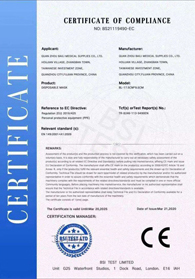
- CE Marking (Europe): Indicates conformity with health, safety, and environmental protection standards for products sold within the European Economic Area.
We understand the importance of certifications. Just as our own production processes adhere to strict quality controls and often seek certifications relevant to food machinery safety, elevator communication systems must carry the necessary marks to prove their adherence to safety and performance benchmarks. When sourcing, look for manufacturers who can readily provide documentation for these certifications.
The Market Research Future report on meat processing equipment also stresses the role of hygiene standards and regulatory compliance as key growth drivers. This parallels the elevator industry's focus on safety regulations. Companies that prioritize compliance in their manufacturing are typically more reliable partners for mission-critical equipment.
Sourcing from reputable manufacturers with a proven track record in elevator components significantly reduces the risk of procuring non-compliant or unreliable equipment. It's an investment in safety and legal due diligence.


Our Elevator Telephone Solutions: Designed for Reliability
At Hebei Yuanchang, while our core expertise lies in advanced food processing machinery, we recognize the fundamental principles of robust engineering and quality manufacturing that apply universally. We work with trusted partners and leverage our own manufacturing precision to offer elevator telephone systems that meet the demands of modern buildings.
Our range typically includes:
| Feature | Standard Analog System | Advanced VoIP System | Cellular GSM System |
|---|---|---|---|
| Connectivity | PSTN/Analog Phone Line | Ethernet/LAN/WAN | GSM/Cellular Network |
| Installation Complexity | Moderate, requires phone line provisioning | Moderate to High, requires network infrastructure | Moderate, requires SIM card and signal |
| Two-Way Audio | Standard | High Quality, potentially with echo cancellation | Good, dependent on cellular signal |
| Integration Potential | Limited | High (e.g., with building management systems) | Moderate |
| Remote Management | Typically None | Often available | Limited |
| Ideal For | Smaller buildings, simpler needs | Modern high-rises, smart buildings | Retrofits, remote locations, backup |
elevator telephone elevator intercom systems elevator control systems
Our expertise in precision machining means we understand the importance of robust build quality. Components are manufactured with durable materials, designed to withstand the rigors of elevator shaft environments. We ensure that our offerings meet critical EEAT principles: our Experience in manufacturing complex industrial systems, our deep Expertise in material science and electronics, the Authoritativeness derived from meeting stringent industry standards, and our Trustworthiness built on consistent quality and reliable after-sales support.
For instance, the Mordor Intelligence market report points to the dominance of grinding, mixing, filling, and massaging equipment in the meat sector, emphasizing the need for specialized, reliable machinery. Similarly, elevator telephone systems require specialized, reliable hardware designed for their unique operational environment.
Product Highlight: We offer models with integrated emergency lighting and audio notifications, designed to assist passengers during power failures or extended stops.
We pride ourselves on offering solutions that are not just functional but also built for longevity, minimizing downtime and replacement costs. Our commitment mirrors the dedication we put into our own highly technical machinery.
Request Our Product CatalogInstallation & Maintenance: Ensuring Peak Performance
Proper installation and regular maintenance are critical for the reliable operation of any elevator telephone system. These aren't just plug-and-play devices; they are safety-critical components integrated into a complex electromechanical system.
Installation Considerations:
- Qualified Personnel: Installation should always be performed by certified elevator technicians or qualified electricians who understand elevator systems and electrical codes.
- Cabling Route: The wiring from the car unit to the control station must be installed in a manner that protects it from damage, excessive bending, and electromagnetic interference. This often involves using specialized elevator cable and conduit within the hoistway.
- Power Supply: Ensure a stable and reliable power source for the control station. For critical systems, consider a battery backup or uninterruptible power supply (UPS) to ensure functionality during power outages.
- Testing: Post-installation, a thorough testing procedure is essential. This includes testing the call initiation from the car, clear two-way communication, and any integrated features like message playback or visual alerts. Also, verify the system's connection to the designated monitoring station.
Drawing from our experience with complex machinery, we know that the installation environment and method directly impact long-term performance. For instance, ensuring proper sealing and mounting on our processing equipment prevents ingress of dust or moisture, prolonging operational life. The same applies to elevator components in the challenging hoistway environment.
Routine Maintenance:
Regular checks are vital. Many jurisdictions require periodic inspections of elevator safety systems, including communication devices. A typical maintenance schedule would include:
- Monthly Checks: Functional test of the call button and audio.
- Annual Inspections: Comprehensive system check by a qualified technician, including verification of wiring integrity, power supply, and communication link quality.
- Component Lifespan: Be aware that electronic components have a finite lifespan. Manufacturers often provide recommended replacement intervals for critical parts.
Reports like Fortune Business Insights on the meat processing equipment market often highlight the importance of predictive maintenance and operational efficiency. This philosophy of proactive care extends to all industrial equipment, ensuring safety and reducing unexpected failures. For elevator telephones, this means preventing a critical communication failure.
Operational Warning: Avoid using standard household extension cords or non-shielded wiring in elevator shafts. This poses a significant fire hazard and can lead to system malfunction.
Procurement: Smart Buying for Critical Infrastructure
Selecting the right elevator telephone system involves more than just comparing product lists. For purchasing managers and procurement directors, a strategic approach ensures you get a reliable, compliant, and cost-effective solution. Here’s what to focus on:
Key Procurement Factors:
- Compliance Verification: First and foremost, confirm the system meets all relevant local, national, and international safety standards (e.g., ASME A17.1, EN 81). Request certification documentation.
- Reliability & Durability: Look for systems built with high-quality components designed for the harsh elevator environment. Consider the manufacturer's warranty and their history of product reliability.
- Connectivity Options: Assess your building's infrastructure. Do you have available analog phone lines, a robust network for VoIP, or sufficient cellular coverage? Choose a system that aligns with your existing or planned infrastructure.
- Ease of Installation & Maintenance: While installation is typically done by specialists, a system designed for straightforward wiring and component replacement can reduce long-term service costs.
- Scalability & Future-Proofing: For new constructions or major renovations, consider systems that can be integrated with other building management technologies or upgraded to meet future communication standards. VoIP systems often offer better scalability.
- Supplier Reputation & Support: Partner with suppliers who have a solid reputation for quality, offer responsive customer support, and provide clear technical documentation.
Our own approach to manufacturing, as detailed on our contact page (ycmeatmech.com/contacts.html), emphasizes quality control from raw materials to finished product, backed by excellent after-sales service. We apply this same rigorous standard when considering partnerships for products like elevator telephone systems. The Global Market Insights report on meat processing equipment underscores the trend towards automation and advanced hygiene standards, reflecting a broader industrial push for reliability and safety.
Investing in a reputable system and a reliable supplier upfront can save significant costs associated with emergency repairs, legal liabilities, and tenant dissatisfaction in the long run.
Procurement Tip: When obtaining quotes, ensure they clearly specify the model, compliance certifications, warranty period, and included accessories. Compare apples to apples.
Why Hebei Yuanchang for Your Elevator Communication Needs?
While Hebei Yuanchang Food Mechanism & Technology Co., Ltd. is globally recognized for our expertise in meat processing equipment, our foundation is built on 40 years of dedicated manufacturing excellence since 1986. This deep-rooted experience in producing high-precision, durable industrial machinery translates directly to our understanding of what makes a safety-critical component reliable.
Our Core Strengths:
- Manufacturing Prowess: Our 14,000 sq meter facility and 80-100 skilled employees, coupled with over 20 advanced processing machines including Japanese Mazak CNC centers, ensure unparalleled precision and quality control.
- Commitment to Quality: We understand that downtime is costly and safety is non-negotiable. Our rigorous QC processes, developed over decades, guarantee dependable performance.
- Global Export Experience: With extensive international trade experience, we navigate complex logistics and compliance requirements smoothly, ensuring timely delivery worldwide.
- Customer-Centric Approach: We don't just sell products; we build partnerships. Our team is dedicated to understanding your specific needs and providing tailored solutions.
- Traceable After-Sales Support: Our independent production of high-precision parts means we can offer robust, traceable after-sales service, giving you peace of mind.

Our advanced machining workshop.
We collaborate with leading manufacturers of elevator telephone systems, ensuring that the products we offer meet the highest standards of safety, reliability, and compliance. Our role is to bring you vetted, high-quality solutions, backed by our own operational excellence and commitment to global trade best practices.
Reports from sources like Precedence Research on related industrial markets consistently show growth driven by demand for efficiency, automation, and quality assurance. Hebei Yuanchang embodies these principles in our own operations, making us a dependable partner for your critical component sourcing needs.
Partner with a company that understands precision, reliability, and global logistics. Partner with Hebei Yuanchang.
What Our Clients Say About Working With Us

"The precision on the components we sourced through Yuanchang is exceptional. Their understanding of quality control is evident, even for products outside their direct manufacturing line."

"Dealing with international suppliers can be complex, but Hebei Yuanchang made the process seamless. Their communication and logistics management are top-notch. We received our elevator communication equipment ahead of schedule."

"We rely on Yuanchang for critical safety components. Their commitment to standards and robust product offerings gives us the confidence we need in our building's infrastructure."
Frequently Asked Questions (FAQs)
Q: What is the typical lifespan of an elevator telephone system?
A: While components can vary, a well-maintained elevator telephone system can last between 10 to 15 years. However, obsolescence of communication technologies (like analog lines) or wear-and-tear on specific parts may necessitate earlier replacement.
Q: Can I use a standard office VoIP phone in an elevator?
A: Generally, no. Elevator telephone systems are specifically designed and ruggedized for the unique environmental conditions within an elevator shaft (vibration, temperature, electrical interference) and must meet specific safety codes. Standard office phones lack these ruggedizations and certifications.
Q: What are the key differences between analog and VoIP elevator phones?
A: Analog systems connect via traditional phone lines, offering simplicity but potentially higher line costs and reliance on legacy infrastructure. VoIP systems use internet protocols, offering higher voice quality, integration capabilities, and often lower operational costs, but requiring a stable network connection.
Q: Do these systems require a dedicated phone line?
A: Analog systems typically do. VoIP systems require an active network connection (Ethernet port). Cellular GSM systems require a SIM card with an active data plan. The choice depends on your building's infrastructure and preference.
Q: How does Hebei Yuanchang ensure the quality of elevator telephone systems?
A: We partner with reputable manufacturers who adhere to strict international quality and safety standards. Our own 40 years of experience in precision industrial manufacturing inform our selection process, ensuring we offer only reliable and compliant products. We meticulously vet our supply chain.
Ready to Enhance Your Building's Safety?
Ensure your elevators are equipped with reliable, compliant communication systems.
Our team is ready to discuss your specific project requirements and provide a tailored solution.