


Mutton Grinding Machine - Features, Benefits & Global Applications
Mutton Grinding Machine: A Key to Efficient Meat Processing
When you think of meat processing, mutton might not be the first product that springs to mind—yet globally, mutton remains a significant protein source for millions. A mutton grinding machine plays a vital role in processing this meat efficiently and safely, making the whole operation smoother, cost-effective, and standardized. Understanding this equipment is not just for large meat producers, but also for small businesses, humanitarian agencies, and food innovators seeking quality and consistency.
Introduction: Why the Mutton Grinding Machine Matters Globally
According to the Food and Agriculture Organization, sheep meat production accounts for a sizable chunk of global livestock output, especially across Asia, Africa, and parts of Europe. As demand for mutton rises, so does the need for efficient processing that minimizes waste and ensures food safety. A mutton grinding machine addresses some key challenges: manual grinding is labor-intensive, inconsistent, and unsanitary—risks that simply don’t fit modern food standards.
Companies and communities alike seek methods that improve throughput and hygiene without ballooning costs. Oddly enough, this humble machine impacts global food security, small-scale economic development, and even post-disaster food distribution, where quick preparation of meat products is critical.
What Is a Mutton Grinding Machine?
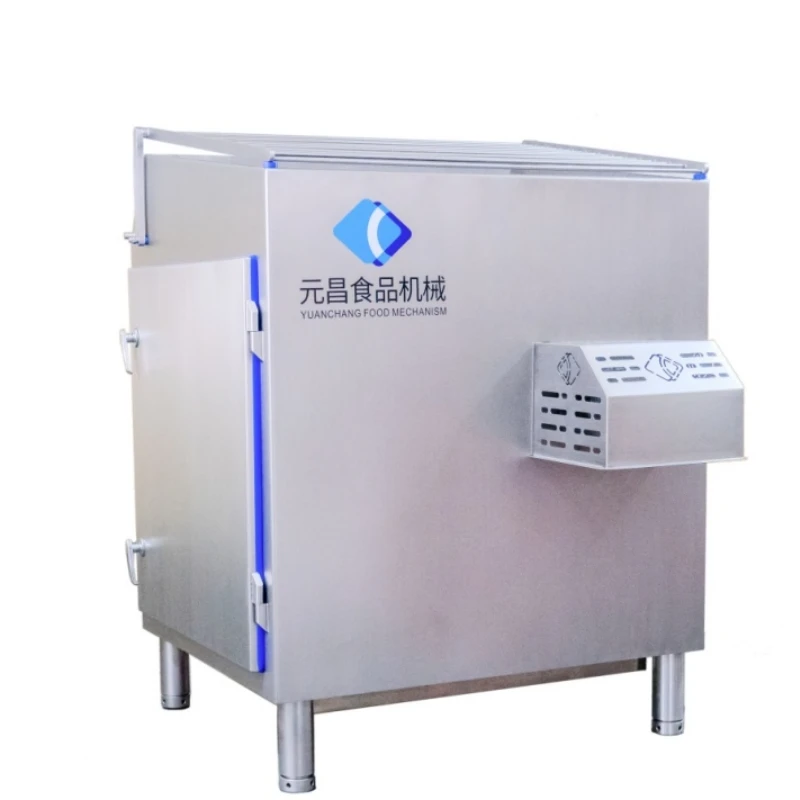
In simple terms, a mutton grinding machine is a specialized mechanical device designed to mince or grind mutton—breaking down the meat into uniform, ready-to-cook pieces. Unlike general-purpose grinders, these machines are engineered to handle the tougher texture and fat composition typical of mutton. They come in sizes ranging from compact units for local butchers to industrial-scale equipment for large meat processing factories.
Their design bridges traditional food preparation with modern standards, ensuring meat is processed hygienically and efficiently to meet consumer demands and regulatory requirements.
Core Components & Key Factors of Mutton Grinding Machines
1. Durability
The grinding blades and motor need to be robust enough to handle the dense muscle and fat typical of mutton. Stainless steel construction resists corrosion, making cleaning easier and prolonging service life.
2. Scalability
From portable models for small shops to heavy-duty industrial ones, machines must scale in capacity. This ensures food businesses can adapt to fluctuating demand smoothly, without upfront overspending.
3. Efficiency & Speed
Grinding mutton quickly without overheating preserves meat quality, texture, and safety. Variable speed control helps operators tailor performance to different cuts and preparation styles.
4. Hygiene & Safety
Easy-to-disassemble parts and sealed motors prevent contamination, while safety guards protect workers from injuries—both essential in food processing compliance.
5. Power Source
Electric machines dominate in urban areas, but some models adapt to gas or manual power where electricity is unreliable, broadening their reach.
Typical Product Specification Table
| Feature | Specification |
|---|---|
| Material | Food-grade stainless steel |
| Motor Power | 1.5 - 5 HP (variable by model) |
| Capacity | 20 - 200 kg/hour |
| Grinding Plate Sizes | 3mm, 5mm, 8mm |
| Power Source | Electric / Gas / Manual Options |
Global Applications & Use Cases
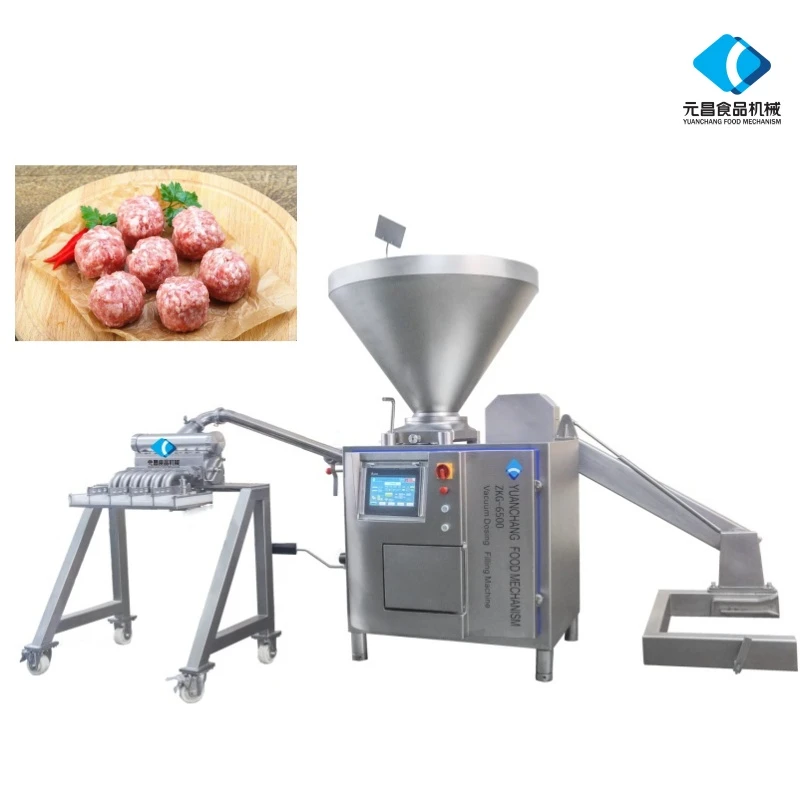
In many parts of Asia and Africa, the mutton grinding machine is not just a luxury but a necessity. Small butchers in urban markets use it daily to meet increasing consumer expectations. In food processing industries, it helps standardize minced mutton products—think kebabs, meatballs, sausages—that become staples in local diets.
Notably, humanitarian organizations have used mobile grinding units in refugee camps and disaster zones, where access to fresh meat and proper processing facilities is limited. This equipment enables quick preparation of nutritious meals, reducing spoilage and waste. For example, NGOs operating in drought-prone regions of East Africa incorporate portable grinders to improve food distribution efficiency.
Mini takeaway: The mutton grinding machine bridges traditional meat preparation with industrial and humanitarian needs worldwide.
Vendor Comparison Table
| Vendor | Capacity (kg/hr) | Power Type | Price Range (USD) | Notable Feature |
|---|---|---|---|---|
| MeatMaster Co. | 50 | Electric | $1,200 - $1,500 | Quick blade change |
| GrindTech Solutions | 150 | Gas/Electric | $3,500 - $4,000 | Portable & rugged |
| EcoMeat Grinders | 25 | Manual/Electric | $700 - $900 | Eco-friendly design |
Advantages & Long-Term Value of Mutton Grinding Machines
At first glance, the main benefit seems purely operational—improving speed and uniformity in grinding. But it goes deeper. Cost efficiency emerges from labor savings and minimizing product waste. You also get better hygiene control, which has a direct impact on consumer health and trust. For small businesses, that means growing clientele and stability; for large firms, it supports brand reputation.
On an emotional plane, imagine a butcher who can hand down reliable, fast tools to apprentices, preserving craftsmanship with modern ease. Or an aid worker feeding refugees with dignity, using tech that speeds meal prep without skipping safety.
Future Trends & Innovations in Meat Grinding
Technology moves fast. The future of mutton grinding machines includes automation and IoT enhancements—machines that self-diagnose problems, optimize energy use, and integrate with broader plant systems. Sustainability also drives new designs: solar-powered grinders or those made entirely from recyclable materials.
Machine learning algorithms could someday adjust grinding thickness or speed dynamically, tailoring output to specific recipes or customer needs. The bottom line? Meat processing will be leaner, greener, and smarter.
Challenges & Practical Solutions
Of course, no device is perfect. Common issues include blade wear, motor overheating, and occasional sanitation challenges due to complex parts. But many manufacturers now incorporate modular blades and IP-rated motors for dust and moisture resistance. Remote monitoring can alert operators to maintenance needs before failures occur.
Moreover, training is essential to avoid misuse that shortens machine life or compromises food quality—a surprisingly persistent hurdle in less industrialized contexts.
FAQ: Frequently Asked Questions About Mutton Grinding Machines
- Q1: What maintenance does a mutton grinding machine require?
A1: Regular blade sharpening or replacement, motor checks, and hygienic cleaning after every use are key. This prevents breakdowns and contamination. - Q2: Can these machines handle frozen mutton?
A2: Most grinders require meat to be cooled but not frozen solid, as hard frozen blocks can damage blades and motors. - Q3: Are there portable mutton grinding machines for small businesses?
A3: Definitely. Many vendors offer compact or manual options ideal for local butchers or mobile vendors. - Q4: How energy-efficient are electric mutton grinders?
A4: Energy consumption varies but newer models with variable speed motors optimize power use, offering savings on utility bills.
Conclusion
In real terms, a mutton grinding machine is a small but mighty workhorse behind the scenes of meat production worldwide. From improving hygiene standards to boosting efficiency and enabling food security, it offers clear long-term benefits that ripple through economies and communities. If you want to explore the best options tailored to your needs, visit mutton grinding machine manufacturers and suppliers today.
It's fascinating how such a specialized tool quietly influences a global industry and even humanitarian efforts—showing that sometimes, small mechanical innovations fuel big social impact.
References
-
Efficient Meat Cubing Machine for Industrial Meat ProcessingNewsDec.09,2025
-
Meat Cube Cutter Machine – Efficient and Precise Meat Processing EquipmentNewsDec.09,2025
-
Machine Used To Cut Meat | High Performance Meat Cutting Machines for IndustryNewsDec.09,2025
-
Machine That Cuts Meat – Efficient, Durable Meat Processing Solutions for B2BNewsDec.09,2025
-
Machine Meat Cutter: Global Importance, Benefits & Future Trends ExplainedNewsDec.08,2025
-
Durable Machine Cut Meat Slicer for Industrial Efficiency | YC Meat MechNewsDec.08,2025