


Industrial Pork Cutting Machine – Boost Efficiency & Safety in Meat Processing
Understanding the Pork Cutting Machine: A Modern Essential in Meat Processing
At first glance, the pork cutting machine might seem like just another piece of industrial equipment, but frankly, it’s much more than that. Around the world, pork remains one of the most widely consumed meats, seen not only in everyday meals but also as a staple in large-scale food industries. With increasing demands for efficiency, quality, and hygiene, automating pork processing using specialized machines has become indispensable.
This article explores what a pork cutting machine is, why it is significant globally, and how understanding this technology can benefit a range of industries — from meat processing plants to humanitarian food distribution. Oddly enough, while it may seem niche, these machines affect food security and supply chains in profound ways.
Global Context - Why Pork Cutting Machines Matter Today
The pork industry is massive. According to the Food and Agriculture Organization (FAO) of the United Nations, pork accounts for approximately 36% of all meat production worldwide, making it the most consumed meat globally [1]. This figure is expected to rise with growing populations in Asia and parts of Europe. Modern pork cutting machines respond to this increased demand by enhancing productivity and ensuring consistent product quality.
However, the challenge lies in meeting food safety standards while maintaining cost efficiency. Manual cutting is labor-intensive, costly, and risks contamination. Enter the pork cutting machine: automating precise cuts reduces human error, speeds up processing, and promotes better hygiene.
What Is a Pork Cutting Machine?
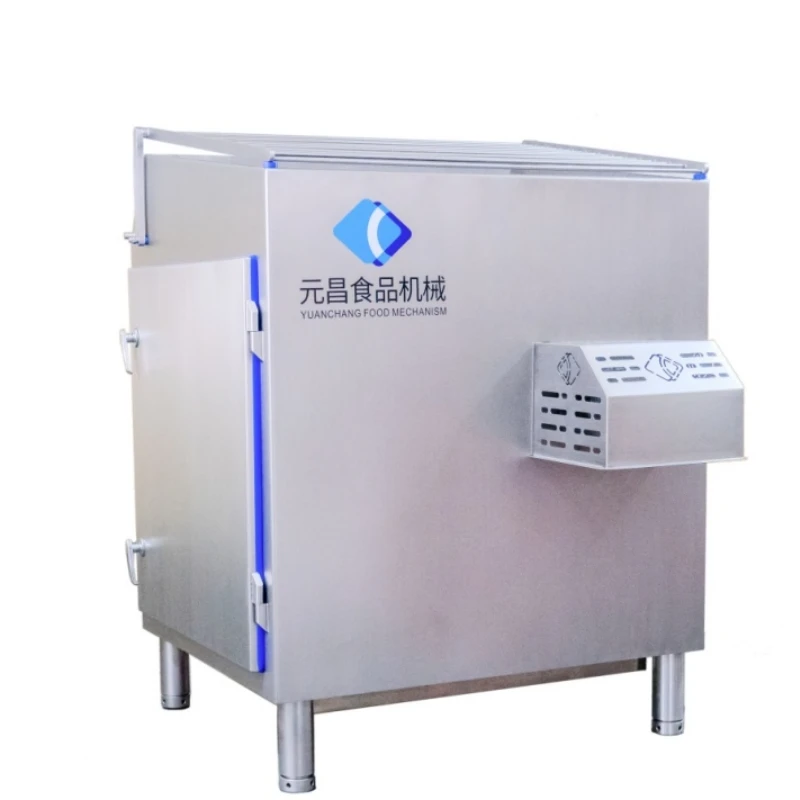
Put simply, a pork cutting machine is a mechanical device engineered to perform precise cuts on pork meat — from slicing to deboning and portioning. It replaces or supplements manual labor by using blades, conveyors, and sometimes automated sensors to handle carcasses efficiently.
These machines integrate into modern slaughterhouses and meat processing plants to streamline production, reduce waste, and uphold food safety standards. In humanitarian contexts, such machines help optimize meat processing for large-scale relief operations where quick, sanitary food preparation is critical.
Key Features of Pork Cutting Machines
1. Precision Cutting
Precision is everything in meat processing. Advanced pork cutting equipment uses calibrated blades and adjustable settings allowing operators to produce uniform thickness and cut sizes, critical for packaging and portion control.
2. Durability and Hygiene
Typically constructed with stainless steel and easy-to-clean surfaces, these machines meet stringent hygiene requirements. Durability ensures they withstand constant use while resisting corrosion from moisture and cleaning chemicals.
3. Scalability
From small artisanal setups to large industrial plants, pork cutting machines come in various sizes and capacities. This scalability means businesses can select models matching their throughput needs without overspending.
4. Cost Efficiency
Although the initial investment can be significant, automated cutting machines reduce labor costs and minimize waste. The return on investment often becomes evident within months due to improved throughput and reduced spoilage.
5. Safety Features
Sharp blades mean risk, but pork cutting machines incorporate safety guards, emergency stops, and sensor-based controls to reduce accidents and protect operators.
6. Automation & Control Systems
Many modern machines feature programmable logic controllers (PLCs), touchscreen interfaces, and even AI-based quality checks, enabling adaptive operations that optimize cutting in real-time.
Product Specifications Comparison
| Model | Cutting Capacity (kg/hr) | Power Consumption | Blade Type | Safety Features | Dimensions (LxWxH) |
|---|---|---|---|---|---|
| PCM-2000 | 500 kg/hr | 3 kW | Rotary blade | Emergency stop, guard covers | 1500 x 800 x 1300 mm |
| ProCut S300 | 750 kg/hr | 4.2 kW | Band saw blade | Full enclosure, sensors | 1650 x 900 x 1400 mm |
| SmartSlice MX | 900 kg/hr | 4.5 kW | Laser-guided blade | Safety light curtains, auto stop | 1700 x 950 x 1450 mm |
Global Vendors Comparison
| Vendor | Headquarters | Product Range | After-Sales Support | Global Reach |
|---|---|---|---|---|
| YCM Meat Machinery | China | Basic to Advanced Pork Cutting Machines, Custom Solutions | 24/7 Online Support, On-site Training | Asia, Europe, North America |
| ButchersPro Inc. | USA | Automated Lines, Precision Cutters | Premium Warranty, Dedicated Field Engineers | North America, Europe |
| EuroMeat Solutions | Germany | Modular Pork Cutting, AI Integration | Comprehensive Training, Remote Diagnostics | Europe, Asia |
Global Applications and Case Uses
In real terms, the pork cutting machine finds applications beyond typical slaughterhouses. For example:
- Large-Scale Food Processors: Companies packaging pork products for supermarkets rely on these machines to maintain uniform cuts and reduce waste.
- Exporters in Asia and Europe: To meet strict export hygiene laws, automated cutting is often mandatory.
- Post-Disaster Relief Operations: In emergencies, rapid processing of meat can aid humanitarian food distribution efficiently.
- Remote Industrial Zones: Worker camps needing steady protein supplies use reliable cutting machines for safety and consistency.
Advantages and Long-Term Value
It’s not just about efficiency. These machines improve workplace safety by reducing repetitive manual cuts. They contribute to sustainability by minimizing meat wastage – a critical factor given global food insecurity concerns (United Nations reports highlight food waste as a major issue [2]).
Emotionally speaking, reliable equipment builds trust among workers and businesses alike. Dignity in safe working conditions and the pride of producing high-quality meat cuts are hard to underestimate.
Future Trends & Innovations
The pork cutting machine market is evolving rapidly. Digital transformation brings AI-powered sensors for identifying optimal cut points and automatic blade adjustments, which optimize yield. Furthermore, sustainability drives design improvements, such as energy-efficient motors and recyclable machine components.
Green energy integration is on the horizon too — solar- or grid-hybrid powered plants producing pork cuts with reduced carbon footprints. And with growing focus on smart factories, connected meat processing lines can communicate data for predictive maintenance and supply optimization.
Challenges & Solutions
Despite these advances, challenges remain:
- High Initial Cost: Investment can be prohibitive for small producers. However, leasing options and modular upgrade paths help mitigate this.
- Training Requirement: Operators need proper training to maximize safety and efficiency. Many vendors now offer comprehensive packages.
- Maintenance and Downtime: Regular servicing is essential; remote diagnostics and IoT-enabled alerts are increasingly common solutions.
Frequently Asked Questions About Pork Cutting Machines
- Q1: How does a pork cutting machine improve hygiene compared to manual cutting?
- A1: Automated cutting reduces human contact with meat, minimizing contamination risks. Machines are built using stainless steel and designed for easy cleaning, meeting strict food safety standards.
- Q2: Can a pork cutting machine be customized for different cuts or portion sizes?
- A2: Yes, many machines feature adjustable settings to produce varying slice thicknesses and portion sizes, accommodating diverse industry needs.
- Q3: What maintenance is required for a pork cutting machine?
- A3: Regular cleaning, blade sharpening or replacement, lubrication of moving parts, and scheduled inspection of electronic components keep machines running smoothly.
- Q4: Are pork cutting machines suitable for small butchers or only large plants?
- A4: Models vary from compact to industrial scale, meaning small butchers can benefit from smaller machines designed for less volume without excessive upfront costs.
- Q5: Where can I find reliable vendors for pork cutting machines?
- A5: Vendors like YCM Meat Machinery (pork cutting machine specialists), ButchersPro Inc., and EuroMeat Solutions offer a range of options worldwide with trusted support networks.
Conclusion
In sum, investing in a pork cutting machine is more than just mechanizing a process – it’s about enhancing food safety, efficiency, and industry sustainability on a global scale. For meat processors aiming to stay competitive while prioritizing quality and worker safety, these machines are indispensable tools of the trade.
Interested in exploring how a pork cutting machine can transform your operations? Visit our website to discover tailored solutions and expert support designed to meet your specific needs.
Mini takeaway: Automating pork cutting elevates meat processing from a laborious task to a streamlined, hygienic, and sustainable operation – a critical step forward in a meat-dependent world.
References
- Food and Agriculture Organization FAOSTAT: Meat Production Data — https://www.fao.org/faostat/en/#data/QL
- United Nations Food Systems Summit Reports — https://www.un.org/en/food-systems-summit
- ISO 22000 Food Safety Management Standards — https://www.iso.org/iso-22000-food-safety-management.html
-
Efficient Meat Cubing Machine for Industrial Meat ProcessingNewsDec.09,2025
-
Meat Cube Cutter Machine – Efficient and Precise Meat Processing EquipmentNewsDec.09,2025
-
Machine Used To Cut Meat | High Performance Meat Cutting Machines for IndustryNewsDec.09,2025
-
Machine That Cuts Meat – Efficient, Durable Meat Processing Solutions for B2BNewsDec.09,2025
-
Machine Meat Cutter: Global Importance, Benefits & Future Trends ExplainedNewsDec.08,2025
-
Durable Machine Cut Meat Slicer for Industrial Efficiency | YC Meat MechNewsDec.08,2025