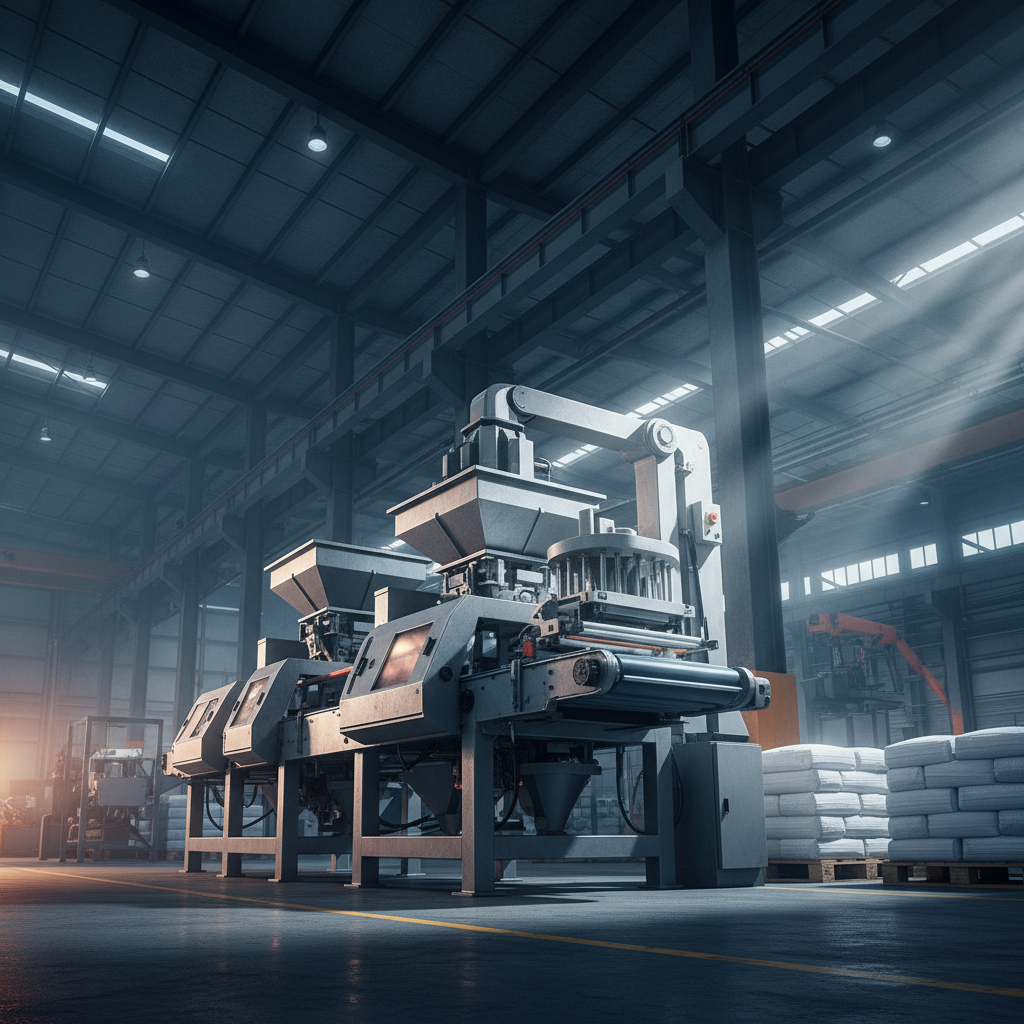
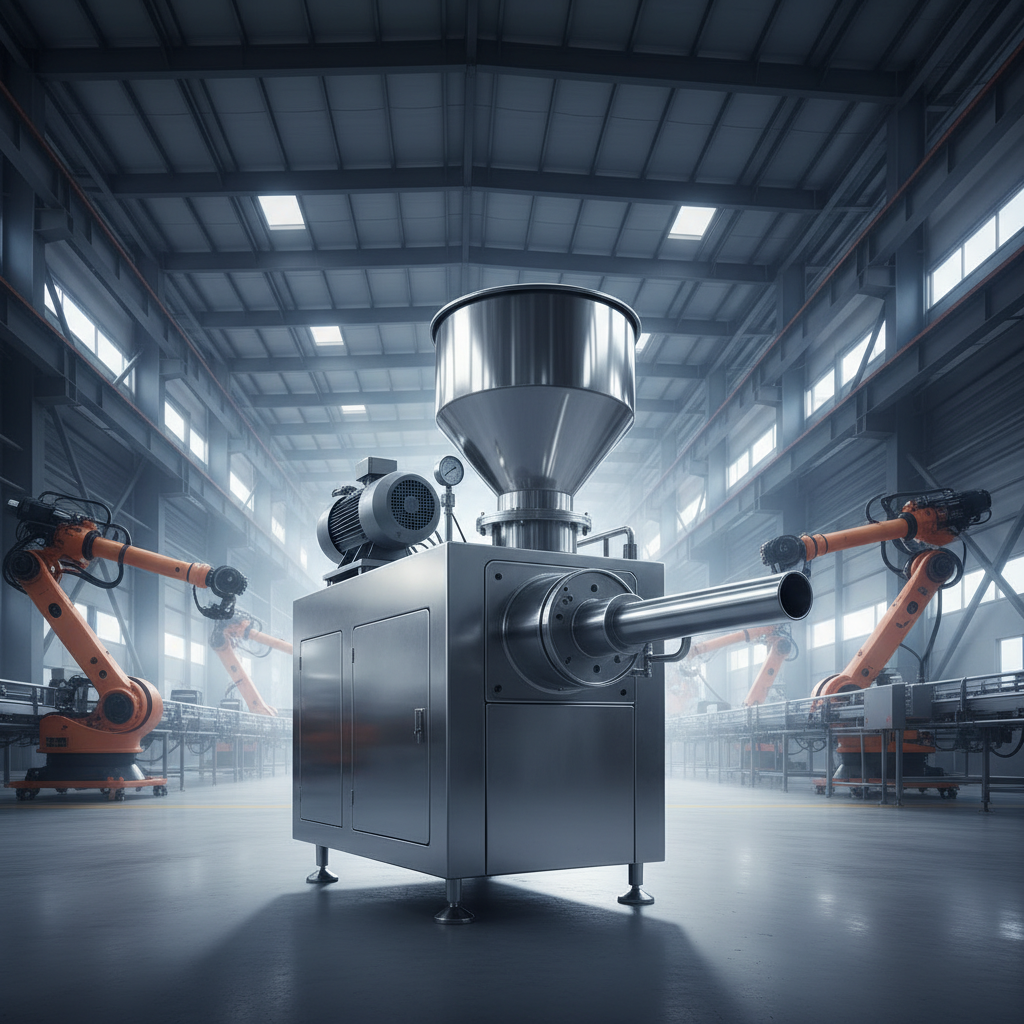
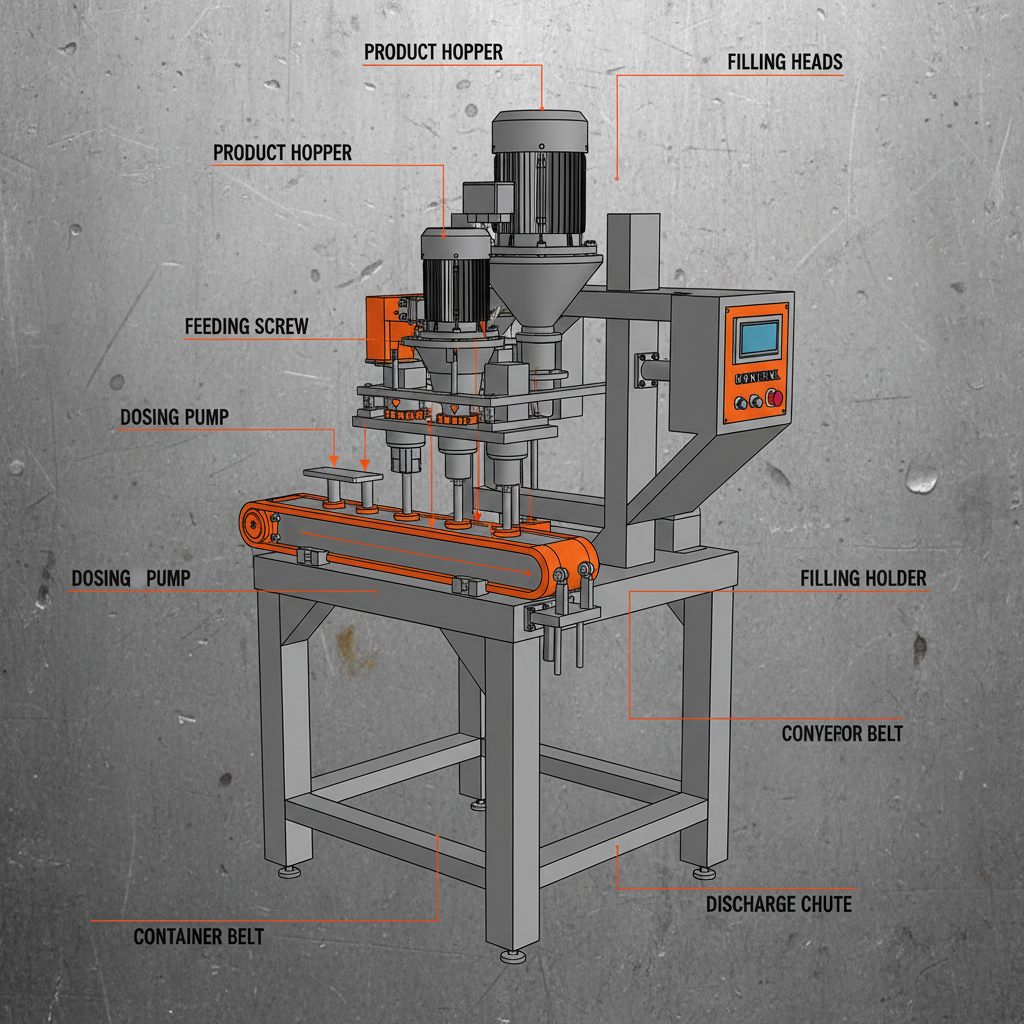
In the fast-paced world of meat processing, precision and speed are not just advantages—they are necessities for survival. The adoption of an automatic bag weighing and filling machine has revolutionized how producers handle everything from minced meats to processed sausages, ensuring that every package meets strict regulatory standards and customer expectations.
Globally, the food industry is facing an unprecedented demand for standardized packaging that minimizes product waste and maximizes throughput. By integrating high-precision sensors and automated bagging systems, manufacturers can eliminate the inconsistencies associated with manual filling, thereby protecting their profit margins and enhancing brand reliability across international markets.
Understanding the technical nuances and operational benefits of an automatic bag weighing and filling machine allows business owners to scale their operations efficiently. Whether you are managing a boutique artisanal meat shop or a large-scale industrial plant, the transition to automated weighing is the definitive step toward achieving lean manufacturing and superior quality control.
Global Industry Context of Automatic Bagging Systems
The global meat processing sector is currently navigating a complex landscape of tightening food safety regulations and rising labor costs. According to ISO standards and international food safety benchmarks, the accuracy of product weight is a critical component of consumer trust and legal compliance. The implementation of an automatic bag weighing and filling machine addresses the pervasive challenge of "product giveaway," where overfilling bags leads to significant financial losses over millions of units.
In emerging markets, the shift toward automation is accelerated by the need to meet export quality standards. As the World Bank notes the growth of processed food trade, the ability to maintain consistent weight and airtight sealing becomes a competitive edge. This technology transforms the bottleneck of the packaging line into a streamlined flow, allowing producers to respond rapidly to market fluctuations without compromising on quality.
Defining the Automatic Bag Weighing and Filling Machine
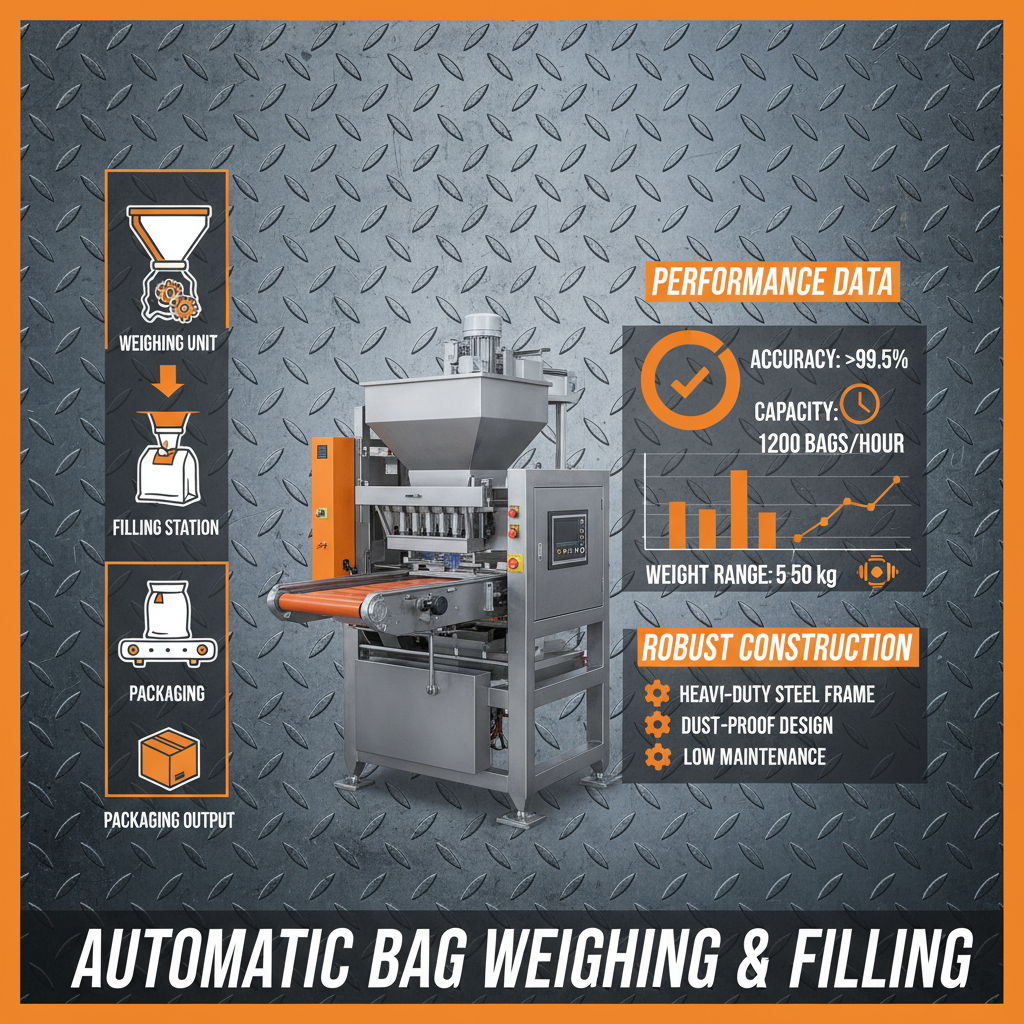
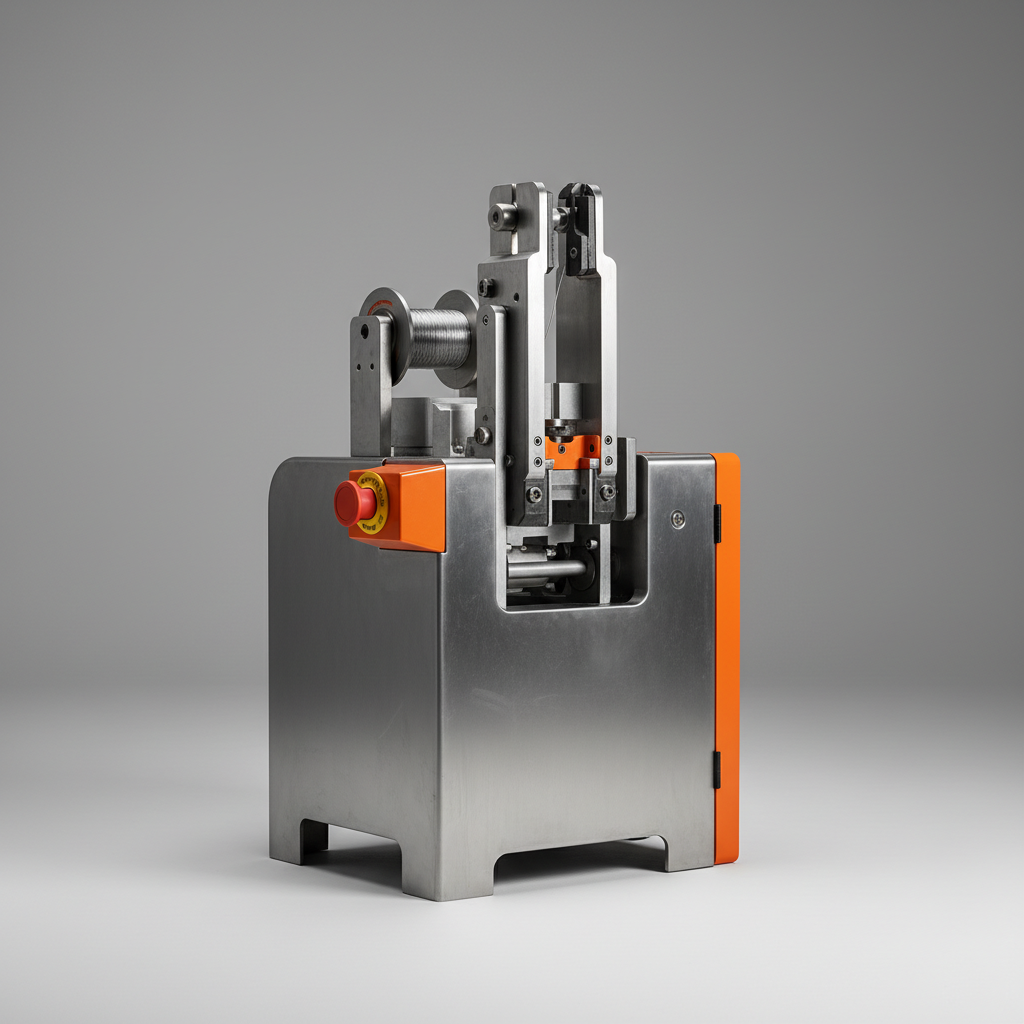
At its core, an automatic bag weighing and filling machine is an integrated system designed to measure a specific quantity of a product—in this case, meat or meat-based products—and dispense it into a bag with surgical precision. Unlike manual filling, which relies on human sight and scale-checking, these machines utilize load cells and PLC (Programmable Logic Controller) systems to ensure that every single bag is filled to the exact gram specified.
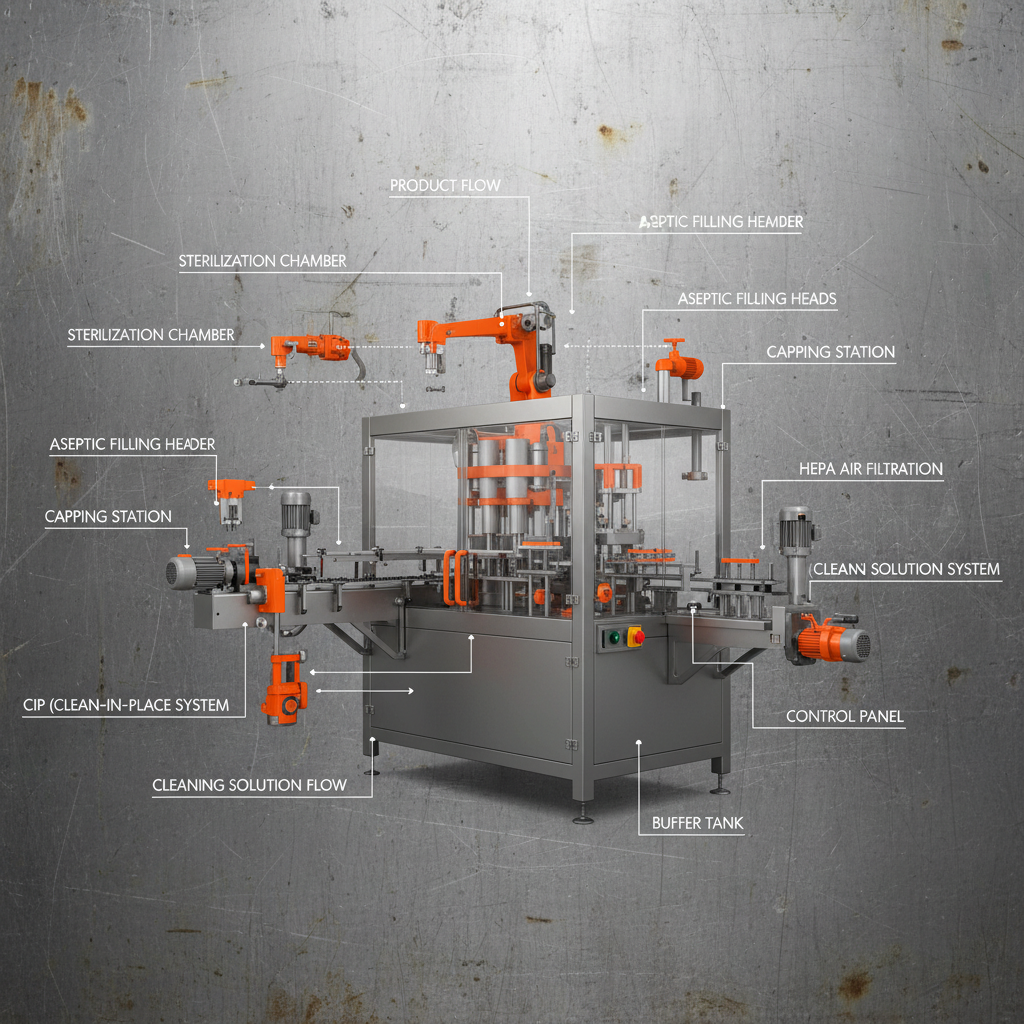
Beyond simple measurement, these machines are deeply connected to the modern need for hygiene and efficiency. By reducing human contact with the food product, the machine minimizes the risk of contamination, which is a primary concern in the meat industry. This alignment with HACCP (Hazard Analysis and Critical Control Points) principles makes the technology an essential investment for any facility aiming for high-tier certification.
In practical terms, this equipment serves as the final bridge between the production process—such as ripening or molding—and the consumer. It converts bulk processed meat into retail-ready units, integrating weighing, filling, and often sealing into one seamless operation. This synergy reduces the physical footprint of the production line while exponentially increasing the output capacity.
Core Components for Precision and Durability
The reliability of an automatic bag weighing and filling machine depends heavily on its load cell technology. These high-sensitivity sensors are the "eyes" of the machine, capable of detecting minute weight differences in real-time. When paired with a rapid-response pneumatic valve system, the machine can "trickle feed" the final few grams of product to ensure an exact match to the target weight.
Durability is equally critical, which is why professional-grade machines are constructed from SUS304 or SUS316 stainless steel. In the meat industry, equipment is subjected to harsh cleaning chemicals and moisture; therefore, a corrosion-resistant chassis is mandatory to prevent rust and ensure that the automatic bag weighing and filling machine remains food-safe over years of heavy operation.
Furthermore, the integration of an intuitive HMI (Human-Machine Interface) allows operators to switch between different product weights and bag sizes in seconds. This scalability means a single machine can handle multiple product lines—from small 250g sample packs to 5kg bulk bags—making the automatic bag weighing and filling machine a versatile asset in a diversified product portfolio.
Performance Metrics and Efficiency Gains
When evaluating the ROI of an automatic bag weighing and filling machine, the most telling metric is the reduction in material waste. Manual filling often results in a 2-5% overfill rate to avoid legal penalties for underweight packages. An automated system reduces this variance to less than 0.5%, which can translate into thousands of dollars in saved raw materials annually.
Additionally, the increase in "bags per minute" (BPM) allows facilities to scale their output without increasing their headcount. By automating the weighing and filling process, companies can redirect their skilled labor toward quality assurance and product development, rather than repetitive manual bagging tasks.
Efficiency Comparison of Filling Methods
Real-World Applications in Meat Processing
In large-scale industrial zones across Europe and North America, the automatic bag weighing and filling machine is typically integrated into a larger line that includes pretreatment and ripening. For instance, in the production of marinated chicken breasts, the machine ensures that each bag contains the exact weight of meat, preventing the expensive marinade from being wasted through over-filling.
Moreover, in specialized meat processing regions like South America, these machines are used for bagging ground beef and pork for wholesale distribution. The ability to handle varying densities of meat—from lean cuts to those with higher fat content—without losing accuracy makes the automatic bag weighing and filling machine indispensable for maintaining consistency across different batches of livestock.
Long-Term Value and Economic Impact
The long-term value of investing in an automatic bag weighing and filling machine extends beyond mere speed. It fosters a culture of precision and trust. When a customer buys a 500g pack of meat and finds it is consistently accurate, it builds brand loyalty. Conversely, systemic under-filling can lead to heavy fines and a ruined reputation.
From a sustainability perspective, automation reduces the amount of plastic waste caused by rejected bags. By getting the weight right the first time, companies reduce the number of "re-works" and scrapped packaging materials. This shift toward "right-first-time" manufacturing is a cornerstone of modern green industry practices.
Economically, the transition from labor-intensive to capital-intensive production protects the business from labor market volatility. While the initial investment in an automatic bag weighing and filling machine is higher than manual tools, the payback period is usually short, often achieved within 12-18 months through labor savings and reduced product giveaway.
Future Trends in Automated Filling Technology
Looking forward, the automatic bag weighing and filling machine is evolving toward "Smart Packaging." The integration of AI-driven predictive maintenance allows the machine to alert operators before a component fails, virtually eliminating unplanned downtime. IoT connectivity now allows managers to monitor filling rates and accuracy from a remote dashboard in real-time.
Another significant trend is the move toward biodegradable and compostable films. Modern filling machines are being redesigned to handle these new materials, which often have different heat-sealing properties than traditional plastics. This ensure that the automatic bag weighing and filling machine remains compatible with global sustainability mandates.
Finally, we are seeing a push toward modularity. Future systems will likely feature "plug-and-play" modules that allow a producer to add a vacuum-sealing unit or a nitrogen-flushing system to their filling line without replacing the entire machine. This flexibility ensures that the equipment can grow alongside the business.
Comparative Analysis of Automatic Bagging Technology Tiers
| Technology Tier |
Accuracy Level |
Throughput Speed |
Investment Cost |
| Basic Pneumatic |
+/- 5g |
Low (4-6 bpm) |
Low |
| PLC Standard |
+/- 2g |
Medium (10-15 bpm) |
Moderate |
| High-Precision Digital |
+/- 1g |
High (20-30 bpm) |
High |
| Multi-Head Weigher |
+/- 0.5g |
Very High (40+ bpm) |
Very High |
| AI-Optimized System |
Dynamic Adaptive |
Ultra High |
Premium |
| Custom Hybrid |
Project Specific |
Scalable |
Variable |
FAQS
To handle sticky products, these machines often employ non-stick coatings (such as Teflon) on the hopper and chutes, or use vibration systems to ensure the product flows smoothly without clinging to the stainless steel surfaces. Some high-end models also include specialized agitators to keep the product moving.
Not with modern PLC-controlled systems. Most automatic bag weighing and filling machines feature quick-change parts and digital presets. You can simply select a different profile on the HMI screen, and the machine adjusts its timing and volume accordingly, reducing downtime to a few minutes.
Daily maintenance involves a thorough wash-down to comply with food safety laws. Weekly checks should focus on sensor calibration and pneumatic leak tests. Quarterly maintenance usually involves lubricating moving parts and updating the software to ensure the load cells remain accurate.
Yes, most automatic bag weighing and filling machines are designed with standard communication protocols (like Modbus or Ethernet/IP), allowing them to sync perfectly with upstream conveyor belts or downstream sealing and labeling machines for a fully automated workflow.
The difference is substantial. While a human operator might have a variance of 10-20 grams per bag, a professional automatic system can maintain a tolerance of +/- 1 gram. This level of precision is what eliminates product giveaway and ensures legal compliance.
Depending on the product, vacuum-rated PE or PA/PE laminates are common. The automatic bag weighing and filling machine is typically compatible with any film that can be held by the bag-gripper and sealed by the heat-sealer, including the latest eco-friendly biodegradable options.
Conclusion
The integration of an automatic bag weighing and filling machine is more than just a technical upgrade; it is a strategic business move. By combining high-precision load cell technology with durable stainless steel construction and intelligent PLC controls, producers can virtually eliminate product waste, ensure absolute regulatory compliance, and significantly boost their hourly output. From the reduction of labor costs to the enhancement of brand trust through consistent packaging, the advantages are both immediate and long-lasting.
As the meat processing industry moves toward a future of "Industry 4.0," characterized by AI and sustainable materials, staying ahead of the curve requires investing in flexible, scalable automation. We recommend that producers evaluate their current "giveaway" rates and labor bottlenecks to determine the optimal machine tier for their needs. For those looking to elevate their production standards and secure their market position, upgrading to an automated filling system is the most logical next step. Visit our website: www.ycmeatmech.com