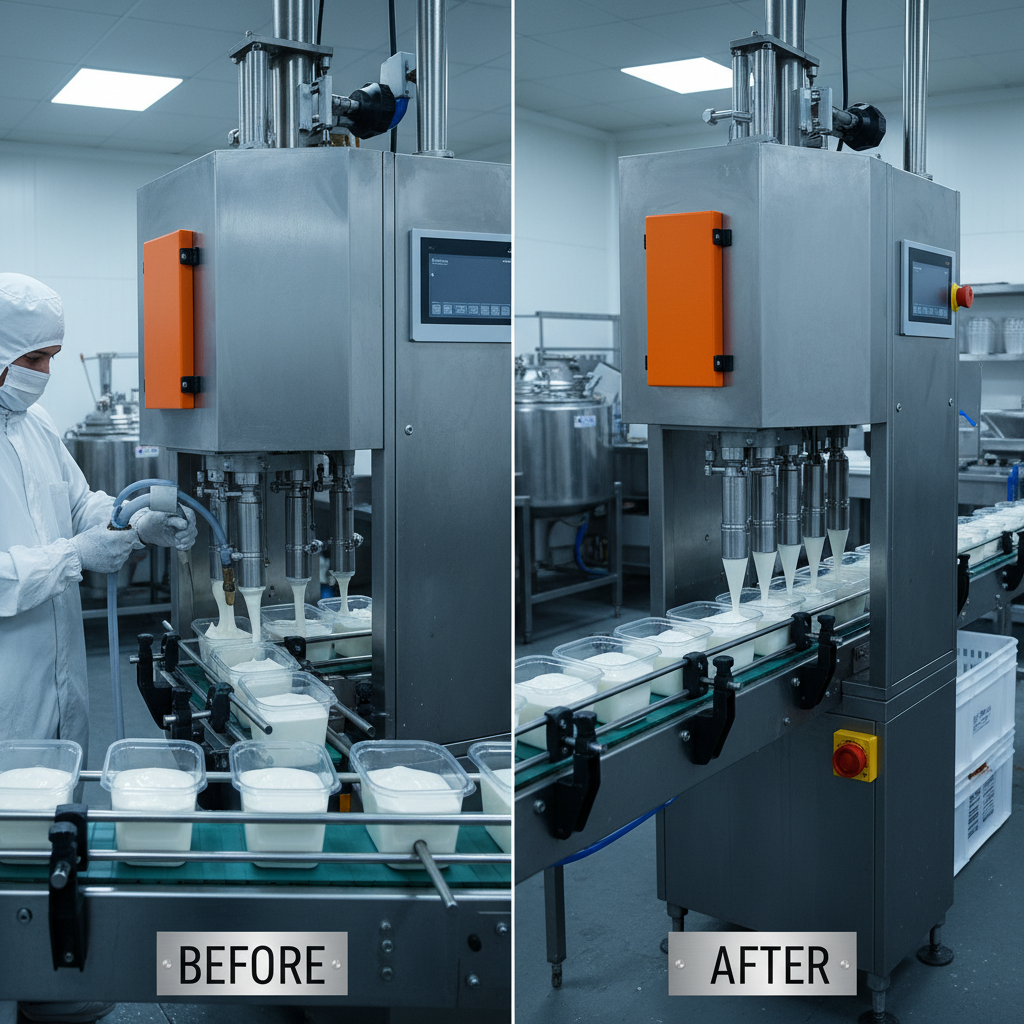
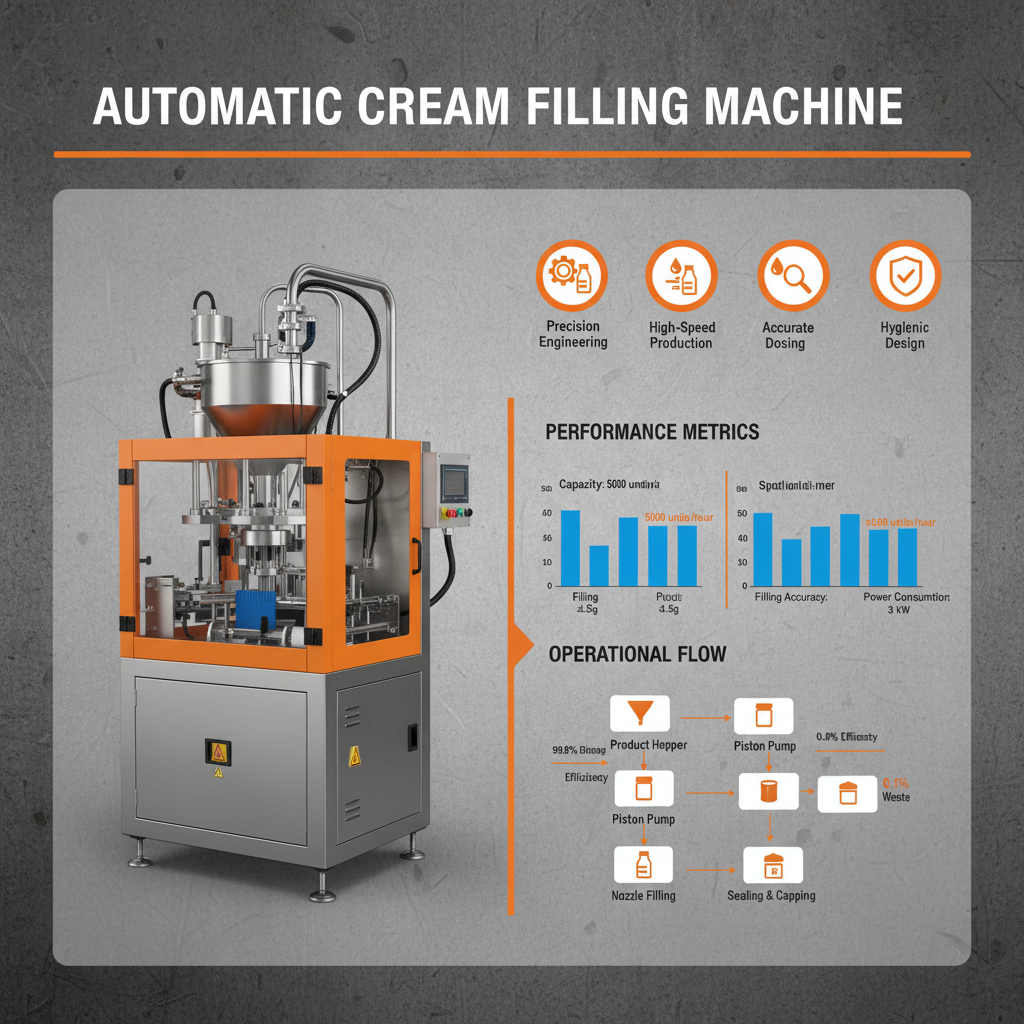
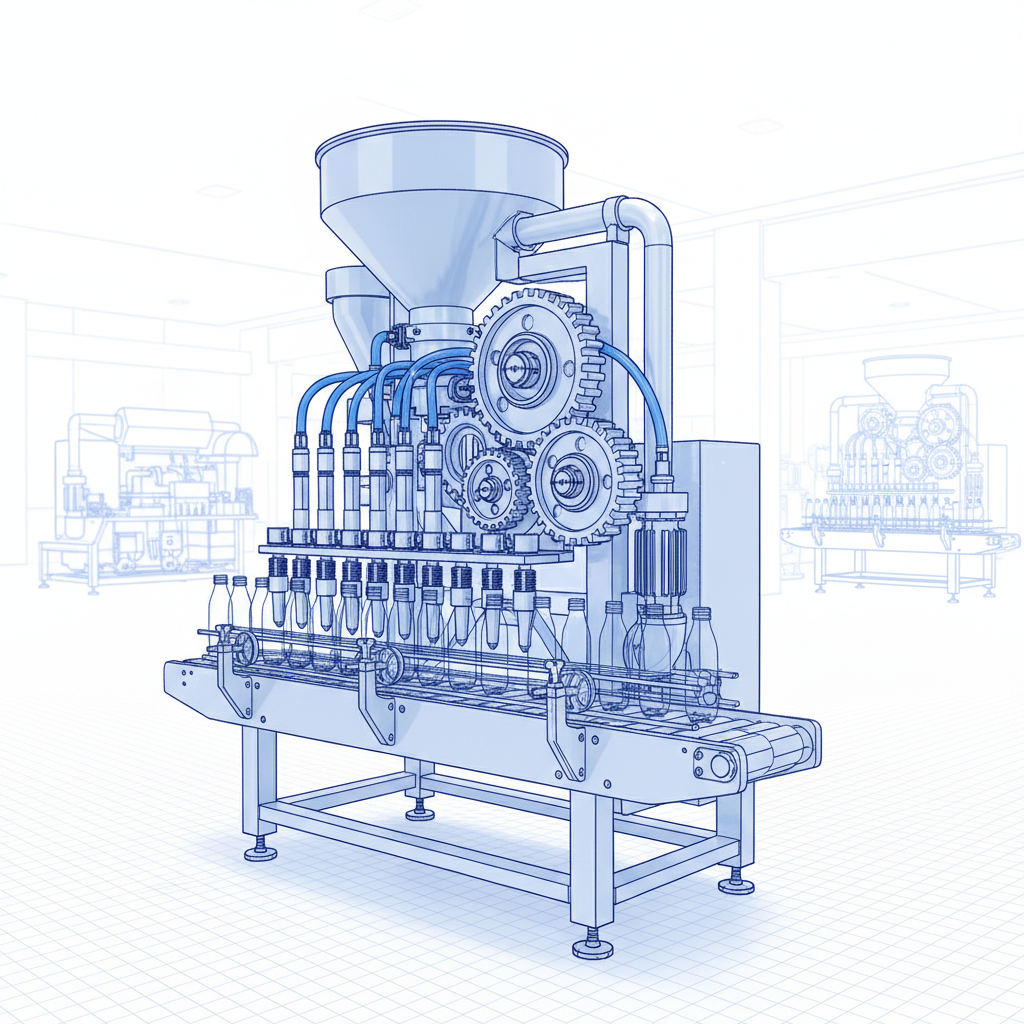
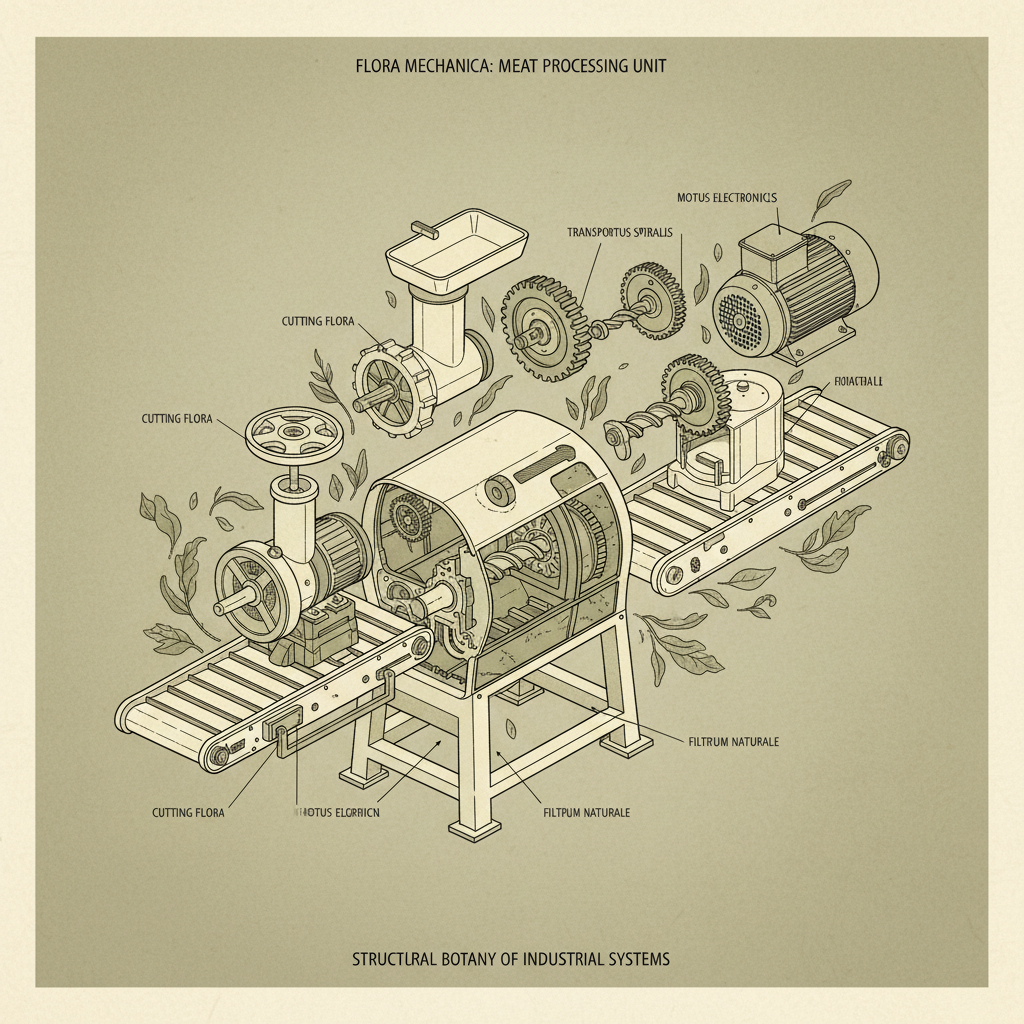
In the fast-paced environment of modern food processing, the demand for precision, hygiene, and efficiency has never been higher. An automatic cream filling machine serves as a critical bridge between large-scale production and the delicate requirement of portion control, ensuring that viscous materials like meat-based creams, pâtés, or specialty emulsions are dispensed with surgical accuracy. For manufacturers, integrating such automation is no longer a luxury but a necessity to maintain consistency across thousands of units.
Globally, the food machinery sector is shifting toward "smart" filling solutions that minimize waste and maximize throughput. The implementation of an automatic cream filling machine allows producers to scale their operations without compromising the structural integrity of the food product, which is often sensitive to shear stress and temperature fluctuations. This technological leap is essential for meeting the rigorous safety standards set by international food health organizations.
Understanding the nuances of these machines—from their volumetric precision to their sanitary design—empowers business owners to optimize their production lines. Whether you are dealing with high-viscosity meat creams or lighter culinary emulsions, the right filling strategy reduces labor costs, eliminates human error, and ensures that every container leaving the factory is a testament to quality and reliability.
Global Industry Context of Cream Filling Automation
The global food processing landscape is currently undergoing a massive digital transformation, with a heavy emphasis on reducing manual intervention to prevent contamination. According to ISO food safety guidelines, the reduction of human contact during the filling stage is paramount. An automatic cream filling machine addresses this by creating a closed-loop system that protects the product from airborne pathogens and human-borne bacteria, which is particularly critical in meat-based cream production.
Furthermore, the rise of "ready-to-eat" (RTE) meal trends worldwide has pushed manufacturers to increase their output volume while maintaining strict portion control. In markets like North America and Europe, the cost of raw materials is rising, making "overfilling" a significant financial leak. Automation allows for milligram-level precision, ensuring that profit margins are protected without sacrificing the consumer's perceived value of the product.
Defining the Automatic Cream Filling Machine
At its core, an automatic cream filling machine is a specialized piece of industrial equipment designed to dispense a predetermined volume of semi-fluid, viscous, or creamy substances into containers. Unlike standard liquid fillers, these machines utilize piston-driven or peristaltic mechanisms that can handle the thickness and aeration of cream-like substances without causing separation or air bubbles in the final product.
In the context of the meat processing industry, these machines are often used for filling specialty meat emulsions, liver pâtés, or cream-based sauces used in meat product molding. This connects directly to the humanitarian need for food security and standardized nutrition; by automating the process, food producers can distribute consistent nutritional values across millions of units, ensuring a stable food supply chain.
Modern versions of these systems are integrated with PLC (Programmable Logic Controller) interfaces, allowing operators to switch between different product viscosities with a few clicks. This flexibility makes them indispensable for auxiliary items in meat processing, where a single production line may handle multiple product variations throughout a work shift.
Core Components for Operational Excellence
The primary driver of any high-performance automatic cream filling machine is its dosing system. Whether utilizing a volumetric piston or a weight-based load cell, the accuracy of the dose determines the waste percentage of the entire facility. High-grade stainless steel (typically SUS316L) is used throughout the contact path to prevent corrosion and ensure that the machine can withstand rigorous CIP (Clean-In-Place) cycles.
Scalability is another critical factor. A professional automatic cream filling machine must be capable of adjusting its output—from a small 50g sample cup to a 5kg industrial tub—without requiring a complete mechanical overhaul. This versatility allows businesses to enter new market segments rapidly without investing in entirely new hardware.
Finally, the integration of anti-drip nozzles and precision sensors ensures that the packaging remains clean. In the food industry, a single drop of cream on the rim of a container can lead to seal failure or mold growth during the ripening process for meat products, making the precision of the nozzle assembly a non-negotiable component of the machine's design.
Global Applications and Use Cases
The versatility of the automatic cream filling machine sees it deployed across diverse global environments. In highly regulated European markets, these machines are the backbone of the gourmet meat cream and pâté industry, where strict adherence to weight regulations is monitored by government agencies. In these regions, the focus is on "ultra-precision" to avoid legal penalties associated with under-filling.
In emerging industrial zones in Southeast Asia and Latin America, these machines are being adopted to modernize traditional meat processing. For example, in large-scale meat product filling molding operations, automation is replacing manual scooping, which has historically been a primary source of cross-contamination. By implementing these systems, local producers can now export their products to international markets by meeting global hygiene certifications.
Efficiency Comparison of Filling Methods
Long-Term Value and Strategic Advantages
Investing in an automatic cream filling machine provides a compounding return on investment (ROI). Logically, the reduction in product giveaway (overfilling) can save a medium-sized plant tens of thousands of dollars annually. Beyond the numbers, there is a profound emotional value in "brand trust." When a customer opens a container and finds a perfectly filled, visually appealing product, it reinforces the brand's commitment to quality and professionalism.
From a sustainability perspective, automation significantly reduces the amount of wasted product that ends up in the waste stream due to spills or incorrect dosing. By optimizing the filling process, companies can reduce their environmental footprint while increasing their output. This alignment of profitability and sustainability makes the transition to automated filling a strategic move for any forward-thinking meat processing enterprise.
Future Trends in Filling Technology
The future of the automatic cream filling machine lies in the integration of AI-driven vision systems. These systems can detect a misplaced container or a slight leak in real-time, automatically rejecting the faulty unit without stopping the entire line. This move toward "Zero-Defect Manufacturing" is the next frontier for the food industry, ensuring that 100% of the products meet quality standards before they ever reach the warehouse.
We are also seeing a shift toward "Green Automation," where machines are designed for lower energy consumption and use biodegradable lubricants in their moving parts. The integration of IoT (Internet of Things) will allow managers to monitor the performance of their filling machines from a smartphone, receiving alerts for preventative maintenance before a breakdown occurs, thus eliminating unplanned downtime.
Moreover, the trend toward personalized nutrition is leading to the development of "modular filling," where a machine can dispense multiple different types of creams or additives into a single container based on a digital recipe. This level of customization will allow meat product manufacturers to offer tailored health profiles (e.g., low-sodium or high-protein versions) at scale.
Overcoming Implementation Challenges
One of the most common challenges when introducing an automatic cream filling machine is the "viscosity variance." Natural meat products can vary in thickness based on the batch of raw materials. To solve this, expert engineers suggest implementing servo-driven pumps that can adjust the pressure in real-time based on the resistance encountered during the fill cycle, ensuring consistency regardless of product variation.
Another hurdle is the complexity of cleaning. Because creams are high in fat and protein, they can cling to the internal walls of the machine, creating bio-films. The solution is a rigorous adherence to "Hygienic Design" principles—eliminating dead zones where product can collect and utilizing high-pressure spray balls for effective internal cleaning.
Lastly, the transition from manual to automated labor often meets internal resistance from staff. The best approach is to frame the automatic cream filling machine not as a replacement for workers, but as a tool that upgrades their role from "manual laborer" to "system operator," providing them with higher-value skills and a safer working environment.
Comparative Analysis of Filling Machine Configurations
| Machine Model |
Viscosity Handling |
Precision Score (1-10) |
Maintenance Level |
| Basic Piston Filler |
Medium-High |
7 |
Low |
| Servo-Precision Model |
Variable |
9 |
Medium |
| High-Viscosity Industrial |
Ultra-High |
8 |
Medium |
| Smart-IoT Integrated |
Auto-Adaptive |
10 |
High |
| Vacuum-Assist Filler |
Medium-Airless |
8 |
Medium |
| Modular Multi-Head |
Mixed |
9 |
High |
FAQS
These machines typically use high-torque piston pumps or positive displacement mechanisms. By using a piston that physically pushes the product through the nozzle, the machine can overcome the resistance of thick, viscous materials without shearing the product or causing it to separate, ensuring a smooth and consistent fill every time.
Yes, most professional automatic cream filling machines are designed with CIP (Clean-In-Place) capabilities. This allows you to circulate cleaning agents and hot water through the system using specialized spray balls and pumps, removing residues and bacteria without the need for complete teardown, thus saving hours of labor.
Depending on the model, accuracy can range from ±1% to ±0.1%. High-end servo-controlled machines use load cells to weigh the product in real-time, allowing for extreme precision that virtually eliminates product giveaway and ensures compliance with strict commercial weight regulations.
Absolutely. Most modern machines feature adjustable guiding rails and interchangeable nozzle sets. Through the PLC interface, operators can select "recipes" that automatically adjust the filling volume and timing to match the specific container size being used on the line.
With proper maintenance and adherence to cleaning protocols, a high-quality stainless steel automatic cream filling machine can last 10 to 15 years. The primary wear parts, such as seals and O-rings, should be replaced periodically to maintain vacuum integrity and prevent leaks.
Advanced machines are designed to minimize "shear," which is the mechanical stress that can break down the emulsion of a cream. By using gentle pumping actions and optimized nozzle diameters, these machines preserve the airy texture and stability of the product better than manual filling methods.
Conclusion
The adoption of an automatic cream filling machine represents a pivotal shift from traditional, labor-intensive processing to a streamlined, data-driven production model. By integrating precision dosing, hygienic stainless steel construction, and smart control systems, manufacturers can effectively eliminate waste, ensure absolute food safety, and build unwavering consumer trust through product consistency.
Looking ahead, the synergy between automation and AI will further refine the efficiency of food production, making it more sustainable and responsive to individual consumer needs. For any business aiming to scale its meat processing operations while maintaining artisanal quality, investing in advanced filling technology is the most reliable path to long-term competitiveness. Visit our website for more solutions: www.ycmeatmech.com