The global food processing industry is experiencing a surge in demand driven by population growth, evolving consumer preferences, and increasing urbanization. Within this landscape, efficient and reliable meat processing equipment is paramount. auto filling machines are at the heart of modern meat processing, enabling manufacturers to meet these demands while maintaining stringent hygiene and quality standards. Their role extends beyond simple volume filling; they are integral to portion control, product presentation, and overall production line optimization.
The demand for processed meats is predicted to continue its upward trajectory, particularly in emerging economies. This growth places significant pressure on producers to enhance throughput without compromising on food safety or product consistency. Investing in advanced auto filling machine technology is no longer a luxury but a necessity for competitive survival and sustained profitability. This is especially true given increasingly strict regulatory landscapes related to food handling and traceability.
Furthermore, consumer demand for convenience and ready-to-eat meals necessitates efficient packaging solutions, and auto filling machines are a crucial component of these automated packaging lines. Modern machines integrate seamlessly with other equipment, facilitating a streamlined and cost-effective production process.
The Role of Auto Filling Machines in Modern Meat Processing
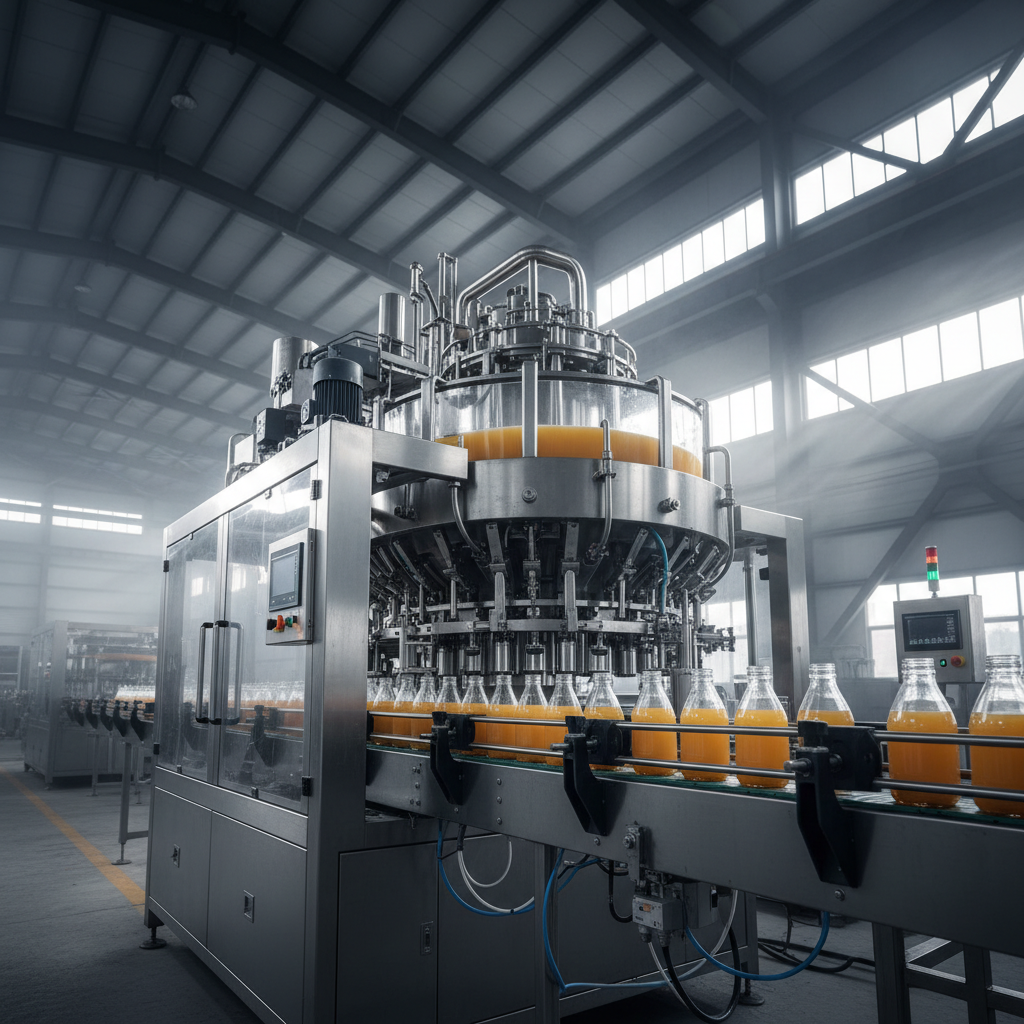
In the contemporary meat processing sector, auto filling machines are the backbone of efficient production. They automate the process of precisely dispensing meat products into casings, containers, or molds, ensuring consistency in weight and portion size. This automation translates into significant labor cost savings, reduced product waste, and improved overall productivity for meat processing facilities worldwide.
The impact of these machines extends beyond simple filling; they contribute directly to maintaining the highest levels of hygiene and food safety. Closed-loop systems and sanitary designs minimize the risk of contamination, crucial for meeting stringent food safety regulations and consumer expectations.
Defining Auto Filling Machines: A Comprehensive Overview
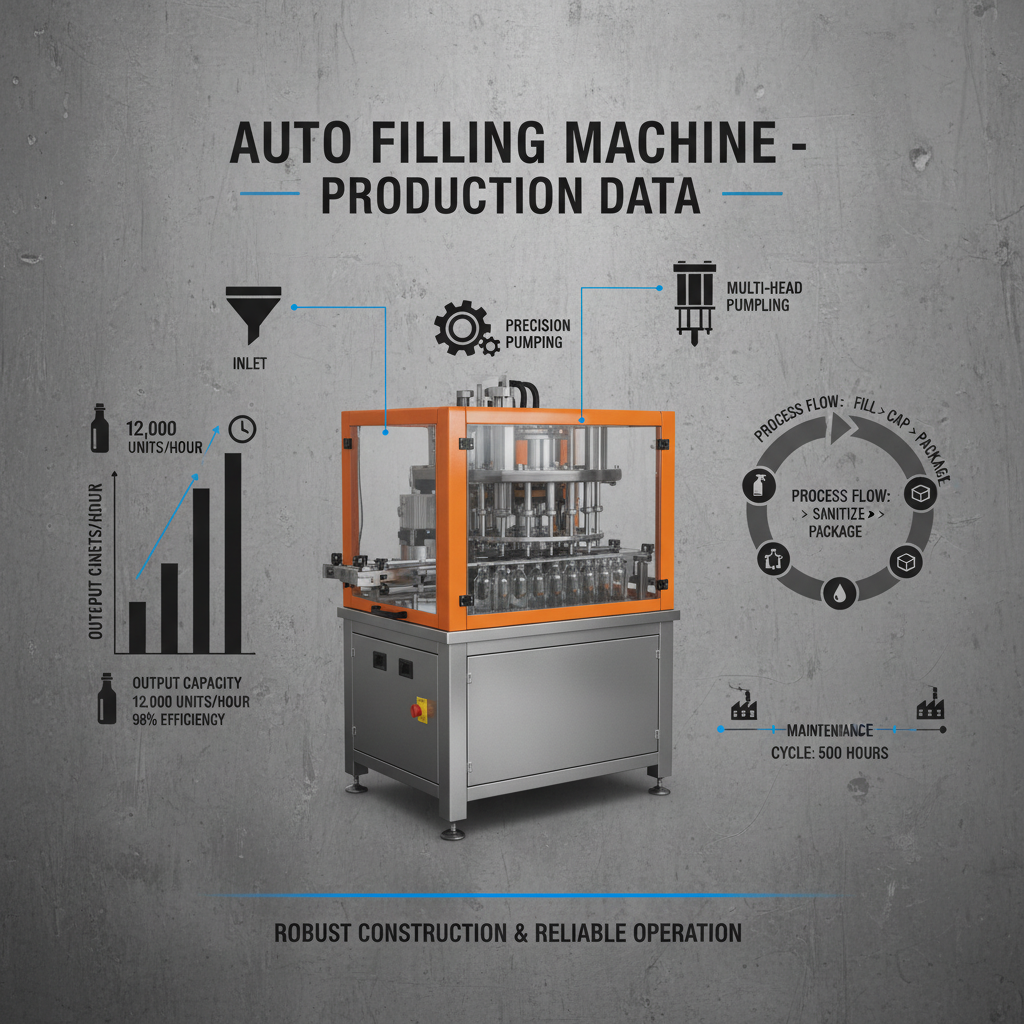
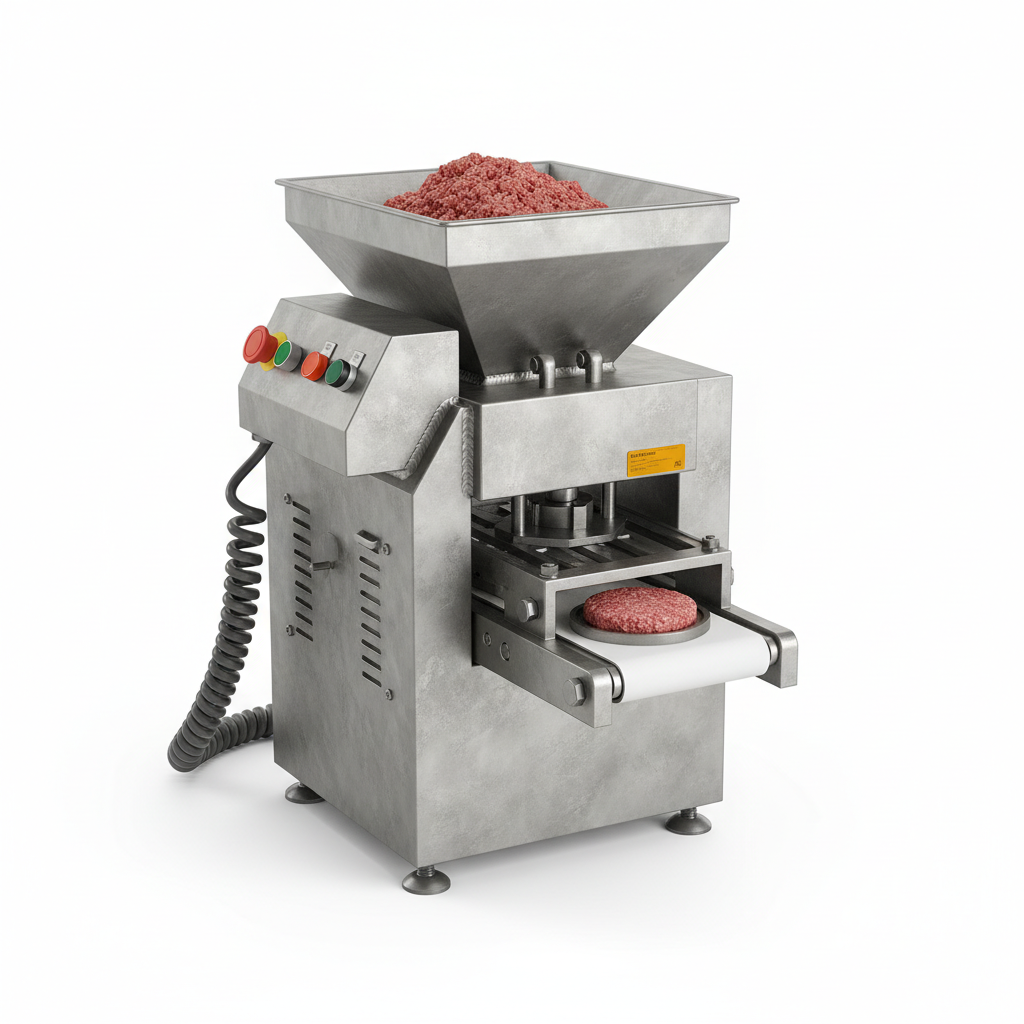
An auto filling machine is a specialized piece of equipment designed to automatically dispense a predetermined quantity of meat product into a packaging material. These machines can be configured to handle a wide range of meat types, including ground meats, sausages, patties, and formed products. They utilize various filling mechanisms, such as piston fillers, volumetric fillers, or gravimetric fillers, each suited to specific product characteristics and production requirements.
The connection to modern industry lies in the pursuit of optimized efficiency and quality control. As food processing demands increase, manual filling methods become unsustainable. Auto filling machines address this challenge by providing consistent, accurate, and hygienic filling processes.
Their relevance extends beyond mere commercial gain; these machines contribute to global food security by reducing waste, ensuring consistent product quality, and maximizing the output of available resources. They help make nutritious protein sources accessible to a wider population.
Key Factors Influencing Auto Filling Machine Performance
Several factors contribute to the optimal performance of an auto filling machine. Durability is paramount; machines must withstand the harsh conditions of a processing environment, including frequent cleaning cycles and exposure to corrosive substances. High-quality materials and robust construction are essential for longevity and minimizing downtime.
Scalability is another critical factor. The ability to adjust filling volumes and speeds to meet fluctuating production demands is vital for maintaining efficiency. Modular designs and easily interchangeable parts allow for quick adaptation to different product types and batch sizes. The initial investment should also consider future growth capabilities.
Cost efficiency is not solely about the upfront purchase price. Total cost of ownership, including maintenance, energy consumption, and labor costs, must be considered. Machines with advanced automation features and energy-saving designs can significantly reduce long-term operating expenses. Precise filling reduces product giveaway and associated waste, directly impacting profitability.
Global Applications and Diverse Use Cases
Auto filling machines are utilized globally across a wide spectrum of meat processing applications. In large-scale beef processing plants, they are integral to filling sausage casings and forming burger patties. In poultry processing facilities, they handle the filling of poultry meat into containers for further processing or retail sale.
The demand is particularly strong in regions with rapidly growing populations and increasing meat consumption, such as Asia-Pacific and Latin America. These regions are actively investing in modernizing their food processing infrastructure, driving demand for advanced equipment like auto filling machines.
In post-disaster relief operations, portable and efficient auto filling machines can provide a critical source of nutritious food for affected populations. Similarly, in remote industrial zones or military operations, these machines offer a reliable solution for ensuring food supply and maintaining operational efficiency.
Comparative Analysis of Auto Filling Machine Methods
Advantages and Long-Term Value Proposition
The advantages of incorporating an auto filling machine into a meat processing operation are substantial. Tangible benefits include reduced labor costs, minimized product waste, increased throughput, and improved consistency. These factors directly contribute to enhanced profitability and a stronger competitive position.
Beyond the purely economic, these machines offer significant long-term value. Improved hygiene and food safety protocols build consumer trust and protect brand reputation. Sustainable operation, through reduced waste and optimized energy consumption, aligns with growing environmental concerns. And, importantly, the increased efficiency allows for a safer and more ergonomic work environment for employees.
Future Trends and Technological Innovations
The future of auto filling machine technology is poised for significant advancements. Integration with AI and machine learning algorithms will enable predictive maintenance, optimizing performance and minimizing downtime. Digital twins – virtual representations of the machine – will allow for remote monitoring and troubleshooting.
Increased emphasis on sustainability will drive the development of energy-efficient designs and the use of eco-friendly materials. Advanced sensor technologies and real-time data analytics will further enhance precision and quality control, ensuring compliance with evolving food safety standards.
Challenges and Solutions in Auto Filling Machine Implementation
Despite the numerous benefits, implementing an auto filling machine can present challenges. Initial investment costs can be substantial, particularly for advanced models. Integration with existing production lines may require modifications and careful planning.
However, these challenges can be mitigated through careful vendor selection, thorough needs assessment, and phased implementation. Leveraging financing options and exploring refurbished equipment can reduce upfront costs. Collaborating with experienced integrators ensures seamless integration and minimizes disruption to existing operations.
Another challenge is maintaining skilled technicians to operate and maintain these complex machines. Investing in comprehensive training programs for personnel is essential for maximizing efficiency and preventing costly downtime.
Summary of Key Auto Filling Machine Performance Metrics
| Filling Accuracy (%) |
Throughput (Units/Hour) |
Downtime (Hours/Month) |
Maintenance Cost (USD/Year) |
| 98.5% |
3600 |
2 |
1500 |
| 99.2% |
4200 |
1 |
1800 |
| 97.8% |
3000 |
3 |
1200 |
| 96.5% |
2800 |
4 |
1000 |
| 99.0% |
4000 |
0.5 |
2000 |
| 98.0% |
3200 |
2.5 |
1400 |
FAQS
The ROI for an auto filling machine varies depending on production volume, labor costs, and product type. However, most manufacturers experience a full ROI within 18-36 months due to reduced labor expenses, minimized product waste, and increased production capacity. A detailed cost-benefit analysis tailored to your specific operations is recommended.
Regular maintenance is crucial for optimal performance. This typically includes daily cleaning and sanitation, weekly lubrication of moving parts, and annual inspections by a qualified technician. Preventative maintenance schedules can significantly reduce downtime and extend the lifespan of the machine.
Yes, modern auto filling machines are versatile and can handle various meat products, including ground meats, sausages, patties, and formed products. Different filling heads and adjustments can be made to accommodate varying viscosities and consistencies. It’s essential to specify the range of products during the machine selection process.
Safety is paramount. Auto filling machines are equipped with various safety features, including emergency stop buttons, safety guards, and interlocks to prevent operation during maintenance or cleaning. Compliance with relevant safety standards (e.g., CE, UL) is essential.
While user-friendly interfaces are common, comprehensive operator training is crucial. This training should cover machine operation, safety procedures, basic maintenance, and troubleshooting. Qualified technicians should also be trained for more complex repairs and adjustments.
Auto filling machines, when designed with sanitary construction and closed-loop systems, minimize the risk of contamination. They offer precise filling and portion control, contributing to consistent product quality and adherence to food safety regulations like HACCP. Easy-to-clean designs and readily sanitized surfaces further enhance food safety.
Conclusion
In conclusion, auto filling machines are indispensable components of modern meat processing, driving efficiency, improving food safety, and enhancing profitability. From streamlining production lines to ensuring consistent product quality, their impact extends across the entire value chain. Understanding the key factors influencing performance, emerging trends, and potential challenges is critical for making informed investment decisions.
Looking ahead, the integration of advanced technologies like AI and machine learning will further revolutionize this field. By embracing innovation and prioritizing sustainability, meat processors can unlock the full potential of auto filling machines and secure a competitive advantage in an evolving global market. To explore tailored solutions for your specific needs, visit our website at www.ycmeatmech.com.