What Industry Is Meat Processing
Understanding the Meat Processing Industry: From Farm to Table Solutions
 By: Alex Chen, Senior Export Manager at Hebei Yuanchang Food Mechanism & Technology Co., Ltd.
Published: October 26, 2023
What Exactly Constitutes the Meat Processing Industry?
When we talk about the "meat processing industry," we're referring to a comprehensive and intricate sector of the food production landscape. It’s far more than just butchering animals. This industry encompasses the entire lifecycle of transforming raw meat from livestock—be it cattle, pigs, poultry, sheep, or even fish—into consumable food products. This transformation involves a series of specialized operations, from initial slaughter and butchering to cutting, deboning, grinding, mixing, forming, curing, smoking, packaging, and distribution. The ultimate goal is to enhance shelf-life, improve safety, create convenient forms for consumers, and meet the diverse demands of global markets.
The scope of meat processing is vast, touching upon numerous sub-sectors and requiring specialized machinery and technology at each stage. Think about the journey from a farm-raised animal to the sausages on your breakfast plate, the deli slices in your sandwich, or the frozen beef patties in your freezer. Each of these products relies on sophisticated industrial processes that fall squarely under the umbrella of meat processing. This industry is a critical link in our global food supply chain, ensuring that protein sources are safely and efficiently delivered to billions of people worldwide.
At its core, meat processing involves a delicate balance between preserving the quality and nutritional value of meat while ensuring it meets stringent safety and regulatory standards. This requires precision engineering, adherence to HACCP principles, and a deep understanding of food science. The global meat processing equipment market itself is substantial, projected to reach USD 17.39 billion by 2034, according to Fortune Business Insights, highlighting the significant investment and innovation within this sector. This growth is fueled by rising demand for processed meats, increasing automation for efficiency and hygiene, and evolving consumer preferences for convenience and variety.
For businesses operating within this field—whether they are large-scale industrial abattoirs, specialized sausage makers, or producers of ready-to-eat meals—the right equipment is not just a capital expense; it's the backbone of their operations. The choice of machinery impacts everything from product quality and consistency to operational costs and regulatory compliance. This is where expertise in selecting and implementing the correct meat processing equipment becomes paramount.
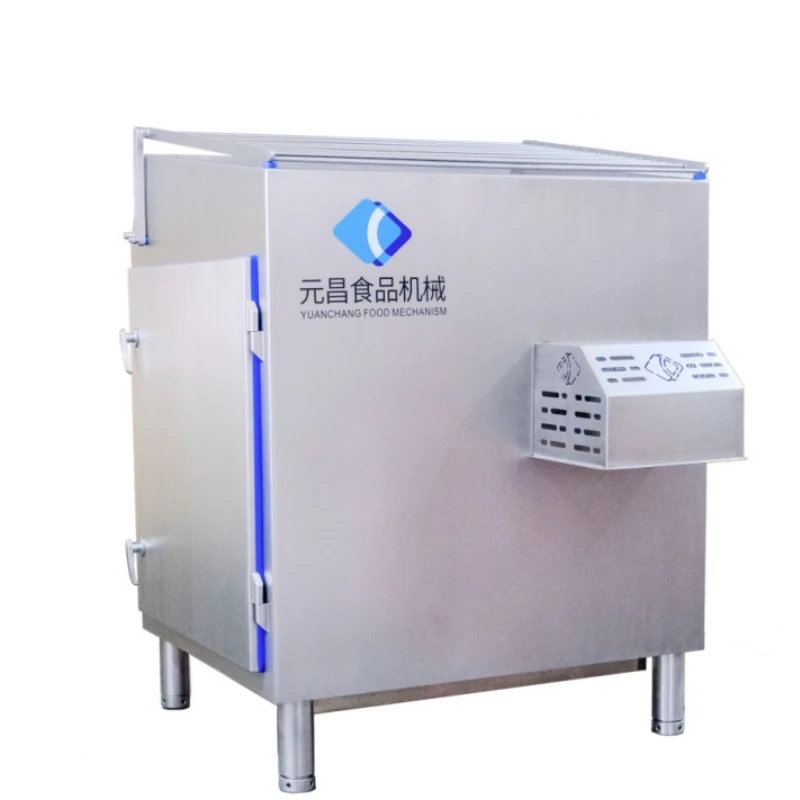
The industry is broadly segmented into fresh meat processing, processed meat production (including cured, smoked, and frozen products), and further value-added items like ready-to-eat meals and convenience foods. Each segment has unique requirements for machinery. For instance, producing sausages and formed products relies heavily on meat filling and molding machines, while enhancing texture and tenderness often involves meat massaging or tumbling machines used for ripening and tenderizing. The market for such equipment, including specialized systems for pretreatment, molding, and auxiliary functions like smoking, continues to expand, driven by global trends in food consumption and manufacturing.
It’s also crucial to recognize the distinction between upstream and downstream processing. Upstream activities often involve the initial slaughter and primary breakdown of carcasses. Downstream processing focuses on creating finished consumer products from these primal cuts. Both require distinct sets of machinery, from large-scale meat pretreatment equipment like skinners and slicers to intricate molding machines for burgers and sausages. The industry’s overall value, estimated at around USD 11.29 billion in 2025 and projected to grow, underscores the critical role of technological advancement and reliable equipment suppliers.
Furthermore, international trade plays a significant role, with manufacturers and suppliers exporting advanced machinery across continents. For example, China, a major hub for industrial equipment manufacturing, contributes significantly to this global market. Companies like Hebei Yuanchang Food Mechanism & Technology Co., Ltd., with over 40 years of experience, specialize in providing comprehensive solutions for these diverse processing needs, from individual machines to complete production lines. This global perspective is essential as food safety standards and consumer preferences converge worldwide, creating demand for consistent, high-quality processing capabilities.
The complexity of the meat processing industry extends to its supply chain logistics and the need for robust after-sales support. Sourcing reliable machinery, understanding installation requirements, and ensuring timely maintenance are vital for minimizing downtime and maximizing throughput. This is where partnering with experienced manufacturers who offer not just equipment but also technical expertise and dependable service becomes a strategic advantage.
In essence, the meat processing industry is a dynamic and essential sector that underpins global food security and consumer choice. It’s an industry driven by innovation, a commitment to safety, and the continuous pursuit of efficiency, all supported by specialized engineering and advanced machinery.
Key Segments & Processes in Meat Processing
- Slaughtering & Primary Breakdown: Initial processing of live animals.
- Cutting & Deboning: Dividing carcasses into primal and sub-primal cuts.
- Grinding & Mixing: Preparing meat for further processing, e.g., for sausages and burgers.
- Forming & Molding: Shaping meat into specific products like patties, nuggets, or sausages.
- Ripening & Tenderizing: Enhancing texture and flavor through processes like tumbling or massaging.
- Curing & Smoking: Preserving and flavoring meat using salt, nitrates, and smoke.
- Cooking & Pasteurization: Ensuring food safety and extending shelf life.
- Packaging: Protecting products and presenting them for sale.
The Critical Role of Specialized Equipment
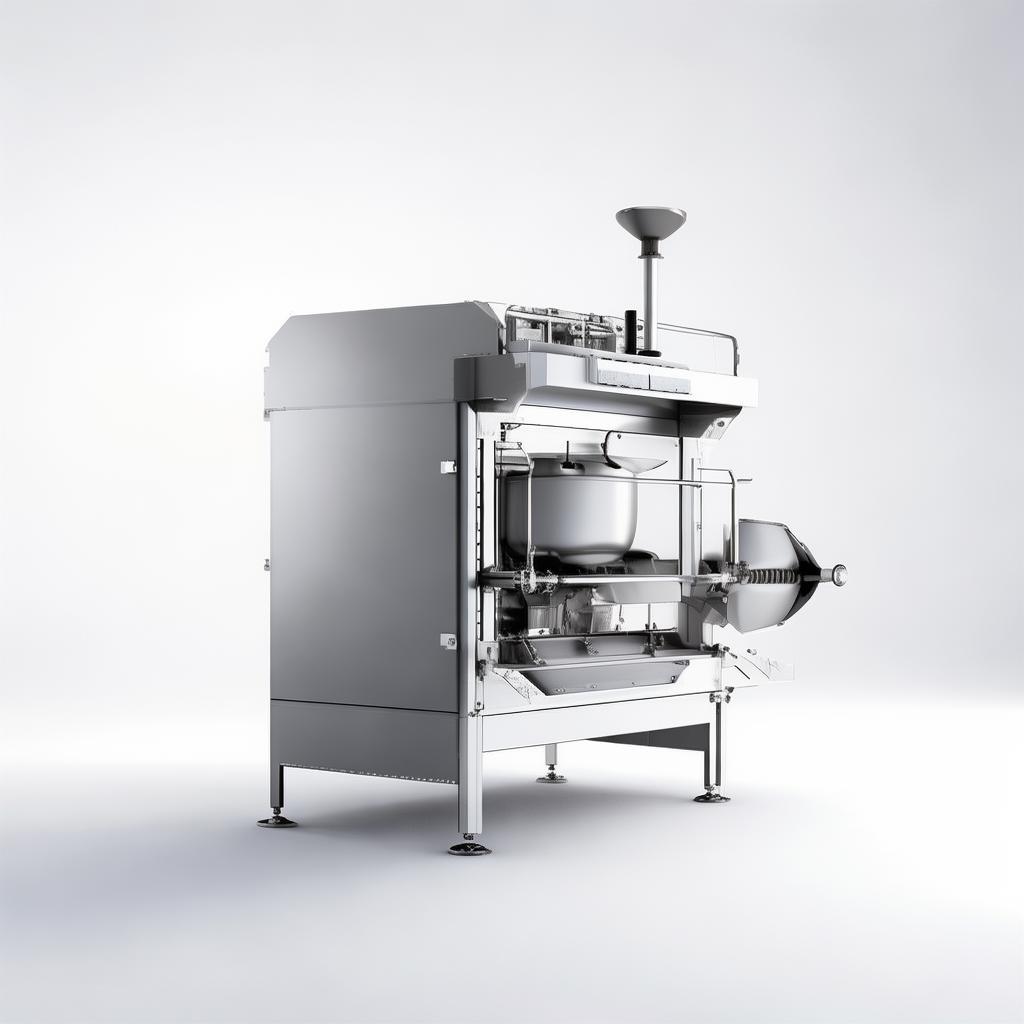
The efficiency, safety, and profitability of any meat processing operation hinge directly on the quality and suitability of its machinery. We've seen firsthand how outdated or inappropriate equipment can lead to significant bottlenecks, increased waste, and compromised product integrity. Modern meat processing relies on a range of specialized machines designed for precision, hygiene, and high throughput.
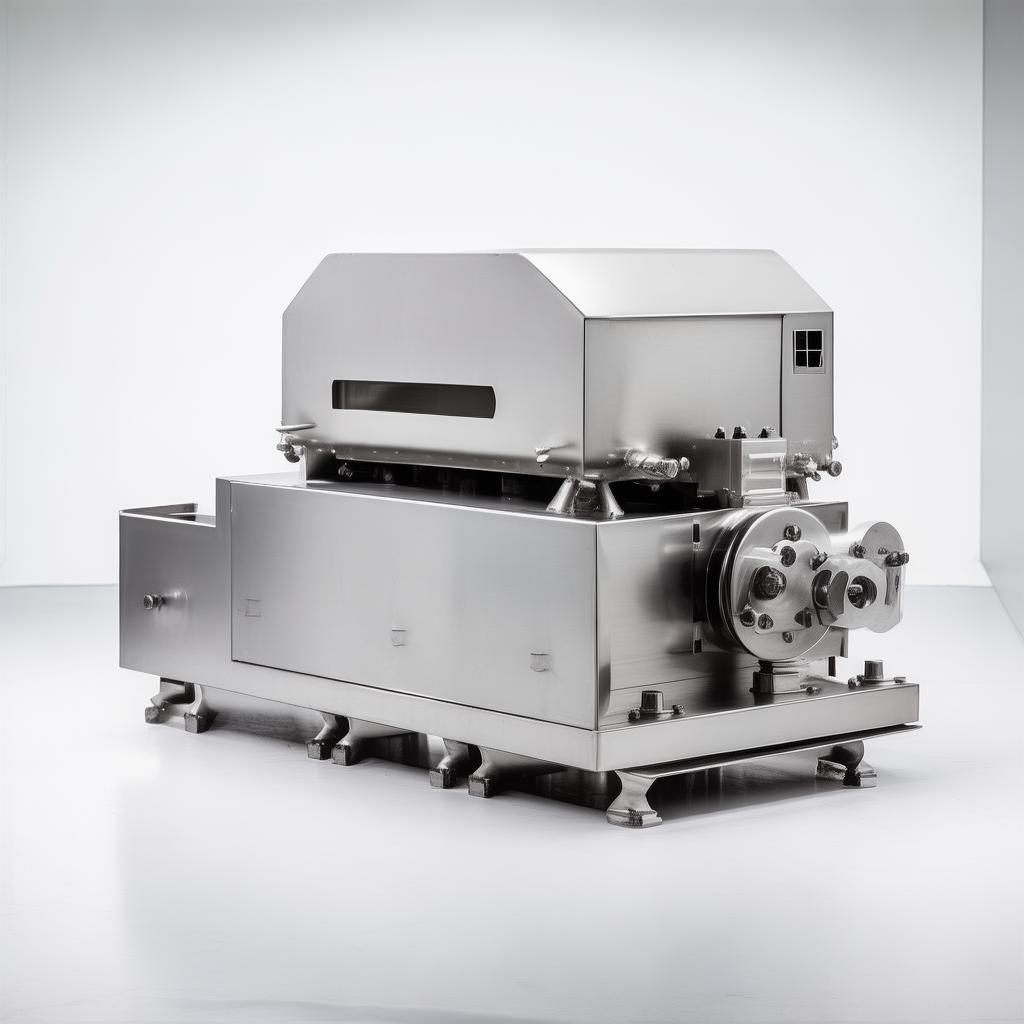
Consider the filling and molding machines. These are crucial for creating consistent products like sausages, burgers, and formed meat pieces. The ability to control fill weight, shape, and density accurately is paramount for both consumer satisfaction and regulatory compliance. Our Japanese Mazak CNC machining centers allow us to produce components with extremely high precision, ensuring our filling and molding equipment delivers unparalleled consistency. This level of detail is vital when producing millions of units annually.
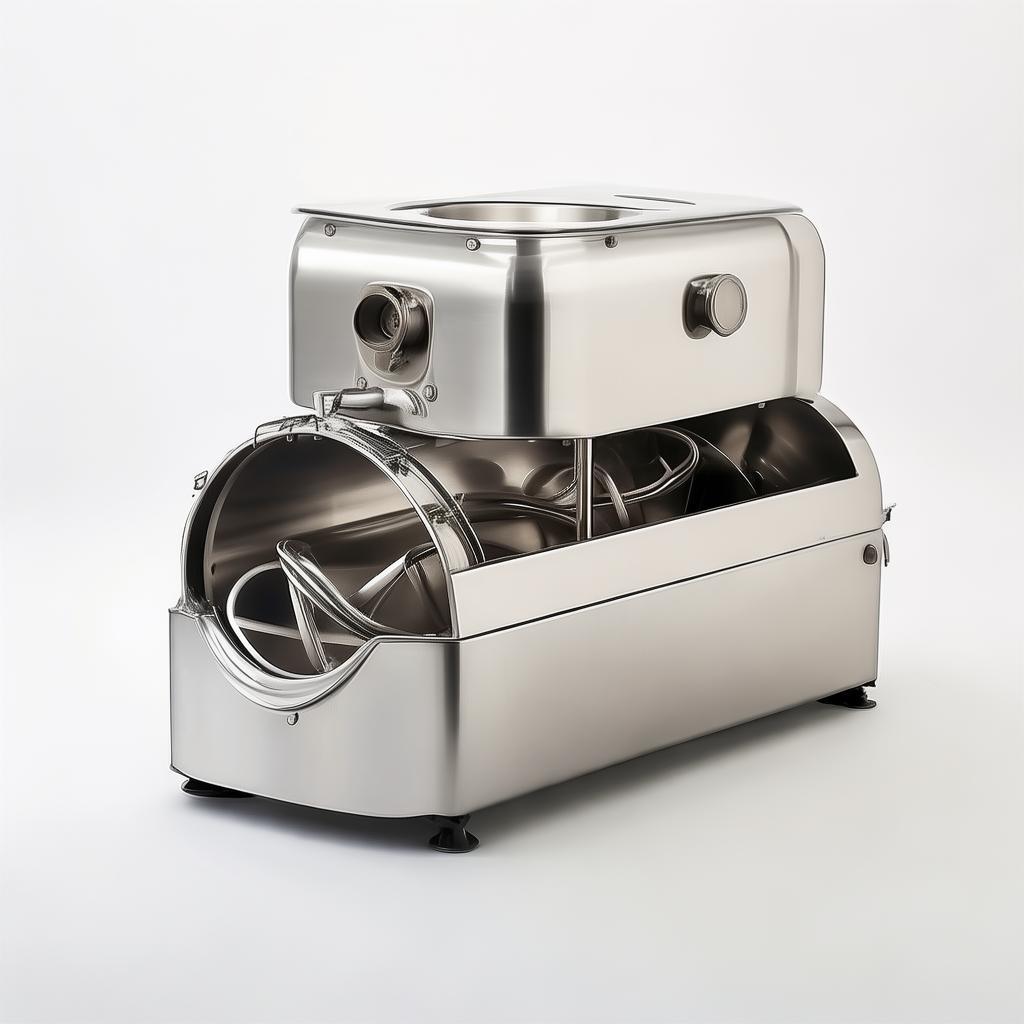
Then there's the ripening process, often achieved through massaging or tumbling. These machines are essential for tenderizing meat, evenly distributing marinades or curing agents, and improving the texture and juiciness of products like ham and bacon. Getting the tumbling time, speed, and vacuum levels right can significantly elevate product quality. Improper ripening can lead to uneven texture and reduced palatability, impacting sales.
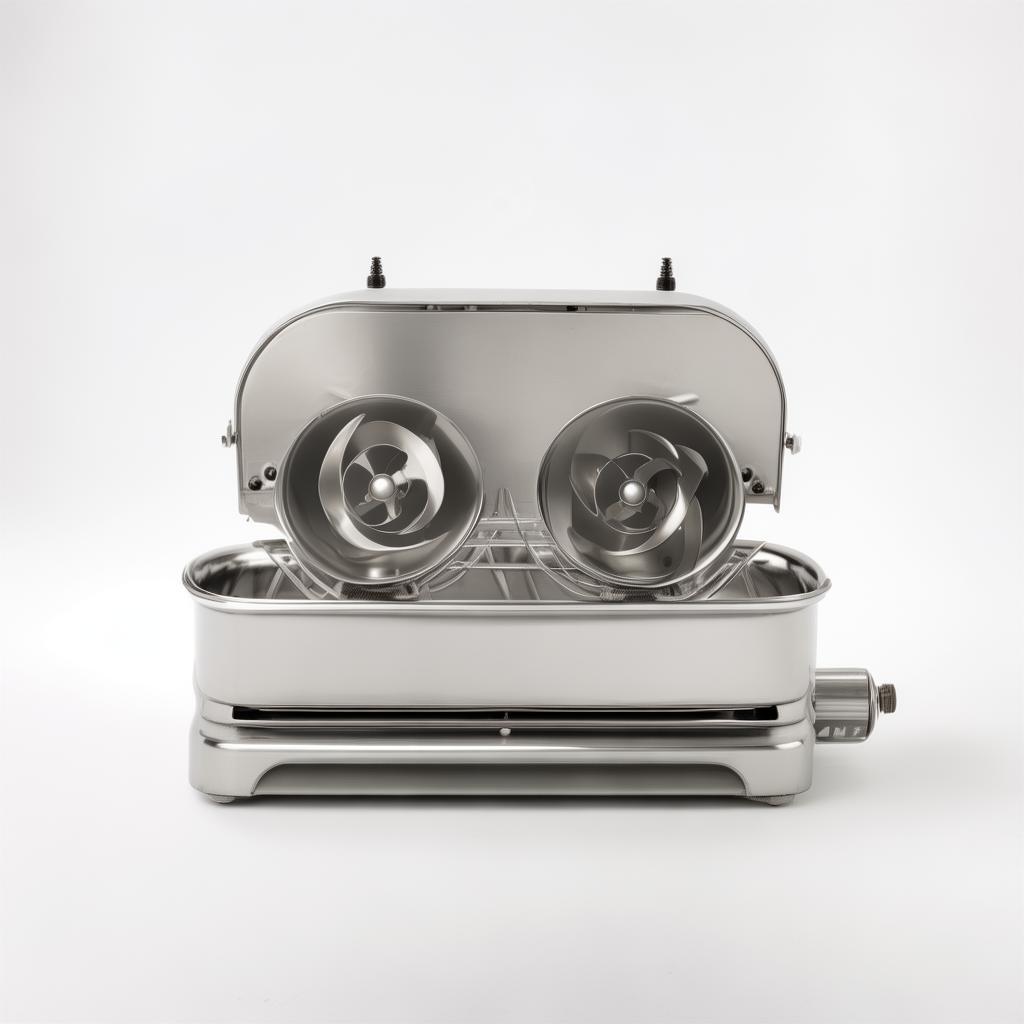
Pretreatment equipment, including meat slicers, dicers, and grinders, forms the foundation of many processing lines. These machines must be robust, easy to clean, and capable of handling various meat types and textures without compromising quality. For example, a high-quality grinder ensures a consistent particle size, which is critical for sausage emulsion stability.
The global market for meat processing equipment is a testament to this reliance on technology. Reports indicate a market value already in the tens of billions, with consistent growth projections (e.g., reaching USD 17.39 billion by 2034 with a CAGR of 5.0%). This expansion is driven by the increasing demand for processed and convenient meat products, coupled with a global push towards automation to improve efficiency, hygiene, and address labor shortages. Asia-Pacific, in particular, is a significant growth region due to the industrialization of processing facilities and rising meat consumption.
Choosing Your OEM/ODM Partner for Processing Equipment
For many businesses, particularly those looking to establish a unique product line or scale up rapidly, working with an OEM (Original Equipment Manufacturer) or ODM (Original Design Manufacturer) is a strategic choice. At Hebei Yuanchang, our 40 years of experience since 1986 mean we've not only honed our manufacturing capabilities but also developed a deep understanding of our clients' diverse needs. Our in-house machining workshop, equipped with over 20 processing machines including Japanese Mazak CNC centers, allows us to produce high-standard, non-standard, and high-precision components.
This capability is essential for OEM/ODM projects. Whether you need a custom-designed filling machine to handle a unique product formulation or a specialized ripening tumbler for a novel curing process, we can collaborate with your team. We can develop prototypes, refine designs based on your operational feedback, and then manufacture to your exact specifications. This ensures you get equipment perfectly tailored to your business, not just an off-the-shelf solution.
Our integrated approach—from R&D and production to sales—backed by a traceable after-sales management system, provides a seamless experience. You gain access to equipment built with precision engineering, designed for longevity, and supported by a team that truly understands the intricacies of meat processing.
Installation, Logistics, and Operational Considerations
Acquiring the right machinery is only part of the equation. Successful implementation in a processing plant involves careful planning around installation, logistics, and day-to-day operations. For international buyers, understanding shipping methods, import duties, and on-site setup is critical.
We routinely export our equipment globally. This involves meticulous crating and container loading to ensure machines arrive safely and efficiently. Our team can provide detailed packing lists and assist with customs documentation. On-site, most of our equipment, such as filling, molding, and ripening machines, are designed for relatively straightforward integration into existing production lines. However, it's always advisable to have qualified technicians available for final connections, calibration, and initial run-throughs.
Think about workflow: where will the raw material enter? Where does the output from the filling machine go? Is there adequate space for maintenance access around the ripening tumbler? These questions are best addressed during the planning phase. We offer guidance on optimal line layouts to maximize throughput and minimize material handling.
Maintenance is another key operational aspect. Our machines are built for durability, using high-grade materials and robust construction. However, regular cleaning, lubrication, and periodic inspection of wear parts are essential to ensure consistent performance and longevity. Our traceable after-sales management system means that even if you need a specific, high-precision part, we can independently produce it, minimizing your downtime compared to waiting for external suppliers.
The meat processing industry is heavily regulated, with strict standards for hygiene and food safety (e.g., HACCP, FDA requirements). Our equipment is designed with these regulations in mind, featuring smooth surfaces, easy-cleanability, and materials compliant with food-grade standards. This proactive approach to compliance helps our clients avoid costly penalties and reputational damage.
For operations aiming for higher output, automation is key. Integrating our filling and molding machines with automated loading and packaging systems can dramatically increase efficiency. The market is moving towards more sophisticated, integrated solutions, and our engineering team is adept at discussing these advanced configurations.
Addressing Common Procurement Challenges
Procuring industrial equipment involves navigating a complex landscape of technical specifications, pricing, lead times, and supplier reliability. For businesses in the meat processing sector, common challenges include:
- Technical Misalignment: Choosing machinery that doesn't quite fit the specific product or capacity needs.
- Quality Concerns: Risking performance and safety with lower-quality, cheaper alternatives.
- Long Lead Times: Delays in equipment delivery impacting production schedules and market entry.
- Inadequate After-Sales Support: Difficulty in obtaining spare parts or technical assistance.
Our approach at Hebei Yuanchang is designed to mitigate these risks. With 40 years of manufacturing experience, we understand the critical nature of reliable equipment. We prioritize clear communication regarding technical capabilities, provide detailed specifications, and maintain realistic production timelines. Our in-house manufacturing, including precision CNC machining, allows us to control quality and lead times more effectively than many competitors. Furthermore, our traceable after-sales system ensures you're never left without support.
When evaluating suppliers, look beyond just the price tag. Consider their manufacturing depth (do they make components in-house or outsource?), their track record (how long have they been in business?), their technical expertise (can they advise on optimization?), and their commitment to after-sales service. A reputable supplier invests in these areas because they understand that their success is tied to yours.
Why Choose Hebei Yuanchang for Your Meat Processing Needs?
With over four decades of dedicated focus on meat processing machinery, Hebei Yuanchang Food Mechanism & Technology Co., Ltd. brings a depth of experience that is hard to match. Our facility in Shijiazhuang, Hebei Province, covers 14,000 square meters and houses a team of 80-100 skilled professionals. We are not just assemblers; we are manufacturers with a fully integrated in-house machining workshop featuring advanced equipment, including Japanese Mazak CNC machining centers.
This allows us to achieve unparalleled precision and customization for our clients, whether they require standard models or bespoke OEM/ODM solutions. Our product range covers crucial stages of meat processing:
- Pretreatment Of Meat Products: Slicers, grinders, dicers, and tenderizers.
- Meat Product Filling & Molding: High-precision machines for sausages, burgers, and formed products.
- Ripening Process For Meat Products: Tumblers and massagers for texture enhancement and curing.
- Auxiliary Items: Supporting equipment for a complete processing line.
Our commitment extends beyond the point of sale. We provide traceable after-sales management, ensuring you receive ongoing support and access to high-precision replacement parts. Partnering with us means choosing reliability, precision engineering, and a legacy of expertise in the global meat processing industry.
Industry Insights & Market Data
meat processing industry meat processing machinery manufacturers meat processing definition
The global meat processing equipment market is robust and expanding, reflecting strong consumer demand for processed meat products. According to various industry analyses:
- The market was valued at approximately USD 11.29 billion in 2025 and is projected to grow to USD 17.39 billion by 2034, exhibiting a Compound Annual Growth Rate (CAGR) of around 5.0%. (Source: Fortune Business Insights)
- Key growth drivers include the increasing demand for processed meats, adoption of automation for enhanced hygiene and labor efficiency, and stringent food safety regulations. (Source: Grand View Research, SkyQuestt)
- Essential equipment segments include filling & stuffing, massaging & tumbling (for ripening), cutting, grinding, and smoking machines. (Source: IMARC Group, Yahoo Finance)
- The Asia-Pacific region is noted for its significant growth due to rising meat consumption and the industrialization of processing facilities. (Source: Mordor Intelligence)
These figures underscore the dynamic nature of the industry and the continuous need for advanced, reliable processing solutions.
Frequently Asked Questions
Q1: What types of meat can be processed with your equipment?
Our machinery is designed to handle a wide variety of meats, including beef, pork, poultry, lamb, and even fish. Specific capabilities, such as fat content handling or bone-in processing, can vary by machine type and model. We recommend discussing your specific raw materials with our sales engineers to ensure optimal equipment selection.
Q2: Do you offer complete production line solutions?
Yes, we specialize in providing integrated production lines, from pretreatment through filling, molding, ripening, and auxiliary processes. With our extensive experience, we can design and engineer a turnkey solution tailored to your specific output requirements and product portfolio.
Q3: What is the typical lead time for your equipment?
Lead times can vary depending on the complexity and customization of the equipment. Standard models typically have shorter lead times. For custom OEM/ODM projects or complete lines, we provide an estimated production schedule based on the project scope. We pride ourselves on transparent communication regarding delivery timelines.
Q4: How do you ensure hygiene and food safety in your machine designs?
Hygiene is paramount in meat processing. Our machines are designed with food-grade stainless steel, smooth surfaces, and minimal crevices to prevent bacterial accumulation. They are engineered for ease of cleaning and disassembly, supporting strict HACCP and GMP compliance. We adhere to international food safety standards in our manufacturing processes.
Q5: What kind of after-sales support do you provide?
We offer comprehensive after-sales support, including installation guidance, operator training, maintenance recommendations, and prompt supply of spare parts. Our traceable management system ensures we can quickly identify and supply the correct, high-precision parts needed for your equipment, minimizing operational disruptions.
Customer Testimonials
"We recently upgraded our sausage production line with Yuanchang's filling and molding machines. The consistency and throughput have improved dramatically. Their team provided excellent technical support during installation."
 David Miller, Operations Manager, USA
"As a supplier of processed meat to major retailers, product quality is non-negotiable. The ripening tumblers from Hebei Yuanchang have allowed us to achieve a superior texture in our cured products. The precision controls are impressive."
 Sarah Chen, Procurement Director, Canada
"We needed a custom solution for forming meat snacks. Yuanchang's OEM capabilities were fantastic. They worked with us to design and build a machine that perfectly fits our unique product requirements. The quality of manufacturing is top-notch."
 Mark Jenkins, Plant Engineer, UK
Enhance Your Meat Processing Operations
Ready to elevate your meat processing capabilities with reliable, high-precision equipment backed by decades of industry experience?
Hebei Yuanchang Food Mechanism & Technology Co., Ltd. | Shijiazhuang, Hebei Province, China | Phone: +86 15830991513 | Email: ycmeatmech@gmail.com
Copyright © 2023 Hebei Yuanchang Food Mechanism & Technology Co., Ltd. All rights reserved.