Warehouse Trailers
Industrial Warehouse Trailers: Optimize Your Logistics & Storage Efficiency
Streamline operations, maximize space, and reduce handling costs with robust, high-performance warehouse trailers built for demanding environments.
 By David Chen, Senior Logistics Analyst & Supply Chain Consultant
Understanding the Backbone of Efficient Warehousing: Industrial Trailers
In the intricate dance of modern logistics, efficiency isn't just a buzzword; it's the lifeblood of a profitable operation. Warehouses, the nerve centers of supply chains, rely on seamless movement of goods from receiving docks to dispatch. While sophisticated racking systems and automated guided vehicles (AGVs) often steal the spotlight, the humble industrial warehouse trailer plays an indispensable, often underestimated, role. These workhorses are far more than simple carts; they are dynamic tools designed to transport, store, and organize materials within a facility, significantly impacting workflow, labor allocation, and overall operational throughput.
Think about a typical inbound process. Raw materials arrive, need to be moved from receiving inspection to designated production staging areas, then perhaps to temporary storage before being fed into a manufacturing line. Later, finished goods move from production to a quality control zone, then to outbound staging for shipment. Each step requires efficient material handling. Manual transport is time-consuming, labor-intensive, and prone to errors or damage. Forklifts are excellent for high-volume, vertical movements, but can cause congestion on the floor and are not always the most economical solution for continuous, horizontal transfers of smaller batches or work-in-progress (WIP).
This is where the industrial warehouse trailer steps in. Designed for robustness and maneuverability, these trailers serve as mobile platforms. They can carry diverse loads – from bulk components and finished products to specialized materials and even personnel in certain configurations. Their primary benefit lies in their ability to consolidate items, reduce the number of individual trips required by operators, and integrate with a facility’s overall material flow strategy. A well-chosen trailer system can minimize the need for constant forklift intervention, thereby reducing wear and tear on warehouse floors, lowering energy consumption, and improving safety by keeping heavy machinery focused on core tasks.
The market for warehouse trailers is diverse, catering to a wide array of industrial needs. You'll find everything from simple, towed flatbeds for moving palletized goods to specialized trailers with integrated shelving, tilting mechanisms for easier unloading, or even enclosed units offering protection from the elements and unauthorized access. The key is selecting a unit that aligns with your specific operational challenges, the types of goods you handle, the dimensions of your facility, and your existing material handling equipment. For instance, a facility dealing with high-value electronics might opt for padded, enclosed trailers, while a bulk materials warehouse might prioritize capacity and durability with heavy-duty steel flatbeds.
From an operational perspective, investing in the right warehouse trailers means looking beyond the initial purchase price. Consider the trailer’s lifespan, maintenance requirements, ease of repair, and its compatibility with your team’s skill set. Can your maintenance staff service them in-house, or will you rely on external technicians? Are spare parts readily available? What are the typical lead times for replacement units or custom modifications? These are practical considerations that directly affect your bottom line and operational continuity. Understanding these nuances is what differentiates a good logistics setup from a great one.
Furthermore, the strategic deployment of warehouse trailers can unlock significant improvements in space utilization. Instead of leaving goods in temporary holding zones that could otherwise be used for racked inventory, trailers can serve as mobile buffer stocks. They can be towed to a staging area, loaded, and then moved to the next point in the process, freeing up valuable floor space. This flexibility is crucial in environments where every square foot counts, particularly in high-cost urban logistics hubs or in facilities that have reached their physical capacity. The ability to create flexible, on-demand staging areas with trailers can often delay or even negate the need for costly expansion projects.
When evaluating your material handling needs, it's vital to consider the trailer's interface with other equipment. How does it couple with tuggers or forklifts? Are the deck heights compatible with your conveyor systems or loading docks? What kind of turning radius does it offer, especially in tighter warehouse aisles? These seemingly minor details accumulate to impact overall efficiency and safety. A trailer that requires excessive maneuvering or creates bottlenecks will undermine its intended purpose. Therefore, a comprehensive assessment of your warehouse layout, traffic flow, and existing equipment is a prerequisite to selecting the optimal trailer solution.
For businesses engaged in wholesale export or large-scale distribution, the role of trailers extends to internal logistics coordination across larger sites or inter-facility transfers. They can facilitate the movement of goods between production lines, warehousing zones, and shipping bays efficiently. The selection process must also account for compliance with local safety regulations, load ratings, and any specific industry standards that might apply, ensuring both operational integrity and legal adherence. Ultimately, industrial warehouse trailers are fundamental components of an optimized, dynamic warehouse operation, directly contributing to cost reduction, improved safety, and enhanced productivity.
Addressing Common Warehouse Bottlenecks
Many operations struggle with inefficiencies that can be directly mitigated by the right material handling solutions. Recognizing these pain points is the first step toward finding effective answers. Here are some common challenges that industrial warehouse trailers are specifically designed to solve:
- Inefficient Material Flow: Goods piling up at receiving or production lines, leading to delays and potential damage. Forklifts being tied up for simple point-to-point transfers instead of complex lifts.
- Excessive Labor Costs: Manpower spent on repeatedly moving smaller batches of goods, or on manual handling that could be automated with trailer systems.
- Underutilized Space: Valuable floor space occupied by temporary material storage that could be better used for inventory or operational throughput.
- Product Damage & Safety Risks: Goods being jostled or dropped during manual transport or by less-than-ideal forklift maneuvers. Increased risk of collisions and personnel injuries in busy warehouse environments.
- Operational Congestion: Forklifts and other heavy machinery creating traffic jams, slowing down the movement of all materials and personnel.
- Lack of Flexibility: Difficulty in quickly reconfiguring staging areas or adapting to fluctuating production volumes or shipping demands.
Our range of industrial warehouse trailers is engineered to directly counter these issues, providing a robust, flexible, and cost-effective solution for streamlining your internal logistics.
Maximize Your Operations with Superior Trailer Design
Choosing the right warehouse trailer isn't just about moving things; it's about optimizing every aspect of your internal logistics. Our trailers are designed with an engineer's precision and a logistics manager's practical needs in mind.
- Enhanced Throughput: Significantly reduces transit times for goods between departments or from storage to dispatch by consolidating loads and enabling efficient towing. Think fewer individual trips, more goods moved per hour.
- Labor Efficiency: Frees up skilled operators and reduces the need for manual handling. One operator with a tugger can move multiple loaded trailers, drastically cutting down on labor hours per unit of goods moved.
- Improved Space Utilization: Trailers act as mobile staging areas, reducing clutter in high-traffic zones and allowing for more dynamic use of floor space. They can be easily moved and stored when not in use.
- Increased Safety: Minimizes reliance on forklifts for routine horizontal transport, reducing the risk of accidents, damage to goods, and wear on concrete floors. Secure loads on stable platforms are inherently safer.
- Durability & Longevity: Constructed from high-grade materials (e.g., heavy-gauge steel, industrial-grade plywood decks) designed to withstand rigorous daily use in demanding industrial environments, ensuring a long service life.
- Customization Options: We understand that one size doesn't fit all. Our trailers can be tailored to your specific needs, from deck size and height to specialized features like integrated shelving, secure enclosures, or specific hitch types.
Versatile Trailer Configurations for Every Need
Selecting the right type of trailer is critical for optimizing specific material handling tasks within your facility. We offer a range of designs, each built for performance and reliability:
(e.g., towing large totes, raw materials, finished product pallets)
(e.g., large machinery components, long structural elements)
(e.g., small parts, order picking bins, WIP components)
(e.g., kitting components, assembly parts, order fulfillment trays)
(e.g., navigating narrow aisles, busy production floors)
Technical Excellence & Tailored Design
Our commitment to quality is reflected in the robust engineering and material selection that goes into every trailer. We offer standard configurations and can extensively customize to meet precise operational requirements.
Standard Features & Materials
- Frame Construction: Heavy-duty steel channel or structural tubing, welded for maximum strength and durability. Many frames undergo industrial painting or powder coating for corrosion resistance.
- Decking Options: Standard 3/4" industrial-grade plywood, often sealed or treated for moisture resistance. Alternatives include steel checker plate, wood-composite, or specialized anti-slip surfaces.
- Wheel & Tire Assemblies: Industrial-grade solid rubber, pneumatic, or semi-pneumatic tires selected based on load capacity, floor surface, and required maneuverability. High-quality bearings ensure smooth rolling.
- Towing Mechanisms: Standard pintle hitches, ball hitches, or specialized coupling systems designed for compatibility with your tugger or forklift. Safety chains are a standard inclusion.
- Load Capacity: Available from 500 kg (approx. 1,100 lbs) for light-duty applications to over 10,000 kg (approx. 22,000 lbs) for heavy industrial use.
- Dimensions: Wide range of standard deck sizes, with custom length and width options readily available.
Customization Possibilities
Beyond standard options, we can engineer trailers for highly specific needs:
| Feature | Description | Benefit |
|---|---|---|
| Enclosures | Solid steel, mesh steel, or heavy-duty tarp enclosures. | Secure sensitive or loose items, protect from elements. |
| Shelving/Dividers | Configurable shelves, bins, or custom partitions. | Organized storage, segregation of different product types. |
| Braking Systems | Manual or automatic parking brakes, trailer brakes (air or hydraulic). | Enhanced safety, especially on inclines or with heavy loads. |
| Hitch Types | Heavy-duty industrial pintle, Clevis, fifth-wheel, or custom towing interfaces. | Seamless integration with your existing fleet of tuggers or forklifts. |
| Specialized Coatings | Corrosion-resistant paints, galvanization, or specialized UV-resistant finishes. | Extended lifespan in harsh or outdoor environments. |
trailer industrial trailer machine long semi trailers
Leverage our engineering expertise. Talk to our specialists about your unique requirements.
Where Our Warehouse Trailers Excel
The versatility of our industrial warehouse trailers makes them indispensable assets across a broad spectrum of industries and applications. Their robust design and adaptable configurations ensure they can be deployed effectively in virtually any operational setting.
Procurement Insights: What to Consider When Buying Warehouse Trailers
Acquiring industrial equipment is a significant investment, and warehouse trailers are no exception. A thoughtful procurement process ensures you select a solution that offers long-term value and aligns with your operational goals. Based on decades of experience in supplying industrial machinery, here are critical considerations:
1. Define Your Needs Accurately
Before you even start looking, conduct a thorough needs assessment:
- Load Characteristics: What are you moving? Weight, dimensions, shape, fragility, and quantity are paramount. This dictates capacity and type.
- Facility Layout: Aisle widths, turning radii, floor surfaces (smooth concrete, asphalt, rough terrain), ramp gradients, and ceiling heights.
- Towing Equipment: What will be towing these trailers? Forklifts (type and turning radius), electric tuggers, or other tow vehicles? Ensure compatibility.
- Frequency of Use: Will they be used continuously, intermittently, or for specific seasonal peaks? This impacts durability requirements.
- Environmental Factors: Exposure to moisture, chemicals, extreme temperatures, or outdoor conditions.
2. Prioritize Construction Quality & Materials
This is where experience truly matters. Cheaper upfront often means higher replacement costs or more downtime later. Look for:
- Welded Steel Frames: Ensure robust, fully welded construction. Avoid bolted frames for heavy-duty applications as they can loosen over time.
- High-Grade Decking: Sealed, industrial-grade plywood or steel options resistant to wear and tear, moisture, and potential impact.
- Industrial Bearings & Wheels: Durable, high-capacity bearings and solid rubber or industrial pneumatic tires that can withstand constant use and heavy loads without premature failure.
- Corrosion Resistance: Appropriate painting, powder coating, or galvanization for your operating environment.
Procurement Reality Check:
Beware of overly generic specifications or a lack of detailed material information. A reputable manufacturer will be transparent about the steel grades, tire types, and construction methods used. Ask for detailed product drawings and material specifications.
3. Evaluate Supplier Capabilities & Support
When sourcing internationally, assess the supplier's manufacturing strength and commitment to service:
- Manufacturing Experience: How long have they been producing industrial equipment? Do they have in-house fabrication capabilities (machining, welding)?
- Customization Services: Can they modify standard designs or build entirely custom units? What is their process for design and engineering approval?
- Quality Control: What certifications do they hold (e.g., ISO)? What is their inspection process for finished goods?
- Lead Times & Logistics: Be realistic about production and shipping times, especially for international orders. Understand Incoterms and freight arrangements.
- After-Sales Support: Availability of spare parts, technical assistance, and warranty information.
We pride ourselves on being more than just a supplier; we are a partner. With 40 years of experience and state-of-the-art manufacturing facilities, including Japanese CNC machining centers, we ensure precision, durability, and reliable support for every product we deliver.
Speak with our export specialists today.
Client Interactions & Trust Building
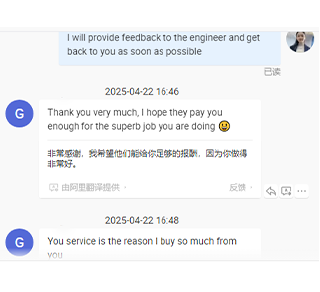


What Our Clients Say
"We needed a fleet of heavy-duty trailers for our new distribution center in Chicago. The team at Hebei Yuanchang understood our requirements immediately and delivered exactly what we needed, on time and within budget. The build quality is superb – they’re holding up exceptionally well under constant use."
 Mark Jensen, Operations Manager, Midwest Logistics Solutions
"Our manufacturing process involves moving delicate components between assembly stages. We opted for their custom shelf trailers, and it's been a game-changer. Organization has improved dramatically, and product damage during transit has nearly disappeared. The engineering support was invaluable in designing the perfect configuration."
 Sarah Kim, Production Lead, TechAssembly Inc.
"We were initially hesitant about ordering heavy equipment internationally, but Hebei Yuanchang made the process seamless. Their communication was excellent, and the quality of the flatbed trailers we received exceeded our expectations. They are built like tanks! Highly recommend for anyone looking for reliable industrial transport solutions."
 David Rodriguez, Procurement Director, Global Import & Export Co.
Our Manufacturing Strength: A Foundation of Quality
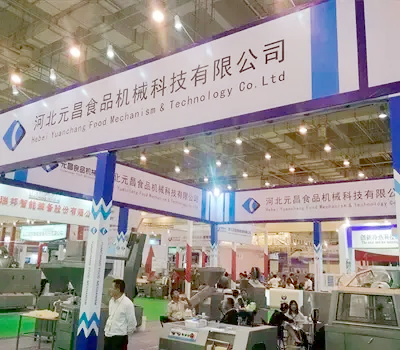
Modern machining bay at our Shijiazhuang facility.
At Hebei Yuanchang, we combine over 40 years of experience (since 1986) with cutting-edge technology to produce industrial equipment of unparalleled quality. Our 14,000 square meter facility is home to a dedicated team of 80-100 skilled professionals, integrating R&D, production, and sales.
Our in-house machining workshop boasts over 20 sets of advanced processing machinery, including high-precision grinding machines and wire cutting equipment. The strategic investment in 8 Japanese Mazak CNC machining centers since 2012 allows us to manufacture high-tolerance, complex components for demanding applications. This capability ensures that even specialized trailer parts meet stringent quality and precision standards.
This vertical integration, from raw material processing to final assembly and rigorous quality control, guarantees that every trailer leaving our facility is built for durability, performance, and reliability. Our ISO certification further underscores our commitment to standardized, high-quality manufacturing processes.
Frequently Asked Questions
Q: What is the typical lifespan of your industrial warehouse trailers?
With proper maintenance and usage, our heavy-duty steel trailers are engineered for a service life of 10-15 years, often longer in less demanding applications. The durability of the frame, wheels, and decking is designed for years of rigorous industrial duty.
Q: Can I order custom-sized trailers?
Absolutely. Customization is a core strength. We regularly engineer trailers to specific dimensions, load capacities, and feature requirements. Please contact our engineering team with your specifications.
Q: What are the shipping and lead times for international orders?
Lead times vary based on customization complexity and current production schedules, typically ranging from 30-90 days. International shipping via sea freight can add an additional 30-60 days, depending on the destination and customs processing. We provide detailed timelines with each quote.
Q: How do I maintain my warehouse trailers?
Regular maintenance involves checking tire pressure, lubricating wheel bearings, inspecting hitch mechanisms for wear, and ensuring the frame and deck are free of significant damage. A quick clean-down after heavy use also helps prevent rust and corrosion. We can provide detailed maintenance checklists upon request.
Q: Do your trailers comply with US safety standards?
Our trailers are built to robust industrial standards that align with general safety principles for material handling equipment. Specific certifications (like CE for Europe) are available upon request for relevant models. For the US market, we focus on structural integrity, load capacity verification, and safe towing mechanisms, which meet common industry practices and OSHA guidelines for safe workplace equipment.
Ready to Elevate Your Warehouse Efficiency?
Don't let inefficient material handling slow your operations. Invest in robust, reliable warehouse trailers designed for peak performance. Get a clear picture of how our solutions can benefit your business.
We look forward to discussing your specific logistics challenges and providing a tailored solution.