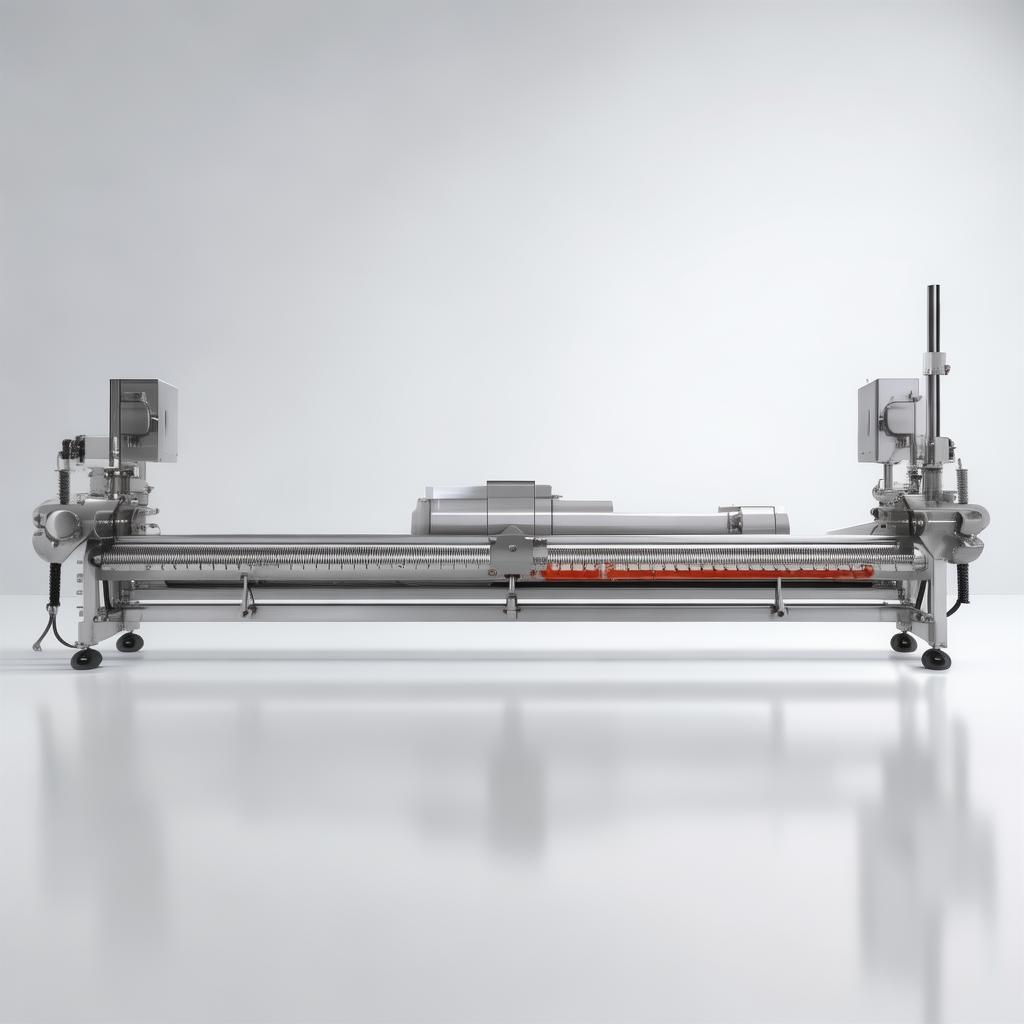
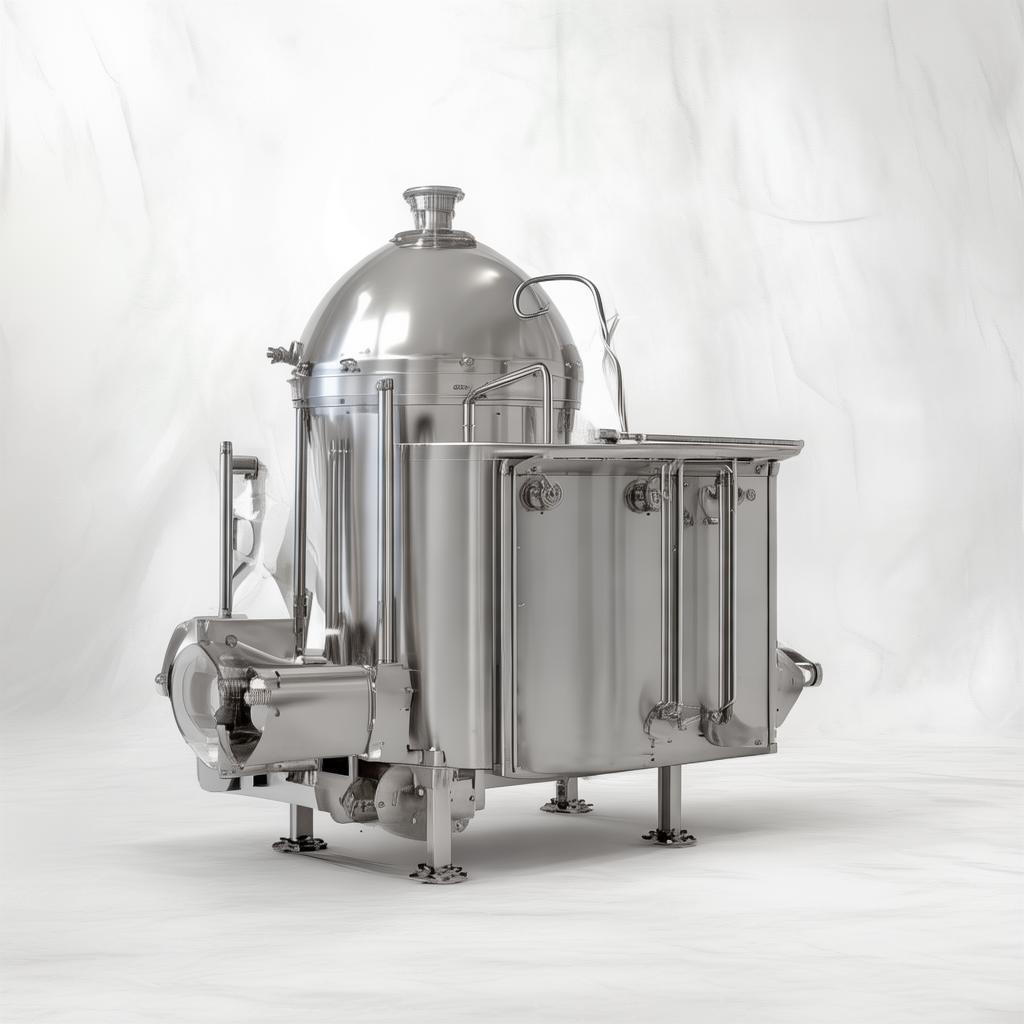
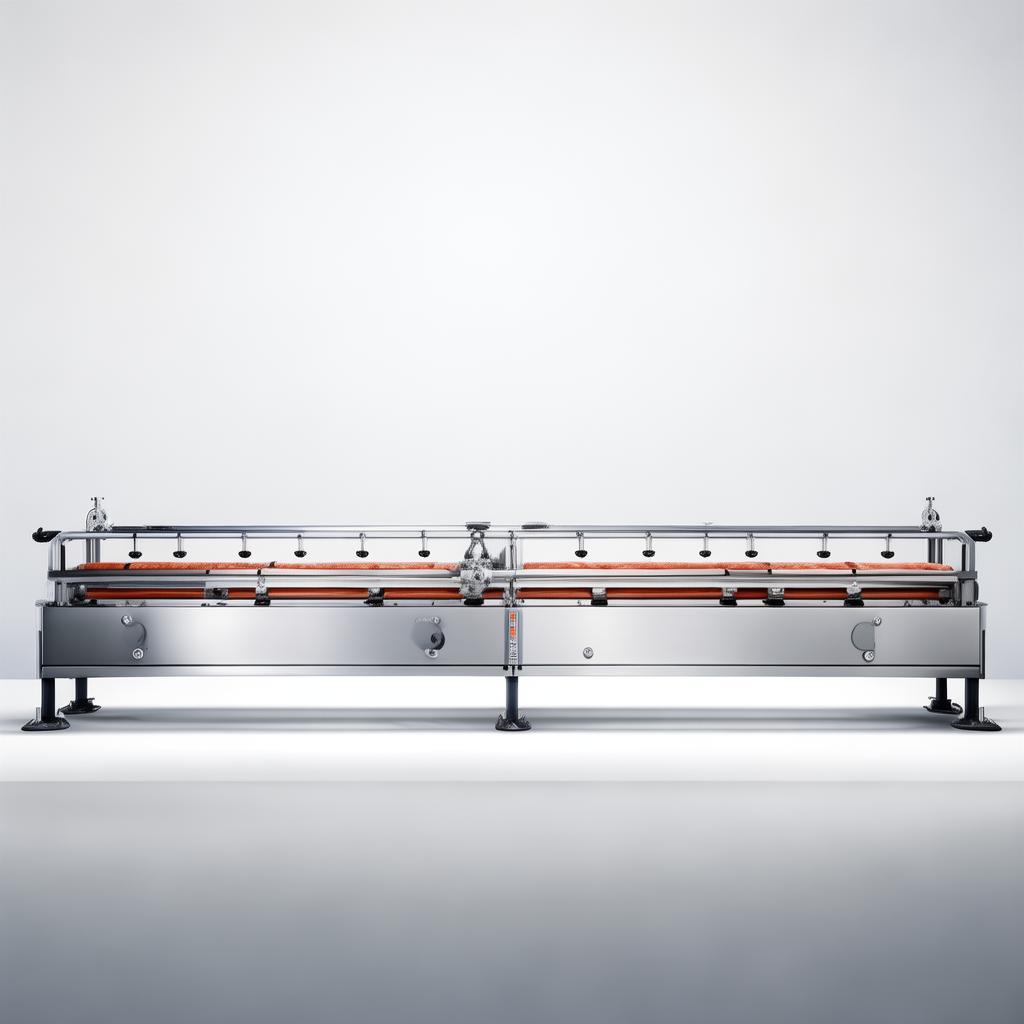
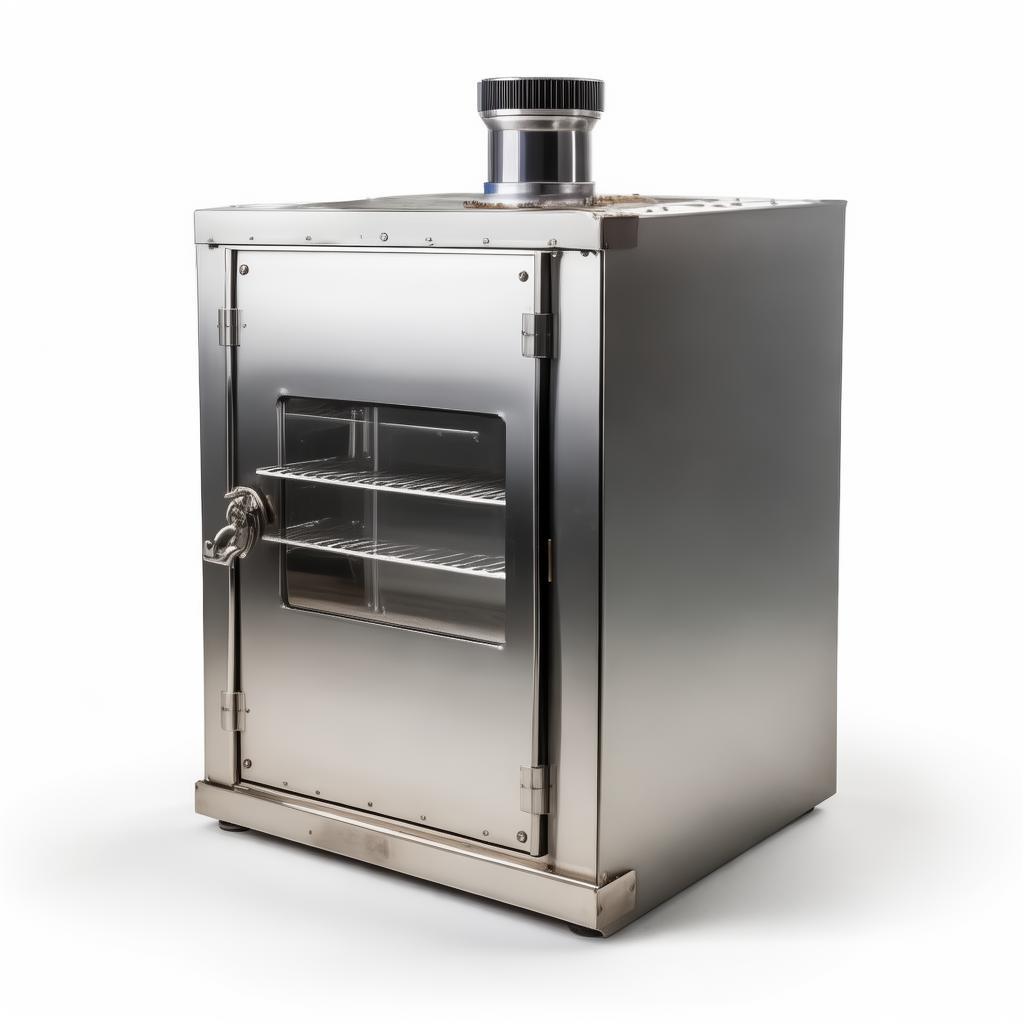
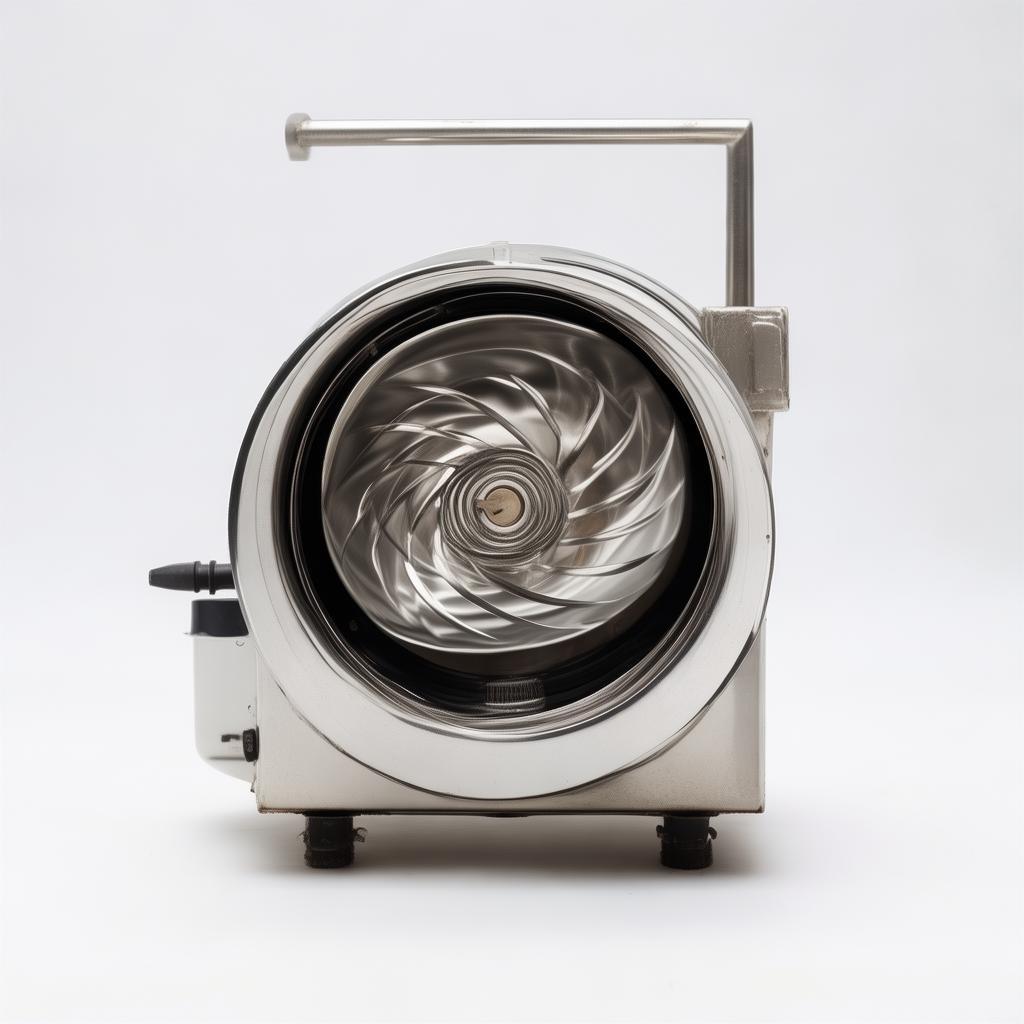
Vertical Grinding Mill
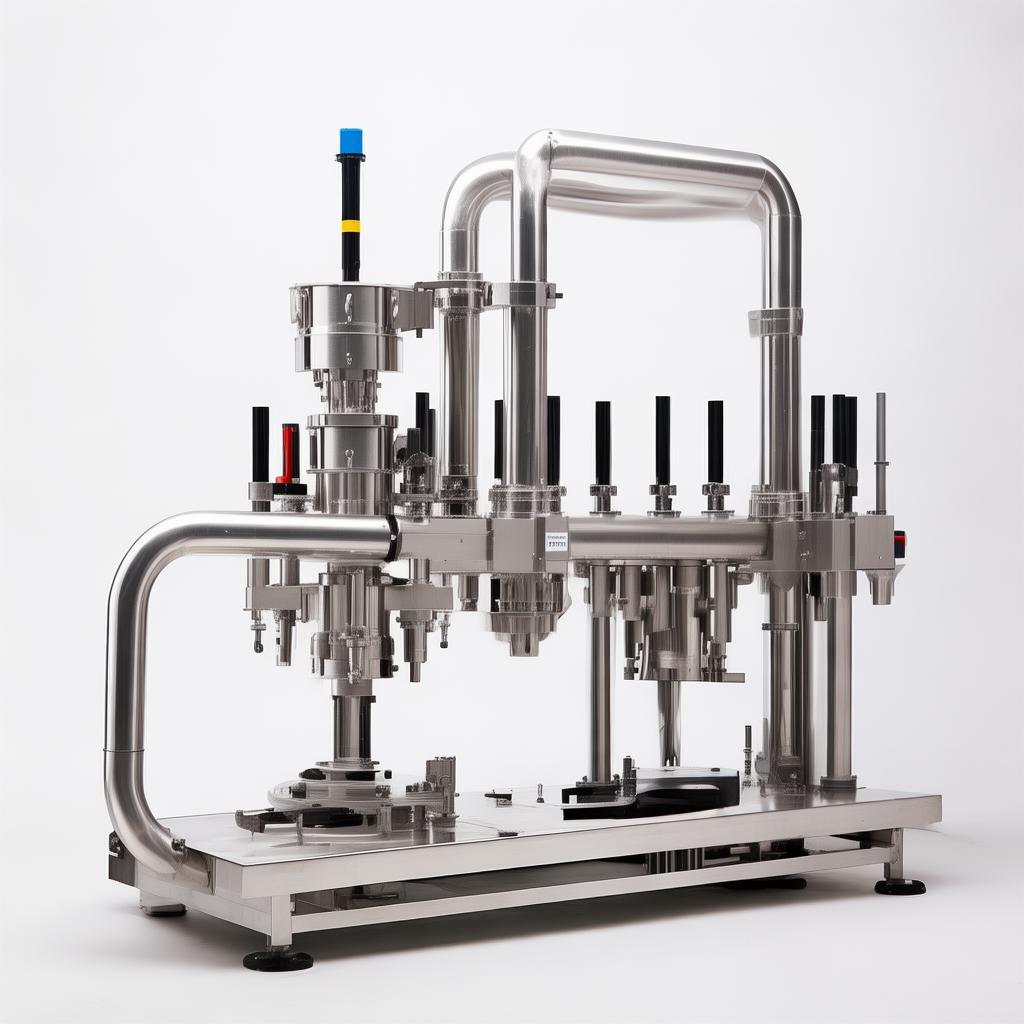
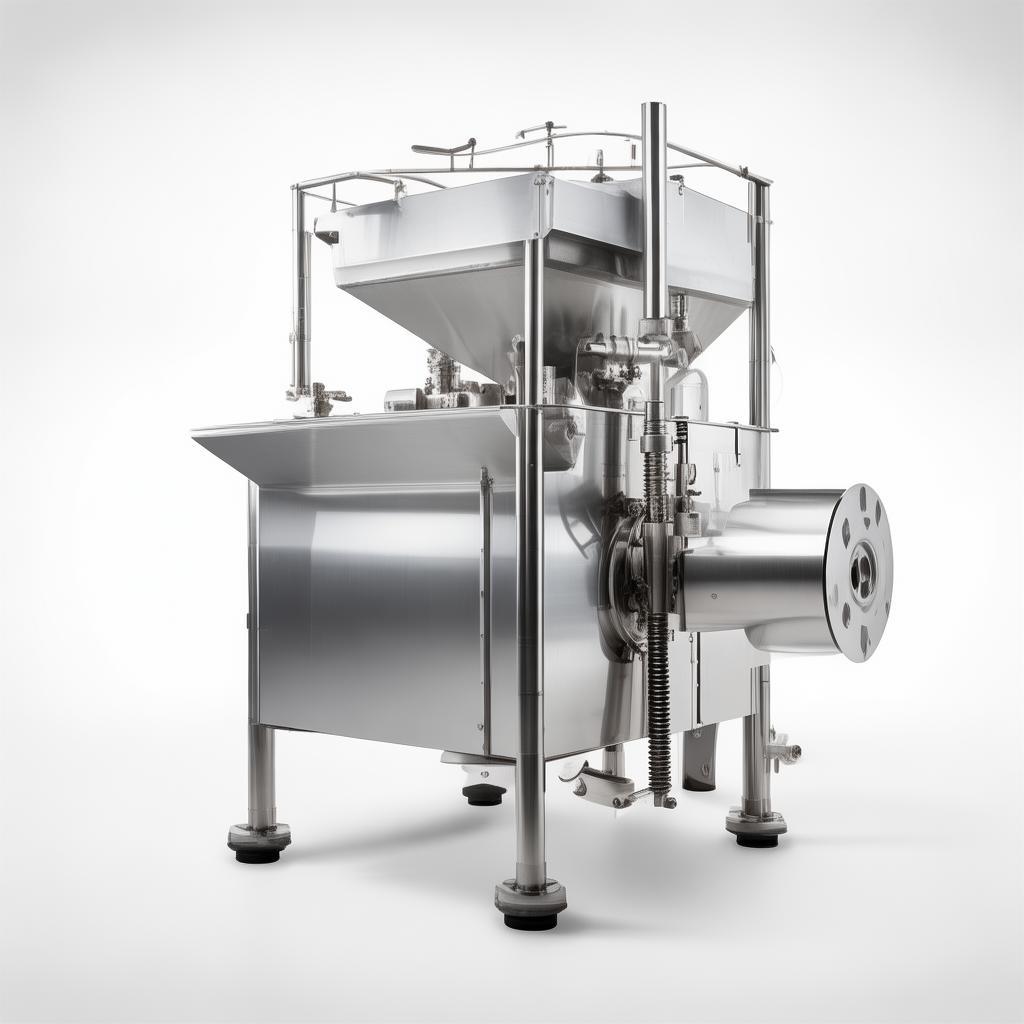
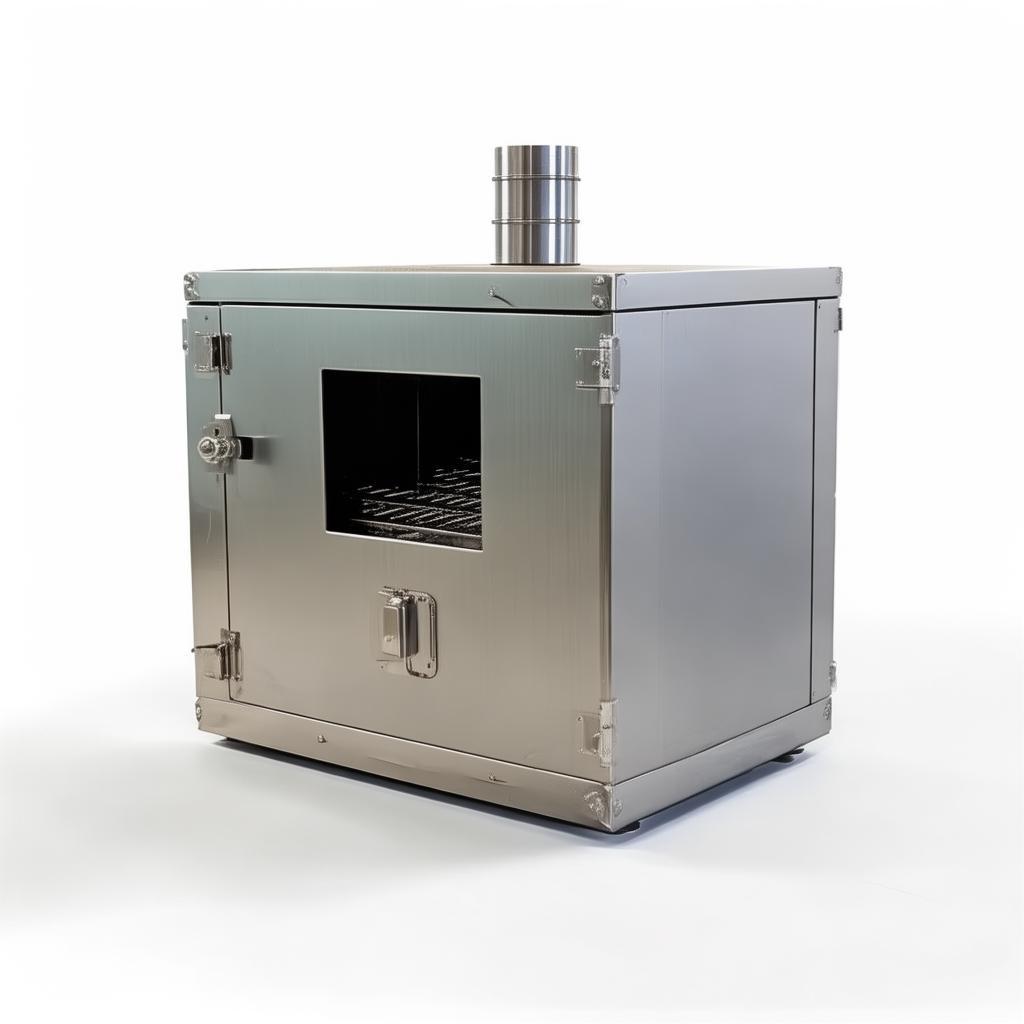
Vertical Grinding Mills: Precision, Efficiency, and Scalability for Industrial Throughput
By Mr. Wei Chen, Senior Production Engineer & Export Specialist at Hebei Yuanchang Food Mechanism & Technology Co., Ltd.

Serving Global Markets Since 1986
The Indispensable Role of Vertical Grinding Mills in Modern Manufacturing
In the intricate world of industrial processing, achieving precise particle size reduction is not just a step; it's a critical determinant of product quality, downstream process efficiency, and ultimately, profitability. For operations demanding consistent, fine-grained materials, the vertical grinding mill stands out as a cornerstone technology. It's a machine designed for meticulous control over comminution, transforming raw bulk materials into finely processed powders, granules, or slurries with remarkable accuracy.
The global demand for processed materials continues its upward trajectory. Reports indicate the meat processing equipment market alone, which heavily relies on grinding and forming technologies, was valued at approximately USD 11.28 billion in 2024, with projections reaching USD 15.04 billion by 2030, demonstrating a robust compound annual growth rate. This market growth is intrinsically linked to the need for sophisticated equipment that can handle diverse inputs and deliver consistent outputs. Within this landscape, vertical grinding mills are increasingly vital, particularly in sectors requiring advanced pretreatment, molding, and ripening processes, and auxiliary systems like those for particle size control.
At Hebei Yuanchang, our 40 years of experience since 1986 have provided us with deep insights into the operational nuances that procurement managers and production engineers face daily. We understand that selecting the right grinding equipment means balancing throughput capacity with the desired fineness, managing energy consumption, ensuring ease of maintenance, and critically, securing a reliable supply chain partner. A vertical grinding mill, in its essence, offers a sophisticated solution to these challenges. Unlike some older or simpler grinding technologies, its design emphasizes vertical operation, which can lead to better material flow, reduced footprint, and more uniform grinding action.
The core function of a vertical grinding mill is to reduce the size of solid materials through a combination of crushing, grinding, and shearing actions. This is typically achieved by introducing material into a grinding chamber where it is acted upon by rotating components, often involving hardened grinding surfaces. The vertical configuration allows gravity to assist in the material's downward movement through the grinding zones, promoting a continuous and efficient process. For industries such as food processing, chemical manufacturing, pharmaceuticals, minerals, and advanced materials, the ability to precisely control particle size distribution (PSD) is paramount. Whether you're aiming for a specific texture in a food product, ensuring optimal reactivity in a chemical compound, or achieving consistent flow properties in a powdered material, the vertical grinding mill is often the equipment of choice.
Consider the processed meat sector, a market segment where precise particle size is crucial for texture, binding, and product integrity. The global processed meat market is projected to grow significantly, with reports estimating it reaching USD 750.58 billion in 2026 and potentially USD 1,253.77 billion by 2034. This expansion fuels the demand for machinery like grinders and forming equipment where controlled particle size directly impacts the final product's quality. A vertical grinding mill contributes directly to achieving the desired consistency for sausages, patés, and other formed meat products, supporting the pretreatment and molding phases that are fundamental to this industry.
Moreover, the drive towards automation and enhanced hygiene standards, especially post-2020, underscores the importance of equipment designed for efficiency and ease of sanitation. Vertical grinding mills, with their often-enclosed designs and accessible grinding surfaces, can align well with these modern manufacturing imperatives. The choice of material, the precision of the grinding elements, and the overall build quality directly influence the longevity and performance of these machines. Our commitment at Hebei Yuanchang is to provide not just machinery, but robust solutions that integrate seamlessly into your existing production lines, minimizing downtime and maximizing yield. We leverage our extensive experience in supplying complete production lines for meat processing to understand the holistic needs of our clients, ensuring that each piece of equipment, including our vertical grinding mills, contributes to overall operational excellence.
Addressing Core Production Challenges: Why Grinding Precision Matters
Many manufacturers grapple with common issues that hinder optimal production output and product quality. Inconsistent particle size distribution is a prime offender. If your grinding equipment produces a wide range of particle sizes, it can lead to:
- Downstream Process Variability: Ingredients that are too large might not dissolve properly, mix evenly, or flow as expected in subsequent steps, leading to rework or batch rejection.
- Compromised Product Quality: For food products, this can mean uneven texture, poor mouthfeel, or visual defects. In chemical or pharmaceutical applications, it can affect reaction rates, bioavailability, or blend uniformity.
- Increased Energy Consumption: Over-grinding or inefficient grinding cycles can waste energy, driving up operational costs.
Another significant concern is machine wear and maintenance downtime. Older or poorly designed grinding systems often require frequent part replacements and extensive cleaning, disrupting production schedules and increasing labor costs. The operational lifecycle and the availability of spare parts are therefore crucial considerations for any procurement decision. A machine that is difficult to access for cleaning or maintenance can also become a vector for cross-contamination, a serious issue in food and pharmaceutical sectors.
Logistical considerations also play a role. The physical footprint of machinery is often a deciding factor, especially in facilities with limited space. Furthermore, the ease with which a grinding mill can be integrated into an existing production line, including its power requirements and dust control mechanisms, is vital for a smooth transition. The trend towards automation in processing means that equipment must be compatible with advanced control systems and safety interlocks.
Finally, meeting stringent regulatory standards – whether for food safety (like FDA or HACCP compliance) or industrial material specifications – adds another layer of complexity. The choice of materials for construction, the design's ability to prevent contamination, and the overall reliability of the grinding process are all under scrutiny.
Hebei Yuanchang understands these pain points intimately. Our 40 years of manufacturing experience, particularly in precision equipment for demanding sectors, means we engineer solutions that directly counter these challenges. We focus on robust designs, high-quality materials, and adaptable configurations to ensure our clients achieve consistent results, minimize operational disruptions, and maintain compliance.
Key Advantages: Precision Meets Throughput with Our Vertical Grinding Mills
Our vertical grinding mills are engineered to deliver superior performance, addressing the critical needs of modern industrial operations. We’ve focused our design efforts on maximizing efficiency and product quality:
- Exceptional Particle Size Control: The inherent design of a vertical mill allows for fine-tuning of grinding parameters, enabling the consistent production of desired particle sizes, from coarse granules to ultra-fine powders. This precision is crucial for applications requiring specific rheological properties or reaction kinetics.
- High Throughput and Efficiency: Optimized material flow within the vertical chamber, coupled with powerful grinding mechanisms, ensures high processing capacities without sacrificing fineness. This translates directly to increased production volumes and better utilization of your plant's capacity. Many industry reports highlight the growing demand for equipment that supports high-volume production, and our mills are built to meet this need.
- Energy Efficiency: Compared to some alternative grinding technologies, our vertical mills are designed for optimal energy conversion. By minimizing material re-grinding and streamlining the grinding path, we help reduce your operational power consumption, contributing to a lower cost per unit produced.
- Compact Footprint: The vertical orientation allows for a smaller physical footprint compared to many horizontal mill designs, making them ideal for facilities where space is at a premium. This can also simplify installation and integration into existing layouts.
- Durability and Robust Construction: Built with high-grade hardened steels and precision-engineered components, our mills are designed for longevity and demanding industrial use. This reduces the frequency of wear part replacement and minimizes unexpected downtime. Our in-house machining capabilities, including Japanese Mazak CNC centers, ensure the highest precision for critical components.
- Ease of Operation and Maintenance: While engineered for performance, accessibility for cleaning and routine maintenance has been a key design consideration. Clear access points and straightforward component design simplify operational tasks and sanitation procedures, vital in sensitive industries.
- Versatility: These mills are adaptable to a wide range of materials, from soft food ingredients to harder industrial minerals, depending on the specific configuration and grinding elements chosen.
Our experience in supplying complete production lines means we understand how the grinding stage interfaces with other processes. Whether you need to prepare raw materials for filling and molding or ensure consistent texture for ripening and tenderizing processes, our vertical grinding mills are designed to integrate seamlessly, contributing to a highly efficient and cohesive production workflow. The increasing global interest in processed and convenience meats, which reached USD 1.33 trillion by 2035, underscores the critical role of precise grinding and forming equipment.
Understanding the Mechanics: How Vertical Grinding Mills Achieve Precision
The operational principle behind a vertical grinding mill is deceptively simple yet highly effective. Material is typically fed into the top of the grinding chamber. Inside, precisely engineered grinding surfaces – often comprising stationary liners and a rotating element (like a grinding disc or impeller) – interact with the material. The vertical arrangement facilitates a constant downward movement of the material, driven by gravity and the mechanics of the grinding action itself.
Key mechanical components include:
- Grinding Chamber: The main housing where comminution occurs. Its internal surfaces are designed for wear resistance and optimal material flow.
- Grinding Elements: These are the active parts that reduce particle size. They can range from hardened plates, discs, or rollers, depending on the mill's specific type and the material being processed. Material selection for these elements is critical for durability and effectiveness – often involving specialized alloys or ceramic composites for high-wear applications.
- Drive System: A powerful motor and gearbox provide the necessary torque to drive the grinding mechanism at optimal speeds. Efficient motor selection and power transmission are key to energy efficiency.
- Feeding and Discharge Mechanisms: Controlled infeed ensures a steady stream of material, preventing overfilling or starvation, while the discharge system allows processed material to exit efficiently, often through a screen or classifier to ensure desired particle size.
The effectiveness of a vertical grinding mill lies in its ability to control the time and intensity of the grinding action. The vertical design allows for staged grinding, where material passes through different zones of progressively finer grinding. This results in a more uniform particle size distribution compared to mills where material residence time can be more variable. For instance, in applications related to food product pretreatment or creating specific textures for meat product filling and molding, this control is paramount.
Furthermore, the integration of dust collection systems is a standard consideration for operational safety and environmental compliance. Fine powders can pose explosion risks or create unhealthy working environments if not managed properly. Our mills can be outfitted with appropriate ducting and dust extraction interfaces.
The global market for meat processing equipment, which includes critical grinding and forming technologies, is experiencing substantial growth, projected to reach USD 19.11 billion by 2035. This growth is driven by increasing demand for convenience foods and processed meats, which rely heavily on precise particle size control facilitated by advanced grinding and auxiliary systems. Our understanding of these market dynamics informs our engineering approach.
Versatile Applications: Where Our Vertical Grinding Mills Excel
The precision and efficiency of vertical grinding mills make them indispensable across a wide spectrum of industries. At Hebei Yuanchang, we've seen our equipment deployed effectively in numerous applications:
- Food Processing: This is a core area. Our mills are used for grinding grains (flour production), spices, sugar, coffee beans, cocoa, dried fruits, and importantly, for preparing meat products. In meat processing, controlled grinding is essential for achieving the correct texture and binding properties required for sausages, burgers, pet food, and other molded meat products. They are critical for the pretreatment of meat products, ensuring consistency before filling and forming stages.
- Pharmaceuticals: Precise particle size reduction is vital for drug bioavailability, tablet compression, and the efficacy of active pharmaceutical ingredients (APIs). Vertical mills ensure uniformity and can handle sensitive materials under controlled conditions.
- Chemical Industry: Grinding pigments, dyes, catalysts, fertilizers, and various chemical powders to specific sizes affects their reactivity, dispersal, and application properties.
- Minerals and Construction Materials: Processing limestone, talc, barite, silica, and other ores and minerals for use in paints, plastics, ceramics, cement, and refractories. Consistent particle size is key for material performance.
- Cosmetics: Grinding raw materials for makeup, lotions, and other personal care products to achieve desired textures and finishes.
- Plastics and Polymers: Processing plastic pellets or scrap materials into finer particles for re-molding or compounding.
The market for meat processing equipment, a sector where our mills find significant application, is forecast to reach USD 15.44 billion by 2035, with a CAGR of 5.6%. This growth is driven by rising meat consumption and the industrialization of processing facilities, especially in Asia-Pacific. Our expertise in complete production lines, from pretreatment to auxiliary items, allows us to provide holistic solutions for these evolving markets.
For procurement teams, understanding the breadth of applications means recognizing the potential for cross-industry utility and the reliability derived from a design proven across diverse material types and processing demands. We can discuss specific material characteristics and desired outcomes to ensure the optimal mill configuration for your unique needs.
Technical Specifications: Building Blocks of Performance
While specific models vary based on capacity and application, our vertical grinding mills typically feature the following technical specifications. We encourage direct inquiry for detailed data sheets tailored to your process requirements.
| Parameter | Typical Range/Options | Notes |
|---|---|---|
| Model Series | YC-VGM-100 to YC-VGM-1000 (Capacity Dependent) | Customizable based on throughput needs. |
| Motor Power | 15 kW - 75 kW (or higher for industrial scale) | Voltage configurable (e.g., 380V/440V, 50Hz/60Hz). |
| Max. Feed Size | Up to 50 mm (material dependent) | Pre-crushing may be required for larger feed materials. |
| Output Particle Size | Adjustable from 50 microns to 5 mm | Achieved via adjustment of grinding elements and speed. Classifier integration possible for finer control. |
| Grinding Chamber Material | Hardened Stainless Steel / Special Alloy | Wear-resistant options for abrasive materials. |
| Throughput Capacity | 500 kg/h - 5,000 kg/h (model & material dependent) | Based on material density and target particle size. |
| Dimensions (L x W x H) | Varies by model; generally compact | Please refer to individual spec sheets. |
| Control System | Standard Push Button / Optional PLC Integration | Enables automated operation and integration with SCADA systems. |
Our engineering team is adept at customizing these specifications. For example, if your process involves highly abrasive minerals, we would specify hardened alloys and specialized wear plates for the grinding elements and chamber. For food-grade applications, all contact surfaces will be constructed from food-grade stainless steel (e.g., SUS304 or SUS316L) and designed for easy disassembly and sanitation, adhering to strict industry standards. This level of customization ensures that the equipment precisely matches your operational requirements and regulatory demands.
Installation, Operation & Maintenance: Ensuring Longevity and Peak Performance
A well-designed machine is only part of the equation; proper installation, operation, and maintenance are crucial for realizing its full potential and ensuring a long service life. Our commitment extends beyond the sale to providing guidance that maximizes your investment.
Installation Considerations:
- Foundation: Ensure a stable, level concrete foundation capable of supporting the mill's weight and absorbing vibrations during operation. Precise leveling is critical for smooth running.
- Power Supply: Verify that your electrical supply meets the mill's voltage and frequency requirements. Proper grounding is essential for safety.
- Infeed & Discharge Connections: Connect your material feeding system to the mill's inlet and your downstream processing or collection system to the outlet. Ensure these connections are secure and appropriately sealed to manage dust or prevent material spillage.
- Dust Collection: If processing fine powders, integrate a suitable dust extraction system with the mill's dust port to maintain air quality and safety.
- Safety Guards: Confirm all safety guards and interlocks are in place and functioning correctly before initial operation.
Operational Best Practices:
- Material Loading: Always start the mill before introducing material. Feed material at a controlled rate to prevent overloading the motor or jamming the grinding chamber.
- Parameter Monitoring: Regularly check motor amperage, operating temperature, and vibration levels. Deviations can indicate issues requiring attention.
- Particle Size Verification: Periodically sample and test the output material to ensure it meets the desired particle size specifications. Adjustments can be made by altering mill speed or grinding element settings.
- Cleanliness: For food and pharmaceutical applications, adhere strictly to cleaning protocols between batches or production runs to prevent cross-contamination.
industrial grinding mill vertical grinding vertical grinders
Maintenance Schedule:
A preventative maintenance schedule is key. Typical activities include:
- Daily: Visual inspection for leaks, loose components, and unusual noises. Check lubrication points.
- Weekly/Monthly: Inspect grinding elements for wear. Check drive belts for tension and wear. Clean the grinding chamber thoroughly, especially in food-grade applications. Check electrical connections.
- Annually/As Needed: Replace worn grinding elements and liners based on operational hours and material abrasiveness. Service motor and gearbox bearings. Inspect and service dust collection filters.
We provide comprehensive manuals with each machine, detailing specific maintenance tasks and recommended replacement intervals for wear parts. Our readily available spare parts inventory and responsive technical support ensure that any maintenance needs are addressed promptly, minimizing your operational disruptions. Our 40 years of experience have taught us that proactive maintenance is far more cost-effective than reactive repairs.
Procurement Considerations: Making the Right Choice for Your Operations
Selecting the right vertical grinding mill involves more than just comparing specs. As experienced suppliers, we guide our B2B clients through a robust procurement process to ensure optimal fit and long-term value.
1. Define Your Material and Output Requirements:
What specific materials will you be processing? What is the target particle size distribution (PSD), and what is the acceptable tolerance? Understanding the material's hardness, abrasiveness, moisture content, and tendency to clump is crucial. For instance, processing something like hardened sugar crystals requires different wear resistance than soft spices.
2. Assess Throughput and Capacity Needs:
How much material do you need to process per hour or per shift? Consider both current and projected future demand. Over-specifying can lead to unnecessary capital expenditure, while under-specifying cripples production. Our range of models is designed to cover diverse capacity needs, from smaller batches to large-scale industrial operations.
3. Evaluate Energy Efficiency and Operational Costs:
Grinding is energy-intensive. Compare the power consumption ratings of different models. A slightly higher initial investment in an energy-efficient mill can yield significant savings over its operational lifespan. Factor in maintenance costs and the price of spare parts.
4. Consider Regulatory Compliance and Material Compatibility:
Are you in a regulated industry like food or pharmaceuticals? Ensure the mill's construction materials (e.g., stainless steel grades), design for sanitation, and sealing capabilities meet relevant standards (FDA, CE, etc.). We can provide documentation and certifications to support your compliance efforts.
5. Review Supplier Reliability and Support:
This is where our 40 years of experience and solid manufacturing foundation come into play. Look for:
- Manufacturing Capability: Does the supplier have in-house machining and robust quality control? Our facility, with over 20 sets of advanced processing machinery and Japanese CNC centers, allows for precision component manufacturing and strict quality assurance.
- Experience and Expertise: Can they offer technical consultation and demonstrate a deep understanding of your application?
- After-Sales Service: What is their policy on spare parts, technical support, and warranty? A traceable after-sales management system is vital.
- Logistics and Export: Can they handle international shipping efficiently and ensure proper packaging for transit? We have extensive experience exporting globally.
By carefully evaluating these factors, you can make an informed decision that aligns with your operational goals and budget. We encourage you to reach out with your specific project details. We are not just selling a machine; we are offering a partnership built on reliability and expertise.
Our Manufacturing Prowess: The Foundation of Quality and Reliability
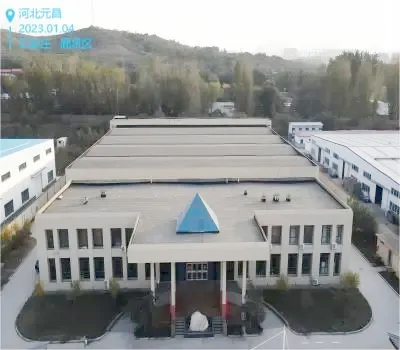
At Hebei Yuanchang Food Mechanism & Technology Co., Ltd., our manufacturing capabilities are the bedrock of the quality and reliability you expect from our industrial equipment. Since our founding in 1986, we have systematically built a company that integrates research, development, production, and sales, ensuring complete control over the manufacturing process.
Our expansive facility, covering approximately 14,000 square meters, houses a dedicated team of 80-100 skilled professionals. This team, coupled with our advanced infrastructure, allows us to undertake complex manufacturing projects with precision and efficiency. Our in-house machining workshop is a testament to our commitment to quality, equipped with over 20 sets of processing machinery. This includes:
- Lathes and Milling Machines for general shaping and precision work.
- High-Precision Grinding Machines: Essential for achieving the tight tolerances required in our grinding mill components.
- Boring Machines for accurate hole creation.
- Plate Shears and Bending Machines for fabricating sheet metal components.
- Wire Cutting Equipment for intricate part manufacturing.
A significant enhancement to our capability came in 2012 with the introduction of 8 sets of Japanese Mazak CNC machining centers. These state-of-the-art machines enable us to produce high-standard components with exceptional precision, even for designs that require large volumes or non-standard specifications. This investment means we can independently manufacture the critical, high-precision parts that form the heart of our grinding mills and other equipment, ensuring a level of quality that is difficult to match.
This in-house control over component manufacturing is critical. It allows us to guarantee the quality of every part that goes into our machines, from the grinding surfaces to the structural elements. Moreover, it is intrinsically linked to our traceable after-sales management system. By producing our own high-precision parts, we ensure their availability for future servicing and replacements, providing our clients with genuine, precisely manufactured components and a truly worry-free after-sales experience. This is a significant advantage for international buyers who need assurance of long-term support and access to critical spare parts.
Our expertise extends beyond just machining. We specialize in complete production lines for meat processing, which includes Pretreatment Of Meat Products, Meat Product Filling Molding, Ripening Process For Meat Products, and Auxiliary Items. This broad scope of work means we understand the entire manufacturing ecosystem, allowing us to design and build equipment like vertical grinding mills that integrate seamlessly into complex production flows, ensuring overall operational efficiency and product quality.
We hold various certifications that attest to our quality and management systems. For example, certifications like  demonstrate our adherence to international quality standards.
What Our Clients Say: Real-World Experience with Our Grinding Solutions
We believe the true measure of our equipment's performance lies in the satisfaction of our clients. Here's what some of them have shared:
 Sarah Chen, Procurement Manager, Global Spices Inc. (USA)
"We integrated the YC-VGM-300 vertical grinding mill into our spice processing line last year. The improvement in grind consistency has been remarkable. We're achieving much tighter particle size distribution, which has positively impacted the aroma and flavor profiles of our final blended products. Installation was straightforward, and the Yuanchang team provided excellent support throughout the process. The machine is robust and performs reliably, even with our highly abrasive chili powders."
 David Rodriguez, Operations Lead, Premium Meat Processors (Mexico)
"We utilize the YC-VGM-500 for grinding beef trim for our sausage production. The precision is excellent, allowing us to achieve the exact texture required for premium products. It’s significantly improved our yield and reduced batch variability compared to our old equipment. We also appreciate the ease of cleaning, which is a major plus for food safety. The team in China was very responsive to our technical questions during selection."
 Mark Jenkins, Plant Engineer, Industrial Minerals Co. (Canada)
"We implemented the YC-VGM-800 for grinding limestone. The throughput is very high, meeting our production targets. The build quality is robust, and it's handling the abrasive material effectively. We've had minimal downtime since installation, which is a significant improvement. Their support team was helpful in configuring the right grinding elements for our specific mineral grade."
 Aisha Khan, Senior Food Technologist, Convenience Foods Ltd. (UK)
"Our YC-VGM-200 is essential for creating our blended ingredient powders. The consistency and fineness we achieve are critical for product stability and texture. We specifically chose Yuanchang due to their expertise in food processing equipment and their adherence to hygiene standards. The machine is easy to operate and clean, and the support has been professional and timely."
Frequently Asked Questions (FAQ)
Q: Can your vertical grinding mills process wet or sticky materials?
A: While primarily designed for dry grinding, some models can be adapted for semi-dry or slightly sticky materials with specific configurations, such as specialized chamber linings or discharge systems. However, extremely wet or viscous materials may require different equipment. It's best to consult with our engineers about your specific material properties. Continuous operation with very sticky materials can lead to buildup, impacting efficiency and requiring more frequent cleaning.
Q: What is the typical lifespan of the grinding elements?
A: The lifespan of grinding elements varies significantly based on the abrasiveness of the material being processed, the intensity of operation (e.g., hours per day), and the specific hardness of the elements chosen. For less abrasive materials like certain spices or grains, elements might last for thousands of operating hours. For highly abrasive minerals, they may need replacement more frequently, possibly every few hundred hours. We use high-grade hardened steels and specialized alloys designed for wear resistance, and our technical team can recommend the best option for your application.
Q: How is dust controlled in your vertical grinding mills?
A: Our mills are designed with enclosed grinding chambers and sealed components to minimize dust escape during operation. They are typically equipped with a dust collection port that can be connected to an external dust extraction system. The effectiveness of dust control also depends on proper installation and the maintenance of seals and connections. For fine powders, a robust dust collection system is essential for safety and regulatory compliance.
Q: Do you offer OEM/ODM services for these grinding mills?
A: Yes, we do. Leveraging our extensive manufacturing capabilities, including advanced CNC machining, we are well-equipped to provide OEM (Original Equipment Manufacturer) and ODM (Original Design Manufacturer) services. We can customize designs, integrate specific features, or manufacture components to your specifications. Our 40 years of experience in building complete production lines makes us an ideal partner for bespoke equipment solutions.
Q: What is the typical lead time for an order?
A: Lead times can vary depending on the model, customization requirements, and current production schedules. Standard configurations might have a lead time of 4-8 weeks. Custom or high-capacity units could take longer, typically 8-12 weeks or more. We provide estimated lead times upon quotation and keep clients informed throughout the manufacturing process. We also consider expedited options for critical needs.
Ready to Optimize Your Grinding Process?
Discuss your specific application with our expert engineers. We'll help you find the perfect vertical grinding mill solution tailored to your needs.
Or visit our contact page: ycmeatmech.com/contacts.html