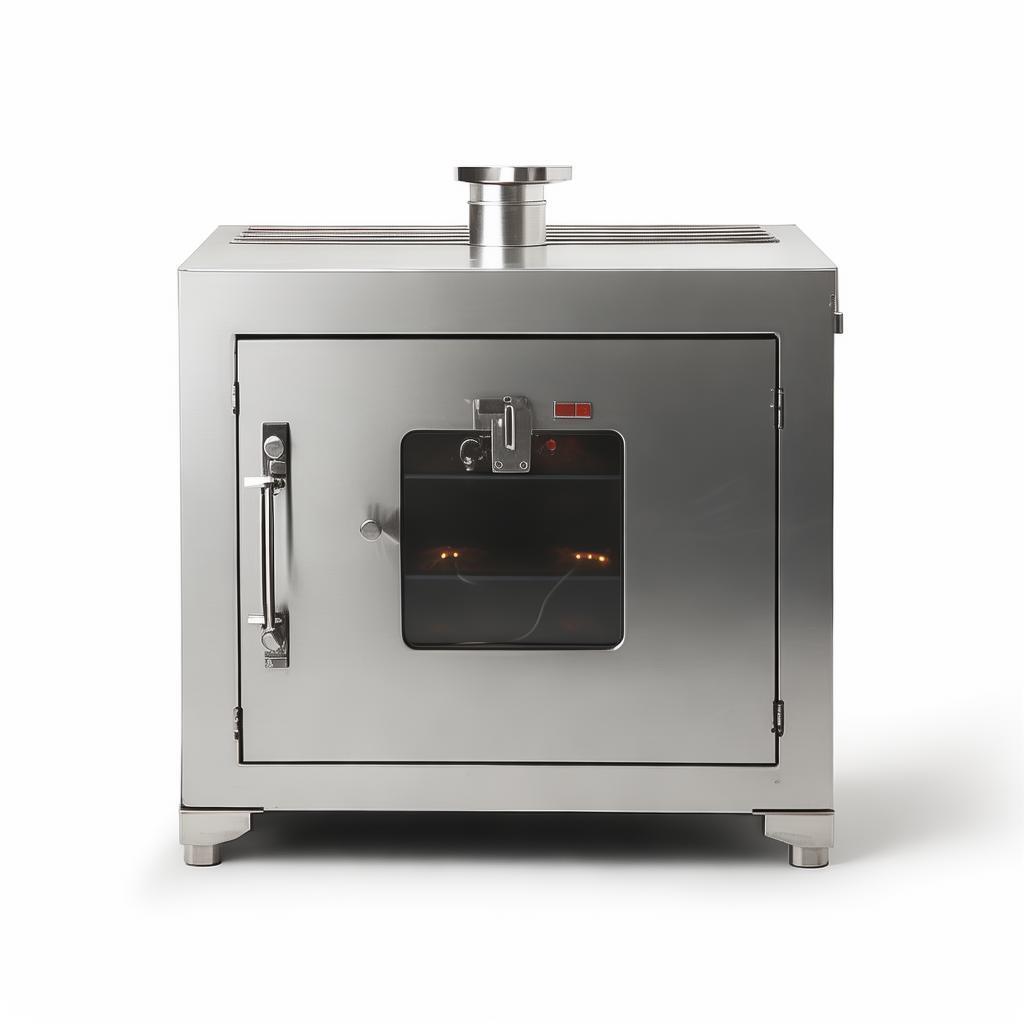
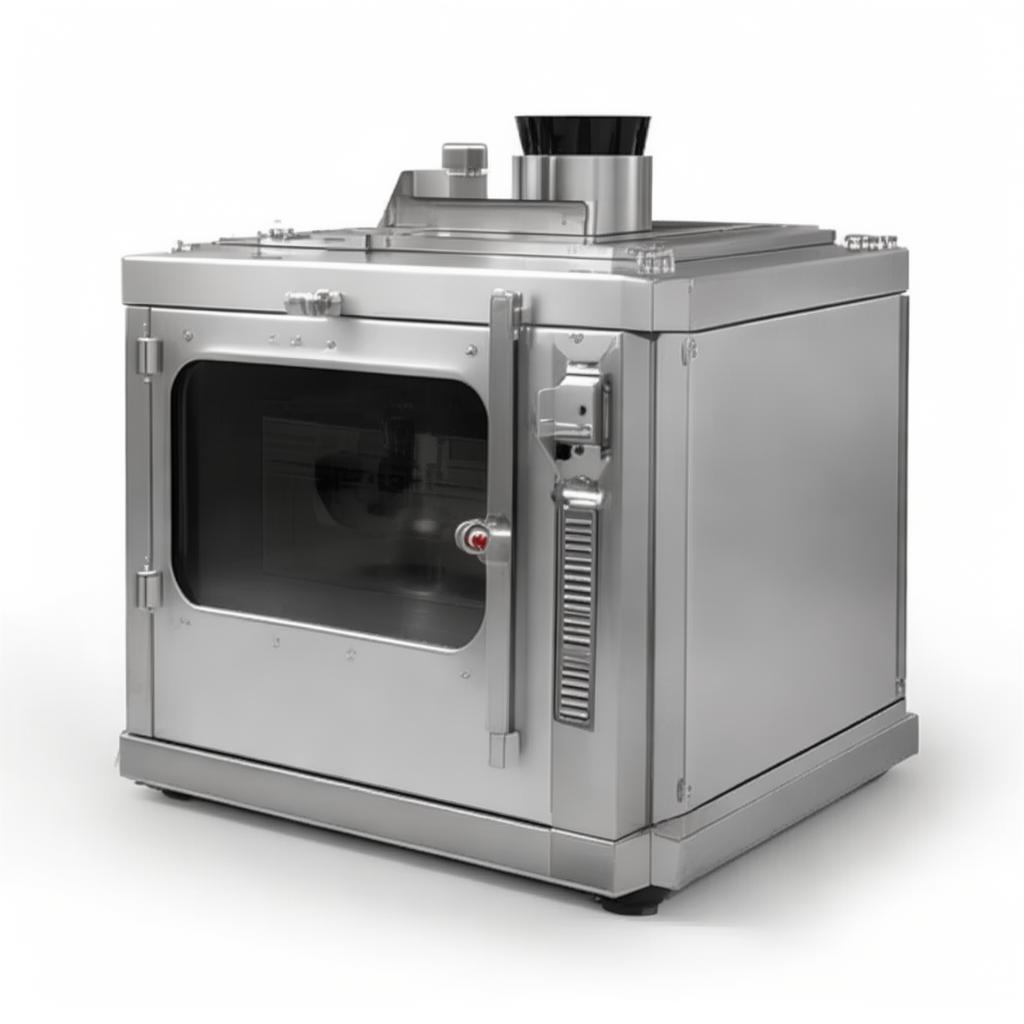
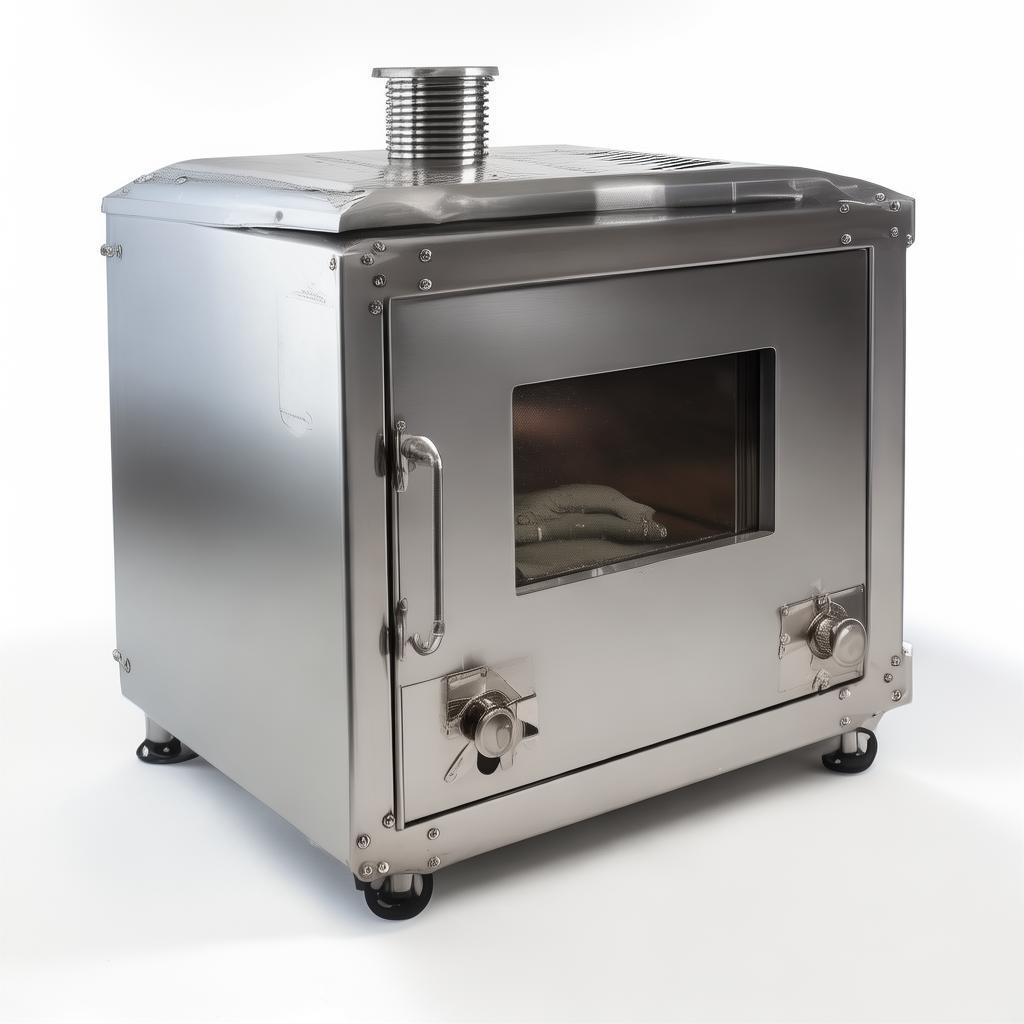
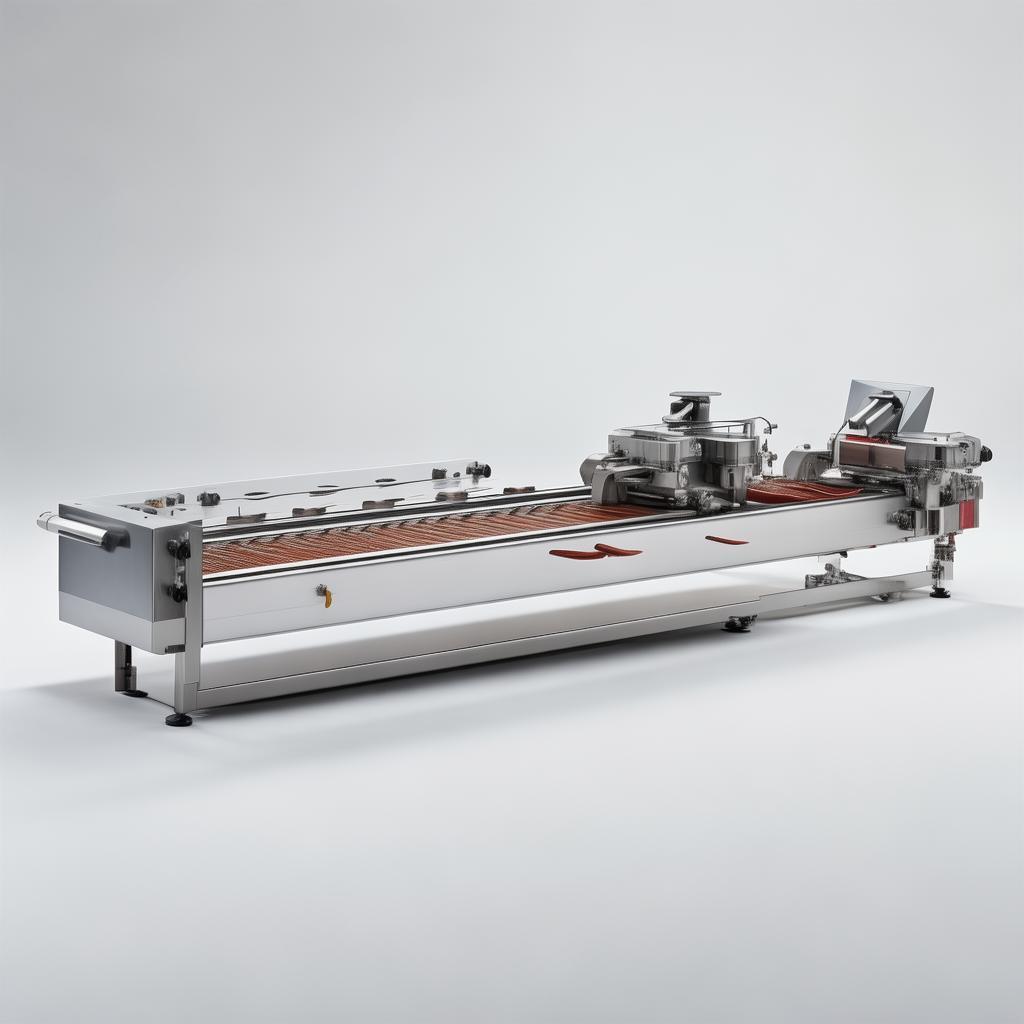
Vegetable Dehydrator Machine
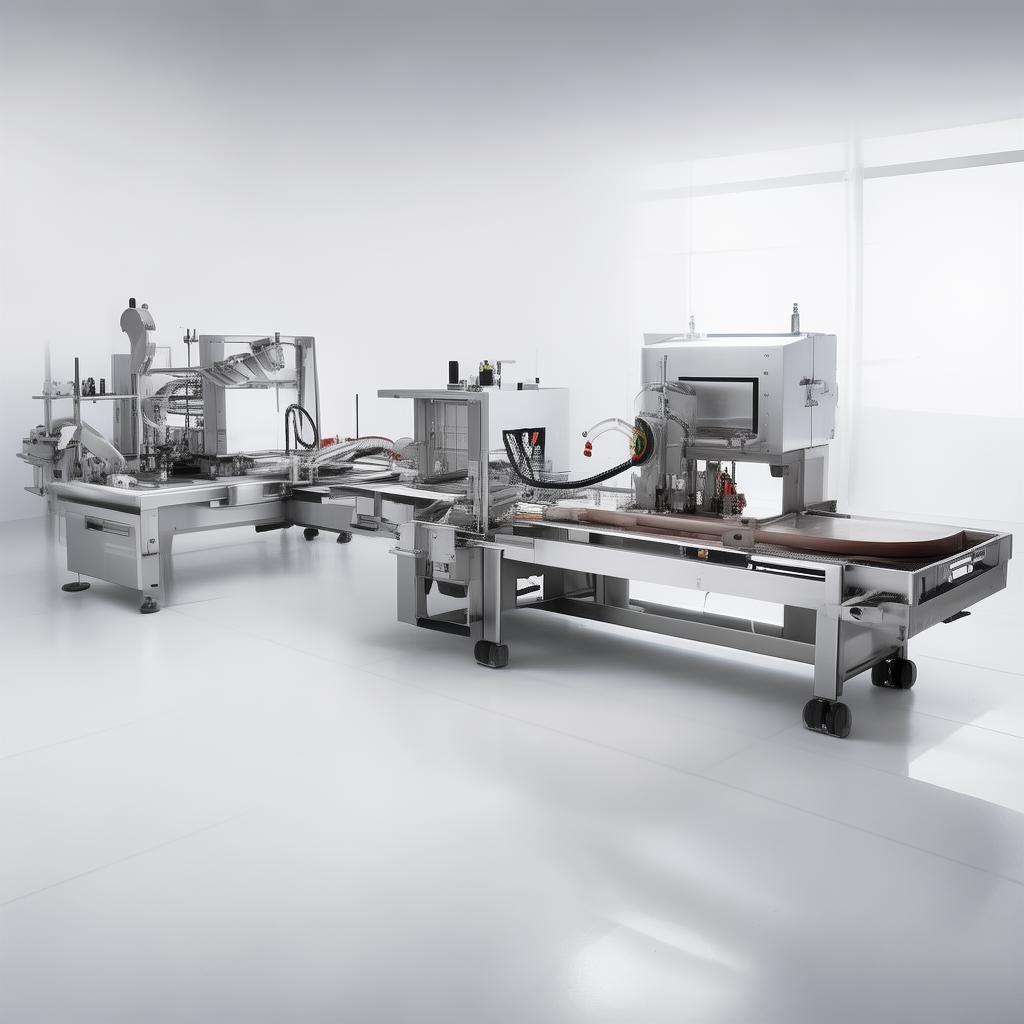
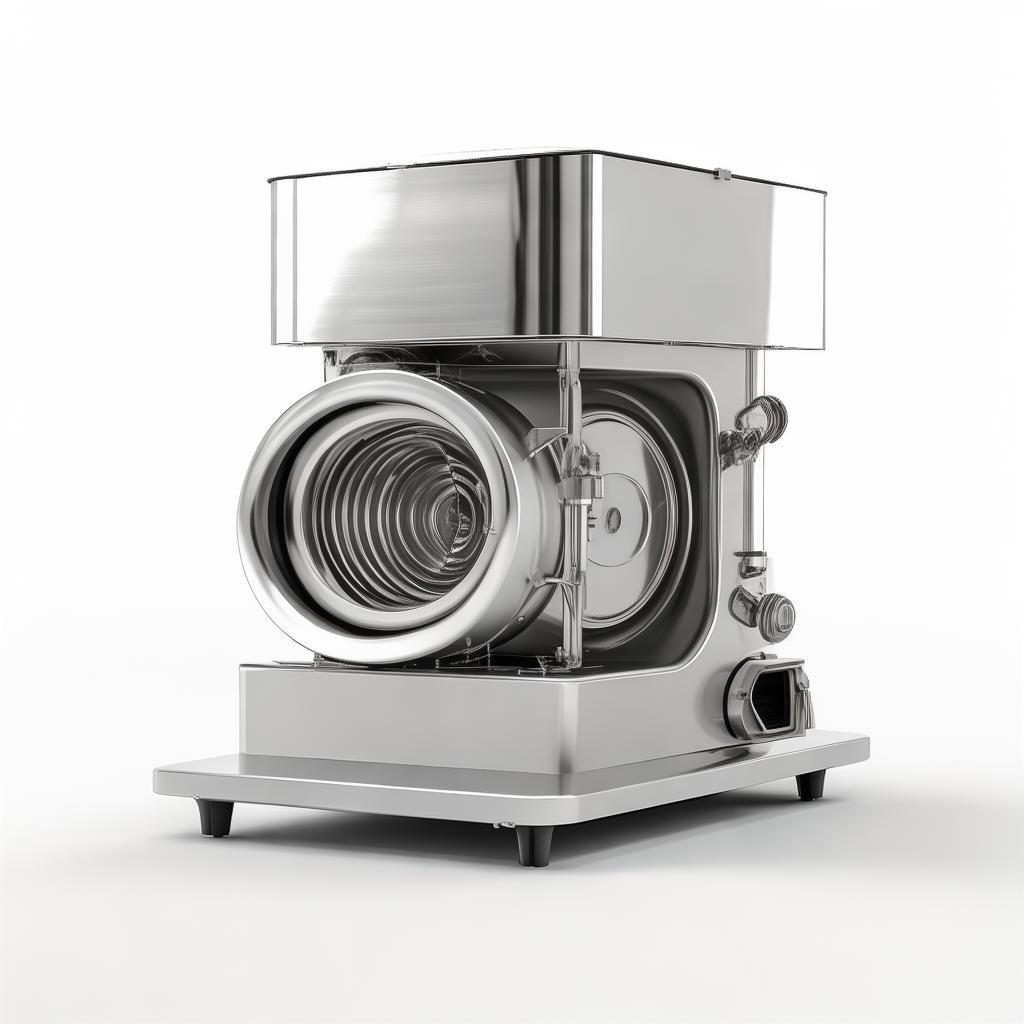
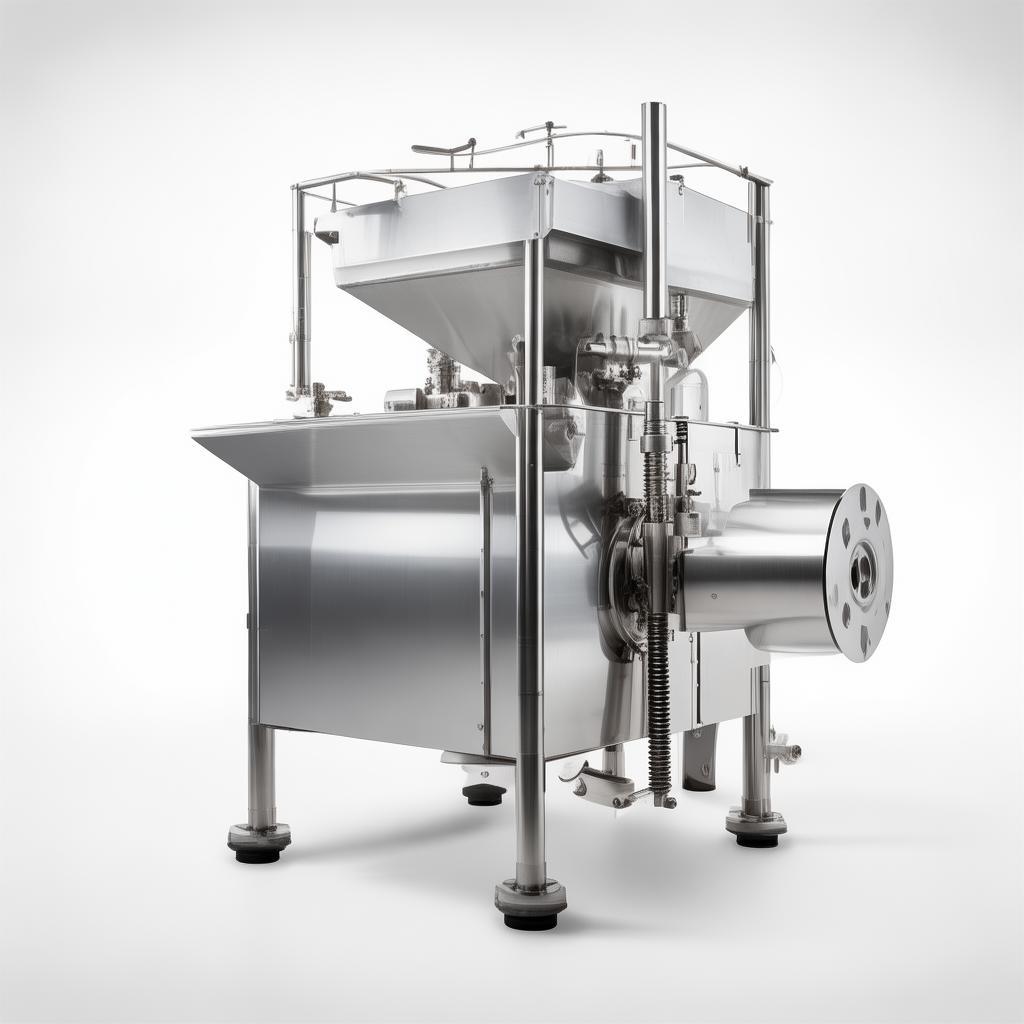
Industrial Vegetable Dehydrator Machines: Precision Drying for Global Food Processing
Optimizing Shelf-Life, Nutritional Value, and Operational Efficiency for Wholesale and Export Markets.


The Critical Role of Dehydration in Modern Food Supply Chains
In the demanding landscape of international food commerce, preserving the integrity and extending the shelf-life of agricultural produce is paramount. For businesses involved in wholesale export, food manufacturing, and even specialized R&D, the vegetable dehydrator machine stands as a cornerstone technology. It’s not merely about removing water; it’s a sophisticated process that locks in flavor, nutrients, and extends the usability of valuable raw materials, significantly impacting profitability and market reach. From the vast processing plants in North America to emerging hubs in Asia-Pacific, the demand for efficient, scalable, and reliable dehydration solutions continues to surge. Understanding the nuances of this technology is key to unlocking new market opportunities and fortifying existing supply chains against spoilage and waste.
The processed meat market, for instance, is projected to reach USD 1,330.45 billion by 2035. While our expertise lies in food mechanisms, this broader trend highlights the global appetite for preserved and value-added food products. Vegetables, as a primary component in countless cuisines and formulations, require equally robust preservation methods. Dehydrated vegetables find their way into everything from instant soups and ready-to-eat meals to spice blends, pet food, and high-energy survival rations. The efficiency gains are substantial: reduced shipping weight and volume, significantly longer storage periods without refrigeration, and minimized spoilage—all factors that directly translate into improved margins for importers, distributors, and manufacturers alike.
Consider the operational challenges faced by large-scale food processors. Seasonal gluts of certain vegetables can lead to significant price drops and potential waste if not processed promptly. A robust vegetable dehydrator machine allows these operations to capitalize on peak harvests, converting surplus into a stable, storable product. This not only stabilizes revenue streams but also provides a consistent supply of ingredients year-round, a critical advantage when fulfilling large international contracts. The technology is evolving, moving beyond simple hot air circulation to more advanced methods like vacuum dehydration and freeze-drying, each offering unique benefits for specific applications, though hot air drying remains the most prevalent for its balance of cost-effectiveness and efficiency for bulk vegetable processing.
Moreover, the drive for healthier, more convenient food options globally fuels the demand for high-quality dehydrated ingredients. Consumers are increasingly aware of the nutritional content of their food, and effective dehydration preserves vitamins, minerals, and antioxidants better than some other processing methods. For B2B suppliers aiming to meet these evolving market demands, investing in state-of-the-art dehydrator technology isn't just about meeting current needs; it's about future-proofing their business. The ability to consistently produce dried vegetables that retain their color, texture, and flavor profile is a significant competitive differentiator.
Our focus at Hebei Yuanchang Food Mechanism & Technology Co., Ltd. is on providing industrial-grade solutions that align with the rigorous demands of global food production. With over 40 years of experience since 1986 in manufacturing precision machinery, including specialized equipment for food processing, we understand the critical balance between throughput, energy efficiency, product quality, and operational longevity. We've seen firsthand how a well-chosen dehydrator can transform a business, from reducing a food manufacturer's reliance on fresh, perishable inventory to enabling new export markets for agricultural cooperatives. The industrial vegetable dehydrator machine is more than a piece of equipment; it's an investment in efficiency, quality, and sustained growth in the international food trade.
Key Considerations for Sourcing Your Vegetable Dehydrator Machine:
- Scale and Throughput: Determine your daily or hourly processing capacity needs. Wholesale vegetable dehydrator options range from small-batch units to massive industrial lines.
- Vegetable Types: Different vegetables have varying moisture content and structural integrity. Ensure the machine is optimized for your primary products (e.g., leafy greens, root vegetables, fruits).
- Energy Efficiency: Dehydration is an energy-intensive process. Look for machines designed for optimal heat circulation and minimal energy waste.
- Material Construction: Food-grade stainless steel (e.g., SUS304) is standard for hygiene, durability, and resistance to corrosion.
- Control Systems: Precise control over temperature, humidity, and airflow is vital for consistent results and nutrient retention.
- Ease of Cleaning and Maintenance: A critical factor for food safety and operational uptime.
Operational Challenges in Vegetable Preservation & Our Solution
Procurement managers and operations directors face a recurring set of challenges when it comes to preserving the value of produce. Spoilage is a silent killer of margins. Without effective preservation, even the highest quality vegetables can degrade rapidly post-harvest, losing marketability and nutritional value. This is particularly acute for export markets where transit times can be extended, and product must withstand varying environmental conditions.
The traditional methods of air-drying, while basic, often lack the precision needed for optimal results. Inconsistent temperatures can lead to case hardening (where the exterior dries too quickly, trapping moisture inside) or scorching, both of which degrade quality and flavor. Furthermore, manual handling during loading and unloading of trays can be labor-intensive and introduce hygiene risks, which is a growing concern globally. The commercial vegetable dehydrator machine addresses these pain points directly.
Our industrial dehydrators are engineered for precision and scalability. Utilizing advanced hot air circulation systems, we ensure uniform drying across entire batches. This translates to:
- Consistent Product Quality: Uniform moisture removal across all pieces, preserving color, aroma, and nutritional integrity.
- Extended Shelf-Life: Reduction of water activity below critical thresholds for microbial growth, significantly increasing storage longevity.
- Reduced Spoilage: Turning potentially perishable goods into stable, transportable products.
- Operational Efficiency: Automated systems minimize manual intervention, reduce labor costs, and improve throughput.
The market for meat processing equipment, which often shares similar operational principles regarding preservation and controlled environments, shows robust growth. Reports indicate the global market was valued at USD 11.28 billion in 2024 and is projected to reach USD 15.04 billion by 2030. This underscores the broader trend towards sophisticated food processing technologies driven by demand for processed foods and automation efficiency. Our vegetable dehydrators are built with the same engineering rigor, designed for the demanding conditions of continuous industrial operation. We understand that downtime is costly, so ease of maintenance and robust construction are paramount in our designs.
We have seen clients transition from unreliable, inefficient systems to our industrial-grade dehydrators and report significant improvements in both product consistency and cost savings within the first year. This is often due to optimized energy usage and reduced product loss. For any procurement manager, demonstrating tangible ROI is key, and our machines are designed to deliver just that.
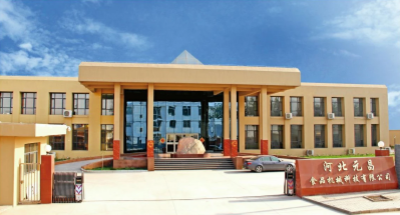
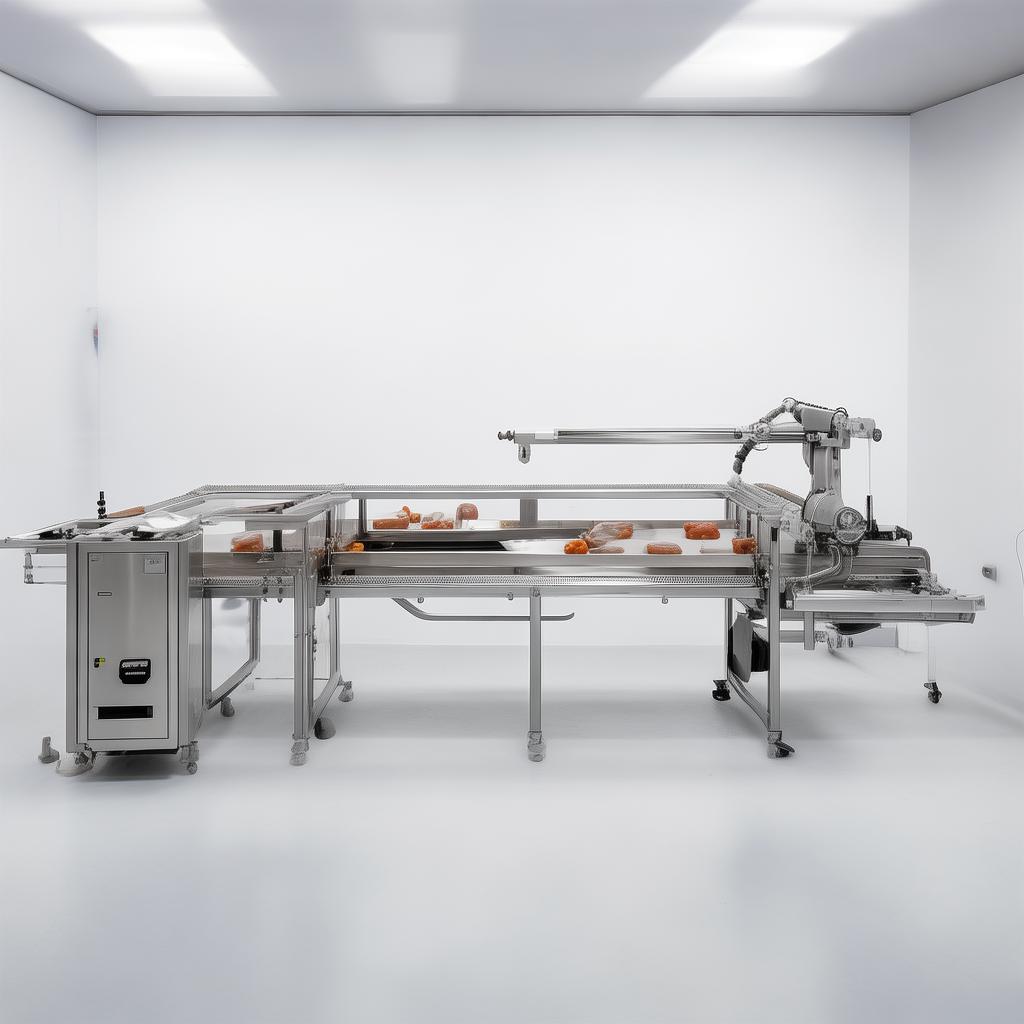
Our state-of-the-art industrial vegetable dehydrator machine in operation.
Technical Specifications & Design Philosophy
Hebei Yuanchang Food Mechanism & Technology Co., Ltd. integrates over four decades of manufacturing experience into every piece of equipment. Our vegetable dehydrator machine is a testament to this. We don't cut corners. Every component, from the high-efficiency heating elements to the precision-engineered fan systems and food-grade stainless steel construction (SUS304 as standard), is selected for durability, performance, and compliance with international food safety standards.
Our engineering team leverages advanced CAD/CAM systems, complemented by our in-house machining capabilities, including Japanese Mazak CNC centers. This allows us to produce high-precision parts, ensuring tight tolerances and exceptional build quality. This technical expertise is crucial for equipment where uniform airflow and stable temperatures are non-negotiable for product integrity. We can custom-fabricate components to meet unique volume or specification requirements, a significant advantage for OEMs and large-scale food processors.
Core Technical Features:
- Drying Chamber: Constructed from high-grade, food-safe SUS304 stainless steel, designed for optimal airflow and easy cleaning. Insulation panels minimize heat loss, enhancing energy efficiency.
- Heating System: High-efficiency electric heating elements or optional gas burners, providing stable and adjustable temperature control (typically 30°C - 120°C).
- Airflow Management: Powerful, variable-speed fans and strategically placed air vents ensure uniform hot air circulation, preventing hot spots and ensuring even drying.
- Control Panel: Advanced PLC control systems allow for precise setting and monitoring of temperature, humidity, and drying time. Programmable recipes for different vegetable types are standard.
- Loading System: Robust, stainless steel trolleys and trays designed for easy loading, unloading, and thorough cleaning. Options for automated loading/unloading systems are available for high-throughput lines.
- Safety Features: Over-temperature protection, emergency stop functions, and interlocks for safe operation.
Example Technical Specification Table:
| Parameter | Model YC-SD5000 | Model YC-SD10000 |
|---|---|---|
| Capacity (kg/batch) | 500 - 800 | 1000 - 1500 |
| Drying Chamber Volume (m³) | 8 | 15 |
| Temperature Range (°C) | 30 - 120 | 30 - 120 |
| Power (kW) | 15 - 25 | 25 - 40 |
| Material | SUS304 Stainless Steel | SUS304 Stainless Steel |
| Control System | PLC Touch Screen | PLC Touch Screen |
Our commitment to EEAT (Experience, Expertise, Authoritativeness, Trustworthiness) means we provide not just machines, but complete solutions. We offer detailed technical documentation, installation support, and operational guidance to ensure you achieve optimal performance from day one. For businesses looking for OEM or ODM opportunities, our flexible manufacturing and design capabilities are unparalleled.
Applications Across the Food Industry
The versatility of a high-quality vegetable dehydrator machine makes it indispensable across a broad spectrum of food production and processing applications. Whether you're aiming to produce shelf-stable ingredients for consumer packaged goods, raw materials for food service, or specialized products for niche markets, our equipment is designed to meet the challenge.
Key Application Areas:
- Soup & Seasoning Mixes: Dehydrated carrots, peas, onions, celery, and herbs form the backbone of many instant soup bases and seasoning blends. Consistent particle size and moisture content are key.
- Ready-to-Eat Meals: Dried vegetables are essential for shelf-stable convenience meals, reducing weight and extending shelf life without compromising on essential nutrients.
- Snack Foods: From veggie chips to components in trail mixes, dehydrated vegetables offer healthy, flavorful options.
- Baby Food: Nutrient-dense dehydrated vegetables are a safe and convenient ingredient for purees and powders.
- Pet Food: A growing sector where dehydrated vegetables are incorporated for their nutritional and textural benefits.
- Spice Industry: Dehydrated chili peppers, garlic, and other aromatics are processed into powders and flakes.
- Ingredients for Further Processing: Rehydrated vegetables can be used in baked goods, sauces, and meat products (like sausages or cured meats where flavor profiles are enhanced).
The processed meat market's growth, with segments like filling and molding machines being critical, highlights the global demand for precision food processing. Our dehydrators play a complementary role, ensuring the availability of key ingredients for a wide array of processed food products. The ability to achieve specific moisture levels is critical for texture, stability, and safety. For example, ensuring dried vegetables intended for soup mixes rehydrate properly and consistently is a direct result of precise dehydration control.
Procurement Guidance & Supplier Evaluation
Sourcing industrial machinery requires a thorough evaluation process. When selecting an OEM/ODM vegetable dehydrator supplier, consider the following:
- Manufacturing Experience: Look for suppliers with a proven track record, ideally with decades of experience in the food machinery sector. Companies that manufacture their own critical components, like Hebei Yuanchang, offer a distinct advantage in terms of quality control and after-sales support.
- Technical Capability: Can they offer customization? Do they have in-house engineering and precision machining capabilities? This indicates a higher level of technical expertise and ability to meet specific client needs.
- Certifications & Standards: Ensure the equipment and manufacturing facility adhere to relevant international standards (e.g., ISO, CE, FDA compliance for food contact materials).
- After-Sales Support: What is their warranty policy? How accessible are spare parts? Do they offer installation and operational training? Traceable after-sales management is crucial.
- References & Case Studies: Request references from clients in similar industries or regions.
We understand the risks associated with international procurement. That's why we emphasize transparency and direct communication. Our factory, covering 14,000 square meters with 80-100 dedicated employees, is equipped to handle large-scale production and custom orders. With 40 years of experience, we have refined our processes to ensure reliability and consistency.

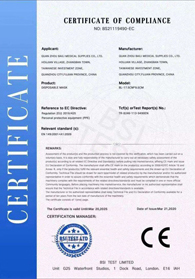

Our commitment to quality is backed by industry-recognized certifications.
Installation, Maintenance & Logistics Insights
Proper installation and regular maintenance are critical for the long-term performance and safety of any industrial machinery. Our vegetable dehydrator machines are designed for straightforward integration into existing production lines.
Installation Considerations:
- Power Supply: Ensure adequate and stable electrical power matching the machine's specifications is available.
- Ventilation: Proper ventilation is required for efficient moisture removal from the processing environment.
- Space: Allocate sufficient space for the machine itself, plus access for loading, unloading, and maintenance.
- Flooring: Ensure the floor can support the weight of the machine, especially when fully loaded.
Routine Maintenance:
- Daily: Cleaning of trays, chambers, and accessible components after each operational cycle.
- Weekly: Inspect fan blades, heating elements, and seals for wear or damage. Lubricate moving parts as per the manual.
- Monthly: Calibrate temperature sensors and perform a more thorough inspection of the control system.
- Annually: Comprehensive service check by a qualified technician, including electrical system checks and replacement of any worn components.
Logistics is a key part of our export service. We manage container loading for optimal space utilization, ensuring your machinery arrives safely and cost-effectively. Our team has extensive experience in international shipping regulations and documentation, providing a seamless experience for our global clients. We can arrange for direct factory shipments, supporting both FCL (Full Container Load) and LCL (Less than Container Load) requirements. Our goal is to minimize your lead time and ensure predictable delivery schedules.
Customer Success Stories & Trust Signals
We pride ourselves on building long-term relationships with our clients. Their success is a direct reflection of our commitment to quality and service. Here’s what some of our partners have to say:

"Switching to Yuanchang's vegetable dehydrator was a game-changer for our export business. The consistency of the dried product is outstanding, and the reduction in spoilage alone has significantly boosted our bottom line. Their team was incredibly helpful throughout the selection and installation process."
- Maria Sanchez, Procurement Manager, Agro-Export Co., USA

"We needed a reliable, high-capacity dehydrator for our new line of vegetable-based snacks. Yuanchang delivered exactly that. The machine is robust, efficient, and the PLC controls allow us to fine-tune drying parameters for different raw materials. We've seen a noticeable improvement in flavor preservation."
- David Chen, Operations Director, PureHarvest Foods, Canada

"As a food ingredient supplier, consistent quality is everything. Yuanchang's industrial dehydrator has allowed us to meet stringent specifications from major food manufacturers. Their technical support is responsive, and the machine's build quality speaks for itself – built to last."
- Ahmed Khan, Supply Chain Specialist, Global Ingredients Ltd., UK
fruit dehydrator machine water cutting machine for food Vegetable cutting machine
Chat with Our Experts
Have specific questions about your vegetable dehydration needs? Our technical sales team is ready to assist. We can discuss your raw materials, desired output, and operational constraints to recommend the most suitable solution.



Connect with us for personalized advice.