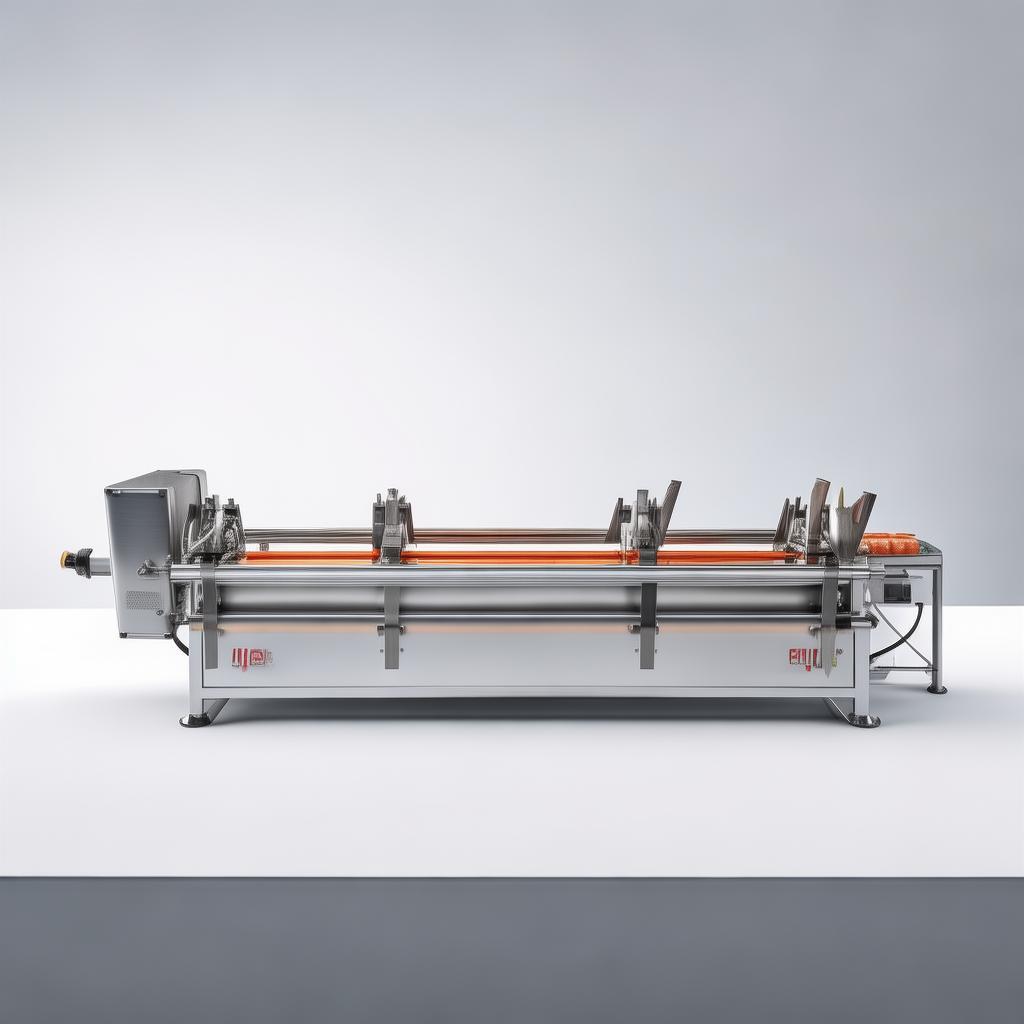
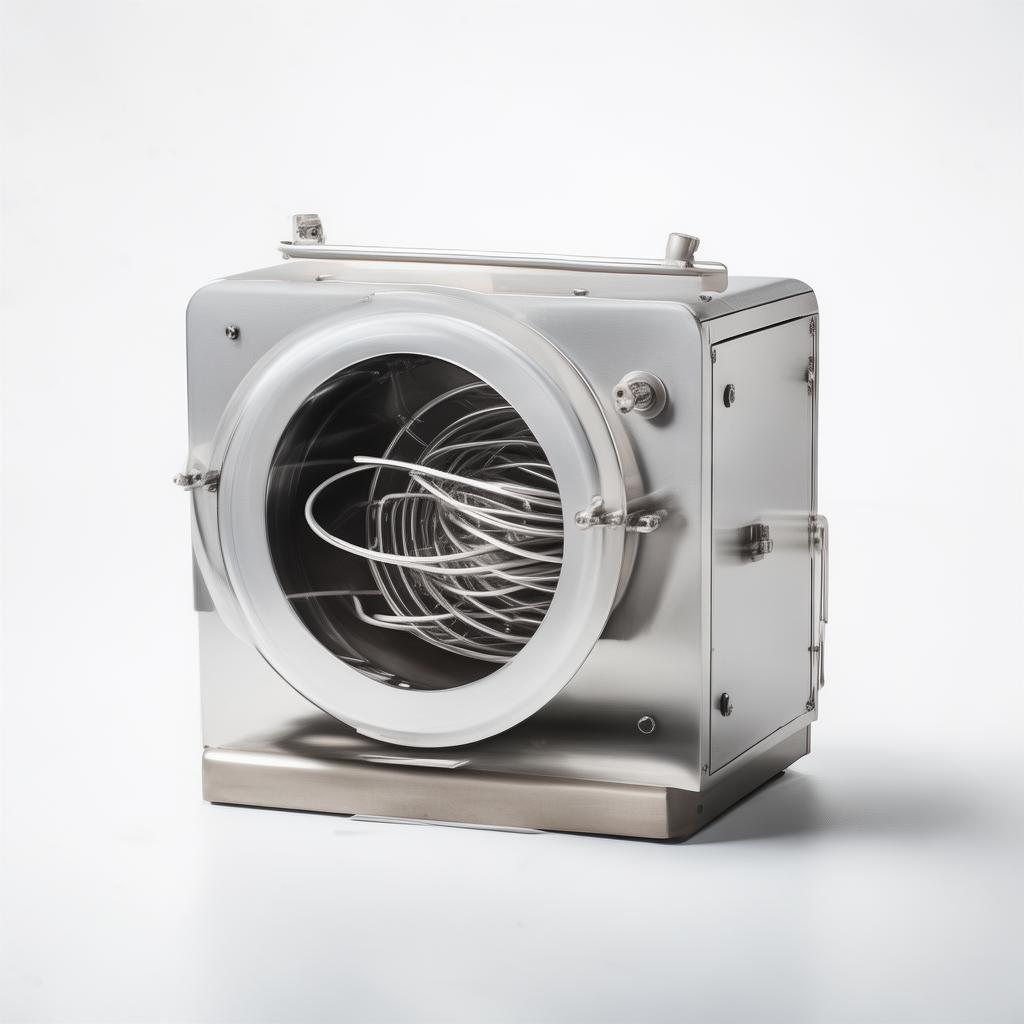
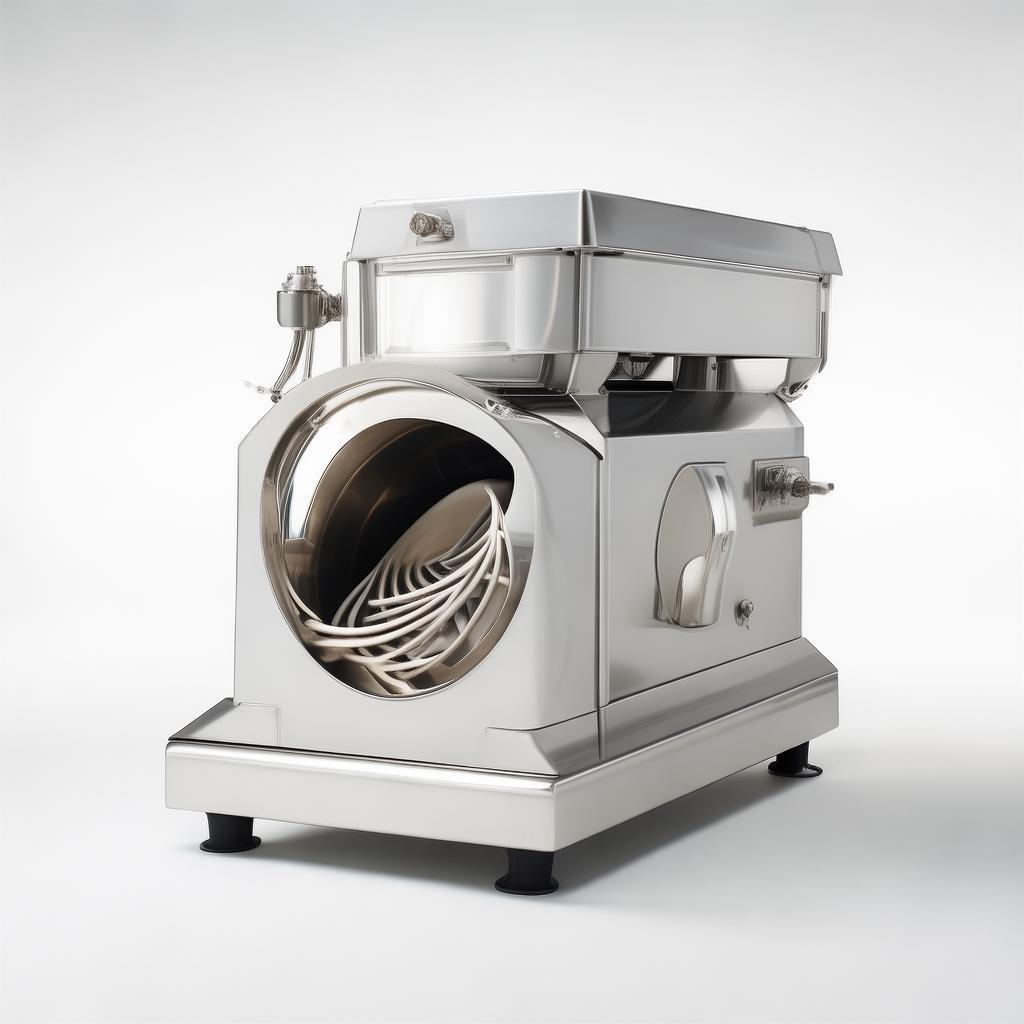
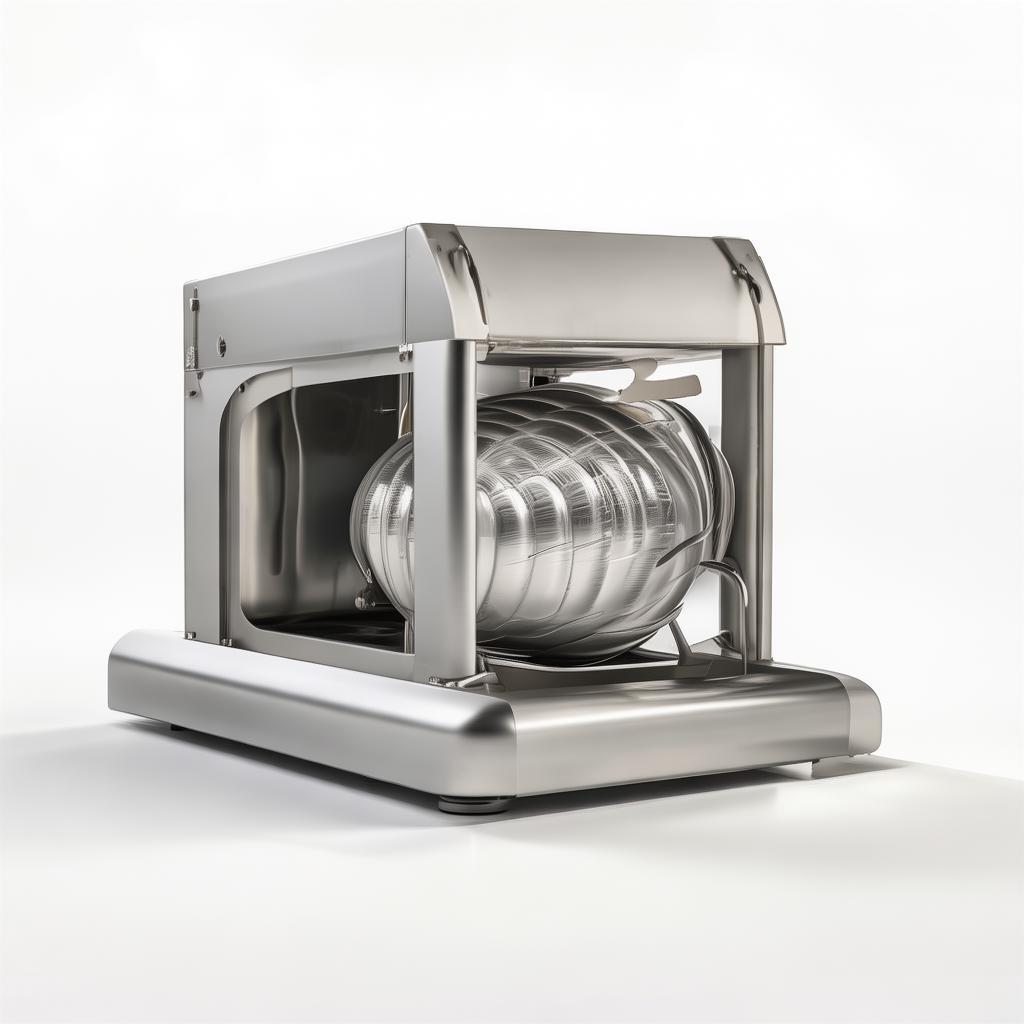
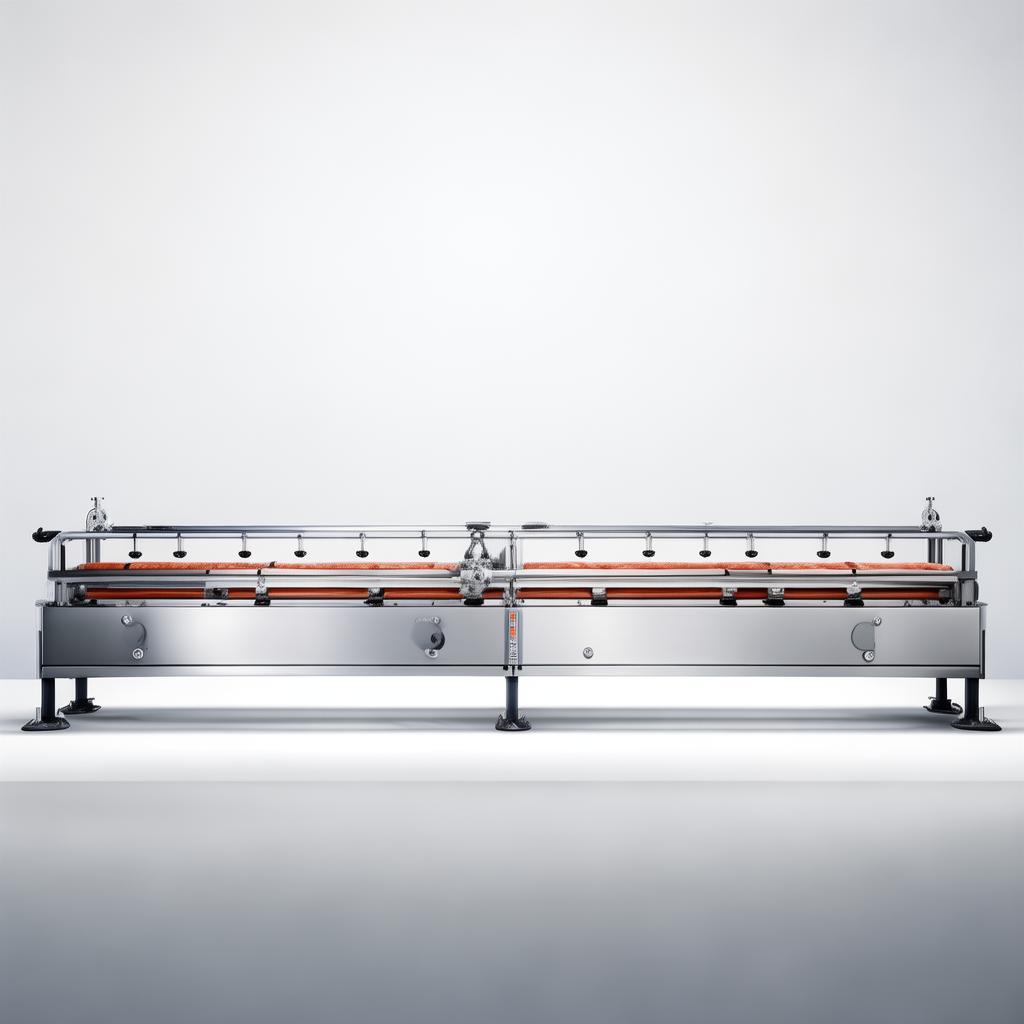
Vacuum Packaging System
Advanced Vacuum Packaging Systems: Preserving Quality, Extending Shelf Life, and Optimizing Your Export Operations
By  Li Wei, Export Director at Hebei Yuanchang Food Mechanism & Technology Co., Ltd.
Last updated: October 26, 2023
Why Vacuum Packaging is Non-Negotiable for High-Value Food Exports
In the competitive arena of international B2B food trade, product integrity isn't just a feature; it's the bedrock of trust and profitability. For businesses involved in exporting premium meats, poultry, seafood, and other perishable goods, ensuring that product quality remains pristine from processing facility to the final distributor's shelf is paramount. This is precisely where robust vacuum packaging systems play an indispensable, often underestimated, role. We're not just talking about sealing a bag; we're discussing a critical component of a sophisticated supply chain designed to combat spoilage, maintain sensory attributes, and significantly extend viable shelf life – all crucial factors when dealing with long transit times and varied environmental conditions across continents.
The global market for meat processing equipment, a sector intrinsically linked to effective packaging solutions, is substantial. Market reports consistently project growth, with figures like USD 11.29 billion in 2025 projected to reach USD 17.39 billion by 2034, driven by increasing demand for processed meats and stringent food safety standards. (Source: Fortune Business Insights). This growth underscores the expanding need for advanced machinery that can handle diverse product types and meet international quality benchmarks. Our experience, spanning over four decades since 1986 at Hebei Yuanchang, has shown that failing to invest in appropriate packaging can negate the quality achieved through meticulous processing, ultimately impacting brand reputation and export potential.
Consider the typical export journey for, say, high-grade beef cuts destined for a discerning market in North America or Europe. Without effective vacuum sealing, the product is exposed to several risks: oxidation, which leads to color degradation and off-flavors; microbial growth, the primary driver of spoilage; and moisture loss, resulting in a dry, unappealing final product. These aren't minor inconveniences; they are direct threats to your profit margins and customer retention. A properly executed vacuum packaging process removes 99% of the air from the package, creating an oxygen-depleted environment that drastically slows down these degradation processes. This allows for extended shelf life, reduced product loss, and the ability to transport goods through slower, more cost-effective shipping methods like sea freight, rather than being forced into expensive, time-sensitive air cargo.
Furthermore, the physical protection offered by a vacuum-sealed package is considerable. It helps maintain the shape and integrity of the product, preventing bruising or crushing during transit. This is particularly vital for delicate items or products that have undergone specific molding processes. The packaging acts as a barrier against external contaminants, ensuring that the product reaching the end-user is as safe and hygienic as when it left your facility. For procurement managers and operations directors, understanding these dynamics is key to making informed decisions about capital investment in packaging machinery. It’s about safeguarding your investment in raw materials, processing, and brand equity.
The shift towards more sophisticated processed foods, including reconstituted and formed meat products, further amplifies the need for specialized packaging. As the reconstituted meat market alone is projected to grow exponentially (e.g., from USD 6.9 billion in 2025 to USD 36.1 billion by 2035, a CAGR of 18.0% according to Future Market Insights), the demand for packaging that can precisely contour to and protect these uniquely shaped items is rising. Our in-house machining capabilities, including Japanese Mazak CNC centers, allow us to engineer vacuum packaging systems that are not only robust but also adaptable to the specific demands of various product formations, ensuring a perfect seal every time, regardless of product complexity.
Key Advantages of Implementing Our Industrial Vacuum Packaging Systems
- Extended Shelf Life: By minimizing oxygen exposure, our systems significantly reduce oxidation and microbial spoilage, allowing your products to remain fresh and safe for much longer periods. This is critical for international distribution where transit times can range from days to weeks.
- Preservation of Quality: Retain natural color, flavor, aroma, and nutritional value. Customers receive a product that meets expectations, fostering repeat business.
- Reduced Product Loss: Minimize spoilage and waste throughout the supply chain, directly impacting your bottom line. Every batch that reaches its destination in perfect condition is a win.
- Enhanced Food Safety: The hermetic seal created by our machines acts as a barrier against external contaminants, bacteria, and moisture. This is vital for meeting stringent import regulations in target markets like the USA and EU.
- Improved Handling and Storage: Vacuum-packed products are typically more compact and rigid, leading to more efficient palletization, reduced shipping volume, and easier storage in cold chain environments.
- Cost Savings: Longer shelf life means less waste. Efficient packaging can also lead to savings in shipping and storage. The initial investment in a reliable system pays dividends over its operational life.
On This Page:
Beyond Meat: Diverse Applications for Industrial Vacuum Packaging
While our core expertise lies in meat processing equipment and its related packaging needs, the vacuum packaging systems we offer are remarkably versatile. The principles of extending shelf life and maintaining product integrity apply across a broad spectrum of food categories and even into non-food industrial applications. Our solutions are designed for:
- Fresh Meats & Poultry: From whole cuts to sausages, marinated products, and processed meats like bacon and ham. This is where the extended shelf life translates directly to reduced waste and wider market reach.
- Seafood: Fish fillets, shrimp, calamari, and other delicate seafood products benefit immensely from the protection against freezer burn and oxidation.
- Dairy Products: Cheese (hard and semi-hard varieties), butter, and other dairy items can have their freshness preserved.
- Ready-to-Eat Meals & Prepared Foods: Ensuring the quality and safety of pre-portioned meals and convenience food items for foodservice or retail.
- Specialty Food Items: This includes coffee beans (preserving aroma), dried fruits, nuts, and even certain baked goods where maintaining freshness and preventing staling is key.
- Non-Food Industrial Goods: In some cases, components, textiles, or sensitive materials can benefit from vacuum sealing to prevent corrosion, dust ingress, or moisture damage during storage and transport.
The global demand for processed meat, projected to reach USD 1.33 trillion by 2035 (Source: Precedence Research), is a testament to the consumer's appetite for convenience and variety. Our vacuum packaging systems are a critical enabler for manufacturers looking to tap into this market, offering solutions that ensure consistency and quality across large production volumes.
Technical Specifications & Customization Capabilities
At Hebei Yuanchang, we understand that "one size fits all" rarely applies in industrial manufacturing. Our range of vacuum packaging systems is designed with flexibility and performance in mind. While specific models vary, core features and engineering principles remain consistent, ensuring reliability and efficiency. We typically offer:
| Feature / Specification | Standard Industrial Chamber Vacuum Sealer | Advanced Double Chamber Sealer | Continuous Conveyor Vacuum System |
|---|---|---|---|
| Chamber Size (LxWxH) | Customizable (e.g., 600x500x200 mm) | Larger/Deeper (e.g., 800x700x250 mm) | Integrated into production line |
| Sealing Bar Length | Up to 600 mm | Up to 800 mm | Variable, per line setup |
| Vacuum Pump Capacity | 10-25 m³/h | 25-100 m³/h | High-capacity, integrated |
| Cycle Time per Pack | 20-45 seconds | 15-30 seconds (dual chamber efficiency) | Continuous, high throughput |
| Power Requirements | 220V/380V, 50/60Hz, 1-3 kW | 220V/380V, 50/60Hz, 2-5 kW | Line-specific |
| Materials | Stainless Steel (304/316) | Heavy-duty Stainless Steel | Food-grade Stainless Steel |
| Optional Features | Gas flush, wider sealing, custom molds | Gas flush, heavy-duty pumps, specialized bags | Integrated checkweighers, metal detectors, custom conveyors |
Material Considerations: We primarily utilize 304 and 316 grade stainless steel for our machines. These materials offer excellent corrosion resistance, are easy to clean and sanitize, and meet stringent food-grade standards required for export markets. The construction is robust, designed for continuous operation in demanding industrial environments.
OEM/ODM Services: For clients with unique specifications or integration requirements, we offer full OEM (Original Equipment Manufacturer) and ODM (Original Design Manufacturer) services. Our engineering team can work with you to develop bespoke vacuum packaging solutions tailored to your exact production workflow and product needs. Our 40 years of experience since 1986 means we’ve seen and solved a vast array of packaging challenges.
The global meat processing equipment market, which includes packaging as a vital component, is set to expand, with projections suggesting a reach of USD 19.66 billion by 2033. (Source: SkyQuestt). This growth highlights the increasing sophistication and specialization required in processing and packaging machinery.
Hebei Yuanchang: The Foundation of Your Reliable Supply Chain
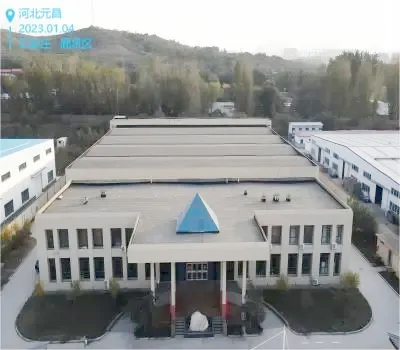
Our commitment to quality and reliability is built upon a solid manufacturing foundation. Operating from a facility covering approximately 14,000 square meters with a dedicated team of 80-100 skilled professionals, we integrate Research & Development, production, and sales seamlessly. This vertical integration is key to our ability to control quality at every stage.

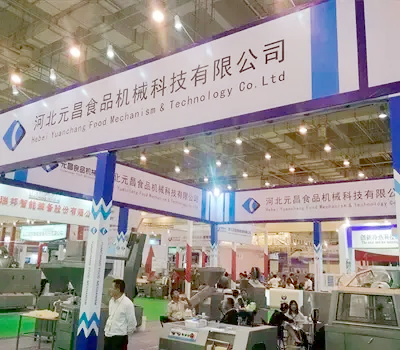
Our in-house machining workshop is equipped with over 20 sets of advanced processing machinery, including lathes, milling machines, high-precision grinding machines, boring machines, plate shears, bending machines, and wire cutting equipment. Crucially, since 2012, we've invested in 8 sets of Japanese Mazak CNC machining centers. This investment allows us to manufacture high-standard, non-standard, and high-precision components in large volumes – a capability that directly translates to the superior build quality and longevity of our vacuum packaging systems.
This self-sufficiency in producing critical components means we can guarantee the precision, durability, and performance of every machine that leaves our factory. It also enables us to provide a traceable after-sales management system, ensuring that any spare parts or service requirements are met with the same high standards as our initial production.
As the food processing equipment market continues its upward trajectory, valued at approximately USD 12.04 billion in 2024 and expected to reach USD 19.66 billion by 2033 (Source: SkyQuestt), the importance of partnering with manufacturers who possess demonstrable production capabilities and a long track record is undeniable. Our 40 years of operational experience since 1986 provide that assurance.
Navigating Your Procurement: Key Considerations for Vacuum Packaging Systems
Selecting the right vacuum packaging system is a significant procurement decision. It impacts operational efficiency, product quality, and ultimately, profitability. Here are critical factors to consider:
1. Production Volume & Throughput Needs:
Are you a small-scale exporter or a high-volume producer? Single-chamber machines are ideal for lower volumes, while double-chamber units offer increased efficiency through parallel operation. For fully automated lines, continuous conveyor systems are essential. Understanding your current and projected output is the first step.
2. Product Type and Size:
The dimensions of your products will dictate the required chamber size and sealing bar length. For irregular shapes or products requiring specific presentation, consider machines with adjustable fill plates or specialized mold options. Gas flushing capabilities are also crucial for certain products to prevent deformation or add a protective atmosphere.
3. Power and Utility Requirements:
Ensure your facility can accommodate the electrical specifications (voltage, phase, power consumption) of the chosen machine. Check for compressed air availability if gas flushing is a requirement.
4. Material and Construction Quality:
For food export, stainless steel construction (preferably 304 or 316 grade) is non-negotiable due to hygiene, durability, and corrosion resistance. Examine the pump type and capacity – robust pumps ensure faster evacuation and reliable vacuum levels.
5. Ease of Operation and Maintenance:
Look for user-friendly control panels with programmable settings for different products. Readily available spare parts and accessible maintenance points reduce downtime. Our traceable after-sales management system is designed precisely for this. For instance, a simple task like replacing sealing elements or cleaning the chamber should be straightforward.
6. Supplier Reliability and Support:
This is where partnerships matter. Do they have a proven track record? Can they provide references? What is their export experience? What level of technical support and after-sales service do they offer? At Hebei Yuanchang, with 40 years in the industry, we pride ourselves on being a dependable supplier, offering comprehensive support to our international clients.
Choosing a supplier with strong manufacturing capabilities, like our 20+ advanced machining tools and Japanese Mazak CNC centers, ensures you're investing in equipment built for the long haul. This focus on intrinsic quality is why our machines are favored for demanding export environments.
Compliance and Quality Assurance: Our Commitment to Global Standards
Meeting international standards is not optional for food exporters; it's a prerequisite for market access. Our vacuum packaging systems are designed and manufactured with adherence to key industry regulations in mind. While specific certifications for each machine model can be provided upon request, our manufacturing processes align with principles recognized by global authorities.
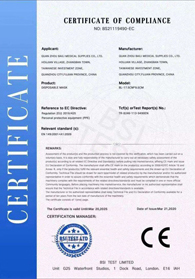

We ensure our materials and manufacturing practices meet the requirements for:
- Food Grade Compliance: All parts in contact with food are made from food-safe stainless steel.
- Electrical Safety: Compliance with international electrical safety standards for robust operation.
- Material Restrictions: Adherence to regulations like RoHS regarding hazardous substances.
For specific export markets, such as the United States, compliance with FDA (Food and Drug Administration) guidelines is crucial. Our equipment's design and material choices are made with these rigorous safety and hygiene standards firmly in view. By partnering with Hebei Yuanchang, you gain access to packaging solutions that are not only efficient but also compliant, reducing your risk of customs delays or rejections.
Real-World Impact: Client Experiences with Our Vacuum Packaging Solutions
We believe that the true measure of our equipment's value lies in its performance in our clients' operations. Here’s what some of our partners have shared:
 Maria Rodriguez, Procurement Manager, Premium Meat Co. (USA)
"Before switching to Yuanchang's double-chamber vacuum sealers, we struggled with consistency in our export-grade beef jerky. The old machines were slow and seals often failed during transit. Since implementing the new Yuanchang systems, our spoilage rate has dropped by nearly 15%, and we've had zero reported seal failures on our last three shipments to Asia. The throughput is also significantly higher, allowing us to meet demand more reliably."
 David Chen, Operations Director, Global Seafood Exporters (Canada)
"We needed a packaging solution that could handle delicate frozen shrimp without crushing them. Yuanchang's engineers understood our challenge and recommended a unit with adjustable fill plates and a robust vacuum pump that could achieve a strong seal quickly. The result? Our products arrive looking as good as they did when packed, and customers have noticed the improved quality and extended freshness. Their support team was very responsive during installation."
 Sarah Jenkins, Plant Manager, Artisan Cheese Makers (UK)
"For our specialty cheeses, maintaining the aroma and preventing premature aging during long-distance shipping is vital. The vacuum sealing process with our Yuanchang machine has been a game-changer. We've extended the shelf life by an estimated 30-40%, significantly reducing the risk of product returning to us. The stainless steel construction is also a huge plus for our hygiene protocols."
vacuum machine packaging vacuum packaging equipment how does vacuum packaging work
Unlock Your Export Potential with Advanced Vacuum Packaging
Don't let inadequate packaging limit your market reach or compromise your product's quality. Invest in a solution built for reliability, efficiency, and global compliance.
Request a Custom Quote & CatalogFrequently Asked Questions (FAQ)
Q: What is the typical lifespan of your vacuum packaging machines?
A: With proper maintenance and operation, our industrial vacuum packaging systems, built with high-quality components like Japanese Mazak CNC-machined parts, are designed for a long operational life, often exceeding 10-15 years in demanding production environments. Our traceable after-sales management system ensures ongoing support for longevity.
Q: Can your machines handle both raw and cooked food products?
A: Absolutely. Our vacuum packaging systems are versatile and suitable for a wide range of products, including raw meats, poultry, seafood, as well as cooked meals, processed meats, and marinated items. The key is selecting the right bag material and machine settings for optimal preservation.
Q: What is the installation process like for international clients?
A: We provide comprehensive installation guides and operational manuals. Our team is also available for remote support during installation and commissioning. For complex setups or clients requiring hands-on assistance, we can arrange for our engineers to travel onsite, depending on project scope and location. We also consider logistics such as container loading and shipping to simplify the process.
Q: How do I determine the right vacuum packaging machine for my specific needs?
A: Our export sales team is trained to guide you through this process. We'll discuss your product types, production volumes, desired shelf life, budget, and any specific market requirements. Based on this, we can recommend standard models or discuss OEM/ODM customization. We also offer consultation on appropriate packaging films.
Q: What kind of after-sales support do you offer for international customers?
A: We offer comprehensive after-sales support including technical consultation, spare parts supply (manufactured in-house for quality control), and troubleshooting assistance. Our traceable management system ensures we can track your machine's history and provide efficient service. We aim to minimize your operational downtime.
Enhance Trust and Communication
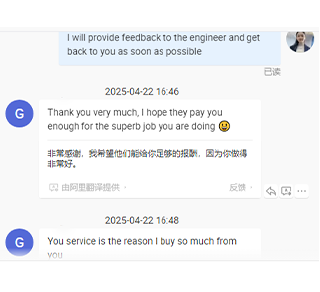
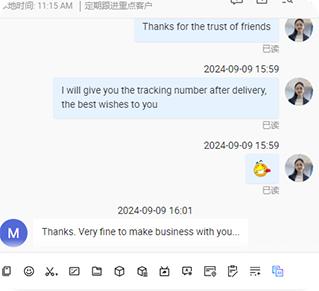
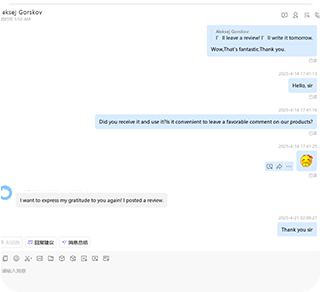
We believe in transparent and direct communication with our global partners. Here are some snippets of our ongoing conversations:
Connect with us directly to discuss your specific requirements.