Vacuum Mixer Price
Industrial Vacuum Mixers: Understanding Pricing for Optimal Procurement
Navigating the complexities of industrial vacuum mixer pricing to secure the right equipment for your production needs.
 By David Chen, Export Director
Updated:
By David Chen, Export Director
Updated:
The Nuances of Vacuum Mixer Pricing: Beyond the Sticker Shock
When you're on the hunt for an industrial vacuum mixer, the immediate question on every purchasing manager's mind is, "What's the vacuum mixer price?" It's a critical factor, of course, but one that often leads down a rabbit hole of confusion if not approached with a clear understanding of the underlying variables. We see it all the time: clients come to us with a budget in mind, only to discover that what they envisioned at one price point simply doesn't align with the robust capabilities and reliability they truly need for their specific application. This isn't about inflated costs; it's about the tangible engineering, material science, and manufacturing expertise that go into a piece of machinery designed for demanding, continuous industrial operation.
The global meat processing equipment market, for instance, is substantial. Reports indicate it was valued at approximately USD 11.29 billion in 2025 and is projected to reach USD 17.39 billion by 2034, growing at a CAGR of 5.0%. (Fortune Business Insights). Within this market, specialized equipment like vacuum mixers plays a pivotal role. These machines aren't just glorified blenders; they are precision-engineered systems designed to remove air during the mixing process, which is crucial for product quality, shelf-life, and texture in applications ranging from meat products and pet food to pharmaceuticals and chemicals.
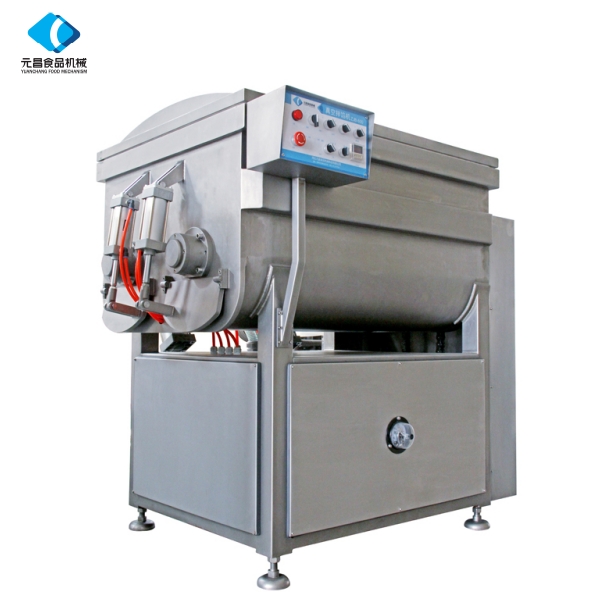
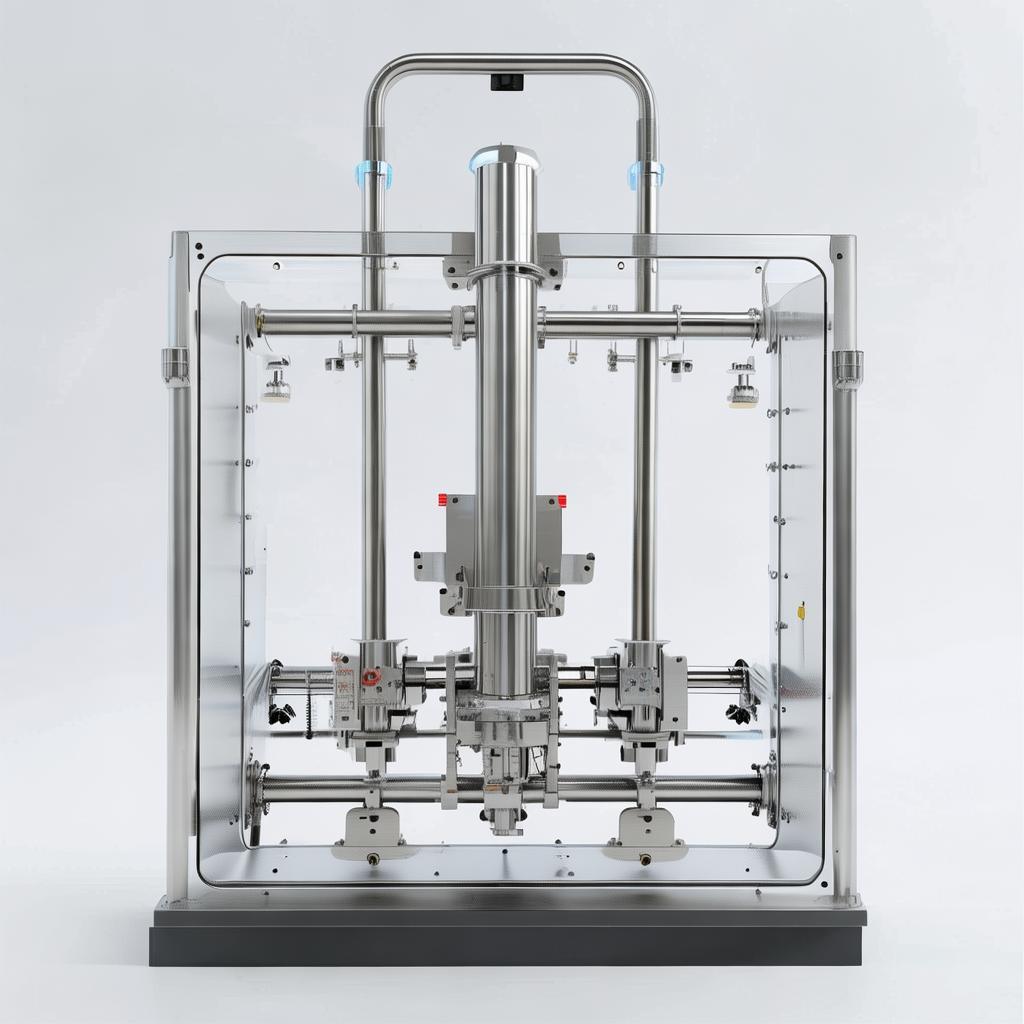
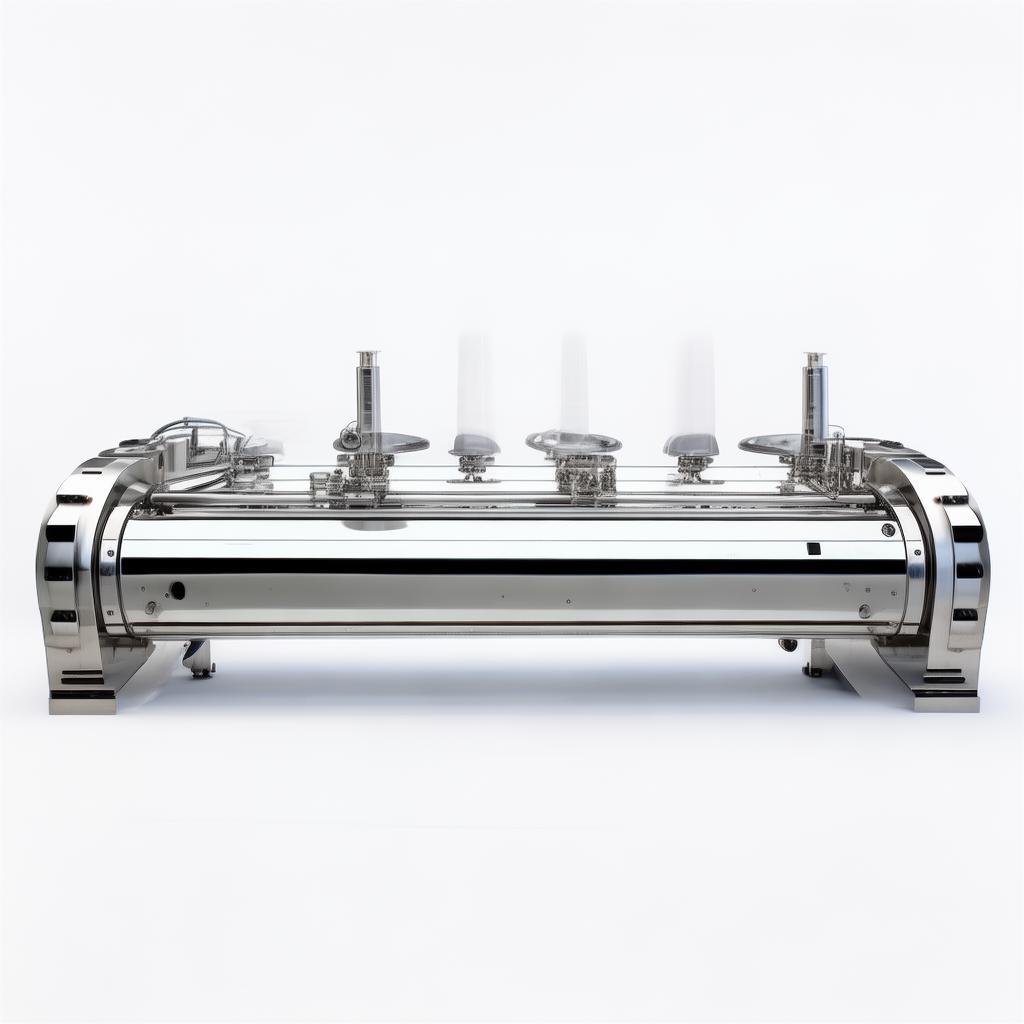
Understanding the price of a vacuum mixer involves dissecting several key components: machine capacity and volume, material construction (stainless steel grades are paramount), specific features (like single vs. double shaft, heating/cooling jackets, specialized cutting mechanisms), vacuum system quality, automation level, brand reputation, and the vendor's manufacturing depth. For instance, a small-scale, lower-capacity unit might seem attractive from a price perspective, but if your production volume demands higher throughput or if you're processing delicate materials that require precise vacuum control, opting for a less robust model could lead to premature failure, inconsistent product quality, and ultimately, higher operational costs down the line. This is where an experienced procurement advisor would highlight the long-term Total Cost of Ownership (TCO) rather than just the initial investment.
Our 40 years of experience since 1986 at Hebei Yuanchang Food Mechanism & Technology Co., Ltd. has shown us that clients who prioritize understanding these nuances end up with the best return on investment. We've seen firsthand how a well-specified vacuum mixer, even if it represents a higher initial outlay, can streamline operations, reduce waste, and enhance product appeal, directly impacting profitability. Conversely, chasing the lowest vacuum mixer price often leads to compromises on build quality, durability, and performance that can be far more costly in the long run.
The industrial landscape is also evolving. Automation and advanced food safety standards are driving demand for sophisticated machinery. Market research from Grand View Research suggests the global meat processing equipment market was valued at USD 11.28 billion in 2024 and is projected to reach USD 15.04 billion by 2030 (Grand View Research). This growth is fueled by the need for efficient, hygienic processing. Vacuum mixers are central to achieving consistent product quality and meeting these stringent requirements. They improve texture, prevent oxidation, and extend shelf life – critical factors for both consumer appeal and compliance with food safety regulations.
Therefore, as we delve into the specifics of vacuum mixer pricing, consider this not just a price inquiry, but a deep dive into what truly defines value in industrial mixing technology. We aim to equip you with the knowledge to make an informed decision that aligns with your operational goals and, importantly, your bottom line.
Key Factors Influencing Vacuum Mixer Price
When evaluating vacuum mixer price tags, several core elements dictate the final cost. Understanding these will empower you to pinpoint what's driving the numbers and whether it aligns with your procurement strategy.
1. Capacity and Volume: The Foundation of Cost
This is often the most straightforward determinant. A mixer designed for 100 kg batches will naturally cost less than one engineered for 2,000 kg batches. Larger capacities require more robust frame structures, higher-rated motors, stronger vacuum pumps, and larger processing vessels. Think of it like building a bridge: a small pedestrian walkway uses different materials and engineering than a multi-lane highway overpass. The price reflects the scale of the engineering and materials involved.
2. Material Construction: Durability and Compliance
For most industrial applications, especially in food processing, 304 or 316 stainless steel is the standard. Higher grades offer superior corrosion resistance and are easier to clean, which is critical for hygiene. The thickness and finish of the stainless steel also play a role. A thicker gauge vessel is more durable and resistant to deformation under vacuum. Polished interiors reduce product adherence and simplify sanitation. Prices can fluctuate significantly based on the quality and type of stainless steel specified, and whether certifications like FDA compliance are required.
3. Shaft Configuration and Mixing Mechanism
Single-shaft mixers are common for simpler blending tasks. However, many advanced applications benefit from double-shaft designs, which can offer more homogeneous mixing, better breakdown of materials, and improved deaeration efficiency. Some mixers also incorporate specialized paddles, cutters, or emulsifiers to achieve specific textures or product characteristics. These added complexities and precision-engineered components increase manufacturing costs and, consequently, the vacuum mixer price.
4. Vacuum System Performance
The heart of a vacuum mixer is its ability to achieve and maintain a strong vacuum. The type and size of the vacuum pump (e.g., rotary vane, liquid ring), the efficiency of the sealing system, and the overall design of the vacuum circuit significantly impact performance and price. A high-performance vacuum system can remove air more rapidly and to a lower pressure, leading to better product deaeration and extended shelf life. This sophistication comes at a higher cost.
5. Automation and Control Systems
Basic models might have simple manual controls. However, advanced units often feature Programmable Logic Controllers (PLCs), touch-screen interfaces, variable frequency drives (VFDs) for precise speed control, integrated temperature sensors, and automated recipes. These automation features enhance repeatability, reduce labor, improve safety, and can be crucial for compliance with industry standards. Naturally, these add-ons increase the vacuum mixer price but offer significant operational benefits.
6. Customization and OEM/ODM Capabilities
If your application requires specific dimensions, unique mixing attachments, specialized power requirements, or integration with existing production lines, custom-built or Original Equipment Manufacturer (OEM)/Original Design Manufacturer (ODM) solutions become necessary. The engineering effort involved in designing and manufacturing a bespoke vacuum mixer means a higher price point compared to standard models, but it ensures a perfect fit for your unique operational needs.
7. Brand Reputation and Manufacturing Depth
Established manufacturers with a proven track record, rigorous quality control, and extensive in-house manufacturing capabilities (like our 40 sets of processing machinery and Japanese Mazak CNC centers) often command higher prices. This premium reflects not just the product itself, but also the reliability, after-sales support, and assurance of consistent quality. Suppliers with substantial R&D, comprehensive factory floor expertise, and robust supply chain management offer a level of confidence that is invaluable for mission-critical equipment.
Typical Vacuum Mixer Price Ranges & What They Entail
While a precise quote requires detailed specification, we can provide general price ranges based on common configurations. It's crucial to remember these are estimates, and actual pricing will vary based on the factors discussed above and current market conditions.
Small to Medium Capacity (e.g., 50L - 500L)
Estimated Price Range: $5,000 - $25,000 USD
Typical Features: Basic stainless steel construction (304), single shaft, standard vacuum pump, manual or semi-automatic controls. Suitable for R&D labs, pilot production, or specialized low-volume applications in food, chemical, or pharmaceutical sectors.
Procurement Note: Watch for robust vacuum sealing; even small units require reliable air removal for quality outcomes.
Medium to Large Capacity (e.g., 500L - 2,000L)
Estimated Price Range: $25,000 - $80,000 USD
Typical Features: Heavy-duty 304 or 316 stainless steel, often double-shaft configurations, higher-capacity vacuum pumps, integrated heating/cooling jackets, basic PLC controls, VFDs for speed adjustment. Ideal for mid-sized production facilities in food, cosmetics, and specialty chemical industries.
Buyer Consideration: Ensure the material grade and build quality can handle continuous operation and rigorous cleaning protocols.
Extra-Large Capacity & High-Spec Units (e.g., 2,000L+)
Estimated Price Range: $80,000 - $250,000+ USD
Typical Features: Premium 316L stainless steel, advanced double-shaft designs with specialized mixing elements, high-efficiency vacuum systems, fully automated PLC control panels with HMI interfaces, explosion-proof options, compliance with stringent regulatory standards (e.g., GMP for pharmaceuticals). Designed for large-scale industrial operations demanding maximum efficiency, precision, and safety.
Operational Insight: These units often include advanced safety interlocks and process monitoring, significantly reducing operational risks.
For perspective on the broader market, the meat processing equipment market was projected to reach USD 19.66 billion by 2033 at a CAGR of 5.6%. (Skyquestt). Vacuum mixers are a vital part of this ecosystem, and their pricing reflects the advanced engineering required for efficient food production.
Cost-Saving Considerations & ROI
While the initial vacuum mixer price is significant, smart procurement focuses on maximizing return on investment. Here's how to approach it:
- Accurate Needs Assessment: Don't over-spec. Understanding your exact capacity, processing needs, and material properties prevents overspending on features you won't use.
- Long-Term Durability: Investing in higher-grade materials (like 316L stainless steel) and superior vacuum pump technology may increase upfront costs but drastically reduces maintenance and replacement expenses over the equipment's lifespan.
- Energy Efficiency: Modern vacuum mixers are designed with energy-efficient motors and optimized vacuum systems. While seemingly a minor point, it contributes to lower operating expenses over thousands of hours of use.
- Reduced Product Loss: Effective deaeration minimizes oxidation, improves texture, and extends shelf life, directly translating to less product spoilage and higher sales realization. This is a tangible ROI driver.
- Automation Benefits: While automation increases the initial vacuum mixer price, it reduces labor costs, minimizes human error, and ensures consistent product quality, leading to significant long-term savings and improved throughput.
According to IMARC Group, the global meat processing equipment market reached USD 18.3 billion in 2025 and is expected to hit USD 29.8 billion by 2034 at a CAGR of 5.43% (IMARC Group). This expansion is driven by the need for efficient, automated solutions that deliver consistent quality and safety, areas where advanced vacuum mixers excel and justify their investment.
Our Manufacturing Advantage: Value Beyond the Price Tag
At Hebei Yuanchang Food Mechanism & Technology Co., Ltd., we pride ourselves on offering exceptional value. With 40 years of dedicated experience (since 1986) in meat processing equipment, including sophisticated mixing solutions, we understand the critical balance between performance, durability, and cost-effectiveness.

In-House Machining: Our facility boasts over 20 sets of processing machinery, including advanced CNC centers from Japanese Mazak. This allows us to produce high-precision components independently, ensuring superior build quality and tighter control over the manufacturing process.
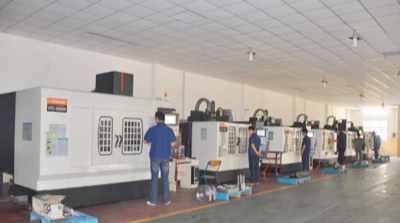
Comprehensive Expertise: Covering R&D, production, and sales, our team of 80-100 dedicated professionals brings decades of collective experience. We specialize in complete production lines, giving us a holistic understanding of how vacuum mixers integrate into your overall operation.

Quality Assurance: Our commitment to quality is reflected in our certifications and meticulous after-sales management. We can independently produce high-precision parts, offering worry-free service and long-term equipment reliability.
We don't just sell machines; we provide engineered solutions. This approach allows us to offer competitive vacuum mixer pricing without compromising on the quality, performance, and durability your operation demands. Our capacity to undertake production of high-standard components with exacting precision is a testament to our investment in technology and expertise.
Common Applications for Vacuum Mixers
The versatility of vacuum mixers makes them essential across multiple industries:
Meat Processing
Sausage emulsions, burger patties, cured meats, pet food. Vacuum mixing improves binding, texture, and extends shelf life by preventing oxidation. This aligns with a market segment where filling & stuffing equipment, along with massaging (for ripening), are crucial. (Fortune Business Insights)
Pharmaceuticals
Blending powders, granules, and excipients for tablets and capsules. Vacuum ensures homogeneity and prevents contamination, critical for GMP compliance.
Cosmetics & Personal Care
Cream, lotions, toothpaste. Vacuum mixing prevents air entrapment, ensuring smooth textures and preventing microbial growth.
Chemicals
Adhesives, sealants, polymers, paints. Achieving uniform mixtures and preventing degradation due to atmospheric exposure.
Installation and Maintenance: Practical Considerations
The vacuum mixer price doesn't end at delivery. Factor in installation and ongoing maintenance for a true understanding of operational costs.
Installation
Most industrial vacuum mixers require a stable, level floor. Proper electrical connections to match the machine's power specifications are crucial. If a vacuum pump is external, ensure adequate ventilation. For larger units, rigging and lifting equipment may be necessary. We provide detailed installation manuals and can offer on-site support or remote guidance to ensure smooth setup.
Maintenance
vacuum mixer for sale commercial vacuum mixer vacuum mixer supplier
Regular cleaning is paramount, especially in food-grade applications. Check seals for wear, lubrication points, and ensure the vacuum pump is maintained according to its manual (oil changes, filter checks). Our machines are designed for ease of access for cleaning and maintenance, minimizing downtime. The traceability of our in-house parts production means replacement components are readily available, avoiding extended production halts.
A typical vacuum mixer might require monthly checks on seals and basic cleaning, with more in-depth maintenance (like pump servicing) recommended every 6-12 months, depending on usage intensity and the materials processed.
Choosing the Right Supplier: Beyond the Lowest Price
When comparing vacuum mixer prices, look beyond the numbers and evaluate the supplier's overall offering:
- Manufacturing Capabilities: Does the supplier have their own advanced machining facilities and R&D? This indicates control over quality and design.
- Experience: How long have they been in the industry? 40 years, like ours, signifies deep, practical knowledge.
- After-Sales Support: Can they provide spare parts, technical assistance, and service? Independent parts production is a significant advantage.
- Customization: Do they offer OEM/ODM services for tailored solutions?
- Certifications: Are their products compliant with relevant industry standards (e.g., CE, FDA)?
As the market for meat processing equipment continues to grow, with projections suggesting it could reach up to USD 19.11 billion by 2035 (Precedence Research), choosing a reliable partner is key. A lower vacuum mixer price from an unproven vendor can lead to production disruptions and costly repairs.
Customer Testimonials: Real-World Experience

"We were looking for a vacuum mixer that could handle large batches of sausage meat consistently. Yuanchang's team understood our needs perfectly. The machine delivers uniform texture and excellent shelf life. The initial pricing was competitive, but the reliability has been the real win."

"We needed a vacuum mixer for specialized pet food formulations. Yuanchang offered a tailored solution that fit our budget, incorporating specific mixing paddles. The installation support was excellent, and we've seen a definite improvement in product consistency since upgrading. The after-sales support for spare parts has been prompt."

"Our old mixer was a bottleneck. The new vacuum mixer from Yuanchang has increased our throughput by nearly 20%. The dual-shaft design ensures everything is thoroughly mixed, and the vacuum function is incredibly effective. It was a significant investment, but the ROI is clear within months."
Frequently Asked Questions (FAQs) About Vacuum Mixers
- Q: What is the typical lead time for a vacuum mixer?
- Lead times can vary based on customization and current production schedules, typically ranging from 4 to 12 weeks. For standard models, it might be faster.
- Q: Can vacuum mixers handle sticky or viscous materials?
- Yes, especially those with robust double-shaft designs and specialized paddle configurations. The vacuum process can also help break down viscosity in some materials.
- Q: What kind of power supply is typically needed?
- This depends on the mixer's size and motor power. Common industrial voltages like 380V/400V/415V (3-phase) are standard, but we can often adapt to specific regional requirements.
- Q: How is the vacuum achieved?
- Vacuum is typically achieved using industrial-grade vacuum pumps, such as rotary vane or liquid ring pumps, connected to the mixer's sealed vessel.
- Q: What differentiates a vacuum mixer from a standard industrial mixer?
- The key difference is the ability to remove air during the mixing process. This leads to denser products, improved texture, longer shelf life, and prevention of oxidation, which standard mixers cannot achieve.
Ready to Find Your Ideal Vacuum Mixer?
Don't let price ambiguity slow down your procurement. Let's discuss your specific needs and provide a transparent, competitive quote. Leverage our 40 years of expertise to find the perfect fit for your operation.
Hebei Yuanchang Food Mechanism & Technology Co., Ltd. | Shijiazhuang, Hebei Province, China | ycmeatmech@gmail.com
© 1986 - All Rights Reserved.