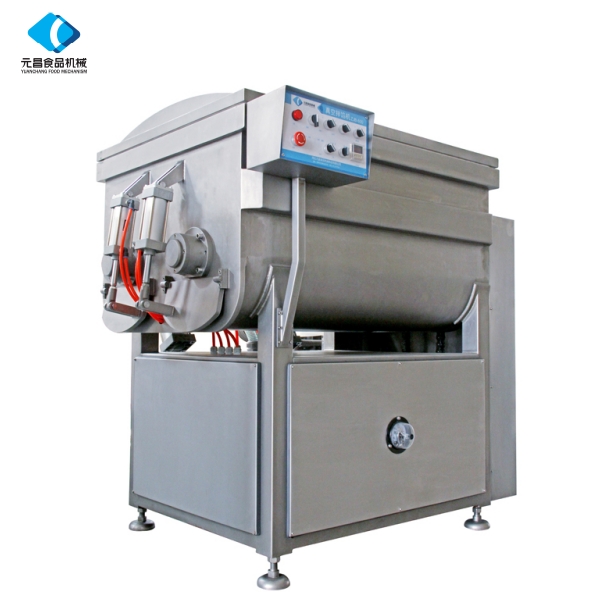
Vacuum Capping
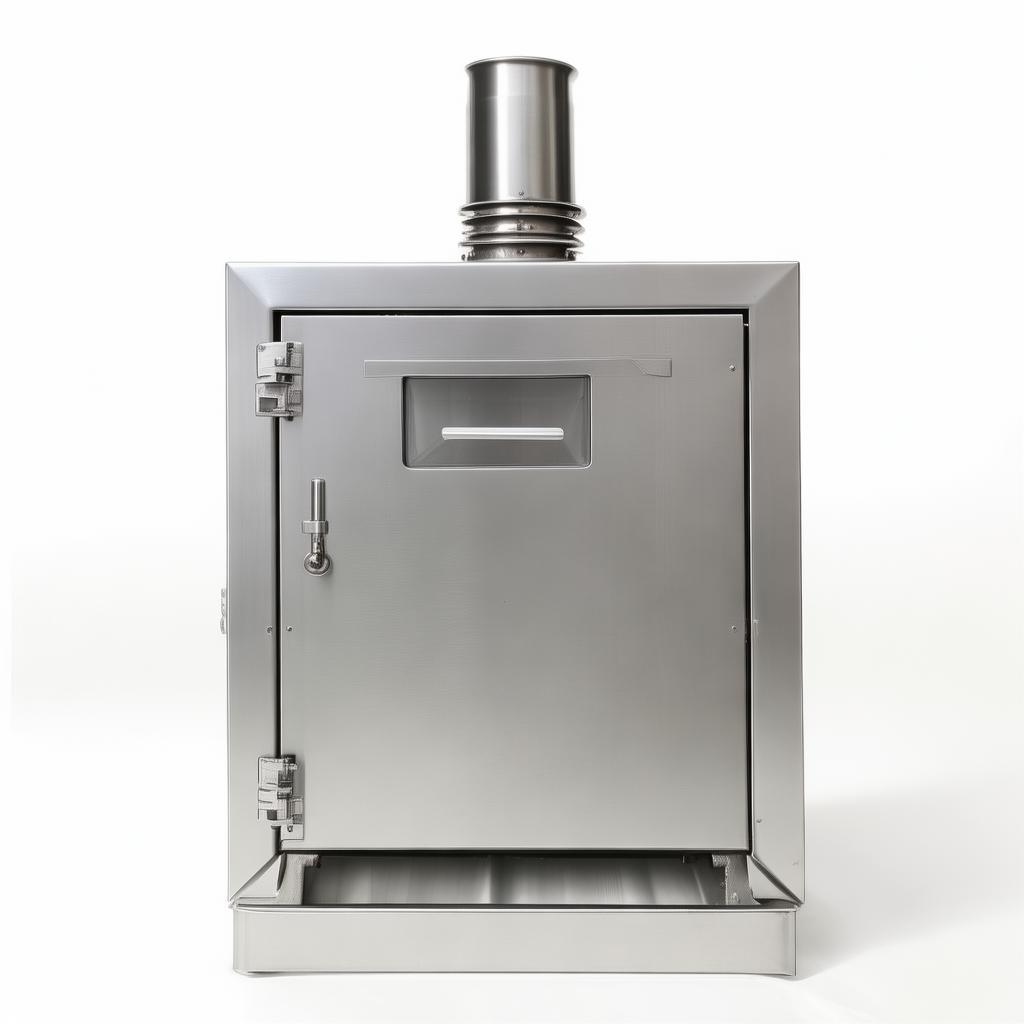
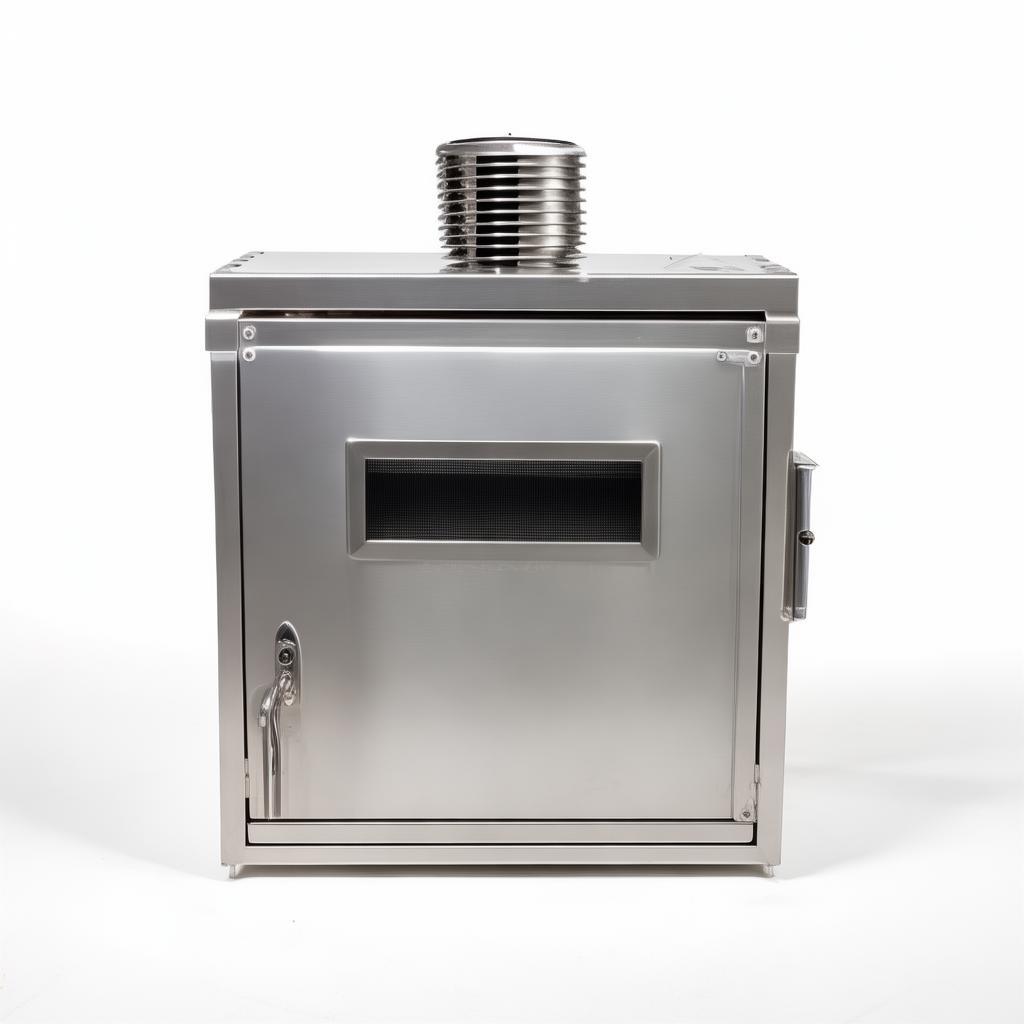
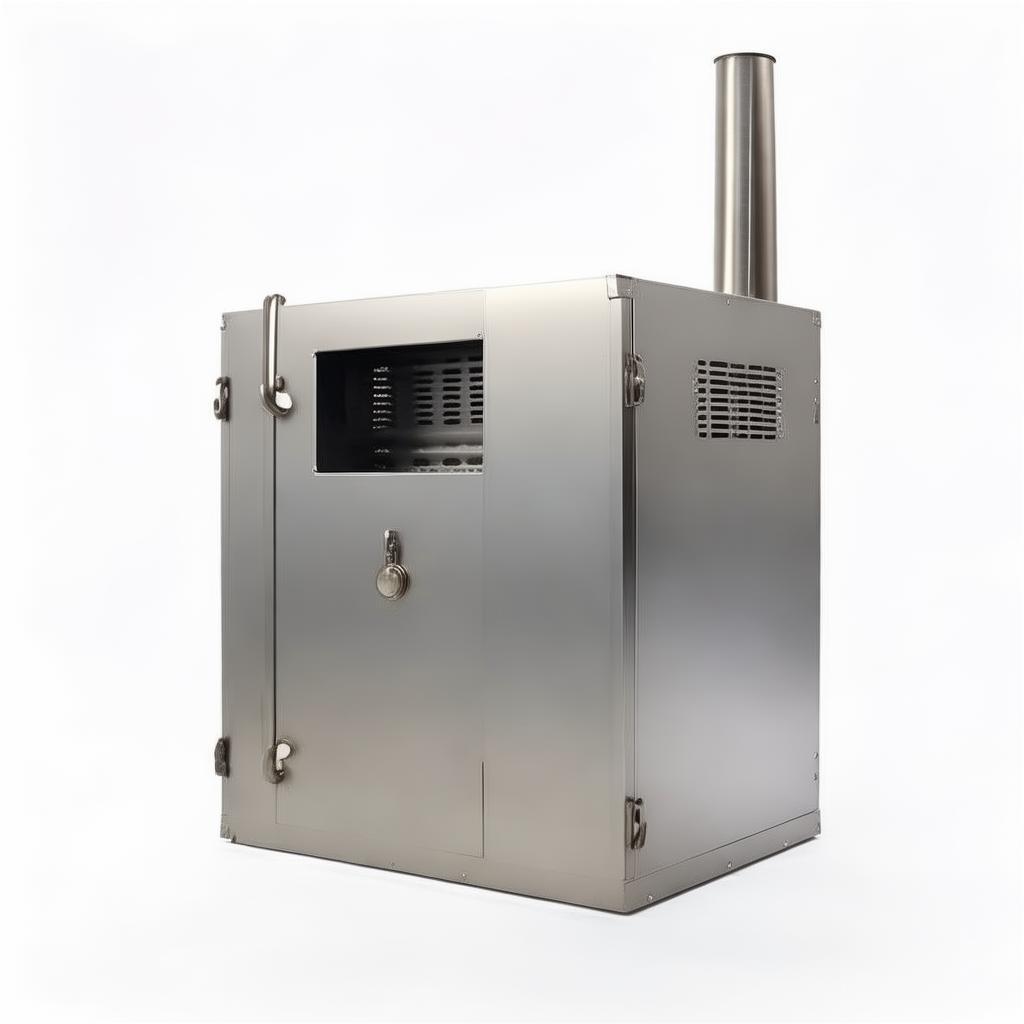
Vacuum Capping Solutions: Precision, Reliability, and Efficiency for Your Industrial Needs

By: Alex Chen, Senior Export Manager
Hebei Yuanchang Food Mechanism & Technology Co., Ltd.
In today's competitive global market, the integrity of your product packaging is paramount. For industries ranging from food processing to pharmaceuticals, achieving a secure, airtight seal is not just about shelf life; it's about maintaining product quality, preventing contamination, and ensuring consumer safety. This is where advanced vacuum capping technology comes into play, offering a sophisticated solution to a fundamental packaging challenge. At Hebei Yuanchang, with our decades of experience in manufacturing precision equipment, we understand the critical role that reliable vacuum capping plays in the success of your operations. This guide delves into the intricacies of vacuum capping, its applications, benefits, and how selecting the right machinery can significantly impact your production efficiency and bottom line.
Understanding the Core of Vacuum Capping
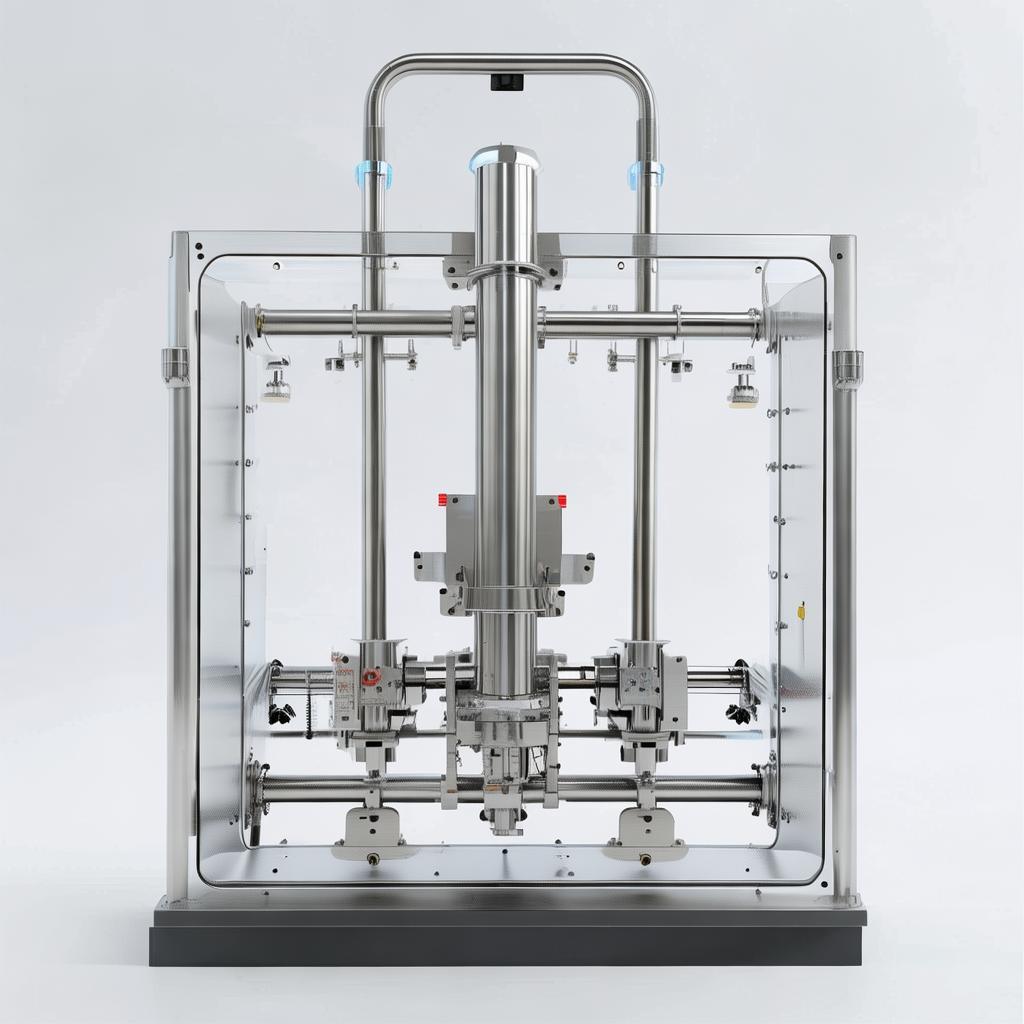
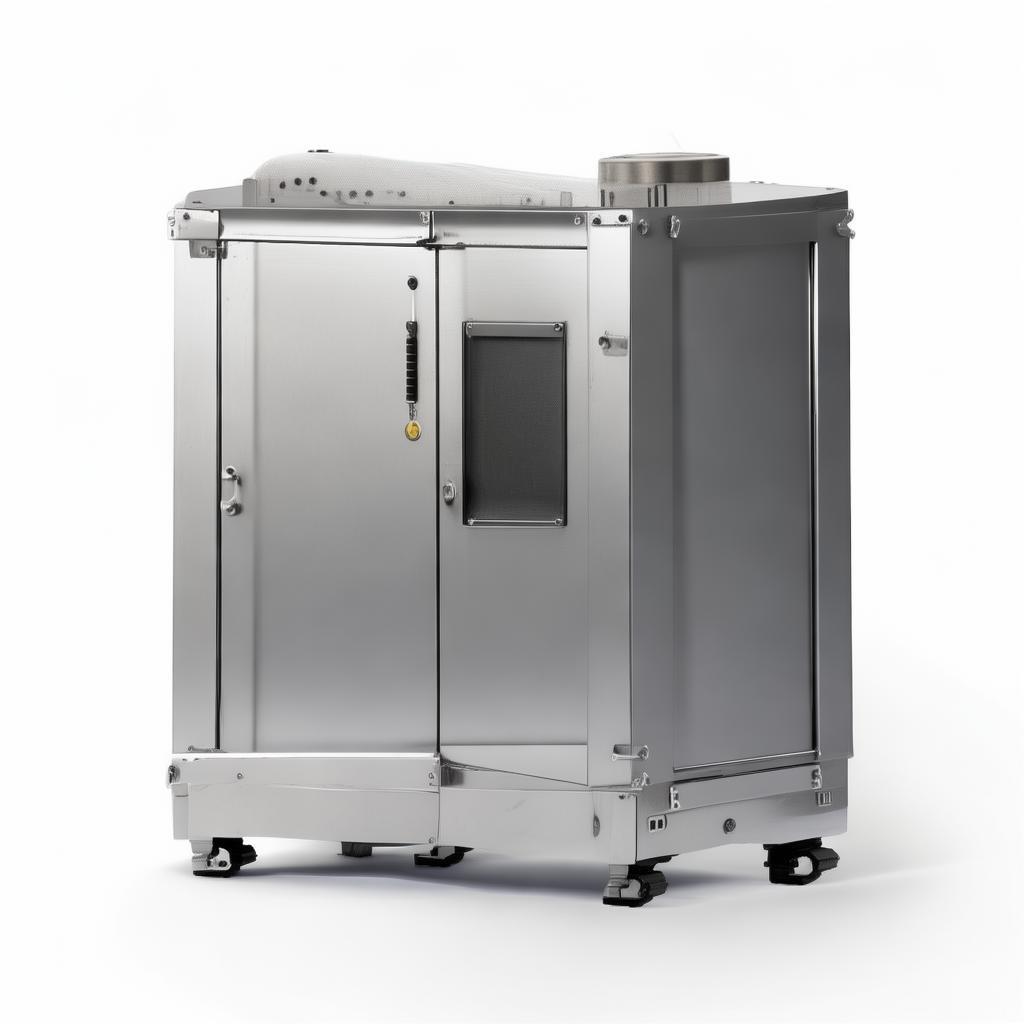
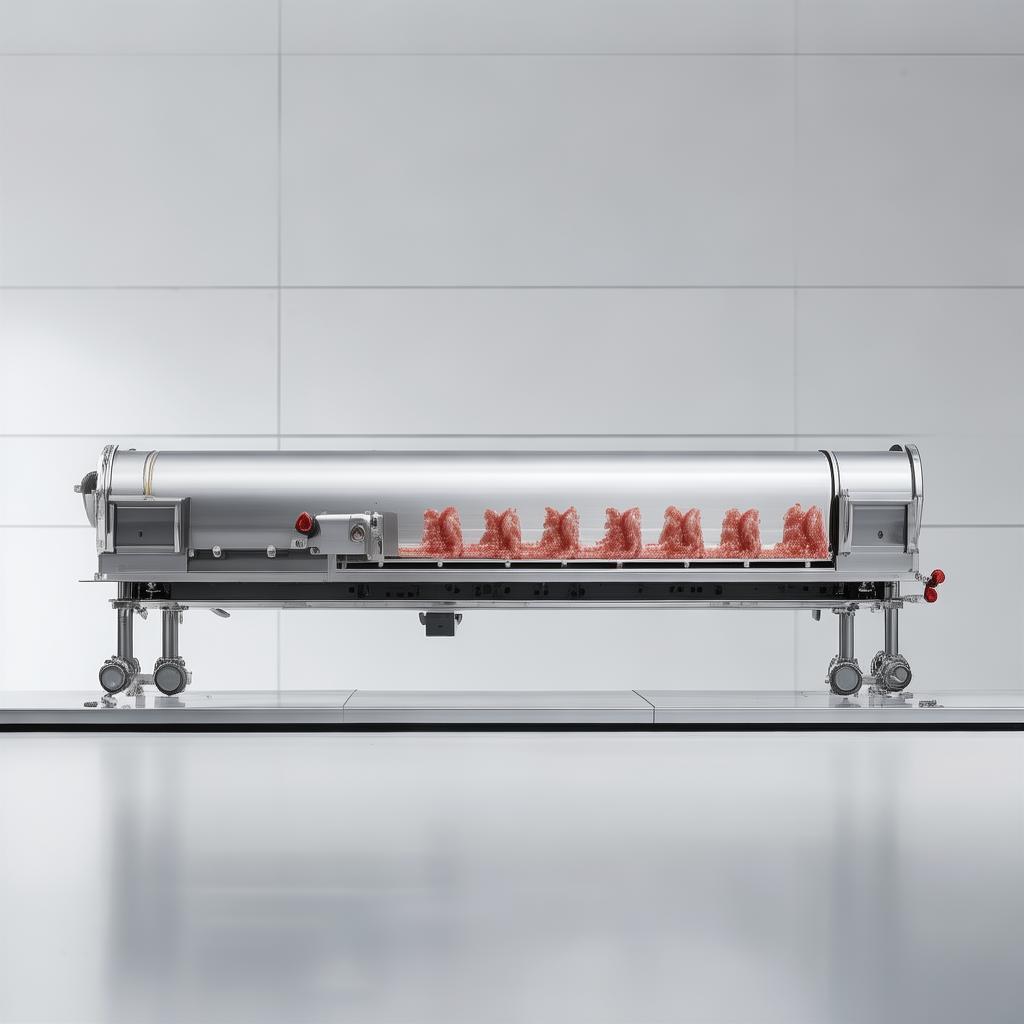
Vacuum capping, at its heart, is a process designed to create a vacuum seal within a container before it is permanently closed. This is typically achieved by removing a significant portion of the air from the headspace of the package, thereby reducing the internal pressure. This reduced pressure does two primary things: it significantly extends the shelf life of perishable goods by inhibiting the growth of aerobic microorganisms and slowing down enzymatic spoilage, and it helps to preserve the product's freshness, flavor, and aroma. The process often involves specialized capping machines that integrate vacuuming and sealing functions, ensuring a consistent and robust closure with every cycle.
The demand for such effective packaging solutions is underscored by the growth in the processed meat sector, which globally is projected to expand significantly. Reports suggest the processed meat market is set to reach over USD 1.3 trillion by 2035 (Precedence Research). This expansion inherently drives the need for reliable processing and packaging equipment, including robust vacuum capping systems, essential for extending the viability of sausages, cured meats, and other preserved products. Similarly, the broader food processing equipment market is experiencing robust growth, with estimates pointing towards USD 19.11 billion by 2035 (Precedence Research), reflecting a widespread need for advanced machinery across the industry.
Our journey at Hebei Yuanchang, spanning over 40 years since 1986, has been dedicated to mastering the nuances of food processing machinery. We've witnessed firsthand the evolution of packaging technologies and the increasing emphasis on automated, high-precision solutions. The development of advanced vacuum capping systems is a direct response to these industry demands. These systems are crucial for many applications, particularly where maintaining product integrity from production line to consumer is non-negotiable. Think about delicate seafood, ready-to-eat meals, or even sensitive chemical compounds – a proper vacuum seal is the first line of defense against spoilage and contamination.
The complexity of modern supply chains, often spanning continents, further amplifies the importance of effective packaging. Products must withstand varying environmental conditions during transit, and a strong vacuum seal provides a critical buffer against these challenges. For instance, the global meat processing equipment market, valued at USD 11.29 billion in 2025 and projected to reach USD 17.39 billion by 2034 (Fortune Business Insights), clearly indicates a sustained investment in solutions that enhance product preservation and safety. Vacuum capping technology is an integral part of this ecosystem, ensuring that the quality engineered into the product is maintained through its entire journey.
Furthermore, regulatory compliance and consumer trust are inextricably linked to packaging quality. In many regions, stringent food safety regulations mandate specific packaging standards to prevent spoilage and ensure traceability. Vacuum sealing directly addresses these requirements by creating an environment that limits microbial growth. It's not just about extending shelf life; it's about meeting stringent quality benchmarks. We see this trend mirrored across various industrial sectors, all seeking robust, repeatable, and verifiable sealing processes. The evolution towards automated production lines means that manual sealing methods are increasingly becoming obsolete, replaced by high-throughput, low-error vacuum capping machines.
The "Fit For Now" (2026) imperative in industrial manufacturing emphasizes adaptability and efficiency. This means investing in equipment that not only meets current production demands but also aligns with future industry standards for automation, sustainability, and product integrity. Vacuum capping, when implemented with modern, energy-efficient machinery, supports these goals by reducing product spoilage (thereby minimizing waste) and enabling higher production speeds with fewer defects. It’s a technology that directly contributes to operational resilience and market competitiveness.
Key Benefits of Implementing Vacuum Capping Technology
The advantages of integrating sophisticated vacuum capping systems into your production line are manifold, impacting everything from product quality to operational efficiency.
- Extended Shelf Life: By removing air, aerobic spoilage organisms and enzymatic degradation are significantly slowed. This is critical for perishable goods like processed meats, ready-to-eat meals, and certain dairy products.
- Preservation of Product Quality: Vacuum sealing helps maintain the original flavor, aroma, color, and texture of products, ensuring a superior consumer experience. This is especially important for premium food items and ingredients.
- Prevention of Contamination: The airtight seal acts as a barrier against external contaminants, including bacteria, dust, and moisture, thereby enhancing product safety and integrity.
- Reduced Spoilage and Waste: Longer shelf life directly translates to less product spoilage throughout the supply chain, leading to reduced waste and improved profitability.
- Enhanced Product Presentation: A well-sealed package often presents a cleaner, more professional appearance on retail shelves, contributing to brand perception.
- Operational Efficiency: Modern vacuum capping machines are designed for high throughput, automation, and minimal downtime, integrating seamlessly into existing production lines.
Vacuum Capping in Action: Diverse Applications
The versatility of vacuum capping makes it indispensable across numerous industrial sectors. Here are some primary application areas:
Food Processing & Packaging:
This is perhaps the most recognized application. Vacuum sealing is vital for processed meats (sausages, cured meats), ready-to-eat meals, seafood, snacks, coffee, tea, cheese, and baked goods. It plays a key role in the ripening process for certain meat products, where controlled atmosphere packaging is essential. The demand for convenient and safe food options is a constant driver, with the global processed meat market alone expected to reach USD 1,330.45 billion by 2035 (Precedence Research).
Pharmaceuticals & Medical Devices:
Sterility is paramount. Vacuum sealing is used for packaging sterile medical supplies, diagnostic kits, and certain pharmaceutical formulations to prevent contamination and maintain product integrity until the point of use.
Cosmetics & Personal Care:
Products prone to oxidation or requiring a pristine presentation benefit greatly. Creams, lotions, and specialty beauty products can maintain their efficacy and aesthetic appeal longer when vacuum sealed.
Industrial & Chemical Products:
Certain fine powders, sensitive chemicals, and electronic components may require vacuum packaging to protect them from moisture, oxidation, or static discharge during storage and transit.
Choosing the Right Vacuum Capping System: A Buyer's Guide
Selecting the optimal vacuum capping machine requires a thorough understanding of your specific operational needs, production volume, and product characteristics. This is not a one-size-fits-all decision.
Production Volume and Speed Requirements
Are you a high-volume manufacturer running continuous shifts, or do you have more modest, batch-oriented production runs? Machines range from semi-automatic benchtop units to fully automated inline systems. High-throughput lines might require systems capable of hundreds of cycles per minute, while smaller operations might be better served by simpler, more cost-effective solutions. The market for meat processing equipment alone is projected to grow to USD 15.04 billion by 2030 (Grand View Research), indicating a broad spectrum of needs.
Container Type and Size
The type of containers you use (glass jars, plastic tubs, pouches, trays) and their dimensions will dictate the type of capper and capping head required. Compatibility with different materials and closure types (screw caps, press-on lids) is crucial. For instance, a machine designed for rigid jars will differ significantly from one handling flexible pouches.
Vacuum Level and Seal Integrity
The required vacuum level for your product is a critical specification. Some products need a deep vacuum to prevent degradation, while others may only require a moderate reduction in air pressure. Ensure the machine's vacuum pump capacity and control system can consistently achieve and maintain your target vacuum levels. Seal integrity, particularly in food applications, is non-negotiable. The sealing mechanism must create a hermetic seal, preventing any ingress of air or egress of product.
Material Compatibility and Product Characteristics
Consider if your product has specific handling requirements. Is it viscous, fragile, or does it contain solids that could interfere with the seal? The machine should be designed to handle these characteristics without damaging the product or compromising the seal. Material compatibility with the capping head and other contact parts is also important to prevent corrosion or contamination, especially in food or pharmaceutical applications.
Automation Level and Integration
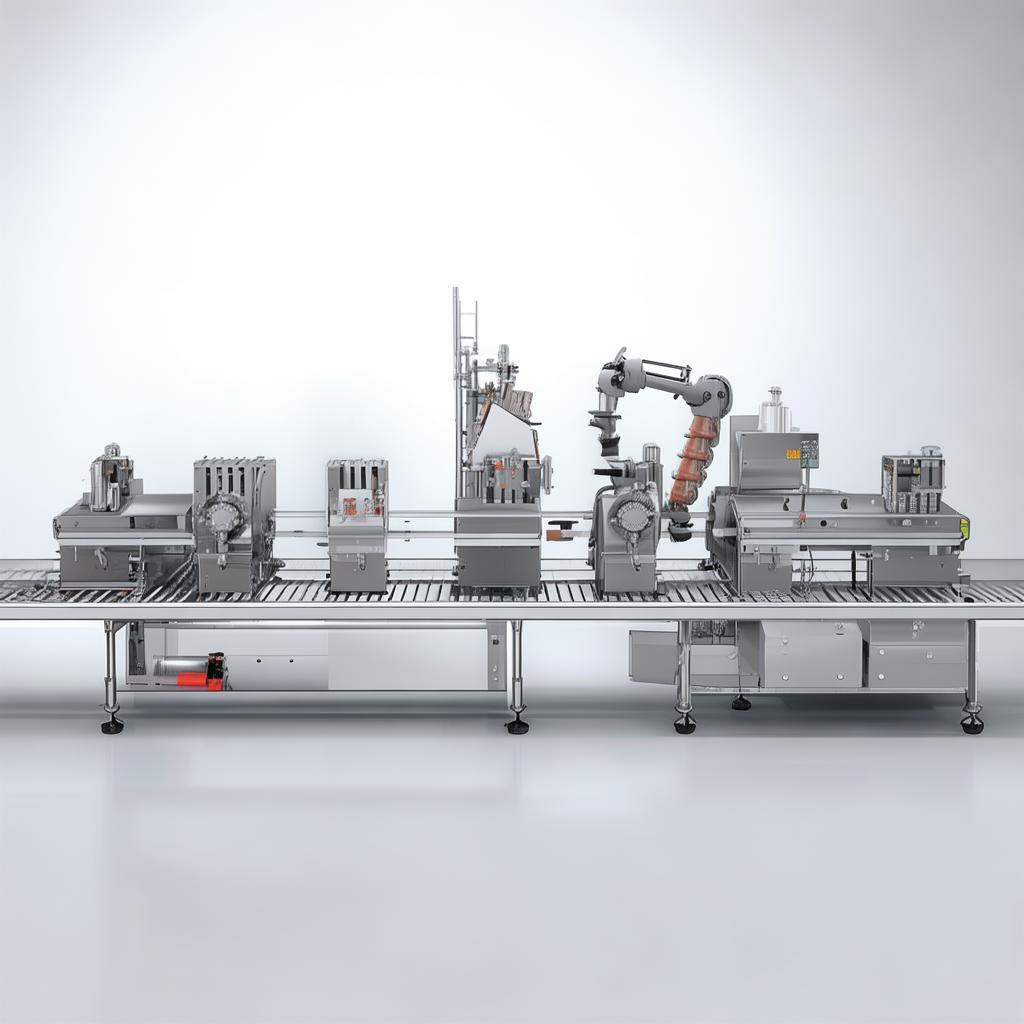
Do you need a standalone unit, or should it integrate with your existing conveyor systems and upstream/downstream equipment? Fully automated systems offer the highest efficiency but require more significant investment and space. We provide solutions designed for seamless integration, minimizing disruption to your workflow. The trend towards automation is strong, with the meat processing equipment market emphasizing automated solutions for hygiene and efficiency.
OEM/ODM Capabilities
For unique requirements, consider manufacturers offering OEM (Original Equipment Manufacturer) or ODM (Original Design Manufacturer) services. This allows for custom modifications or entirely bespoke machine designs tailored to your precise needs. At Hebei Yuanchang, our extensive machining capabilities, including Japanese Mazak CNC centers, enable us to produce high-precision, non-standard components, making us an ideal partner for custom solutions.
Let's discuss your specific project needs. Talk to our engineers about your application.
Technical Specifications & Features
Our vacuum capping machines are engineered for performance and reliability. While specific models vary, common features and specifications include:
| Feature / Specification | Details |
|---|---|
| Model Example | YC-VC Series (Customizable) |
| Capping Speed | Up to 60 cpm (model dependent) |
| Vacuum Level | Adjustable, typically -0.02 to -0.10 MPa (or as per requirement) |
| Container Compatibility | Jars, bottles, trays, pouches (various sizes and shapes) |
| Cap Type Compatibility | Screw caps, press-on lids, custom closures |
| Materials of Construction | Stainless Steel (304/316), food-grade plastics |
| Control System | PLC with HMI touchscreen interface |
| Power Supply | 220V/380V, 50/60Hz (customizable) |
| Certifications | CE, ISO 9001 compliant manufacturing |
Vacuum filler vacuum fill vacuum distiller
Need precise specifications for your unique product? Request Product Specs now.
Our Manufacturing Strength: Ensuring Quality and Reliability
At Hebei Yuanchang, our 40 years of experience since 1986 are built on a foundation of robust manufacturing capabilities. We don't just assemble; we engineer and produce with precision.

State-of-the-art machining workshop.
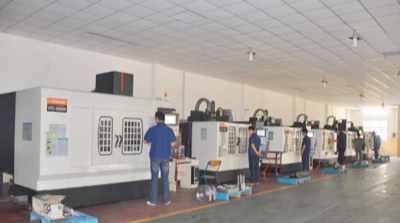
Precision with Japanese Mazak CNC centers.
Our 14,000 square meter facility houses a dedicated team of 80-100 skilled professionals. We operate our own comprehensive machining workshop equipped with over 20 sets of advanced machinery, including lathes, milling machines, high-precision grinders, and cutting equipment. The addition of 8 Japanese Mazak CNC machining centers in 2012 was a pivotal step, enabling us to produce high-standard, high-precision components that meet stringent volume, accuracy, and non-standard specification requirements. This in-house control over critical part production ensures consistent quality and reduces lead times. Furthermore, our traceable after-sales management system means we stand behind every piece of equipment we deliver, offering unparalleled support and peace of mind.
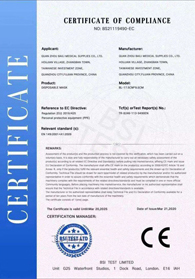
We are proud to manufacture according to ISO 9001 standards, ensuring that our processes are consistently monitored and improved. Our commitment to quality extends to compliance with international standards where applicable for components used in food-grade machinery.

Installation, Maintenance, and Logistics
Getting your vacuum capping solution operational and keeping it that way is crucial for uninterrupted production. We offer comprehensive support.
Installation Guidance
While many of our systems are designed for straightforward integration, our technical team is available to provide installation support. We can offer guidance on site preparation, utility connections (power, compressed air), and machine setup to ensure optimal performance from day one. Understanding your production line layout is key here.
Routine Maintenance
Regular maintenance is vital for extending the life of your vacuum capper and preventing costly breakdowns. This typically includes cleaning of sealing jaws and vacuum systems, lubrication of moving parts, and periodic checks of pneumatic and electrical components. We provide detailed maintenance schedules and spare parts lists to facilitate your in-house upkeep. Proactive maintenance helps avoid the kind of downtime that can severely impact output, especially in high-demand markets.
Spare Parts and After-Sales Support
Because we manufacture critical components in-house, we maintain a robust stock of spare parts. This ensures quick dispatch and minimal waiting times for replacement parts, keeping your production running. Our traceable after-sales management system means we can quickly identify the exact parts needed for your specific machine configuration. This reliability is a key differentiator for us.
Global Logistics and Shipping
We have extensive experience shipping machinery worldwide. Our team manages packaging, documentation, and freight coordination to ensure your equipment reaches its destination safely and efficiently. We work with reliable logistics partners to provide timely delivery and clear customs. Whether it's a single machine or a complete production line, we optimize container loading and shipping plans to manage costs and transit times effectively.
Considering international shipment? Get a Shipping Plan tailored for your order.
Client Success Stories & Reviews
We believe in building lasting partnerships through reliable equipment and exceptional service. Here’s what some of our clients have to say:

Maria Rodriguez, Operations Manager
Gourmet Foods Inc. (USA)
"Implementing the YC-VC series vacuum capper was a game-changer for our premium jerky line. We struggled with consistent sealing and shelf life issues. Since installing their machine, our spoilage rate has dropped significantly, and customer feedback on freshness has improved. The machine is robust and integrates perfectly with our existing line."

David Chen, Procurement Director
AgriFresh Packaging (Canada)
"We needed a reliable vacuum capping solution for our pre-packaged meal kits. Hebei Yuanchang delivered! The machine's precision is excellent, and the after-sales support has been outstanding. They were very knowledgeable about our specific product requirements and helped us select the ideal model. We received timely delivery and clear installation instructions."

Aisha Khan, Production Supervisor
Spices & Herbs Co. (Australia)
"The vacuum capper from Yuanchang has significantly improved the quality and shelf life of our specialty spice blends. Preventing moisture ingress was critical, and this machine does exactly that. The build quality is impressive, and it runs efficiently with minimal intervention. We also appreciated their proactive communication regarding shipping timelines."
Frequently Asked Questions (FAQ)
Q1: What is the difference between vacuum capping and nitrogen flushing?
Vacuum capping removes existing air to create a low-pressure environment, primarily extending shelf life by inhibiting aerobic spoilage. Nitrogen flushing (modified atmosphere packaging) replaces the air with an inert gas like nitrogen, which also displaces oxygen and can help maintain product shape and prevent oxidation. The choice depends on the specific product and preservation needs.
Q2: Can your vacuum cappers handle irregular shaped containers?
Yes, our machines can often be customized or fitted with specialized tooling to accommodate a range of container shapes. Please provide details about your specific container dimensions and forms so we can recommend the best solution or discuss custom options.
Q3: What is the typical lead time for a vacuum capping machine?
Lead times vary depending on the complexity of the machine and current production schedules. Standard models may be available within 6-8 weeks, while custom-built or high-capacity systems can range from 10-16 weeks. We provide accurate lead time estimates upon order confirmation.
Q4: Do you offer OEM/ODM services for vacuum capping machines?
Absolutely. Our extensive engineering and manufacturing capabilities, including advanced CNC machining, allow us to develop bespoke vacuum capping solutions tailored to unique client specifications. We can modify existing designs or develop entirely new machines from concept to completion.
Q5: How do I request a quote or further information?
You can easily request a quote by contacting us directly via phone at +86 15830991513, emailing us at ycmeatmech@gmail.com, or visiting our contacts page at www.ycmeatmech.com/contacts.html. We also offer a 'Request Factory Pricing' option below.
Ready to Enhance Your Packaging?
Invest in precision, reliability, and extended shelf life with our advanced vacuum capping solutions. Don't let inadequate packaging compromise your product's quality and market appeal.