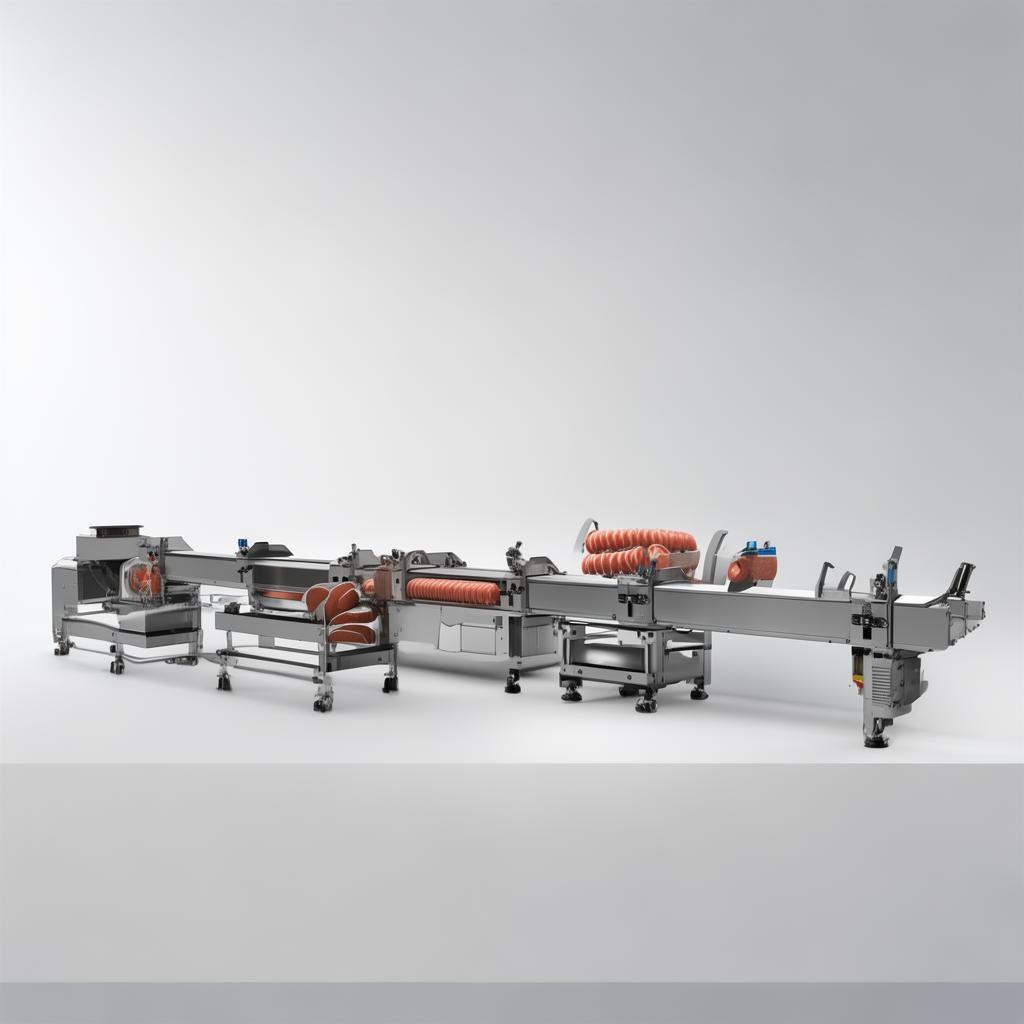
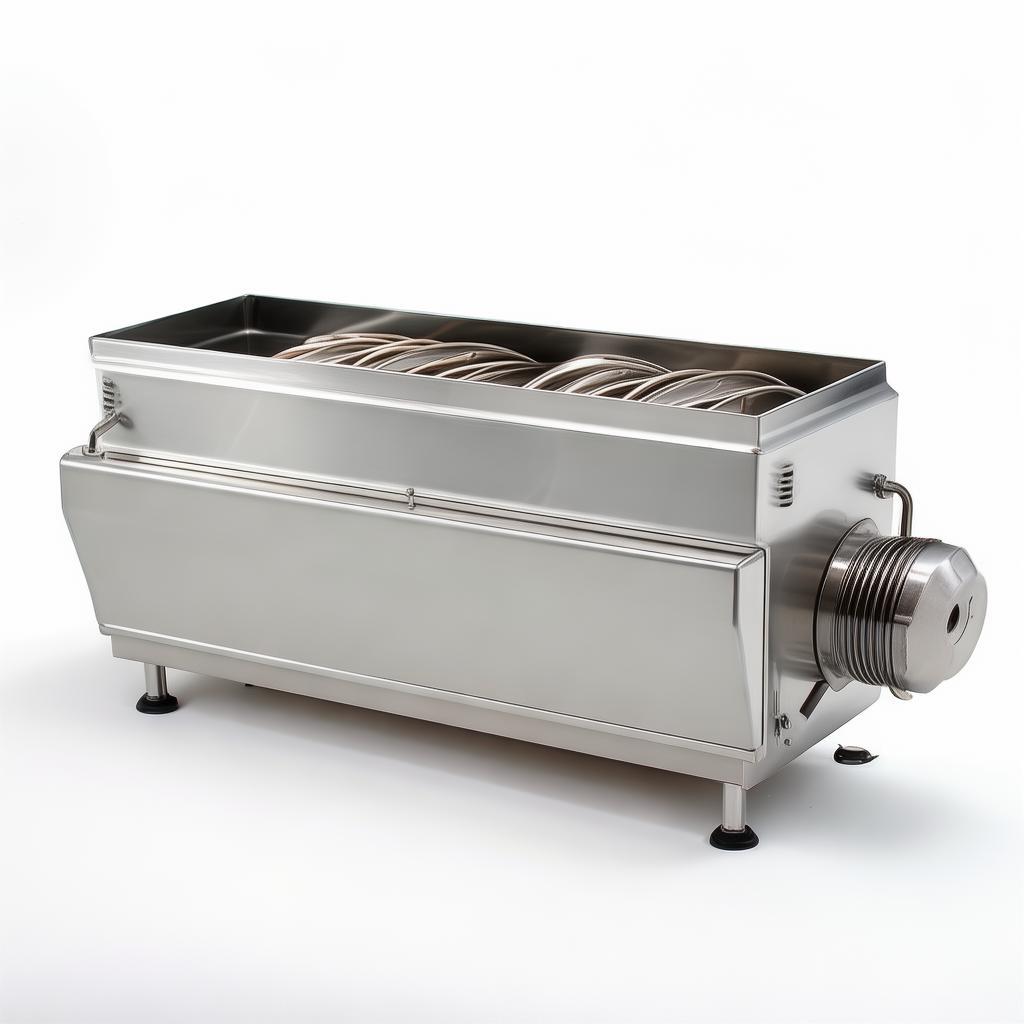
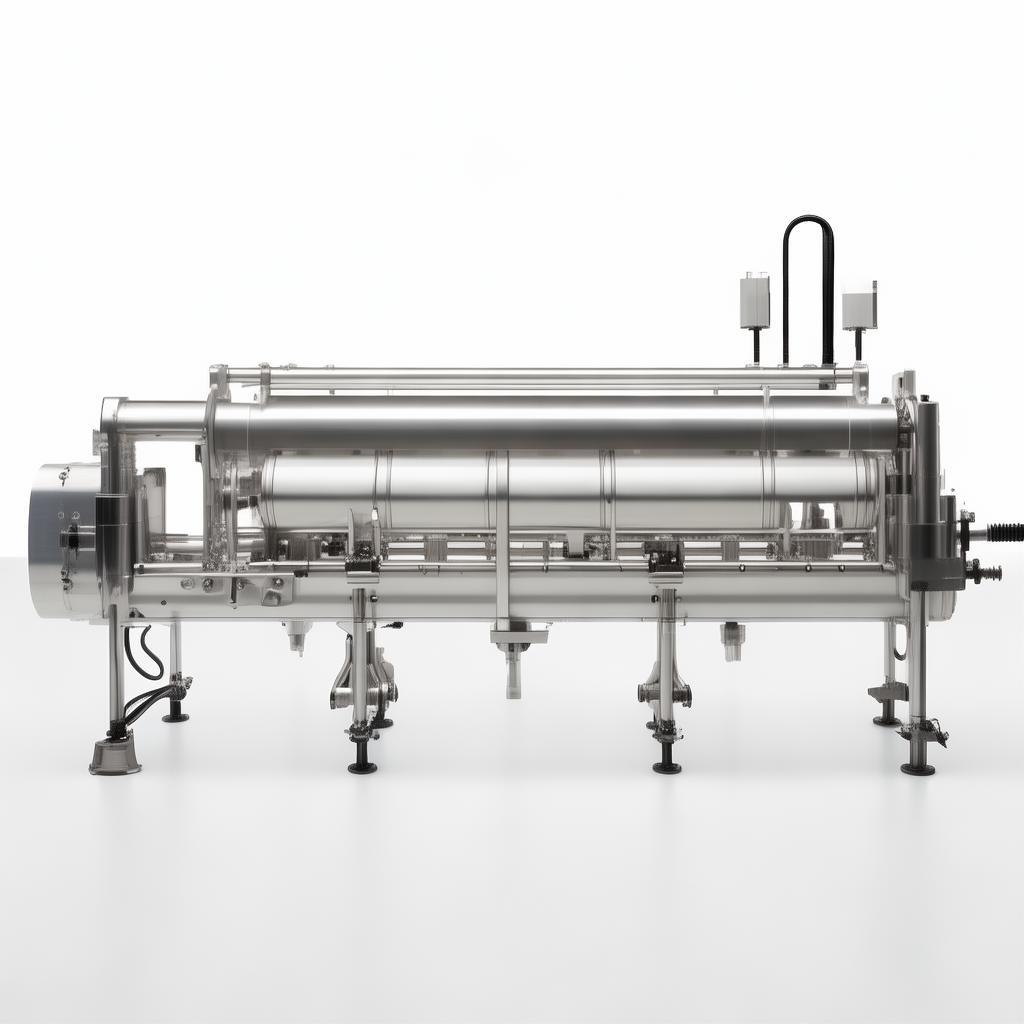
Used Food Processing Equipment
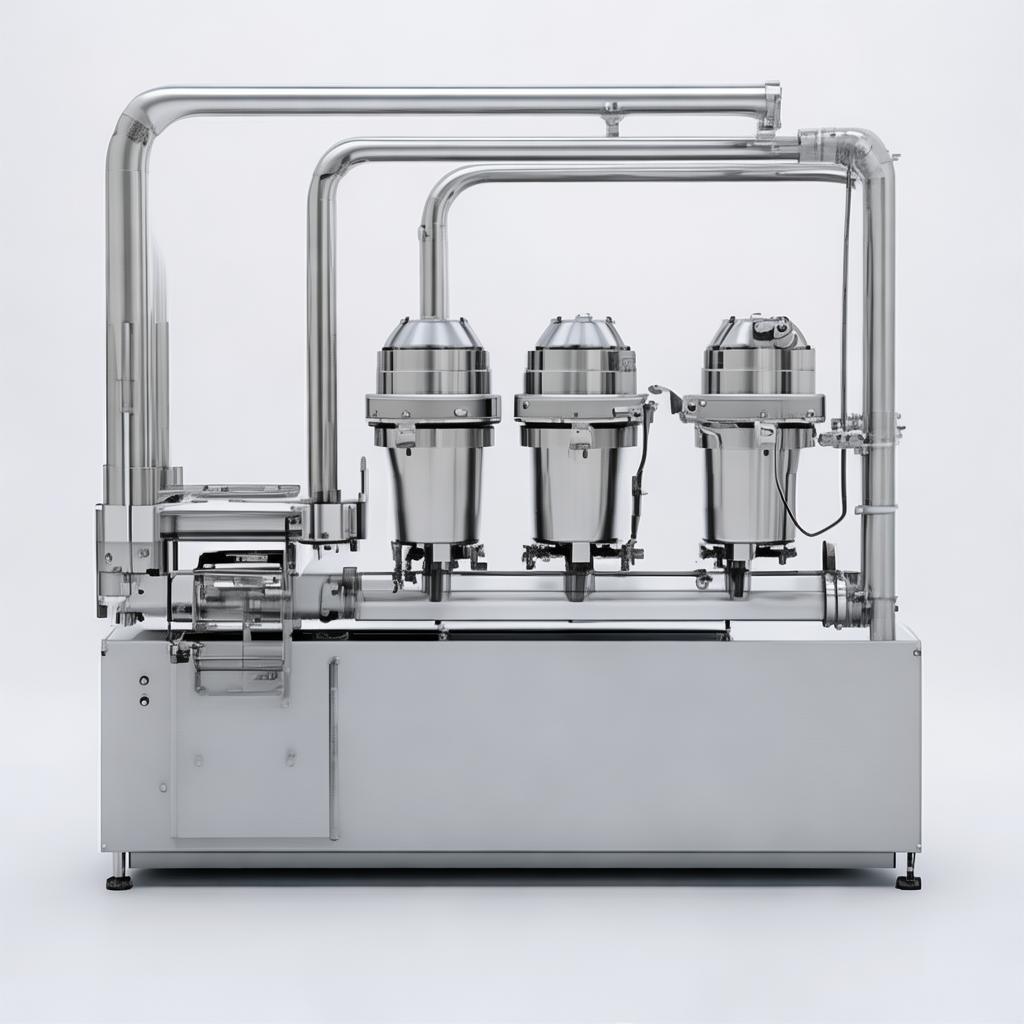
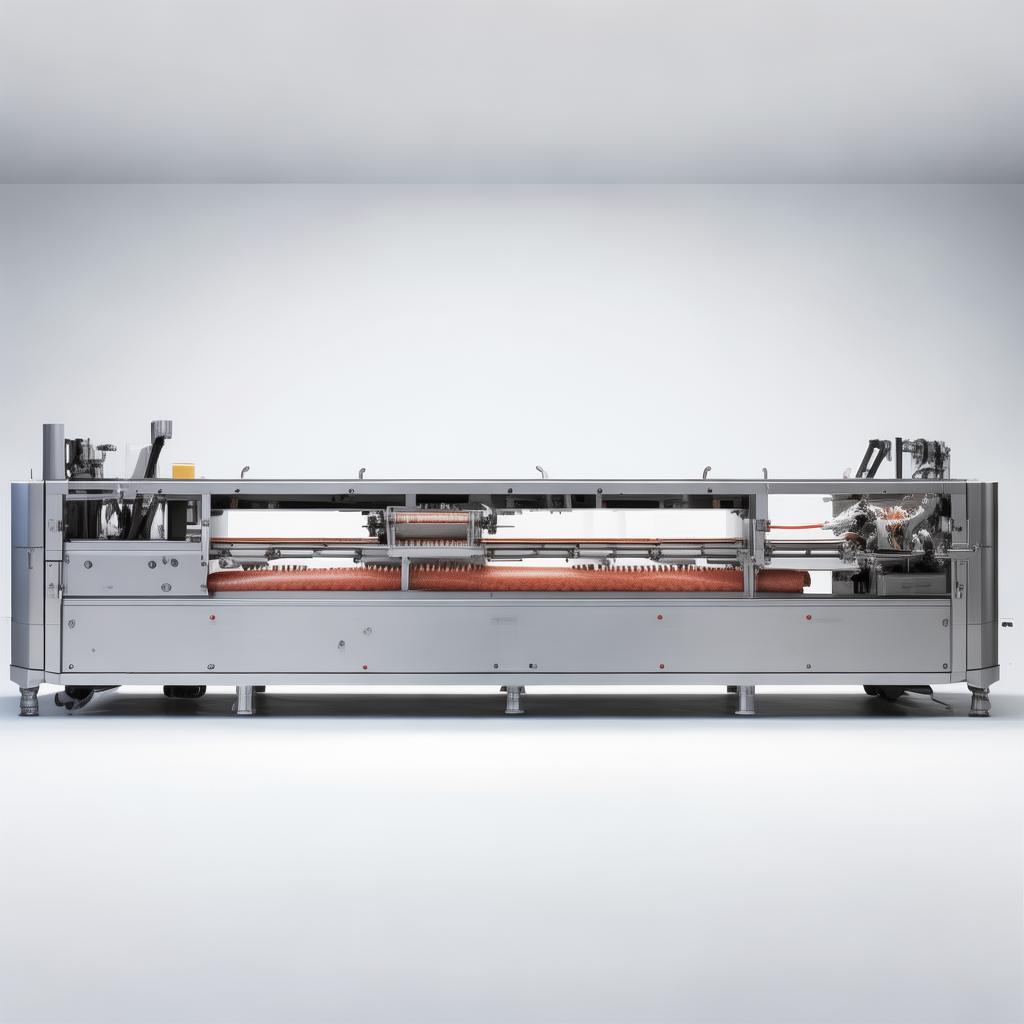
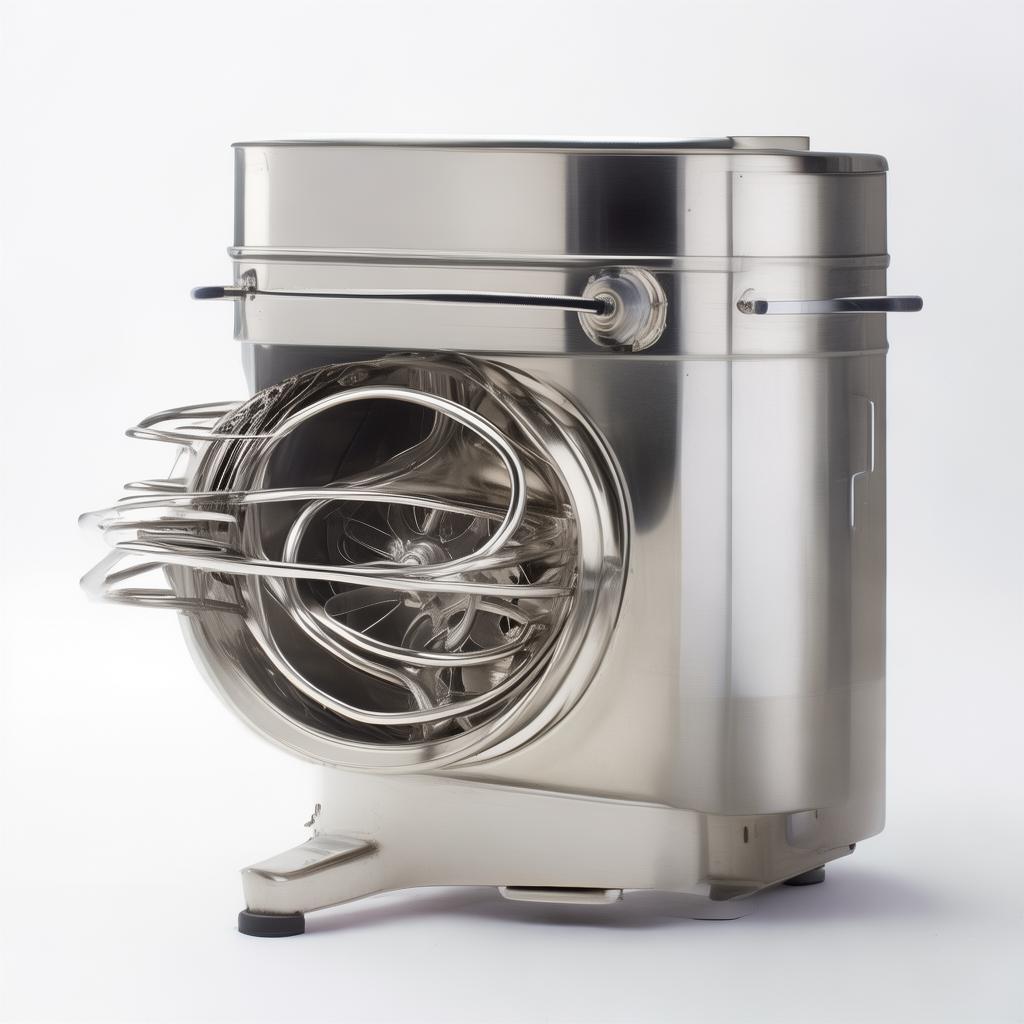
Strategic Sourcing: Your Guide to High-Quality Used Food Processing Equipment
By Hebei Yuanchang Food Mechanism & Technology Co., Ltd. | Expertise in Industrial Manufacturing & Wholesale Export

The Strategic Advantage: Unpacking the Value of Used Food Processing Equipment
In today's competitive global food manufacturing landscape, optimizing capital expenditure without compromising operational efficiency is paramount. For many businesses, particularly SMEs and those expanding into new markets, investing in brand-new, cutting-edge processing machinery presents a significant financial hurdle. This is precisely where the strategic acquisition of used food processing equipment emerges not as a compromise, but as a smart, cost-effective solution. It allows companies to acquire robust, reliable machinery that has a proven track record, often at a fraction of the new equipment cost. This approach frees up capital for other critical areas, such as raw material sourcing, marketing, or research and development, while still ensuring production lines are adequately equipped to meet demand.
The decision to purchase pre-owned machinery is often driven by a clear understanding of ROI and operational realities. It's not just about saving money; it's about maximizing the utility and longevity of your assets. Consider the typical procurement cycle for a new high-capacity filling machine or a specialized tenderizing unit. Lead times can stretch for months, involving complex customization, factory acceptance tests, and international shipping. In contrast, sourcing used equipment, when done correctly, can significantly shorten this timeline, allowing businesses to scale up production or launch new product lines much faster. This agility is a critical competitive differentiator in the fast-paced food industry.
Furthermore, the market for used food processing equipment is more mature and diverse than many realize. It encompasses everything from basic preparation tools like used meat grinders and used mixers to sophisticated complete processing lines for meat, poultry, seafood, and even pet food. The availability of high-quality, inspected, and refurbished machinery means that businesses can access specialized equipment that might otherwise be out of their immediate budget. This is particularly relevant for producers of niche products or those looking to experiment with new formulations or processing techniques. For example, a company looking to introduce gourmet sausages might find a reliable used sausage stuffer and a tumbler for marination to be the perfect entry point, without the risk associated with a massive upfront investment in entirely new systems.
At Hebei Yuanchang Food Mechanism & Technology Co., Ltd., we understand these procurement dynamics intimately. With over 40 years of experience, since 1986, in manufacturing and exporting food processing machinery, we've seen firsthand the evolving needs of global food producers. Our expertise isn't limited to new builds; we also leverage our deep technical knowledge to identify, assess, and supply high-quality used equipment. This dual perspective allows us to offer comprehensive solutions, whether you're outfitting a new facility, upgrading an existing line, or simply looking for a cost-effective way to expand capacity. We focus on machinery that has been engineered for durability and performance, often from reputable manufacturers known for their robust designs.
The initial cost savings are often the primary driver, but the long-term benefits can be even more significant. Many pieces of used food processing equipment, especially those designed for heavy-duty applications, are built to last for decades with proper maintenance. By acquiring a well-maintained unit, you can benefit from its established performance and reliability. Our inspection and refurbishment processes aim to ensure that these machines continue to operate within acceptable tolerances, offering a strong performance-to-cost ratio. This includes checking critical components like motors, gearboxes, sealing mechanisms, and control systems. For example, a used meat massaging machine, vital for achieving optimal texture and moisture retention in cured products, if thoroughly checked and serviced, can deliver results comparable to a new unit for many years.
Navigating the used equipment market can be complex, however. Unlike purchasing new, there are inherent risks if due diligence isn't performed. Factors like the machine's previous usage, maintenance history, available spare parts, and the supplier's credibility are crucial. That's why partnering with an experienced and reputable supplier like Hebei Yuanchang is so important. We provide transparency, technical assessment, and assurance. Our team's deep understanding of food processing technologies—from pretreatment and filling to ripening and auxiliary operations—enables us to guide you to the right equipment that meets your specific production requirements and quality standards.
The global market for meat processing equipment, a significant segment of the broader food processing machinery industry, illustrates the sustained demand for these technologies. Reports indicate a market valued in the billions, projected to grow steadily. Key growth drivers include the increasing global consumption of processed meats, the need for automation to enhance hygiene and labor efficiency, and the stringent adherence to food safety regulations. This sustained demand translates into a healthy secondary market for reliable used equipment. For instance, the rising popularity of ready-to-eat meals and convenience foods directly fuels the need for efficient filling and molding equipment, making quality used units highly sought after.
When evaluating used equipment, consider the core functions it performs. Are you looking for a machine primarily for pretreatment (e.g., grinders, mixers, cutters), molding and forming (e.g., stuffers, patty makers), ripening and tenderizing (e.g., tumblers, massagers), or auxiliary processes like smoking and packaging? Understanding your primary need helps narrow down the search. For instance, a producer focused on high-volume sausage production will prioritize reliable used filling and stuffing machines, perhaps with automated linking capabilities. Conversely, a company specializing in cured meats will focus on used tumbling and massaging equipment to ensure consistent marination and texture development.
Our commitment at Hebei Yuanchang is to provide you with not just machinery, but with operational confidence. We believe that the right used equipment, sourced and supplied with expertise, can be a cornerstone of a profitable and efficient food processing operation. We invite you to explore the possibilities and see how our industry knowledge and extensive network can benefit your business. Let us help you make a strategic investment that yields tangible results.
The market for specific equipment types is robust. For example, filling and stuffing machines, essential for sausage and formed product manufacturing, are consistently in demand. Similarly, massaging and tumbling machines are crucial for enhancing texture, flavor, and shelf-life in cured and marinated meats. The global meat processing equipment market, estimated to be worth over USD 11 billion and projected to reach over USD 17 billion by 2030 according to various market analyses [See Market Overview], highlights the ongoing investment in this sector. This growth is powered by rising processed meat consumption, automation adoption, and a focus on food safety – all factors that contribute to a healthy used equipment market as companies upgrade or expand.
The "Fit For Now (2026)" principle underscores the importance of acquiring assets that meet current operational needs and regulatory standards. Used food processing equipment, when properly vetted and potentially refurbished, absolutely fits this criterion. It offers a pragmatic path to acquiring the necessary functionality and capacity without the long lead times and upfront capital outlay of new machinery. This is particularly beneficial for businesses in rapidly evolving sectors like pet food processing, where specialized equipment for pretreatment and molding is crucial, and rapid scaling is often required.
Request a personalized quote today and discover how our high-quality used food processing equipment can enhance your production capabilities.
The Global Market for Processing Gear: Trends and Opportunities
The food processing equipment sector is dynamic, with consistent global demand. Market reports consistently show robust growth trajectories. For instance, the global meat processing equipment market was valued at approximately USD 11.29 billion in 2025 and is projected to reach USD 17.39 billion by 2034, exhibiting a CAGR of around 5.0% (Fortune Business Insights). This growth is driven by several key factors: the insatiable appetite for processed meat products globally, the increasing adoption of automation to improve hygiene and address labor shortages, and the ever-present need to comply with stringent food safety regulations.
Several segments within this market are particularly relevant to the used equipment sector. Filling & stuffing equipment, vital for producing sausages, hot dogs, and other formed products, remains a high-demand area. Similarly, massaging and tumbling machines, critical for ripening, tenderizing, and enhancing flavor profiles in meat products, are essential components of many processing lines. The growth in Asia-Pacific, driven by industrialization and rising disposable incomes leading to increased meat consumption, also plays a significant role in the overall market expansion.
Another key report indicates the global meat processing equipment market was valued at USD 11.28 billion in 2024 and is projected to reach USD 15.04 billion by 2030 (Grand View Research). This analysis also highlights segments like tenderizing, filling, grinding, slicing, and massaging equipment as being essential. The demand is further fueled by investments in infrastructure in emerging markets, making reliable, cost-effective equipment—including used options—an attractive proposition for businesses looking to establish or expand their operations.
The broader food processing equipment market, which includes meat processing, is also experiencing substantial growth. Projections suggest it could reach over USD 100 billion by 2036 (Meticulous Research). This indicates a strong underlying trend of investment in food production technologies worldwide. For businesses seeking efficient ways to enter or expand within this market, used equipment offers a pragmatic entry point without sacrificing critical functionality. The availability of pre-owned, quality-assured machines means that operational scale can be achieved more rapidly and with reduced capital risk.
The demand for convenience and ready-to-eat foods continues to climb. This trend directly impacts the need for efficient used food processing machinery, particularly filling, molding, and packaging solutions. As consumers seek quicker meal solutions, manufacturers rely on robust equipment to meet this demand. Purchasing used gear allows businesses to capitalize on these consumer trends more swiftly and affordably.
Considering an upgrade or expansion? Explore our catalog of reliable used food processing equipment designed for today's demanding market.
Essential Used Equipment Categories for Your Operation
When sourcing used food processing equipment, understanding the key categories and their applications is vital. At Hebei Yuanchang, we focus on machinery that forms the backbone of many food production lines. Our inventory often includes:
Pretreatment Equipment: The Foundation of Quality
- Used Meat Grinders: Essential for size reduction and creating uniform particle sizes for sausages, burgers, and processed meat products. We ensure critical components like augers and die plates are in good condition.
- Used Mixers/Blenders: Vital for thoroughly combining ingredients, ensuring even distribution of spices, binders, and other additives. Available in various capacities and configurations (e.g., ribbon, paddle).
- Used Cutters: Used for various processing steps, from dicing vegetables to achieving fine emulsions in meat products. High-speed cutters are particularly sought after for their efficiency.
- Used Tumblers/Massagers: Crucial for marinating, tenderizing, and mixing meats. These machines enhance product texture, moisture retention, and flavor penetration, supporting the ripening process. Proper seal integrity is key.
Filling & Molding Equipment: Shaping Your Product
- Used Sausage Stuffers: From manual to high-speed volumetric fillers, these are fundamental for sausage and hot dog production. Precise volumetric filling is key for product consistency and weight control.
- Used Forming Machines: Used to shape products like patties, nuggets, meatballs, and pet food kibble. These machines offer significant labor savings and consistent product dimensions.
Ripening & Auxiliary Equipment: Enhancing Value
- Used Smoking & Cooking Chambers: For imparting flavor, color, and texture to processed meats. Functionality of heating, smoking, and ventilation systems is paramount.
- Used Conveyor Systems: Essential for moving products between different processing stages efficiently and hygienically.
- Used Freezing & Chilling Tunnels: Critical for rapid cooling or freezing to preserve product quality and safety.
The demand for specific equipment types is often driven by evolving consumer preferences. For example, the rise of reconstituted and formed meat products has increased the demand for reliable used molding and filling technologies (Future Market Insights). These machines allow for precise portioning and shaping, contributing to product appeal and consistency.
Looking for a specific piece of machinery? Contact our technical sales team to discuss your requirements and explore our current inventory.
Navigating the Procurement Process: A Buyer's Insight
Acquiring used food processing equipment requires a structured approach to mitigate risks and ensure a sound investment. Don't rush this; a few extra checks upfront can save significant headaches down the line.
- Define Your Needs Precisely: Before you even start looking, clearly outline your production volume requirements, the specific products you'll be making, required throughput, and any space constraints. Understand the material types you'll be processing.
- Budget for More Than Just the Machine: Factor in potential costs for shipping, installation, necessary modifications, spare parts, and initial maintenance. Used equipment might require some adaptation to your facility.
- Inspect Thoroughly (or Have It Inspected): If possible, arrange for a physical inspection. Look for signs of wear and tear, especially on critical components like seals, blades, or augers. If you can't inspect in person, rely on detailed photos, videos, and comprehensive condition reports from a reputable supplier.
- Understand the Equipment's History: Inquire about its previous applications, maintenance logs, and reason for sale. While this information isn't always available, a good seller will provide what they can.
- Check for Compliance & Safety Features: Ensure the equipment meets relevant safety standards for your region (e.g., CE marking for Europe, though less common on older used equipment). Verify it has essential safety guards and emergency stop functions.
- Ask About Refurbishment & Testing: If the equipment is advertised as refurbished, understand the scope of work performed. Was it tested under load? What components were replaced? This indicates the level of assurance you can expect.
- Clarify Warranty & After-Sales Support: While used equipment often comes with limited or no warranty, a reliable supplier might offer a short defect warranty or support in sourcing spare parts.
The global demand for processed meat, a market projected to reach over USD 1.3 trillion by 2035 (Precedence Research), fuels the need for efficient processing lines. This creates a robust secondary market for equipment that can reliably handle these production demands. Purchasing used machinery is an intelligent way for manufacturers to scale capacity efficiently and competitively within this growing market.
Ready to make a smart investment? Use our online inquiry form to get detailed specifications and pricing for our used food processing equipment.
Choosing the Right Partner: Evaluating Used Equipment Suppliers
The supplier is as critical as the equipment itself. Here’s what to look for:
- Industry Experience: Do they have a deep understanding of food processing and the specific types of machinery they sell? Look for suppliers with a manufacturing background, not just resellers. We've been manufacturing for 40 years.
- Technical Expertise: Can they answer detailed technical questions about the equipment's condition, performance, and potential upgrades? Our team includes engineers who understand the operational nuances.
- Transparency: Are they open about the equipment's condition, history, and any limitations? Look for detailed descriptions, clear photos, and honest assessments.
- Facility & Processes: Do they have a workshop for inspections and refurbishment? This indicates a commitment to quality. We house our own machining workshop with over 20 sets of processing machinery, including Japanese Mazak CNC centers.
- Customer Reviews & Testimonials: What do previous clients say? Look for feedback on reliability, service, and overall satisfaction.
- Export Capabilities: If you're an international buyer, ensure they have experience with export documentation, shipping logistics, and compliance.
Hebei Yuanchang Food Mechanism & Technology Co., Ltd. brings over four decades of hands-on manufacturing experience to the table. This deep-rooted expertise allows us to not only understand the machinery from a production standpoint but also to meticulously assess its condition and potential for continued high performance. We don't just sell equipment; we offer solutions backed by genuine industry insight.
Partner with confidence. Request a consultation with our export specialists to discuss your international sourcing needs for used food processing equipment.
Ensuring Quality and Reliability: Our Commitment
The integrity of used food processing equipment is paramount. Our approach at Hebei Yuanchang focuses on thorough assessment and, where necessary, expert refurbishment to ensure you receive machinery that is ready to perform.
Every piece of equipment considered for our inventory undergoes a stringent evaluation process. This includes:
- Mechanical Inspection: Checking wear on bearings, gears, seals, shafts, and structural integrity.
- Electrical System Check: Verifying motor function, wiring integrity, control panel responsiveness, and safety interlocks.
- Functional Testing: Where possible, operating the machinery to assess its performance under simulated load conditions.
- Sanitary Design Review: Ensuring components are accessible for cleaning and free from significant crevices where food debris could accumulate.
For equipment that requires it, our in-house machining workshop is a critical asset. With over 20 sets of processing machinery and advanced CNC capabilities, we can fabricate high-precision parts to OEM specifications. This allows us to perform targeted repairs and refurbishments, replacing worn components with new, precisely engineered parts. This capability is invaluable for extending the operational life of complex machines like high-speed cutters or volumetric fillers, ensuring they meet rigorous standards.
We understand that a machine's past application matters. We strive to provide equipment that has been used in environments and for products compatible with your intended use. While specific usage history isn't always fully detailed, our assessment focuses on the machine's overall condition and engineering robustness, ensuring it can handle demanding production schedules.
The market for food processing equipment is vast, with new technologies emerging. However, the fundamental principles of robust engineering and reliable operation remain constant. Our focus on used equipment is to harness the inherent durability and proven performance of well-built machines, bringing them back to operational readiness. This strategy is particularly effective for core processing functions where advanced automation is not the primary driver of value, but rather consistent, efficient operation.
Invest with confidence. All our offered used equipment is subject to rigorous inspection and assessment by our experienced technical team.
Operational Realities: Maintenance, Installation & Logistics
A smooth operational transition with used equipment involves understanding ongoing maintenance, installation, and logistical considerations.
Maintenance Best Practices
Even robust machinery requires care. For used equipment, a proactive maintenance schedule is crucial:
- Regular Cleaning: Adhere to strict sanitation protocols to prevent contamination and ensure food safety.
- Lubrication: Follow recommended lubrication schedules for moving parts to minimize wear.
- Component Checks: Routinely inspect wear parts like blades, seals, belts, and chains. Keep a stock of critical spares.
- Electrical Safety: Periodically check wiring and connections for signs of damage or wear.
- Operational Monitoring: Pay attention to unusual noises, vibrations, or changes in performance, which can indicate an impending issue.
We can assist in identifying key spare parts for the machinery we supply, minimizing your downtime should a component need replacement.
Installation Considerations
Installing used food processing equipment often involves:
- Site Preparation: Ensuring adequate space, power supply, water, drainage, and ventilation.
- Lifting & Positioning: Using appropriate equipment (cranes, forklifts) for safe placement.
- Electrical & Plumbing Connections: Executed by qualified technicians to ensure safety and compliance.
- Calibration & Testing: Fine-tuning settings for optimal performance and conducting test runs.
Our team can provide installation guidance and connect you with experienced technicians if needed.
Logistics and International Shipping
Exporting used food processing equipment requires careful planning. We manage:
- Secure Packaging: Protecting machinery from damage during transit.
- Documentation: Handling export declarations, customs paperwork, and bills of lading.
- Shipping Coordination: Arranging sea or air freight, container loading, and optimizing space for cost-efficiency.
- Insurance: Ensuring adequate coverage for the shipment.
We have extensive experience exporting to the USA and other English-speaking regions, ensuring a smooth cross-border transaction.
Let us handle the complexities. Request a detailed shipping plan and quote for your used food processing equipment order.
Real-World Applications & Success Stories
Our clients leverage used food processing equipment to achieve significant operational advantages. While specific details are confidential, here are common scenarios:
Scenario 1: Scaling Up a Sausage Production Line
A mid-sized European producer of artisanal sausages needed to increase capacity rapidly to meet demand from a new major retailer in the USA. Investing in a full new line was prohibitive due to cost and lead time. They acquired a high-quality, gently used, volumetric sausage stuffer and an automated linking machine from us. This allowed them to double their stuffing output within weeks, meeting the retailer's strict volume requirements and significantly improving their market share.

They reported a 40% reduction in per-unit labor cost for stuffing and linking operations after implementing the used equipment, which had been thoroughly inspected and serviced by our engineers.
Scenario 2: Entering the Formed Meat Market
A poultry processor in North America wanted to diversify into value-added products like chicken patties and nuggets but lacked the specific machinery. Instead of a significant capital outlay for new forming equipment, they purchased a robust, inspected patty forming machine. This machine, originally from a well-regarded European manufacturer, allowed them to trial new product lines and secure initial orders from fast-food chains. The ROI was realized within 18 months, paving the way for future expansions.
The availability of reliable used forming equipment democratizes access to markets that traditionally required substantial upfront investment, enabling smaller or diversifying companies to compete effectively.
Scenario 3: Enhancing Cured Meat Quality
A specialty meat producer focused on high-quality cured hams and bacon found their existing manual marination process inconsistent. They invested in a used, large-capacity meat tumbler/massager. This single piece of equipment revolutionized their product consistency, leading to improved texture, deeper flavor penetration, and a reduction in product spoilage due to more uniform curing. This upgrade directly contributed to premium pricing and increased customer satisfaction.
These examples illustrate how strategic sourcing of used food processing equipment can provide immediate operational benefits, accelerate market entry, and drive profitability. The key is partnering with a supplier who understands the machinery's lifecycle and potential.
See your operation transform. Inquire about our used tumblers, stuffers, and forming machines today.
Frequently Asked Questions About Used Food Processing Equipment
Q1: What is the typical lifespan of used food processing equipment?
The lifespan of used equipment varies significantly based on its original build quality, previous usage, maintenance history, and the extent of refurbishment. High-quality machinery from reputable manufacturers, especially those designed for heavy-duty applications, can operate for many years, even decades, when properly maintained. We focus on sourcing equipment known for its durability.
Q2: What kind of warranty can I expect on used equipment?
New equipment typically comes with a manufacturer's warranty. Used equipment generally has a more limited scope. At Hebei Yuanchang, we offer a short-term defect warranty on most refurbished items. We also provide transparency regarding the equipment's condition, and we can assist clients in sourcing common spare parts to minimize future downtime.
Q3: How do I know the equipment is safe and compliant for food production?
Our assessment process includes reviewing safety features and ensuring sanitary design principles are met. While older equipment may not have the latest integrated safety systems found on new machines, we verify that essential guards and emergency stops are functional. We can also provide information regarding the original standards the machine was built to.
Q4: Can you help with installation and setup?
Yes, we provide comprehensive guidance and support for installation. While we typically don't perform on-site installation ourselves globally, we can recommend qualified technicians and offer detailed setup instructions to ensure a smooth integration into your production line. We also offer support for international logistics and customs clearance.
Q5: What if I need spare parts in the future?
We maintain records of the machinery we supply and can often assist clients in identifying and sourcing critical spare parts. Our in-house manufacturing capabilities also mean we can custom-fabricate certain components if they become difficult to find.
Q6: Do you offer financing options for used equipment?
food processing equipment used equipment used in food processing processing food equipment
As a manufacturer and exporter, we primarily focus on direct sales. However, we are open to discussing payment terms on a case-by-case basis, especially for established clients or larger orders. We encourage clients to explore third-party equipment financing options.
Have more questions? Reach out to our expert team for personalized answers.
Ready to Enhance Your Production Efficiency?
Don't let capital constraints limit your growth. Discover the cost-effective power of high-quality used food processing equipment. Our 40 years of manufacturing and export experience mean we understand the machines, the market, and your needs.