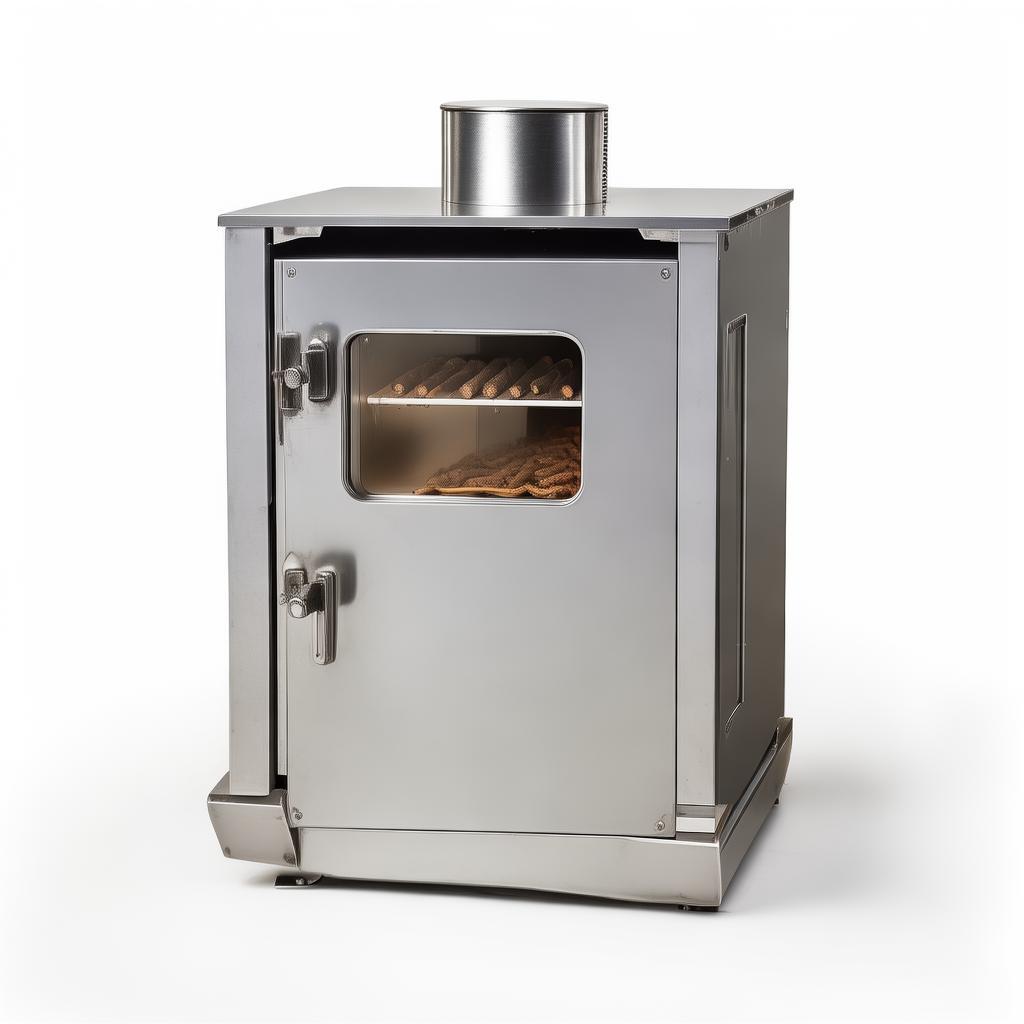
Trolley Hopper
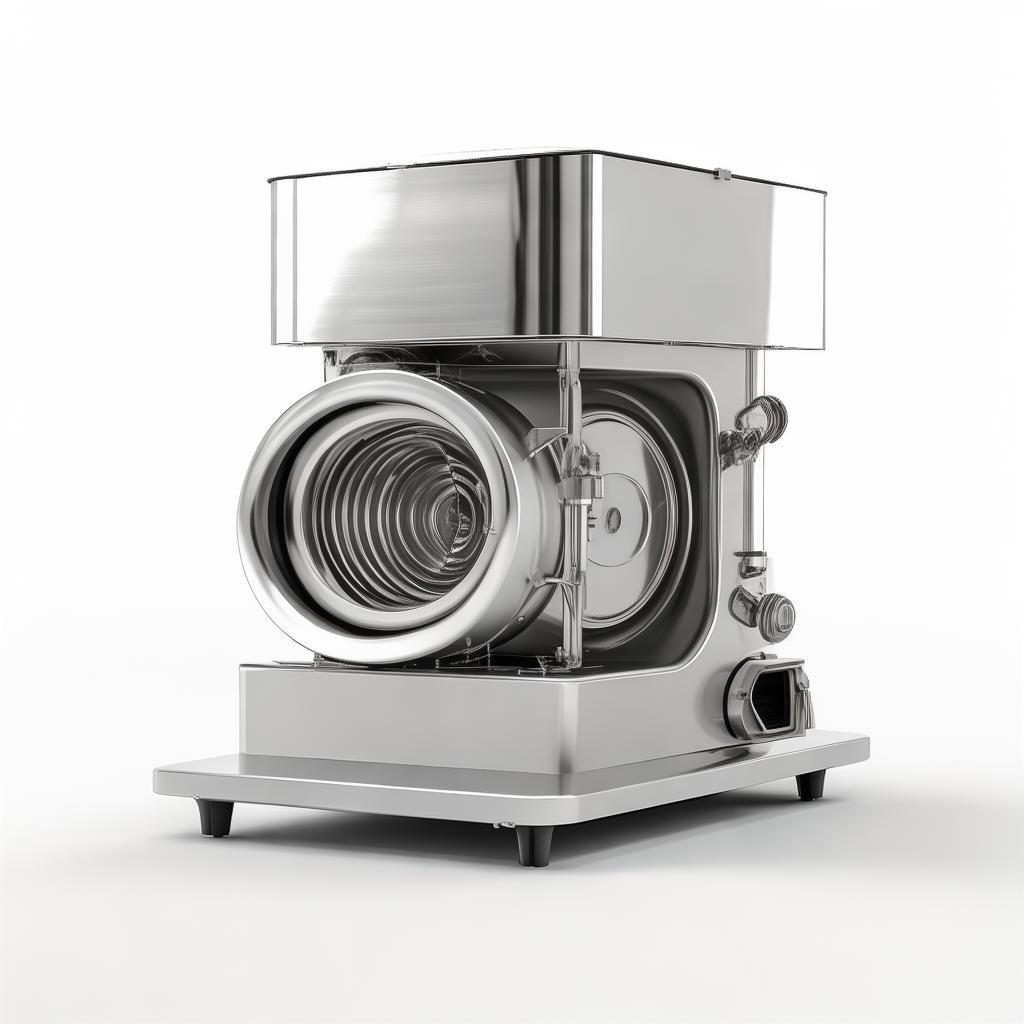
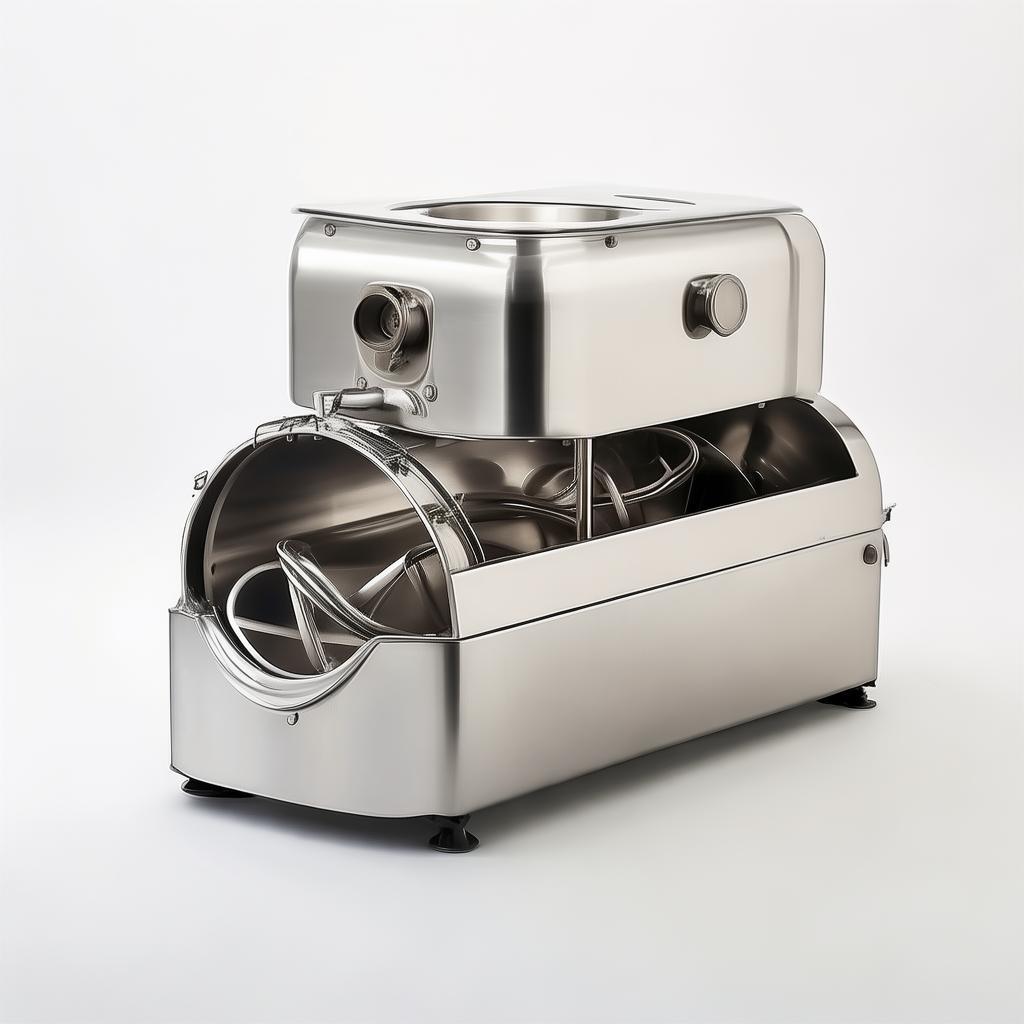
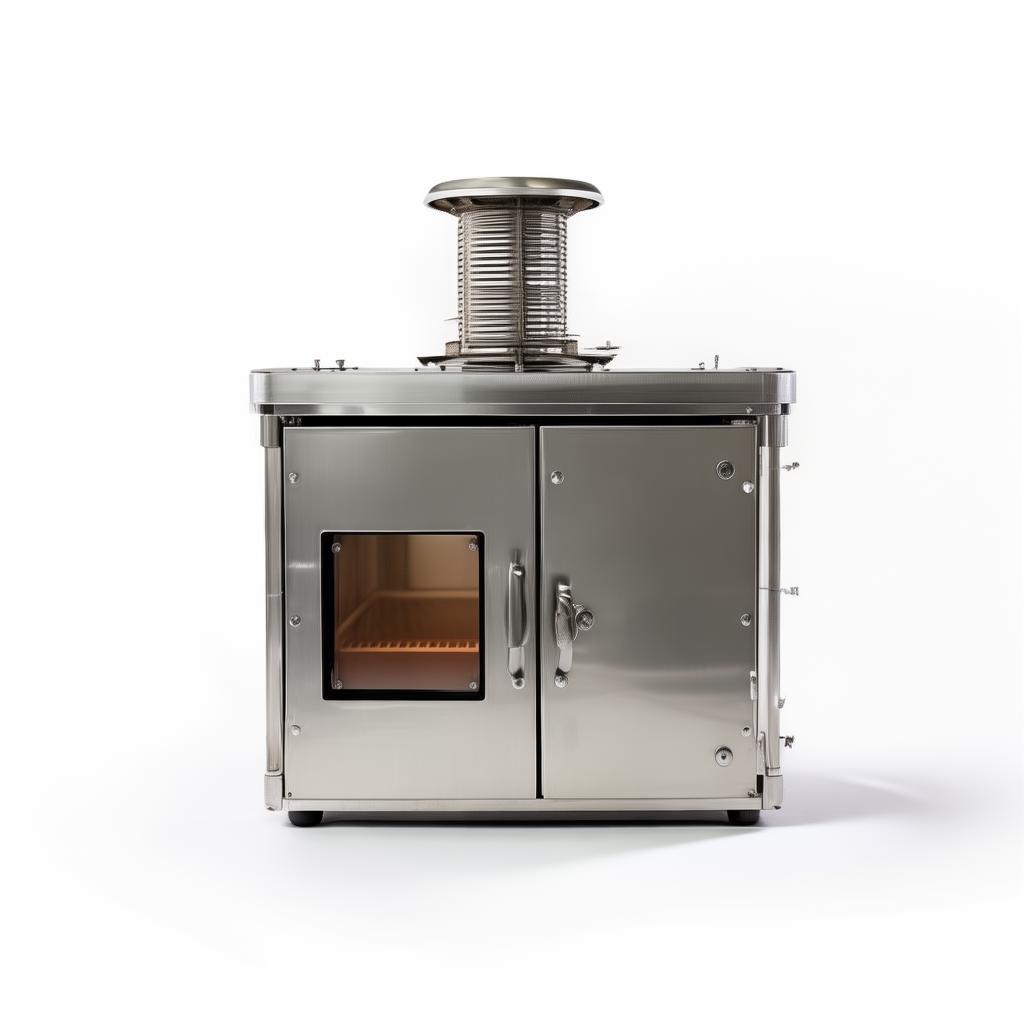
Trolley Hoppers: Streamlining Your Meat Processing Workflow
Enhance Efficiency, Hygiene, and Product Quality with Expertly Engineered Solutions
 By Hebei Yuanchang Food Mechanism & Technology Co., Ltd.
Understanding the Unseen: Why Trolley Hoppers Matter in Modern Meat Processing
In the intricate world of meat processing, where efficiency, hygiene, and consistent product quality are paramount, the unsung heroes are often the pieces of equipment that handle the raw materials with care and precision. Among these, the humble trolley hopper plays a surprisingly critical role. It’s more than just a container; it’s a vital link in the production chain, facilitating the smooth transfer of meat from preparation stages to further processing equipment like grinders, mixers, and forming machines. Without robust, well-designed trolley hoppers, bottlenecks can easily form, leading to reduced throughput, increased risk of contamination, and compromised product integrity. We’ve seen firsthand over our 40 years of experience how the right equipment at this crucial juncture can make or break a production line's efficiency. Many operators underestimate the impact of these seemingly simple components, often focusing solely on the high-profile machinery. However, the reality is that a bottleneck upstream, caused by inefficient material handling, will inevitably slow down everything downstream.
The global meat processing equipment market is substantial, projected to reach between USD 11.29 billion in 2025 and USD 17.39 billion by 2034, according to Fortune Business Insights. This growth is fueled by the increasing demand for processed meats, automation in factories, and stringent food safety standards. Within this expansive market, the equipment that ensures sanitary and efficient material transfer, such as trolley hoppers, is indispensable. These units are designed to interface seamlessly with other machinery, minimizing manual handling and exposure of the meat to the environment. Think about the challenges of moving large batches of ground meat or delicate marinated cuts; a poorly designed hopper can lead to spillage, uneven distribution, and potential cross-contamination. Our focus at Hebei Yuanchang has always been on engineering solutions that address these specific operational pains. We understand that the value of a trolley hopper isn't just in its capacity, but in its ability to deliver product cleanly and consistently, time after time. This is why we invest heavily in design optimization and material selection for every piece of equipment we manufacture, including our comprehensive range of trolley hoppers.
Furthermore, the drive towards automation in meat processing, a trend highlighted by reports like Grand View Research's projection of USD 15.04 billion by 2030, necessitates equipment that integrates smoothly into automated workflows. Trolley hoppers are often the first point of contact for bulk ingredients entering automated systems. Their design must accommodate automated loading and unloading mechanisms, ensuring a continuous flow without manual intervention. This not only boosts efficiency but also significantly enhances worker safety by reducing strenuous lifting and repetitive motion. We've found that facilities implementing advanced automation solutions often require custom-engineered hoppers to perfectly match their conveyor heights, discharge angles, and control system interfaces. This is where our OEM/ODM capabilities come into play, allowing us to tailor solutions to the exact specifications of a client's automated line. The goal is always to create a unified, efficient system where each component works in harmony, and the trolley hopper is a foundational element in achieving that synergy.
The choice of materials and construction methods is also critical. Food-grade stainless steel is standard for a reason: it’s durable, easy to clean, and resistant to corrosion, vital for maintaining hygienic standards in a demanding processing environment. We utilize specific grades of stainless steel, often 304 or 316, depending on the application and the types of ingredients being handled. The internal finishes are crucial – smooth, crevice-free surfaces prevent microbial growth and facilitate thorough cleaning. Our manufacturing process, supported by our advanced Japanese Mazak CNC machining centers, allows us to achieve the high precision and surface finishes required for demanding food industry applications. This level of detail ensures that our trolley hoppers not only perform optimally but also contribute positively to the overall hygiene of your operation, reducing the risk of costly recalls or compliance issues. We believe that equipment reliability and sanitary design go hand-in-hand, forming the bedrock of trust with our clients.
Key Industry Challenges We Address
- Material Transfer Bottlenecks: Slow, inefficient movement of raw or processed meat can halt production. Our hoppers are designed for rapid, controlled discharge.
- Hygiene and Contamination Risks: Manual handling and poorly designed equipment increase exposure. Our sanitary designs minimize crevices and facilitate easy cleaning.
- Product Quality Degradation: Rough handling or prolonged exposure can affect texture and appearance. Our hoppers ensure gentle, consistent material flow.
- Operational Inefficiencies: Repetitive manual tasks and equipment downtime reduce overall productivity. Our solutions automate and streamline processes.
- Integration with Existing Lines: Ensuring new equipment fits seamlessly into current workflows is critical. We offer standard and custom-fit solutions.
Our Trolley Hopper Solutions: Built for Performance and Durability
At Hebei Yuanchang, our trolley hoppers are engineered to meet the rigorous demands of modern meat processing. We don't just build containers; we craft precision instruments that enhance your operational capabilities. With 40 years of accumulated expertise since 1986, we understand the nuances of material handling in this sector. Our in-house machining workshop, equipped with over 20 sets of processing machinery and advanced Japanese Mazak CNC machining centers, allows us to produce high-tolerance components essential for superior performance and longevity.
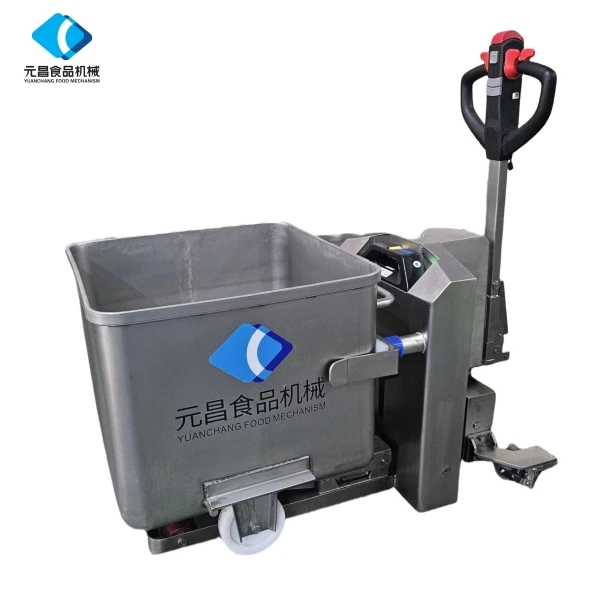
Consider the standard trolley hopper configuration. Typically constructed from food-grade stainless steel (SS304 or SS316), these units are designed for durability and ease of cleaning. The capacity can range from 50 liters up to several hundred liters, depending on your production volume and workflow. We pay close attention to the discharge mechanism – whether it’s a manual gate, a pneumatic cylinder, or designed for integration with automated tipping systems. The geometry of the hopper itself is optimized to ensure complete discharge, minimizing product waste and residual contamination. Smooth, polished internal surfaces and radiused corners are standard, making cleaning and sanitation processes straightforward and efficient. This attention to detail is why facilities often report significantly reduced cleaning times after upgrading to our equipment.
For operations requiring enhanced mobility and specialized functionality, we offer various mobile trolley hoppers. These are typically mounted on heavy-duty, food-grade casters, allowing for easy transport between workstations. Brakes are standard on all casters to ensure stability during filling, emptying, and stationary periods. Many of our mobile units can be designed to fit specific workstation heights or to be easily maneuvered under filling or mixing equipment. The robustness of the frame and the quality of the casters are crucial for longevity and safe operation, especially when dealing with heavy loads. We’ve seen instances where cheaper casters fail prematurely, leading to safety hazards and operational disruptions. Our selection prioritizes industrial-grade components that withstand the harsh operational environment of a processing plant.
Customization is a cornerstone of our approach. We understand that no two processing plants are identical. Our OEM/ODM capabilities mean we can design and manufacture trolley hoppers tailored to your exact needs. This might include:
- Specific Dimensions: To fit through tight doorways, under existing machinery, or to integrate with automated conveyor systems.
- Specialized Discharges: Custom gate designs, vibratory feeders, or controlled flow mechanisms for specific product types.
- Integrated Lids: To maintain hygiene during transport and storage, or to facilitate integration with dust collection systems.
- Mounting Options: Fixed bases, specific leg heights, or designs for suspended weighing systems.
- Material Gradients: Optimized angles for easy material flow, even for viscous or sticky products.
Our commitment extends to providing traceable after-sales service. Because we manufacture high-precision parts in-house, we can ensure worry-free support and readily available replacement components, minimizing downtime for our clients. This integrated approach, from design to after-sales, is a testament to our 40 years of experience and dedication to quality.
Technical Specifications at a Glance
Understanding the technical details is crucial for making an informed procurement decision. Below is a general overview of specifications for our typical trolley hopper models. We encourage you to contact us for detailed datasheets on specific configurations.
| Feature | Standard Models | Customization Options |
|---|---|---|
| Material | Food-Grade Stainless Steel (SS304) | SS316, Polished Finishes (e.g., 2B, No. 4) |
| Capacity | 50L, 100L, 150L, 200L (Nominal) | Bespoke volumes from 25L up to 1000L+ |
| Dimensions (Approx. for 100L) | ~600 x 500 x 750 mm (L x W x H) | Tailored to client footprints |
| Discharge Mechanism | Manual Butterfly Valve / Hinged Lid | Pneumatic Actuation, Custom Gates, Integration with Filling Machines |
| Mobility | Fixed Base / Optional Heavy-Duty Casters (with brakes) | Specific caster types, higher load ratings, integrated lifting points |
| Surface Finish | Standard Industrial Polish | Electropolished, High-Gloss Finishes for enhanced cleanability |
| Certifications | CE Marked (where applicable), Food Grade Compliance | Compliance with specific regional standards (e.g., FDA if required for certain applications) |
*Note: Specifications are subject to change and can be customized. Please consult our sales team for precise details.*
Applications: Where Our Trolley Hoppers Excel
The versatility of our trolley hoppers makes them suitable for a wide array of applications within the meat processing industry and beyond. They are fundamental components in ensuring a smooth, hygienic workflow, regardless of the specific product or process.
1. Raw Meat Transfer
Moving large batches of deboned meat, trimmings, or marinated ingredients from cutting and preparation areas to mixers, grinders, or emulsifiers. Our hoppers ensure that raw materials are transferred efficiently and hygienically, maintaining their quality and preventing contamination.
2. Sausage and Formed Product Production
Essential for feeding ground meat mixtures into stuffing machines or forming equipment for sausages, patties, nuggets, and other formed meat products. Consistent and controlled delivery from the hopper is key to achieving uniform product density and shape.
3. Marinade and Seasoning Application
Transferring pre-marinated or seasoned meat components to further processing stages. The smooth interior of our hoppers prevents product adhesion, ensuring that coatings and marinades remain intact.
4. Pet Food Processing
Our expertise extends to pet food production, where trolley hoppers are used to transport ground meat, kibble ingredients, or wet food mixtures. The same principles of hygiene and efficient transfer apply, ensuring quality and safety for pet consumables.
5. Poultry and Seafood Processing
Adaptable for the specific needs of poultry and seafood processing, handling delicate cuts and ensuring sanitary transfer throughout the production line. The appropriate material selection and surface finish are vital here to prevent damage to delicate textures.
6. Auxiliary Ingredient Handling
Used for the transfer of auxiliary ingredients such as fats, binders, spices, or brines into mixing vessels, ensuring accurate batch preparation.
The global processed meat market is projected to reach USD 1,253.77 billion by 2034, a significant growth driver for equipment like ours. As demand for convenience and value-added meat products rises, the need for efficient, high-capacity processing lines, supported by robust material handling systems, will only increase. Our trolley hoppers are designed to be an integral part of these high-throughput operations.
Installation, Operation, and Maintenance: Practical Insights
Getting the most out of your trolley hoppers involves more than just placing them on the factory floor. Proper installation, mindful operation, and consistent maintenance are key to maximizing their lifespan and ensuring they contribute positively to your production workflow.
Installation Considerations
For fixed-base models, ensure the floor is level and structurally sound to support the hopper's weight, especially when fully loaded. If your hopper is on casters, confirm that the wheels can navigate your facility's floor surface without excessive effort or damage. For units designed to interface with other machinery, verify alignment. A misalignment can cause jams, product spillage, or damage to both the hopper and the connected equipment. If you're integrating with automated systems, consult our technical team to ensure compatibility with discharge triggers or lifting mechanisms. Don't overlook the need for adequate clearance around the hopper for cleaning and access.
Operational Best Practices
Avoid overfilling. While our hoppers are built robustly, exceeding their rated capacity can strain components, particularly the discharge mechanism and any integrated lifting points. When emptying, ensure the receiving equipment is properly positioned to capture all material. If using mobile units, operate them at a safe speed, especially when loaded. Always engage the brakes on casters before filling or emptying to prevent accidental movement. For manual discharge gates, operate them smoothly to avoid sudden material dumps, which can cause splashing or uneven filling. Proper training for your operators is essential to prevent misuse and ensure consistent, safe operation.
Maintenance and Cleaning Routine
Regular cleaning is non-negotiable in food processing. After each use, or at the end of a shift, thoroughly clean the interior and exterior of the hopper. Use approved food-grade cleaning agents and sanitizers. Pay close attention to discharge valves, corners, and any seams where residues can accumulate. Our smooth, crevice-free designs facilitate this. Beyond cleaning, conduct periodic visual inspections of the hopper for any signs of wear, damage, or corrosion. Check casters for free rotation and brake function. Inspect discharge mechanisms for smooth operation. Promptly address any issues. For units with pneumatic or electric actuators, ensure connections are secure and systems are functioning correctly. A well-maintained hopper operates reliably and safely for years. We recommend a routine maintenance schedule and can provide guidance on specific checks based on your operational intensity.
Procurement Insight: When evaluating trolley hoppers, consider the total cost of ownership, not just the initial purchase price. Factors like cleaning time, energy consumption (for automated models), maintenance requirements, and lifespan significantly impact long-term ROI.
Logistics and Global Supply: Getting it to Your Door
As an international supplier, Hebei Yuanchang Food Mechanism & Technology Co., Ltd. has extensive experience in managing the logistics of our equipment, including trolley hoppers, to clients worldwide. We understand that timely and secure delivery is crucial for your production schedules.
Our standard packing methods involve robust wrapping to protect the stainless steel surfaces during transit. For larger orders or more sensitive international shipments, we can arrange for crating or palletizing to further enhance protection. We work with reliable freight forwarders experienced in handling industrial machinery and can provide quotes for various shipping methods, including:
- Sea Freight: The most economical option for large, non-urgent shipments. We optimize container loading to maximize space and minimize shipping costs.
- Air Freight: For urgent orders requiring rapid delivery. This is a premium service, typically used for critical components or expedited projects.
- Land Transportation: For destinations within China or neighboring regions.
We manage all necessary export documentation and can assist with customs clearance procedures. Our goal is to make the international procurement process as smooth and transparent as possible for you. Typical lead times from order confirmation to shipment depend on the complexity of the order and our current production schedule. We aim to provide accurate lead time estimates upfront. For standard models, lead times are often shorter than for custom-engineered solutions, which require detailed design and fabrication time. You can expect clear communication throughout the shipping process, with tracking information provided once your order is dispatched.
Logistics Tip: When planning your import, factor in potential customs duties, import taxes, and local handling fees in your country. Consulting with a local customs broker can provide valuable insights and help avoid unexpected costs or delays.
Why Partner with Hebei Yuanchang? Our Factory Strength & Commitment
Choosing a supplier for critical processing equipment like trolley hoppers is a significant decision. At Hebei Yuanchang Food Mechanism & Technology Co., Ltd., we offer a combination of experience, technical capability, and customer focus that sets us apart.
Four Decades of Expertise (Since 1986)
Our legacy of 40 years in meat processing machinery means we possess deep, practical knowledge. We've evolved with the industry, constantly refining our designs and manufacturing processes based on real-world feedback and technological advancements. This extensive experience allows us to anticipate challenges and engineer solutions that truly work.
Advanced Manufacturing Capabilities
Our facility spans approximately 14,000 square meters and is equipped with state-of-the-art machinery. This includes over 20 traditional processing machines and, crucially, 8 sets of Japanese Mazak CNC machining centers acquired in 2012. This investment enables us to produce highly precise, non-standard components that meet the strictest quality requirements. This in-house capability ensures superior quality control and the ability to undertake complex custom projects efficiently.
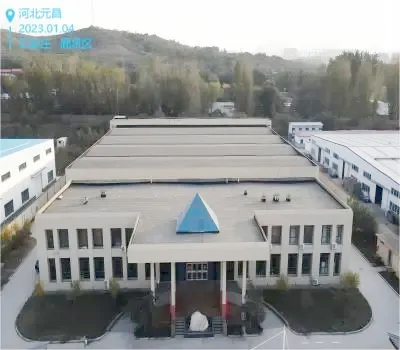
Our integrated production model means we can independently produce critical parts, enhancing reliability and ensuring swift replacement if ever needed. This control over our supply chain is a significant advantage for our clients, particularly those operating in markets with tight production schedules.
Comprehensive Product Range
While trolley hoppers are a key component, we offer a full spectrum of meat processing solutions, including pretreatment, filling, molding, and ripening equipment. This allows us to serve as a one-stop shop for many of your processing needs, ensuring compatibility and streamlined integration across your entire line.
Global Export Experience
We have successfully supplied equipment to numerous international markets. Our team is adept at navigating export regulations, documentation, and logistics, ensuring a smooth transaction for our global clients.
Commitment to Quality and Trust
Quality is not just a buzzword for us; it's embedded in our manufacturing philosophy. From material sourcing to final inspection, every step is managed to ensure our equipment meets high standards. We aim to build long-term partnerships based on trust, reliability, and exceptional performance.
EEAT Principle Highlight: Our 40 years of experience in manufacturing and direct involvement in R&D for meat processing equipment demonstrate genuine Experience and Expertise. Our advanced manufacturing facilities and global export history underscore our Authoritativeness, while our commitment to quality materials and traceable service builds Trustworthiness.
Hear From Our Clients
Real feedback from businesses like yours helps validate the performance and reliability of our equipment.

Operations Manager, USA
"We integrated Yuanchang's 200L trolley hoppers into our main grinding line about six months ago. The improvement in material flow was immediate. They handle large batches easily, and the discharge valve is precise, which is critical for maintaining our batch weights. Cleaning is also straightforward, a big plus for our QA team."

hopper trolley trolley hook Hopper trolley
Procurement Director, Mexico
"Sourcing reliable processing equipment internationally can be a challenge. Yuanchang provided excellent support throughout the entire process, from initial inquiry to delivery. The trolley hoppers we received are robust, well-constructed, and have held up perfectly under daily heavy use in our sausage production. Their attention to detail in material quality is evident."

Factory Manager, Japan
"We needed a custom-sized trolley hopper to fit a specific gap in our automated filling line. Yuanchang's engineering team worked closely with us, providing detailed drawings and ensuring the final product met our tight tolerances. The stainless steel finish is excellent, and it integrates seamlessly. A truly professional ODM partnership."
Ready to Optimize Your Meat Processing Flow?
Discover how our high-quality trolley hoppers can enhance your operation's efficiency, hygiene, and productivity.
Contact Us
Get in Touch
We're here to answer your questions and provide tailored solutions for your meat processing needs. Let us know how we can assist you.
Trusted by Leading Brands:




Send a Message
Hebei Yuanchang Food Mechanism & Technology Co., Ltd. | Since 1986 | Shijiazhuang, Hebei Province, China
All rights reserved. | Privacy Policy | Terms of Service