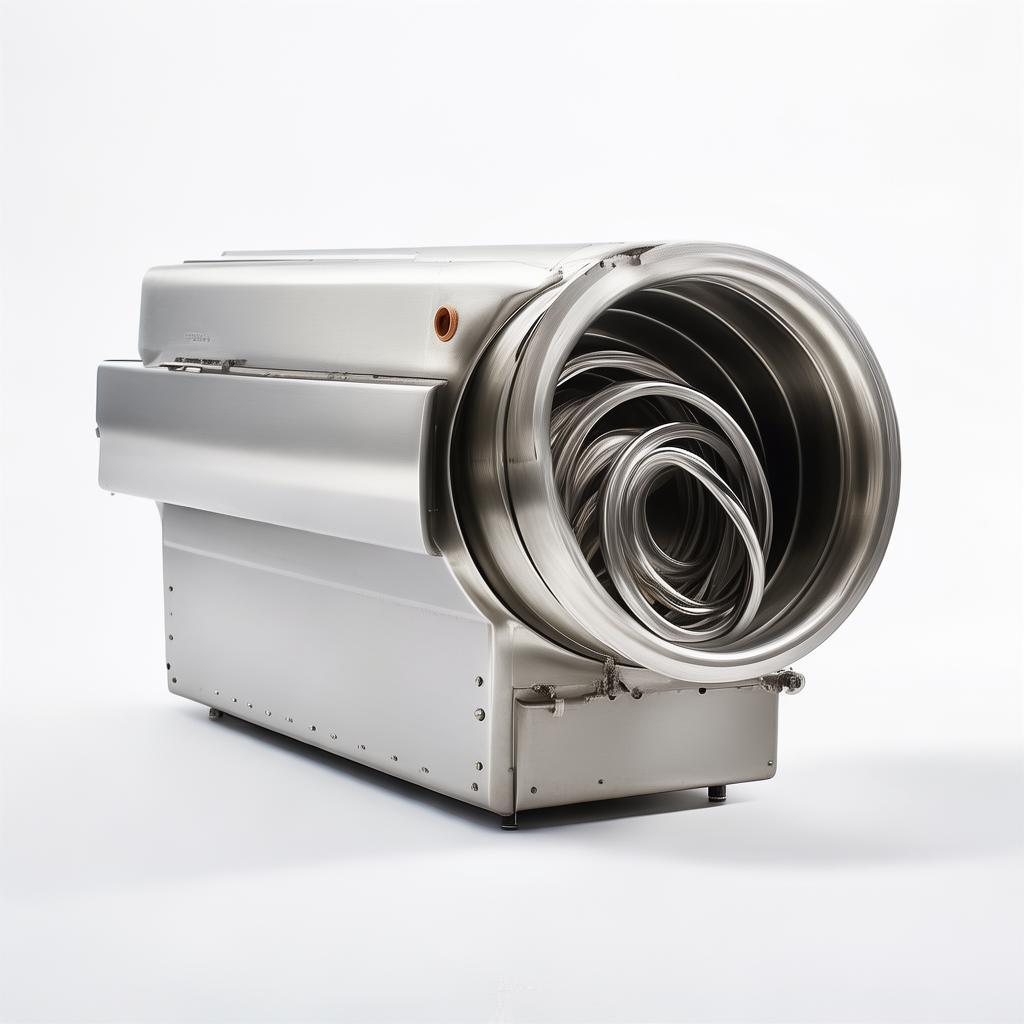
Trash Hopper On Wheels
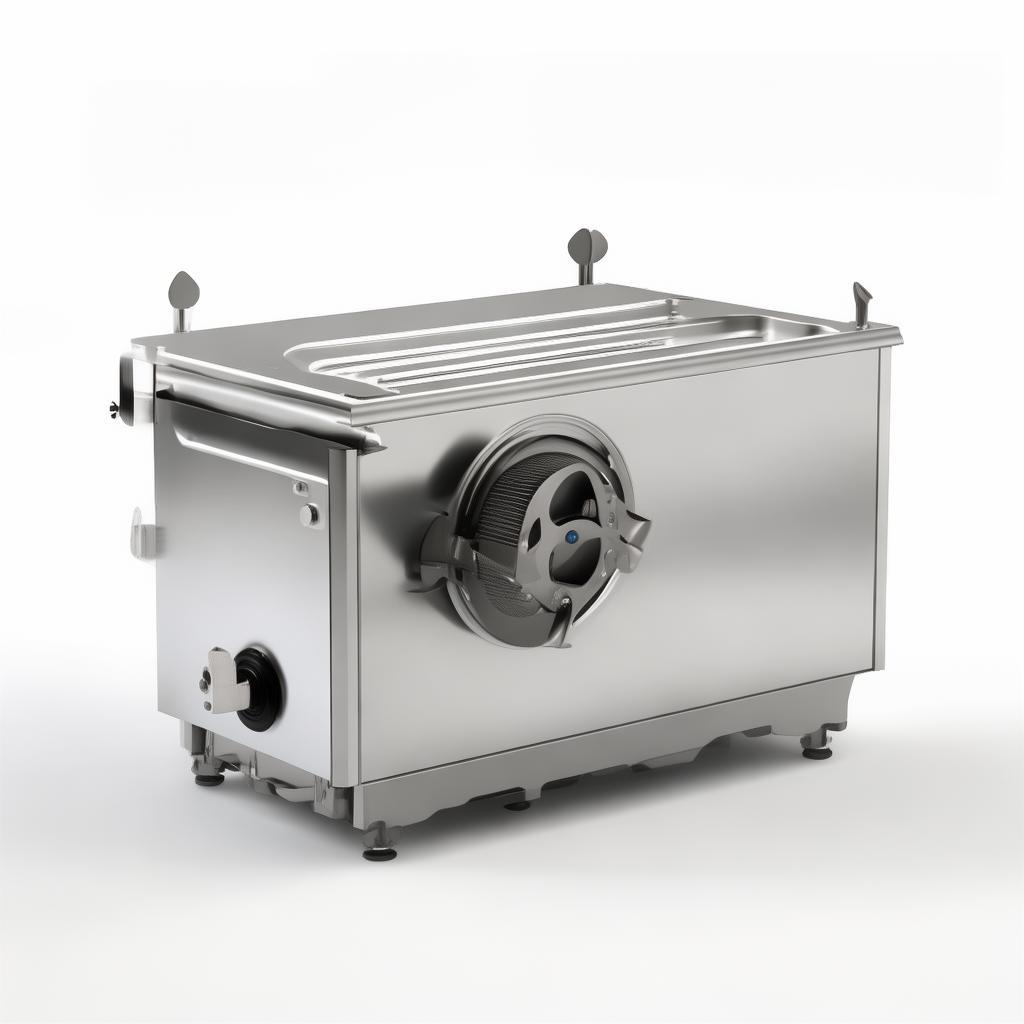
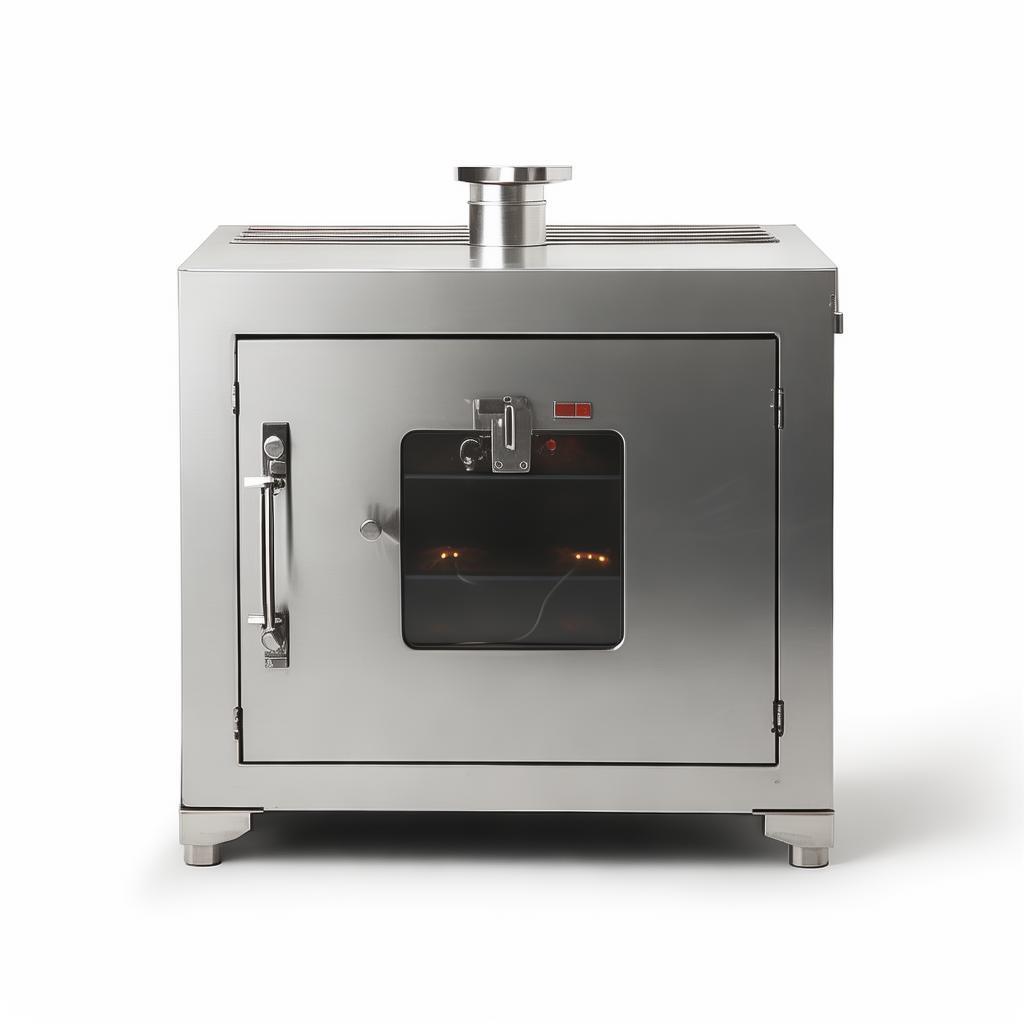
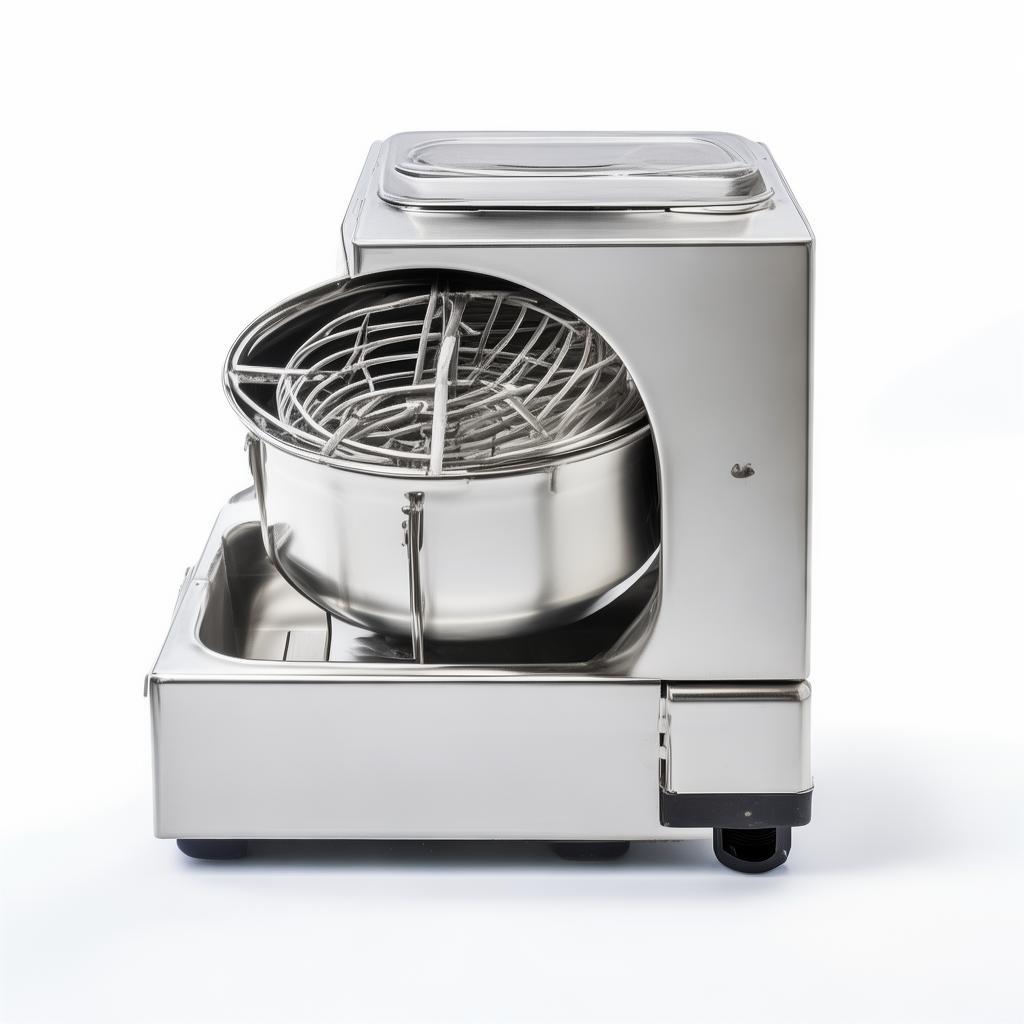
Industrial Trash Hoppers on Wheels: Essential Mobility for Efficient Waste Management
Streamline your facility's cleanup operations with robust, mobile waste containment solutions designed for demanding environments.

Navigating Waste Management Challenges: The Need for Mobile Solutions
In any industrial, commercial, or institutional setting, effective waste management isn't just about disposal; it's a critical component of operational efficiency, workplace safety, and environmental compliance. Facilities generate a constant stream of refuse – from production scrap and packaging materials to general office waste and maintenance byproducts. Managing this flow efficiently often demands more than static bins. The true challenge lies in facilitating the collection and transport of this waste from its point of generation to central disposal or processing areas. This is where the humble yet indispensable trash hopper on wheels truly shines.
Consider the daily realities faced by facility managers, maintenance crews, and operations personnel. Workers spend valuable time shuttling heavy, often unwieldy bins or bags across floors, through corridors, and up ramps. This manual labor is not only time-consuming but also poses significant ergonomic risks. Spills can occur, leading to slip hazards and unsanitary conditions, which in turn can trigger costly cleanup operations and potential downtime. Furthermore, the lack of integrated mobility can create bottlenecks, slowing down production cycles or disrupting workflow. The traditional approach, relying on stationary containers, often forces waste to accumulate in inconvenient locations, creating an eyesore and a potential breeding ground for pests or contaminants.
The market for waste management equipment is vast, encompassing everything from simple receptacles to complex compactor systems. However, a significant gap exists for solutions that offer flexibility and ease of movement without compromising on capacity or durability. This is precisely the niche that a well-designed trash hopper on wheels fills. These units are engineered to be robust enough for industrial use while incorporating features that dramatically improve their utility. The addition of durable casters, often with locking mechanisms for stability, transforms a passive container into an active tool for workflow optimization. They allow for waste to be collected directly at the source of generation and then easily transported to designated collection points, significantly reducing manual handling and improving overall site cleanliness.
Our extensive experience, spanning over 40 years in manufacturing and supplying industrial mechanisms, has shown us firsthand the impact of well-chosen equipment. We understand that the meat processing industry, for example, faces unique challenges with byproducts and sanitation. This is an area where hygienic, easily movable waste solutions are paramount. The global meat processing equipment market itself is substantial, projected to reach figures like USD 17.39 billion by 2034 according to Fortune Business Insights. This growth is driven by rising demand for processed meats and the critical need for automation and hygiene. Similar trends, emphasizing efficiency and cleanliness, are evident across manufacturing, warehousing, and logistics sectors. A trash hopper on wheels is not merely a container; it's an investment in operational flow, safety, and a cleaner working environment.
When procurement managers or operations directors evaluate their waste management strategies, they often overlook the subtle but profound advantages of mobility. A stationary bin might seem cost-effective initially, but the recurring costs associated with inefficient labor, potential safety incidents, and disrupted workflows can quickly outweigh the initial savings. This is where a strategically implemented trash hopper on wheels can offer a superior return on investment. It’s about understanding the complete workflow and identifying equipment that actively contributes to streamlining it, rather than merely containing a problem.
The decision to adopt mobile waste solutions often stems from a direct response to operational bottlenecks or safety concerns. Perhaps a particular production line generates a high volume of scrap, requiring frequent trips to a central disposal area. Or maybe safety audits highlight the risks associated with accumulated waste in high-traffic zones. In such scenarios, a wheeled hopper isn't just a convenience; it's a necessary piece of operational infrastructure. It empowers teams to manage waste proactively, keeping workspaces clear and safe, and ultimately contributing to higher productivity and a more controlled operational environment.
This page delves into the multifaceted benefits of industrial trash hoppers on wheels, exploring their design considerations, material choices, practical applications, and the vital role they play in modern industrial operations. We aim to provide a comprehensive overview for purchasing managers, operations leads, and anyone tasked with improving waste management efficiency, offering insights that go beyond simple product descriptions to highlight genuine operational advantages.
Key Operational Advantages of Wheeled Trash Hoppers
- Enhanced Mobility: Effortlessly move waste from point-of-generation to disposal sites, minimizing manual transport labor. This is especially critical in large facilities or those with complex layouts.
- Improved Safety: Reduced risk of spills, trips, and falls associated with carrying heavy or unwieldy waste containers. Secure casters and stable designs prevent accidental tipping during transit.
- Increased Efficiency: Streamlined waste collection workflows mean less time spent on cleanup and more time dedicated to core production or service activities.
- Space Optimization: Hoppers can be easily relocated, freeing up floor space in active work areas when not in use, and can be moved to consolidate waste at central points.
- Versatile Application: Suitable for a wide range of materials, from light-duty scrap to heavier industrial refuse, across various sectors like manufacturing, food processing, warehousing, and even municipalities.
- Durability: Constructed from robust materials designed to withstand the rigors of industrial environments.
Material Science and Construction: Building for the Long Haul
The choice of materials for an industrial trash hopper on wheels is paramount to its longevity, functionality, and suitability for specific applications. At Hebei Yuanchang Food Mechanism & Technology Co., Ltd., we leverage our 40 years of manufacturing expertise to select materials that offer the best balance of durability, chemical resistance, hygiene, and cost-effectiveness.
High-Density Polyethylene (HDPE): Often our preferred material for many applications, HDPE offers an excellent combination of properties. It's lightweight yet remarkably strong, resistant to a wide range of chemicals, acids, and alkalis – crucial for industrial waste streams that can be corrosive. Its smooth, non-porous surface makes it inherently hygienic and easy to clean, a vital consideration for food processing or pharmaceutical environments. Furthermore, HDPE hoppers are typically manufactured via blow molding or rotational molding, creating seamless, one-piece constructions that eliminate weak points and potential leakages. This material also offers good impact resistance, even at lower temperatures.
Stainless Steel: For applications demanding extreme durability, high-temperature resistance, or where stringent hygiene standards are non-negotiable (e.g., medical waste, specific food processing applications), stainless steel hoppers are the superior choice. While heavier and more expensive than plastic counterparts, stainless steel offers unparalleled resistance to corrosion, impact, and wear. It is also easily sterilized, making it ideal for environments where microbial contamination is a critical concern. We utilize various grades of stainless steel, depending on the specific operational demands and corrosive elements present.
Coated Steel: A cost-effective alternative for general industrial waste, some of our hoppers feature steel bodies with robust protective coatings. These coatings, often powder-coated or galvanized, provide a good level of corrosion resistance and a smoother finish compared to bare metal. While not as chemically inert as HDPE or as premium as stainless steel, they offer a solid, durable solution for less demanding environments.
The casters are equally important. We specify heavy-duty, industrial-grade casters, typically made from materials like polyurethane, rubber, or nylon, mounted on steel or heavy gauge steel frames. Options include swivel casters for maneuverability, rigid casters for directional control, and critically, locking casters. Lockable wheels are a non-negotiable feature for safety, preventing the hopper from moving unintentionally during loading, unloading, or when stationary, especially on sloped surfaces. The wheel diameter and load rating are carefully matched to the hopper's capacity and typical operating environment.
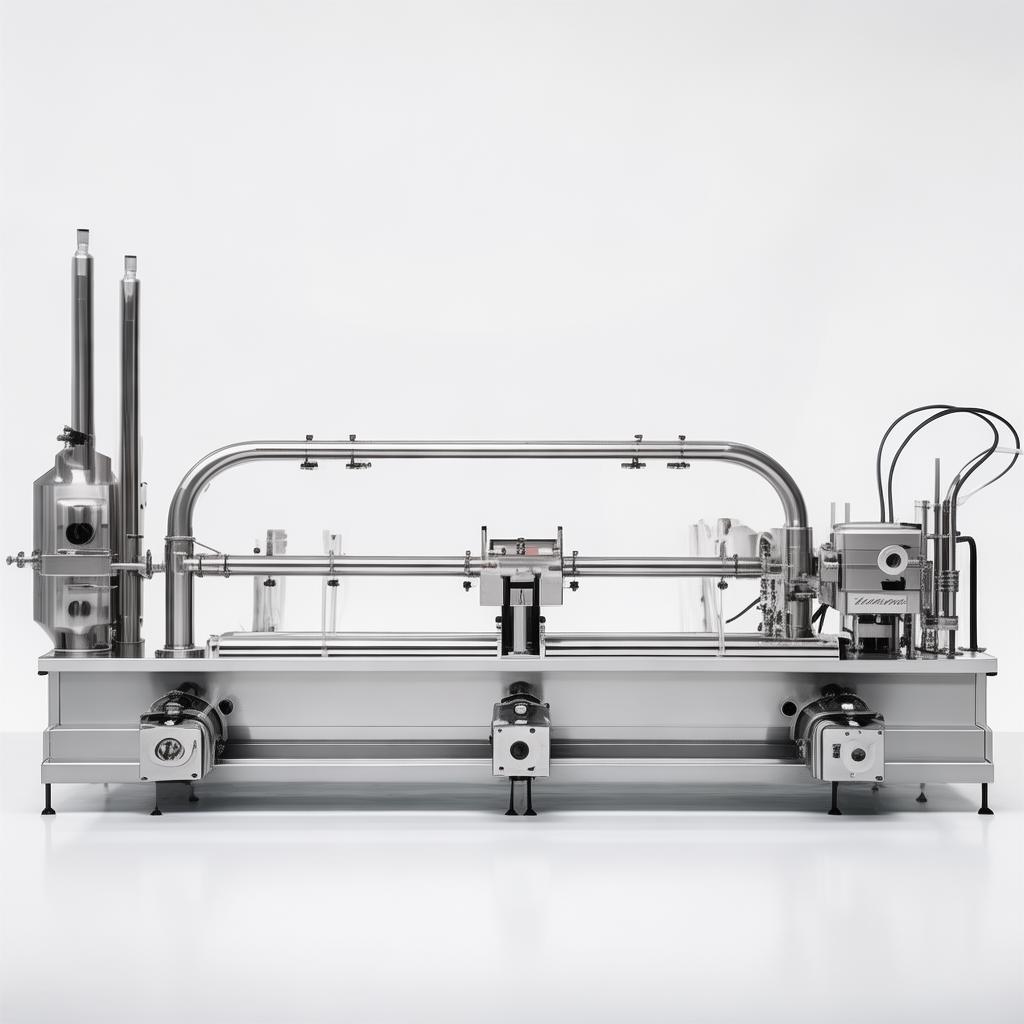
Our manufacturing capabilities, bolstered by Japanese Mazak CNC machining centers, allow us to produce not only standard components but also high-precision, non-standard parts. This means we can customize hopper designs, caster configurations, and even material specifications to meet unique client requirements, ensuring a perfect fit for any operational scenario.
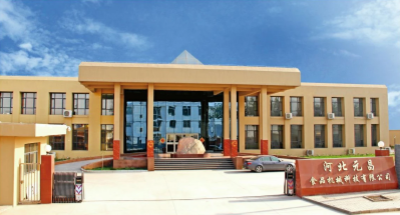
Our advanced machining capabilities ensure precise construction of all components.
Technical Specifications & Customization Options
Understanding the technical details is crucial for selecting the right trash hopper on wheels. While standard models offer excellent performance, our OEM/ODM capabilities allow for tailored solutions. Here’s a look at typical specifications and customization points:
| Feature | Standard Option | Customization Potential |
|---|---|---|
| Capacity | 100L - 500L (Approx. 25 - 130 Gallons) | Larger or smaller volumes available upon request. |
| Material | HDPE, Stainless Steel, Coated Steel | Specific material grades, wall thickness adjustments. |
| Caster Type | Heavy-duty swivel casters with locks | Combination of swivel/rigid, different wheel materials (e.g., industrial rubber, polyurethane), higher load ratings. |
| Lid Options | Optional hinged lid, open top | Push-doors, secure locking lids, custom openings. |
| Drainage | Standard; optional drain plug | Integrated drainage systems, spigots. |
| Color | Standard industrial colors (e.g., grey, blue, green) | Custom branding colors, specific hazard warnings. |
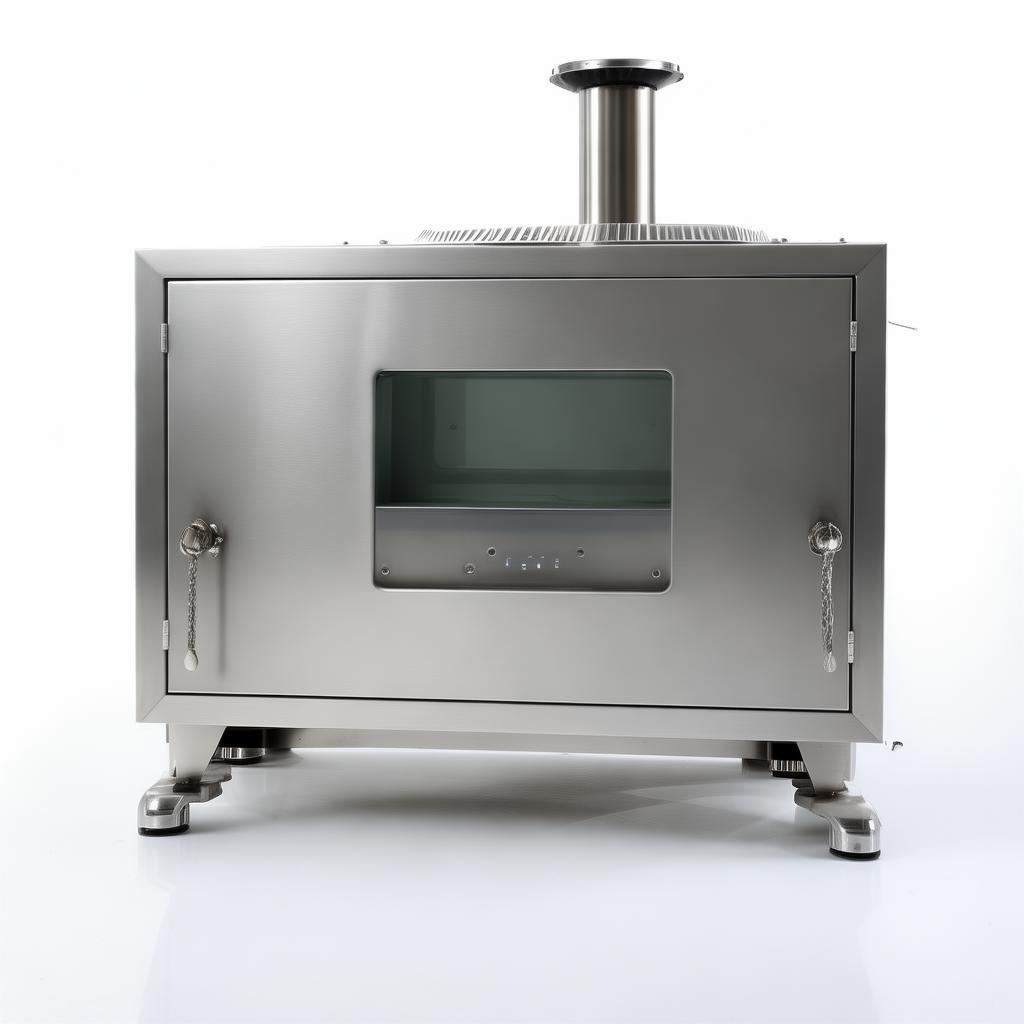
metal trash can with foot pedal buggy lift and dumper foot operated trash bin
Our team of engineers is ready to discuss your specific needs. Whether you require a hopper designed for aggressive chemicals, extremely high volumes, or compliance with specific industry standards (like food-grade requirements), we have the expertise and manufacturing flexibility to deliver. This aligns with the broader trend in the meat processing equipment market, where customized solutions for hygiene and efficiency are increasingly sought after.
Request a consultation with our technical team to explore the full range of customization possibilities.
Applications: Where Mobility Meets Waste Management
The versatility of trash hoppers on wheels makes them indispensable across a broad spectrum of industries and operational contexts. Their ability to combine significant capacity with easy maneuverability addresses specific waste challenges in diverse environments.
- Manufacturing & Production: Collect scrap metal, offcuts, packaging waste, and production byproducts directly from assembly lines or machining centers. Reduces the need for constant bin emptying and keeps work areas clear.
- Food & Beverage Processing: Handle organic waste, trimmings, packaging, and byproducts. Our food-grade HDPE and stainless steel options are ideal here, ensuring hygiene and compliance. The ease of transport to wash-down areas or central composting/disposal is a major advantage.
- Warehousing & Logistics: Manage packaging materials, damaged goods, and general refuse generated during loading, unloading, and inventory management. Mobile hoppers allow for quick collection and consolidation.
- Hospitality & Healthcare: Collect refuse from kitchens, service areas, patient rooms, and labs. Stainless steel models are particularly suited for healthcare due to sterilization requirements. Lockable lids enhance security and hygiene.
- Construction & Renovation: Gather debris, offcuts, and waste materials from job sites, allowing for easy movement to collection points or skips.
- Municipalities & Public Services: Use in parks, workshops, or for event cleanup where temporary, mobile waste collection is needed.
The demand for such adaptable equipment is underscored by the growth in sectors requiring efficient material handling and waste processing. For instance, the global processed meat market is projected to exceed USD 1.3 trillion by 2035, with a significant reliance on efficient byproduct management and specialized equipment like filling and molding machines. Our hoppers integrate seamlessly into these operational workflows.
Installation, Maintenance, and Longevity Insights
A key advantage of investing in a quality trash hopper on wheels is its straightforward deployment and relatively low maintenance requirements. However, a few practical considerations ensure maximum service life and consistent performance.
Installation & Initial Setup
Most of our wheeled hoppers arrive fully assembled, with the primary 'installation' being the activation of any pre-installed locking mechanisms on the casters. For models where casters might be shipped separately (rare for industrial units, but possible for very large or specialized orders), installation involves simple bolt-on procedures. We provide clear instructions, and our technical support is always available.
Routine Maintenance
Cleaning: Regular cleaning is essential, especially for food-grade or healthcare applications. HDPE and stainless steel hoppers can be washed with standard industrial detergents and high-pressure water. Ensure thorough rinsing to prevent residue buildup. For stainless steel, avoid abrasive cleaners that could scratch the surface.
Caster Care: Periodically inspect the casters for debris (e.g., plastic wrap, wire, cardboard shards) that can impede their rotation or damage the wheels. Lubricating the caster bearings and swivel mechanisms annually, or more frequently in very dusty or wet environments, will ensure smooth movement and prevent premature wear. Check that all caster locks are functioning correctly.
Structural Integrity: Visually inspect the hopper body for any signs of cracks, significant dents, or corrosion, especially around the base where the casters are mounted. While our construction is robust, extreme impacts or exposure to highly aggressive chemicals beyond the material's rating can cause damage over time.
Ensuring Longevity
Adhering to the hopper's recommended weight capacity is critical. Overloading can stress the casters, the hopper body, and the chassis, leading to premature failure. Furthermore, using the hopper for its intended purpose – containing and transporting waste – rather than as a heavy-duty mixing or processing vessel, will ensure it lasts for many years. Our commitment to quality, backed by ISO certification (e.g., ISO 9001 for quality management), means we build equipment designed for reliable, long-term industrial service.
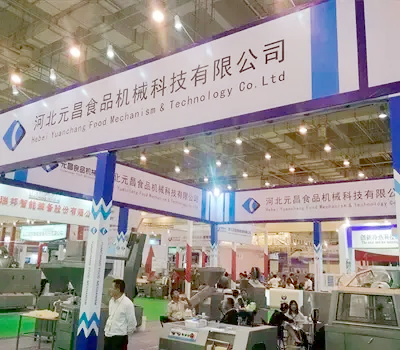
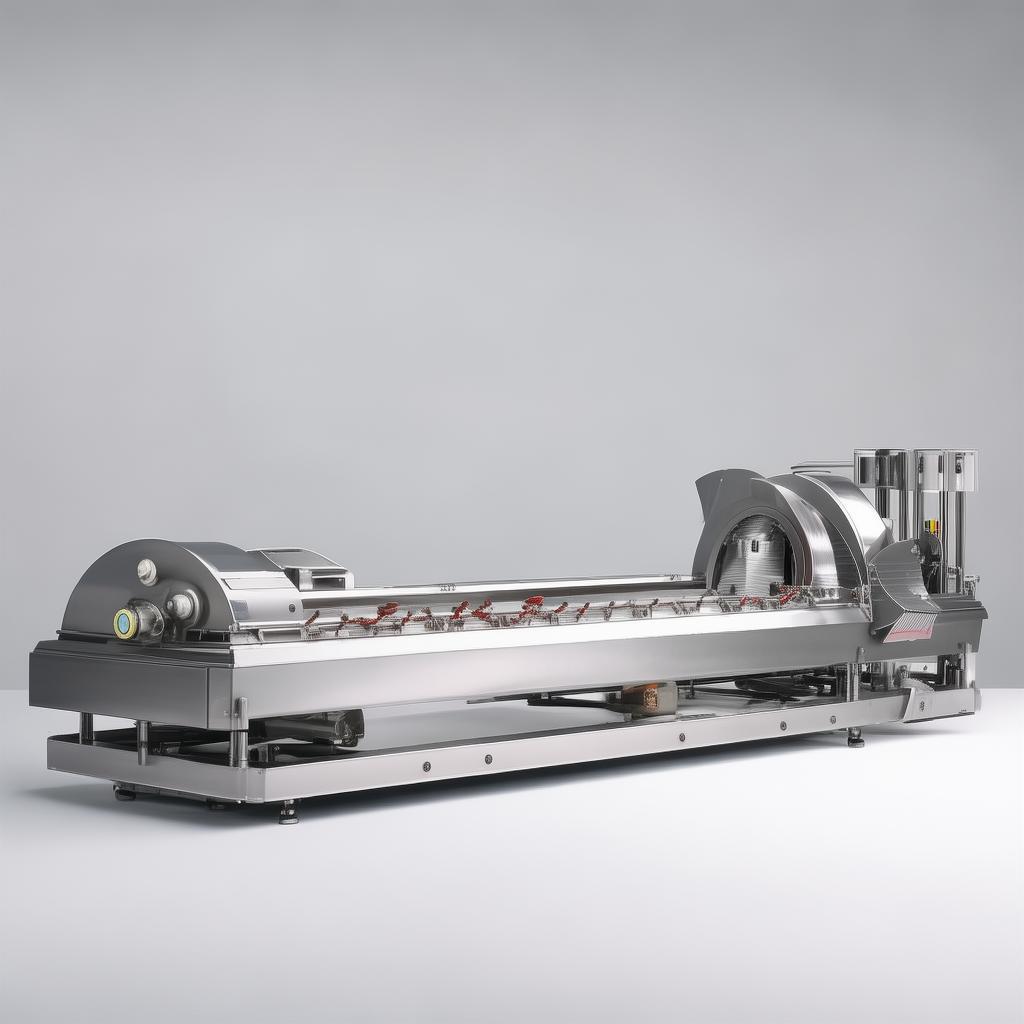
Proper caster maintenance ensures sustained mobility.
Procurement Considerations: Buying Smart for Your Facility
Selecting the right trash hopper on wheels involves more than just comparing prices. For procurement managers and decision-makers, a thorough evaluation process ensures a wise investment that meets operational needs and offers long-term value.
Assess Your Waste Stream
What type of waste will you be collecting? Is it wet or dry? Corrosive or inert? Heavy or light? This dictates material choice (HDPE for chemical resistance, stainless steel for hygiene/durability) and capacity requirements. Don't underestimate the volume; consider peak generation periods.
Evaluate the Operational Environment
Will the hopper be used indoors or outdoors? Are there slopes? Narrow corridors? Obstacles? This will inform the caster configuration (swivel vs. rigid, wheel material, locking mechanisms) and overall hopper dimensions. Think about how it will be transported – will personnel be pushing it, or will it need to be integrated with other material handling equipment?
Factor in Safety and Compliance
Are there specific industry regulations (e.g., FDA, HACCP for food processing) that dictate material or design? Ensure the hopper can be easily cleaned and maintained to prevent cross-contamination or pest attraction. The presence of effective braking/locking casters is a fundamental safety requirement.
Consider Total Cost of Ownership (TCO)
A cheaper unit might require frequent repairs or replacement, leading to higher TCO. Look for robust construction, quality materials, and a reliable manufacturer with a proven track record and good after-sales support. Our 40 years of experience and advanced manufacturing capabilities (including Japanese CNC centers) speak to our commitment to quality and longevity.
OEM/ODM Capabilities
If standard solutions don't quite fit, inquire about customization. As an experienced OEM/ODM provider, we can modify designs, integrate specific features, or develop entirely new solutions tailored to your unique operational challenges. This flexibility is often crucial for optimizing complex industrial processes.
Don't hesitate to ask for detailed specifications, material certifications, and warranty information. We pride ourselves on transparency and providing the information needed for informed purchasing decisions.
Logistics and Global Reach
Efficient waste management equipment needs to be delivered reliably, wherever your operations are located. As an international exporter, Hebei Yuanchang Food Mechanism & Technology Co., Ltd. understands the complexities of global logistics.
We work with reputable freight forwarders to ensure timely and cost-effective shipment of our trash hoppers on wheels to destinations worldwide. Our team is experienced in handling export documentation, customs procedures, and optimizing container loading to minimize shipping costs per unit. Whether you require a single unit or a large fleet, we can provide accurate quotes for shipping to your nearest port or directly to your facility.
Our production capacity, supported by a dedicated team and modern machinery, allows us to meet demanding order volumes without compromising on quality or lead times. We are committed to providing a seamless procurement experience, from initial inquiry to final delivery, supported by our traceable after-sales management system.



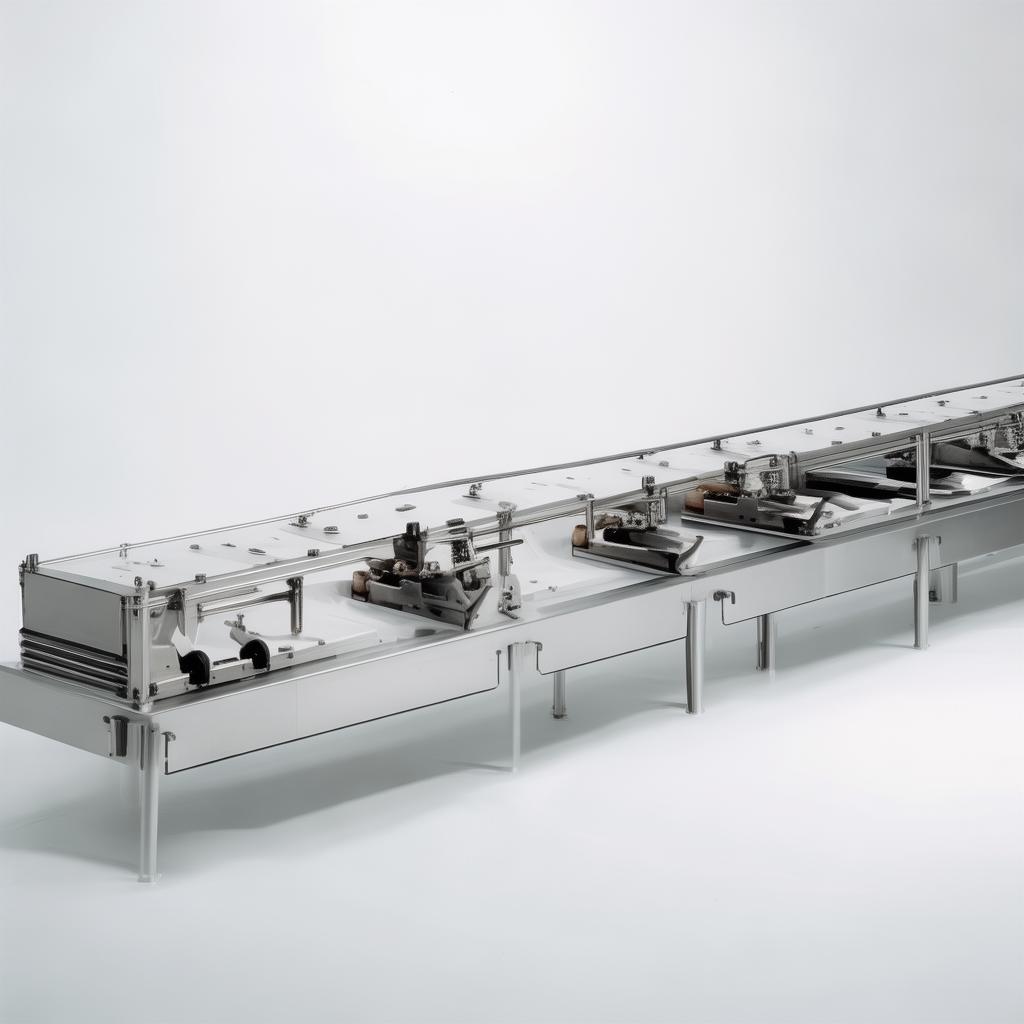
We partner with businesses worldwide, understanding diverse logistical needs.
Ready to Optimize Your Waste Management?
Discover how our industrial trash hoppers on wheels can enhance efficiency, safety, and cleanliness in your operations.
Contact Us
Hebei Yuanchang Food Mechanism & Technology Co., Ltd.
Shijiazhuang, Hebei Province, China
Phone: +86 15830991513
Email: ycmeatmech@gmail.com
Frequently Asked Questions
Q1: What is the typical lifespan of an industrial trash hopper on wheels?
A quality hopper, constructed from durable materials like HDPE or stainless steel, and maintained properly, can last anywhere from 5 to 15 years, depending heavily on the intensity of use and the nature of the waste handled. Regular caster maintenance and avoiding overloading are key to maximizing lifespan.
Q2: Can these hoppers be used for hazardous waste?
For specific hazardous waste types, material compatibility must be confirmed. While HDPE and stainless steel offer broad chemical resistance, highly aggressive or reactive substances may require specialized containers. Always consult safety data sheets (SDS) for the waste material and verify its compatibility with the hopper's construction material. We can advise on suitable options.
Q3: What is the difference between OEM and ODM?
OEM (Original Equipment Manufacturer) typically means we manufacture a product based on your design or specifications. ODM (Original Design Manufacturer) means we design and manufacture the product ourselves, which you then brand as your own. We offer both services, providing flexibility for your business needs.
Q4: How are shipping costs calculated for international orders?
Shipping costs depend on the order volume (affecting container space), destination, and chosen shipping method (sea freight or air freight). We work with multiple logistics partners to secure competitive rates and provide you with the most economical and efficient shipping plan.
See What Our Clients Say

Operations Manager, Food Processing Plant
"The HDPE hoppers we sourced from Yuanchang have been a game-changer for our plant floor. They are incredibly easy to clean, which is critical for our HACCP compliance. Moving waste from the butchery line to the disposal chute used to be a two-person job; now, one person can do it quickly. Reduced spills significantly, too."
Purchased: 20 units, 250L HDPE Open Top Hopper

Procurement Director, Manufacturing Firm
"We needed a robust solution for scrap metal and packaging waste. Yuanchang's stainless steel wheeled hoppers fit the bill perfectly. The build quality is excellent, and the heavy-duty casters can handle the weight without issue. Their OEM service allowed us to add specific branding, which was a nice touch."
Purchased: 15 units, 400L Stainless Steel Hopper with Lid

Warehouse Supervisor, Logistics Hub
"Our warehouse is large, and moving waste from different zones to the compactor was inefficient. The wheeled hoppers allow my team to collect debris and consolidate it quickly at the end of each shift. The locking casters are a must-have for safety on our concrete floors. Very satisfied with the prompt delivery and product performance."
Purchased: 25 units, 200L Coated Steel Hopper

Facility Manager, Research Lab
"We needed a contained, mobile solution for laboratory waste, ensuring no spills or leaks. The custom-designed HDPE hoppers with secure lids and robust locking casters from Yuanchang have met our exacting standards. Their responsiveness and willingness to adapt to our specific requirements were outstanding."
Purchased: 8 units, Custom 150L HDPE Hopper with Locking Lid