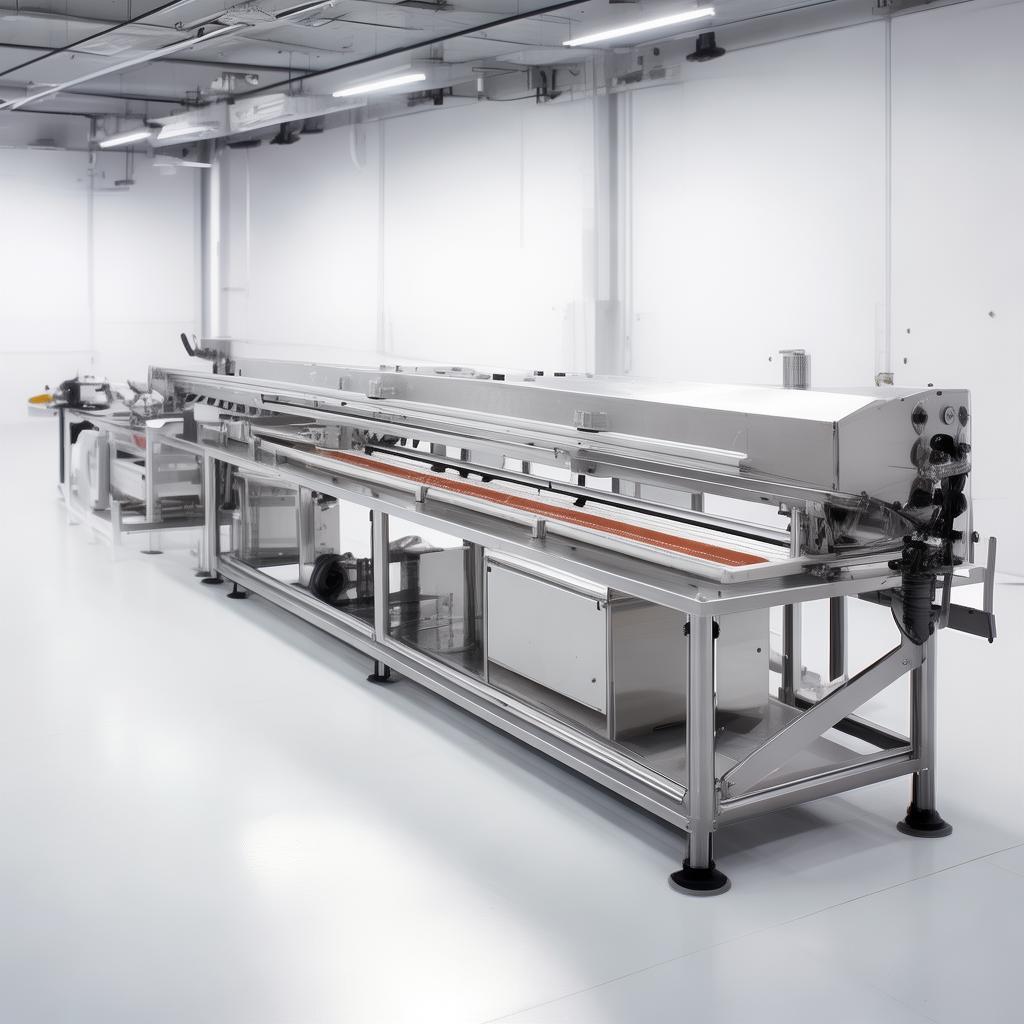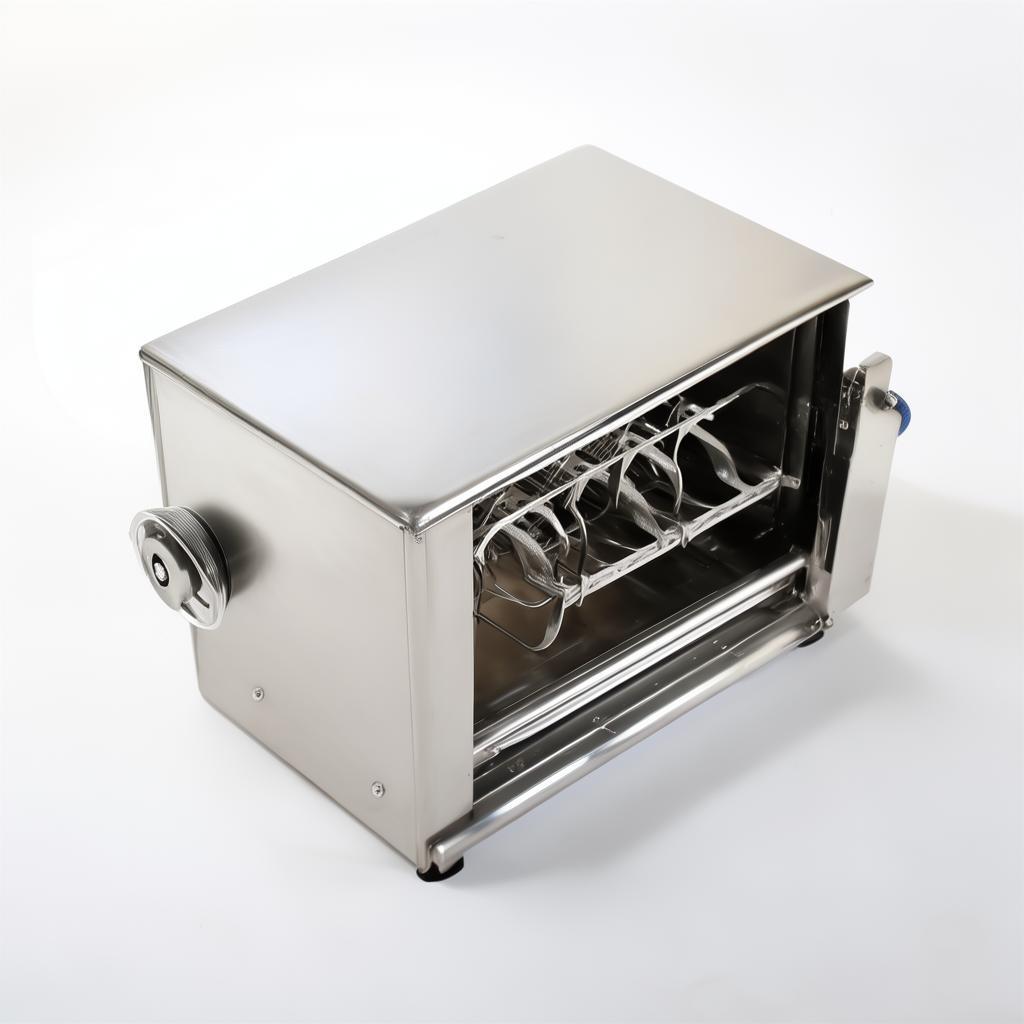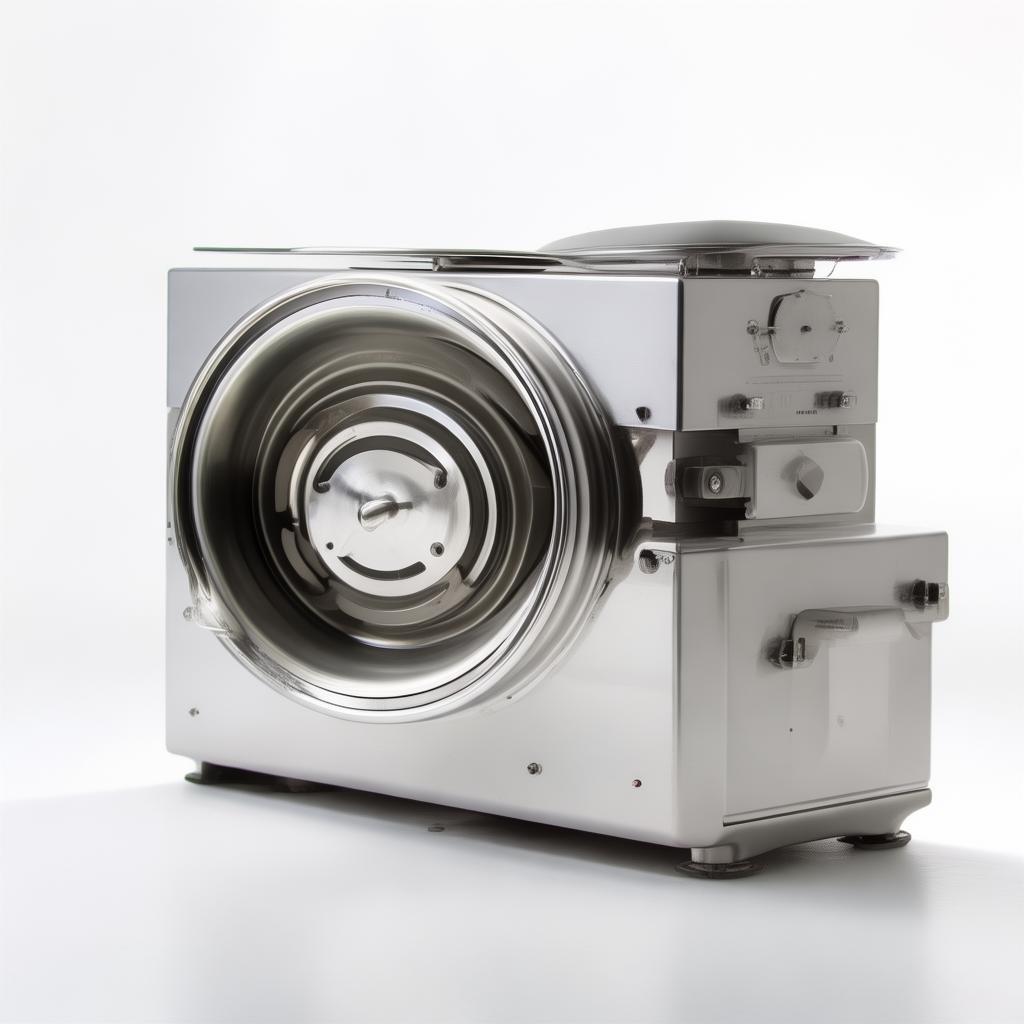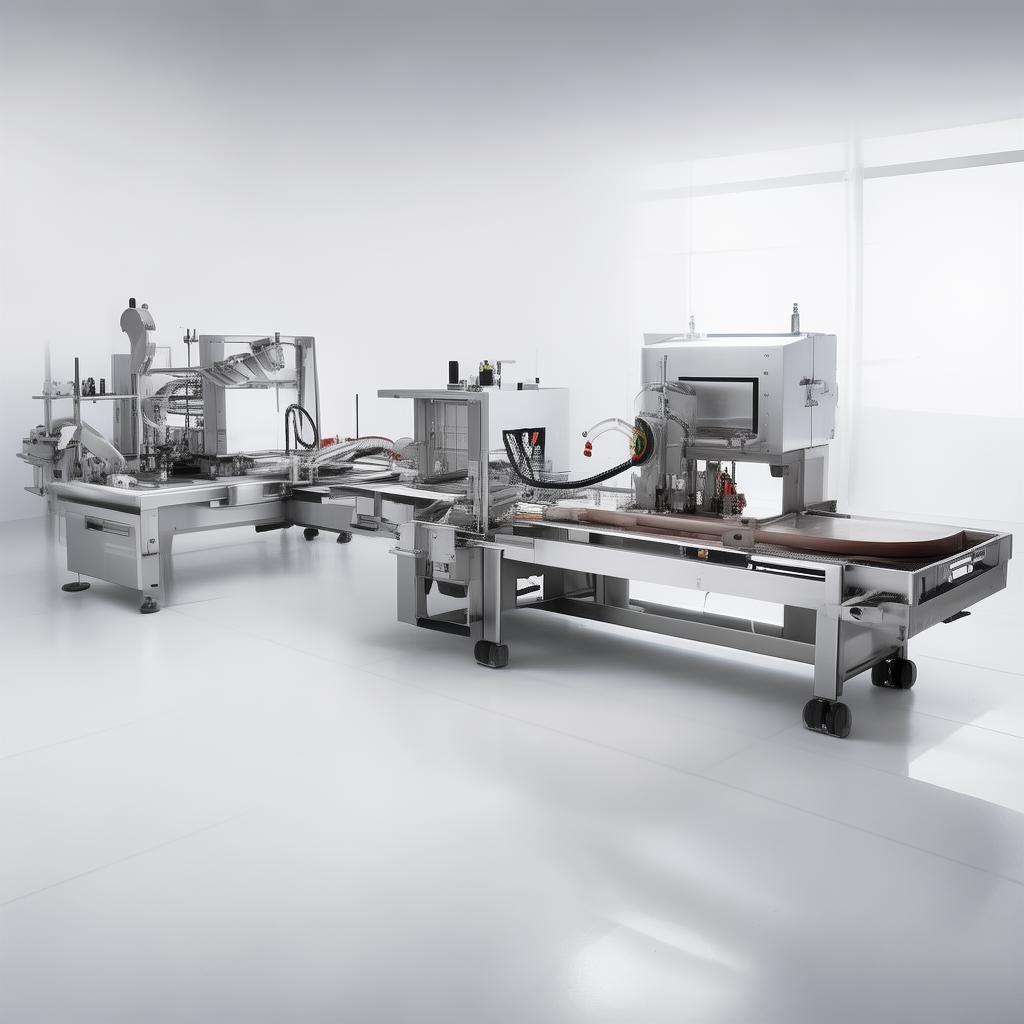
Tilapia Filleting Machine
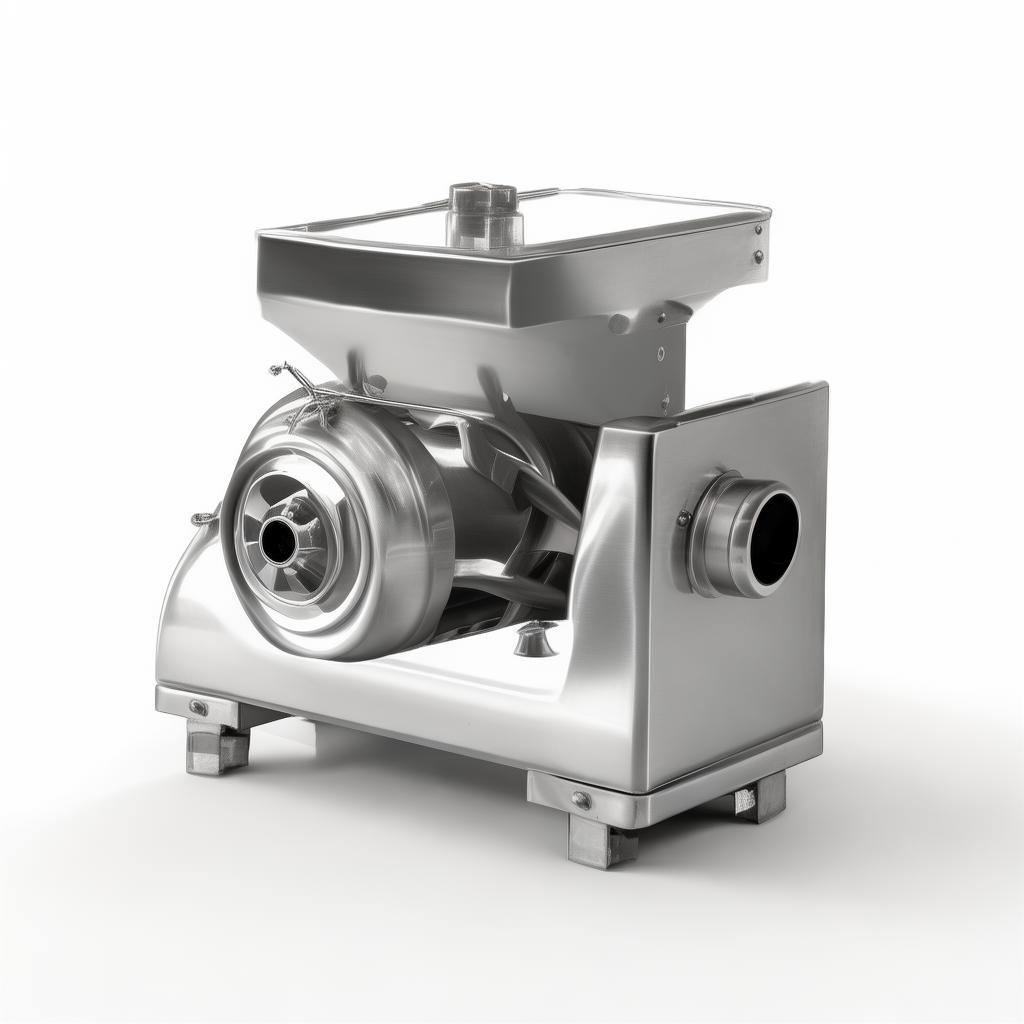
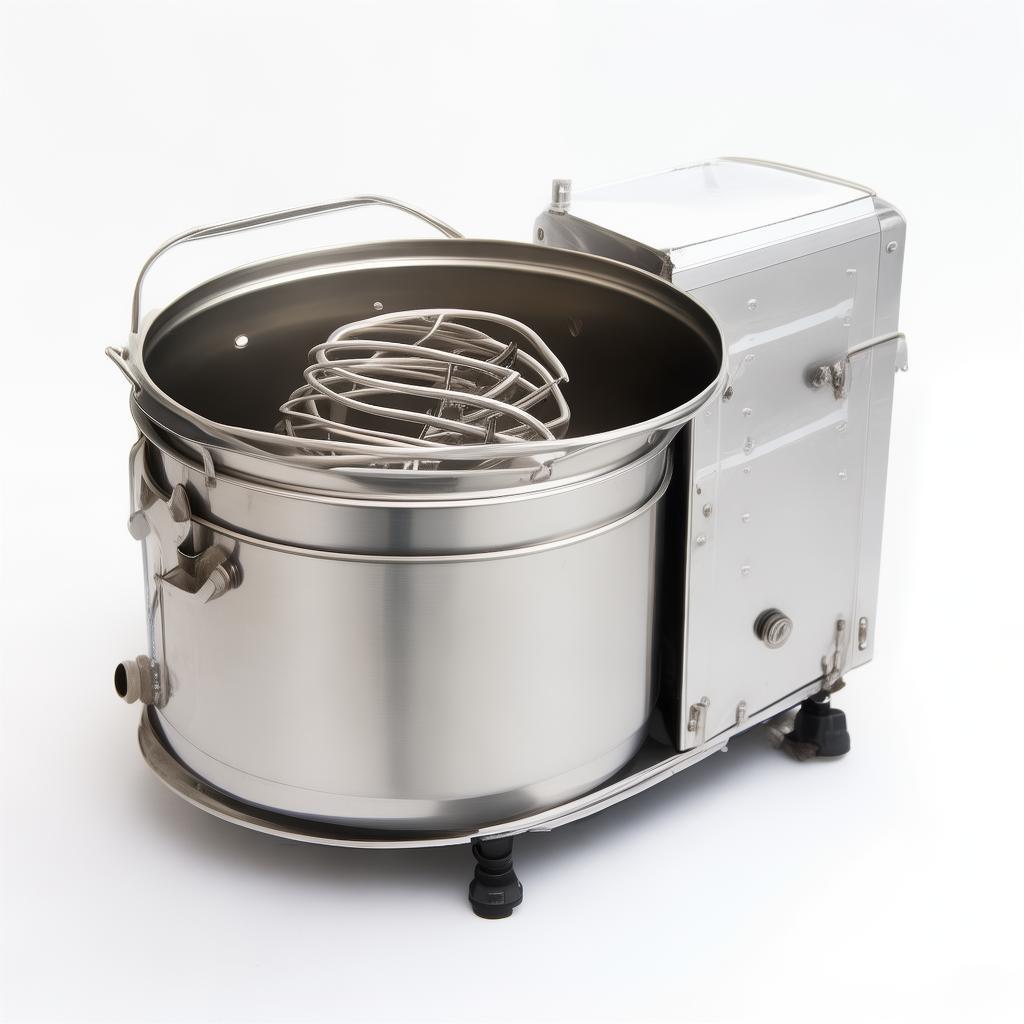
Industrial Tilapia Filleting Machines: Precision, Efficiency, and Export Readiness
Streamline your seafood processing operations with advanced, reliable filleting solutions designed for international markets.



Navigating the Demands of Modern Seafood Processing
In today's global seafood market, particularly for a versatile fish like tilapia, efficiency, consistency, and adherence to international quality standards are paramount. The journey from live catch to a perfectly filleted product ready for export involves intricate processing steps, each demanding specialized machinery. For processors aiming to capture market share in demanding regions like North America and Europe, investing in a high-performance tilapia filleting machine isn't just an upgrade; it's a fundamental requirement for competitiveness and sustained growth.
The processed meat market, a significant driver for specialized equipment, is projected to reach staggering figures, with various reports suggesting valuations from USD 190 billion to over USD 1.3 trillion by 2034-2035. This expansion underscores a continuous and growing demand for processed seafood products, including meticulously prepared fish fillets. 【Processed Meat Market Size, Share & Growth Report - https://www.fortunebusinessinsights.com/industry-reports/processed-meat-market-100556 - The global processed meat market is projected to grow from USD 750.58 billion in 2026 to USD 1,253.77 billion by 2034 at a CAGR of 6.62%.】 This isn't merely about volume; it’s about meeting consumer expectations for quality, safety, and convenience. Tilapia, prized for its mild flavor and flaky texture, is a staple in many international diets. Its filleting process, however, presents unique challenges – balancing the desire for maximum yield with minimizing waste, ensuring clean cuts that preserve flesh integrity, and achieving the uniformity demanded by wholesale buyers and retail chains.
Consider the operational realities. A processing plant facing high volumes needs a machine that can handle continuous operation without significant downtime. Procurement managers are acutely aware of the total cost of ownership, factoring in initial investment, energy consumption, maintenance, and spare parts availability. For export-oriented businesses, a tilapia filleting machine must also align with stringent food safety regulations in destination countries, often requiring specific materials, hygiene certifications, and robust construction. The decision to invest in automated filleting technology is a strategic one, directly impacting profitability, market access, and brand reputation. This isn't just about buying equipment; it’s about securing a reliable partner in your supply chain.
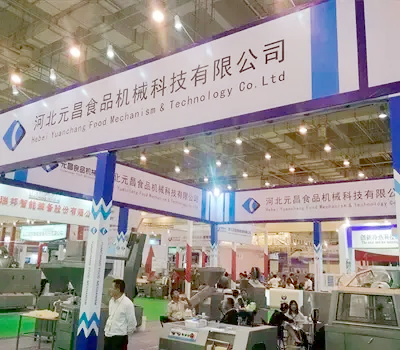
At Hebei Yuanchang Food Mechanism & Technology Co., Ltd., we understand these intricate demands. With nearly four decades of experience since 1986, our expertise isn't just theoretical; it’s forged in the practical realities of meat and seafood processing. We've seen firsthand how the right equipment can transform a business. Our specialized machines, including advanced solutions for fish processing, are engineered to meet the exact specifications required by international markets, ensuring your tilapia fillets are not just processed, but perfected for global consumers.
The market for meat and poultry processing equipment alone is substantial, projected to reach USD 30.5 billion by 2035, with significant growth driven by automation and hygiene standards. 【GM Insights - Meat and Poultry Processing Equipment Market】 This broader trend directly influences the seafood sector. As automation advances, the expectation for precision and efficiency in tasks like filleting intensifies. A manual filleting line, while potentially lower in initial cost, often struggles to keep pace with demand, maintain consistent quality, and achieve the yield that automated systems can deliver. For example, a well-calibrated automated system can consistently produce fillets with a higher yield percentage compared to manual methods, directly impacting your bottom line. This efficiency translates into faster throughput, reduced labor costs, and a more predictable, high-quality output that buyers value.
Furthermore, the nuances of fish filleting require machinery that is adaptable. Different tilapia sizes, species variations, and desired fillet shapes (e.g., butterfly fillets, standard portions) all necessitate flexibility. Our tilapia filleting machines are designed with this adaptability in mind. They incorporate adjustable settings and interchangeable components that allow processors to switch between product types or sizes with minimal retooling. This versatility is a critical asset for businesses that process a range of fish or cater to diverse customer needs. We believe that the best machinery should actively support your production flexibility, not constrain it.
The Core Challenges in Tilapia Filleting Operations
- Yield Optimization: Maximizing the edible meat extracted from each fish while minimizing bone fragments and meat loss on the carcass is a constant battle. Manual filleting often leads to inconsistent yield due to variations in skill and fatigue.
- Quality & Consistency: Consumers and buyers expect fillets that are uniformly sized, free of pin bones, and have a clean, appealing appearance. Inconsistent cuts, ragged edges, or excessive bone presence can lead to rejections and damaged brand trust.
- Labor Intensity & Cost: Skilled filleting is labor-intensive. High labor costs, difficulties in recruitment and retention, and the risk of repetitive strain injuries can significantly impact operational efficiency and profitability.
- Food Safety & Hygiene: Seafood processing environments demand the highest standards of hygiene. Machines must be designed for easy cleaning, constructed from food-grade materials, and minimize crevices where bacteria can harbor. Compliance with HACCP, FDA, and other international food safety protocols is non-negotiable for export.
- Throughput Demands: Meeting seasonal demand or large export orders requires high processing speeds. Slow filleting lines create bottlenecks, increasing lead times and potentially leading to missed sales opportunities.
These challenges are precisely why investing in a dedicated tilapia filleting machine from a reputable manufacturer like Hebei Yuanchang is critical. Our engineering approach focuses on directly addressing each of these pain points, providing a solution that enhances both output and operational integrity.
Introducing the YC-FS Series: Your Solution for Tilapia Filleting
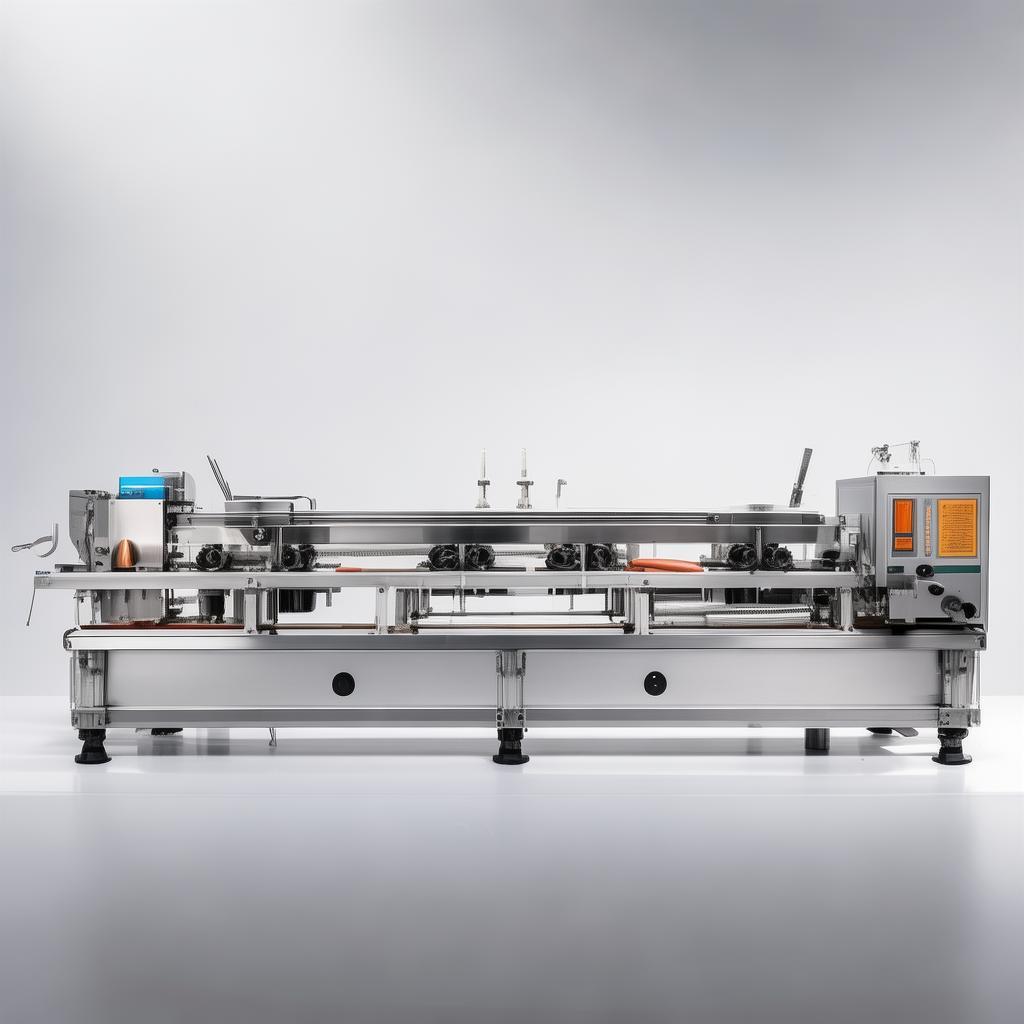
Our YC-FS series, engineered for precision and durability.
The YC-FS series of tilapia filleting machines represents our commitment to providing food processing industries with cutting-edge technology. Designed with decades of practical manufacturing experience, these machines are built to handle the unique requirements of tilapia processing, delivering exceptional yield, consistent quality, and unmatched operational efficiency.
We understand that the processing line is only as strong as its weakest link. That's why our filleting machines are engineered for robustness and ease of integration. They leverage advanced cutting mechanisms and intelligent design to transform whole tilapia into premium fillets with minimal manual intervention. Our focus is on delivering a predictable, high-quality output that meets the rigorous demands of international buyers.
- High Yield Performance: Precisely engineered blades and conveyor systems work in tandem to maximize meat recovery, reducing waste and increasing profitability.
- Exceptional Cut Quality: Achieve clean, uniform fillets with minimal bone fragments, meeting stringent export market standards.
- Robust Stainless Steel Construction: Made from food-grade SUS304 stainless steel for superior durability, corrosion resistance, and easy sanitization.
- Adaptable Design: Capable of processing various tilapia sizes with adjustable settings for different fillet cuts.
- User-Friendly Operation: Intuitive controls and straightforward maintenance procedures ensure minimal training time and operational disruption.
Technical Deep Dive: Engineering for Performance
The precision of a tilapia filleting machine lies in its integrated systems. Our YC-FS series features a sophisticated design that balances mechanical engineering with an understanding of fish anatomy.
Blade System & Cutting Geometry
The heart of the filleting machine is its blade system. We utilize high-carbon stainless steel blades, honed to perfection, that are designed for optimal cutting geometry against the fish's bone structure. The precision-ground edges ensure clean, swift cuts that slice through flesh without tearing or damaging it, preserving its texture and appearance. The angle and spacing of these blades are meticulously calculated to follow the natural contours of the tilapia, thereby maximizing meat recovery and minimizing residual meat on the frame. This isn't a one-size-fits-all approach; adjustable blade tension and positioning allow for fine-tuning based on the specific size and species of tilapia being processed.
Conveyor & Feeding Mechanism
Consistent feeding is crucial for uniform filleting. Our machines employ robust conveyor belts made from food-grade, wear-resistant materials. These belts are designed to gently but firmly hold the fish in place during the cutting process. The speed of the conveyor is synchronized with the cutting action to ensure optimal throughput without compromising precision. Many of our models feature specialized gripping surfaces or guides to accommodate the varying shapes and sizes of tilapia, preventing slippage and ensuring that each fish is presented to the blades at the correct angle.
Material Selection & Hygiene
All components in contact with the fish are constructed from high-grade SUS304 stainless steel. This material is chosen for its exceptional corrosion resistance, durability, and ease of sanitation. The machine's design emphasizes smooth surfaces, rounded corners, and accessible components to facilitate thorough cleaning and prevent bacterial growth. This commitment to hygiene is critical for processors aiming to meet international food safety standards like HACCP and FDA regulations, which are indispensable for export markets.
Yield & Waste Management
Our filleting machines are engineered to achieve an impressive yield rate. By accurately following the fish's natural lines, we significantly reduce the amount of meat left on the bone. The accompanying waste frames are often clean enough for further processing into fish meal or other by-products, adding another layer of value. The machine's design also minimizes the introduction of bone fragments into the fillet, a common issue with less precise equipment.
Safety Features
Operator safety is a priority. Our machines are equipped with safety interlocks and guards to prevent accidental contact with moving parts. Emergency stop buttons are strategically placed for quick access. Clear operational guidelines and warning labels are provided to ensure safe handling and maintenance procedures.
Key Advantages for Your Processing Line
Increased Production Capacity
Automated filleting significantly boosts throughput, allowing you to process more fish in less time. This is crucial for meeting large orders and seasonal peaks.
Consistent Product Quality
Achieve uniform fillets every time, free from inconsistent cuts or excessive bone fragments. This builds brand trust and reduces customer complaints.
Reduced Labor Costs
Minimize reliance on manual labor, lowering operational expenses and mitigating risks associated with labor shortages or high turnover.
Maximized Yield & Profitability
Our precision engineering ensures you get more usable meat from each tilapia, directly improving your profit margins.
Enhanced Food Safety Compliance
Constructed with food-grade materials and designed for easy sanitation, our machines help you meet stringent international hygiene standards.
Adaptability
With adjustable settings, our machines can efficiently process a range of tilapia sizes and deliver different fillet cuts to meet diverse market needs.
Specifications at a Glance
| Feature | Specification |
|---|---|
| Model | YC-FS Series (Customizable) |
| Material | Food-Grade SUS304 Stainless Steel |
| Power Supply | 380V/50Hz/3Phase (Customizable) |
| Motor Power | Variable (e.g., 2.2 kW - 3.7 kW) |
| Filleting Capacity | Up to 100-200 fish/minute (Model Dependent) |
| Applicable Fish Size | Adjustable (e.g., 200g - 1000g per fish) |
| Blade Type | Precision-honed stainless steel, interchangeable |
| Cleaning | Easy-access design, water-jet friendly |
| Certifications | CE, ISO (upon request) |
| Dimensions (L x W x H) | Customizable based on model |
Note: Specifications can be customized to meet specific client requirements and international standards.
Beyond the Machine: Our Commitment to Your Export Success
We recognize that acquiring a tilapia filleting machine is just one piece of the puzzle for international trade. At Hebei Yuanchang, our 40 years of experience since 1986 means we understand the broader context of export manufacturing and client support.
Factory Capabilities & OEM/ODM
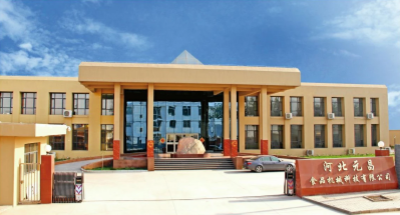
Our 14,000 sqm facility houses over 20 sets of advanced machining equipment, including Japanese Mazak CNC centers. This robust in-house manufacturing capability allows us to produce high-precision, non-standard components. We are fully equipped to handle OEM (Original Equipment Manufacturer) and ODM (Original Design Manufacturer) projects. Whether you need custom modifications to our existing tilapia filleting machines or a completely bespoke solution, our engineering team can deliver. This means you're not just buying a machine; you're partnering with a manufacturer capable of tailoring solutions to your exact needs and market requirements.
Logistics and Shipping Expertise
Exporting machinery requires careful planning. We have extensive experience in preparing equipment for international shipment, ensuring secure packaging and optimal container loading to minimize transit damage and costs. We work with reliable freight forwarders to ensure your tilapia filleting machine arrives safely and on schedule at your port of destination. Our team can provide necessary documentation for customs clearance, streamlining the entire import process for our global clients.
Traceable After-Sales Service
Our commitment doesn't end at delivery. We offer a traceable after-sales management system. Because we produce high-precision parts in-house, we can ensure prompt availability of spare parts and expert technical support. This reduces downtime and ensures your filleting operation continues smoothly, year after year.
What Our Clients Say
"We were struggling to meet the volume demands from our US buyers for tilapia fillets. The YC-FS filleting machine from Hebei Yuanchang was a game-changer. The yield is impressive, and the consistency of the fillets has led to fewer rejections. Their team was excellent throughout the customization and shipping process."

Operations Manager, Seafood Processor (Vietnam)
"Reliability was our primary concern when sourcing filleting equipment for our export line. Hebei Yuanchang's experience and the build quality of their machines are evident. The SUS304 stainless steel construction means it holds up to rigorous daily cleaning. Plus, their after-sales support for spare parts has been prompt and efficient, which is crucial for our continuous operations."

Procurement Director, Latin America Fish Exporter
"We needed a machine that could handle different sizes of tilapia, and Hebei Yuanchang delivered. The adjustable settings allow us to switch production easily between smaller and larger fish without sacrificing quality or speed. Their willingness to discuss OEM options for branding was also a significant plus for our market strategy."

Plant Manager, Middle Eastern Seafood Packer
filler machine Aseptic filling machine Aseptic filling machine
Ready to Elevate Your Tilapia Processing?
Don't let outdated equipment limit your export potential. Discover how our advanced tilapia filleting machines can revolutionize your operations, improve yield, and enhance your product quality for the global market.
Connect With Us
Hebei Yuanchang Food Mechanism & Technology Co., Ltd.
Address: Shijiazhuang, Hebei Province, China
Phone: +86 15830991513
Email: ycmeatmech@gmail.com
Website: ycmeatmech.com
Why Choose Hebei Yuanchang for Your Seafood Processing Needs?

Mr. Wei Zhang
Export Director
"With nearly 40 years in this industry, our focus has always been on practical engineering solutions that drive real business value for our clients. We understand that your equipment is an investment, and we stand behind its performance and longevity. Our commitment to quality manufacturing, from component machining to final assembly, ensures that you receive reliable, high-yield machinery that supports your global market ambitions."

Ms. Li Chen
Senior Industrial Engineer
"My role involves ensuring our machines are not just functional, but optimized for efficiency and ease of maintenance. For a critical piece of equipment like a tilapia filleting machine, precision is key. We leverage advanced CNC technology to achieve tight tolerances, ensuring consistent cuts and maximizing yield. Our design process also prioritizes hygiene and durability, using food-grade stainless steel and minimizing hard-to-clean areas."

Mr. Jian Li
Procurement Specialist
"When sourcing industrial equipment, especially for export, you need a supplier you can trust. Hebei Yuanchang offers transparency in its manufacturing processes and has a proven track record. We provide detailed technical documentation and are committed to supporting our clients with spare parts and operational guidance, ensuring a smooth and profitable integration of our machinery into their processing lines."