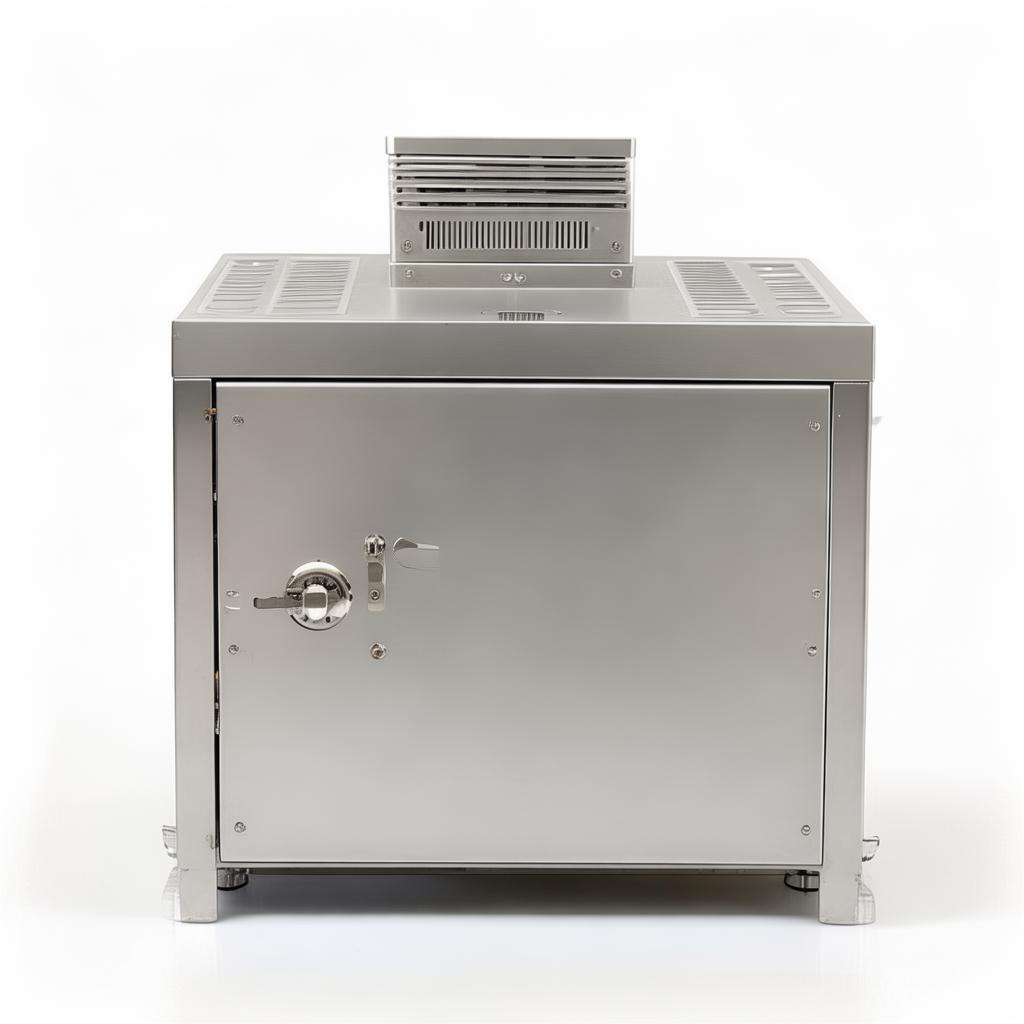
Table With Cutting Board
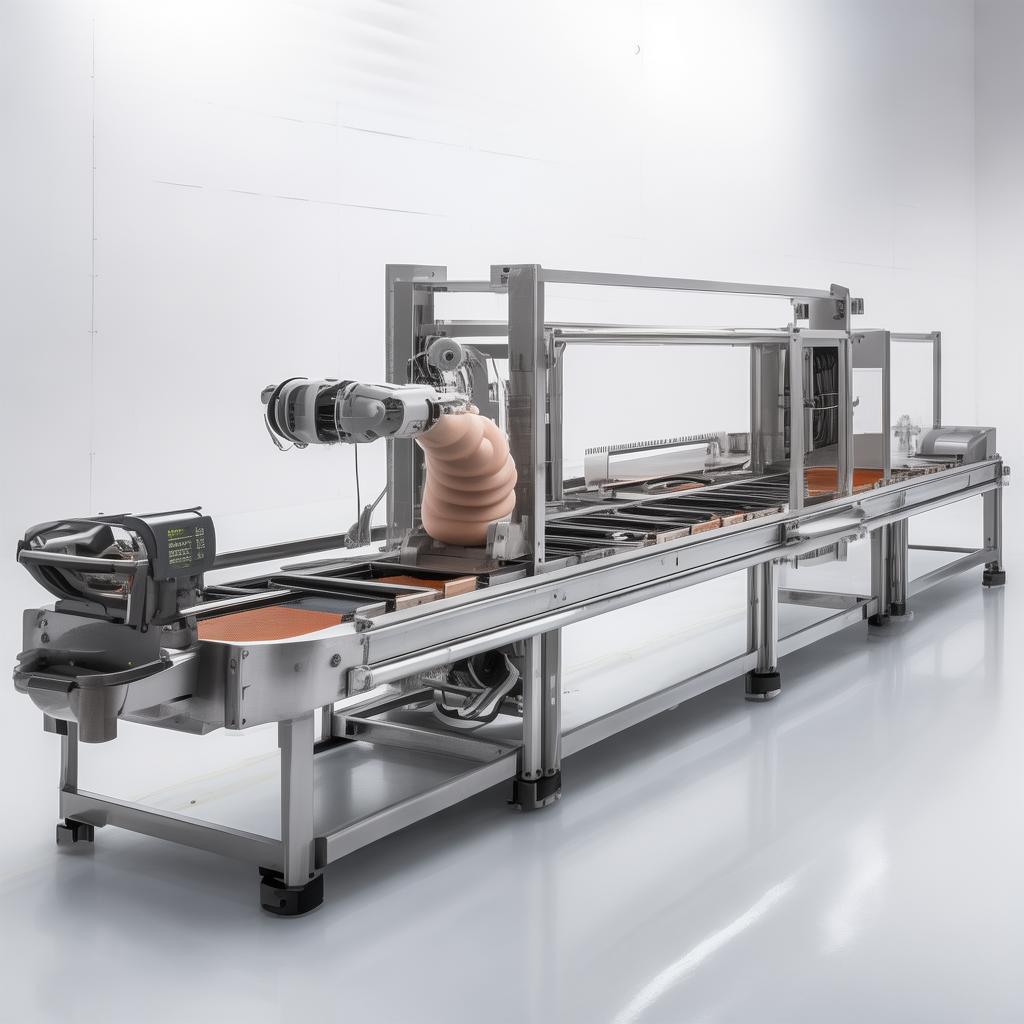
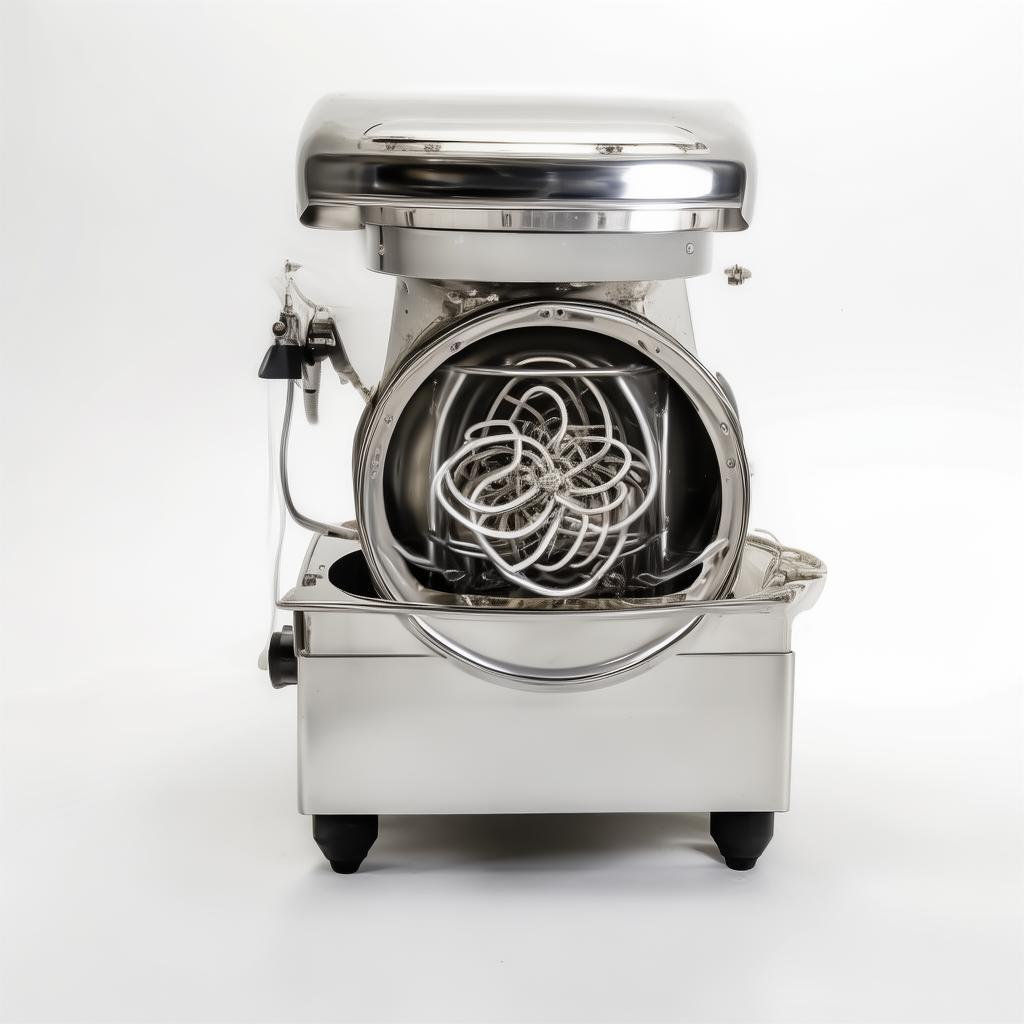
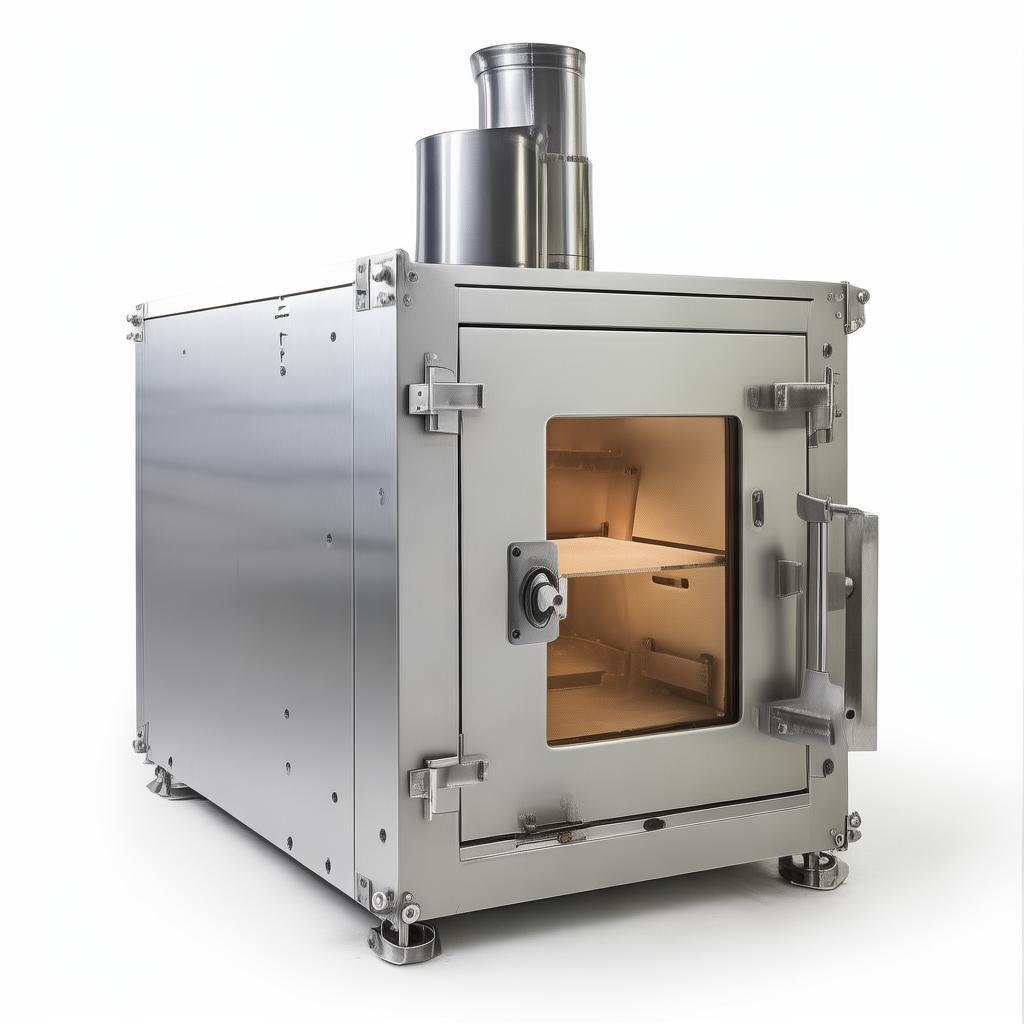
Industrial Cutting Board Tables: Enhancing Efficiency in Food Processing and Beyond
 By Alex Chen, Lead Production Engineer | Published: October 26, 2023
The Backbone of Efficient Processing: Understanding Industrial Cutting Board Tables
In any high-volume processing environment, particularly within the food industry, the efficiency and safety of operations hinge on the right equipment. While sophisticated machinery often grabs the spotlight, the humble yet critical industrial cutting board table forms the foundational workspace for countless tasks. It's more than just a surface; it's a dedicated platform engineered for rigorous use, designed to withstand constant abrasion, moisture, and the demanding hygiene standards inherent in sectors like meat processing, butchery, catering, and even certain manufacturing applications.
Consider the workflow in a typical meat processing plant. Raw materials arrive, requiring initial breakdown, portioning, and preparation before entering more automated stages. This often involves manual cutting, deboning, trimming, and marinating. Each of these steps demands a stable, hygienic, and durable surface. Without a purpose-built cutting board table, operations might resort to using makeshift surfaces, standard workbenches not designed for food contact, or even directly on the floor, leading to compromised hygiene, increased risk of cross-contamination, premature wear on tools and equipment, and ultimately, a significant drag on overall productivity.
The global meat processing equipment market itself is a testament to the industry's scale and the demand for specialized solutions. Valued at over USD 11.28 billion in 2024 and projected to reach USD 15.04 billion by 2030, this market demonstrates a clear trend toward automation, hygiene, and efficiency. This growth is fueled by increasing consumption of processed meats, labor shortages, and stringent food safety regulations. Within this landscape, the cutting board table isn't just an accessory; it's an integral component that directly impacts the quality of output and the speed of throughput. The demand for reliable, easy-to-clean, and long-lasting processing surfaces directly correlates with the need for value-added products like sausages, cured meats, and formed items, which often involve intricate initial preparation steps. Reports indicate the processed meat market is set to reach USD 1,330.45 billion by 2035, underscoring the continuous need for robust upstream processing solutions.
At Hebei Yuanchang Food Mechanism & Technology Co., Ltd., we understand these operational realities intimately. With 40 years of experience since 1986, we've built our reputation not just on complex machinery, but on the foundational elements that make those machines perform optimally. Our expertise in R&D, production, and sales of meat processing equipment, including complete production lines, gives us a unique perspective on what truly drives efficiency on the factory floor. We’ve seen firsthand how a well-designed cutting board table can transform a chaotic prep area into a streamlined, hygienic zone. It’s about providing a stable, non-porous surface that minimizes bacterial growth, simplifies cleaning protocols, and offers a safe, consistent working environment for your skilled personnel.
The typical industrial cutting board table isn't a one-size-fits-all solution. It requires careful consideration of material science, structural integrity, and ergonomic design. Factors such as the type of product being processed (e.g., bone-in versus boneless meats), the tools used (heavy cleavers, knives, saws), and the frequency of cleaning and sanitization all play a role in determining the optimal configuration. A table that excels in a small butcher shop might fall short in a large-scale processing facility. This is where our engineering capabilities come into play. Equipped with an in-house machining workshop featuring over 20 sets of processing machinery, including high-precision grinding machines and wire cutting equipment, and bolstered by Japanese Mazak CNC machining centers introduced in 2012, we possess the technical capacity to produce components with exceptional precision, meeting the non-standard specifications often required in specialized industrial settings.
Furthermore, the "Fit For Now (2026)" paradigm emphasizes agility and future-proofing. In an era of rapidly evolving consumer demands for processed and convenience foods, and the increasing reliance on automation for labor efficiency and food safety, the ancillary equipment must keep pace. The global processed meat market is projected to reach USD 1,253.77 billion by 2034, and this growth necessitates robust infrastructure. Our cutting board tables are designed with this future in mind – they are durable, easy to integrate into existing or new lines, and can be customized to meet specific operational requirements, thereby supporting the production of everything from delicate filleted fish to robust beef cuts. This adaptability ensures that your investment remains relevant and effective, minimizing the need for frequent upgrades.
Choosing the right supplier for such critical equipment is paramount. You're not just buying a table; you're investing in a piece of operational infrastructure that directly impacts your product quality, your team's safety, and your bottom line. It requires a partner who understands the nuances of industrial processing, adheres to international standards, and can offer reliable after-sales support. With our traceable after-sales management system and our independent production of high-precision parts, Hebei Yuanchang offers precisely that assurance. This commitment extends beyond manufacturing; it's about providing comprehensive solutions that empower businesses to achieve their processing goals efficiently and safely.
Addressing Operational Bottlenecks in Processing
Many processing facilities operate under constant pressure to increase throughput while maintaining stringent quality and safety standards. When the right foundational equipment is missing, numerous pain points emerge, creating significant bottlenecks.
- Compromised Food Safety: Improvised workspaces can be porous, difficult to sanitize thoroughly, and harbor bacteria. This leads to higher risks of contamination, costly recalls, and reputational damage.
- Reduced Efficiency: Workers may struggle with unstable surfaces, leading to slower processing times, increased fatigue, and a higher potential for errors or accidents. Non-ideal cutting surfaces also lead to more frequent knife sharpening and tool wear.
- Equipment Damage: Using surfaces not designed for the task can lead to premature wear on knives, saws, and even the processing tables themselves, incurring unexpected replacement costs.
- Ergonomic Issues & Safety Hazards: Inconsistent table heights, uneven surfaces, and poor material choices contribute to worker strain, repetitive stress injuries, and an increased risk of cuts or slips.
- Poor Waste Management: Surfaces lacking integrated drainage or proper slope can lead to pooling of liquids, creating unsanitary conditions and complicating cleanup procedures.
These issues directly impact a facility's ability to meet the demands of a market that values both quality and speed. The meat processing equipment market, projected to grow substantially, underscores this need for optimization at every stage. Investing in a dedicated industrial cutting board table isn't an expense; it's a strategic move to mitigate these risks and unlock operational potential.
Key Advantages of Dedicated Cutting Board Tables
An industrial cutting board table, properly specified and manufactured, provides a distinct set of benefits that directly address the aforementioned pain points.
- Enhanced Hygiene & Food Safety: Constructed from food-grade, non-porous materials like high-density polyethylene (HDPE) or specialized composite boards, these tables prevent bacterial absorption and are easy to sanitize, aligning with HACCP and GMP standards.
- Superior Durability & Longevity: Engineered to withstand intense cutting, chopping, and scraping. They resist deep scoring, which is common with softer materials, thereby prolonging the table's service life and reducing replacement frequency.
- Improved Operational Efficiency: A stable, flat surface allows for more precise cuts and faster processing. Ergonomic designs with appropriate heights and optional integrated features (like drainage channels or waste bins) further streamline workflows.
- Tool Protection: The cutting surface offers an optimal balance of hardness, protecting knives and blades from dulling too quickly while providing sufficient resistance for clean cuts.
- Customizable to Specific Needs: Available in various sizes, thicknesses, and configurations to perfectly match the layout and demands of your specific processing line.
- Reduced Risk of Contamination: The integrated design, often featuring robust stainless-steel frames, minimizes crevices where food debris or cleaning agents could accumulate.
These advantages are critical in sectors where the processed meat market continues its rapid expansion, driven by convenience and consumer preferences. Having the right primary processing surfaces ensures that this demand can be met efficiently and safely.
Material Selection: Durability Meets Hygiene
The choice of material for both the cutting surface and the supporting structure is paramount for longevity, hygiene, and performance in an industrial setting.
Cutting Surface Materials:
-
High-Density Polyethylene (HDPE): This is the workhorse for many food processing applications.
- Pros: Excellent impact resistance, low water absorption, easy to clean, NSF certified options available, relatively affordable. Available in various colors for HACCP-based color-coding systems.
- Cons: Can be scratched by very sharp knives or aggressive cleaning, potentially leading to minor surface pitting over prolonged heavy use.
-
Polypropylene (PP): Similar to HDPE but often with slightly higher temperature resistance.
- Pros: Good chemical resistance, durable, food-safe.
- Cons: Can be slightly more brittle than HDPE at lower temperatures.
-
Specialty Composites/Resins: Advanced materials designed for extreme durability and non-porosity.
- Pros: Extremely hard, resist scoring and staining, often dishwasher and high-heat tolerant, superior lifespan.
- Cons: Significantly higher cost.
Frame and Support Materials:
-
Stainless Steel (e.g., 304 Grade): The industry standard for frames and legs.
- Pros: Highly corrosion-resistant, hygienic, durable, easy to clean, withstands washdowns and harsh cleaning agents. Essential for food-grade environments.
- Cons: Higher upfront cost compared to other metals.
-
Galvanized Steel: Often used for less critical components or in less demanding environments.
- Pros: Cost-effective, good corrosion resistance from galvanization.
- Cons: Galvanization can chip or wear over time, potentially exposing rustable steel. Less hygienic than stainless steel in direct contact areas.
At Hebei Yuanchang, we primarily utilize food-grade HDPE for cutting surfaces due to its excellent balance of performance, hygiene, and cost-effectiveness, coupled with robust stainless-steel frames. This combination ensures a table that is not only functional but also compliant with the rigorous standards expected in the food processing equipment market.
Technical Specifications & Customization
Standard configurations are available, but we recognize that industrial environments are rarely standardized. Our strength lies in our ability to tailor solutions.
| Feature | Standard Specification | Customization Options |
|---|---|---|
| Cutting Surface Material | Food-Grade HDPE (White) | Various thicknesses (e.g., 20mm, 30mm, 50mm), Colors (for HACCP), Specialty Composites |
| Frame Material | 304 Stainless Steel | Different grades (e.g., 316L for extreme environments), Thicker gauge tubing |
| Dimensions (L x W) | Standard sizes available (e.g., 1200x600mm, 1800x800mm) | Any custom length and width to fit your space and workflow |
| Height | Adjustable (e.g., 850mm - 950mm) | Fixed or adjustable height tailored to your operators and process |
| Legs & Feet | Adjustable, non-slip feet | Wheels (locking casters), floor-mounted anchors, specific foot designs |
| Optional Features | None | Integrated drainage channels, backsplash guards, undershelves, tool holders, built-in waste receptacles |
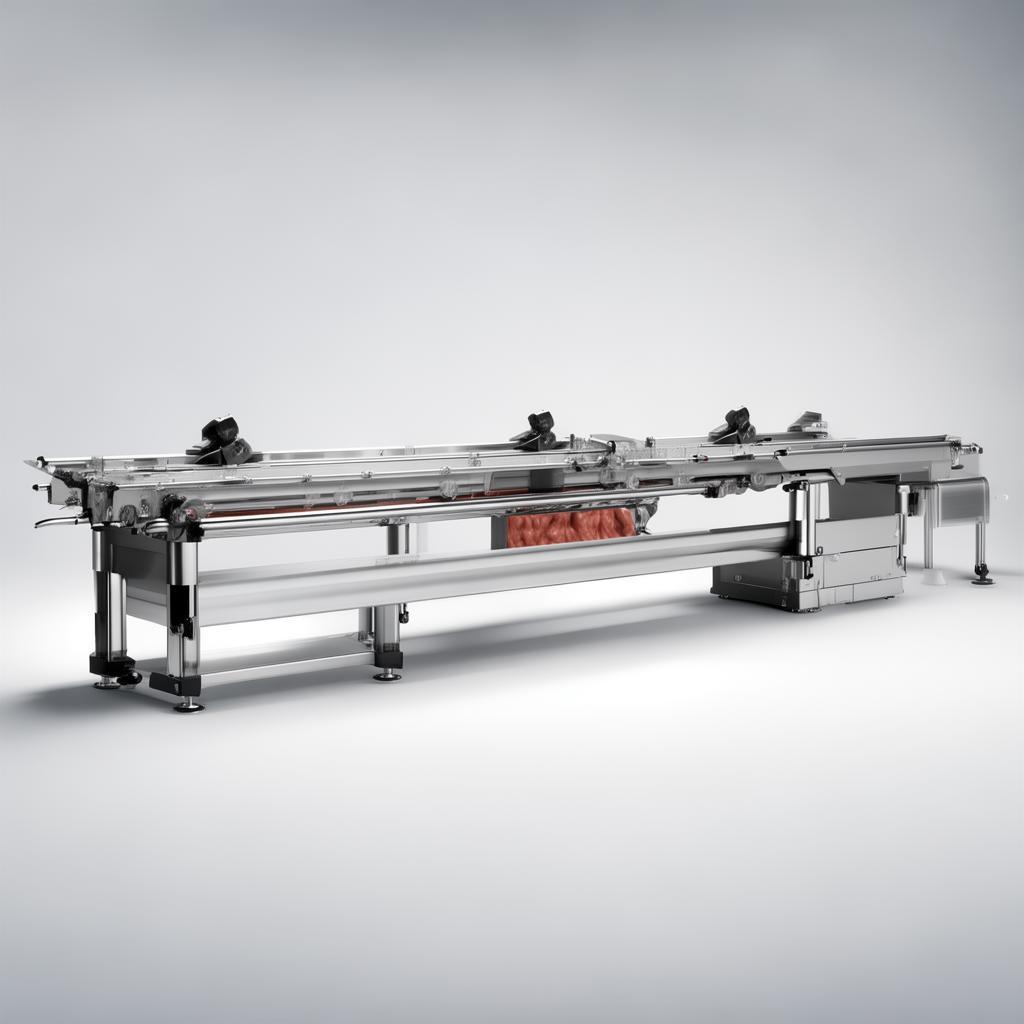
stainless steel butcher table with cutting board butchering table butchering tables
Our CNC machining capabilities mean we can deliver highly precise custom components, essential for ensuring perfect fit and long-term structural integrity, even for demanding applications like those found in the OEM/ODM manufacturing of processing lines.
Consider the logistics of integrating new equipment. A table designed to exact dimensions can seamlessly fit into an existing line, or a series of tables can be configured for an optimal flow. This attention to detail is what separates industrial-grade equipment from general-purpose furniture.
Versatile Applications Across Industries
While heavily utilized in the food processing sector, the robustness and hygienic design of our cutting board tables make them suitable for a range of industrial and commercial environments.
- Meat & Poultry Processing: Butchery, portioning, deboning, trimming, marinating, sausage making preparation.
- Seafood Processing: Filleting, scaling, portioning, packaging preparation.
- Bakery & Pastry: Dough preparation, ingredient portioning, decorating stations.
- Dairy Processing: Cheese cutting, butter portioning, ingredient preparation.
- Commercial Kitchens & Catering: High-volume prep areas, plating stations, service counters.
- Pharmaceuticals: Controlled material handling and portioning where hygiene is critical.
- Industrial Assembly: As durable, stable workstations for specific assembly tasks requiring a clean surface.
- Laboratories: Research and development, sample preparation areas.
The food processing equipment market reports highlight the growing demand for versatile, adaptable machinery. Our cutting board tables fit this description perfectly, serving as a reliable platform for a multitude of critical operations.
Installation and Integration Insights
Integrating new equipment into an operational facility requires careful planning. Our industrial cutting board tables are designed for straightforward installation, but a few operational considerations can maximize efficiency and safety.
Site Preparation: Ensure the floor surface in the intended location is level and clean. For tables with locking casters, confirm the area can accommodate their movement. If anchoring is required, proper floor preparation is essential.
Assembly: Most of our tables are shipped partially assembled. The main components typically involve attaching the legs to the frame and securing the cutting board surface. Standard tools are usually sufficient, but detailed instructions are always provided. For larger or custom units, an installation team may be beneficial.
Integration with Existing Lines: When replacing older equipment or installing into a new setup, consider the flow of materials and personnel. Proper spacing around the table is crucial for safe operation and efficient cleaning. If integrating with automated systems, ensure compatibility of dimensions and any required utility access (though cutting board tables are typically passive equipment).
Drainage Considerations: If your model includes drainage channels, ensure the discharge point is directed appropriately, either to a floor drain or a collection receptacle. Proper slope is key to prevent water pooling.
Logistics and timely delivery are also part of the installation process. We work with reliable freight partners to ensure your equipment arrives safely and on schedule. For complex installations, our technical team can provide guidance.
Operational Best Practices: Maintenance & Longevity
Maximizing the lifespan and performance of your industrial cutting board table involves consistent, albeit simple, maintenance. Adhering to these practices ensures ongoing hygiene and operational efficiency.
- Daily Cleaning: After each use, scrape off any food debris. Wash the surface with hot water and a mild, food-grade detergent. Rinse thoroughly.
- Sanitization: Periodically, or as dictated by your HACCP plan, sanitize the surface using an approved food-grade sanitizer. Follow the manufacturer's instructions for concentration and contact time.
- Avoid Harsh Chemicals: Do not use abrasive cleaners, steel wool, or harsh solvents, as these can damage the cutting surface and its protective properties.
- Regular Inspection: Periodically check the cutting surface for deep scores or significant wear. While HDPE is durable, extremely heavy use might necessitate resurfacing or replacement over many years. Inspect the frame and legs for stability and cleanliness.
- Proper Tool Usage: Encourage staff to use appropriate knives and cutting tools. Avoid using the table surface to support sawing operations if not specifically designed for it.
- Frame Maintenance: Wipe down the stainless-steel frame regularly. If adjustable feet are present, ensure they are clean and properly set to provide stability.
Consistent maintenance is a key component of operational excellence, directly impacting food safety and equipment longevity. This aligns with the industry's focus on efficiency and compliance, as seen in the meat processing equipment market trends towards automation and hygiene.
Procurement Considerations for Industrial Buyers
Sourcing industrial equipment like cutting board tables involves more than just comparing prices. As experienced procurement professionals know, a holistic approach ensures the best long-term value and minimizes operational risks.
1. Define Your Specific Needs:
- What types of products will be processed? (e.g., raw meats, vegetables, baked goods)
- What are the volume requirements? (This dictates size and potentially multiple units)
- What tools will be used? (Knives, cleavers, saws, etc.)
- Are there specific hygiene standards (e.g., HACCP, NSF) that must be met?
- What is the available space?
2. Material Quality and Compliance: Ensure cutting surfaces are food-grade certified and frames are constructed from appropriate materials (like 304 stainless steel for food processing). Check for compliance with relevant international standards.
3. Manufacturing Expertise and Capabilities: Look for suppliers with a proven track record in industrial equipment manufacturing. Can they offer customization? Do they have the engineering and machining capabilities to produce to precise specifications? Our 40 years of experience and advanced CNC machinery at Hebei Yuanchang ensure we meet these demanding requirements.
4. After-Sales Support and Warranty: A reliable supplier provides clear warranty terms and accessible after-sales service. This is crucial for industrial assets that are expected to perform for years. Our traceable management system and independent part production aim to provide worry-free support.
5. Logistics and Lead Times: Understand the shipping process, costs, and estimated delivery times, especially for international orders. Plan for potential customs clearance and local delivery. Our export experience ensures we can manage these complexities.
6. Total Cost of Ownership (TCO): Consider not just the initial purchase price, but also maintenance costs, expected lifespan, and potential downtime. A slightly higher upfront investment in quality equipment often results in a lower TCO. The food processing equipment market emphasizes reliability and ROI, making TCO a critical factor.
Choosing the right supplier means partnering with a company that understands your operational challenges and can deliver a durable, safe, and efficient solution.
Our Manufacturing Prowess: Hebei Yuanchang
At Hebei Yuanchang Food Mechanism & Technology Co., Ltd., our 40-year legacy since 1986 is built on a foundation of deep manufacturing expertise and a commitment to quality. We operate from a facility spanning approximately 14,000 square meters, supported by a dedicated team of 80-100 skilled professionals.
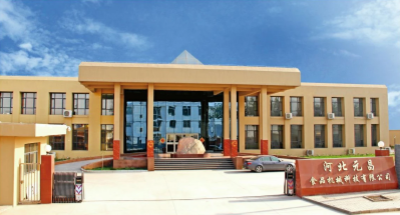
Our integrated approach covers R&D, production, and sales, allowing us to control quality at every step. Our in-house machining workshop is equipped with over 20 sets of advanced processing machinery. This includes essential equipment like lathes, milling machines, high-precision grinding machines, boring machines, plate shears, bending machines, and wire cutting equipment.
A significant milestone in our production capability was the introduction of 8 sets of Japanese Mazak CNC machining centers in 2012. This investment empowers us to undertake the production of high-standard components requiring large volumes, exceptional precision, and non-standard specifications. This capability is crucial for delivering customized industrial equipment that meets exacting client demands, ensuring that every cutting board table we produce is built to the highest tolerances.
We specialize in complete production lines for meat products, covering pretreatment, filling, molding, and ripening processes. Our auxiliary items, including robust cutting board tables, are designed to integrate seamlessly into these lines, enhancing overall operational efficiency. Coupled with our traceable after-sales management system, our ability to independently produce high-precision parts means we can guarantee a level of after-sales service that provides genuine peace of mind for our international clientele.
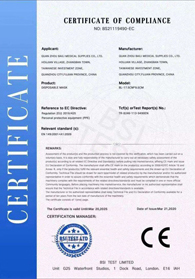
As a key player in the meat processing equipment market, we understand the global demand for reliable, durable, and compliant machinery. Our certifications, such as ISO, demonstrate our adherence to international quality management standards. We are committed to leveraging our 40 years of experience to provide you with industrial solutions that are truly "Fit For Now" and beyond.


What Our Clients Say
"We recently upgraded our primary cutting line with several custom-sized HDPE tables from Hebei Yuanchang. The precision in manufacturing was exceptional, and they integrated seamlessly into our workflow. The difference in hygiene and operator comfort is noticeable."

Operations Manager, AgroHarvest Foods, USA
"Dealing with international suppliers can be daunting, but Hebei Yuanchang made the process smooth. Their communication regarding specifications and shipping was excellent. The stainless steel frame is robust, and the HDPE top is holding up incredibly well under heavy use in our butchery."

Owner, Prime Cuts Butcher Shop, Canada
"We needed a specific configuration for our seafood prep area, including drainage. Hebei Yuanchang delivered exactly what we asked for. The quality of construction means we're confident in its longevity and ease of sanitation, which is critical in our industry."

Head of Production, OceanFresh Seafood, UK
"The lead time was reasonable for custom-built equipment. Our team appreciated the stable working surface, which has improved our portioning accuracy and speed. The materials used feel very durable and appropriate for a food processing environment."

Plant Supervisor, Swift Meat Packers, Australia
Frequently Asked Questions
With proper care and maintenance, a high-quality industrial cutting board table made from food-grade HDPE and a stainless steel frame can last anywhere from 7 to 15 years or even longer, depending on the intensity of use and adherence to cleaning protocols.
Standard HDPE has a good temperature resistance suitable for most food processing. For exceptionally high-temperature requirements, we can discuss specialty composite materials. However, direct contact with open flames or extreme heat sources is not recommended for any plastic surface.
Please contact our sales team via email or phone. Provide your desired dimensions (length, width, height), any specific features (drainage, backsplash, etc.), and material preferences. Our team will then work with you to provide a detailed quote and production timeline.
We offer various international shipping methods, including LCL (Less than Container Load), FCL (Full Container Load), and air freight for urgent orders. Our experienced export department will handle all necessary documentation and logistics to ensure smooth delivery to your port of destination.
Yes, we can supply replacement cutting board surfaces for tables purchased from us. Contact our after-sales support with your original order details to ensure compatibility.
Ready to Enhance Your Processing Efficiency and Hygiene?
Don't let inadequate workspaces slow down your production or compromise your standards. Invest in the reliability and quality that only dedicated industrial equipment can provide.