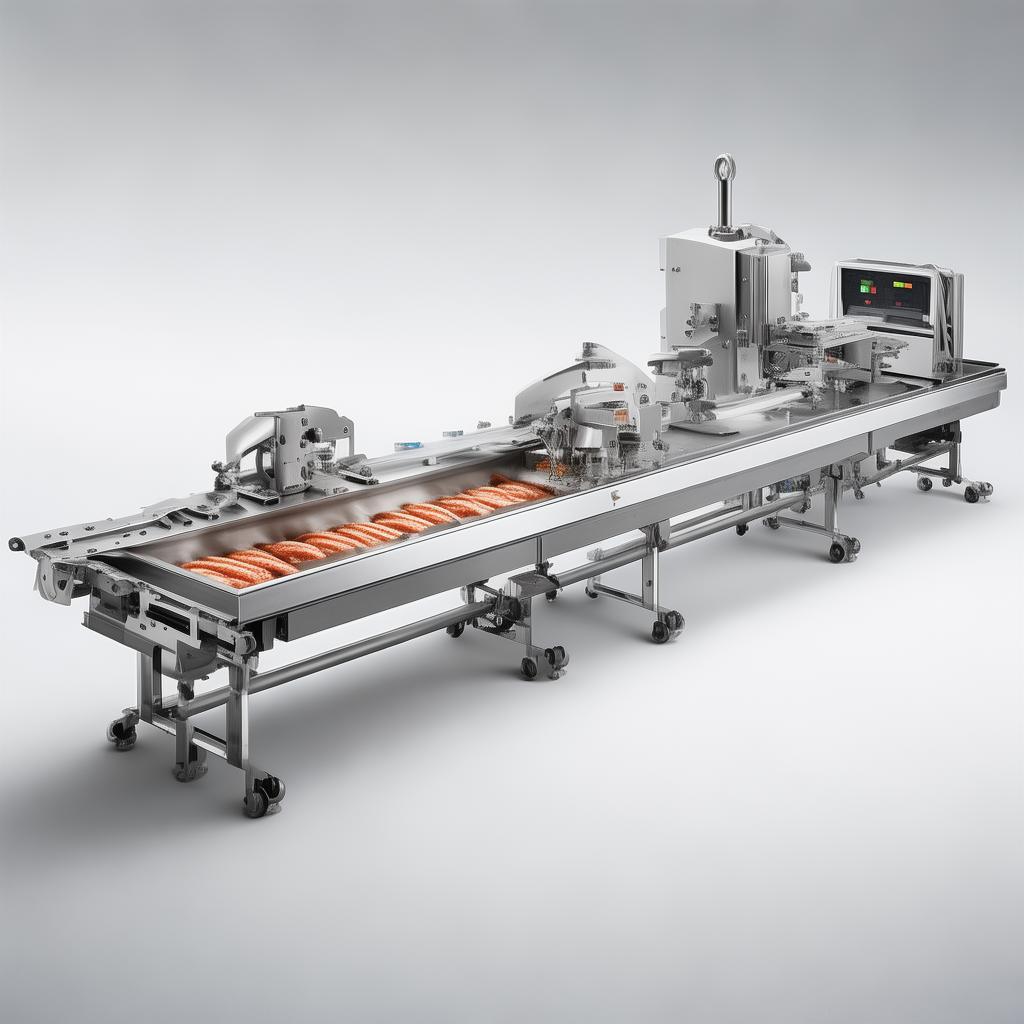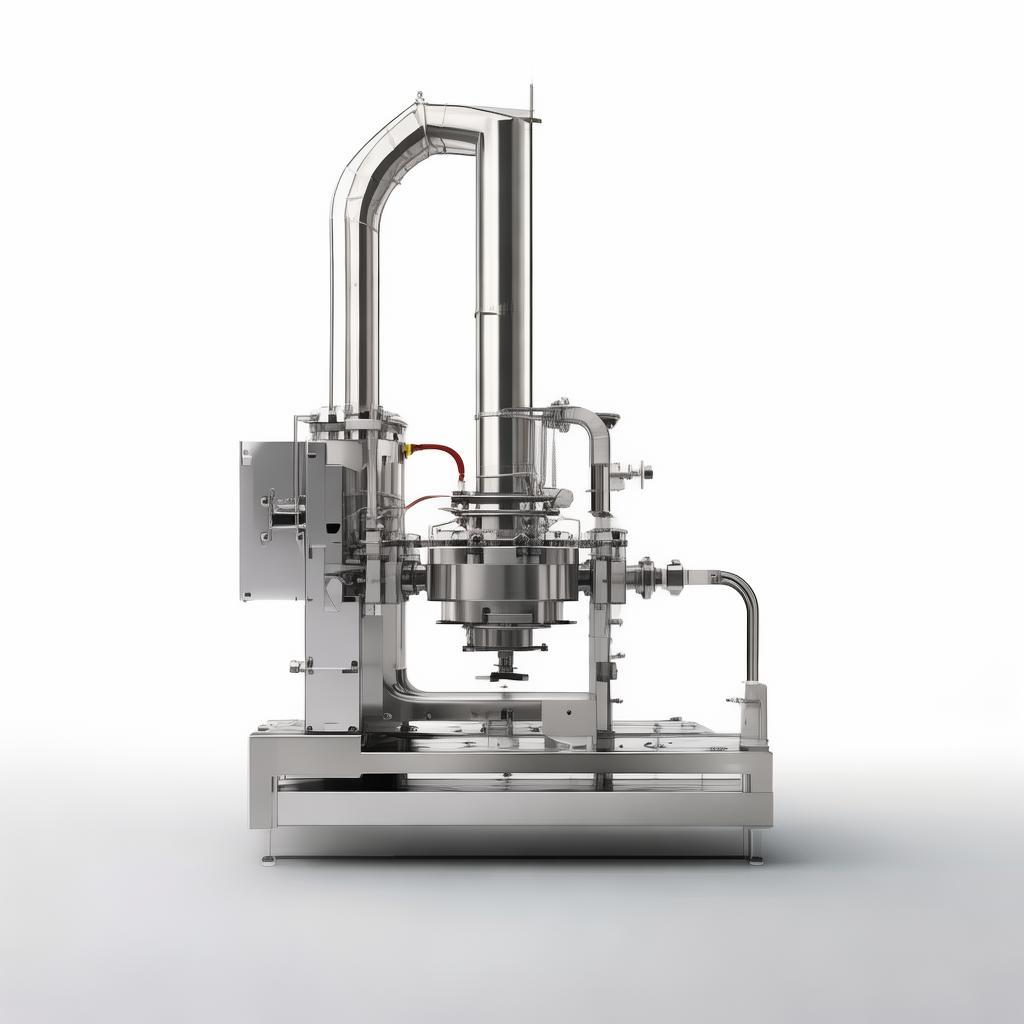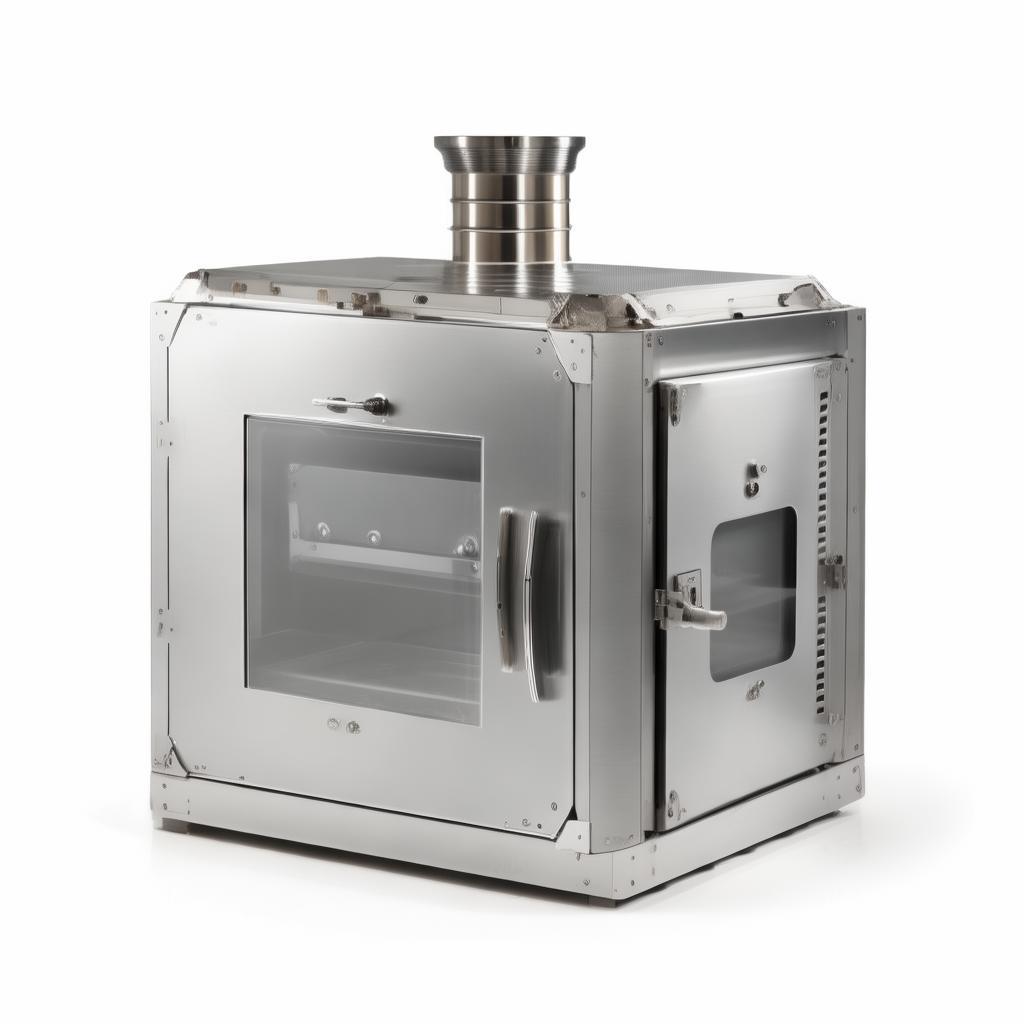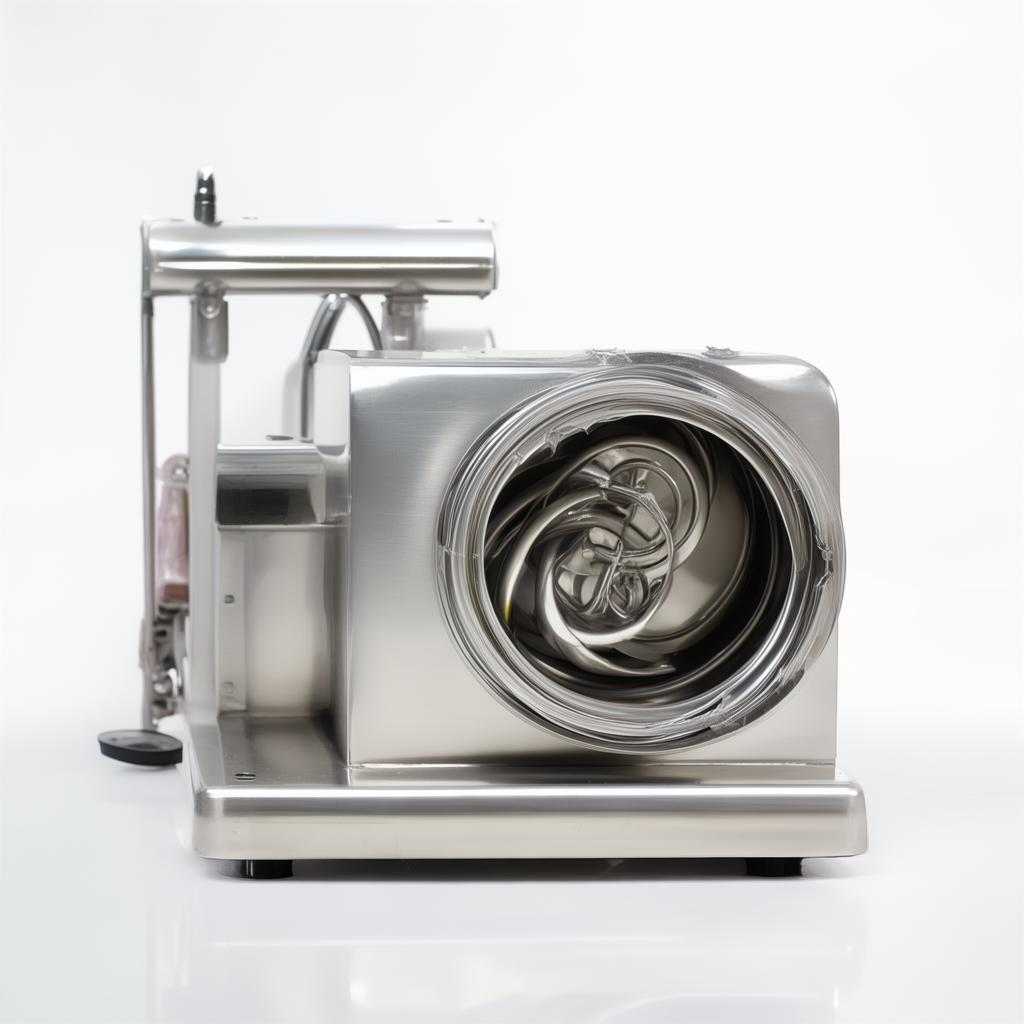
Sheet Cutting Machine
Sheet Cutting Machines: Precision, Efficiency, and Reliability for Industrial Applications
Empowering Your Production with Advanced Cutting Technology

 By Johnathan Reed, Export Manager at Hebei Yuanchang Food Mechanism & Technology Co., Ltd.
Precision Cutting: The Unsung Hero of Modern Manufacturing
In the complex world of industrial manufacturing, the efficiency and accuracy of material processing often hinge on seemingly simple yet fundamentally critical machinery. Among these, the sheet cutting machine stands out as a workhorse, indispensable for operations across a vast spectrum of industries. From the initial preparation of raw materials to the intricate shaping of components for finished products, the ability to precisely cut sheets of various materials—be it metal, plastic, rubber, or composites—is paramount. This capability directly impacts production speed, material yield, product quality, and ultimately, profitability. Understanding the nuances of these machines isn't just about choosing the right tool; it's about optimizing your entire workflow.
Consider the vast global market for processed goods. The meat processing sector alone, for instance, is a multi-billion dollar industry. Reports indicate the global meat processing equipment market was valued at approximately USD 11.29 billion in 2025 and is projected to reach USD 17.39 billion by 2034, with a Compound Annual Growth Rate (CAGR) of around 5.0%. (Fortune Business Insights). Within this sector, precise cutting of meat sheets for products like sausages, cured meats, or formed patties is a core requirement. Similarly, in sectors like automotive, aerospace, or construction, the exact dimensions of cut sheet metal or plastic directly influence the integrity and performance of components. Even in less obvious fields, like the production of specialized industrial filters or insulation materials, accurate sheet cutting is a non-negotiable step.
The demand for high-quality, consistently sized components means that manufacturers cannot afford to compromise on their cutting equipment. Manual cutting methods, while sometimes viable for prototyping or extremely small-batch runs, are inherently prone to human error, inconsistent results, and significantly slower production rates. For any operation aiming for scalability, cost-effectiveness, and adherence to stringent quality standards, investing in a professional-grade sheet cutting machine is not a luxury, but a necessity. The right machine ensures minimal material waste, reduces labor costs associated with rework or manual adjustments, and guarantees that every piece cut meets the exact specifications required. This reliability is crucial for maintaining tight production schedules and building a reputation for consistent product quality.
At Hebei Yuanchang Food Mechanism & Technology Co., Ltd., we've been honing our manufacturing expertise for over 40 years, since 1986. While our primary focus is on advanced meat processing equipment, the underlying principles of precision engineering, robust construction, and efficient operation are universal. We understand the critical role that precise cutting plays in downstream processes. Whether you're preparing raw materials for molding, ripening, or further processing, the quality of the initial cut sets the stage. Our experience with sophisticated machinery, including the integration of Japanese Mazak CNC machining centers since 2012, allows us to appreciate the demand for accuracy, repeatability, and durability that industrial clients expect. We bring this deep understanding of manufacturing excellence to the solutions we offer, ensuring that every piece of equipment, including those critical for sheet processing, meets rigorous standards.
Choosing a sheet cutting machine involves considering a range of factors: the types and thicknesses of materials you'll be working with, the required cutting speed, the precision needed, the available workspace, and your budget. Furthermore, the environment in which the machine will operate—whether it’s a cleanroom, a high-volume production floor, or a more demanding industrial setting—will influence material choices for the machine's construction and its specific features. Beyond the cutting action itself, consider the material handling aspects: how will sheets be fed into the machine, and how will cut pieces be managed? These operational details are often overlooked but are vital for overall efficiency. A machine that jams, requires frequent adjustments, or has a cumbersome loading mechanism can quickly negate its cutting prowess.
This guide aims to demystify the world of sheet cutting machines, offering insights into their operational advantages, technical considerations, and how to select the right model for your specific needs. We'll delve into what makes a machine truly reliable, how to assess different cutting technologies, and what to look for when partnering with a manufacturer. Our goal is to equip you with the knowledge needed to make an informed decision that enhances your production capabilities and contributes to your business's success. The modern industrial landscape demands precision, and a well-chosen sheet cutting machine is a cornerstone of that precision.
Addressing Industry Challenges: Why Precision Cutting Matters
Manufacturing operations worldwide constantly grapple with a set of recurring challenges. Inconsistent material quality, tight production deadlines, the pressure to reduce operational costs, and the ever-increasing demand for higher product precision are just a few. When it comes to cutting processes, these challenges can manifest as:
- Material Waste: Inaccurate cuts lead to off-spec pieces that must be discarded, directly impacting material costs and profitability. Poorly aligned cuts can reduce the usable yield from each sheet by as much as 5-10%.
- Production Bottlenecks: Slow or inefficient cutting processes can halt upstream or downstream operations, delaying order fulfillment and customer satisfaction.
- Product Quality Issues: Uneven edges, incorrect dimensions, or material damage during cutting can compromise the structural integrity or aesthetic appeal of the final product.
- Labor Intensive Processes: Reliance on manual cutting or poorly automated systems requires significant human intervention, increasing labor costs and the risk of repetitive strain injuries.
- Inconsistent Output: Variations in cutting precision from one piece to the next undermine quality control and can lead to costly product recalls or rework.
These aren't just theoretical problems; they represent real operational hurdles that can significantly hamper a business's competitive edge. A robust sheet cutting machine is designed to directly combat these issues. For example, advancements in cutting technology can lead to significantly improved material utilization. In sectors like sheet metal fabrication, where material costs can be substantial, a high-precision cutter can be the difference between a profitable job and one that’s a struggle. The global meat processing market, driven by demand for processed and convenience meats, relies heavily on equipment that ensures consistent portioning and forming. (Fortune Business Insights). This consistency starts with accurate pre-treatment, including precise cutting of meat sheets before molding or further processing.
Furthermore, the integration of automation in cutting machinery is a significant trend. This isn't just about speed; it's about repeatability. Automated systems can execute precise cuts consistently, hour after hour, reducing the variability associated with human operators. This enhanced consistency is vital for industries with strict quality control protocols, such as aerospace or medical device manufacturing. The complexity of modern supply chains also demands efficiency. Manufacturers need to respond quickly to market demands, which requires production lines that can operate smoothly without interruption. A reliable sheet cutting machine minimizes downtime, ensuring that the entire production chain remains fluid.
Operational Insight:
When evaluating cutting equipment, look beyond just the cutting head. Consider the material feeding mechanism, the ease of blade replacement or maintenance, and the user interface. A machine that’s intuitive to operate and maintain will see higher uptime and better operator adoption.
The 'Fit For Now' (2026) initiative in industrial strategy emphasizes adaptability and efficiency. In this context, sheet cutting machines that offer versatility—the ability to handle different material types, thicknesses, or cut geometries—are particularly valuable. They provide a buffer against changing market demands and allow for product line diversification without necessitating the purchase of entirely new equipment. At Hebei Yuanchang, our engineering philosophy centers on creating robust, adaptable solutions. While we specialize in meat processing, the precision tooling and advanced machining capabilities we employ are transferable to the design of high-performance industrial machinery that meets these modern demands.
Advanced Cutting Technologies: What to Look For
The term "sheet cutting machine" can encompass a wide array of technologies, each suited to different applications and materials. Understanding these differences is crucial for making the right investment.
1. Mechanical Blade Cutting (Guillotine Shear, Rotary Cutter)
These are perhaps the most traditional methods. Guillotine shears use a straight blade to slice through materials, ideal for thicker sheets of metal or plastic. Rotary cutters, with two circular blades, are efficient for continuous cuts on flexible materials like paper, textiles, or thin films. Their primary advantages are simplicity, relatively low cost, and ease of operation for specific material types. However, they can induce stress or deformation in certain materials, and precision can be limited by blade sharpness and alignment.
2. Laser Cutting
Laser cutting machines use a high-powered laser beam to melt, burn, or vaporize material, offering exceptional precision and the ability to cut complex shapes with minimal kerf (cut width). They are highly versatile, capable of working with metals, plastics, wood, and composites. Key benefits include non-contact cutting (reducing material stress), intricate detail capabilities, and high speed for thinner materials. The main considerations are higher initial investment, energy consumption, and the need for fume extraction systems.
3. Waterjet Cutting
This technology uses a high-pressure stream of water, often mixed with an abrasive material, to cut through virtually any material—from soft foams to hardened steel—without generating heat. Waterjet cutting excels where heat-sensitive materials are involved, as it's a 'cold cutting' process. It offers excellent edge quality, can cut very thick materials, and doesn't produce airborne dust or fumes. The downsides include higher operational costs (water and abrasive consumption) and potentially larger machinery footprints.
4. Plasma Cutting
Plasma cutters use a high-temperature plasma arc to melt and blow away material. They are particularly effective for cutting electrically conductive metals, offering a good balance of speed and cost for medium to thick metal sheets. While not as precise as laser or waterjet for intricate details, plasma cutting is robust and relatively fast, making it suitable for many industrial fabrication tasks.
5. CNC Machining (Milling/Routing)
While not exclusively a "sheet cutting" machine in the same vein, CNC routers and mills can precisely cut sheet materials, especially plastics and composites. They use rotating cutting tools to remove material. These machines offer high precision and repeatability, particularly for materials that might be challenging for thermal processes. However, they are typically slower than laser or plasma for simple shapes and can produce dust.
The choice depends heavily on your material portfolio and production needs. For instance, if you frequently process thin, heat-sensitive plastics where edge quality is paramount, waterjet or laser might be best. If you're cutting large volumes of standard-thickness mild steel for structural components, a robust mechanical shear or plasma cutter could be more economical. For very high-precision metal cutting with complex geometries, CNC laser or waterjet systems are often the standard.
At Hebei Yuanchang, our in-house machining workshop, equipped with over 20 sets of processing machinery including lathes, milling machines, and wire cutting equipment, along with Japanese Mazak CNC machining centers, underscores our commitment to precision. We understand the value of machinery that can handle high-precision components with non-standard specifications. This is the same philosophy we apply to our food processing equipment—ensuring accuracy, reliability, and durability, qualities that are equally essential in any advanced sheet cutting machine.
Key Features and Specifications to Evaluate
When evaluating a potential sheet cutting machine, several technical specifications and features warrant close attention. These will dictate the machine's suitability for your operations:
| Feature/Specification | Considerations for Your Application |
|---|---|
| Cutting Capacity (Material Thickness & Type) | Crucial. Ensure the machine can handle the maximum thickness and variety of materials (e.g., mild steel, stainless steel, aluminum, plastics, composites) you intend to process. Don't just meet your current needs; consider potential future material requirements. |
| Cutting Precision & Tolerance | Look for tight tolerances (e.g., +/- 0.1mm). This directly impacts product quality and material yield. High-precision machines minimize rework and scrap. |
| Cutting Speed | Measured in units like meters per minute (m/min) or inches per minute (ipm). This impacts throughput. Consider speed for different material types and thicknesses, as it often varies. |
| Working Area / Bed Size | Determines the maximum sheet size the machine can accommodate. Ensure it matches your standard sheet dimensions or can handle larger formats if required. |
| Power Source & Consumption | Electrical requirements (voltage, phase) must match your facility's infrastructure. Consider energy efficiency for long-term operational cost savings. |
| Control System (CNC) | User-friendly interface, software compatibility (e.g., CAD/CAM integration), and programmability are key. Look for intuitive controls and reliable motion control for precise movement. |
| Automation Features | Automatic sheet loading/unloading, automatic tool changing, nesting software for optimized material layout. These significantly boost efficiency and reduce labor. |
| Safety Features | Emergency stops, safety guards, light curtains, interlocks. Absolutely critical for operator protection. Ensure compliance with relevant safety standards (e.g., CE). |
| Maintenance & Serviceability | Ease of access to components, availability of spare parts, and local technical support are vital for minimizing downtime. Our own traceable after-sales management system ensures we can support our clients effectively. |
| Durability & Construction Quality | Robust frame, high-quality components, and reliable mechanical design contribute to a long operational lifespan and consistent performance. Industrial-grade materials are a must. |
cutting machine Machine cutting exact cutting machine
The global demand for processed goods, from metals to food products, drives the need for reliable machinery. The meat processing equipment market, for instance, is projected to reach USD 15.04 billion by 2030, with segments covering essential cutting, grinding, and filling machines. (Grand View Research). This growth highlights a general trend towards industrial expansion and automation, where precision cutting plays a foundational role.
When considering a supplier, don't hesitate to ask for detailed specifications, certifications, and examples of their machines in operation. A reputable manufacturer will be transparent about their capabilities and limitations. We pride ourselves on our manufacturing capabilities, with our own machining workshop housing over 20 sets of advanced processing machinery, enabling us to produce high-precision parts that meet demanding specifications.
Applications Across Industries
The versatility of sheet cutting machines makes them indispensable across a broad range of sectors. Their ability to precisely shape materials unlocks possibilities for innovation and efficiency:
- Metal Fabrication: Cutting sheet metal for automotive parts, aerospace components, construction materials, signage, enclosures, and furniture. Precision is key for assembly and structural integrity.
- Plastics Manufacturing: Cutting acrylic, polycarbonate, PVC, ABS, and other plastics for signage, displays, industrial components, medical devices, and architectural elements.
- Food Processing: While our specialization is meat, industrial cutters are used to precisely portion and shape meat sheets for sausages, deli meats, and formed products. This ensures consistent weight and texture. The broader processed meat market is projected to reach USD 1.33 trillion by 2035. (Precedence Research).
- Signage and Graphics: Cutting various substrates like vinyl, foam board, and acrylic for indoor and outdoor signage, banners, and display materials.
- Textiles and Apparel: Precision cutting of fabrics, leather, and composites for clothing, upholstery, and industrial textiles.
- Aerospace and Automotive: Cutting lightweight composites, specialized alloys, and interior trim materials to exact specifications for high-performance applications.
- Electronics Manufacturing: Cutting insulating materials, PCB substrates, and protective films.
Consider the requirements for, say, a cutting machine intended for the production of industrial seals or gaskets. These applications often demand high precision to ensure a perfect fit and seal, especially in demanding environments like chemical processing plants or high-pressure systems. Similarly, in producing components for sensitive electronic assemblies, absolute precision is required to prevent short circuits or operational failures. Each application has unique material properties and tolerance demands that a suitable cutting machine must meet.
Installation, Maintenance, and Operational Considerations
Investing in a sheet cutting machine is just the first step. Proper installation, regular maintenance, and careful operation are critical for ensuring longevity, optimal performance, and operator safety. These are practical realities that often distinguish a good investment from a problematic one.
Installation
Installation requirements vary significantly by machine type. Large industrial shears or plasma cutters may require dedicated concrete foundations, heavy-duty electrical hookups, and specific ventilation systems. Laser and waterjet systems often have more complex plumbing (for waterjets) or exhaust requirements (for lasers). Our team can provide detailed installation guidelines and, where necessary, connect you with experienced technicians to ensure your machine is set up correctly from day one. Proper leveling and calibration are paramount for precision machines.
Maintenance Schedule
A proactive maintenance schedule is essential. This typically includes:
- Blade/Tool Inspection & Replacement: The most critical wear component. Regular inspection for dullness, chipping, or damage, followed by timely replacement or sharpening, is non-negotiable for cut quality and machine health.
- Lubrication: Moving parts, guideways, and bearings require regular lubrication to ensure smooth operation and prevent wear.
- Cleaning: Dust, debris, and material residue can build up and interfere with operation or damage components. Regular cleaning of the cutting area, sensors, and mechanical parts is vital.
- Calibration: Periodically recalibrating the machine ensures ongoing precision and accuracy.
- System Checks: For laser or waterjet systems, checking fluid levels, pump pressure, and filtration systems is crucial.
Adhering to a manufacturer-recommended maintenance schedule can prevent costly breakdowns and extend the machine's lifespan significantly. We emphasize traceable after-sales management to help clients maintain their equipment effectively.
Operational Best Practices
Operator training is key. Ensure your team understands the machine's capabilities, limitations, and safety protocols. Always use the correct settings for the material being cut. Avoid exceeding the machine’s specified cutting capacity. Proper material handling—loading and unloading sheets safely and without damaging the machine or the material—is also important. Clear communication and adherence to standard operating procedures are fundamental.
Procurement Warning:
Be wary of machines that promise unrealistic speeds or capacities for their price point. Often, these cut corners on build quality or component durability, leading to higher long-term maintenance costs and frequent downtime. Always verify specifications and seek references.
Why Partner with Hebei Yuanchang for Your Cutting Solutions?
While our primary expertise lies in food processing machinery, our foundation is built on robust industrial engineering and manufacturing excellence. This translates directly into the quality, precision, and reliability you should expect from any high-performance industrial equipment. Here’s why partnering with us makes sense:
40 Years of Manufacturing Expertise
Since 1986, we have accumulated invaluable experience in designing, manufacturing, and refining industrial machinery. This deep understanding of mechanical engineering, material science, and production workflows is applied to every product we offer.
Advanced In-House Machining Capabilities
Our dedicated machining workshop, featuring over 20 sets of processing machinery including lathes, milling machines, and precision grinding equipment, along with high-end Japanese Mazak CNC machining centers, allows us to produce components with exceptional accuracy and tight tolerances. This capability is crucial for ensuring the precision and durability of critical machine parts.
Commitment to Quality and Reliability
We understand that industrial machinery is a significant investment. Our focus is on delivering equipment that not only meets but exceeds expectations for performance, durability, and operational efficiency. Our traceable after-sales management system ensures you receive comprehensive support.
Global Export Experience
We have extensive experience in exporting our machinery worldwide, navigating international shipping, customs, and regulatory requirements. You can trust us to manage the logistics and ensure your equipment arrives safely and on time.
Customer-Centric Approach
We are dedicated to understanding your unique operational needs and providing solutions that genuinely enhance your production capabilities. Whether you need standard configurations or customized solutions, our team is here to assist.
Trust & Transparency:
We believe in building long-term partnerships based on trust. Our commitment to quality manufacturing, backed by decades of experience and advanced production facilities, ensures you receive reliable, high-performance industrial equipment.
Hear From Our Clients
"The precision and speed of the cutting machines we sourced from Yuanchang have significantly improved our material yield and reduced our production cycle times. Their technical support team was also very knowledgeable."

"We were looking for a reliable supplier for custom-cut industrial plastics. Yuanchang delivered not only consistent quality but also excellent guidance on the best machine for our specific needs. Their export process was smooth."

"The durability of their machinery is impressive. We've been running their equipment for several years with minimal issues, which is crucial in our high-volume manufacturing environment. The precision is exactly what we need."

"As a growing business, we needed cutting equipment that could scale with us. Yuanchang provided solutions that were both cost-effective and capable of handling increased production demands. Their technical advice was invaluable."

Ready to Enhance Your Cutting Operations?
Don't let outdated or inefficient cutting processes limit your production potential. Discover how our advanced sheet cutting machines can bring precision, speed, and reliability to your manufacturing line.
Alternatively, call us at +86 15830991513 or email us at ycmeatmech@gmail.com
Frequently Asked Questions
Q1: What materials can your sheet cutting machines handle?
Our machines are designed to handle a wide range of materials, including various metals (steel, aluminum, stainless steel), plastics (acrylic, PVC, polycarbonate), rubber, composites, and more. The specific capacity depends on the model and cutting technology (laser, waterjet, mechanical shear). Please contact us with your material specifications for a precise recommendation.
Q2: What is the typical lead time for a sheet cutting machine?
Lead times can vary based on the complexity of the machine, current production schedules, and customization requirements. Generally, standard models may range from 4-8 weeks, while custom-built solutions could take longer. We will provide an estimated lead time upon confirming your order.
Q3: Do you offer installation and training services?
Yes, we provide comprehensive support, including detailed installation manuals and, where feasible, on-site installation and operator training services. Our team is dedicated to ensuring you can operate your new machine safely and efficiently from the outset.
Q4: What kind of warranty do your machines come with?
Our machines come with a standard manufacturer's warranty covering defects in materials and workmanship. Specific warranty periods and coverage details are provided with each machine’s quotation and documentation. Our traceable after-sales system ensures we support you throughout the warranty period and beyond.
Q5: Can your machines be integrated with existing CAD/CAM software?
Most of our advanced CNC-controlled sheet cutting machines are designed for compatibility with standard CAD/CAM software, allowing seamless integration into your existing design and production workflows. We can advise on specific software compatibility.
About Hebei Yuanchang Food Mechanism & Technology Co., Ltd.:
With a history dating back to 1986, Hebei Yuanchang has established itself as a leader in manufacturing, specializing in advanced meat processing equipment. Spanning approximately 14,000 square meters with a dedicated team of 80-100 employees, we integrate R&D, production, and sales. Our 40 years of experience have endowed us with extensive practical knowledge and expertise in complete production lines. Our in-house machining workshop is equipped with over 20 sets of processing machinery, including advanced Japanese Mazak CNC machining centers, enabling us to produce high-standard components. We are committed to delivering precision, reliability, and excellence in all our industrial solutions.
Contact Us:
Phone: +86 15830991513
E-mail: ycmeatmech@gmail.com
Address: Shijiazhuang, Hebei Province, China
Visit our contact page for more information.