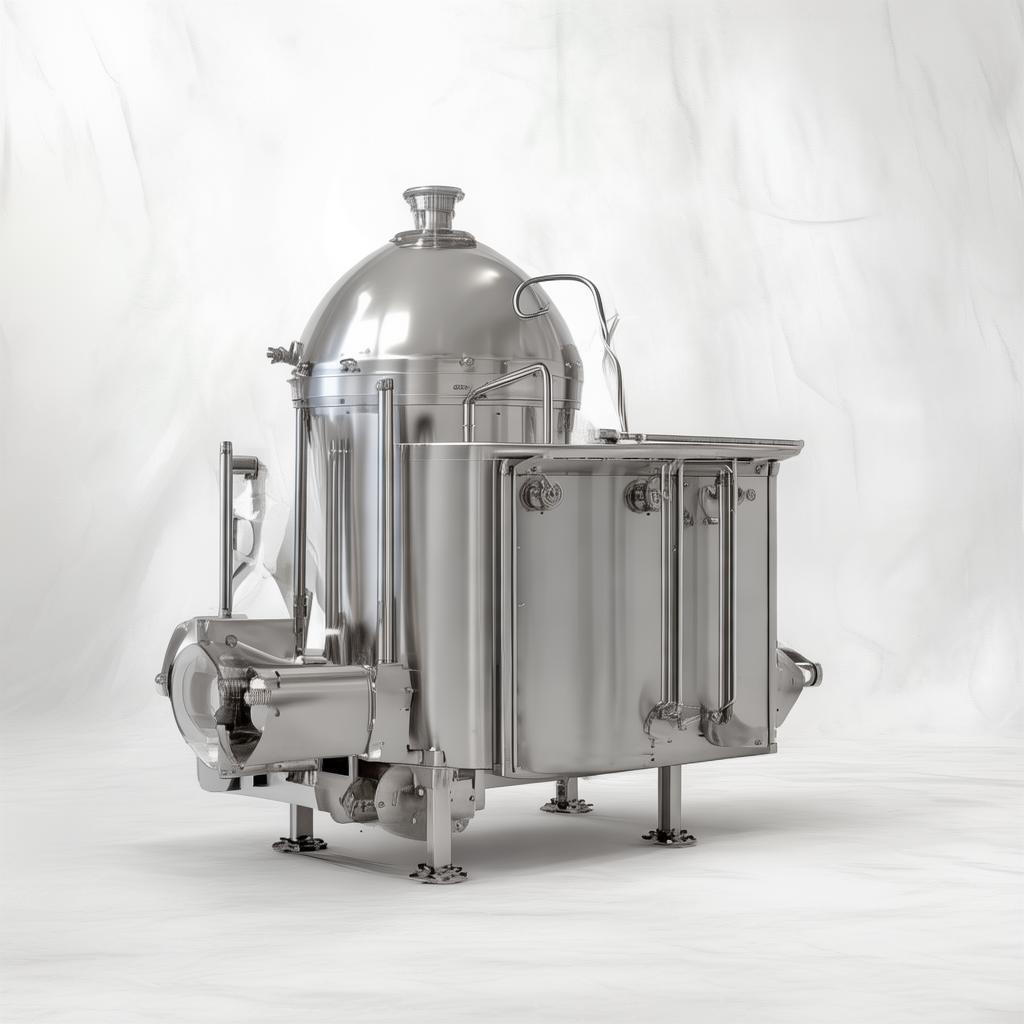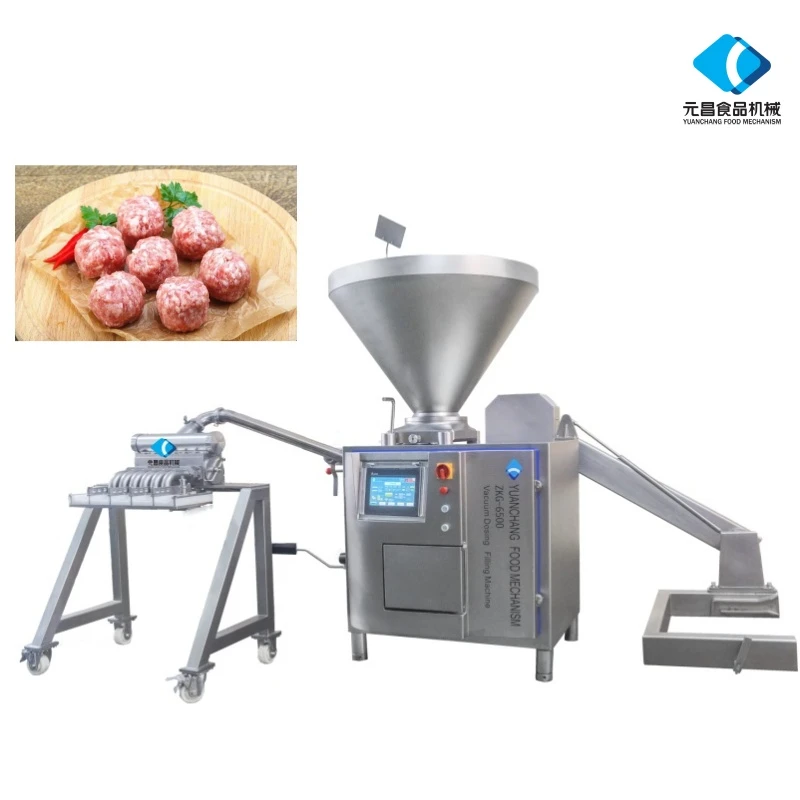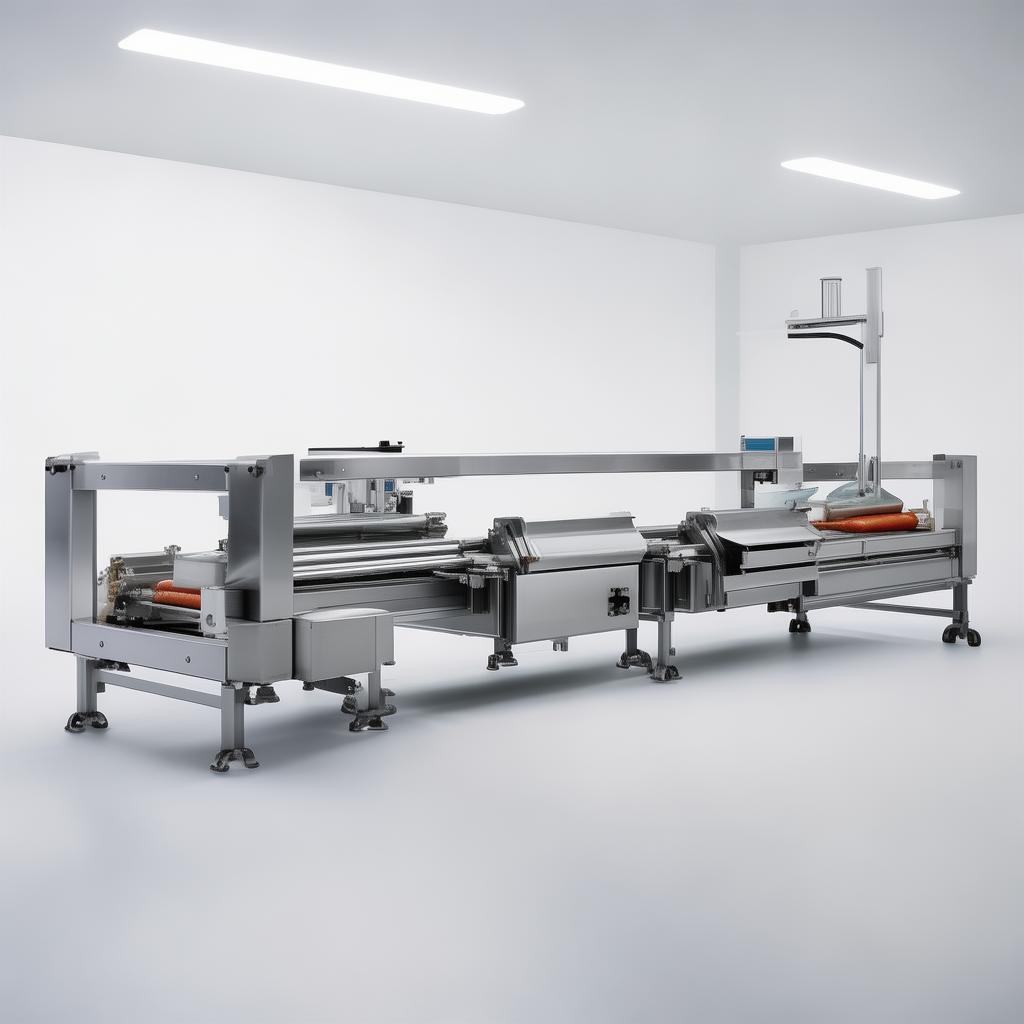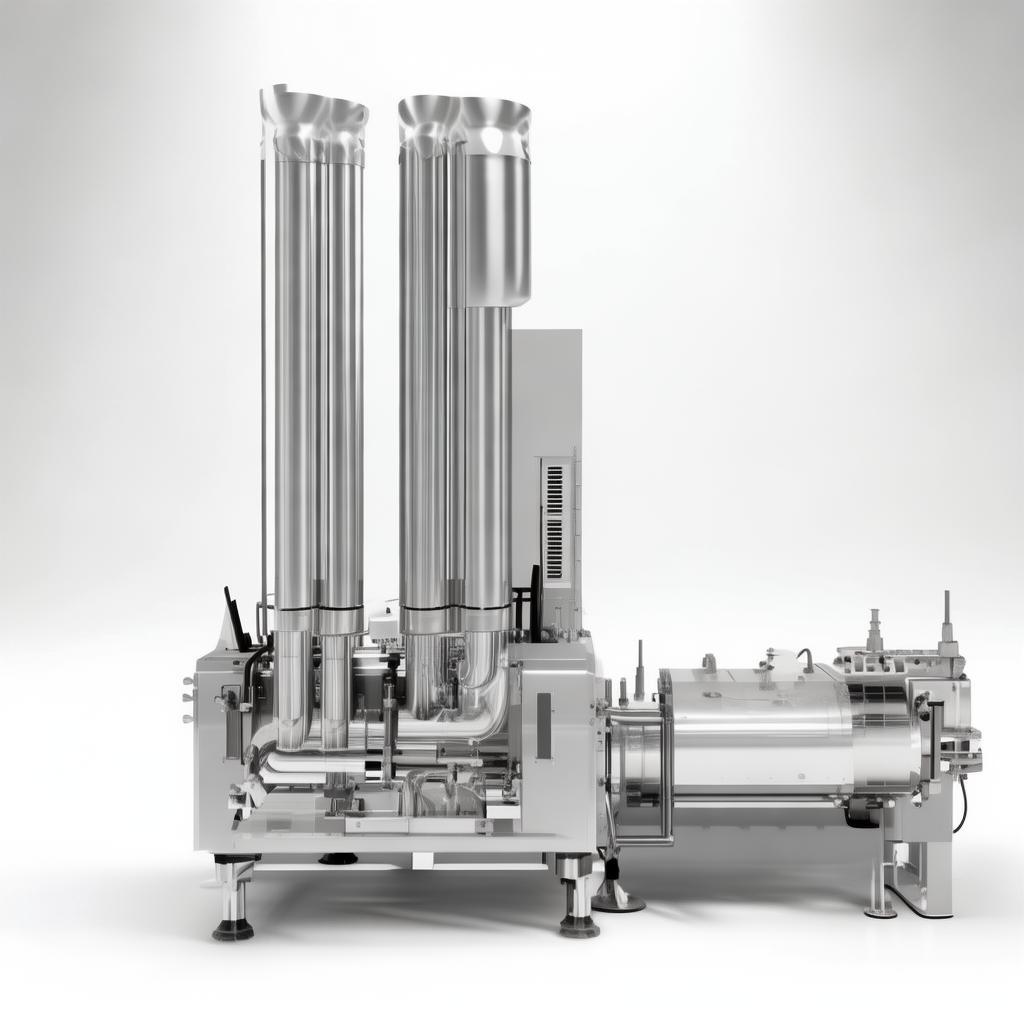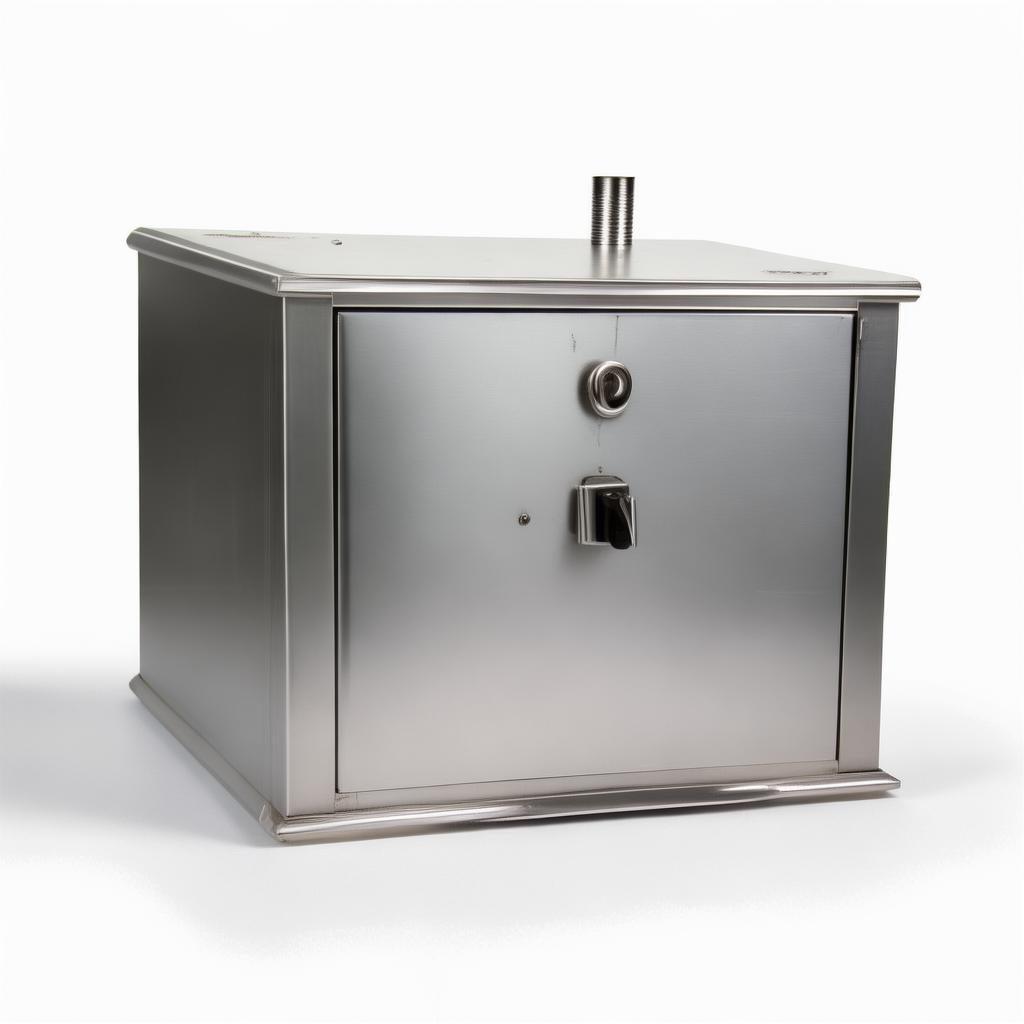
Table Top Filling Machine
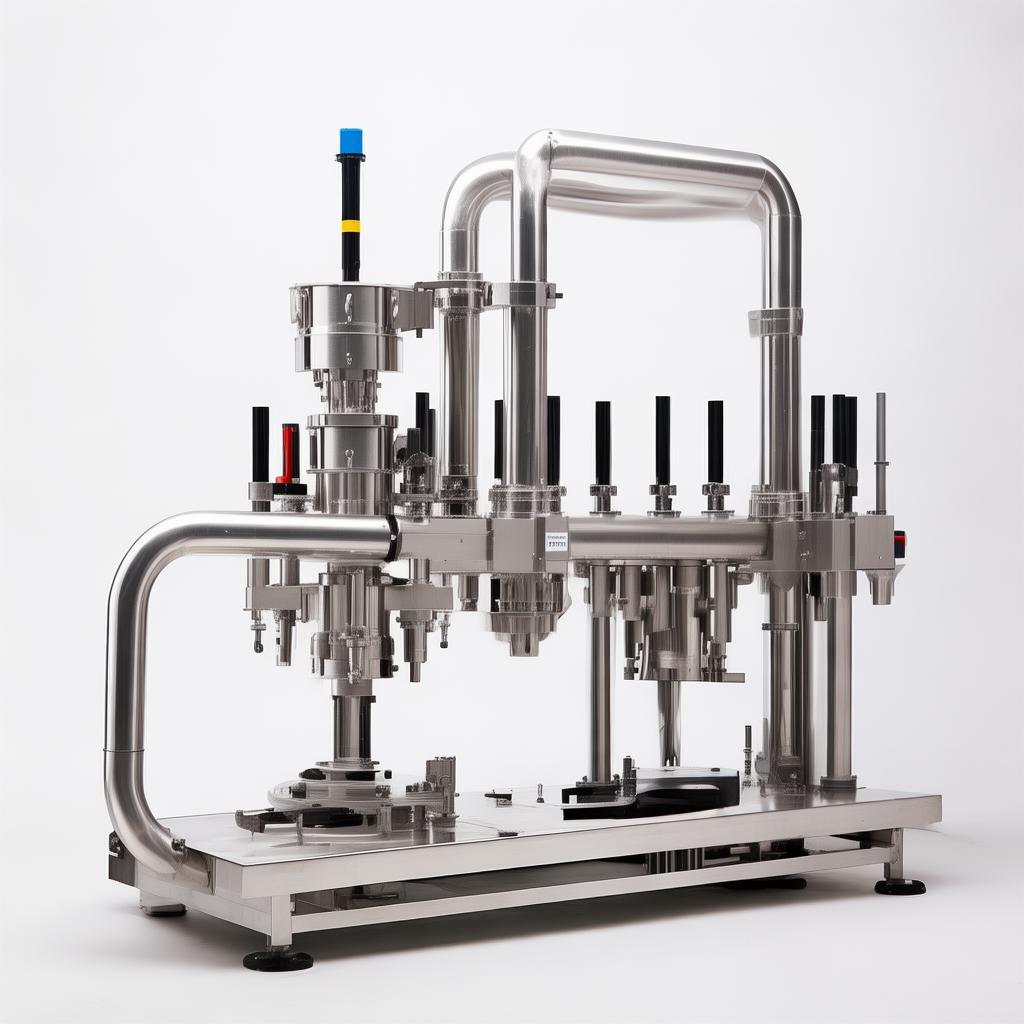
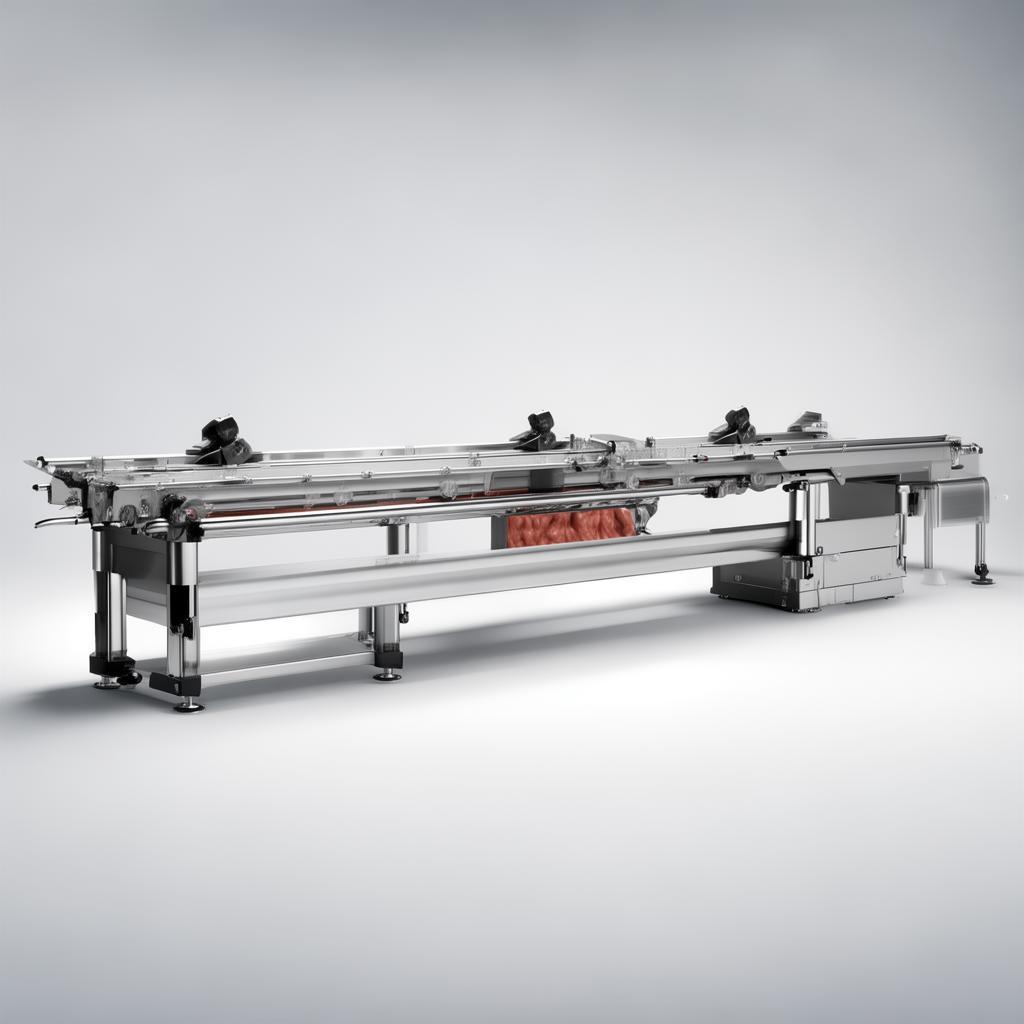
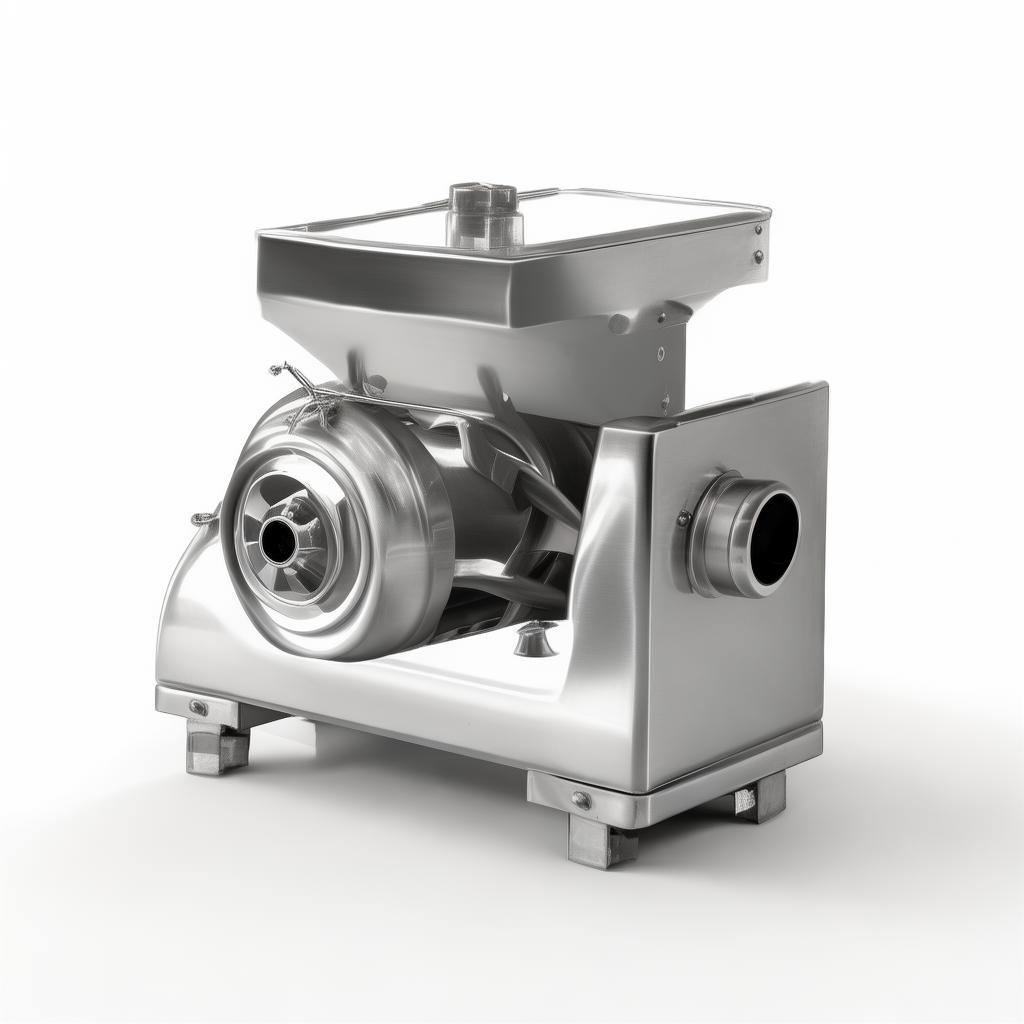
Mastering Portion Control: The Essential Table Top Filling Machine for Precision Production
 By Mr. Li Wei, Export Director at Hebei Yuanchang Food Mechanism & Technology Co., Ltd.
In today's competitive food manufacturing landscape, precision, consistency, and efficiency aren't just buzzwords; they're the bedrock of profitability. For businesses ranging from artisanal producers to large-scale industrial operations, the ability to accurately portion and fill a wide array of products is paramount. This is where the humble yet indispensable table top filling machine steps in, acting as a vital component on production lines where space is at a premium or batch sizes demand flexibility. Far from being a simple dispenser, a well-chosen table top filler is a sophisticated piece of equipment designed to enhance product quality, reduce waste, and streamline operations. At Hebei Yuanchang, with our 40 years of deep-rooted experience in the meat processing sector, we've seen firsthand how the right filling technology can transform a business. This guide delves into the intricacies of selecting and utilizing table top filling machines, offering insights from the factory floor to the export loading dock.
Understanding the Core Need: Why Precise Filling Matters
The global market for processed foods, particularly meat products, is experiencing robust growth. Reports suggest the global meat processing equipment market alone was valued at over USD 11 billion in recent years and is projected to exceed USD 17 billion by 2034, with filling and stuffing equipment being a key segment. (Source: Fortune Business Insights). This expansion is fueled by rising consumer demand for convenience, ready-to-eat options, and consistent quality. However, achieving this consistency hinges on accurate portioning. Overfilling leads to material waste, escalating production costs, and potential profit erosion. Underfilling, conversely, results in product non-compliance, dissatisfied customers, and damage to brand reputation. This is where a reliable table top filling machine becomes not just an accessory, but a critical investment in operational integrity and commercial success.
Consider the nuances of different product types: delicate batters, viscous sauces, chunky meat mixtures, or even specialized pet food formulations. Each requires a specific approach to filling. A machine that can handle one might struggle with another. This is why understanding the capabilities and limitations of table top filling machines, especially those designed for industrial applications, is crucial for procurement managers and operations leads. We're talking about maintaining exact grammage, achieving uniform shape where required, and ensuring the product fills the packaging or casing without voids or excessive air pockets. It's a science, and the right equipment makes it an achievable science.
Furthermore, the imperative for food safety and hygiene cannot be overstated. Equipment that is difficult to clean, harbors bacteria, or is constructed from substandard materials poses significant risks. Table top fillers, due to their often more accessible design for smaller operations or specialized tasks, must meet stringent sanitary standards. This includes seamless construction, easy disassembly for thorough cleaning, and the use of food-grade materials like stainless steel. Our own manufacturing processes, honed over four decades, prioritize these aspects, ensuring that every piece of equipment leaving our facility meets international quality and safety benchmarks.
The "Fit For Now (2026)" aspect of modern manufacturing emphasizes agility and adaptability. A table top filling machine offers precisely this. It can be easily integrated into existing lines, reconfigured for different products or batch sizes, and occupies less valuable floor space than larger industrial units. This flexibility is invaluable for businesses navigating dynamic market demands or seeking to expand their product portfolio without massive capital expenditure on full-scale production lines. It’s about smart, scalable solutions.
Navigating the Options: What Defines a Quality Table Top Filling Machine?
When procurement teams begin their search for a table top filling machine, they're typically looking for a blend of robust performance, ease of operation, and long-term reliability. At Hebei Yuanchang, we've identified several key differentiators that set exceptional machines apart:
- Precision Filling Mechanism: The heart of any filler is its ability to dispense accurate volumes or weights. Look for systems utilizing positive displacement pumps, volumetric fillers, or auger fillers that are calibrated for high repeatability. For instance, our hydraulic piston fillers are designed for smooth, precise delivery of viscous and semi-solid products.
- Material Compatibility and Construction: Food-grade stainless steel (e.g., 304 or 316L) is non-negotiable for contact parts to prevent corrosion and contamination. The overall build quality should feel solid, with minimal plastic components in high-stress areas. Our machines are predominantly constructed from SUS304 stainless steel, adhering to international food-grade standards.
- Ease of Operation and Control: User-friendly interfaces, whether digital touchscreens or intuitive manual controls, are essential. This includes simple adjustment mechanisms for fill volume, speed control, and easy-to-engage safety features. Our machines often incorporate PLC control systems for enhanced precision and simplified operation.
- Sanitation and Cleaning (CIP/SIP Capability): A machine that’s a nightmare to clean is a liability. Look for designs that allow for quick disassembly of food contact parts, smooth surfaces without crevices, and ideally, compatibility with Clean-In-Place (CIP) or Sterilize-In-Place (SIP) systems. This significantly reduces downtime and ensures hygiene compliance.
- Versatility and Adaptability: Can the machine handle different product viscosities, densities, and particle sizes? Does it offer interchangeable nozzles or filling heads? The ability to switch between products or container types with minimal tooling is a major operational advantage.
- Footprint and Power Requirements: For a table top unit, space is a primary consideration. Ensure the dimensions fit your available area and that the power supply is compatible with your facility's infrastructure.
When considering OEM (Original Equipment Manufacturer) or ODM (Original Design Manufacturer) partnerships, these are precisely the technical specifications and quality benchmarks we work with our clients to define and meet. It’s about understanding your unique production challenges and engineering a solution, not just selling a machine.
Technical Specifications: What to Look For in a Table Top Filler
Beyond the general features, a detailed look at the technical specifications is essential for serious buyers. The specifics can vary greatly depending on the intended application, but here’s a breakdown of critical parameters and what they mean in practice:
| Specification | Consideration for Buyers | Impact on Production |
|---|---|---|
| Filling Volume Range | Specify your typical portion sizes (e.g., 10g - 500g). Look for machines with a wide, adjustable range to accommodate product variations. | Determines the machine's suitability for your entire product line or specific SKUs. Affects accuracy and waste. |
| Filling Accuracy | Usually expressed as ± percentage (e.g., ±0.5% to ±2%). Higher accuracy means less waste and better compliance. | Directly impacts cost savings and product consistency. Crucial for high-value products. |
| Filling Speed | Measured in fills per minute (FPM) or fills per hour (FPH). Match this to your overall line speed requirements. | Determines throughput and whether the machine can keep up with other processing steps. |
| Product Viscosity/Particle Size | Check the machine's stated limitations. Some are designed for thin liquids, others for chunky pastes or solids up to a certain size. | Ensures the machine can handle your specific product formulation without jamming or inconsistent filling. |
| Power Requirements | Voltage (e.g., 220V/380V), frequency (50Hz/60Hz), and phase (single/three-phase). | Critical for ensuring compatibility with your plant's electrical system. |
| Machine Dimensions (L x W x H) | Measure your available space accurately. Factor in clearance for operation, maintenance, and cleaning. | Ensures physical fit within your production area. |
| Construction Material | Predominantly stainless steel (e.g., SUS304). Check for food-grade seals and components. | Guarantees durability, hygiene, and compliance with food safety regulations. |
automatic filling machine container filling machine box filling machine
At Hebei Yuanchang, we provide detailed specification sheets for each of our models, often allowing for customization to meet precise client requirements. Don't hesitate to ask about specific tolerances, materials used in seals, or the type of control system implemented. These details are vital for long-term operational satisfaction.
Applications: Where Table Top Fillers Shine
The versatility of table top filling machines makes them suitable for a remarkably broad range of industries and applications. Their compact size and precision make them ideal for:
Meat Product Production
Filling sausages, pâtés, meat pastes, dumplings, or even filling into trays and containers for ready meals. Our machines are robust enough for ground meats and can be configured for specific casings or packaging.
Bakery and Confectionery
Portioning batters, creams, fillings for pastries, donuts, cakes, and cookies. Ideal for accurate topping application or internal filling of baked goods.
Dairy and Sauces
Filling yogurt, cheese spreads, sauces, dressings, dips, and gravies into cups, jars, or pouches.
Pet Food Production
Accurately filling wet pet food into cans, pouches, or trays, ensuring consistent nutrient and portion delivery for companion animals.
Specialty Foods and Pharmaceuticals
Precision dispensing of smaller volumes for ingredients, supplements, or even semi-solid pharmaceutical compounds where accuracy is critical.
The global trend towards processed and convenience foods, with market values in the hundreds of billions, necessitates equipment that can keep pace with demand while maintaining precision. Our table top fillers are engineered to meet these demands, offering a cost-effective entry point or a flexible solution for specialized filling tasks within larger operations.
Installation, Operation, and Maintenance: Practical Insights
Purchasing a machine is only the first step. Ensuring its effective long-term performance requires attention to installation, operation, and routine maintenance. From an export perspective, we prioritize making this as straightforward as possible for our international clients.
Installation Considerations
Most table top fillers require minimal installation – often just a stable, level surface, connection to power, and potentially an air supply if pneumatic. Ensure easy access for loading product and collecting filled items. For larger scale operations, consider how it integrates with conveyors or upstream/downstream equipment.
Procurement Insight: Always verify power requirements and any necessary utilities (like compressed air) with the supplier before finalising your facility setup.Operational Best Practices
Familiarize your operators with the machine's controls and safety features. Calibrate for accurate fill volumes before starting each shift. Monitor performance visually for consistency. Avoid forcing the machine beyond its designed capacity; this is a common pitfall leading to premature wear.
Operational Insight: A short pre-production run and check is always worthwhile, especially when switching products or after significant downtime.Routine Maintenance & Cleaning
Daily cleaning of food contact parts is crucial. This typically involves disassembly, washing with appropriate food-grade detergents, rinsing, and sanitizing. Periodic checks of seals, filters, and moving parts for wear and tear are also recommended. Refer to the manufacturer's manual for specific lubrication points and recommended service intervals.
Technical Insight: Keeping a small stock of common wear parts (e.g., seals, O-rings) can prevent unexpected line stoppages.Our commitment extends beyond the sale. We provide comprehensive user manuals and offer technical support to ensure your team can operate and maintain the equipment efficiently. For international clients, we offer remote assistance and can arrange for on-site support if needed, minimizing logistical complexities.
Logistics and Export Considerations
As an international supplier, Hebei Yuanchang understands the intricacies of global trade. When exporting a table top filling machine, we pay close attention to packaging, documentation, and shipping.
Packaging: Machines are typically crated in robust wooden or metal frames, often with protective wrapping and internal cushioning to withstand the rigors of transit. For smaller units, sturdy cardboard packaging with sufficient padding might suffice. We ensure that all materials are compliant with international shipping regulations (e.g., ISPM 15 for wood). For larger shipments, we can optimize container loading to maximize space and minimize shipping costs.
Documentation: A comprehensive package of documents is essential for customs clearance and import. This includes the commercial invoice, packing list, bill of lading, certificate of origin, and CE/FDA/RoHS certificates where applicable. For specific regulatory environments, we can also provide declarations of conformity.
Shipping: We work with reliable freight forwarders to offer various shipping options, from Less Than Container Load (LCL) to Full Container Load (FCL), as well as air freight for urgent needs. Lead times, including manufacturing, testing, and shipping, are communicated transparently. For instance, a typical production cycle for a specialized unit might range from 30-60 days, followed by shipping time which varies by destination.
Risk Mitigation: We offer optional transit insurance to cover unforeseen events during shipping. Our proactive communication throughout the process helps clients anticipate arrival times and prepare for customs procedures.
Why Partner with Hebei Yuanchang? Our Factory Strengths
With 40 years of dedicated experience since 1986, Hebei Yuanchang Food Mechanism & Technology Co., Ltd. isn't just a supplier; we are a partner in your production journey. Our strengths lie in:
- Deep Industry Expertise: Specializing in meat processing equipment, we possess unparalleled knowledge of the specific challenges and requirements of this sector, including hygiene, precision filling, and material handling.
- In-house Precision Machining: Our facility houses over 20 sets of advanced processing machinery, including Japanese Mazak CNC machining centers. This allows us to produce high-precision, non-standard components in-house, ensuring superior quality control and faster turnaround times for custom orders.
- ISO Certified Quality Management: We operate under a strict quality management system, adhering to international standards. This is reflected in our certifications like ISO. (cert/iso.png)
- Comprehensive Product Range: While our expertise is deep in meat processing, our filling technologies can be adapted for various food products, offering a wide scope for diverse production needs. Our product lines include pretreatment, filling, molding, and ripening equipment.
- Traceable After-Sales Service: Our independently managed parts production system ensures that we can supply high-precision replacement parts, providing a worry-free after-sales experience for our global clientele.
- Commitment to R&D: We continuously invest in research and development to enhance our equipment's efficiency, precision, and user-friendliness, aligning with evolving industry trends and technologies.
Choosing Hebei Yuanchang means investing in decades of practical engineering experience, a dedication to quality, and a partnership focused on your operational success. Our team of 80-100 employees is dedicated to delivering excellence.
Customer Testimonials: Real-World Impact
Don't just take our word for it. Hear from businesses that have integrated our filling solutions:
 Maria Sanchez, Procurement Manager, Mexico
"We needed a reliable, smaller filler for our specialty sausage line. The Yuanchang table top unit has been a game-changer. It’s incredibly accurate, saving us material costs, and cleaning it is surprisingly quick. It fits perfectly on our existing workbench.
Rating: ★★★★★ John Davies, Operations Lead, UK
"Switching to this filler for our artisanal pâtés significantly improved consistency. The precision we get now is far better than our old manual methods. The export process was smooth, and the machine arrived well-protected. We are very satisfied with the build quality.
Rating: ★★★★☆ Kenji Tanaka, Production Engineer, Japan
"We utilize the machine for filling smaller portions of experimental pet food formulations. The accuracy is excellent, and the ease of cleaning between batches is a major plus. It’s a robust piece of equipment that has performed reliably under daily use.
Rating: ★★★★★ Aisha Khan, Quality Control Supervisor, UAE
"Maintaining consistent fill weights for our packaged dips is critical for compliance. This table top filler from Yuanchang delivers precisely that. It’s user-friendly, and the stainless steel construction ensures it meets our stringent hygiene standards. We've experienced minimal downtime.
Rating: ★★★★☆Frequently Asked Questions (FAQ)
1. What types of products can this table top filling machine handle?
Our table top filling machines are designed for a wide range of semi-solid and viscous products, including but not limited to, meat pastes, pâtés, batters, doughs, creams, sauces, jams, and pet food formulations. The suitability depends on the specific model and its configurations (e.g., nozzle type, auger design).
2. What is the typical filling accuracy?
Accuracy is paramount. Most of our models achieve filling accuracy within ±0.5% to ±2% of the target fill volume or weight, depending on the product's consistency and the chosen filling mechanism. Regular calibration ensures consistent performance.
3. How easy is it to clean and maintain?
We design our machines with sanitation in mind. Food contact parts are typically made of stainless steel and are easily removable for thorough cleaning and sanitization. Detailed cleaning procedures are provided in the user manual.
4. Can the machine be customized for specific packaging or product needs?
Yes, customization is a core part of our offering. We can provide different nozzle sizes, container guides, and sometimes modify filling volumes or speeds to match your exact requirements. We encourage you to discuss your specific needs with our technical sales team.
5. What are the power requirements for these machines?
Standard configurations often operate on 220V or 380V, 50Hz or 60Hz, single or three-phase power. Please specify your local power standards when inquiring, and we will confirm the exact requirements or suggest appropriate modifications.
6. Do you provide installation support or training?
We provide comprehensive user manuals and remote technical support. For larger projects or specific client needs, on-site installation and training can be arranged at an additional cost, depending on the destination and scope.
Enhancing Trust: Direct Communication with Our Experts
We understand that selecting industrial equipment is a significant decision. To ensure you have all the information you need, we offer direct communication channels. Below are snippets from recent client interactions, showcasing our responsiveness and technical guidance.



These conversations highlight our commitment to providing clear, technical answers and tailored solutions. Feel free to reach out to our team with your specific requirements or any technical queries you may have.
Ready to Enhance Your Production Accuracy?
Don't let inaccurate filling compromise your product quality or profitability. A table top filling machine from Hebei Yuanchang offers precision, reliability, and efficiency for your operations. Whether you're looking to optimize batch production, introduce new product lines, or simply upgrade your current filling process, we have the expertise and equipment to support your goals.