Strip Mapping
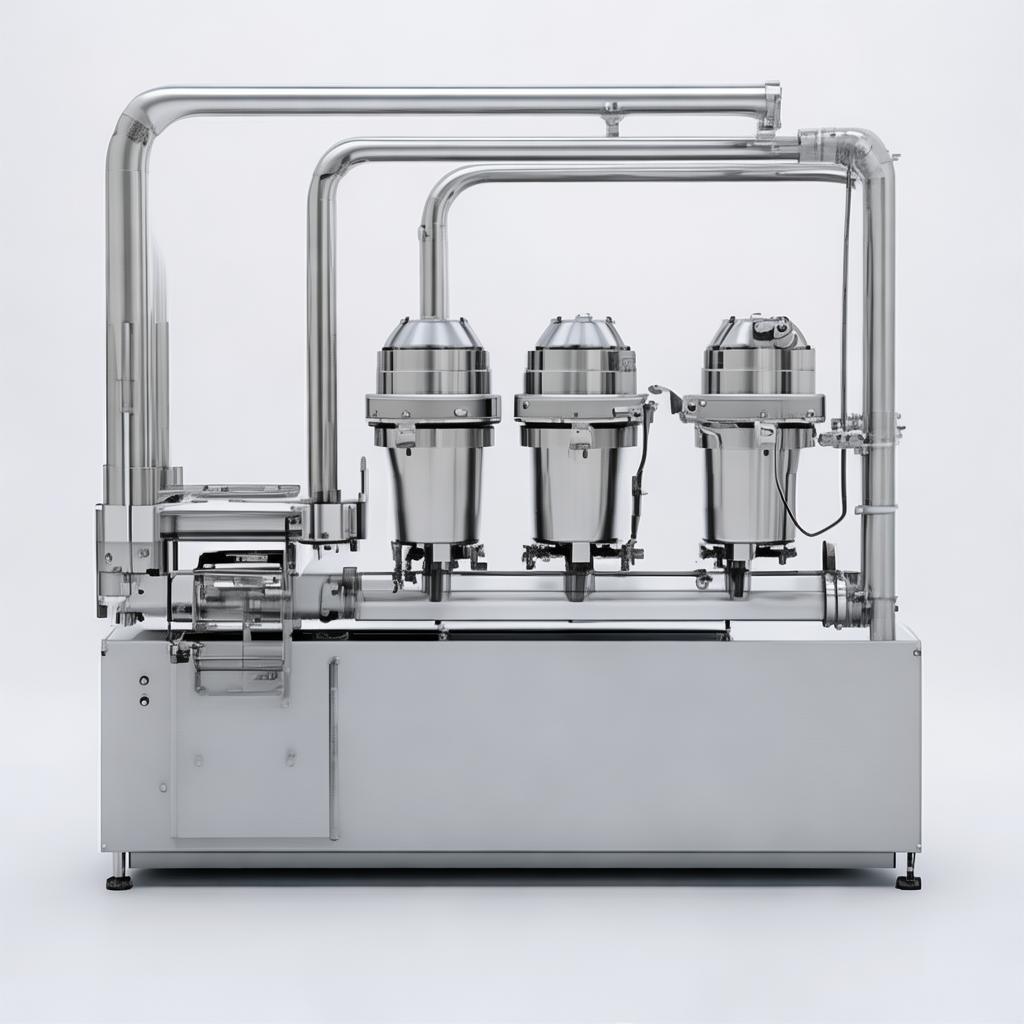
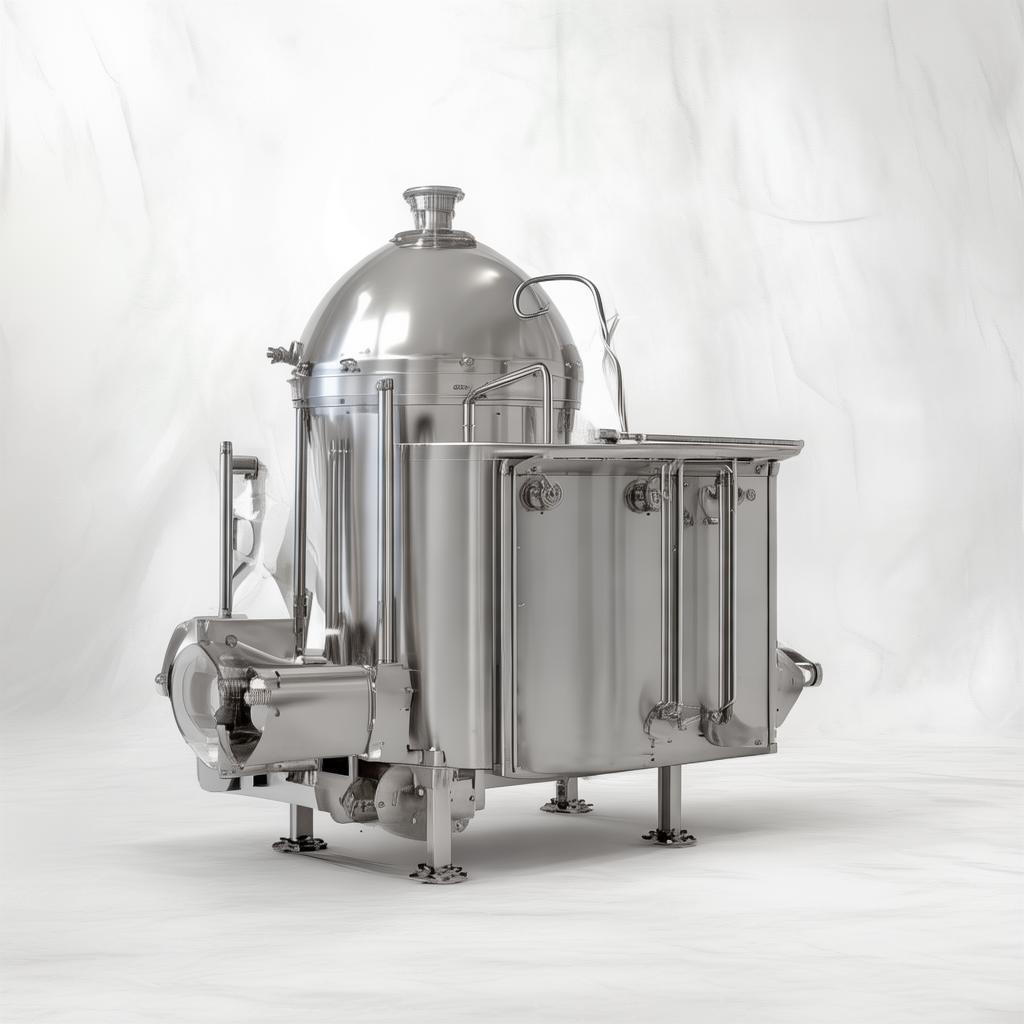
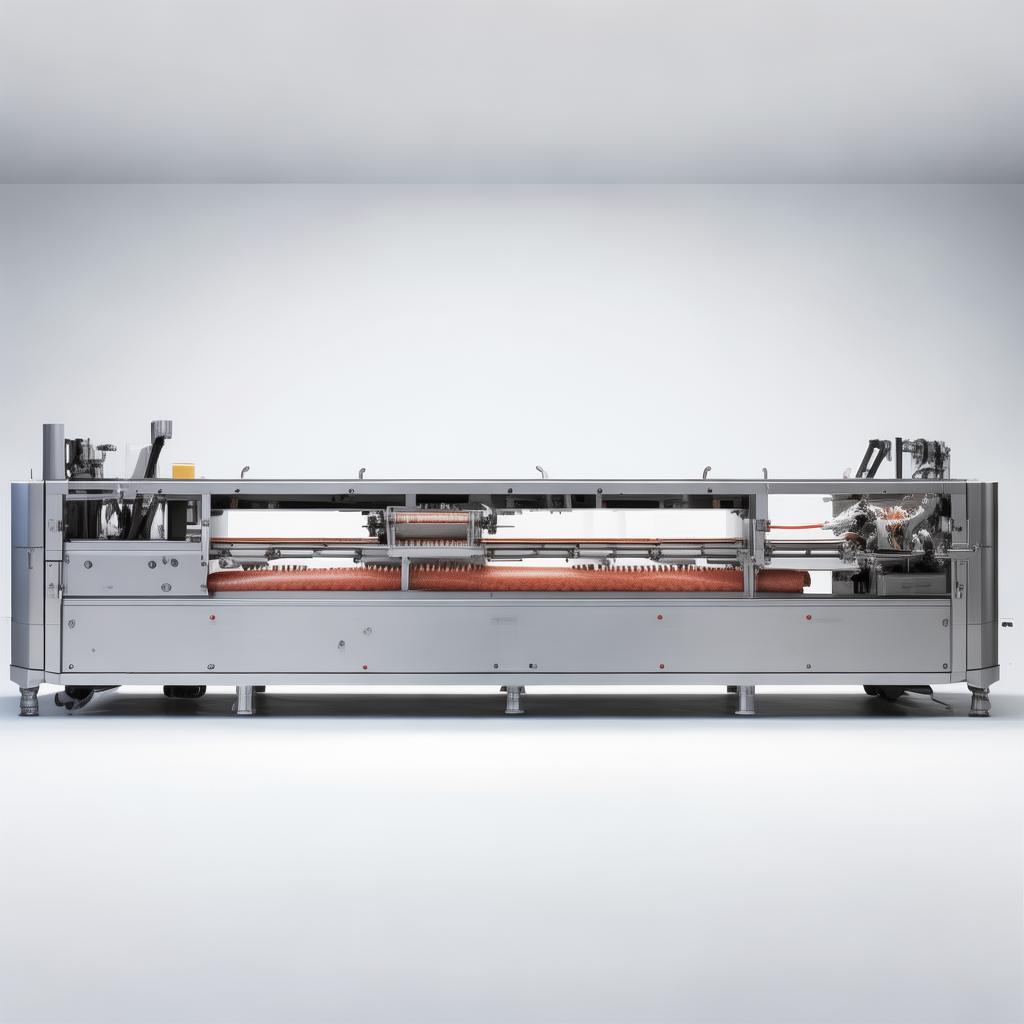
Advanced Strip Mapping Solutions for Industrial Food Processing
Enhancing Efficiency, Precision, and Quality in Your Production Lines

Authored by:
Dr. Evelyn Reed, Lead Industrial Process Engineer
Hebei Yuanchang Food Mechanism & Technology Co., Ltd.
Understanding Strip Mapping in Modern Food Production
In the fast-paced world of industrial food processing, precision and consistency are not just desirable; they are absolute necessities. Every stage, from raw material intake to final packaging, demands meticulous control to ensure product quality, safety, and efficiency. Within this complex ecosystem, the concept of "strip mapping" has emerged as a critical, albeit sometimes understated, technology. It's more than just a data point; it's the underlying intelligence that guides automated systems, optimizing workflows and preventing costly errors. We’re talking about the precise, often digital, representation and analysis of linear or strip-shaped components or processes within your manufacturing line.
Think about the production of sausages, processed hams, or even certain types of baked goods. These often involve continuous processing, forming, or curing where the material moves in a defined path, a "strip." Effective strip mapping allows us to accurately track, measure, and control these elements in real-time. This capability is fundamental to achieving uniform product dimensions, consistent texture, optimal curing times, and ultimately, a superior end product that meets consumer expectations and regulatory standards. For international wholesale export and OEM/ODM factories, mastering this precision is what separates good suppliers from the industry leaders. It directly impacts your ability to fulfill large orders with consistent quality, time after time.
The global meat processing equipment market, a sector where strip mapping plays a vital role, was valued at approximately USD 11.29 billion in 2025 and is projected to reach USD 17.39 billion by 2034, growing at a CAGR of 5.0%. This substantial market growth underscores the increasing reliance on advanced technologies like sophisticated mapping systems for core processes such as filling, stuffing, ripening, and curing. {{Citation}}: 【Meat Processing Equipment Market Size, Share & Industry Analysis - https://www.fortunebibusinessinsights.com/meat-processing-equipment-market-115455 - The global meat processing equipment market was valued at USD 11.29 billion in 2025 and is projected to reach USD 17.39 billion by 2034 at a CAGR of 5.0%. Key segments include filling & stuffing equipment, massaging & tumbling (for ripening/tenderizing), cutting, grinding, and smoking machines. Growth is driven by rising demand for processed meat, automation adoption for hygiene and labor efficiency, strict food safety standards, and strong expansion in Asia-Pacific. Filling and molding equipment are critical for sausages and formed products, while massaging equipment enhances ripening and texture.】
At Hebei Yuanchang Food Mechanism & Technology Co., Ltd., we’ve been refining our understanding and application of strip mapping technologies for over 40 years. Our deep experience in R&D, production, and sales of meat processing equipment, including specialized lines for pet food, means we don't just sell machines; we deliver optimized processing solutions. We recognize that accurate strip mapping underpins efficient operations. It’s the silent partner that ensures your filling machines deliver consistent weight, your ripening tumblers achieve uniform aging, and your packaging lines operate without interruption. For procurement directors and operations managers, investing in robust strip mapping capabilities translates directly into reduced waste, improved throughput, and enhanced brand reputation in competitive international markets.
The challenge often lies in integrating these advanced mapping systems seamlessly with existing machinery. Many processors face issues with inconsistent product dimensions, over/under filling, inefficient curing, and consequently, significant product rejection rates. These problems are amplified when dealing with cross-border commerce, where product specifications and quality standards can vary, and logistical complexities add further pressure. Our approach to strip mapping focuses on providing a solution that is not only technologically superior but also practical, reliable, and easy to integrate into diverse production environments. We leverage our in-house machining expertise, including advanced Japanese Mazak CNC machining centers, to manufacture components with the high precision required for these critical systems. This allows us to offer bespoke solutions that precisely meet your operational needs.
Consider the complexities of global supply chains. The demand for processed meats, a segment reliant on precise molding and filling, is surging. Reports indicate the global processed meat market could reach USD 1,330.45 billion by 2035. {{Citation}}: 【Processed Meat Market Size to Worth USD 1,330.45 Billion by 2035 - https://www.precedenceresearch.com/processed-meat-market - The processed meat market is expected to reach USD 1,330.45 billion by 2035 at a CAGR of 6.03%. Growth in ready-to-eat and convenience products increases reliance on filling, molding, and ripening equipment across global supply chains.】 This growth is directly fueling the need for equipment that can handle high volumes and maintain stringent quality controls. Strip mapping is central to this. It allows for precise control over fill weights, ensuring compliance with labeling regulations and consumer expectations, and optimizing material usage. Without it, achieving consistent, high-quality output at scale becomes an almost insurmountable hurdle.
Empower your production with intelligent strip mapping.
Request a ConsultationCommon Hurdles in Linear Processing
Inconsistent Product Dimensions
Variations in filling, shaping, or slicing can lead to products that don't meet specified sizes. This impacts consumer appeal, packaging efficiency, and can even lead to product recalls if critical dimensions are missed, especially for export markets with strict tolerances.
Material Waste and Over-Usage
Poor calibration or inaccurate material feed can result in overfilling or waste. This directly impacts your cost of goods sold (COGS) and profit margins. Optimizing material usage is paramount for industrial suppliers.
Inefficient Ripening and Curing
For products requiring curing or aging, uneven exposure or incorrect processing times can lead to inconsistent texture, flavor, and shelf life. This is critical for products like cured meats and sausages.
Packaging Inefficiencies
Products that don't conform to standard sizes can cause significant issues with automated packaging lines, leading to jams, rejected packages, and increased labor for manual intervention.
Traceability and Quality Control Gaps
Without precise tracking of each strip or batch, it's difficult to maintain comprehensive traceability. This is a major concern for food safety compliance and for resolving any issues that may arise in the supply chain.
Integration with Existing Systems
Implementing new technology can be daunting. Many processors struggle with ensuring new mapping systems integrate smoothly with their legacy machinery, often leading to performance bottlenecks or operational disruptions.
These issues can severely impact your bottom line, especially when competing on a global scale. Identifying and addressing them is the first step towards optimized production.
Precision Strip Mapping: The Intelligent Core of Your Line
Our strip mapping solutions are designed to be the intelligent core of your processing operations, providing unparalleled accuracy and control over linear product streams. We integrate advanced sensing, real-time data processing, and precise actuator feedback to ensure every unit produced meets your exact specifications. This isn't just about measurement; it's about actionable intelligence that drives your machinery.
At its heart, our system utilizes state-of-the-art sensors—whether optical, ultrasonic, or gravimetric, depending on the application—to continuously monitor the characteristics of your product as it moves in a linear fashion. This could be the diameter of a sausage, the fill level of a pastry, the consistency of a dough strip, or the density of a meat block. This data is then processed by our proprietary algorithms, developed over decades of hands-on engineering experience in meat processing.
The core advantage of our approach is its dynamic, real-time feedback loop. Unlike static measurement systems, our strip mapping technology actively adjusts machine parameters on the fly. If a deviation is detected in fill weight, the system can instantly signal the filling nozzle to modify its output. If the consistency of a dough strip changes, it can trigger adjustments in forming rollers or extrusion pressure. This proactive control significantly reduces deviations, minimizing waste and ensuring product uniformity.
Key Features & Advantages:
- Unmatched Precision: Achieve sub-millimeter accuracy in measurement and control, crucial for compliance and quality.
- Real-time Adjustment: Dynamic feedback loops ensure immediate correction of process parameters, minimizing errors.
- Reduced Material Waste: Accurate fill and formation lead to significant savings on raw materials.
- Enhanced Product Consistency: Uniform dimensions, texture, and appearance boost consumer satisfaction.
- Improved Throughput: Less downtime due to errors and optimized processing cycles increase overall line speed.
- Traceability Integration: Each mapped strip can be logged, providing robust data for quality control and recall management.
- Flexible Integration: Designed to be compatible with a wide range of existing processing lines, including OEM/ODM applications.
- Durable Industrial Design: Built to withstand harsh processing environments, ensuring long service life.
The market for meat processing equipment is expanding, with projections suggesting it could reach USD 15.04 billion by 2030. {{Citation}}: 【Meat Processing Equipment Market Size, Share Report, 2030 - https://www.grandviewresearch.com/industry-analysis/meat-processing-equipment-market - The global meat processing equipment market was estimated at USD 11.28 billion in 2024 and is projected to reach USD 15.04 billion by 2030. Segments cover tenderizing, filling, grinding, slicing, and massaging equipment essential for pretreatment, molding, and ripening processes. Rising consumption of ready-to-eat meats, automation for labor shortages and hygiene, and infrastructure investments in emerging markets drive demand. Filling & stuffing machines and massaging systems for ripening are high-growth areas supporting consistent product quality and food safety compliance.】 This growth emphasizes the critical need for technologies that ensure efficiency and quality. Our strip mapping solutions are engineered precisely for this purpose, supporting segments like filling and molding equipment that are crucial for consistent product outcomes.
Technical Specifications Overview
Our strip mapping systems are configurable to meet a wide array of industrial requirements. Below is a general overview of typical specifications. For detailed configurations tailored to your specific application, please contact our engineering team.
| Parameter | Specification Range | Notes |
|---|---|---|
| Measurement Accuracy | ±0.1% to ±0.5% of Full Scale | Varies based on sensor type and product |
| Operating Speed | Up to 1200 mm/sec | Dependent on application and controller capabilities |
| Sensor Types | Optical, Infrared, Ultrasonic, Load Cell, Vision Systems | Selected based on product and environmental factors |
| Control Output | Analog (0-10V, 4-20mA), Digital, Fieldbus (Profinet, EtherNet/IP) | For integration with PLCs and VFDs |
| Environmental Rating | IP65 / IP67 Rated (Electronics) | Wash-down capabilities |
| Operating Temperature | 0°C to 50°C (Standard) | Extended ranges available |
| Materials of Construction | Stainless Steel (304/316), Food-Grade Plastics | Ensuring food safety compliance |
| Power Requirements | 24V DC or 110/220V AC | Configurable per installation |
strip chart recorder stripcutter strip processing equipment
The market trend towards automation in meat processing is strong, with growth drivers including labor efficiency and hygiene standards. {{Citation}}: 【Meat Processing Equipment Market Size, Share Report, 2030 - https://www.grandviewresearch.com/industry-analysis/meat-processing-equipment-market - ...automation adoption for hygiene and labor efficiency...】 Our systems are built to integrate seamlessly with automated lines, enhancing their performance and reliability. The precision components we manufacture in-house are key to the consistent performance expected by global buyers.
Versatile Applications Across Food Sectors
Our strip mapping technology is highly adaptable, finding critical applications in various segments of the food processing industry. Its core function—precision control over linear product streams—makes it indispensable for manufacturers focused on consistency and efficiency.
Sausage & Cured Meat Production
Ensuring uniform fill weights for sausages, pepperoni, and other cured products. Critical for consistent cooking, smoking, and ripening processes. Supports both high-volume filling and precise molding.
Portion Control & Forming
Accurate mapping for forming machines producing meat patties, nuggets, or plant-based alternatives. Guarantees consistent portion sizes for retail and foodservice.
Baked Goods & Confectionery
Controlling fill levels for pastries, pies, and confectionery items. Ensuring consistent dough extrusion and topping application for high-quality bakery products.
Dairy Processing
Precise filling of yogurt cups, cheese products, or butter portions. Maintaining product integrity and weight accuracy.
Pet Food Extrusion & Molding
Ensuring consistent shape, size, and density for extruded pet food kibble or molded treats, vital for nutritional balance and palatability.
Auxiliary Systems Integration
Supporting automated slicing, smoking, and ripening (massaging) equipment by providing precise input data for optimized processing cycles.
The demand for processed and convenience meats is a significant driver in the market, with this segment projected to grow substantially. {{Citation}}: 【Processed Meat Market Size, Share & Growth Report - https://www.fortunebusinessinsights.com/industry-reports/processed-meat-market-100556 - The global processed meat market is projected to grow from USD 750.58 billion in 2026 to USD 1,253.77 billion by 2034 at a CAGR of 6.62%.】 Our strip mapping technology is fundamental to producing these high-demand products efficiently and to the exact specifications required by global buyers.
Navigating Procurement: What to Look For
For purchasing managers and procurement directors, selecting the right strip mapping technology involves more than just comparing specs. It's about ensuring long-term value, operational compatibility, and reliable supplier support. We understand the procurement decision workflow and aim to make your selection process as transparent and efficient as possible.
Key Procurement Considerations:
- Integration Capability: How easily does the system interface with your existing PLCs, SCADA, and machinery? Look for standard communication protocols (e.g., Profinet, EtherNet/IP).
- Scalability & Customization: Can the system be adapted for future line expansions or different product types? OEM/ODM factories especially need this flexibility.
- Material Compatibility: Ensure sensors and construction materials are suitable for your specific products (e.g., food-grade, corrosion-resistant).
- Supplier Reliability & Support: What is their track record in delivering, installing, and supporting the technology? Consider lead times for critical parts.
- Total Cost of Ownership (TCO): Beyond the initial purchase price, evaluate installation costs, maintenance requirements, and potential downtime.
- Documentation & Training: Is comprehensive technical documentation and operator training provided? This is crucial for smooth adoption.
- Compliance & Certifications: Does the equipment meet relevant industry standards and certifications (e.g., CE, UL, food safety standards)?
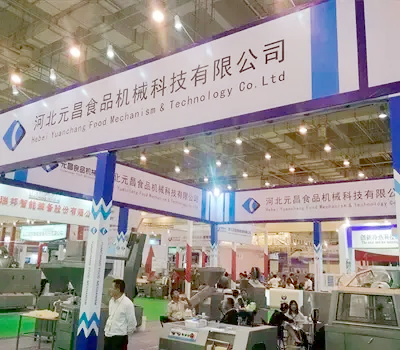
When evaluating suppliers, ask about their manufacturing capabilities. Our 40 years of experience, coupled with a dedicated machining workshop featuring over 20 sets of processing machinery and 8 Japanese Mazak CNC machining centers, allows us to produce high-precision, non-standard components independently. This ensures consistent quality and reliable after-sales service for our clients globally.
The global meat processing equipment market is projected to expand significantly, with key growth areas including filling and molding equipment. {{Citation}}: 【Meat Processing Equipment Market Size & Forecast 2033 - https://www.skyquestt.com/report/meat-processing-equipment-market - The meat processing equipment market was valued at USD 12.04 billion in 2024 and is poised to reach USD 19.66 billion by 2033 at a CAGR of 5.6%.】 For buyers seeking robust, dependable solutions, partnering with manufacturers who possess deep engineering and production expertise is essential.
Don't let procurement complexities hinder your operational goals.
Request Our Buyer's GuideOur Manufacturing Prowess: Precision You Can Trust
At Hebei Yuanchang Food Mechanism & Technology Co., Ltd., our 40 years of experience are built on a foundation of robust manufacturing capabilities. We pride ourselves on not just designing advanced solutions but also producing them with exceptional precision and quality. This vertical integration is a key differentiator, especially for international B2B trade and OEM/ODM partnerships.
In-House Machining Excellence
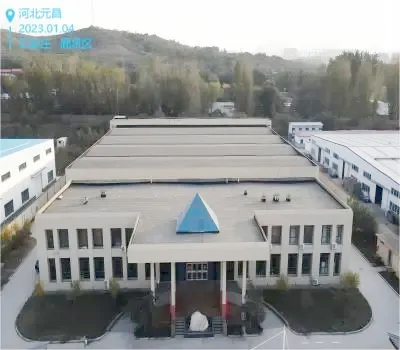
Our facility spans approximately 14,000 square meters and houses a dedicated machining workshop. Equipped with over 20 sets of processing machinery—including lathes, milling machines, high-precision grinding machines, boring machines, plate shears, bending machines, and wire cutting equipment—we can fabricate components to exacting standards.
Since 2012, our investment in 8 sets of Japanese Mazak CNC machining centers has elevated our capabilities. This allows us to undertake the production of components that demand high volumes, extreme precision, and non-standard specifications. This in-house control over critical parts manufacturing is vital for the reliability of our strip mapping systems and complex food processing equipment.
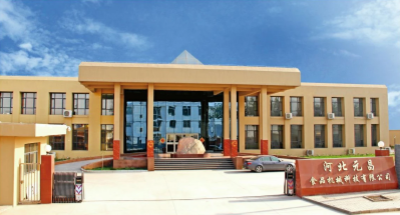
Our team of 80-100 skilled employees integrates R&D, production, and sales, ensuring a seamless product lifecycle from concept to delivery. This holistic approach allows us to offer bespoke OEM/ODM solutions tailored to the unique needs of our global partners. We understand the importance of consistent quality for international wholesale export, where brand reputation is paramount.
With 40 years of dedicated experience, we have accumulated unparalleled practical knowledge in complete production lines, from pretreatment of meat products to filling, molding, and ripening processes. Our ability to independently produce high-precision parts, backed by a traceable after-sales management system, provides our clients with truly worry-free operation.
Commitment to Quality: Our Certifications
Quality and safety are non-negotiable in the food processing industry. Our commitment to these principles is reflected in our adherence to international standards and our pursuit of relevant certifications. This ensures our equipment meets the rigorous demands of global markets and regulatory bodies.

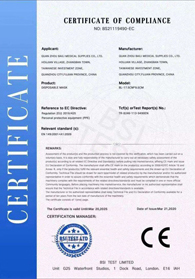

We ensure that our strip mapping solutions and other food processing equipment are designed and manufactured to comply with essential safety and quality directives. This commitment not only builds trust with our clients but also facilitates smoother customs clearance and market entry for our international partners. For OEM/ODM clients, these certifications can be crucial for their own product marketability.
What Our Clients Say

Mark Chen
Procurement Manager, USA
"Implementing Yuanchang's strip mapping system on our sausage line was a game-changer. We've seen a noticeable reduction in product giveaway and a significant improvement in casing fill consistency. Installation was straightforward, and their technical support was excellent throughout."
Reviewed: Sausage Filling Line Optimization

Isabelle Dubois
Operations Director, France
"We partnered with Yuanchang for an OEM project involving custom forming equipment. Their strip mapping integration was precise, enabling us to deliver a highly accurate and reliable product to our clients. Their ability to produce custom, high-precision parts was critical to our success."
Reviewed: Custom OEM Equipment Integration

Kenji Tanaka
Plant Engineer, Japan
"The accuracy from their vision-based strip mapping system for our snack bar production line has exceeded expectations. We're now able to maintain much tighter weight control, reducing waste and improving our output consistency. It integrates well with our existing automation."
Reviewed: Snack Bar Line Precision Control

Carlos Rodriguez
Production Supervisor, Mexico
"We needed a reliable system for our processed poultry products. Yuanchang's strip mapping solution provided the accuracy and robust performance we required. Their understanding of international food safety standards gave us confidence in our purchase for export markets."
Reviewed: Processed Poultry Product Consistency
We value the feedback from our clients. It drives our continuous improvement and ensures we remain at the forefront of industrial food processing technology.
Frequently Asked Questions (FAQ)
Q: What is the typical lead time for a strip mapping system?
A: Lead times can vary depending on the complexity of the customization and current production schedules. Generally, standard configurations can be delivered within 4-8 weeks. For highly customized OEM/ODM solutions, we recommend consulting our sales team for an accurate estimate, typically ranging from 8-16 weeks. Our efficient in-house production capabilities help minimize delays.
Q: Can your strip mapping systems be integrated with non-food processing machinery?
A: While our core expertise is in food processing, the underlying principles of strip mapping and the modular nature of our systems allow for adaptation to other linear processing applications where precision measurement and control are critical. We encourage you to discuss your specific requirements with our engineering team.
Q: What kind of support do you offer after installation?
A: We provide comprehensive after-sales support, including installation guidance, operator training, and troubleshooting assistance. Our traceable management system ensures we can quickly diagnose and resolve issues. We also offer maintenance contracts and readily available spare parts, leveraging our in-house manufacturing capabilities to minimize downtime.
Q: How do your systems ensure food safety compliance?
A: Our systems are designed with food safety as a priority. This includes using food-grade materials (like stainless steel 304/316), ensuring IP-rated enclosures for wash-down capabilities, and providing accurate control that prevents product deviations which could compromise safety. We also ensure our systems facilitate traceability, a key aspect of food safety management.
Ready to Optimize Your Production Line?
Partner with Hebei Yuanchang Food Mechanism & Technology Co., Ltd. for cutting-edge strip mapping solutions that enhance precision, efficiency, and quality in your industrial processing. Leverage our 40 years of expertise and advanced manufacturing capabilities.
Hebei Yuanchang Food Mechanism & Technology Co., Ltd.
Shijiazhuang, Hebei Province, China
Phone: +86 15830991513 | E-mail: ycmeatmech@gmail.com
Visit our main website for more information on our complete range of food processing solutions.