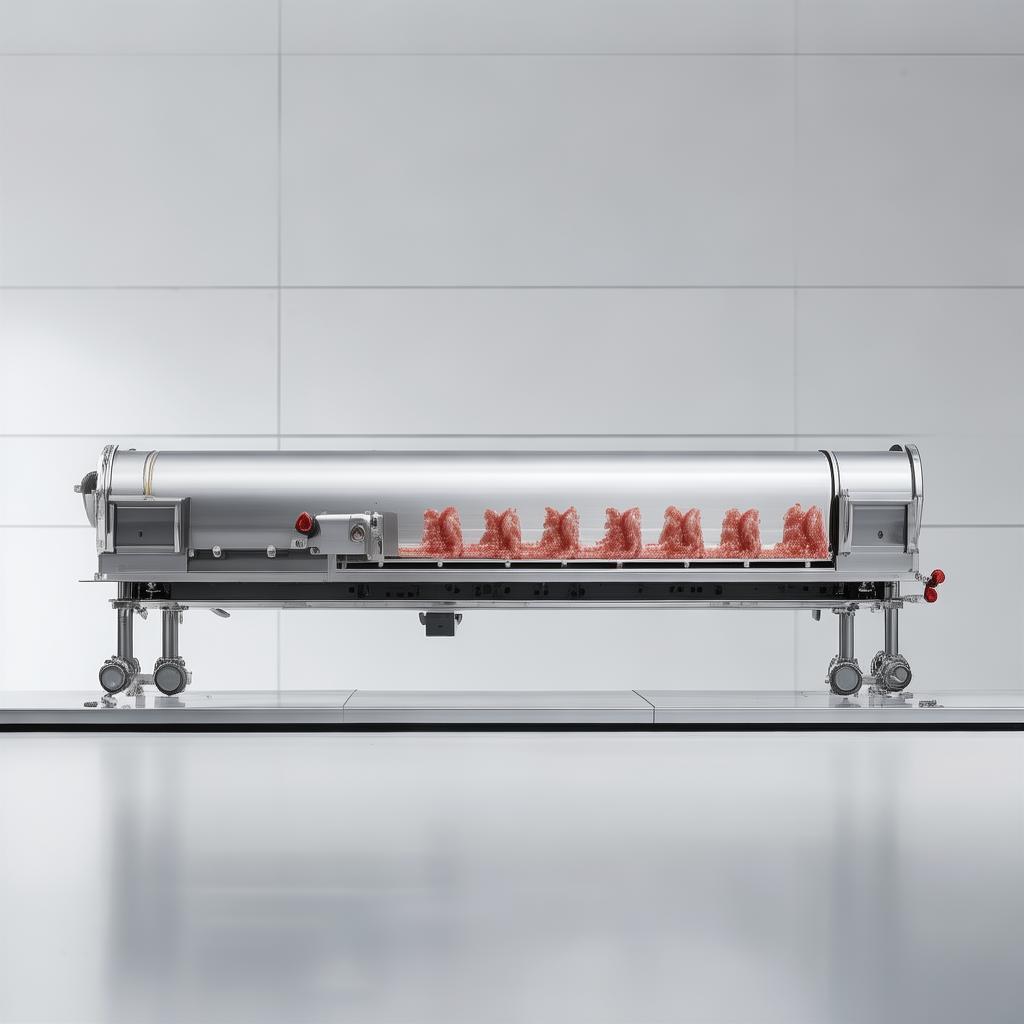
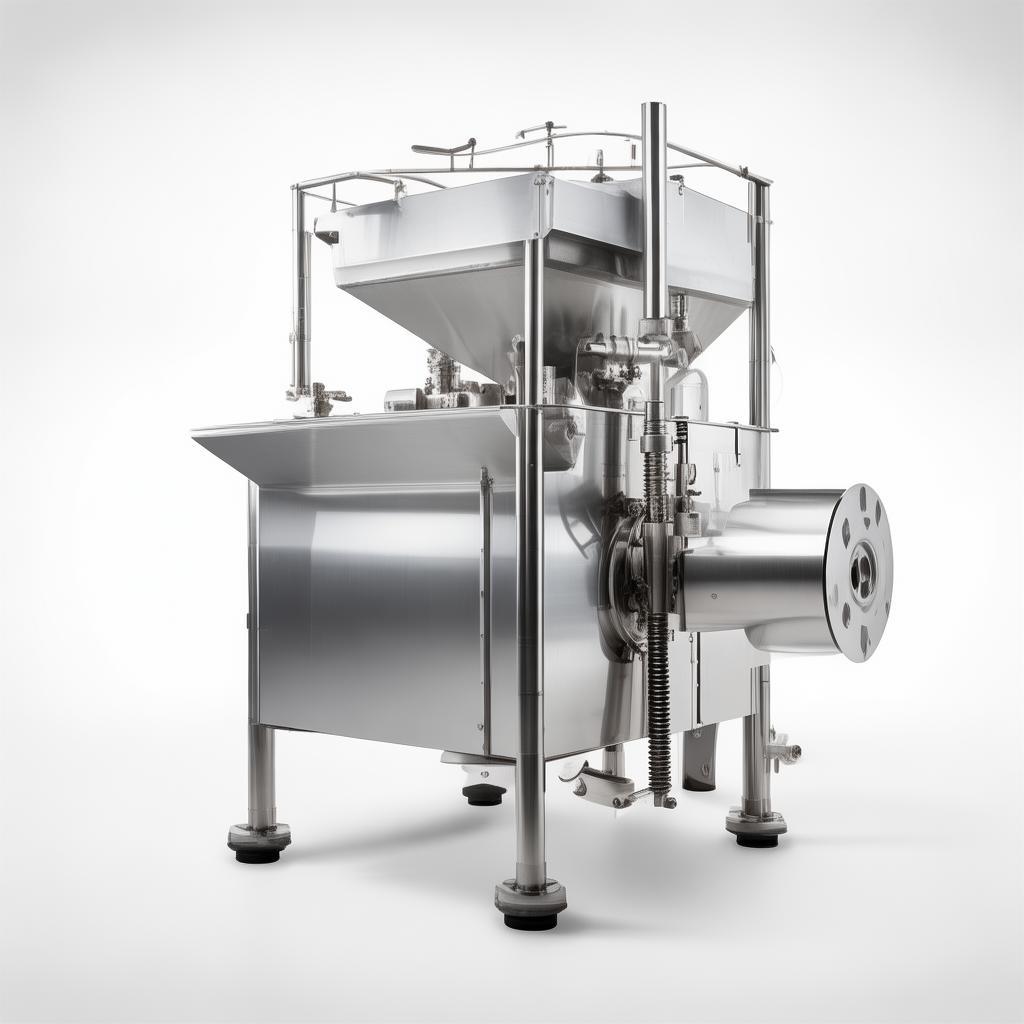
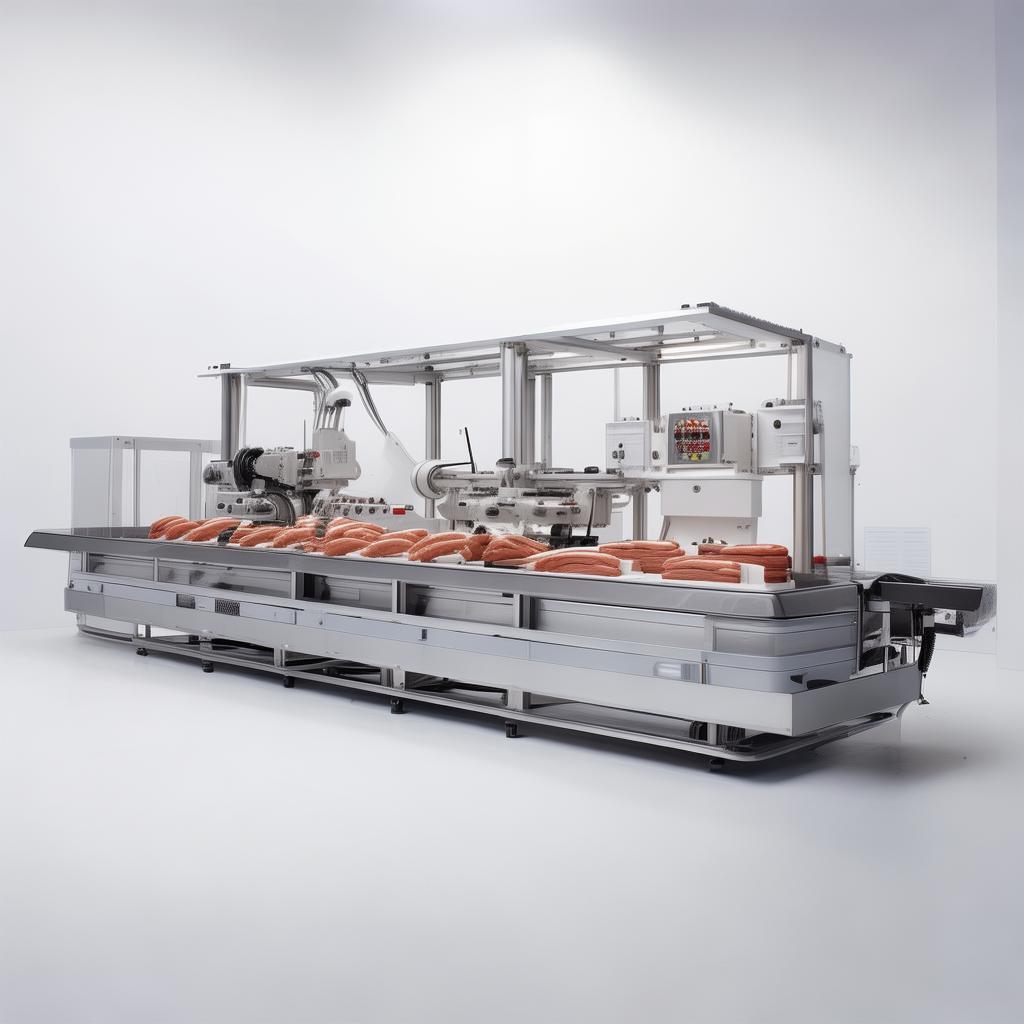
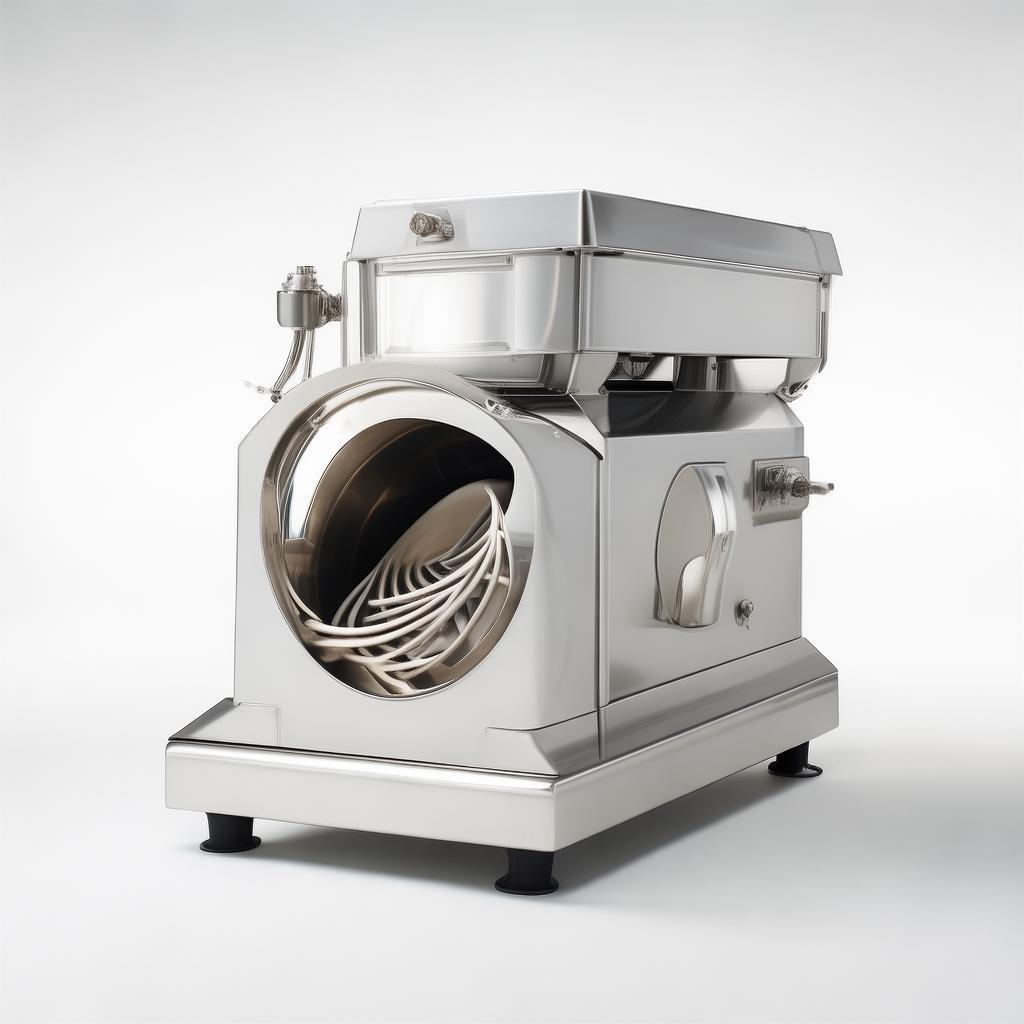
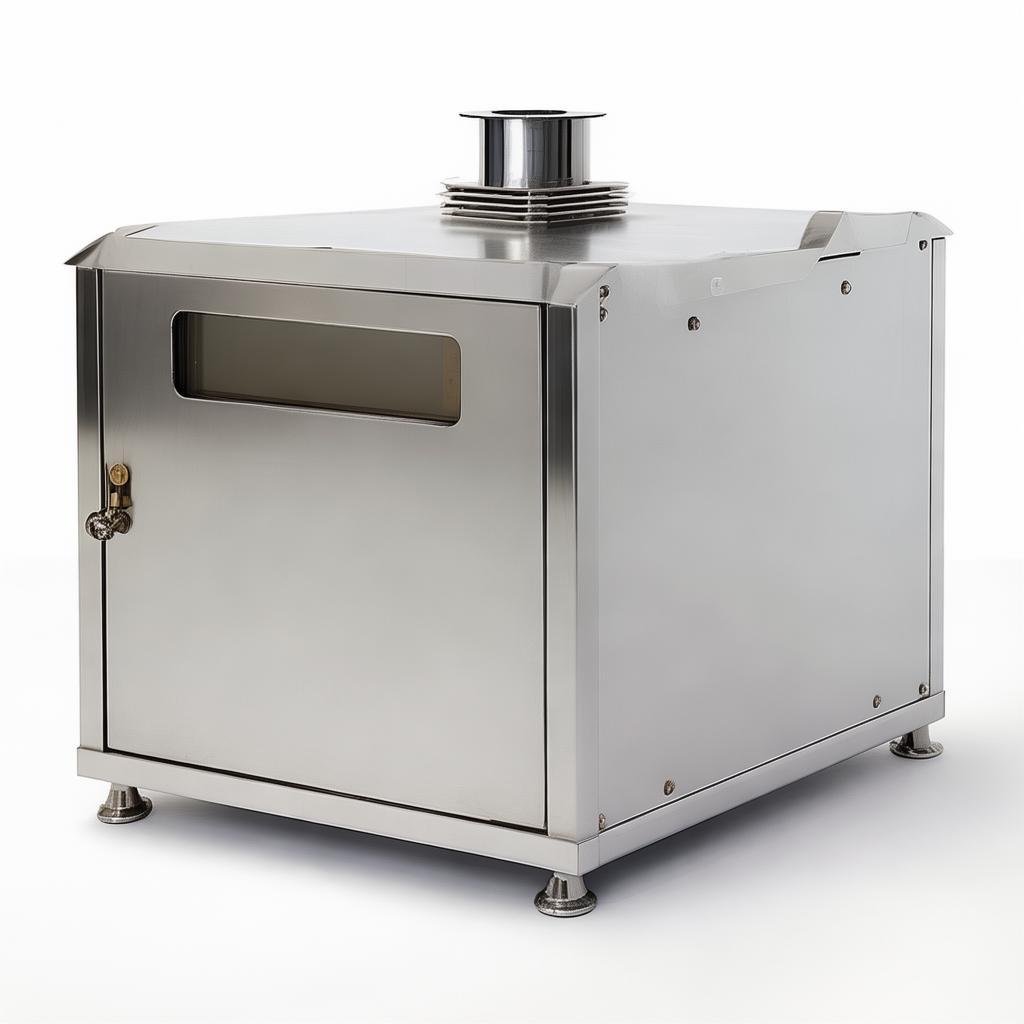
Sterile Filling Machine
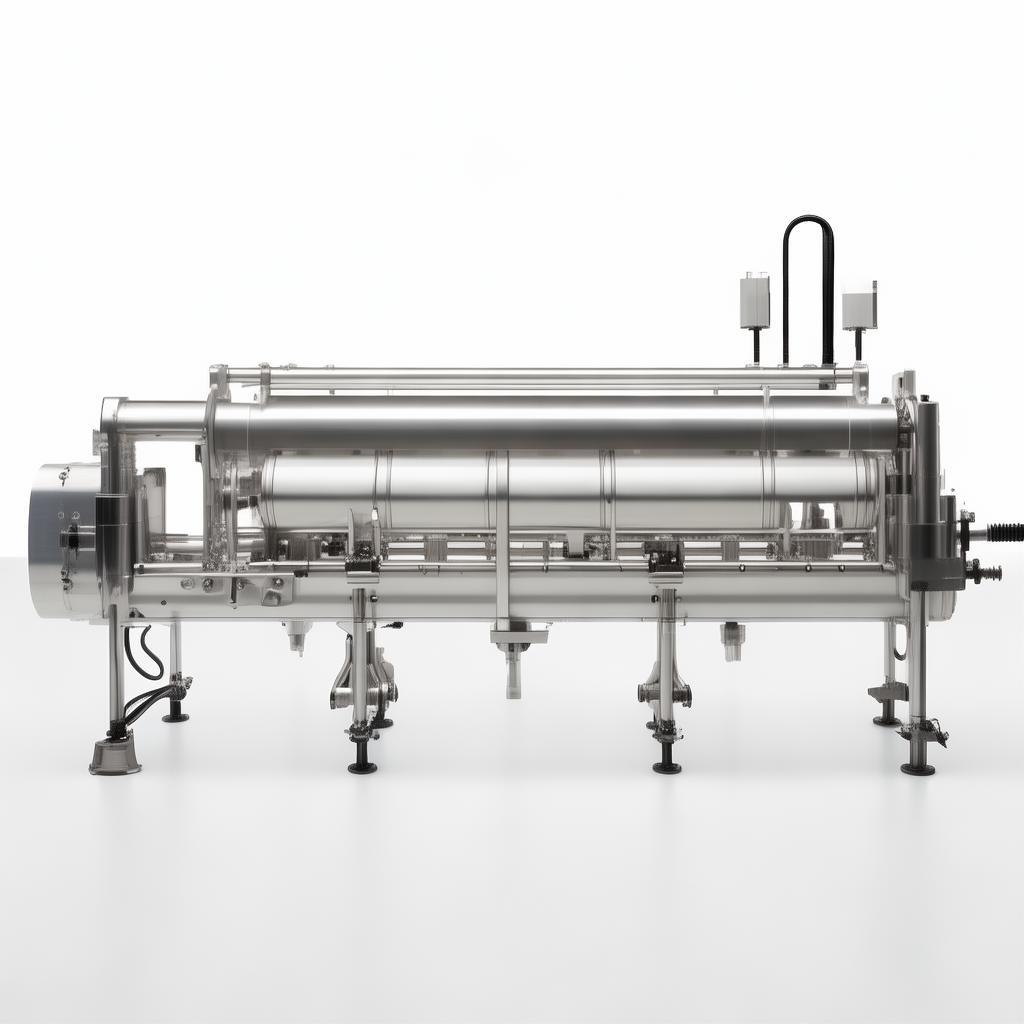
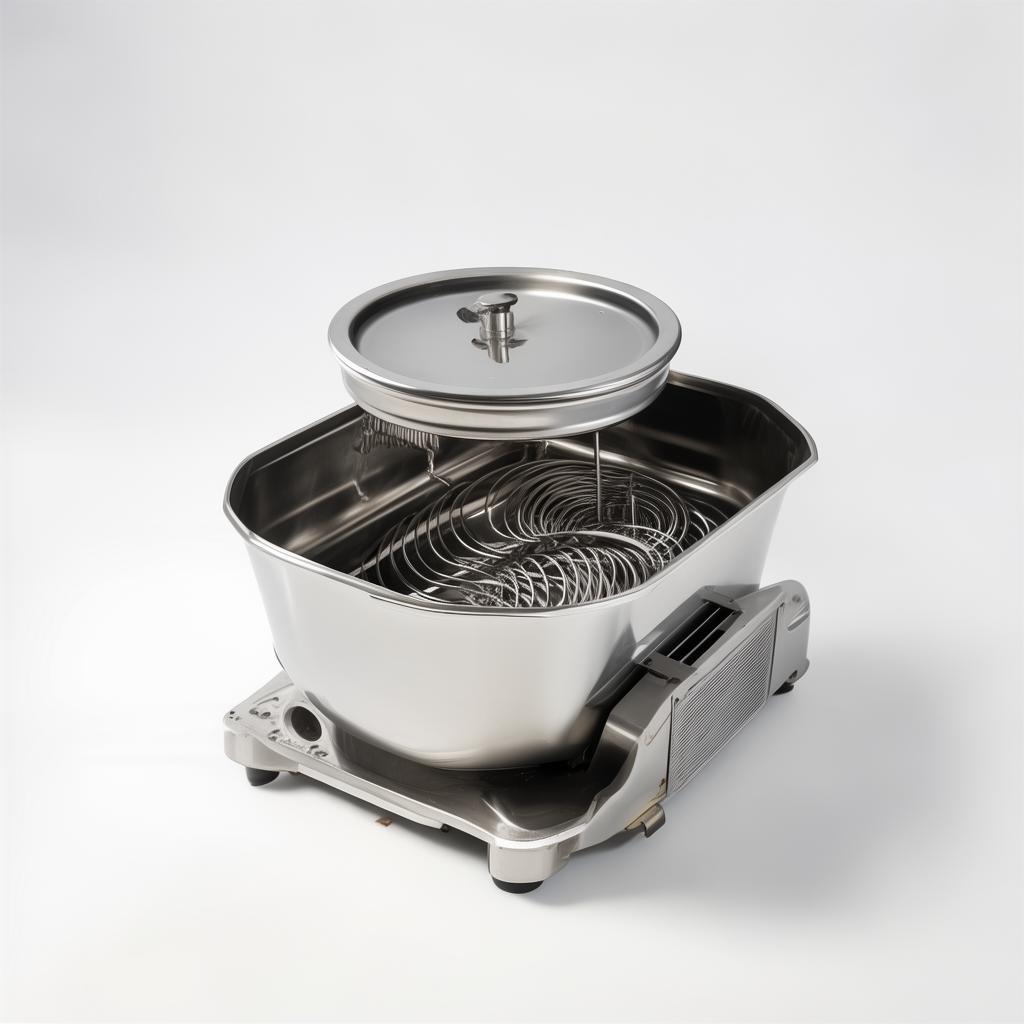
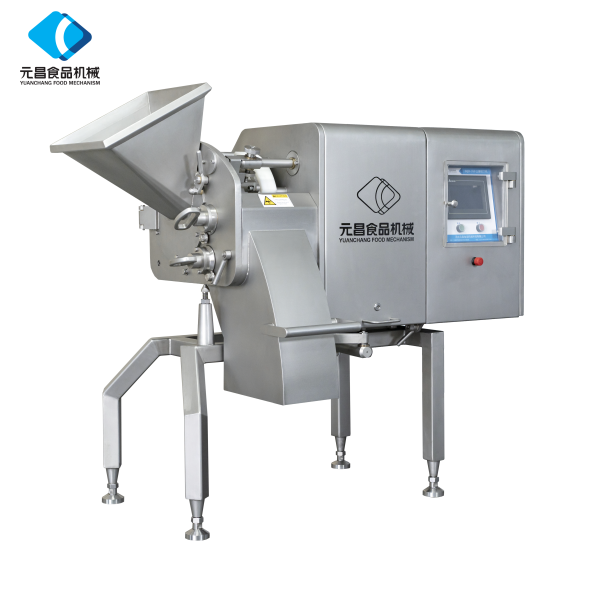
Sterile Filling Machines: Precision, Hygiene, and Efficiency for Critical Production Lines
By Li Wei, Export Director at Hebei Yuanchang Food Mechanism & Technology Co., Ltd.

Published: October 26, 2023
Ensuring Product Integrity: The Indispensable Role of Sterile Filling Machines in Modern Manufacturing
In today's highly regulated and quality-conscious manufacturing landscape, the integrity of the final product hinges on meticulous control at every stage of production. For industries where contamination is not just a risk but a catastrophic failure – think pharmaceuticals, biopharmaceuticals, cosmetics, and specialized food applications – maintaining a sterile environment during the filling process is paramount. This is where sterile filling machines come into play. They are not merely pieces of equipment; they are the guardians of product purity, designed and engineered to prevent microbial ingress and ensure that what leaves the factory is as pristine as intended.
The demand for sterile filling solutions is intricately linked to the broader trends in the global processed food and pharmaceutical sectors. Consider the meat processing equipment market, which is projected to reach USD 17.39 billion by 2034. While our expertise at Hebei Yuanchang lies predominantly in meat and pet food processing, the core principles of precision filling and hygiene are universal. Our 40 years of experience, since 1986, have provided us with an unparalleled understanding of how to achieve accurate, consistent, and contamination-free product delivery, a knowledge base we meticulously apply to our sterile filling solutions.
The stakes are incredibly high. A single breach in sterility can lead to product recalls, severe brand damage, regulatory penalties, and, most critically, risks to consumer health. This necessitates machinery that offers not only high throughput and accuracy but also robust sterilization capabilities, advanced containment technologies, and seamless integration into stringent cleanroom environments. Manufacturers are increasingly looking for solutions that minimize human intervention and potential contamination vectors, moving towards automated systems that can achieve and maintain aseptic conditions throughout the filling cycle.
We understand that selecting the right sterile filling machine is a significant investment. It requires a deep dive into the specific product characteristics (viscosity, particulate matter, pH), the required level of sterility (aseptic, terminal sterilization compatibility), container types (vials, syringes, bottles, bags), and production volume. Our approach is consultative. We don't just sell machines; we partner with you to ensure the chosen solution aligns perfectly with your operational needs, regulatory requirements (like FDA, EMA standards), and long-term strategic goals. This often involves understanding the intricacies of different filling technologies, such as volumetric filling, gravimetric filling, or time-pressure filling, and determining which best suits your unique product and container combination for sterile applications.
The global market for food processing equipment, a sector where precision and hygiene are paramount, underscores the importance of such machinery. Reports indicate significant growth in this sector, with some segments reaching tens of billions of dollars annually. For instance, the meat processing equipment market, valued at USD 11.28 billion in 2024, includes filling and stuffing equipment as crucial components. Our understanding of these diverse yet interconnected industrial demands allows us to engineer sterile filling machines that meet the exacting standards of even the most sensitive applications.
Our commitment extends beyond the initial sale. With over 40 years in manufacturing, including a sophisticated in-house machining workshop boasting more than 20 sets of advanced processing machinery and Japanese Mazak CNC machining centers, we possess the capability to produce high-standard, high-precision components. This internal capacity is crucial for manufacturing sterile filling machines that meet stringent tolerances and reliability requirements, ensuring worry-free after-sales service and the availability of critical spare parts. We have dedicated ourselves to R&D, production, and sales, creating a holistic approach to equipment manufacturing that prioritizes both innovation and steadfast quality.
Furthermore, the evolving regulatory landscape, particularly concerning Good Manufacturing Practices (GMP) and environmental controls, demands equipment that actively contributes to compliance. Sterile filling machines equipped with features like HEPA filtration, laminar airflow, integrated sterilization cycles (e.g., SIP - Steam-in-Place, or CIP - Clean-in-Place where applicable), and advanced data logging for validation purposes are becoming standard requirements. We pride ourselves on staying ahead of these trends, offering machinery that not only meets current standards but is also future-proofed for evolving industry expectations and technological advancements.
Choosing Hebei Yuanchang means opting for a partner with a proven track record, deep technical expertise, and a genuine understanding of the critical nature of sterile processing. We invite you to explore how our sterile filling machines can elevate your production standards, ensure product safety, and provide the robust performance your critical applications demand.
Navigating the Challenges: Common Bottlenecks in Sterile Filling Operations
Operating a production line that requires sterile filling presents a unique set of challenges. Beyond the sheer complexity of maintaining an aseptic environment, manufacturers often grapple with:
- Risk of Contamination: This is the most obvious and critical concern. Even minor lapses in procedure or equipment integrity can lead to microbial contamination, compromising product safety and efficacy.
- Achieving and Maintaining Aseptic Conditions: Establishing and holding a sterile field during operation requires sophisticated environmental controls (HVAC, HEPA filters, gowning procedures) and equipment designed for aseptic processing.
- Filling Accuracy and Consistency: For high-value products like pharmaceuticals or sensitive biologics, precise dosing is non-negotiable. Inconsistent fills can lead to under- or over-dosing, impacting efficacy and increasing waste.
- Product Viscosity and Foaming: Some sterile products, especially in specialized food or cosmetic applications, can be viscous or prone to foaming, making accurate and clean filling a technical hurdle.
- Container Variety and Handling: Dealing with different types of sterile containers – vials, syringes, ampoules, specialized bags – each with its own handling requirements, adds complexity.
- Validation and Regulatory Compliance: Proving that your filling process is consistently sterile and compliant with stringent regulations (e.g., FDA 21 CFR Part 211, EMA GMP guidelines) is a continuous and demanding process.
- Operational Downtime: Sterilization cycles, cleaning procedures, and maintenance can lead to significant downtime if not managed efficiently, impacting overall production throughput.
- Cost of Equipment and Maintenance: High-specification sterile filling machinery represents a substantial capital investment, and ongoing maintenance, calibration, and validation add to operational costs.
Addressing these pain points requires machinery that is not only technically advanced but also built with operational realities in mind. Our 40 years of manufacturing experience mean we understand the practicalities of running a production line, and we engineer our sterile filling machines to mitigate these challenges.
Engineered for Purity: Key Advantages of Our Sterile Filling Machines
Our sterile filling machines are designed to provide manufacturers with confidence in their product's integrity and their production efficiency. We focus on core advantages that directly address the stringent demands of aseptic environments:
- Superior Sterility Assurance: Equipped with advanced sealing mechanisms, specialized product pathways, and compatibility with common sterilization methods (like steam or chemical sterilization), minimizing the risk of microbial contamination.
- High-Precision Dosing: Utilizing precise volumetric or gravimetric filling systems, ensuring accurate and repeatable fill volumes for critical applications, reducing waste and guaranteeing product consistency.
- Robust Construction for Cleanroom Environments: Fabricated from high-grade stainless steel (e.g., SS316L) with smooth, crevice-free surfaces for easy cleaning and sterilization, meeting stringent hygiene standards.
- Versatile Application Handling: Capable of handling a range of product viscosities and container types, with customizable nozzle designs and filling parameters to suit diverse needs.
- Minimized Human Intervention: Designed for high levels of automation, reducing operator exposure and the potential for contamination introduced by manual processes.
- Ease of Integration: Modular design and standard interface options allow for seamless integration into existing sterile production lines and cleanroom infrastructure.
- Compliance Ready: Engineered with features that support validation processes and adherence to global regulatory standards (e.g., FDA, GMP, ISO).
- Reliability and Durability: Built with the quality and robustness that comes from 40 years of industrial manufacturing experience, ensuring long-term performance and minimal downtime.
These advantages translate directly into improved product quality, enhanced regulatory compliance, and greater operational efficiency for our clients.
Technical Specifications: Precision Engineered for Sterile Applications
Understanding the technical details is crucial for validating a machine's suitability for sterile filling. Our machines are designed with meticulous attention to detail. While specific configurations vary based on application, here are typical specifications:
| Parameter | Specification Range | Notes |
|---|---|---|
| Filling Volume | 0.5 ml - 5000 ml (Customizable) | Adjustable based on nozzle and control system |
| Accuracy | ± 0.5% - ± 1% (Full Scale) | Depending on filling technology (e.g., volumetric, gravimetric) |
| Filling Speed | Up to 150 containers/minute (Single head, customizable) | Dependent on product, container size, and complexity |
| Materials of Construction | SS316L Stainless Steel, FDA-approved seals (e.g., PTFE, Silicone) | Critical for corrosion resistance and product compatibility |
| Control System | PLC with HMI Touchscreen Interface | User-friendly operation, recipe management, data logging |
| Sterilization Compatibility | SIP, Autoclavable components, Chemical sterilization options | Configurable based on application requirements |
| Power Supply | 380V/50Hz/3 Phase (or as per customer requirement) | Standard industrial power requirements |
automatic filling machine automatic filling machines Aseptic filling machine
Our engineering team is adept at customizing these specifications to meet unique process requirements, including integration with upstream capping/sealing and downstream packaging equipment. We leverage our advanced Japanese Mazak CNC machining centers to produce custom components with high precision, ensuring every part of the filling system meets exacting standards.
Versatile Applications for Critical Industries
Sterile filling machines are essential across a spectrum of industries where product purity and safety are non-negotiable. Our equipment is designed to cater to these diverse needs:
- Pharmaceuticals: Filling sterile liquids, semi-solids, and suspensions into vials, syringes, and ampoules for injectable drugs, ophthalmic solutions, and oral medications.
- Biopharmaceuticals: Handling sensitive biologics, vaccines, and cell cultures with utmost care to maintain viability and efficacy.
- Cosmetics and Personal Care: Filling sterile creams, lotions, serums, and other skincare products where microbial contamination can affect product stability and user safety.
- Specialty Foods: For applications requiring high levels of sterility, such as infant formulas, medical nutritional supplements, or sterile liquid food ingredients.
- Diagnostic Kits: Dispensing sterile reagents, buffers, and biological samples for medical testing and diagnostic kits.
Each application demands a tailored approach, and our flexible machine designs allow us to adapt to the specific challenges presented by different product types and container formats.
Operational Realities: Installation, Validation, and Ongoing Care
Integrating and maintaining a sterile filling machine requires careful planning and execution. From our experience, these aspects are critical for long-term success:
Installation Considerations:
- Cleanroom Integration: The machine's footprint, utility connections (power, compressed air), and any potential for particle generation must be compatible with your existing or planned cleanroom classification.
- Layout and Workflow: Proper placement ensures a smooth, unidirectional flow of materials and personnel, crucial for aseptic processing. Consider space for staging sterile containers and for operators performing critical tasks.
- Utility Requirements: Ensure your facility can supply the necessary power, clean compressed air, and potentially steam or other sterilization media reliably.
Validation and Qualification:
- IQ/OQ/PQ Support: We provide documentation and support for Installation Qualification (IQ), Operational Qualification (OQ), and Performance Qualification (PQ) to help you meet regulatory demands. Our machines are designed with validation in mind, facilitating ease of testing.
- Calibration: Regular calibration of filling systems is essential for maintaining accuracy and compliance. We offer calibration services and guidance.
Maintenance and Service:
- Preventive Maintenance: A structured PM schedule, including cleaning, lubrication, and inspection of wear parts, is key to preventing unexpected breakdowns.
- Spare Parts Availability: Thanks to our robust in-house manufacturing capabilities, including over 20 sets of advanced machining equipment and Japanese Mazak CNC centers, we can ensure timely availability of high-precision spare parts, minimizing lead times and supporting your traceability requirements.
- Technical Support: Our team is available to provide remote assistance and on-site service when required.
Our 40 years of experience have taught us that proactive maintenance and thorough validation are as important as the initial machine design for achieving consistent sterile production.
Procurement Insights: Selecting Your Ideal Sterile Filling Partner
When sourcing a sterile filling machine, procurement managers and technical teams look beyond just the price tag. They assess value, reliability, and the supplier's commitment to quality and support. Here’s what we recommend considering:
Key Evaluation Factors:
- Technical Expertise and Customization: Can the supplier understand your unique product and process needs? Do they offer true customization rather than just off-the-shelf solutions? Our 40-year history and advanced manufacturing capabilities allow for deep customization.
- Compliance and Certifications: Verify that the manufacturer adheres to international quality standards (e.g., ISO 9001) and that the equipment design supports regulatory compliance (FDA, EMA GMP).
- After-Sales Support and Spares: What is the supplier's strategy for providing technical support, spare parts, and maintenance? Reliable access to parts and timely service are critical for minimizing downtime. Our integrated R&D, production, and sales model ensures robust after-sales management.
- Manufacturing Capability and Reputation: How long has the company been in business? What is their reputation for quality and reliability? Hebei Yuanchang has been operating since 1986, a testament to our enduring commitment and capability.
- Total Cost of Ownership (TCO): Consider not just the initial purchase price, but also ongoing costs for maintenance, spare parts, energy consumption, and potential downtime. A higher initial investment in a reliable, efficient machine often leads to lower TCO.
- References and Case Studies: Request references from similar clients or review case studies demonstrating successful implementations.
We believe in transparency and working collaboratively with our clients. By understanding these procurement priorities, we can demonstrate how Hebei Yuanchang provides superior value and a reliable partnership for your sterile filling needs.
Our Manufacturing Backbone: Driving Precision and Quality
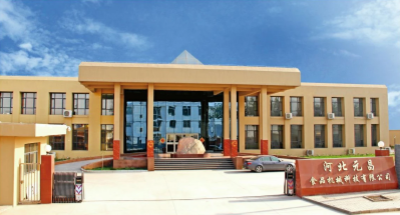
At Hebei Yuanchang, our commitment to delivering high-quality, precision-engineered equipment, including sterile filling machines, is built upon a foundation of strong in-house manufacturing capabilities.
- Extensive Facility: Operating across approximately 14,000 square meters, our facility houses integrated R&D, production, and sales operations.
- Experienced Workforce: A dedicated team of 80-100 skilled professionals drives our operations.
- Advanced Machining Workshop: Equipped with over 20 sets of processing machinery, including lathes, milling machines, high-precision grinding machines, boring machines, plate shears, bending machines, and wire cutting equipment.
- High-Precision CNC Centers: Since 2012, we've invested in 8 sets of Japanese Mazak CNC machining centers. This enables us to produce highly accurate, non-standard components in large volumes, critical for the tight tolerances required in sterile filling equipment.
- Traceable Quality Control: Our robust, traceable after-sales management system and independent production of high-precision parts ensure exceptional quality and reliable service.
- 40 Years of Expertise: Our legacy since 1986 means we have accumulated deep practical knowledge and expertise in designing and building robust production lines.
This integrated manufacturing approach allows us to control quality at every step, from raw material processing to final assembly, ensuring our sterile filling machines meet the highest industry standards.
Commitment to Quality: Our Certifications
Our dedication to quality and safety is reflected in our adherence to international standards. While sterile filling machines often require specific validation for pharmaceutical applications, our manufacturing processes are built upon a framework of quality assurance. We hold relevant certifications that underscore our commitment to reliable production:
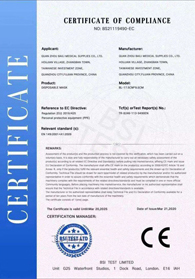

We are equipped to meet specific client requirements for documentation and validation related to their industry's regulatory needs.
What Our Clients Say
"The precision of the sterile filling machine from Hebei Yuanchang has been a game-changer for our pharmaceutical production. Accuracy is consistently within ±0.8%, and the integration into our cleanroom was smoother than anticipated. Highly recommend their engineering support."

Dr. Anya Sharma
Chief Quality Officer, MedPro Pharma (USA)
"We needed a reliable solution for sterile filling of our specialty nutritional supplements. Hebei Yuanchang delivered a machine that handles our viscous product without foaming, maintaining excellent fill accuracy. Their after-sales support has been responsive, which is crucial for our 24/7 operations."

Mark Jenkins
Operations Manager, NutriLife Solutions (Canada)
"The quality of the stainless steel construction and the precision of the filling nozzles on the sterile filler are outstanding. We've significantly reduced product giveaway and improved our batch consistency since implementing their system. Their engineering team understood our specific needs for aseptic handling."

Sarah Lee
Plant Manager, BioCosmetics Inc. (UK)
Frequently Asked Questions (FAQ)
Q1: What is the typical lead time for a sterile filling machine?
A1: Lead times can vary based on customization complexity and current production schedules. Generally, expect a lead time of 8-16 weeks from order confirmation to delivery. We can provide a more precise estimate upon detailed inquiry.
Q2: Can your sterile filling machines handle volatile or highly viscous products?
A2: Yes, we design our filling systems with specific product characteristics in mind. For volatile products, we incorporate features to minimize aerosolization. For viscous products, we utilize specialized pumping mechanisms and nozzle designs to ensure accurate and clean filling. Our engineering team will assess your product's properties.
Q3: What level of validation documentation do you provide for pharmaceutical clients?
A3: We provide comprehensive documentation packages to support IQ, OQ, and PQ protocols. This typically includes design specifications, material certifications, FAT (Factory Acceptance Test) reports, and user manuals. We can work with clients to meet specific regulatory body requirements.
Q4: Are your machines compatible with different container types and sizes?
A4: Our sterile filling machines are designed for flexibility. We offer interchangeable parts and adjustable settings to accommodate a wide range of container types (vials, syringes, ampoules, bottles) and sizes. Please provide your specific container details for a precise solution.
Q5: What warranty do you offer on your sterile filling machines?
A5: We typically offer a 12-month warranty against manufacturing defects from the date of installation or commissioning. Our robust manufacturing processes and quality control ensure high reliability.
Ready to Elevate Your Sterile Production?
Let's discuss how our precision-engineered sterile filling machines can meet your most demanding requirements for purity, accuracy, and efficiency.