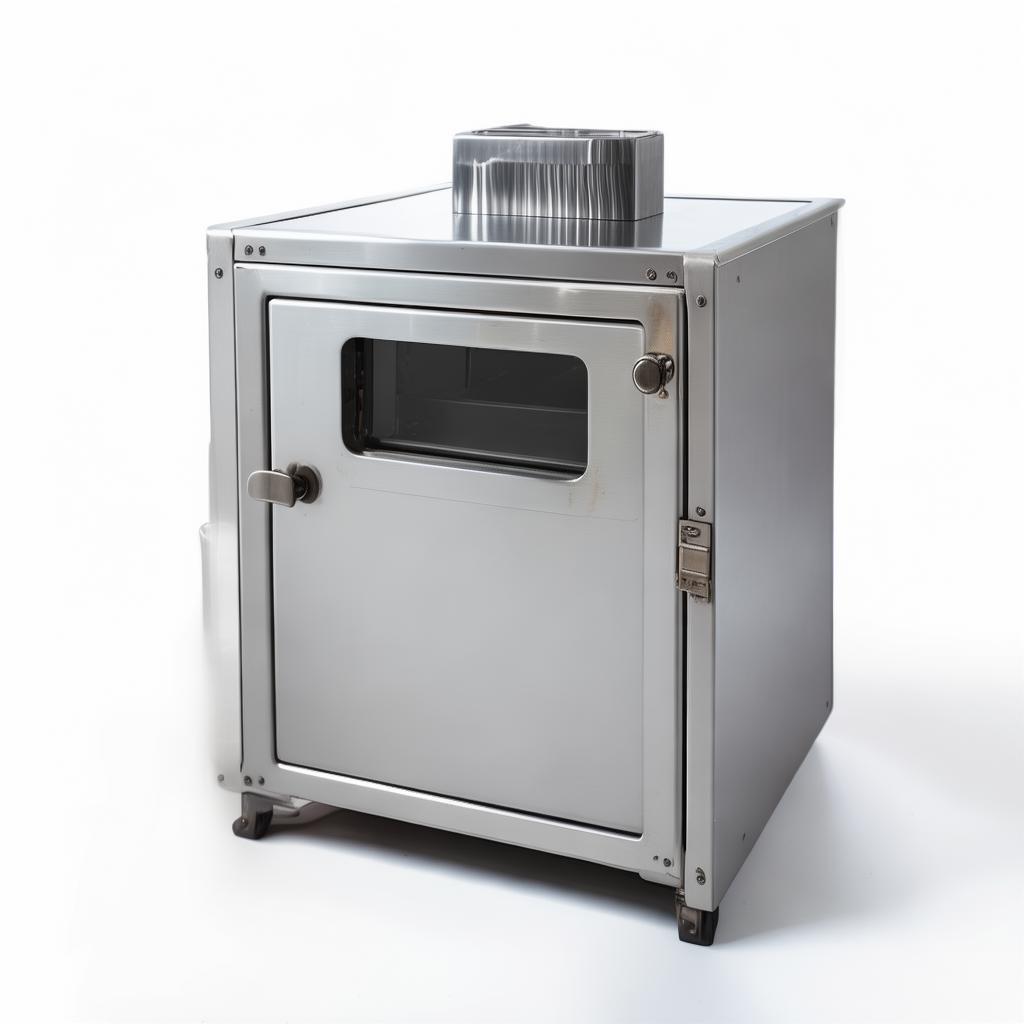
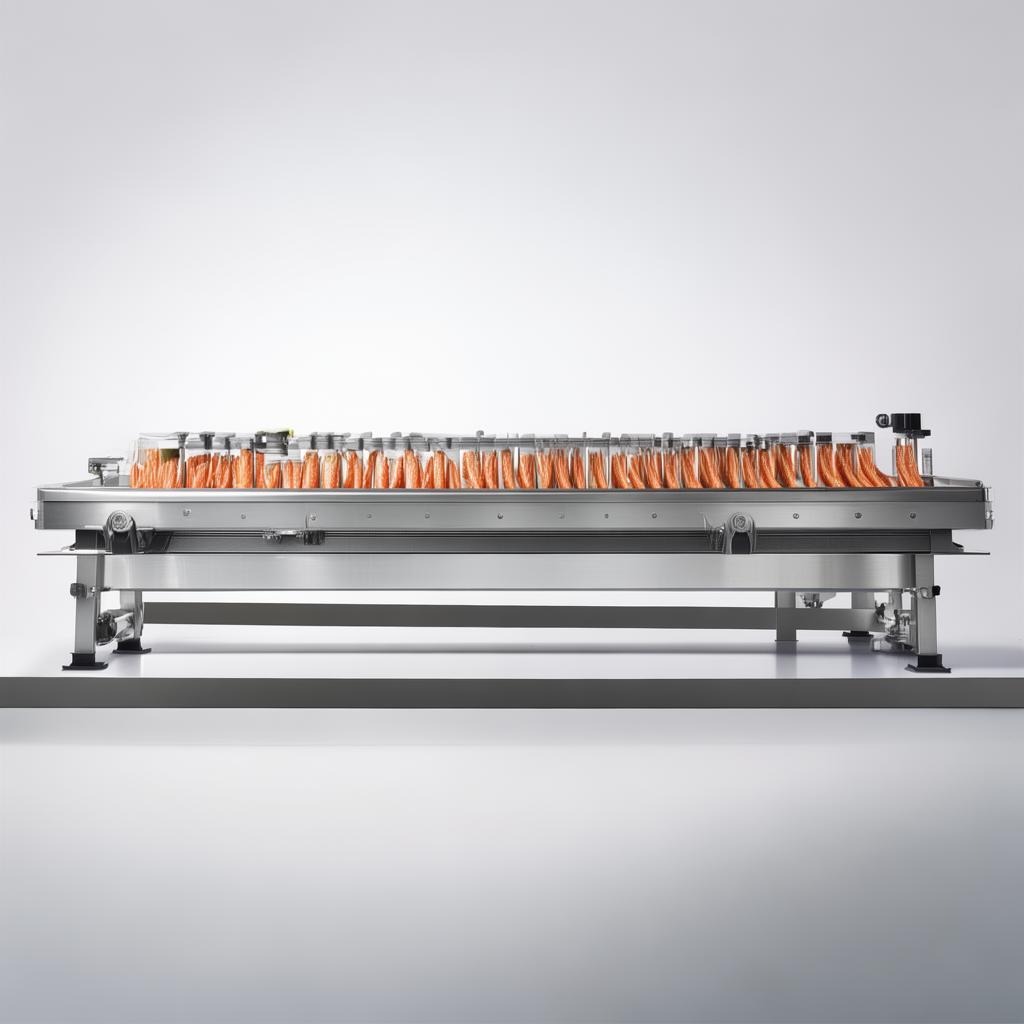
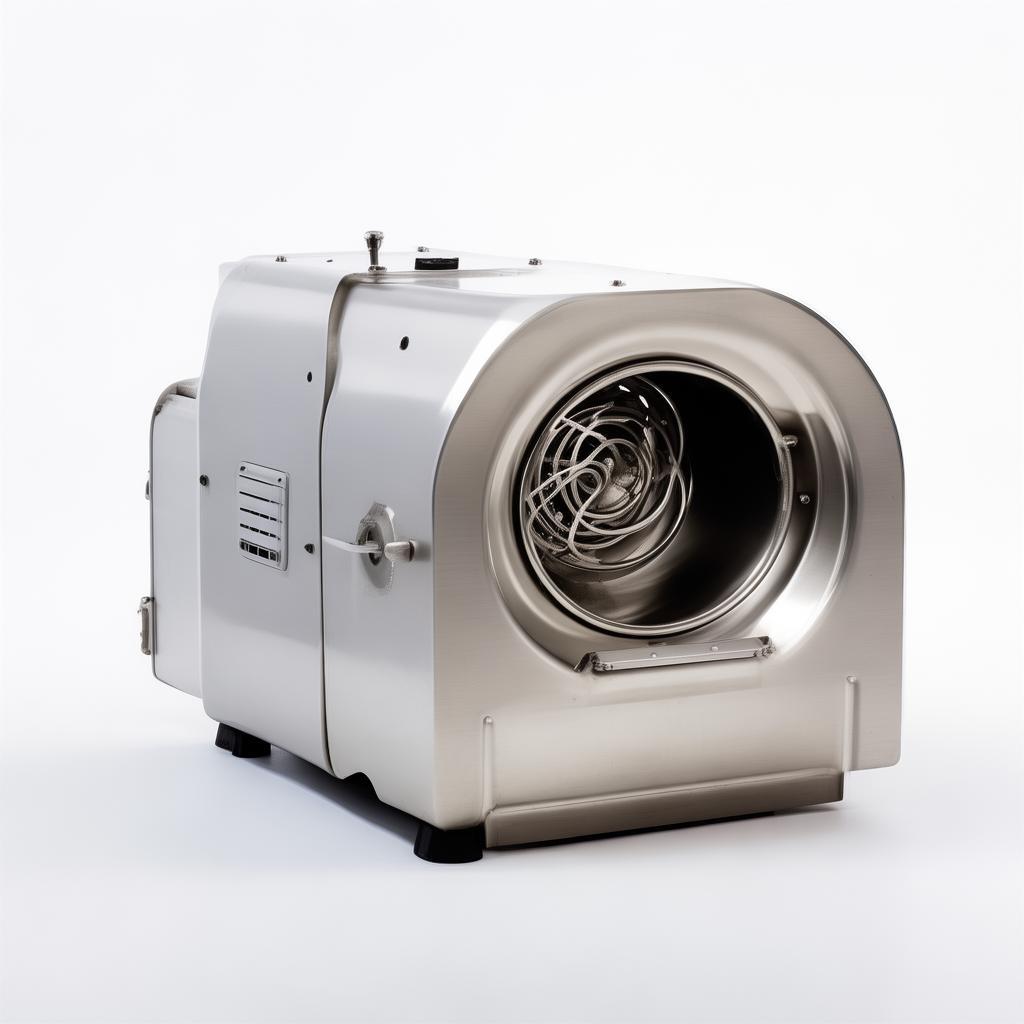
Stainless Steel Containers Industrial
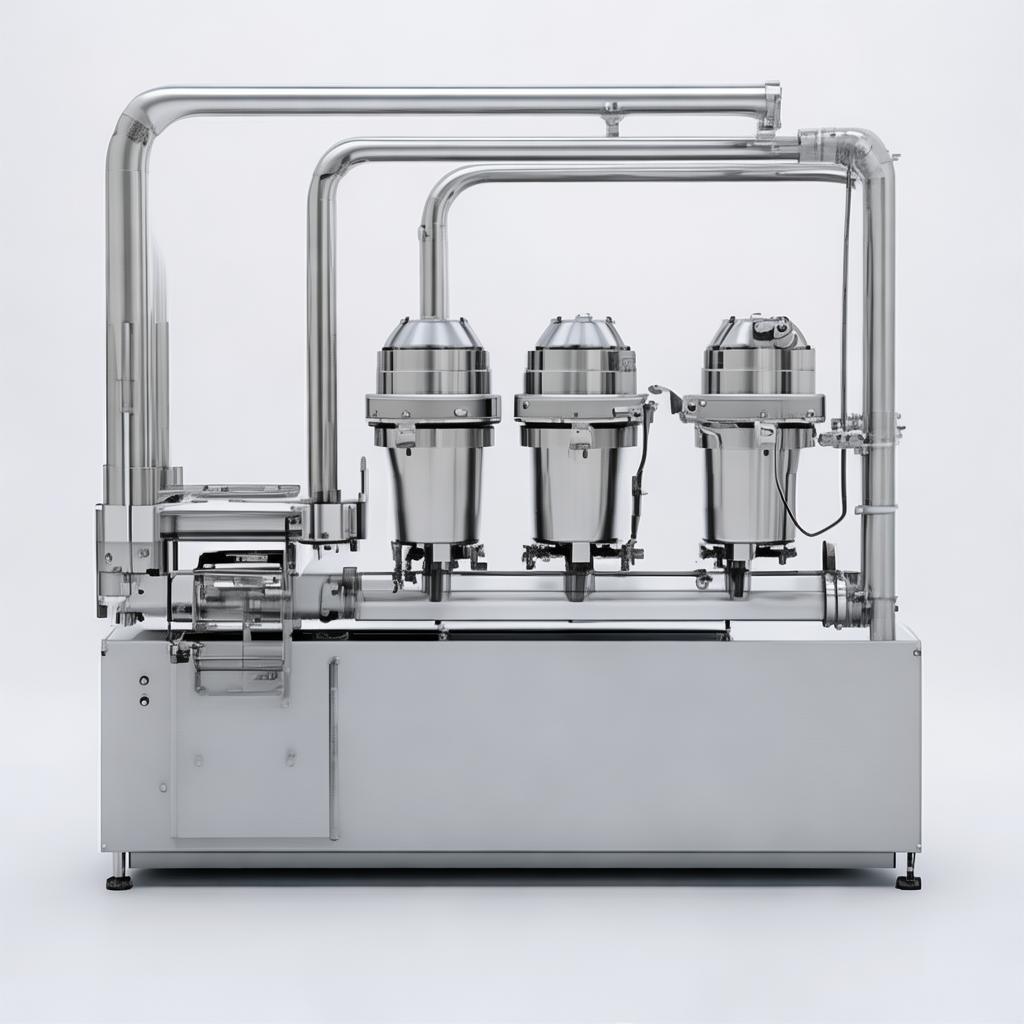
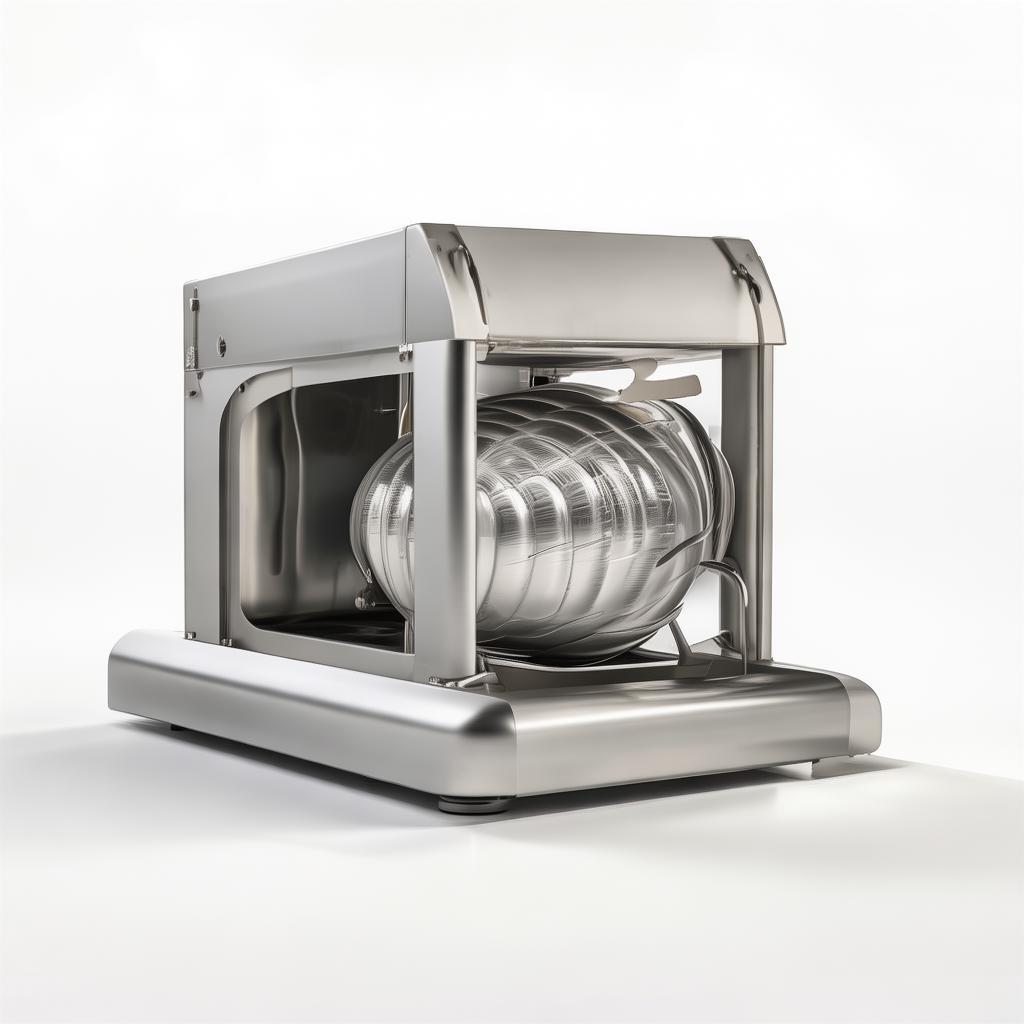
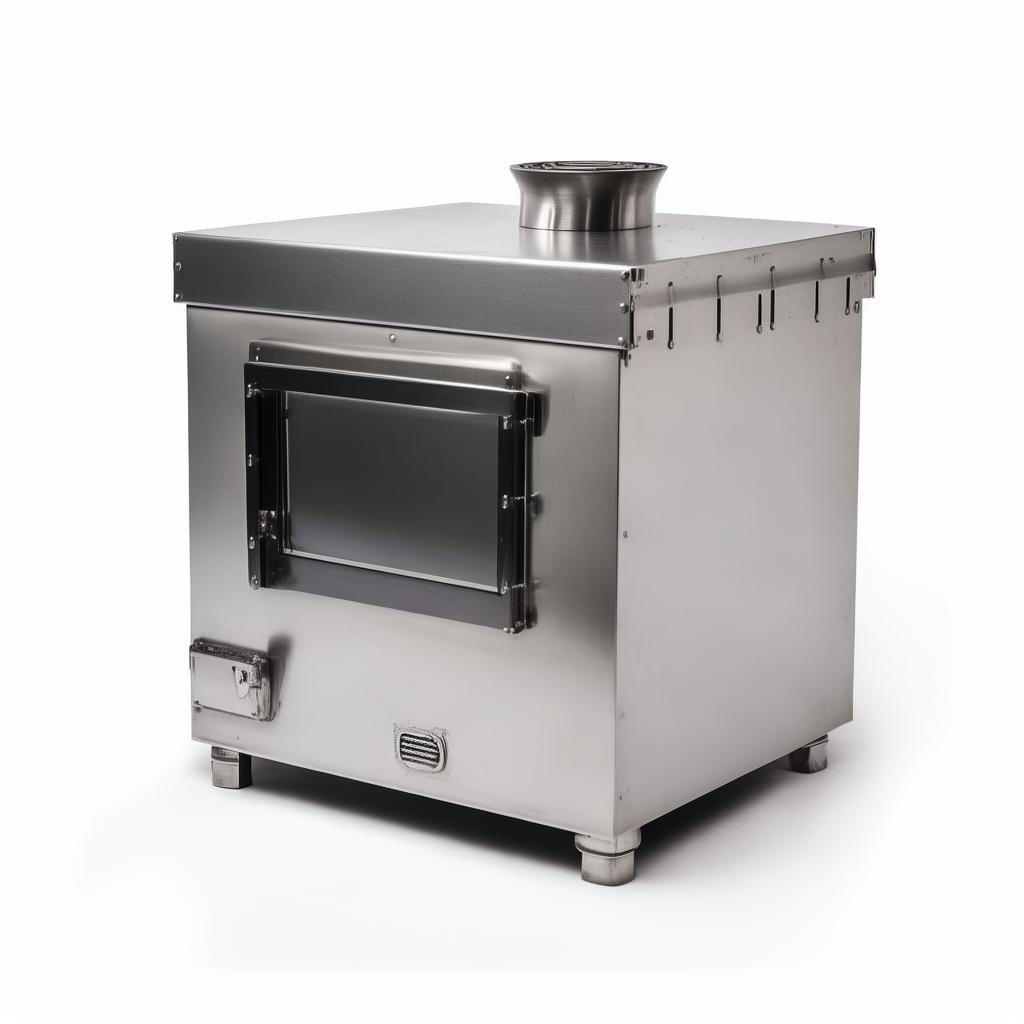
Stainless Steel Containers for Industrial Applications: Durability, Hygiene, and Efficiency
Your Trusted Partner in High-Quality Industrial Storage and Processing Solutions

The Backbone of Modern Food Processing: Why Stainless Steel Containers Matter
In the fast-paced world of industrial manufacturing, particularly within the food processing, chemical, and pharmaceutical sectors, the choice of containment is far from trivial. It’s a decision that directly impacts product integrity, operational efficiency, regulatory compliance, and ultimately, profitability. Among the array of materials available, stainless steel containers have consistently risen to the top as the preferred choice for demanding industrial environments. Their inherent properties—robustness, non-reactivity, ease of cleaning, and longevity—make them indispensable for applications ranging from raw material storage and intermediate product handling to final product shipping and sterile processing. We understand that selecting the right container isn't just about holding something; it's about safeguarding quality, ensuring safety, and optimizing every step of your production workflow. For operations that cannot afford compromise, stainless steel offers a benchmark of reliability that few other materials can match. The consistent demand for processed meats, for instance, which the market is projected to reach USD 1,330.45 billion by 2035 according to Precedence Research, underscores the critical role of reliable processing equipment and storage solutions like stainless steel containers. These containers are not merely passive vessels; they are active participants in maintaining the quality and safety of the products they hold, from initial pretreatment stages to final ripening and packaging.
The global meat processing equipment market, valued at USD 11.28 billion in 2024 and projected to reach USD 15.04 billion by 2030 (Grand View Research), highlights a sector heavily reliant on durable, hygienic equipment. Within this, the role of containers is paramount. They are the first line of defense against contamination and the primary means of facilitating efficient material flow. Whether you’re dealing with bulk ingredients, delicate food items, sensitive chemicals, or sterile pharmaceutical components, the material's interaction with its contents is crucial. Stainless steel's passivity – its resistance to corrosion and chemical reaction – ensures that the purity of your product is maintained without leaching or unwanted taste transfer. This is a non-negotiable requirement in industries where even trace contamination can lead to costly recalls, reputational damage, and serious health risks. Our expertise lies in providing solutions that meet these exacting standards, offering containers designed for specific industrial needs, ensuring that your operations run smoothly and safely.
Consider the challenges faced by a large-scale meat processor. Raw materials need to be stored hygienically, intermediate products must be transported between processing stages without degradation, and finished goods require secure, food-grade packaging for distribution. Each stage demands a container that can withstand rigorous cleaning protocols, potential impacts, and varying temperature conditions. Stainless steel excels here. Its smooth, non-porous surface is exceptionally easy to clean and sanitize, a critical factor in preventing microbial growth. This hygienic advantage is further amplified when considering the growing emphasis on food safety regulations worldwide. Furthermore, the mechanical strength of stainless steel means containers can be stacked, moved with forklifts, and subjected to industrial washing cycles without succumbing to deformation or damage, unlike many plastic alternatives. This robustness translates directly into a longer service life and reduced replacement costs over time, a key consideration for procurement managers focused on total cost of ownership.
Beyond food, the chemical and pharmaceutical industries depend on containers that can handle corrosive substances, maintain product purity under stringent conditions, and comply with strict regulatory frameworks like GMP (Good Manufacturing Practices). Stainless steel, particularly grades like 304 and 316, offers the chemical inertness necessary for these sensitive applications. It resists staining, odor retention, and degradation, ensuring that the container itself does not become a contaminant. This is vital for processes where even minor chemical interactions can compromise the efficacy or safety of the end product. Our range of stainless steel containers is engineered to meet these diverse and critical requirements, providing reliable containment solutions that support operational integrity and regulatory adherence.
The operational advantages are equally compelling. The standardized dimensions and robust construction of industrial stainless steel containers facilitate efficient material handling, storage, and transportation. They integrate seamlessly into automated systems, conveyor belts, and pallet racking, maximizing warehouse space and streamlining logistics. Their durability means fewer replacements, lower waste, and a more sustainable operational footprint. In sectors like pet food processing, where the market is experiencing significant growth driven by increased pet ownership and premiumization trends, efficient and hygienic handling of ingredients and finished products is crucial. Stainless steel containers provide the ideal solution for maintaining the quality and safety of these specialized products throughout the supply chain. The investment in quality stainless steel containers is an investment in operational excellence, product integrity, and long-term business success.
Addressing Key Industry Challenges with Stainless Steel Solutions
Industrial operations today are under constant pressure to improve efficiency, maintain uncompromising hygiene standards, and minimize waste, all while navigating complex supply chains and regulatory environments. Traditional materials often fall short, leading to a host of operational headaches. Plastic containers can crack, become brittle over time, harbor bacteria in microscopic fissures, and absorb odors, requiring frequent replacement and posing hygiene risks. Wood pallets and crates, while economical initially, are prone to splintering, moisture absorption, and infestation, making them unsuitable for many sensitive applications and difficult to sanitize effectively. Carbon steel, though strong, is susceptible to rust and corrosion, requiring protective coatings that can wear off, compromising both the container and its contents.
Hygiene & Contamination Control
The primary challenge in food, pharma, and chemical processing is preventing contamination. Stainless steel's non-porous, smooth surface is impervious to bacterial colonization and chemical absorption. It cleans and sanitizes thoroughly, unlike many plastics that can develop micro-scratches harboring pathogens. This is critical for meeting stringent standards like HACCP and GMP. For instance, the USDA and FDA mandate hygienic practices, making stainless steel an industry standard for compliance.
Durability & Longevity
Industrial environments are tough. Containers face impacts from forklifts, heavy stacking, and harsh washing cycles. Stainless steel offers superior mechanical strength and impact resistance. This translates to a significantly longer service life compared to plastic, reducing the total cost of ownership and minimizing downtime associated with frequent replacements. Many of our containers are designed to last for decades with proper care.
Chemical Resistance & Product Integrity
In chemical processing or food applications involving acids, salts, or specific marinades, container material compatibility is vital. Stainless steel, especially grades like 304 and 316, exhibits excellent resistance to a wide range of chemicals. This prevents corrosion, leaching, and unwanted reactions that could compromise product purity and safety. This is particularly important for sensitive applications like dairy processing or pharmaceutical ingredient handling.
The continuous drive for automation and efficiency in the meat processing sector, evidenced by market reports showing consistent growth (e.g., IMARC Group projecting USD 18.3 billion by 2034), also places high demands on the physical integrity and standardization of handling equipment. Stainless steel containers are perfectly suited for integration into automated workflows, from robotic handling to high-speed filling lines. Their predictable dimensions and robust build ensure reliable performance in these demanding setups. By choosing stainless steel, you directly address these persistent operational challenges, ensuring your production lines run smoother, safer, and more cost-effectively.
Superior Material Properties: The Stainless Steel Advantage
The inherent advantages of stainless steel aren't accidental; they stem from its unique metallurgical composition and structure. This material offers a blend of physical and chemical properties that make it exceptionally well-suited for demanding industrial applications where hygiene, durability, and product integrity are paramount.
- Corrosion Resistance: The key element is chromium, which forms a passive oxide layer on the surface. This layer is self-healing and provides excellent protection against rust and corrosion from moisture, acids, alkalis, and various chemicals. Different grades (e.g., 304, 316) offer varying levels of resistance for specific environments.
- High Strength and Durability: Stainless steel exhibits a high tensile strength and impact resistance. This allows containers to withstand heavy loads, stacking, and the rigors of industrial handling without deforming, cracking, or puncturing. This longevity significantly reduces replacement costs over the equipment's lifecycle.
- Hygienic Surface: The smooth, non-porous finish of polished stainless steel makes it incredibly easy to clean and sterilize. It prevents the adhesion and growth of bacteria, molds, and other microorganisms, which is crucial for food, pharmaceutical, and medical applications.
- Temperature Stability: Stainless steel maintains its structural integrity across a wide temperature range, from cryogenic storage to high-temperature processing environments. It is resistant to warping or degradation from thermal cycling.
- Non-Reactivity: It does not react with most food products, chemicals, or pharmaceuticals. This ensures that the taste, smell, color, and composition of the contents remain unaltered, preserving product quality and preventing contamination.
- Low Maintenance: Unlike materials that require frequent recoating or specialized cleaning agents, stainless steel containers need minimal maintenance. Standard cleaning and occasional inspection are usually sufficient for decades of service.
These material benefits translate directly into operational advantages. For a processing plant handling large volumes of ingredients, the consistent quality and reliability of stainless steel containers mean predictable performance and reduced risk. The market for meat processing equipment, which includes a significant need for material handling and storage, is projected to reach USD 19.11 billion by 2035 (Precedence Research), underscoring the demand for robust, food-grade solutions.
Diverse Applications Across Industries
The versatility of stainless steel containers makes them indispensable across a broad spectrum of industrial sectors. Their ability to maintain product integrity, withstand harsh conditions, and adhere to strict hygiene protocols positions them as the premier choice for various applications.
Food & Beverage Processing
From dairy and bakery to meat and poultry, these containers are used for receiving raw ingredients, processing, fermentation, ripening (e.g., using massaging equipment for meat), storage of intermediate products, and shipping finished goods. They are critical for maintaining food safety and preventing cross-contamination. The increasing demand for processed and convenience meats, driving market growth (Fortune Business Insights forecasts USD 1.25 trillion by 2034), relies heavily on such hygienic storage solutions.
Pharmaceutical & Medical
In the pharmaceutical industry, where purity and sterility are non-negotiable, stainless steel containers are used for storing active pharmaceutical ingredients (APIs), excipients, sterile medical components, and during cleanroom operations. Their seamless construction and ease of sterilization meet stringent regulatory requirements like FDA and GMP standards.
Chemical Industry
For handling a wide array of chemicals, solvents, and reagents, stainless steel containers offer superior resistance to corrosion and chemical attack. They are used for storage, transport, and mixing of both hazardous and non-hazardous substances, ensuring containment and preventing reactions with the container material.
Cosmetics & Personal Care
Manufacturers of cosmetics and personal care products utilize stainless steel for storing raw materials, processing batches, and holding finished goods. The material's inertness prevents contamination and maintains the stability and quality of sensitive formulations.
The expansive nature of the food processing industry, which encompasses meat, poultry, and seafood, underscores the broad applicability of our solutions. With market segments for processing equipment alone expected to reach USD 30.5 billion by 2035 (GM Insights), the demand for reliable containment is clear. Our stainless steel containers are designed to meet these diverse needs, supporting operations from basic ingredient storage to advanced processing stages.
Technical Specifications & Customization Options
Understanding the precise technical requirements of your operation is key to selecting the right stainless steel container. We offer a range of standard sizes and configurations, alongside extensive customization capabilities to meet unique demands. Our commitment is to provide a solution that perfectly fits your workflow, not just a generic container.
Standard Features & Materials
Our standard industrial containers are typically manufactured from food-grade stainless steel alloys, most commonly:
- SS 304: The workhorse of the stainless steel world, offering excellent corrosion resistance and durability for general food processing, chemical storage, and industrial applications.
- SS 316: Featuring molybdenum, this grade provides enhanced resistance to pitting and crevice corrosion, making it ideal for more aggressive chemical environments or applications involving chlorides, such as marine or highly saline conditions.
Typical Specifications
| Feature | Specification | Notes |
|---|---|---|
| Material Grade | SS 304 / SS 316 | Food grade and corrosion-resistant |
| Surface Finish | Brushed / Polished (e.g., 2B or BA) | For hygiene and ease of cleaning |
| Construction | Seamless or Welded (TIG) | Robust and leak-proof |
| Lid Options | Removable, Hinged, Clamped, Gasketed | For secure sealing and access |
| Drainage | Optional Ball Valve/Drain Plug | For easy emptying and cleaning |
| Mobility | Optional Casters (FDA Approved) | For easy maneuverability |
custom stainless steel products stainless steel platform stainless steel bowl cutter
Customization & OEM/ODM Capabilities
We pride ourselves on our ability to offer tailor-made solutions. Our in-house engineering and manufacturing capabilities allow us to produce containers to your exact specifications. This includes:
- Custom Dimensions: Need a specific height, width, or depth to fit your production line or storage space? We can fabricate it.
- Specialized Lids: Whether you need enhanced security, specific sealing mechanisms, or integrated dispensing systems, we engineer solutions.
- Integrated Features: Options like internal baffles, heating/cooling jackets, sampling ports, or specialized valve configurations can be incorporated.
- Branding: Laser etching or stamping of your company logo or batch identification.
- Material Variations: While SS 304 and 316 are standard, we can discuss other specialized alloys if required.
Our 40 years of experience since 1986, coupled with advanced Japanese CNC machining centers, enable us to handle complex, high-precision component production. This means we can tackle demanding OEM/ODM projects with confidence, delivering components and finished containers that meet the highest quality standards. Discuss your project requirements with our engineers today.
Procurement & Supplier Evaluation: What to Look For
Sourcing industrial equipment is a strategic decision, not just a transactional purchase. When it comes to stainless steel containers, buyers need to be diligent. A seemingly small difference in material quality, welding integrity, or design can have significant implications for your operations down the line. As seasoned industry professionals, we advise focusing on several key areas when evaluating potential suppliers.
Key Evaluation Criteria
- Material Traceability & Quality: Ensure the supplier uses certified stainless steel (e.g., 304, 316) and can provide material certifications if required. The quality of the raw material directly impacts the container's lifespan and performance.
- Manufacturing Expertise: Look for evidence of skilled welding (e.g., TIG welding for clean, strong seams), precise fabrication, and a robust quality control process. Experienced manufacturers understand the critical nature of these components.
- Industry Standards Compliance: Do their products meet relevant industry standards for hygiene (e.g., food-grade finishes), safety, and design? Compliance is crucial for regulatory adherence and operational safety.
- Customization Capabilities: If your needs are specific, can the supplier adapt their designs or manufacture bespoke solutions? This is where true partnership comes in.
- After-Sales Support & Warranty: What kind of warranty is offered? How responsive is their after-sales service for repairs or replacement parts? This indicates their confidence in product quality and their commitment to customer satisfaction.
- Production Capacity & Lead Times: Can they meet your volume requirements within your project timelines? Unrealistic lead times can cripple production schedules.
Our Commitment to Excellence
At Hebei Yuanchang Food Mechanism & Technology Co., Ltd., we address these points head-on. With over 40 years in manufacturing since 1986, we've honed our processes. Our in-house machining workshop, equipped with over 20 sets of processing machinery and advanced Japanese CNC centers, ensures we control quality from raw material to finished product. Our traceable after-sales management system means you're supported long after delivery. We don't just sell containers; we provide reliable industrial solutions.
Procurement professionals often face pressure to reduce costs. However, opting for the cheapest solution without considering total cost of ownership can lead to higher expenses through premature replacements, maintenance, and potential product loss. Request a detailed quote and discuss your specific application needs with our team to understand the true value we offer.
Logistics, Installation, and Maintenance Considerations
While stainless steel containers are built for durability, a few practical considerations can optimize their use and longevity in your industrial setting.
Shipping and Handling
We handle international shipping with care. Containers are typically packed securely to prevent damage during transit. Options like sea freight (FCL/LCL) and air freight are available, tailored to your urgency and budget. We work with reliable logistics partners to ensure timely and cost-effective delivery to your global destinations. Understanding container loading and consolidation is key for import efficiency.
Installation and Integration
Most of our containers are ready for use upon arrival. For units with optional casters or integrated valves, ensure they are securely fitted. If you are integrating these containers into an automated system, consult your internal engineering team or our technical support for compatibility checks. Standard container dimensions generally integrate smoothly with most pallet racking and conveyor systems.
Routine Maintenance for Longevity
Maintaining your stainless steel containers is straightforward:
- Cleaning: Regularly clean with mild detergents and water. For tougher residues, use approved non-abrasive cleaning agents. Always rinse thoroughly and dry to prevent water spots.
- Inspection: Periodically inspect for any signs of damage, particularly around welds or seams. Check the functionality of lids, hinges, and any optional valves or casters.
- Avoid Harsh Chemicals: While stainless steel is resistant, prolonged exposure to highly aggressive chemicals not suited for the specific grade (e.g., certain chlorides on SS 304) can cause issues. Consult our team if unsure about chemical compatibility.
- Avoid Abrasive Tools: Use soft cloths or brushes for cleaning. Steel wool or abrasive pads can scratch the surface, potentially compromising the passive layer over time.
Proper care ensures that your stainless steel containers continue to perform reliably for years, contributing to efficient operations and product safety. We provide guidance on care to maximize the lifespan of your investment.
Certifications and Quality Assurance
For critical applications in food, pharmaceutical, and chemical industries, certifications are not just desirable; they are often mandatory. We are committed to meeting and exceeding industry standards to ensure our stainless steel containers provide the utmost confidence in quality, safety, and compliance.
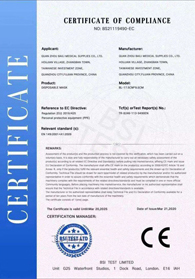
Our manufacturing processes adhere to strict quality control protocols, ensuring consistency and reliability. We work with certified raw material suppliers and employ rigorous testing throughout production. For specific requirements or documentation regarding certifications like ISO, FDA compliance for food contact, RoHS for material safety, or CE marking for European market access, please contact our sales team. We strive to provide transparent documentation to support your compliance efforts.
Hear From Our Satisfied Partners
Real-world performance and customer satisfaction are the ultimate testaments to our product quality and service. Here’s what some of our partners have to say:

Procurement Manager, AgriFoods Inc.
"We switched to Yuanchang's stainless steel vats for our dairy processing a few years back. The hygiene level is unmatched, and the ease of cleaning has significantly reduced our sanitation time. Their custom lid design was exactly what we needed to improve batch integrity. Highly recommend their export service."

Operations Director, PharmaChem Solutions
"For storing sensitive chemical intermediates, we couldn't compromise. Yuanchang's SS 316 containers have proven incredibly robust and inert. The precision manufacturing means no leaks, and the smooth finish ensures complete drainage and easy decontamination. Their communication throughout the order process was excellent."

Purchasing Agent, Global Meat Packers
"We needed durable containers for our sausage production line, something that could withstand daily washing and heavy use. Yuanchang delivered. Their containers are solid, easy to handle, and maintain hygiene standards. We've seen a noticeable improvement in our workflow since implementing them."
Ready to Enhance Your Operations?
Discover how our high-quality stainless steel industrial containers can bring durability, hygiene, and efficiency to your business.
Get In Touch
Hebei Yuanchang Food Mechanism & Technology Co., Ltd.
Address: Shijiazhuang, Hebei Province, China
Phone: +86 15830991513
E-mail: ycmeatmech@gmail.com
Website: www.ycmeatmech.com
Chat with Our Experts