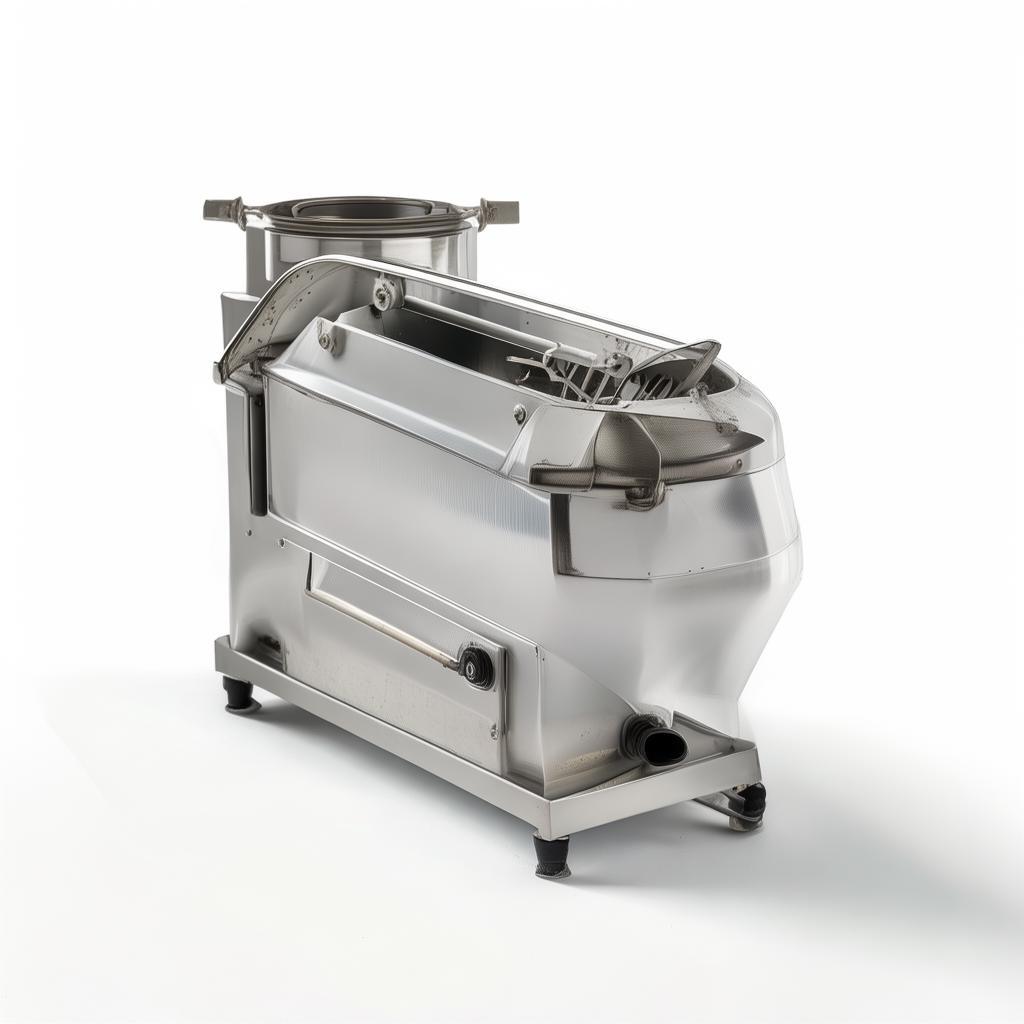
Soya Meat Making Machine
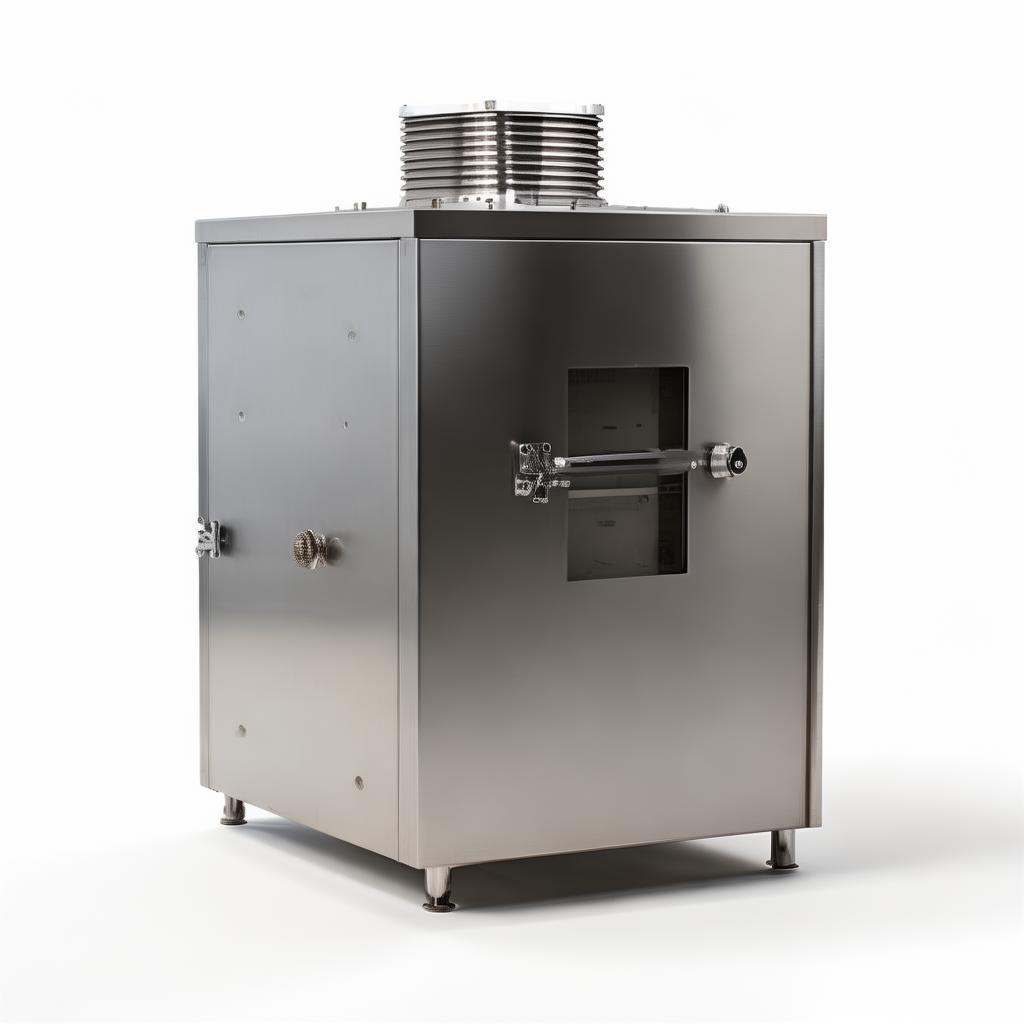
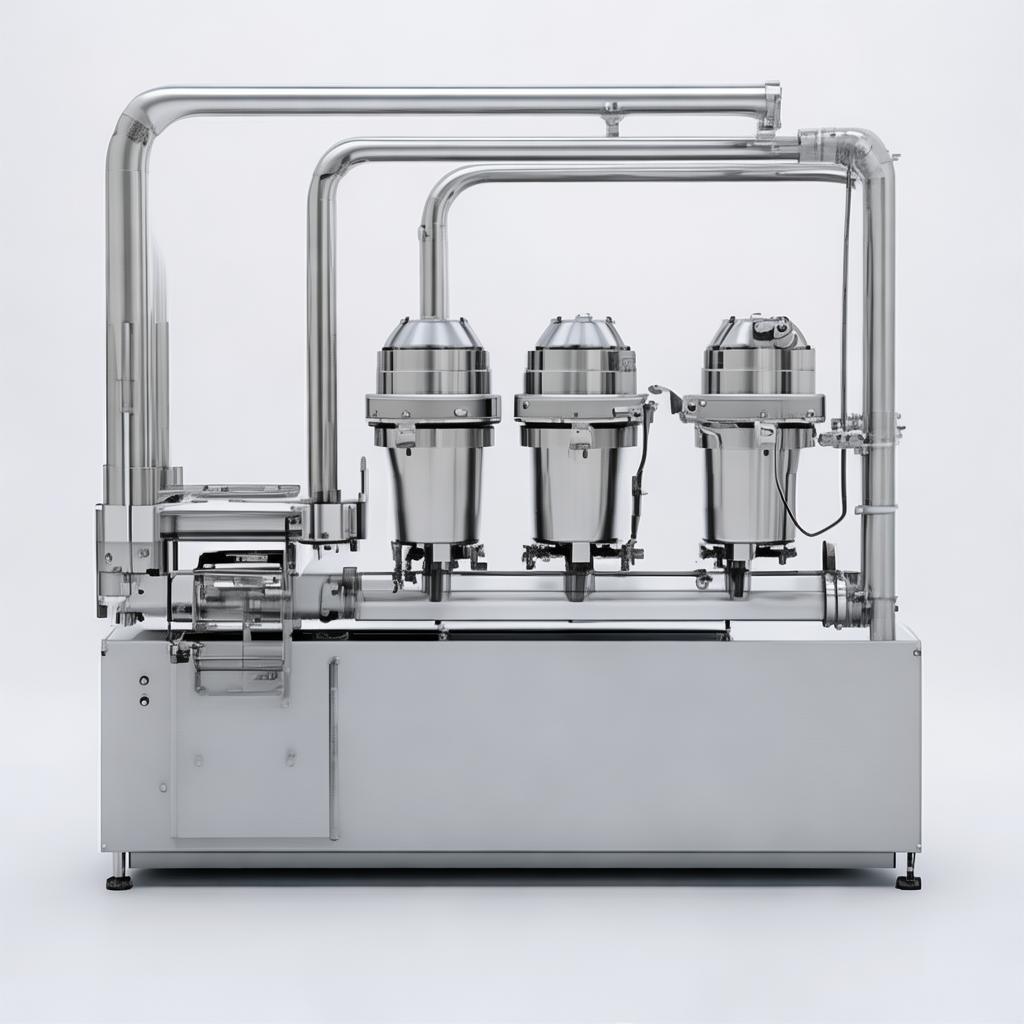
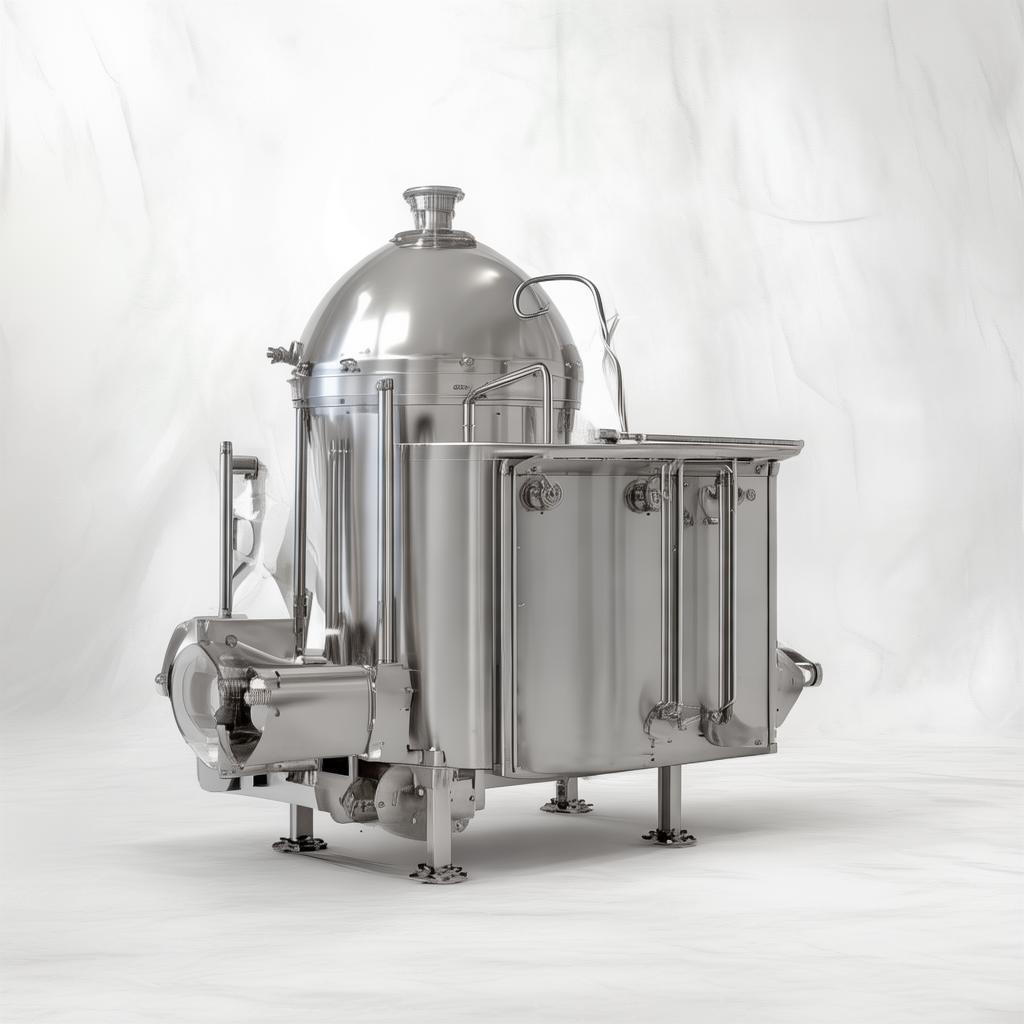
Advanced Soya Meat Making Machines: Precision, Efficiency, and Profitability for Global Export
From a seasoned Export Manager at Hebei Yuanchang Food Mechanism & Technology Co., Ltd.

Navigating the Global Demand for Plant-Based Protein: Your Soya Meat Solution
The global shift towards plant-based diets isn't just a trend; it's a fundamental change reshaping the food industry. Consumers are increasingly seeking healthier, more sustainable, and ethically produced protein sources. This surge in demand is putting immense pressure on manufacturers to scale up production of meat alternatives, with soya-based products leading the charge. For businesses looking to capitalize on this burgeoning market, particularly for export, having reliable, efficient, and high-performance soya meat making machinery is paramount. It's not simply about producing food; it's about meeting stringent quality standards, optimizing production costs, and ensuring consistent output that satisfies diverse international palates and regulatory requirements.
At Hebei Yuanchang, we've spent four decades observing and actively participating in the evolution of food processing. Since 1986, our focus has been on building robust, intelligent machinery for meat processing, a knowledge base that translates directly to the precision required for plant-based protein production. The complexity of transforming humble soya beans into textured, palatable soya meat demands sophisticated engineering. It involves understanding the extrusion process, the precise control of temperature, pressure, and moisture, and the ability to create diverse textures that mimic traditional meats. This isn't a field for guesswork; it requires specialized equipment designed for consistency and scalability.
The international market for processed foods, especially plant-based alternatives, is projected for significant growth. Reports suggest the global meat processing equipment market alone was valued around USD 11-13 billion in 2024-2025 and is expected to reach upwards of USD 15-20 billion by 2030-2034, with plant-based processing being a key driver. (Fortune Business Insights). Furthermore, the processed meat market itself, which these machines serve as alternatives to, is forecast to exceed USD 1.2 trillion by 2034 (Fortune Business Insights). This indicates a massive opportunity for manufacturers of soya meat products to tap into global supply chains. However, entering or expanding in this competitive landscape requires more than just a good product; it demands industrial-grade machinery capable of high-volume, consistent production.
Consider the challenges: replicating the fibrous texture of chicken, the chewiness of beef, or the specific mouthfeel consumers expect from plant-based alternatives. This requires sophisticated extrusion technology and precise control over raw material intake and processing parameters. A robust soya meat making machine must handle variations in soya flour or concentrate, manage moisture levels accurately, and achieve the desired protein denaturation and texturization. It’s a delicate balance of mechanical engineering and food science, all integrated into a single, efficient unit.
For export-oriented businesses, the selection of a soya meat making machine is a strategic decision. You're not just buying equipment; you're investing in your brand's reputation on a global stage. Equipment failures, inconsistent product quality, or slow production speeds can lead to missed orders, damaged client relationships, and significant financial losses. This is where our 40 years of experience, coupled with our investment in advanced manufacturing capabilities like Japanese Mazak CNC machining centers, becomes your competitive advantage. We understand the critical role precision plays in international trade – from meeting FDA or EFSA standards to ensuring that every batch produced on your line yields the same high-quality results.
This document is designed to provide a comprehensive overview of what constitutes a truly effective soya meat making machine, the critical factors for international buyers, and how Hebei Yuanchang stands ready to be your trusted partner. We'll delve into the operational aspects, technical specifications, and the underlying manufacturing expertise that differentiates truly superior equipment. Whether you're a startup looking to enter the market or an established player aiming to expand your capacity, understanding the nuances of soya meat production machinery is your first step towards sustainable success.
Our commitment extends beyond the sale. We offer comprehensive after-sales support, backed by our in-house machining workshop capable of producing high-precision parts. This ensures that any maintenance or replacement needs are handled efficiently, minimizing downtime and keeping your production lines running smoothly, wherever you are in the world.
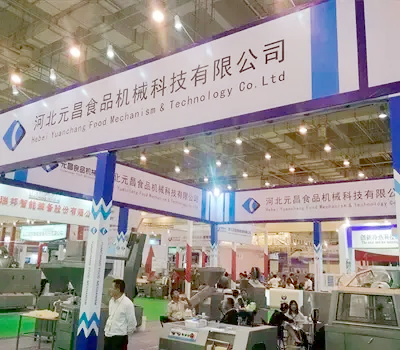
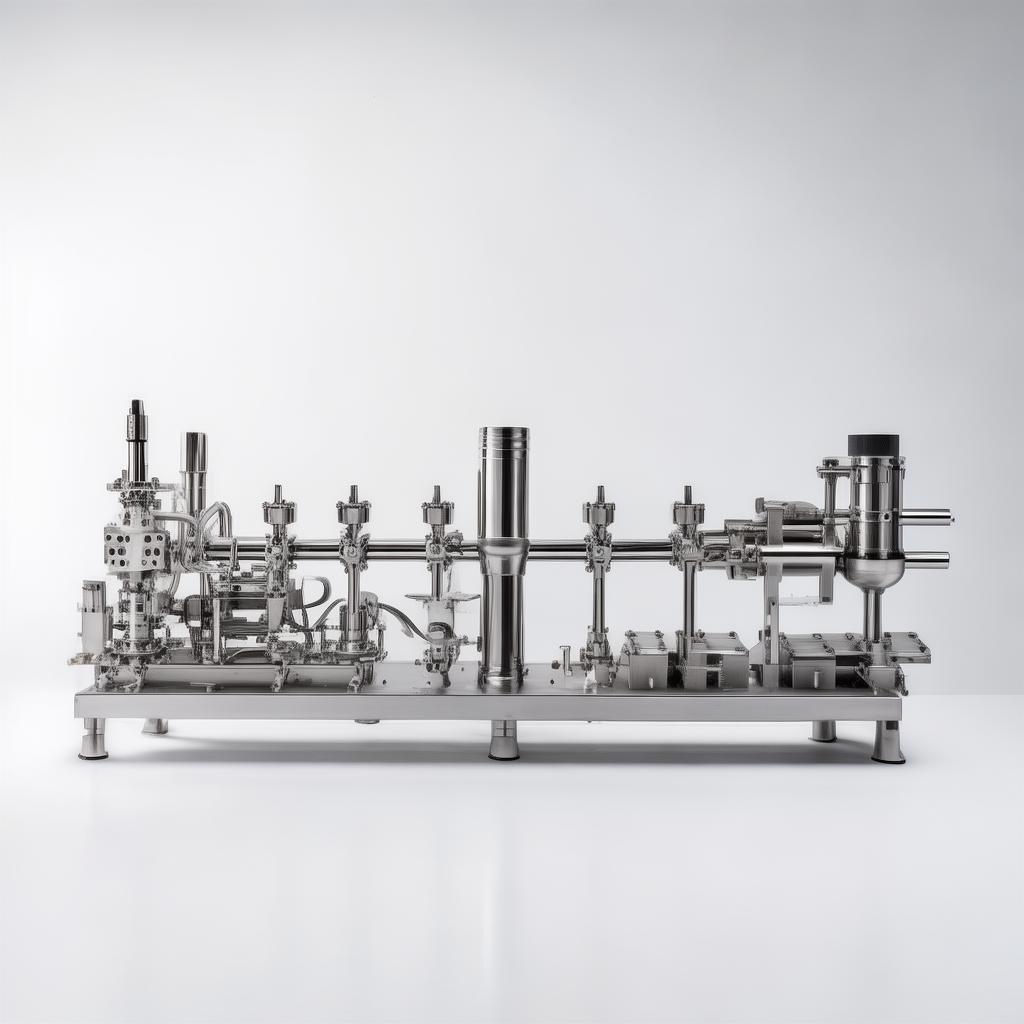
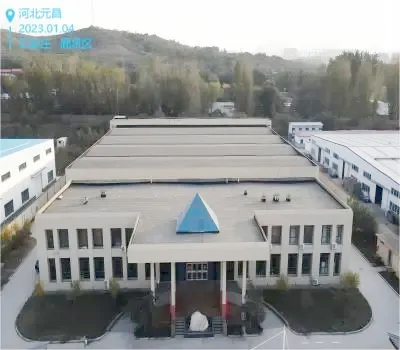
State-of-the-art soya meat production line at our facility.
The Core Technology: How Soya Meat is Made
At its heart, the soya meat making machine utilizes a process often referred to as extrusion cooking. This is where the magic of transforming raw soya ingredients into a meat-like texture happens. It's a continuous process that involves mixing, heating, shearing, and shaping ingredients under controlled conditions. The primary components involved are typically:
- Ingredient Feeding: Precisely metered input of soya flour, soy protein concentrate (SPC), soy protein isolate (SPI), water, and other functional ingredients (like starches, flavorings, colorants). The ratio is critical for final product characteristics.
- Extrusion Barrel: A rotating screw mechanism within a heated barrel that conveys, compresses, heats, and shears the mixture. The screw design, barrel temperature profile, and rotation speed are key variables.
- Die Shaping: As the processed mass exits the barrel, it passes through a die plate with specific openings. The shape of these openings dictates the final form of the soya meat strands or chunks.
- Cutting Mechanism: A rotary cutter or similar device trims the extruded product to desired lengths.
The extrusion process forces the soya protein through a transition from high moisture (in the barrel) to low moisture (as it exits into the atmosphere). This rapid pressure drop and subsequent expansion, combined with the mechanical shearing and heat, causes the protein molecules to denature and realign into a fibrous, cohesive structure. This is how we achieve the "bite" and texture similar to animal meat. The level of "puffing" and fiber development can be adjusted by controlling parameters like screw speed, barrel temperature, and moisture content.
Different types of extruders exist, but for industrial-scale soya meat production, single-screw and twin-screw extruders are most common. Twin-screw extruders offer more control over mixing and shear, often leading to more uniform textures and the ability to handle a wider range of formulations. They are generally preferred for higher-value, texturized vegetable protein (TVP) applications.
The output from the extruder is typically a raw, texturized soya product that then undergoes further processing like flavoring, marinating, forming into specific shapes (patties, nuggets), or even pre-cooking (e.g., baking, frying, steaming) depending on the final intended product. Our soya meat making machines are designed to integrate seamlessly into these broader production lines, acting as the critical texturization engine.
For international buyers, understanding this process is key to identifying the right equipment. Questions like: "Can it handle high-moisture extrusion for a chewier texture?" or "What is the throughput for SPC versus soya flour?" are essential. We provide detailed technical consultations to ensure our machines meet your specific product development goals.
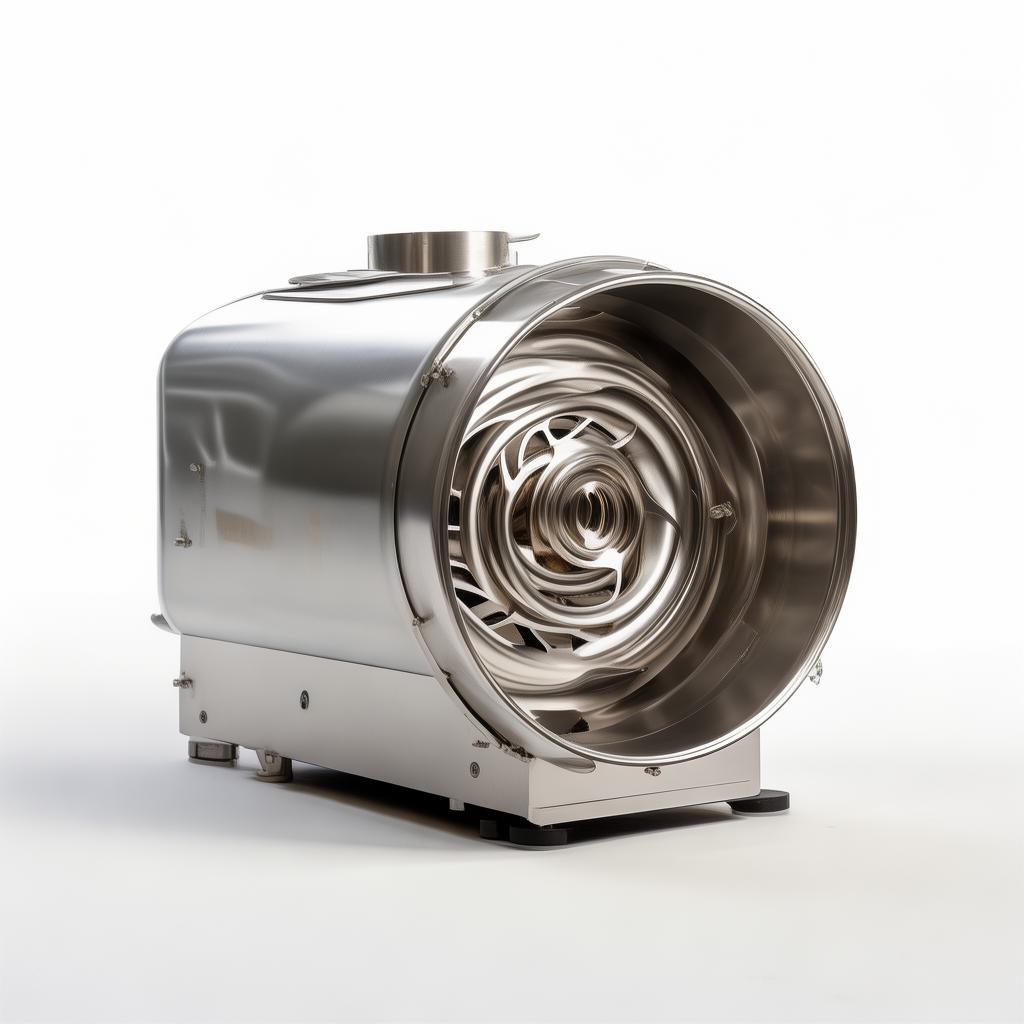
Visualizing the extrusion process: from raw materials to textured protein.
Key Advantages of Our Soya Meat Making Machines
When you choose Hebei Yuanchang's soya meat making machines, you're investing in decades of practical engineering and a commitment to operational excellence. Our machines are built not just to function, but to optimize your entire production workflow.
- Unrivaled Texture Control: Our advanced screw designs and precise barrel temperature management allow for superior control over protein texturization. This means you can achieve a wider range of textures, from fine granules to coarse, fibrous chunks, meeting the diverse demands of the global market.
- High Throughput & Efficiency: Engineered for continuous operation, our machines are designed to maximize output per hour. This is crucial for meeting large export orders and maintaining competitive production costs. The global meat processing equipment market shows consistent growth driven by automation and efficiency needs (Grand View Research), and our machines directly address this.
- Robust Construction & Durability: We utilize high-grade stainless steel (e.g., SUS304, SUS316) for all food-contact parts, ensuring hygiene and longevity. Our in-house machining capabilities, including CNC centers, guarantee the precision and durability of critical components, minimizing wear and tear and costly breakdowns.
- Energy Efficiency: Optimized heating elements and motor systems reduce power consumption without compromising performance, contributing to lower operational expenses and a more sustainable production footprint.
- Ease of Operation & Maintenance: Intuitive control panels simplify operation, reducing the need for extensive training. The modular design of our machines allows for straightforward cleaning and maintenance, which is vital for hygiene-sensitive food production.
- Versatility: While optimized for soya, our machines can often be adapted for processing other plant-based proteins like pea or wheat gluten, offering flexibility as your product line evolves.
- Compliance Assurance: Built to meet international food safety and manufacturing standards, our equipment helps you navigate the complexities of export regulations. We can provide documentation and specifications to support your compliance efforts.
These advantages translate directly into tangible benefits: reduced raw material waste, consistent product quality that builds brand loyalty, higher production volumes to meet demand, and lower overall operating costs, all contributing to a stronger ROI.
Technical Specifications: Engineered for Performance
Understanding the technical heart of our soya meat making machines is key to appreciating their value. Below is a representative specification table. Please note that exact specifications can be customized to meet specific client needs.
| Feature | Specification | Details / Notes |
|---|---|---|
| Model Name | SMM-2000 (Example) | High-capacity extrusion for diverse outputs |
| Power Supply | 380V/50Hz/3Phase (Customizable) | Standard industrial power requirements |
| Motor Power | 30-55 kW (Variable) | Adjustable based on raw material and desired output |
| Extrusion Screw Diameter | 200 mm | Core component for processing capacity |
| Barrel Length/Diameter Ratio (L/D) | 10:1 to 15:1 | Influences mixing and residence time |
| Production Capacity | 150-300 kg/hour (Approx.) | Varies with raw material, moisture, and configuration |
| Heating Zones | 4-6 | Precise temperature control along the barrel |
| Temperature Control | Automatic ±1°C | PID control for consistency |
| Materials of Construction | Food-grade Stainless Steel (SUS304/316) | For barrel, screws, and all food contact parts |
| Cutting Mechanism | Rotary Automatic Cutting | Adjustable length settings |
| Dimensions (L x W x H) | Approx. 5m x 1.5m x 2m | Subject to model and configuration |
| Control System | PLC & Touch Screen | User-friendly interface, data logging |
| Optional Features | Vacuum System, Pre-Conditioner, Different Dies | Enhance texture, efficiency, and product variety |
The interplay of screw design (e.g., single vs. twin, configuration of elements) and the barrel's temperature gradient is what truly defines the extrusion outcome. Our engineers meticulously design these elements to achieve specific textural properties required for products like textured soy protein (TSP), granules, flakes, or even custom shapes.
We encourage potential clients to discuss their specific raw material sources (e.g., varying protein content in soya flour) and target textures. This allows us to recommend the optimal configuration or even design a custom solution.
Applications and Market Opportunities
The versatility of soya meat produced by our machines opens up a vast array of applications and lucrative market opportunities, particularly for export. The global market for processed meat alternatives is expanding rapidly, with reports indicating continued strong growth. For instance, the reconstituted meat market, which heavily relies on precise molding and pretreatment technologies, is projected for substantial growth (Future Market Insights).
Key applications include:
- Meat Analogs: Creating products that mimic the texture and appearance of ground beef, chicken pieces, or pork. This is fundamental for burgers, sausages, nuggets, and crumbles used in countless global dishes.
- Texturized Vegetable Protein (TVP): Producing dry or rehydratable soya granules and flakes used as a versatile ingredient in everything from chili and tacos to fillings for pies and pasta sauces.
- Pet Food Ingredients: High-protein soya texturates can serve as a valuable component in both dry and wet pet food formulations, offering a cost-effective protein source.
- Snack Foods: Certain extruded soya products can be seasoned and processed into savory snacks.
- Ingredient for Processed Foods: As a high-protein filler or texturizer in a wide range of processed food items beyond direct meat substitution.
The global processed meat market growth, driven by convenience and changing dietary habits, underscores the demand for effective alternatives. Our machines are precisely what manufacturers need to step into this space and compete effectively. For export markets like the USA, Canada, Europe, and Australia, the demand for high-quality, texturized plant-based proteins is particularly strong, driven by consumer preferences for health, sustainability, and ethical sourcing. Asia-Pacific also presents massive growth potential due to its large populations and increasing industrialization of food processing (SkyQuest Technology).
Exporting these products requires consistency that our machinery guarantees. Whether your target is to supply major food manufacturers, private label brands, or foodservice companies, reliable output is non-negotiable. We ensure that the quality of your soya meat product is a competitive advantage, not a liability.

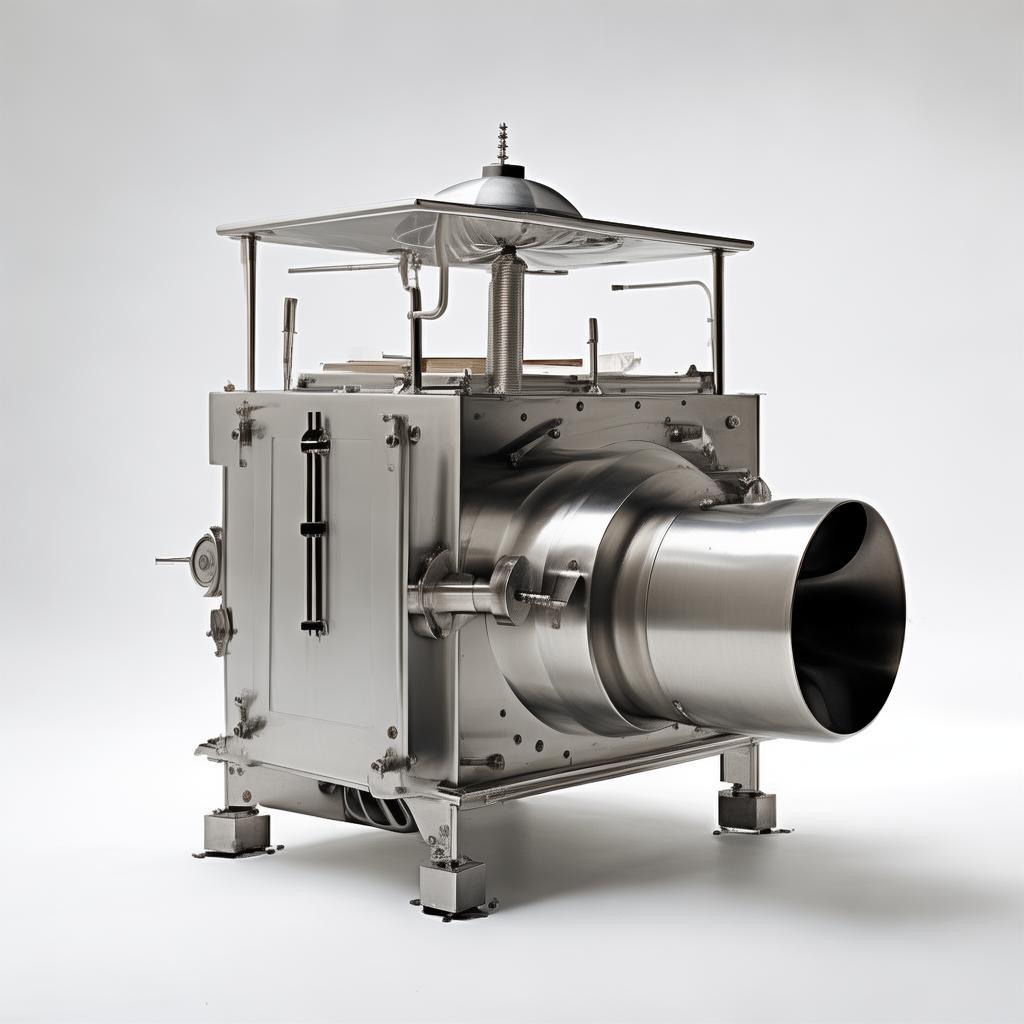
Endless possibilities: From granules to formed products.
Installation, Operation, and Maintenance Considerations
Getting your soya meat making machine up and running smoothly is a critical phase. We understand that international installations come with unique logistical and operational challenges. Our goal is to make this process as seamless as possible.
Installation:
- Site Preparation: Ensure a stable, level concrete foundation capable of supporting the machine's weight and vibrations. Adequate space for operation, cleaning, and access is essential.
- Power Supply: Verify that your facility's electrical system meets the machine's power requirements (voltage, phase, frequency) and that proper grounding is in place.
- Water Supply: A consistent and clean water supply is needed for the extrusion process and for cleaning.
- Ventilation: Good ventilation is recommended in the processing area to manage steam and heat generated during extrusion.
- Support: We offer detailed installation manuals and can provide remote or on-site technical support for installation and initial startup if required.
Operation:
- Raw Material Quality: Consistent particle size and moisture content of your soya flour or concentrate are vital for stable extrusion. We recommend quality control measures for incoming raw materials.
- Parameter Settings: The PLC control system allows for precise adjustment of screw speed, barrel temperatures, and die configurations. Operating procedures should be followed to achieve desired textures.
- Operator Training: Proper training ensures safe and efficient operation, maximizing output and product quality while minimizing risks.
Maintenance:
- Daily Cleaning: Thorough cleaning after each production run is critical for hygiene and preventing cross-contamination. This involves disassembling and cleaning the screw, barrel, and die.
- Regular Checks: Periodic inspection of wear parts like screws, barrels, and dies. Our high-precision manufacturing ensures these parts have a long service life, but monitoring is key.
- Lubrication: Ensure all moving parts are adequately lubricated according to the maintenance schedule.
- Spare Parts: We maintain an inventory of critical spare parts. Proactive ordering of wear parts based on your production volume can prevent unplanned downtime.
We provide comprehensive operation and maintenance manuals in English. Our technical team is always available to answer questions and provide guidance, ensuring you get the most out of your investment.
Why Choose Hebei Yuanchang: Our Factory Strengths & Certifications
Selecting the right manufacturing partner is as important as selecting the right machine. Hebei Yuanchang Food Mechanism & Technology Co., Ltd. brings a legacy of experience and a commitment to quality that is built into every piece of equipment we produce.
Our Strengths:
- 40 Years of Industry Experience (Since 1986): We have deep-rooted expertise in food processing machinery, constantly evolving with industry demands. This long history means we understand the operational realities faced by our clients.
- Integrated R&D, Production, and Sales: Our complete in-house capabilities ensure quality control at every stage, from design to final delivery.
- Advanced Manufacturing Facilities: With over 20 sets of processing machinery, including high-precision grinding, boring, and wire cutting equipment, plus 8 sets of Japanese Mazak CNC machining centers (since 2012), we can produce non-standard, high-precision components with exceptional accuracy. This capability is rare and ensures the superior quality and longevity of our machines.
- Traceable After-Sales Management: Our system allows for independent production of high-precision parts, guaranteeing swift and reliable after-sales service worldwide.
- Dedicated R&D Team: Continuously innovating to meet emerging market needs and enhance equipment performance.
Certifications:
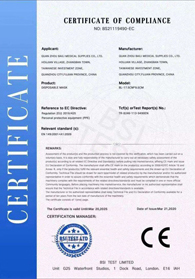

Our adherence to international standards like ISO and CE signifies our commitment to quality, safety, and performance. These certifications are often prerequisites for international trade and provide buyers with added assurance.
We are not just a supplier; we are a manufacturing partner dedicated to your long-term success. Our operational knowledge, technical expertise, and commitment to trustworthiness are what set us apart in the global market.
Procurement Guidance: What to Look For
Sourcing industrial machinery internationally involves careful consideration. Here’s a practical guide to help procurement professionals make informed decisions when looking for soya meat making machines:
- Manufacturer Reputation & Experience: Look for established companies with a proven track record. 40 years of experience, like ours, signifies stability and deep understanding. Check for industry testimonials and case studies.
- Technical Expertise & Customization: Can the manufacturer truly understand your specific needs? Do they offer customization options beyond standard models? Our investment in CNC technology allows for high-precision custom parts, a significant advantage.
- Quality of Materials & Construction: Inspect specifications for stainless steel grades (SUS304/316 are standard for food contact). The precision of the screw and barrel assembly is paramount.
- After-Sales Support & Spare Parts: This is often overlooked but critical for international buyers. How quickly can they supply spare parts? What is their support response time? Our traceable system ensures we can support you reliably.
- Certifications & Compliance: Ensure the equipment meets relevant international standards (e.g., CE for Europe, FDA guidelines for food contact materials in the US).
- Total Cost of Ownership (TCO): Don't just look at the purchase price. Consider energy consumption, maintenance costs, expected lifespan, and potential downtime. A slightly higher upfront investment in a durable, efficient machine often yields lower TCO.
- Communication & Transparency: A good supplier will be transparent about lead times, shipping, and provide clear technical documentation. Effective communication is key for international transactions.
When engaging with potential suppliers, ask detailed questions about their manufacturing process, quality control, and support network. We welcome such inquiries and are confident in our ability to provide satisfactory answers and solutions.
Customer Success Stories
Hearing from our clients validates our commitment to quality and performance.
 Maria Sanchez, Procurement Manager
Global Food Solutions Inc., USA
"We were looking to expand our plant-based product line and needed a reliable supplier for extrusion equipment. Hebei Yuanchang delivered. Their SMM-2000 has significantly improved our texture consistency, which was a major concern for our export markets. The installation support was excellent."
 Kenji Tanaka, Production Lead
Asia Protein Innovations, Japan
"The precision of the screws and barrel on the Yuanchang machine is remarkable. We've been able to achieve finer textures for our high-end products that previously required much more expensive imported equipment. Their technical team was very responsive during the setup phase."
 David Miller, Operations Director
European Veggie Co., UK
"We upgraded our extrusion line with a machine from Hebei Yuanchang. The energy efficiency improvements alone have been noticeable, and the robustness of the build quality suggests it will last for years. Crucially, the consistency of the soya meat output allows us to meet strict European food safety standards."
Frequently Asked Questions (FAQ)
1. What raw materials can your soya meat machines process?
Our machines are primarily designed for soya flour and soy protein concentrate (SPC). They can also handle soy protein isolate (SPI) and are often adaptable for other plant-based proteins like pea protein, wheat gluten, or combinations thereof. The exact formulation will affect processing parameters and final texture.
2. What is the typical lifespan of your soya meat making machines?
With proper operation and regular maintenance, our machines are built for longevity. The robust construction, high-quality stainless steel components, and precision machining, especially from our CNC centers, contribute to a service life typically exceeding 10-15 years. Critical wear parts (screws, barrels, dies) will require periodic replacement based on usage.
3. How do you support international clients with installation and training?
We provide comprehensive English manuals for installation, operation, and maintenance. We also offer remote technical support and can arrange for on-site engineers for installation supervision, commissioning, and operator training upon request (additional fees may apply). Our export team is experienced in facilitating smooth international logistics.
4. Can your machines produce different textures and shapes?
Yes. By adjusting screw speed, barrel temperature, moisture content, and selecting different die shapes, you can achieve a wide range of textures from fine granules to coarse, fibrous pieces. We offer various die configurations for different product shapes, and custom die design is also possible.
5. What are the typical lead times for delivery?
Lead times can vary depending on the specific model, any customization required, and our current production schedule. Generally, standard models are available within 30-60 days. Complex or custom orders may require longer lead times. Our sales team will provide a precise estimate upon order confirmation.
Ready to Elevate Your Soya Meat Production?
Partner with Hebei Yuanchang for robust, efficient, and high-performance soya meat making machinery that meets global standards. Leverage our 40 years of expertise to scale your operations and capture market share.
Or Talk with Our Engineering Team about your specific needs.
Contact Us Directly:
Phone: +86 15830991513
E-mail: ycmeatmech@gmail.com
Address: Shijiazhuang, Hebei Province, China
Trust and Transparency in Partnership
Building trust is fundamental in B2B international trade. We understand the risks involved in sourcing equipment from overseas and are committed to providing transparency at every step.
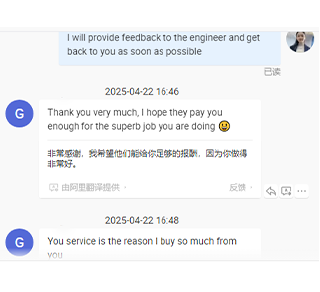
"Our initial inquiry about customization was handled thoroughly. They provided detailed diagrams and explanations, which helped us confirm their technical capabilities."
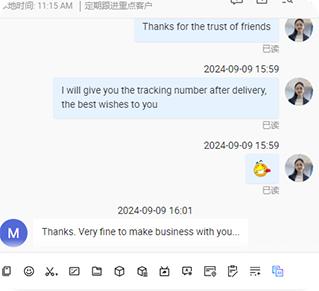
"Lead time and shipping options were clearly communicated. They proactively addressed potential logistical hurdles, making the process much smoother than expected."

"Post-installation support has been prompt. When we had a minor query regarding parameter fine-tuning, their technical team responded within hours."
meat forming machine meat mixing machine industrial meat processing machine
Our commitment to EEAT – Experience, Expertise, Authoritativeness, and Trustworthiness – guides our interactions. We believe in empowering our clients with the knowledge and confidence to make significant investments in their manufacturing future.