Solenoid Valve Vacuum

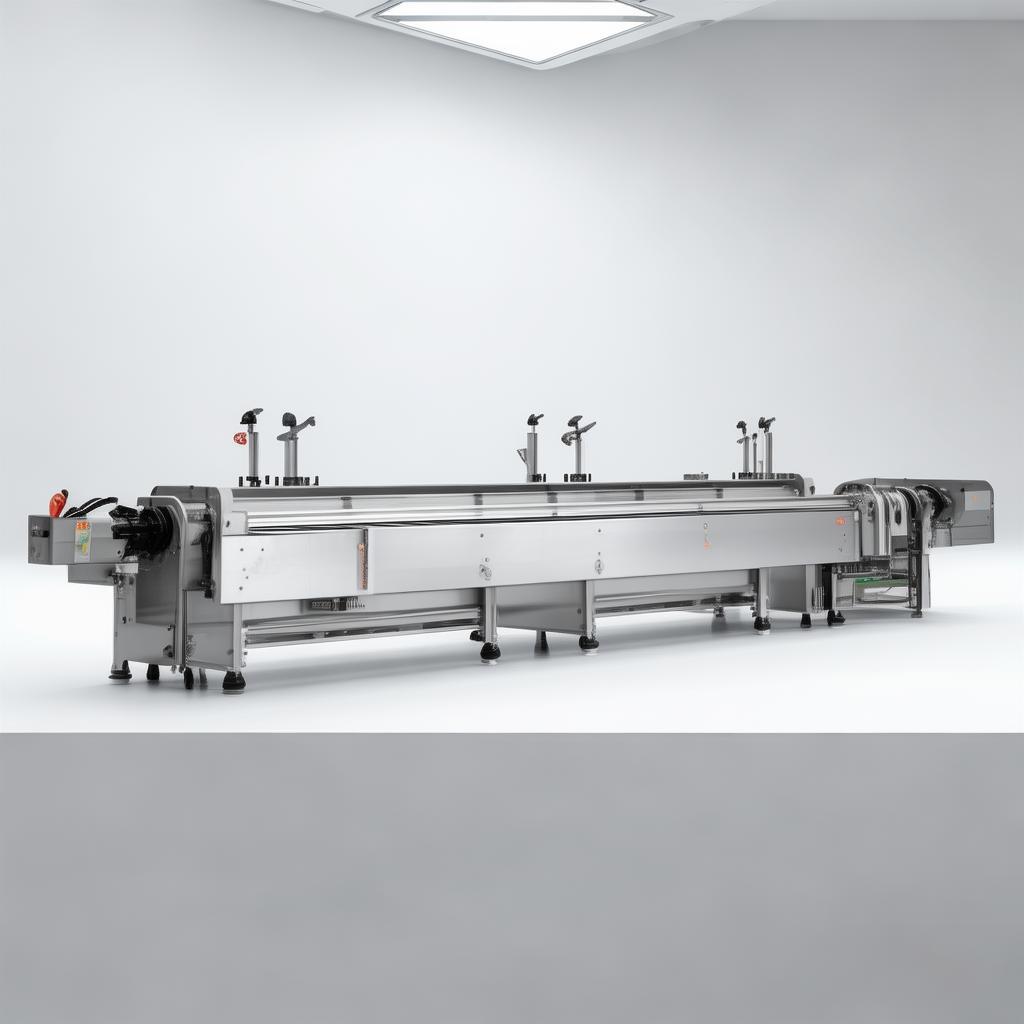
Solenoid Valves for Vacuum Applications: Precision Control for Critical Processes

Expert in industrial automation and supply chain efficiency for global manufacturing.
Navigating the Nuances of Vacuum Solenoid Valves: A Buyer's Perspective
For any operation relying on precise control of low-pressure environments, the humble solenoid valve is often the unsung hero. When dealing with vacuum systems – whether for industrial automation, scientific research, food packaging, or medical devices – the choice of solenoid valve isn't just a technical detail; it's a critical factor impacting efficiency, product integrity, safety, and ultimately, your bottom line. These specialized valves are designed to regulate the flow of gases into or out of a vacuum chamber or system. Unlike their pressurized counterparts, vacuum solenoid valves must handle the unique challenges presented by negative pressure, including potential leakage points, material outgassing, and the need for rapid response times to maintain stable vacuum levels.
Procurement managers and engineers often find themselves sifting through a dizzying array of options, each claiming superior performance. However, the reality on the factory floor or in the cleanroom demands a deeper understanding. It’s about more than just flow rates and port sizes; it’s about understanding the intricate interplay between the valve’s construction, the specific vacuum level required, the media being handled, and the overall system architecture. Inconsistent vacuum, contamination, or valve failure can lead to scrapped products, extended cycle times, and costly downtime. That’s why selecting the right solenoid valve for your vacuum application is a decision that warrants careful consideration and expert insight.
Our extensive experience in supplying high-precision components for diverse industrial needs has shown us firsthand the critical role these valves play. We've seen firsthand how a well-specified vacuum solenoid valve can be the linchpin of an efficient process, while an ill-chosen one can become a persistent bottleneck. This isn't a generic component; it’s a precision instrument tailored for specific negative pressure environments. The key lies in understanding the fundamental principles of vacuum technology and how solenoid valve designs are adapted to meet these demands. From direct-acting valves that offer immediate response to pilot-operated types suitable for larger vacuum volumes, each configuration has its place.
Consider the food industry, where vacuum packaging is crucial for extending shelf life and maintaining product quality. A minor leak in the solenoid valve controlling the vacuum pump’s exhaust or vent can compromise the entire packaging cycle, leading to spoilage and lost revenue. Similarly, in the semiconductor manufacturing sector, even the slightest trace of outgassing from valve materials can contaminate sensitive components, rendering entire batches useless. These aren't hypothetical scenarios; they are daily operational realities where the correct valve specification is paramount. The market for meat processing equipment, for instance, highlights this need for reliable vacuum control in packaging. Reports indicate the global processed meat market is projected to grow significantly, with a rising demand for technologies that ensure product safety and extend shelf life, directly impacting the need for robust vacuum solutions. The "Meat Processing Equipment Market Size, Share & Industry Analysis" by Fortune Business Insights projects the market to reach USD 17.39 billion by 2034, emphasizing the scale of operations where reliable components are essential.
The challenge for many businesses, especially those involved in international trade and export, is sourcing valves that not only meet stringent technical requirements but also comply with global standards and offer long-term reliability. This involves more than just comparing datasheets; it requires a partner who understands your application, the regulatory landscape, and the logistical complexities of cross-border commerce. We focus on providing solutions that are not only technically sound but also commercially viable, offering a clear path to enhanced operational performance and reduced risk. This guide aims to demystify the selection process for vacuum solenoid valves, offering insights from engineering to procurement, ensuring you make an informed decision that supports your business objectives. We understand the procurement decision workflow, recognizing that purchasing managers look for reliability, cost-effectiveness, and a supplier with demonstrable expertise.
high vacuum solenoid valve 2 way vacuum solenoid valve vacuum rated solenoid valve
The global food processing machinery market, which includes critical components like vacuum solenoid valves, is substantial. Market research indicates a steady growth trajectory, driven by increased automation and demand for efficient processing. For example, Meticulous Research forecasts the food processing equipment market to reach USD 129.47 billion by 2036. Within this, the specialized needs of vacuum systems for meat and poultry processing – whether for packaging or forming – are significant drivers. This underscores the importance of selecting reliable, high-performance solenoid valves that can withstand demanding industrial environments.
Our commitment at Hebei Yuanchang Food Mechanism & Technology Co., Ltd. is to provide not just components, but comprehensive solutions. With our 40 years of experience since 1986, integrating R&D, production, and sales of specialized machinery, we bring a deep understanding of how individual parts contribute to the success of a complete production line. Our in-house machining capabilities, including advanced Japanese Mazak CNC centers, allow us to produce high-precision components that meet demanding specifications for volume, accuracy, and non-standard requirements. This internal capacity ensures quality control and allows us to offer custom solutions when off-the-shelf products don't quite fit the bill, a common scenario in specialized vacuum applications.
The Technical Backbone: How Vacuum Solenoid Valves Work
At its core, a solenoid valve is an electromechanically operated valve. It consists of a solenoid (an electromagnetic coil) and a valve body. When an electric current is passed through the solenoid coil, it generates a magnetic field. This field is used to move a plunger or armature within the valve body, which in turn opens or closes the valve orifice, controlling fluid flow.
For vacuum applications, the design principles are adapted to handle negative pressures. These valves are typically designed to allow gas flow from a higher pressure (atmospheric or slightly above) to a lower pressure (vacuum) or to vent a vacuum system to the atmosphere. The key challenge is preventing leakage, which is exacerbated by pressure differentials. A good vacuum solenoid valve must have excellent sealing capabilities to maintain the integrity of the vacuum.
There are two primary types relevant to vacuum systems:
- Direct-Acting Solenoid Valves: In this design, the solenoid directly actuates the plunger that opens or closes the valve orifice. They are known for their fast response times and ability to achieve a tight seal, making them ideal for vacuum systems where precise and immediate control is necessary. They are typically suitable for smaller flow rates and lower vacuum levels as the solenoid must overcome the full pressure differential.
- Pilot-Operated Solenoid Valves: These valves use the system pressure (or a separate pilot pressure) to assist in opening or closing the main valve. A small solenoid valve controls a pilot port, which then directs pressure to either open or close the main diaphragm or piston. This design allows for larger flow rates and higher vacuum applications because the solenoid doesn't need to directly act against the entire differential pressure. However, they require a minimum pressure difference to operate effectively and may have a slightly slower response time compared to direct-acting valves. For vacuum, they are often used to vent a system to atmosphere or control flow from a vacuum pump.
Material selection is also crucial. Seals and valve body materials must be chosen to minimize outgassing, resist chemical attack (if applicable), and maintain flexibility at low temperatures. Common materials include Buna-N (Nitrile) for general-purpose sealing, Viton for higher temperatures and broader chemical resistance, and EPDM for certain environmental conditions. For ultra-high vacuum (UHV) applications, specialized materials and designs, often involving metal seals and minimal internal components, are required.
When specifying a vacuum solenoid valve, engineers need to consider:
- Operating Vacuum Level: The specific millibar (mbar) or Torr range the valve needs to function within.
- Media: The gas or vapor being controlled. Is it inert, corrosive, or contain particulates?
- Flow Rate: The volume of gas to be controlled per unit time.
- Response Time: How quickly the valve needs to open or close.
- Duty Cycle: Whether the valve will be operated continuously or intermittently.
- Electrical Specifications: Voltage and current requirements for the solenoid coil.
Understanding these parameters is the first step toward selecting a valve that will perform reliably and efficiently in your specific vacuum application. For businesses involved in international trade, ensuring these valves meet regional electrical standards (e.g., UL, CE) is also a critical consideration for market access and compliance.
Key Advantages of Precision Vacuum Solenoid Valves
Implementing the correct vacuum solenoid valves offers tangible benefits that directly impact operational efficiency and product quality. It's not just about control; it's about achieving optimized performance.
- Enhanced Process Stability: Precise control over gas flow is crucial for maintaining consistent vacuum levels. This stability prevents fluctuations that could compromise sensitive processes, from delicate scientific experiments to high-volume production lines.
- Reduced Cycle Times: Fast-acting valves enable quicker evacuation or venting of chambers, directly leading to shorter overall cycle times. For manufacturers, this translates to increased throughput and greater productivity.
- Improved Product Quality & Yield: In applications like vacuum packaging or semiconductor fabrication, maintaining a clean, stable vacuum is non-negotiable. Properly sealed valves prevent contamination and ensure that products meet quality standards, minimizing rejects and waste. This is particularly relevant in industries like meat processing where vacuum sealing is vital for preservation.
- Lower Operational Costs: Efficient valves minimize leakage, reducing the energy required by vacuum pumps. Furthermore, their reliability and durability translate to less frequent maintenance and fewer unexpected downtimes, lowering the total cost of ownership.
- Automation & Integration: Solenoid valves are inherently designed for electrical control, making them ideal components for automated systems. They seamlessly integrate with PLCs and other control systems, enabling sophisticated process automation.
- Safety Assurance: In vacuum systems, uncontrolled venting or leaks can pose safety risks. Reliable solenoid valves ensure that processes are controlled as intended, contributing to a safer working environment.
These advantages highlight why investing in high-quality vacuum solenoid valves is not an expense, but a strategic enhancement for operations that rely on negative pressure environments.
Applications Across Industries
The versatility of vacuum solenoid valves allows them to be deployed across a wide spectrum of demanding industries. Their ability to precisely control negative pressure makes them indispensable for numerous processes.
Food & Beverage Processing
Crucial for vacuum packaging to extend shelf life, control modified atmosphere packaging (MAP), and in forming/molding processes for products like sausages and cheeses. Reliable venting and evacuation control are key. The processed meat market's growth, projected by IMARC Group to reach USD 29.8 billion by 2034, directly drives demand for such equipment.
Medical Devices & Pharmaceuticals
Used in sterilization equipment, vacuum-assisted surgery devices, diagnostic analyzers, and automated drug dispensing systems where sterile, controlled vacuum is essential. Material outgassing is a critical consideration here.
Semiconductor & Electronics Manufacturing
Essential in vacuum chucks for holding components during precision machining, in wafer handling systems, vacuum etching, and thin-film deposition processes where ultra-clean and stable vacuum is paramount to prevent contamination.
Aerospace & Automotive
Found in vacuum degassing of materials, vacuum forming of composite parts, leak testing of components, and in automated assembly lines requiring precise vacuum manipulation.
Laboratory & Research
Used in vacuum filtration systems, freeze-drying (lyophilization) equipment, vacuum ovens, vacuum pumps, and various scientific instruments requiring controlled vacuum environments for analysis or experimentation.
Industrial Automation
Integral to vacuum grippers used in pick-and-place operations for robotics, enabling secure handling of delicate or irregularly shaped objects. Precise, rapid response is key here for efficient automation cycles.
Material Considerations & Performance
The material composition of a vacuum solenoid valve is a critical determinant of its performance, longevity, and suitability for specific applications. Unlike systems operating at positive pressure, vacuum environments are highly sensitive to anything that can introduce unwanted gases – a phenomenon known as outgassing.
Outgassing: Many polymers and even some metals can slowly release trapped gases when placed under vacuum. This "outgassing" increases the pressure within the vacuum system, potentially degrading performance or contaminating sensitive processes, particularly in high-vacuum (HV) and ultra-high-vacuum (UHV) applications. Choosing materials with low outgassing rates is therefore paramount.
Common Seal Materials:
- Nitrile (Buna-N): A cost-effective choice for general-purpose vacuum applications where temperatures are moderate and aggressive chemicals are absent. Its outgassing rate is acceptable for many low-to-medium vacuum applications.
- EPDM (Ethylene Propylene Diene Monomer): Offers good resistance to weathering and some chemicals but can be less ideal for vacuum due to higher outgassing compared to Viton or FKM.
- Viton™ (FKM - Fluoroelastomer): A popular choice for many vacuum applications due to its excellent resistance to a wide range of chemicals and higher temperatures. It generally has a lower outgassing rate than Nitrile or EPDM, making it suitable for more demanding environments.
- Silicone: Offers good flexibility over a wide temperature range but can have a moderate outgassing rate, requiring careful application selection.
- PTFE (Teflon): Inert and virtually non-outgassing, PTFE is excellent for chemical resistance and clean environments. However, as a plastic, it can have sealing challenges without specialized designs or backup.
Body Materials: Valve bodies are commonly constructed from brass, stainless steel, or aluminum.
- Brass: Cost-effective and easy to machine, suitable for many general industrial vacuum applications.
- Stainless Steel: Offers superior corrosion resistance and can be polished to reduce surface area for lower outgassing, making it ideal for more demanding or cleaner environments. It's often preferred in food-grade or medical applications.
- Aluminum: Lightweight and cost-effective, suitable for applications where weight is a concern.
For critical applications like semiconductor manufacturing, materials like PEEK or even specialized metal seals may be employed to achieve extremely low outgassing and high-purity performance. The selection of materials must be a deliberate choice aligned with the vacuum level, process media, and environmental conditions to ensure optimal performance and prevent contamination.
Technical Specifications: What to Look For
When evaluating solenoid valves for vacuum service, a thorough review of the technical specifications is non-negotiable. This is where you confirm the valve's suitability for your specific operational demands.
| Specification | Key Considerations for Vacuum Applications | Our Expertise |
|---|---|---|
| Vacuum Rating | Absolute Pressure Range (e.g., to 10-2 mbar, 10 Torr). Must be appropriate for your system's target vacuum level. Higher vacuum levels require specialized designs and materials. | We offer valves rated for various vacuum ranges, from rough vacuum to high vacuum. |
| Port Size & Type | Standard NPT, G, or specialized vacuum fittings (e.g., KF/NW flanges). Port size impacts conductance (flow rate for a given pressure). | Available in various NPT/G sizes and with options for vacuum-specific fittings. |
| Orifice Size | Crucial for conductance and how quickly a volume can be evacuated or vented. A larger orifice generally means higher conductance. | Orifice sizes tailored to application requirements for optimal flow. |
| Body & Seal Materials | Look for low outgassing materials (FKM, PTFE, specific stainless steels). Check compatibility with media. | Extensive range of materials including Brass, Stainless Steel, and FKM, EPDM, PTFE seals. |
| Voltage & Power | Standard AC/DC voltages (e.g., 12VDC, 24VDC, 110VAC, 220VAC). Ensure compatibility with your control system. | Available in common DC and AC voltages, with options for specialized requirements. |
| Response Time | Measured in milliseconds. Critical for rapid cycling and precise process control. Direct-acting valves are typically faster. | Fast response times achievable, especially with our direct-acting models. |
| Operating Temperature | Ambient and media temperature ranges. Important for valve longevity and seal integrity. | Valves designed to operate reliably across a wide temperature spectrum. |
| Seal Integrity | Leakage rates specified in standard units (e.g., sccm). Look for low leakage rates suitable for vacuum. | Exceptional seal integrity to maintain vacuum levels. |
Consulting our technical team can help you navigate these specifications and ensure you select the optimal valve for your unique requirements.
Installation & Maintenance: Practical Considerations
Proper installation and regular maintenance are critical to maximizing the lifespan and performance of any vacuum solenoid valve. Rushing these steps can lead to premature failure and operational issues.
Installation Best Practices
- Cleanliness: Ensure all fittings and ports are meticulously clean before connecting the valve. Even small debris can compromise seals or clog internal passages.
- Orientation: While many solenoid valves are position-insensitive, some pilot-operated types may have preferred orientations. Refer to the manufacturer's guidelines.
- Sealing: Use appropriate thread sealant (PTFE tape or paste) for threaded connections, ensuring it doesn't enter the valve orifice. For vacuum fittings, ensure proper gasket seating.
- Electrical Connections: Verify correct voltage and polarity (for DC valves). Secure electrical connections to prevent intermittent operation or short circuits.
- System Purging: Before initial startup, it's often advisable to purge the system and valve with a clean, dry gas to remove any residual manufacturing lubricants or contaminants.
Routine Maintenance & Checks
- Leak Detection: Regularly perform leak checks on the valve and its connections using a helium leak detector or soap solution (for lower vacuum levels).
- Actuation Test: Periodically cycle the valve to ensure it operates smoothly and responds to electrical signals.
- Electrical Check: Inspect wiring for any signs of damage or corrosion.
- Seal Inspection: If accessible and the valve design allows, periodic inspection of seals for wear or degradation can prevent failures.
- System Monitoring: Keep an eye on vacuum levels and cycle times. Any deviation could indicate a valve issue or other system problem.
Practical Warning: For high-vacuum applications, always prioritize valve materials and designs that minimize the risk of particle generation during maintenance. Even microscopic particles can cause significant issues in sensitive equipment.
Procurement Guidance: Selecting Your Supplier
Sourcing the right vacuum solenoid valve involves more than just finding the lowest price. As an international buyer, you need a supplier who offers technical expertise, reliable quality, transparent communication, and robust logistical support.
Evaluating Supplier Capabilities
- Technical Expertise: Does the supplier have engineers or technical staff who can discuss your application and recommend suitable products?
- Quality Control: What quality assurance processes are in place? Are they ISO certified? Do they provide material certifications?
- Customization: Can they offer OEM/ODM services if your application requires a modified or custom solution?
- Lead Times: What are their typical production and delivery lead times? This is critical for project planning.
- After-Sales Support: What kind of support do they offer post-purchase?
Key Questions to Ask
- What is the typical outgassing rate for the seal materials used in your vacuum valves?
- Can you provide a material certification for the valve components?
- What is your warranty policy on vacuum solenoid valves?
- What are your standard shipping and export procedures?
- Do you have references from clients in similar industries or regions?
Risk Reduction: Choosing a supplier with a proven track record and strong quality control significantly mitigates the risk of receiving substandard components that could lead to costly production delays or quality issues. At Hebei Yuanchang, our 40 years of experience, coupled with modern CNC machining and a traceable management system, ensures we can deliver on these critical aspects.
Our Commitment to Quality: Certifications & Factory Strength
At Hebei Yuanchang Food Mechanism & Technology Co., Ltd., quality is not just a buzzword; it's the foundation of our operations. Our commitment is demonstrated through our robust manufacturing capabilities and adherence to international standards.

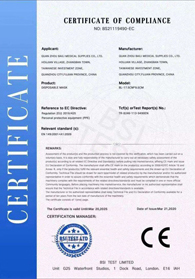
Our extensive experience, spanning over four decades, has equipped us with the deep technical knowledge and operational discipline required to produce high-precision components.
Manufacturing Prowess
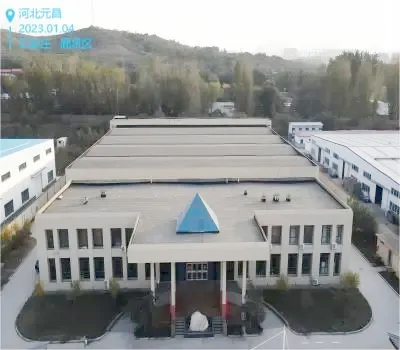
Our 14,000 sq meter facility houses over 20 sets of advanced processing machinery. The integration of Japanese Mazak CNC machining centers allows us to produce components with exceptional precision, essential for vacuum-tight seals and reliable operation.
In-House Component Production
Our in-house machining workshop means we control every step of component creation. This independent production of high-precision parts guarantees quality and allows for rapid adaptation to custom specifications, ensuring worry-free after-sales service.

Our dedication to R&D, production, and sales, combined with a traceable after-sales management system, positions us as a reliable partner for your critical component needs.
What Our Clients Say
"We rely on Hebei Yuanchang for the critical solenoid valves in our vacuum packaging lines. Their valves consistently maintain stable vacuum levels, which is crucial for product shelf life and reducing spoilage. Their technical team helped us select the right FKM-sealed models for our demanding applications."

Operations Manager, Premier Food Packers (USA)
"For our automated assembly robots, reliable vacuum grippers are essential. The direct-acting solenoid valves from Yuanchang offer the rapid response we need for high-speed pick-and-place operations. We've experienced significantly fewer missed picks since switching to their components."

Senior Engineer, Precision Automation Systems (Canada)
"We were facing issues with outgassing in our sensitive lab equipment. Yuanchang's stainless steel bodied valves with PTFE seals proved to be the solution. Their team provided excellent technical support to confirm material compatibility and performance for our specific vacuum requirements."

Lead Researcher, Advanced Materials Lab (UK)
Frequently Asked Questions
Q1: What is the main difference between a standard solenoid valve and a vacuum solenoid valve?
Standard solenoid valves are designed for positive pressure systems. Vacuum solenoid valves are specifically engineered to handle negative pressure environments, focusing on excellent sealing to prevent leakage, low outgassing from materials, and often faster response times to maintain vacuum stability.
Q2: How do I determine the correct vacuum level rating for my application?
You need to know the target operating pressure of your vacuum system. This is typically measured in millibars (mbar), Torr, or Pascals (Pa). The valve's rated vacuum level should be at least as low as your system's target pressure. For example, if your system operates at 50 mbar, you need a valve rated to at least 50 mbar (or lower, e.g., 10 mbar).
Q3: Can I use a standard solenoid valve for a low vacuum application?
For very low vacuum levels (e.g., just below atmospheric pressure), a robust standard valve might suffice if leakage isn't critical. However, as the vacuum level drops significantly, leakage becomes a major issue. Standard valves are not designed for the sealing requirements of moderate to high vacuum, and their materials might outgas excessively.
Q4: What does "outgassing" mean in the context of vacuum valves?
Outgassing refers to the release of trapped gases from the materials used in the valve's construction (especially seals and body) when subjected to a vacuum. This can contaminate the vacuum system and increase its pressure, hindering the achievement of desired vacuum levels. Low outgassing materials are crucial for vacuum integrity.
Q5: Do you offer custom solenoid valves for unique vacuum systems?
Yes, with our extensive engineering and in-house manufacturing capabilities, including advanced CNC machining, we can design and produce custom solenoid valves to meet unique application requirements, including specific port configurations, materials, or performance specifications. Please contact us to discuss your OEM/ODM needs.
Ready to Optimize Your Vacuum Processes?
Don't let unreliable components compromise your production. Partner with an experienced supplier dedicated to quality and precision. Let's discuss your specific needs.
Or, visit our contact page for more details.
© 2026 Hebei Yuanchang Food Mechanism & Technology Co., Ltd. All rights reserved.
Shijiazhuang, Hebei Province, China