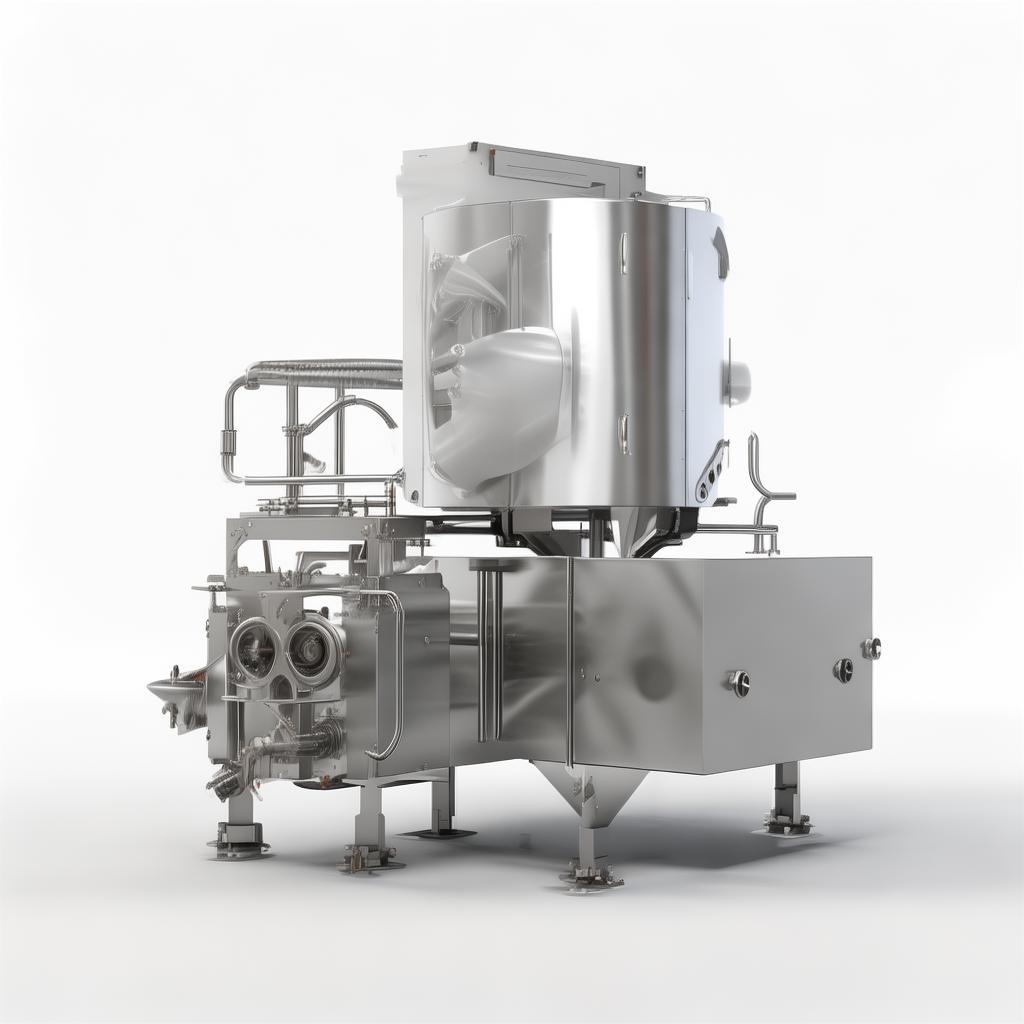
Smoking Cooking Method
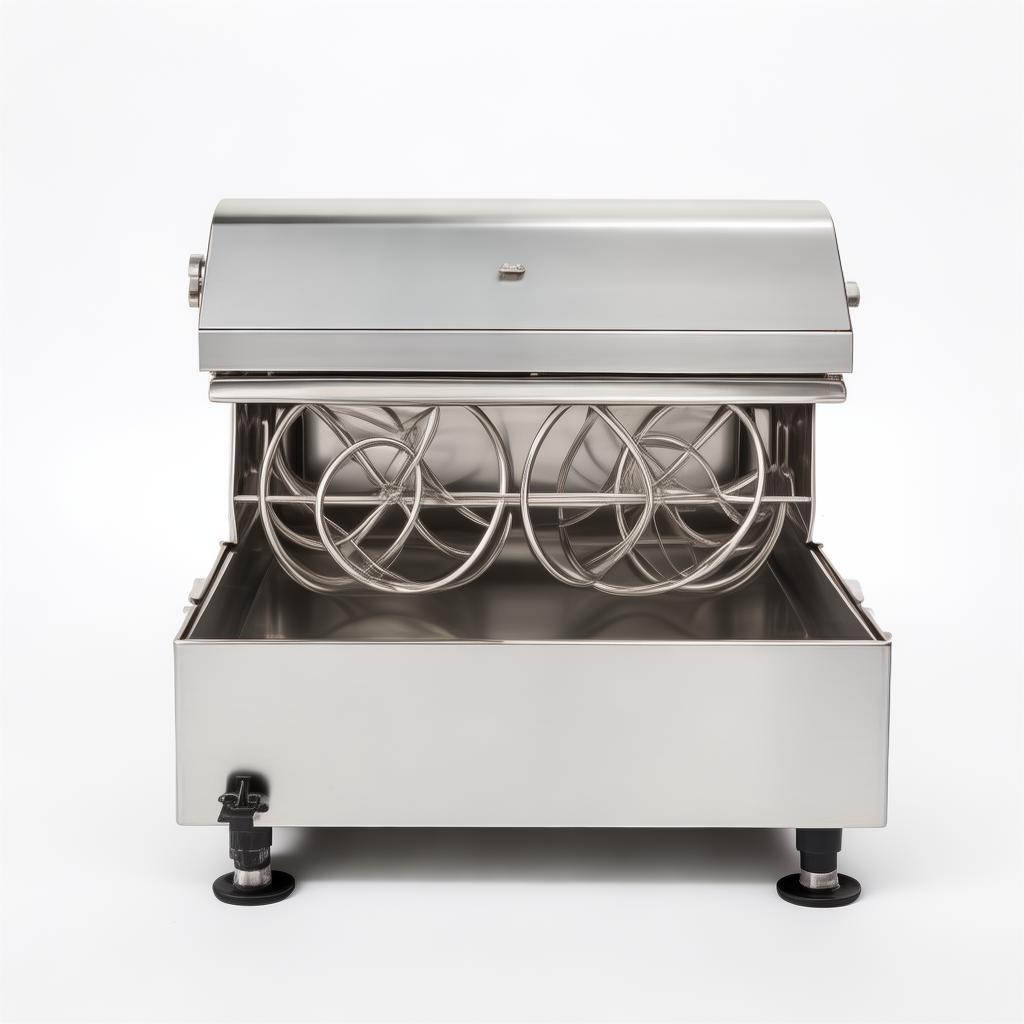
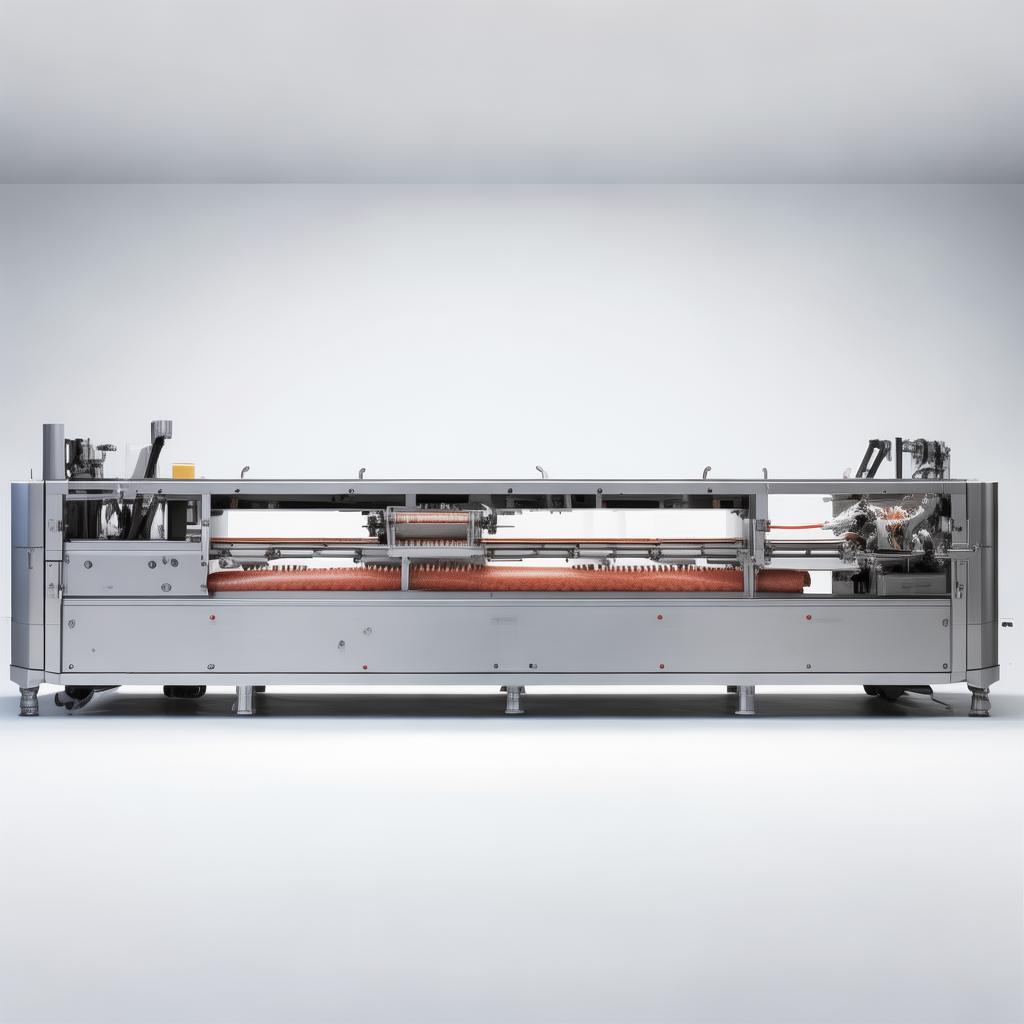

Mastering Smoking: A Guide to Authentic Flavor and Preservation in Commercial Food Processing
 Li Wei, Senior Production Engineer
|
Hebei Yuanchang Food Mechanism & Technology Co., Ltd.
Li Wei, Senior Production Engineer
|
Hebei Yuanchang Food Mechanism & Technology Co., Ltd.
The Art and Science of Commercial Smoking in Food Production
For decades, the "smoking cooking method" has been more than just a culinary technique; it's a foundational process in the food industry, crucial for imparting unique flavors, achieving desirable textures, and, critically, extending shelf-life through natural preservation. Whether you're dealing with the rich aroma of cured meats, the distinctive taste of smoked fish, or the savory depth of cheese, understanding the nuances of commercial smoking is paramount for any operation aiming for consistency, quality, and market appeal. This isn't about backyard grilling; it's about precision engineering, controlled environments, and scalable processes that meet stringent food safety regulations and consumer expectations. The global meat processing equipment market, a sector where smoking plays a vital role, was valued at approximately USD 11.29 billion in 2025 and is projected to reach USD 17.39 billion by 2034, demonstrating its continued significance. (Source: Fortune Business Insights) This growth is intrinsically linked to the rising demand for processed meats and the adoption of automation for both hygiene and efficiency. As a company with over 40 years of experience since 1986, Hebei Yuanchang Food Mechanism & Technology Co., Ltd. has witnessed firsthand the evolution of smoking technology, from basic chambers to sophisticated, automated systems that precisely control temperature, humidity, and smoke density. Our expertise lies not just in manufacturing, but in understanding the entire production workflow, ensuring that auxiliary systems like smoking integrate seamlessly with pretreatment, filling, molding, and ripening processes to deliver exceptional results consistently.
The journey of smoked food products often begins long before the smoke itself is generated. It involves careful selection of raw materials, appropriate pretreatment—which can include brining, curing, or marinating—and precise filling or molding to achieve the desired final form. These steps are critical. For instance, the reconstituted meat market, heavily reliant on molding and pretreatment equipment, is projected to grow significantly, indicating a broader trend towards value-added meat products. (Source: Future Market Insights) Smoking then acts as a pivotal step, often following these forming processes, to impart flavor, color, and a protective barrier. Understanding the interaction between the food matrix and the smoke components—aldehydes, ketones, organic acids, phenols, and carbon compounds—is key to achieving both sensory appeal and effective preservation. This knowledge allows manufacturers to select the right wood types, control the smoke generation temperature, and manage airflow to influence the final product's characteristics. It’s a delicate balance. Too much heat can cook the product prematurely, while insufficient smoke penetration results in a pale, bland finish. Over-exposure to certain compounds can lead to an acrid taste. This is where engineering and experience converge; our in-house machining capabilities, including Japanese Mazak CNC centers, allow us to produce high-precision components essential for replicating these critical smoking parameters reliably, batch after batch. The global meat processing equipment market is expected to grow significantly, with segments like filling, tenderizing, and smoking machines being key drivers. (Source: GM Insights) The demand for automation and hygiene compliance is pushing innovation, and effective smoking solutions are at the forefront of this evolution.
Furthermore, the regulatory landscape in food safety cannot be overstated. Standards like ISO certifications are not just badges; they represent a commitment to quality management and product safety. For products destined for international markets, understanding and complying with varying regional regulations is a complex but essential undertaking. Our approach at Hebei Yuanchang is to provide equipment that facilitates compliance, offering robust construction, easy-to-clean designs, and precise control systems that minimize human error and cross-contamination risks. The trend towards processed meat, including cured and smoked varieties, is global. The market is expected to reach USD 1,253.77 billion by 2034 at a CAGR of 6.62% (Fortune Business Insights), highlighting the vast opportunities for producers. To tap into this market effectively, investments in reliable auxiliary systems—such as smoking chambers that complement pretreatment and ripening equipment—are essential. This guide aims to demystify the smoking cooking method from an industrial perspective, covering everything from the science behind smoke generation to practical considerations for procurement, installation, and maintenance. Whether you're a purchasing manager evaluating new equipment, an operations director seeking to optimize existing lines, or an engineer designing a new processing facility, this information is designed to provide actionable insights.
 "The precise control over smoke density and temperature is critical for our artisanal jerky line. We found that older models struggled with consistency, leading to wasted product and batch rejection. Upgrading to a system with better environmental controls has drastically improved our output and reduced our spoilage rate." - Operations Manager, USA
Identifying Key Industry Challenges in Smoking Processes
Inconsistent Product Quality
Variations in smoke density, temperature, or humidity across different smoking cycles or even within a single chamber lead to uneven coloration, flavor profiles, and textural differences. This is a constant headache for quality control departments and can lead to costly product recalls or reworks. Achieving uniformity requires precise control systems and well-maintained equipment, ensuring every batch meets specification.
Food Safety & Contamination Risks
Improperly managed smoking processes can create environments conducive to microbial growth, especially if temperatures are too low or dwell times are insufficient. Moreover, poorly designed smoking chambers can be difficult to clean, leading to cross-contamination from previous batches. Ensuring hygienic design and effective cleaning protocols is non-negotiable.
Operational Inefficiencies & Labor Costs
Manual loading and unloading, inconsistent smoke generation, and lengthy processing times contribute to higher labor costs and lower throughput. Automation in smoking chambers, alongside efficient pretreatment and post-treatment processes, is crucial for optimizing production flow and reducing operational expenditure. The trend towards automation is strong, driven by labor shortages and the need for consistency.
Limited Product Versatility
A single smoking unit that can only handle one type of smoke (e.g., hot smoke) or one specific product category limits a company's ability to innovate and meet diverse market demands. Modern facilities require flexible systems capable of hot smoking, cold smoking, and potentially utilizing different types of smoke generators (e.g., direct fire, electric, or liquid smoke application systems).
Advanced Smoking Cooking Methods: Precision Engineering for Superior Results
At Hebei Yuanchang, we engineer smoking systems designed to overcome these very challenges. Our approach integrates deep mechanical expertise with an understanding of food science, allowing us to deliver solutions that are both robust and highly functional. The "smoking cooking method," when executed with precision equipment, becomes a powerful tool for product differentiation and market leadership.
1. Controlled Smoke Generation Systems
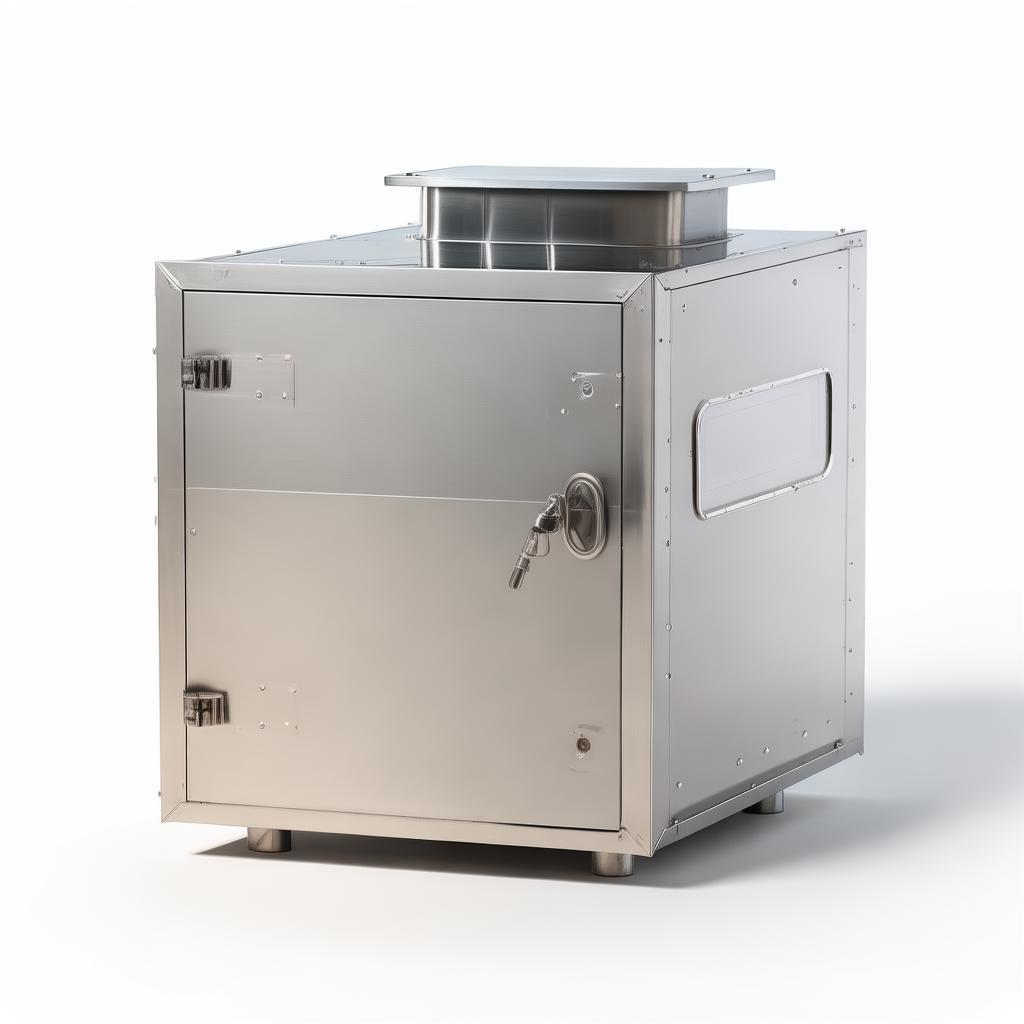
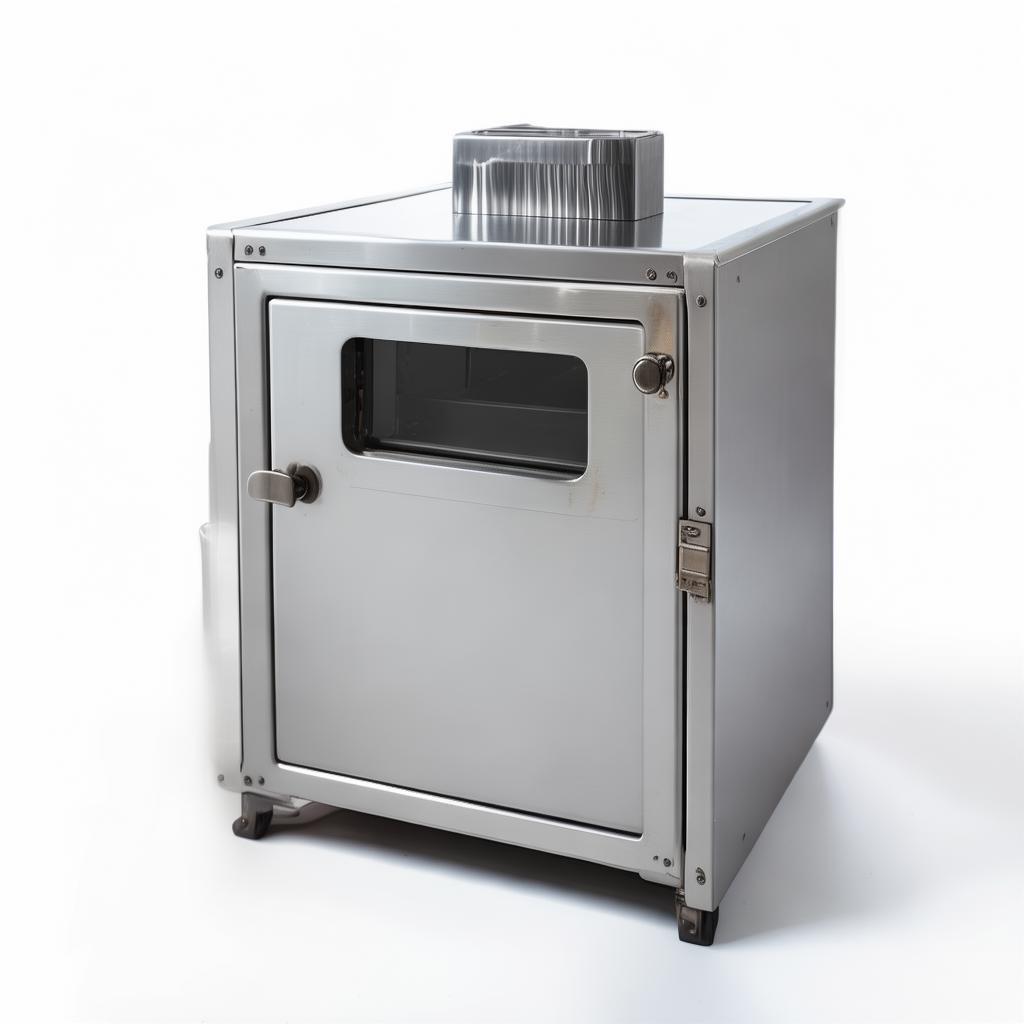
Forget the unpredictability of simple wood chip burners. Our smoking chambers utilize advanced smoke generators that allow for precise control over smoke density, temperature, and composition. Whether you need a light, aromatic cold smoke for fish or a robust, wood-fired flavor for premium bacon, our systems can be configured to meet your specific needs. This granular control ensures consistent color development, a balanced flavor profile, and optimal preservation without introducing unwanted bitterness or off-flavors. The global meat processing equipment market, which includes smoking machines, is projected to grow significantly, emphasizing the need for technological advancements in this area. (Source: Market Research Future)
2. Advanced Climate Control (Temperature & Humidity)
Smoking is not just about smoke; it's a controlled drying and thermal process. Our systems feature sophisticated climate control modules that manage temperature and humidity with remarkable accuracy. This is critical for hot smoking, where the smoking process also cooks the product, and for cold smoking, where precise humidity control aids in dehydration and the formation of a protective pellicle. Maintaining the correct internal product temperature is vital for food safety, ensuring pathogens are inactivated. The market for meat processing equipment, emphasizing tenderizing, filling, and ripening (massaging) equipment, shows strong integration with automation for molding and ripening efficiency. (Source: Advanced Meat Processing Technologies Summary) Our smoking systems integrate seamlessly into these workflows.
3. Hygienic Design and Ease of Cleaning
We understand that compliance with food safety standards, such as those often guided by FDA regulations in the US, is paramount. Our smoking chambers are designed with ease of cleaning in mind. Materials are food-grade stainless steel, all welds are smooth, and access panels are designed for thorough sanitation. Detachable components and well-placed drainage systems minimize manual scrubbing time and reduce the risk of bacterial harborage. This operational consideration is a cornerstone of our engineering philosophy.
4. Scalability and Customization (OEM/ODM Capabilities)
Whether you're a burgeoning artisanal producer or a large-scale international exporter, we offer solutions that scale. Our factory capabilities allow for both standard models and fully customized OEM/ODM designs. We can tailor chamber size, smoke generation methods, climate control parameters, and automation levels to fit your production volume, product types, and specific operational needs. This flexibility is what sets us apart, allowing us to serve diverse clients from North America to Asia-Pacific.
Technical Specifications: Building the Foundation of Trust
Understanding the technical heart of our smoking equipment is crucial for procurement professionals and engineers alike. Our commitment to precision manufacturing, utilizing over 20 sets of processing machinery including high-precision grinding and CNC equipment, ensures that every component meets rigorous standards. Below is a representative specification table for one of our advanced industrial smoking units. Please note that customization is a core offering.
| Feature | Specification | Notes |
|---|---|---|
| Model Name | YC-SMK-PRO-2000 | Advanced Industrial Smoker |
| Capacity | 2000 kg / cycle (approx.) | Configurable based on product density & size |
| Chamber Dimensions (L x W x H) | 3.5m x 2.0m x 2.2m | Customizable |
| Temperature Range | 30°C to 150°C (Hot Smoking) | Precise PID control |
| Humidity Control | 20% - 95% RH | Integrated steam injection & ventilation |
| Smoke Generation | Multi-stage wood chip/sawdust burner | Variable smoke density control |
| Material Construction | Food-grade 304/316L Stainless Steel | Corrosion resistant |
| Control System | PLC with Touchscreen Interface | Programmable recipes, data logging |
| Power Supply | 380V/50Hz/3Ph (or as specified) | Meets international standards |
| Certifications | CE, ISO 9001 | Optional: FDA compliant components |
Request detailed technical drawings and specific model data by getting in touch with our engineering team.
Application Scenarios: Beyond the Basics
The "smoking cooking method" is incredibly versatile, finding application across a wide spectrum of food products and processing lines. Our equipment is designed to integrate seamlessly into various production workflows, supporting diverse applications:
- Meat Products: From sausages and hams to bacon, jerky, and pepperoni. Smoking imparts color, flavor, and aids in preservation, often following filling and molding processes. The global meat processing equipment market saw estimated values between USD 11.28 billion and USD 18.3 billion in 2024-2025, with a significant portion dedicated to such processing needs. (Sources: Grand View Research, IMARC Group)
- Poultry & Fish: Smoked chicken, turkey, salmon, and other seafood benefit from enhanced flavor and extended shelf life. Cold smoking is particularly popular for fish, requiring precise temperature and humidity control.
- Cheese & Dairy: Certain cheeses develop unique flavor profiles and characteristics through smoking, adding a premium appeal.
- Vegetarian & Vegan Alternatives: Increasingly, plant-based products are utilizing smoking techniques to mimic the savory, umami notes traditionally associated with smoked meats.
Our engineering team works closely with clients to understand their specific product requirements and processing environments, ensuring the optimal smoking solution is deployed. This includes considerations for airflow dynamics, product loading configurations, and integration with upstream and downstream equipment like massaging machines for ripening or filling and molding systems.
Installation & Operational Insights
Getting a new smoking system up and running smoothly involves more than just plugging it in. We provide comprehensive support to ensure a seamless integration into your facility.
Installation Considerations:
- Ventilation: Adequate exhaust ventilation is critical for removing smoke byproducts and maintaining a safe working environment. We can advise on optimal vent hood placement and ducting requirements.
- Utilities: Ensure availability of appropriate electrical power, and potentially steam or water supply, depending on the model's features.
- Floor Load Capacity: Industrial smokers can be substantial pieces of equipment. Confirm floor load ratings in the intended installation area.
- Access: Ensure sufficient space for equipment delivery, installation, and future maintenance access.
Operational Best Practices:
- Pretreatment is Key: The success of smoking hinges on proper brine curing, marination, or other pretreatment steps.
- Wood Selection: Different woods yield different flavors (e.g., hickory, mesquite, applewood, oak). Experiment to find what best complements your product and appeals to your target market.
- Loading Density: Avoid overcrowding the chamber. Proper airflow around each product piece is essential for even smoke penetration and drying.
- Process Monitoring: Utilize the programmable controls to track temperature, humidity, and time. Regular calibration of sensors ensures accuracy.
Need expert guidance on integrating smoking into your existing line? Talk to our application engineers today.
Maintenance & Longevity: Ensuring Your Investment Lasts
A well-maintained smoking system operates efficiently, produces consistent results, and lasts for years. Our equipment is built for durability, but regular maintenance is crucial. Our traceable after-sales management system means we can support you with spare parts and technical advice throughout the lifecycle of your machine.
- Daily Cleaning: Thoroughly clean the interior chamber, smoke ducts, and collection trays after each production cycle.
- Weekly Checks: Inspect seals, gaskets, and heating elements for wear or damage. Clean smoke generators and filters.
- Periodic Servicing: Schedule professional inspections of control systems, fans, and structural integrity. We recommend annual servicing for optimal performance.
- Spare Parts: Keep common wear items like seals and filters in stock. We maintain a comprehensive inventory of high-precision parts manufactured in-house.
Proactive maintenance reduces downtime and extends equipment life. Ask about our maintenance support packages.
Procurement Guidance: Choosing the Right Smoking Partner
When sourcing industrial smoking equipment, especially for international trade, several factors beyond just the technical specifications come into play. With 40 years of experience, Hebei Yuanchang understands the procurement landscape.
- Supplier Reputation & Experience: Look for manufacturers with a proven track record and deep industry knowledge, like our 40 years in food processing machinery.
- Manufacturing Capabilities: In-house machining and advanced CNC capabilities (like our Japanese Mazak centers) ensure higher precision and control over component quality.
- After-Sales Support: A traceable management system for spare parts and service is crucial for long-term operational continuity.
- Certifications & Compliance: CE, ISO, and adherence to food safety standards are non-negotiable for international markets.
- Customization Options: Can the supplier adapt equipment to your unique needs? Our OEM/ODM services are designed for this.
Navigating international sourcing can be complex. Let our export team guide you through the process. Contact us for a personalized consultation.
What Our Clients Say
Real feedback from businesses like yours, who rely on precise smoking processes for their success.
"We switched to Hebei Yuanchang's smoking system two years ago for our premium sausages. The consistency in color and smoke flavor is something we struggled with before. Their team helped us fine-tune the process for our specific brining method. The reduction in batch variability has been substantial."

Production Manager, California
Reviewed on: Oct 2023
"As an importer of specialty smoked fish, quality and shelf-life are non-negotiable. Hebei Yuanchang's smoking equipment delivered on both. The precise temperature and humidity controls allowed us to achieve the desired texture and preservation for sensitive products. Their after-sales support for spare parts has been reliable and prompt."

Procurement Director, UK
Reviewed on: Jan 2024
"We needed a scalable solution for our growing line of plant-based 'smoked' products. Hebei Yuanchang's team understood our vision and helped us customize a smoking chamber that could handle different densities and achieve the savory notes our customers expect. The ease of cleaning also significantly improves our line efficiency."

Head of R&D, Canada
Reviewed on: April 2024
Frequently Asked Questions (FAQs)
What is the difference between hot smoking and cold smoking?
Hot smoking involves smoking at higher temperatures (typically above 55°C / 131°F), which cooks the food while imparting smoke flavor and color. Cold smoking is done at much lower temperatures (below 30°C / 86°F) and primarily serves to add flavor and aid in preservation without cooking. Our systems are designed to handle both, with precise temperature and humidity controls.
How long does a smoking cycle typically take?
Cycle times vary greatly depending on the product, size, desired outcome (color, flavor penetration, internal temperature), and whether it's hot or cold smoking. It can range from a few hours for some hot-smoked items to several days for certain cold-smoked products. Our programmable controls allow for precise recipe management to ensure consistency.
Can your smoking equipment be used for liquid smoke?
Yes, many of our systems can be adapted to incorporate liquid smoke application for precise flavor control. This method offers consistent results and can be more efficient than traditional wood smoking for certain applications. We can discuss specific integration options.
What are the main advantages of using your industrial smoking equipment compared to simpler models?
smoke in food industrial meat smoking techniques how to smoke snack sticks
Our industrial units offer superior control over temperature, humidity, and smoke density, leading to highly consistent product quality and enhanced food safety. They are built for high throughput, durability, and ease of cleaning, which translates to lower operational costs and higher ROI over time. Our advanced PLC controls allow for complex recipe management and data logging, crucial for quality assurance and process optimization.
Do you offer installation and training services?
Yes, we offer comprehensive support, including installation assistance, commissioning, and operator training. Our goal is to ensure your team is fully equipped to operate and maintain the equipment for optimal performance and safety. Our export team can coordinate these services for international clients.
Ready to Elevate Your Smoking Process?
Discover how Hebei Yuanchang's expertise in food processing machinery can bring unparalleled consistency, quality, and efficiency to your smoked product lines. With 40 years of experience and advanced manufacturing capabilities, we are your trusted partner for industrial smoking solutions.