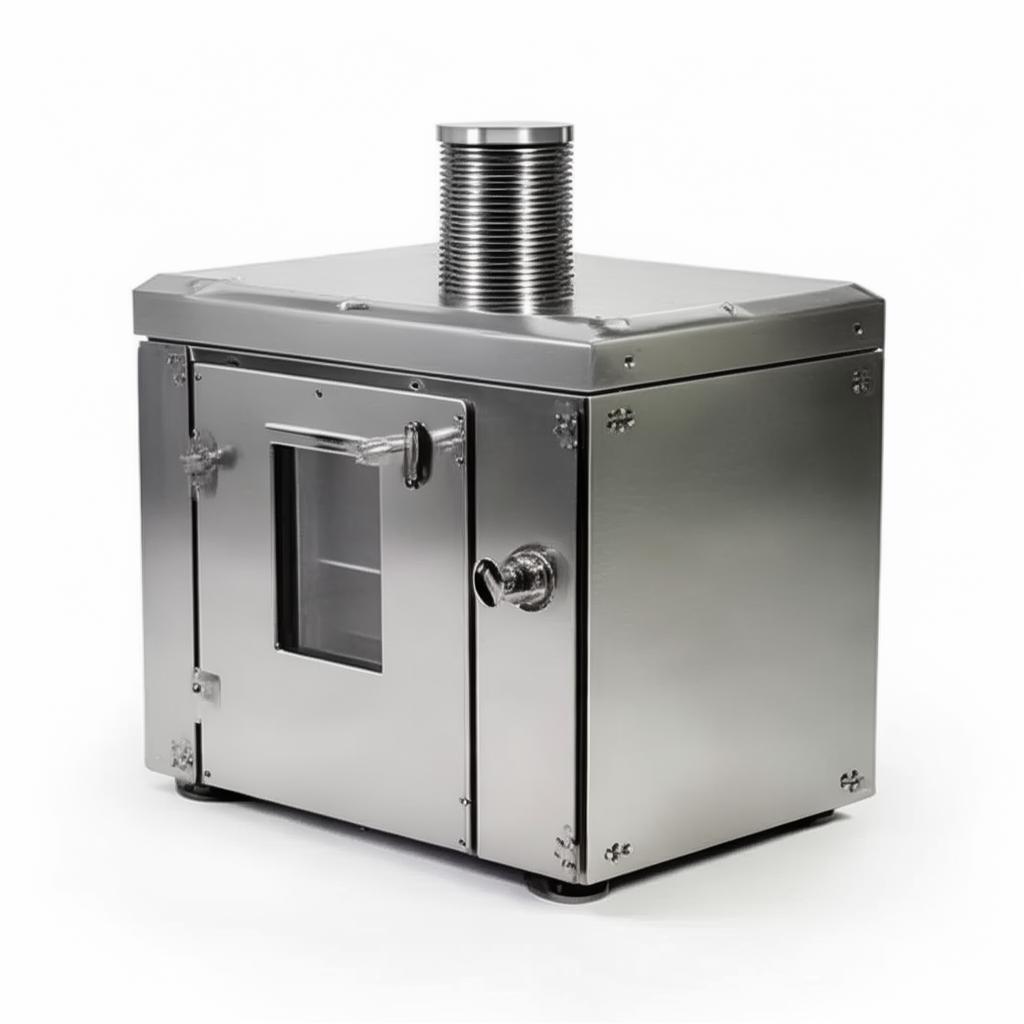
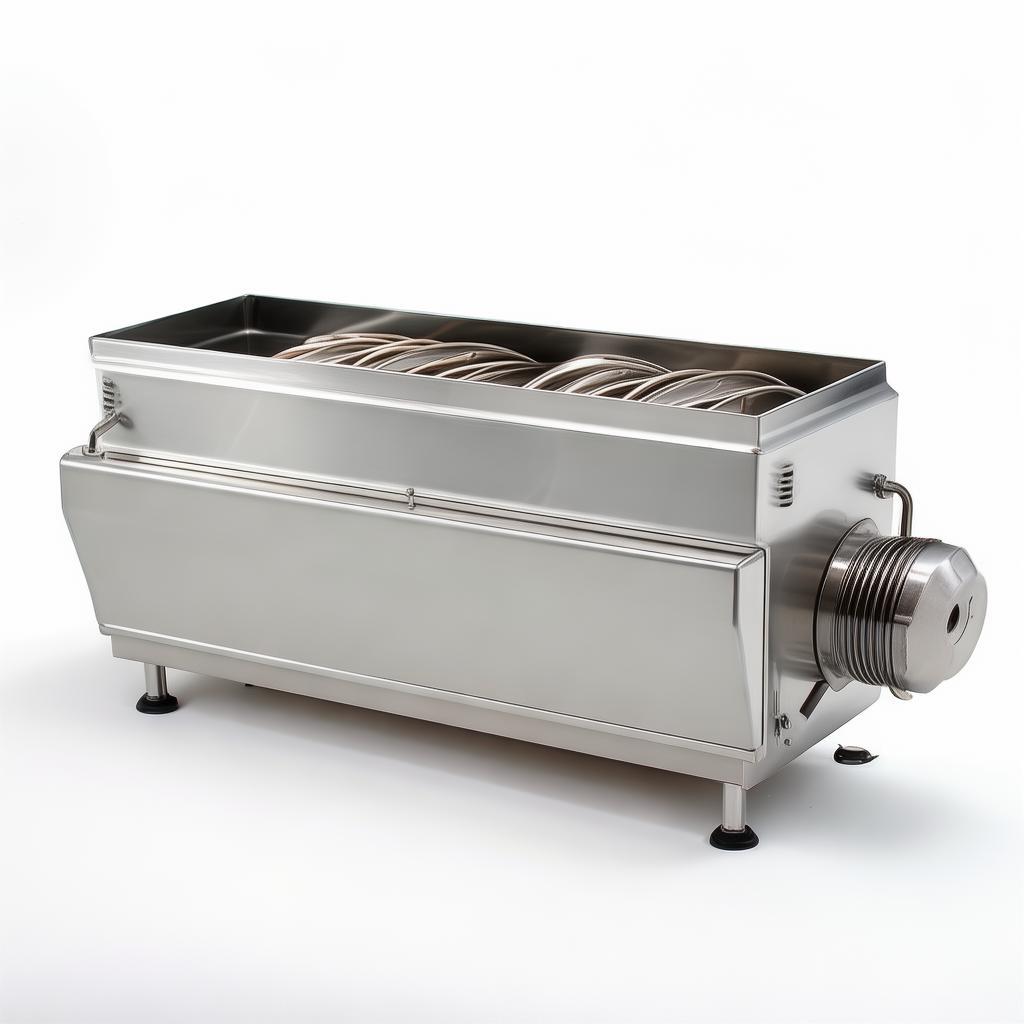
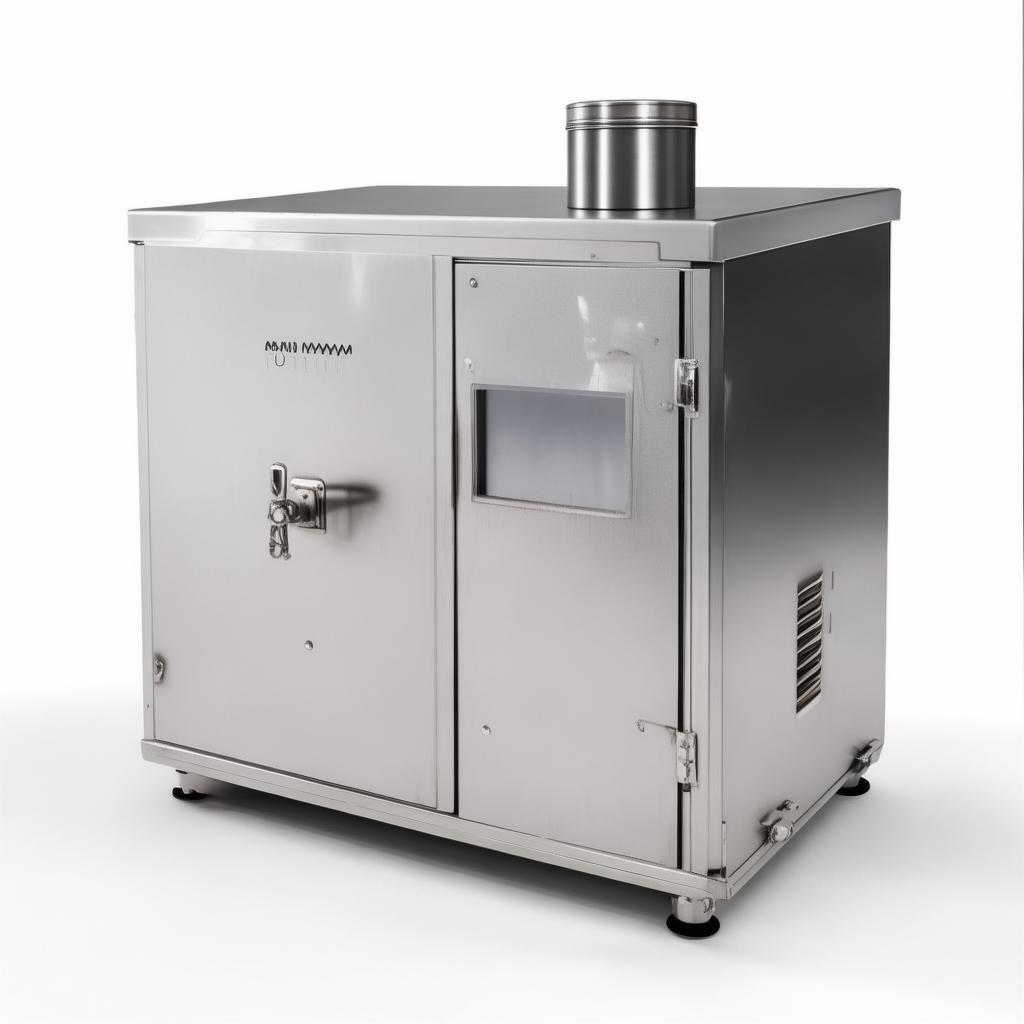
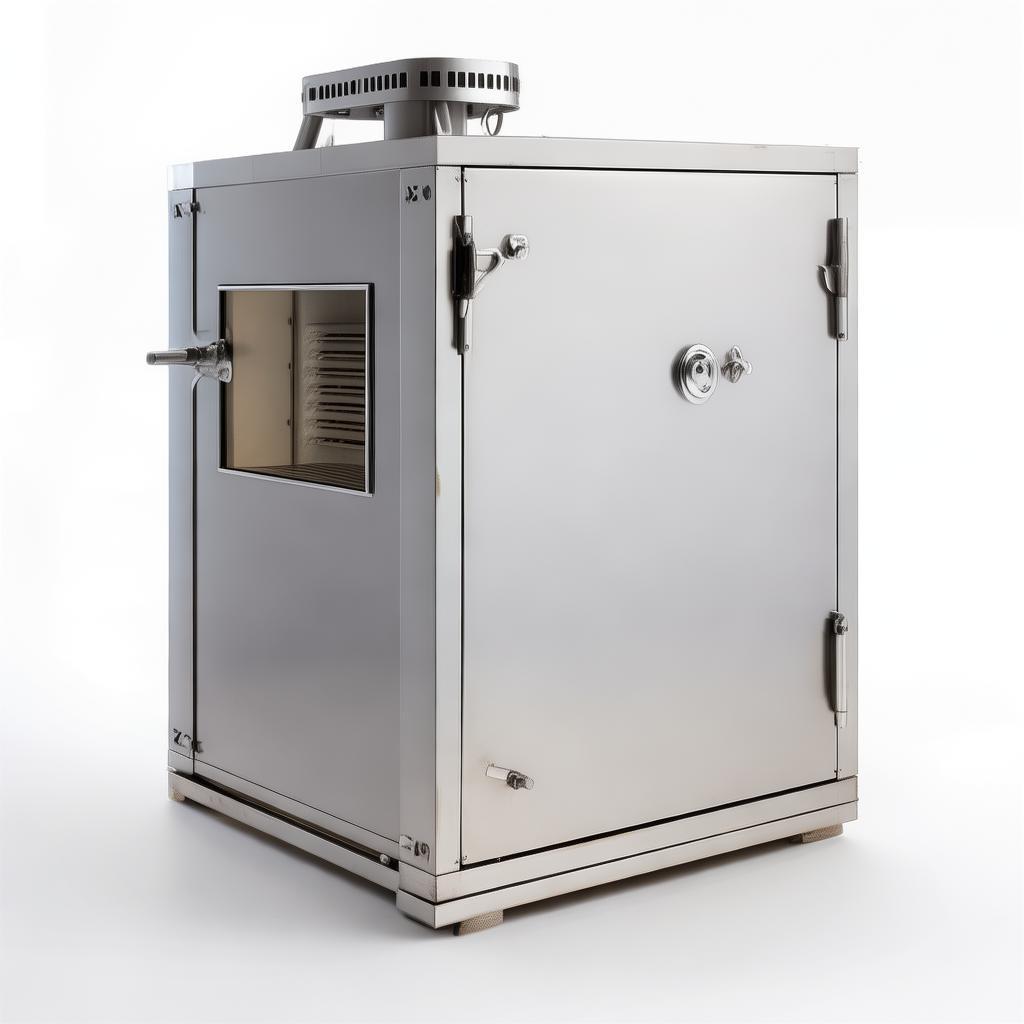
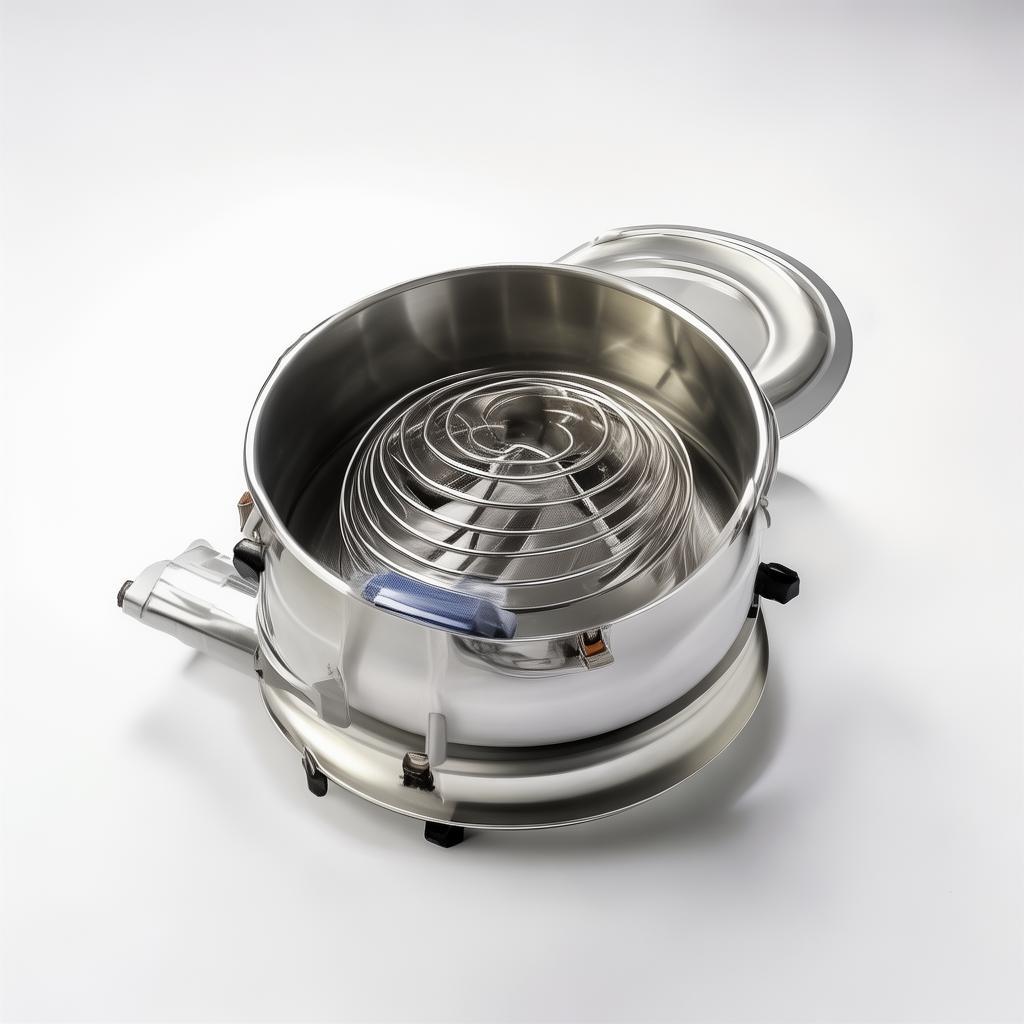
Silent Bowl Cutter
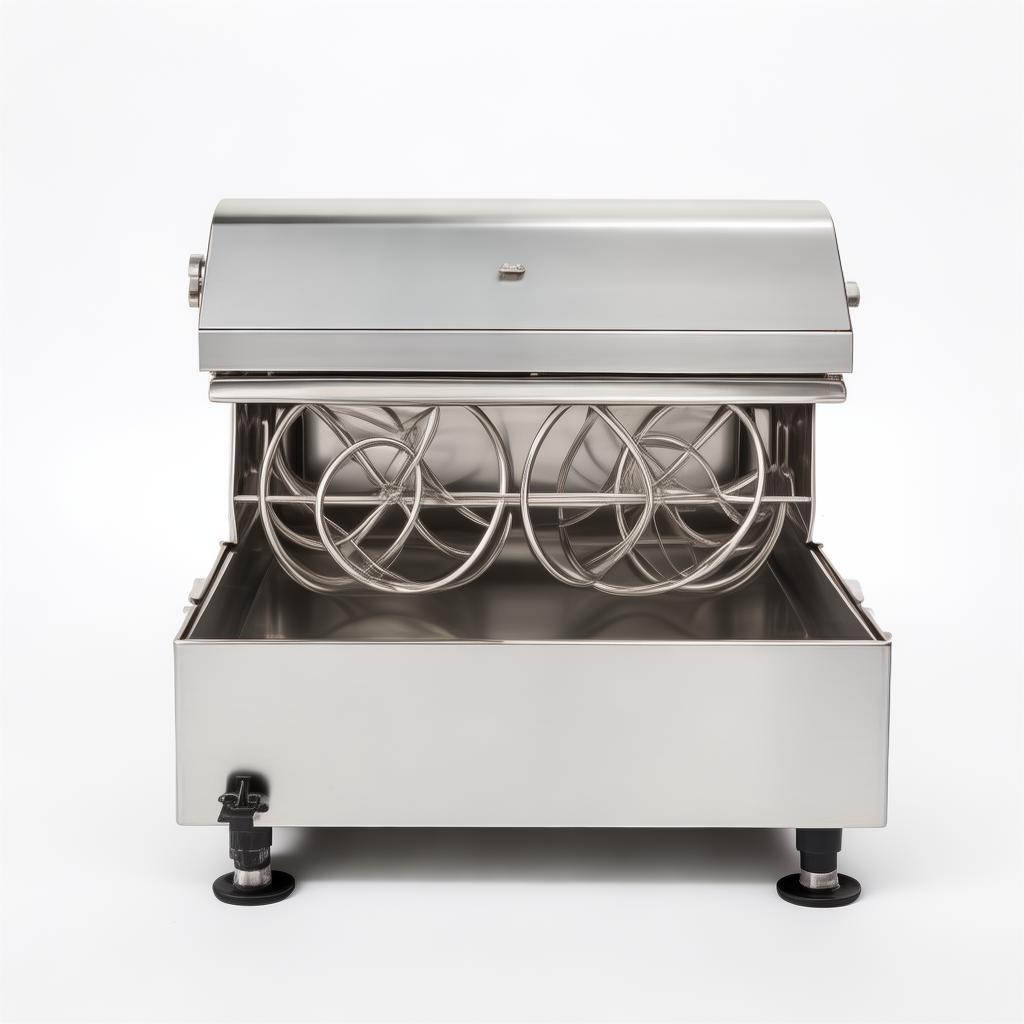
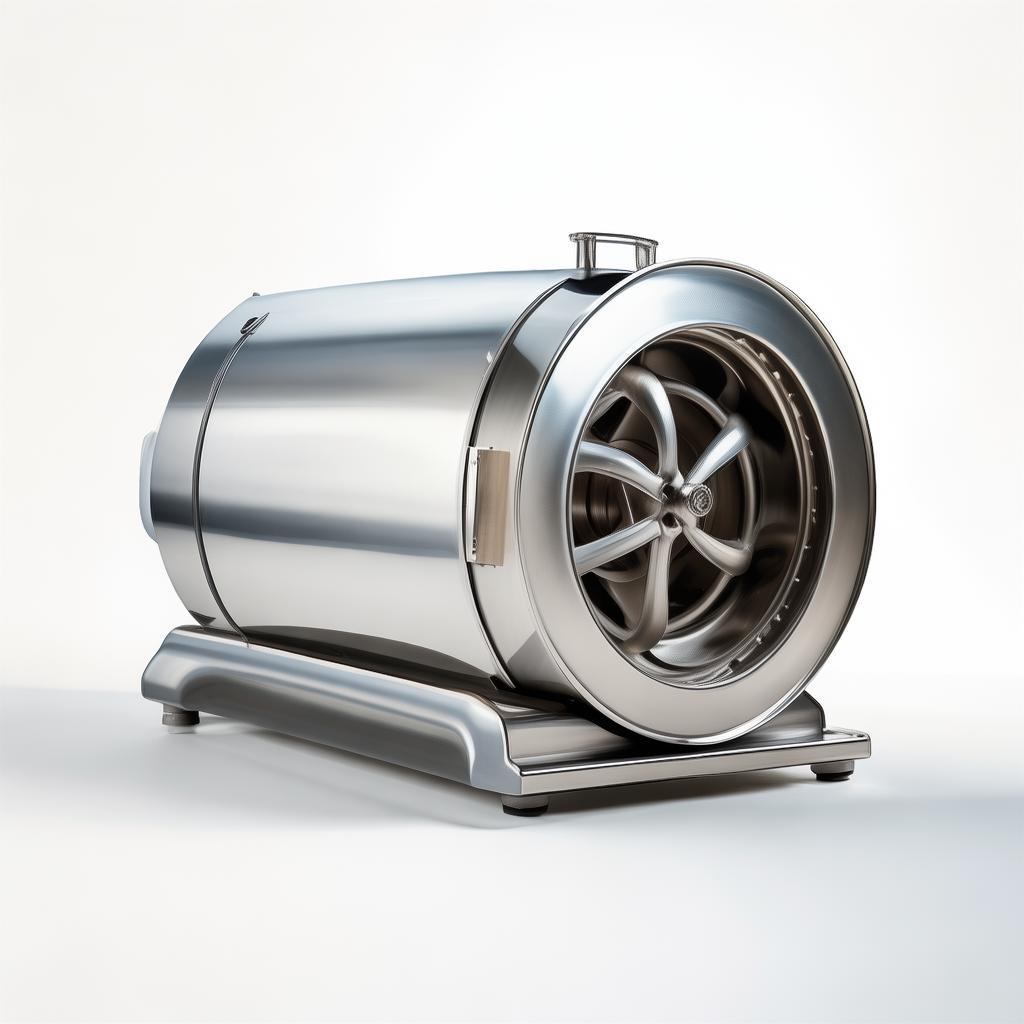
Silent Bowl Cutter: Precision, Efficiency, and Quiet Operation for Modern Meat Processing
Elevate Your Production with Advanced Cutting Technology from Hebei Yuanchang Food Mechanism & Technology Co., Ltd.
 By Li Wei, Export Director at Hebei Yuanchang
In this guide:
- The Evolution of Meat Cutting: Why "Silent" Matters
- Addressing Operational Challenges in Meat Processing
- Unpacking the Advantages of Our Silent Bowl Cutter
- Key Technical Specifications for Informed Decisions
- Versatile Applications Across the Meat Industry
- Material Quality: The Foundation of Durability
- Installation and Maintenance: Practical Considerations
- Procurement Insights for International Buyers
- Hebei Yuanchang: Our Commitment to Quality and Innovation
- Industry Standards and Certifications
- What Our Clients Say
- Frequently Asked Questions
- Ready to Enhance Your Production?
The Evolution of Meat Cutting: Why "Silent" Matters in Your Processing Line
In the complex world of food manufacturing, particularly within the meat processing sector, efficiency, product quality, and operational safety are paramount. For decades, machinery has been the backbone of this industry, enabling large-scale production that meets growing consumer demand. However, the pursuit of greater output often came with significant compromises. Traditional cutting and mixing equipment, while effective, could be notoriously loud. This noise pollution wasn't just an environmental nuisance; it created demanding work conditions, hindered clear communication on the factory floor, and even posed a long-term health risk to operators. This is where innovation steps in, and the development of the silent bowl cutter represents a significant leap forward in addressing these persistent operational challenges. We've observed firsthand how advancements in engineering can directly translate into a more productive, safer, and ultimately more profitable processing environment.
The global meat processing equipment market is a testament to this continuous evolution. Valued at approximately USD 11.29 billion in 2025, it's projected to reach USD 17.39 billion by 2034, growing at a CAGR of 5.0% [Source: Fortune Business Insights]. This robust growth underscores the industry's commitment to adopting technologies that enhance both efficiency and product quality. Within this landscape, equipment for filling, massaging, cutting, and grinding plays a critical role. However, the narrative often overlooks the subtler yet equally impactful improvements, such as noise reduction. Our 40 years of experience since 1986 at Hebei Yuanchang Food Mechanism & Technology Co., Ltd. have shown us that listening to customer feedback—often about the sensory aspects of their workplace—can lead to the most impactful product refinements. The demand for reduced noise levels is not a mere preference; it’s a functional requirement driven by health regulations, employee well-being initiatives, and a desire for a more harmonious operational setting.
Consider the sheer volume of processed meat products consumed globally. The processed meat market itself is a colossal industry, projected to reach USD 1,253.77 billion by 2034 at a CAGR of 6.62% [Source: Fortune Business Insights]. This immense scale necessitates robust, reliable, and increasingly sophisticated machinery. Equipment like filling & stuffing machines and massaging systems are crucial for creating the consistent quality and texture consumers expect in sausages, cured meats, and other ready-to-eat products. But as production lines become more integrated and optimized, the cumulative noise from multiple machines can become overwhelming. A silent bowl cutter, by significantly mitigating this acoustic burden, contributes to a better overall work environment and can even improve the focus and precision of operators handling sensitive meat formulations. It's about creating a processing ecosystem where every component contributes positively, not just to output, but to the human experience within the facility.
Furthermore, the drive towards automation and enhanced hygiene standards, driven by strict food safety regulations, often involves tighter operational spaces and more complex machinery integration. In such environments, reducing noise pollution becomes even more critical. It facilitates better communication between operators and supervisors, crucial for error prevention and quality control. The introduction of advanced systems like Japanese Mazak CNC machining centers into our own production facilities in 2012 allows us to manufacture high-precision components. This precision engineering isn't just about mechanical accuracy; it's about designing quieter, smoother-running machines. The silent bowl cutter is a direct product of this philosophy – applying meticulous engineering not just for function, but for a more refined, user-friendly operation. It’s a pragmatic approach to manufacturing where the 'how' of the machine's operation is as important as the 'what' it achieves.
When procurement managers and operations directors evaluate new equipment, they often focus on throughput, energy consumption, and maintenance costs. While these are vital, the less tangible benefits, like noise reduction, are increasingly recognized as significant contributors to operational efficiency and employee retention. A quieter factory can mean fewer distractions, reduced fatigue, and a more positive work atmosphere, all of which indirectly boost productivity and reduce costly errors. Our silent bowl cutters are designed with this holistic view of the processing plant in mind. We aim to deliver machinery that not only performs impeccably but also enhances the working environment, making your facility a better place to operate and a more attractive place to work. This focus on the complete operational picture is what sets Hebei Yuanchang apart.
For those involved in international trade and B2B wholesale, selecting a supplier who understands these nuanced operational needs is critical. It's about partnering with a manufacturer that doesn't just build machines but engineers solutions. The silent bowl cutter is a prime example of how thoughtful design, grounded in decades of industry experience and a commitment to precision manufacturing, can address the multifaceted demands of the modern meat processing industry. It’s an investment in quieter, more efficient, and ultimately more productive operations.
Addressing Operational Challenges in Meat Processing
The reality on a busy meat processing floor is often a symphony of mechanical sounds. While essential for production, the constant noise from machinery can present several significant hurdles for businesses aiming for peak performance and a healthy work environment.
- Noise Pollution & Worker Fatigue: Prolonged exposure to high decibel levels is not only uncomfortable but can lead to operator fatigue, reduced concentration, and potential long-term hearing impairment. This impacts overall morale and can increase the risk of workplace accidents.
- Communication Barriers: In a noisy environment, clear communication between team members and supervisors becomes difficult. This can slow down operations, lead to misunderstandings, and compromise quality control.
- Regulatory Compliance: Many regions have regulations regarding workplace noise exposure. Failing to meet these standards can result in fines and legal complications.
- Energy Inefficiency in Older Designs: Some older, noisier machines might also be less energy-efficient, leading to higher operational costs.
- Product Quality Inconsistency: While not directly related to noise, the general operational environment can affect operator focus. A less stressful, quieter workplace can indirectly lead to more consistent product quality.
- Limited Shift Flexibility: High noise levels can make it challenging to operate machinery during off-peak hours or in facilities located in noise-sensitive areas.
The global market for meat processing equipment is seeing robust growth, projected to reach between USD 15 billion and USD 30 billion by 2030-2035, with key segments including filling, massaging, and cutting machines [Sources: Grand View Research, GMInsights]. This growth signifies a trend towards more sophisticated equipment, and noise reduction is a crucial, though often understated, aspect of this advancement. By choosing equipment designed for quiet operation, businesses can proactively mitigate these challenges, fostering a more productive, safer, and compliant operational environment.
"We've heard from numerous clients that the ambient noise level in their processing areas has significantly decreased after upgrading to our latest generation of equipment. This isn't just about comfort; it’s about creating a more focused and less fatiguing work environment."
Unpacking the Advantages of Our Silent Bowl Cutter
Our silent bowl cutter isn't just another piece of machinery; it's an engineered solution designed to optimize your meat processing operations while enhancing the workplace environment. We focus on delivering tangible benefits that impact your bottom line and operational flow.
Quiet Operation
Engineered for minimal noise, reducing workplace stress and improving communication clarity. This is a key differentiator from standard industrial cutters.
Enhanced Product Quality
Precise cutting action preserves meat texture and integrity, crucial for high-value products like sausages, pâtés, and finely ground meats. Consistent particle size control.
Superior Durability
Constructed with high-grade stainless steel and robust components, ensuring a long service life even under demanding industrial conditions. Our in-house machining capabilities ensure component quality.
Operational Efficiency
Optimized cutting speeds and capacity reduce processing times, leading to increased throughput and labor cost savings. Minimal ingredient loss.
Ease of Operation & Cleaning
Intuitive controls and a design that facilitates quick disassembly for thorough cleaning, minimizing downtime and ensuring hygienic standards. Practical design for routine tasks.
Customization Options (OEM/ODM)
We can tailor specifications to meet your unique production requirements. Leverage our extensive manufacturing experience for bespoke solutions.
The global meat processing equipment market, including cutting and filling systems, shows strong growth driven by demand for processed meats and automation [Sources: Market Research Future, IMARC Group]. Our silent bowl cutter is positioned to meet this demand by offering not just performance, but a more refined operational experience.
Key Technical Specifications for Informed Decisions
Selecting the right equipment involves understanding its technical capabilities. Below are the typical specifications for our silent bowl cutters. Please note that specific models may vary, and we encourage you to contact us for detailed datasheets and to discuss your precise needs.
| Feature | Specification | Notes for Procurement |
|---|---|---|
| Bowl Capacity | Varies (e.g., 50L, 100L, 150L, 200L) | Match to your batch size and desired output. Consider container loading optimization. |
| Motor Power | Varies (e.g., 5.5 kW - 22 kW) | Adequate power ensures efficient cutting of various meat types and fat ratios. Check voltage compatibility for your region. |
| Knife Speed (RPM) | Variable, e.g., 1500 - 3600 RPM | Higher speeds for finer cuts; lower speeds for coarser textures. Critical for achieving desired product consistency. |
| Material Construction | High-Grade Stainless Steel (SUS304/316) | Ensures hygiene, corrosion resistance, and durability. Essential for compliance with food safety standards like FDA or CE requirements. |
| Noise Level | Typically < 75 dB (under typical operating conditions) | Significantly quieter than standard industrial models, contributing to improved workplace acoustics. Check local noise ordinances. |
| Dimensions (L x W x H) | Model-dependent | Important for factory layout planning, doorway clearances, and shipping logistics. |
| Power Supply | 3-Phase, 380V/50Hz (Customizable) | Confirm your facility's electrical infrastructure and any regional power standards. |
| Control System | PLC Control with HMI Touchscreen | Offers precise control over cutting times, speeds, and program recall. Ensures ease of use for operators. |
When evaluating, always ask about the materials used, motor efficiency, and warranty terms. Our 40 years of manufacturing experience mean we understand the critical components that ensure longevity and reliable performance.
Versatile Applications Across the Meat Industry
The silent bowl cutter is not a one-trick pony. Its precision engineering and adaptable settings make it suitable for a wide array of meat processing tasks, from basic grinding to intricate formulations for premium products.
Sausage Production
Achieve perfect grind consistency for various sausage types – breakfast links, Italian, bratwurst, and more. Ideal for emulsifying meat and fat for optimal texture.
Pâtés and Terrines
Finely mince liver, pork, and other ingredients to create smooth, homogenous mixtures essential for high-quality pâtés and terrines.
Burgers and Formed Products
Uniformly blend ground meats with binders and seasonings for consistent texture and appearance in pre-formed burger patties or other formed meat items.
Processed Meats
Essential for creating fillings for pies, pastries, and other processed meat applications, ensuring the right consistency and distribution of ingredients.
Pet Food Ingredients
For pet food manufacturers, it can process meats and by-products into fine textures suitable for inclusion in wet pet food formulations.
Pre-treatment for Further Processing
Can be used to prepare meat components before subsequent processes like cooking, smoking, or chilling, ensuring a consistent starting material.
The demand for processed meats, driving the need for efficient filling and molding equipment, continues to expand. This growth, fueled by convenience and evolving consumer preferences, makes versatile machines like our silent bowl cutter invaluable assets. As the market for processed meat is projected to reach substantial figures, efficiency in these core processing steps is key. [Sources: Mordor Intelligence, Precedence Research]
Material Quality: The Foundation of Durability
When it comes to industrial machinery, especially for food processing, the materials used are non-negotiable. They directly impact hygiene, longevity, and the overall performance of the equipment. At Hebei Yuanchang, we specify only the highest quality materials for our silent bowl cutters.
Primary Construction Material
We utilize food-grade SUS304 or SUS316 stainless steel for the main body, bowl, and external components. This alloy is chosen for its excellent corrosion resistance (especially crucial in environments with salt, acids, or cleaning agents), superior strength, and ease of sanitation. It meets stringent international food safety standards.
Cutting Blades
Our knives are typically made from high-strength, hardened stainless steel alloys. This ensures they maintain their sharpness through extensive use, providing consistent cutting performance without excessive wear. The precision grinding of these blades is a testament to our in-house machining capabilities.
Seals and Gaskets
All seals and gaskets are manufactured from food-grade, high-durability elastomers that resist wear, temperature extremes, and contact with food products and cleaning chemicals. This prevents leaks and maintains hygiene.
Internal Components & Drive System
Internal gears and drive components are made from robust, wear-resistant alloys, often paired with high-quality bearings to ensure smooth, quiet operation and long-term reliability. Our Japanese Mazak CNC machining centers ensure these critical parts meet tight tolerances.
Choosing equipment made with quality materials isn't just about initial purchase price; it's about total cost of ownership. Inferior materials can lead to premature wear, contamination risks, and costly downtime. Our commitment to using premium materials, backed by our manufacturing expertise, ensures a reliable and hygienic processing solution for your business.
Installation and Maintenance: Practical Considerations for Smooth Operation
Integrating new equipment into your production line requires planning. We've outlined key considerations for installation and ongoing maintenance of our silent bowl cutter to ensure you get the most out of your investment.
Installation
Site Preparation: Ensure a clean, level, and stable surface is available. Verify adequate clearance for operation, maintenance access, and product loading/unloading. Check your electrical supply and ensure it matches the machine's requirements.
Connection: The unit typically requires a robust 3-phase power connection. For export, we ensure components are compatible or provide necessary adapters. We can supply wiring diagrams for your local electrician.
Initial Setup: Our manuals provide step-by-step guidance. For complex installations or large-scale orders, we can arrange technical support.
Maintenance
Daily Cleaning: Thoroughly wash the bowl and knives after each use using approved food-grade detergents. Ensure all parts are dried to prevent microbial growth. Quick disassembly is key here.
Routine Checks: Regularly inspect blades for any nicks or wear, and check seals and gaskets for integrity. Lubricate bearings as per the manual. This proactive approach prevents bigger issues.
Blade Sharpening/Replacement: Depending on usage intensity and product processed, blades will require periodic sharpening or replacement. We maintain stock of spare parts for quick dispatch.
Electrical/Mechanical Checks: Periodically verify motor performance, control panel function, and structural integrity. Our traceable after-sales management system supports ongoing service needs.
Proper installation and diligent maintenance are crucial for maximizing the lifespan and performance of your silent bowl cutter. It also plays a significant role in maintaining food safety standards and ensuring operational uptime. We provide comprehensive manuals and are always available to answer your technical queries.
Procurement Insights for International Buyers
Sourcing industrial equipment internationally involves careful consideration of several factors beyond the product itself. As an experienced export manager, I want to guide you through the process to ensure a smooth and beneficial transaction.
Supplier Vetting
Look for manufacturers with a proven track record, certifications (like ISO), and transparent communication. Check their manufacturing capabilities, especially their in-house precision machining. Our 40 years of experience and facility details speak to our commitment.
cutter bowl bowl cutter bowl cutters
Specification Alignment
Ensure the equipment's technical specifications precisely match your production needs. Don't hesitate to ask for detailed drawings, material certifications, and performance data. We welcome detailed inquiries.
Logistics and Shipping
Understand lead times, Incoterms (e.g., FOB, CIF), shipping methods, and potential import duties/taxes in your country. We work with reliable freight forwarders to ensure timely and secure delivery. Container optimization is something we consider for larger orders.
Payment Terms & Warranty
Clarify payment schedules (e.g., deposit, balance before shipment) and the warranty period. Our traceable after-sales management system ensures you receive support when needed.
After-Sales Support
Inquire about spare parts availability, technical assistance, and any documentation provided (manuals, troubleshooting guides). We pride ourselves on worry-free after-sales service.
OEM/ODM Capabilities
If you require modifications or a custom solution, confirm the supplier's OEM/ODM capabilities. Our advanced CNC machining allows for significant customization to meet specific, non-standard requirements.
Navigating international procurement can seem daunting, but with the right partner, it's a straightforward process. Hebei Yuanchang is committed to transparency and providing high-quality industrial equipment, supported by expert export services.
"When sourcing from overseas, clear communication and understanding the supplier's manufacturing depth are key. Hebei Yuanchang's investment in CNC technology and their 40-year history gave us confidence." - Procurement Manager, USA
Hebei Yuanchang: Our Commitment to Quality and Innovation
At Hebei Yuanchang Food Mechanism & Technology Co., Ltd., our manufacturing philosophy is built on decades of practical experience, precision engineering, and a deep understanding of our clients' operational needs. We don't just assemble machines; we craft them.
- 40 Years of Expertise: Since 1986, we have honed our skills in designing and producing meat processing equipment, accumulating invaluable knowledge in complete production lines.
- Extensive Facility: Our 14,000 square meter facility houses a dedicated team of 80-100 skilled professionals, integrating R&D, production, and sales.
- In-house Precision Machining: With over 20 sets of advanced processing machinery, including lathes, milling machines, and grinders, we control the quality of every critical component.
- Japanese CNC Machining Centers: Since 2012, our investment in 8 sets of Japanese Mazak CNC centers enables us to produce high-standard, complex, and non-standard components with extreme precision, critical for advanced equipment like our silent bowl cutters.
- Traceable After-Sales Management: This system ensures we can track and support every piece of equipment we deliver, providing confidence in our long-term service commitment.
- Product Range: While specializing in meat processing, our expertise covers the full spectrum from pretreatment to ripening and auxiliary items, giving us a holistic view of your production needs.
Our dedication to quality control, from raw material sourcing to final assembly, is what allows us to confidently offer durable, high-performance machinery like the silent bowl cutter. We are not just a supplier; we are a manufacturing partner invested in your success.
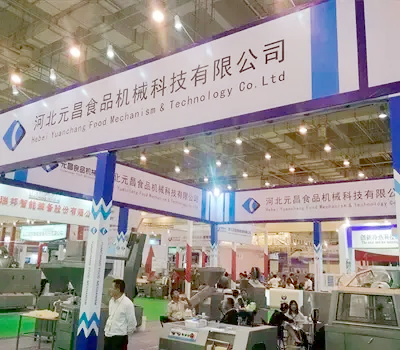 Our advanced machining workshop, featuring state-of-the-art CNC equipment.
Industry Standards and Certifications
Adherence to international standards is crucial for B2B trade, ensuring product safety, quality, and market access. Hebei Yuanchang is committed to meeting these requirements.

ISO 9001: Demonstrates our commitment to quality management systems.
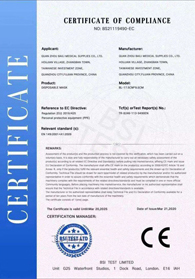
CE Marking: Indicates conformity with health, safety, and environmental protection standards for products sold within the European Economic Area.

RoHS Compliance: For electrical components, ensuring restricted hazardous substances are not used above specified limits.

Food Grade Materials: Components in contact with food meet FDA (U.S. Food and Drug Administration) standards.
While specific certifications for each machine model are available upon request, our manufacturing processes are aligned with these key international standards, facilitating easier market entry and ensuring confidence for our global clientele.
What Our Clients Say
Real-world feedback is the best indicator of performance. Here are a few testimonials from clients who have integrated our equipment into their operations:

Midwest Meats Co., USA
"The silent bowl cutter has genuinely transformed our sausage line. The reduction in noise is noticeable, and the consistency of the grind is superior to our old machine. Less operator fatigue means fewer errors. Delivery was as promised, and setup was straightforward."

Charcuterie Artisanale, France
"We needed a machine for fine pâté production that wouldn't disrupt our smaller facility's acoustic environment. This unit performs exceptionally well, producing an incredibly smooth texture. The build quality is robust, indicative of good manufacturing practices. Customs clearance was efficient with their support."

Asian Foods Ltd., Japan
"The ability to customize the cutting speed and time was crucial for our specific product formulation. We are very satisfied with the consistent results and the machine's quiet operation. Maintenance is simple, and we've had no issues with wear on the blades so far."

Latin American Deli, Mexico
"We use this bowl cutter for our specialty chorizo and longaniza blends. The consistency it provides is fantastic, and the reduced noise makes the work environment much more pleasant, especially during longer shifts. Communication with their export team was excellent throughout the ordering process."
Direct Inquiries & Expert Support
We believe in transparent and direct communication. See examples of our quick and knowledgeable responses to client inquiries:
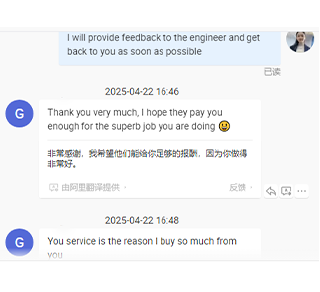
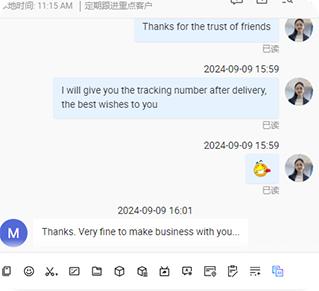
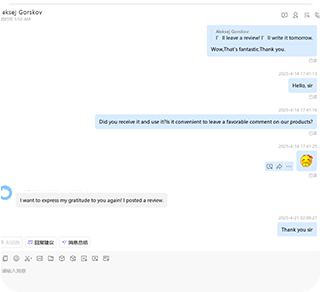
Our team is ready to provide detailed answers, technical advice, and prompt quotations for your specific needs.
Frequently Asked Questions
Q: What is the typical lifespan of the blades on a silent bowl cutter?
A: With proper maintenance and sharpening, the blades can last for several years. Usage intensity and the types of products processed will influence this. We offer replacement blades readily.
Q: Can this machine handle frozen meat?
A: For optimal performance and to prevent damage to the blades and motor, it is generally recommended to use meat that has been tempered to a soft-frozen or chilled state. Consult the specific model's manual for detailed recommendations.
Q: What kind of maintenance is required to keep the "silent" aspect effective?
A: The quiet operation is achieved through precise engineering and balanced components. Regular checks of the motor, bearings, and overall structural integrity, along with proper lubrication, are key to maintaining this performance over time.
Q: What are the typical lead times for an order?
A: Lead times can vary based on model availability and customization requests. Typically, it ranges from 30 to 60 days after order confirmation and deposit. We provide a precise estimate with your quotation.
Q: Do you offer installation services internationally?
A: While we provide comprehensive installation manuals and remote technical support, full on-site installation services for international clients are typically arranged through local partners or specialized technicians at the client's discretion. We can advise on best practices.
Q: What is the voltage and phase requirement?
A: Our standard machines operate on 3-phase, 380V, 50Hz power. However, we can customize to meet specific regional requirements, such as 400V, 440V, 60Hz, or different phase configurations. Please specify your needs.