Sieving Tray
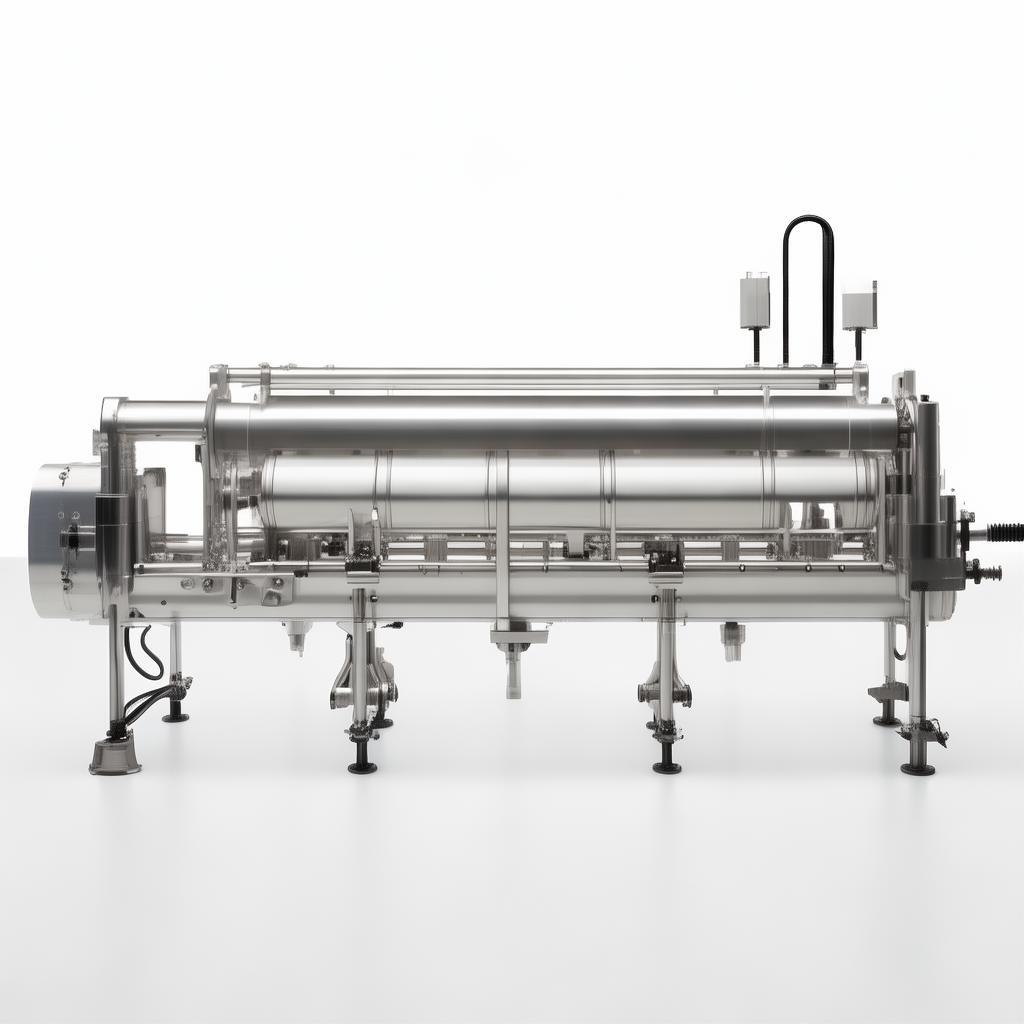
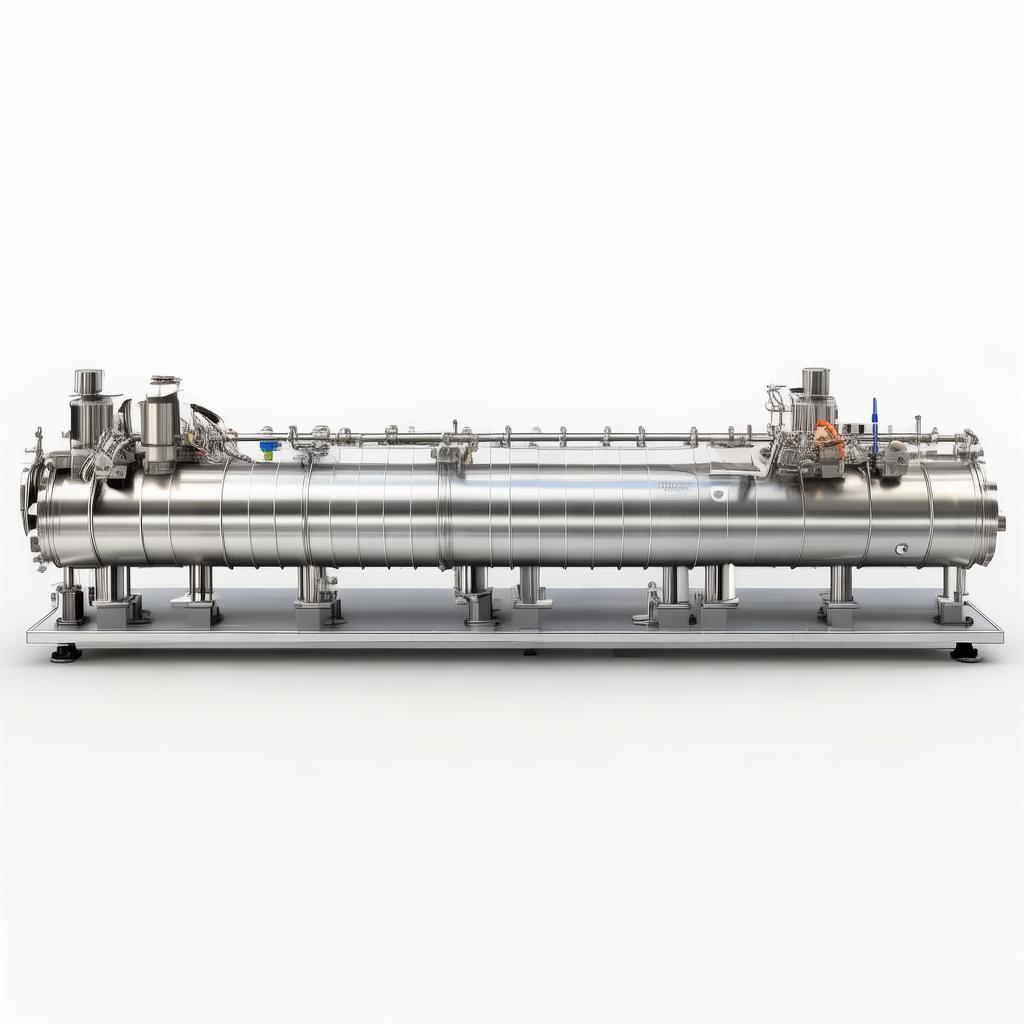
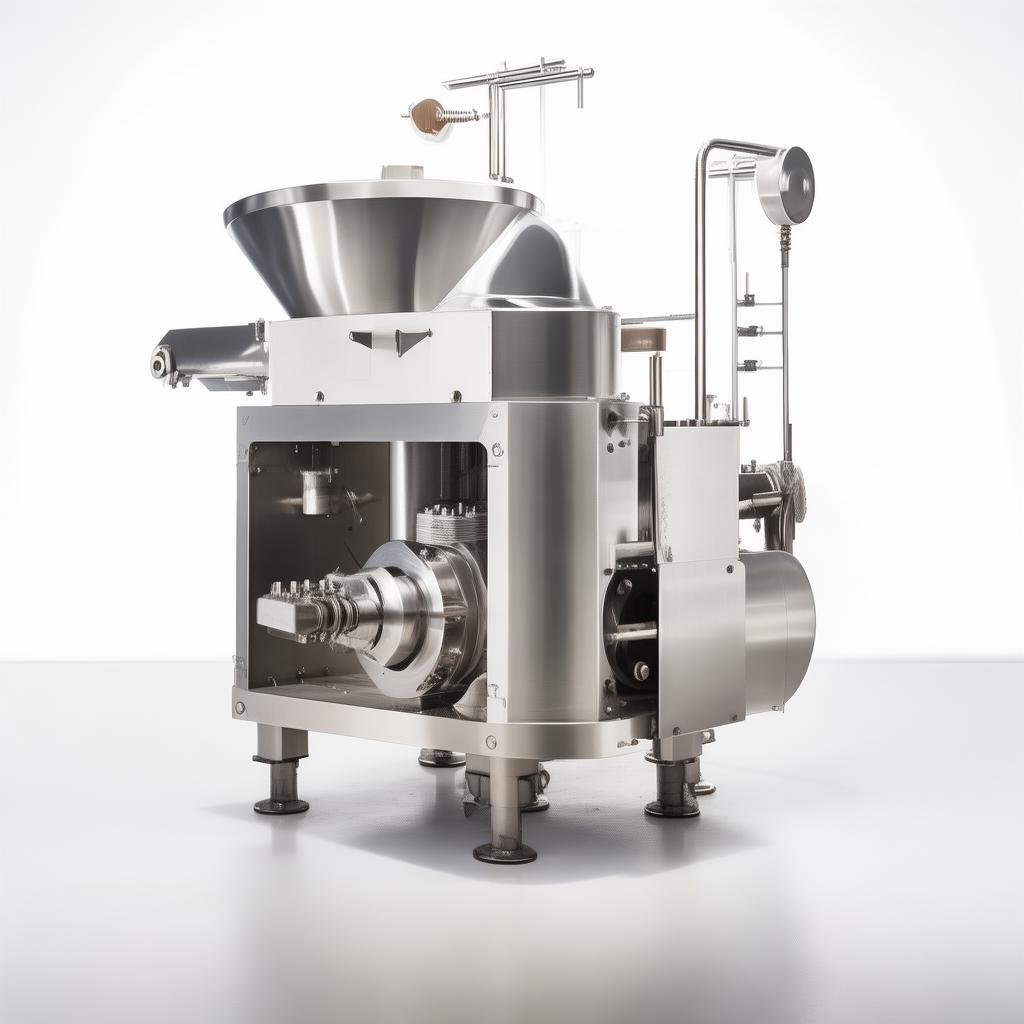
Advanced Sieving Trays: Precision, Durability, and Efficiency for Industrial Applications
Your Partner in High-Performance Material Separation and Quality Control

Understanding the Critical Role of Sieving Trays in Modern Manufacturing
In the intricate world of industrial processing, achieving purity, particle size consistency, and material integrity isn't just a goal; it's a fundamental requirement for product quality, operational efficiency, and ultimately, market competitiveness. At the heart of many separation and classification processes lies a seemingly simple yet indispensable piece of equipment: the sieving tray. Whether you're dealing with bulk raw materials, finished powders, granular substances, or even delicate biological samples, the effectiveness of your sieving operation directly impacts your bottom line. This isn't about just having a mesh; it's about precision engineering that withstands demanding environments, maintains its integrity over time, and delivers repeatable, reliable results batch after batch.
The demand for higher processing speeds, stricter quality control standards, and increased throughput necessitates equipment that can keep pace. Traditional sieving methods, while sometimes still in use, often fall short when faced with modern production volumes or the need for sub-micron particle separation. This is where robust, well-designed sieving trays come into play. They are the workhorses that ensure that only particles of a specific size pass through, segregating oversized or undersized materials, removing contaminants, or grading products for downstream applications. Think about the pharmaceutical industry, where precise particle size distribution is critical for drug efficacy and bioavailability. Or the food industry, where sieving is essential for everything from flour refinement to pet food kibble grading. Even in mining and construction, aggregate sizing relies heavily on effective screening. The applications are vast, and the need for reliable sieving solutions is universal.
Hebei Yuanchang Food Mechanism & Technology Co., Ltd. understands these challenges intimately. With over 40 years of experience since 1986, our deep roots in manufacturing and mechanical engineering have given us unparalleled insight into the practical demands of industrial processing. We've moved beyond generic solutions to focus on the engineering nuances that make a real difference. Our approach to sieving trays, while seemingly a component, is treated with the same rigorous engineering principles as our core machinery lines. We recognize that a failing sieving tray can halt an entire production line, leading to significant downtime and lost revenue. It's not just about the mesh count; it's about the frame material, the welding integrity, the overall structural design, and how it integrates into your existing screening or vibrating equipment. Our commitment is to provide sieving trays that aren't just replacements, but upgrades – enhancing the performance and longevity of your separation processes.
This page delves into the critical aspects of selecting and implementing the right sieving trays for your specific operational needs. We'll cover the technical considerations that truly matter, the material science behind durability, the operational advantages of precision-engineered trays, and how partnering with a seasoned manufacturer like ourselves can mitigate procurement risks and ensure a consistent supply of high-quality components. We aim to equip you, the purchasing manager, the operations director, or the procurement specialist, with the knowledge to make informed decisions. It's about more than just a purchase; it's about securing a reliable link in your production chain. Let's explore how superior sieving tray technology can elevate your processing capabilities.
Common Sieving Challenges and How Advanced Trays Provide Solutions
Mesh Blinding & Clogging
A persistent issue across many industries is mesh blinding – where fine particles adhere to or wedge into the mesh openings, reducing screening efficiency and requiring frequent, labor-intensive cleaning. Our trays are engineered with optimized mesh aperture designs and, where applicable, specific mesh treatments or materials that minimize particle adhesion. For demanding applications, we can discuss vibration-enhancing frame designs that promote self-cleaning action, ensuring consistent flow and reducing costly downtime.
Durability and Wear Resistance
Operating in abrasive environments or with high-impact materials can rapidly degrade standard sieving trays. Frame fatigue, mesh tears, and general wear lead to inaccurate separations and premature replacement. We utilize high-grade stainless steels (e.g., 304, 316L) and robust construction techniques, including precise welding and reinforced framing, to extend the service life of our trays significantly. Understanding your material's properties – its abrasiveness, particle shape, and moisture content – allows us to recommend the optimal material and construction for maximum longevity.
Particle Degradation/Contamination
For sensitive products, especially in food or pharmaceutical processing, the risk of particle damage or cross-contamination is paramount. Our trays are manufactured with food-grade or appropriate industrial-grade materials, meticulously finished to prevent any surface roughness that could trap particles or shed contaminants. Electropolishing and seamless designs are options we can explore to ensure the highest standards of hygiene and product integrity.
Inconsistent Separation Accuracy
Variations in mesh size, frame deformation, or improper sealing within the screening equipment can lead to inconsistent particle classification. Our manufacturing precision ensures that mesh apertures remain true to specification, and our frames are designed for a snug, effective fit within standard sieving machines. This accuracy is fundamental to meeting your product specifications and avoiding costly re-processing or rejected batches.
Our Commitment: Precision-Engineered Sieving Trays for Optimal Performance
At Hebei Yuanchang, we don't just fabricate sieving trays; we engineer solutions. Our 40 years of manufacturing experience, coupled with our investment in advanced machinery like Japanese Mazak CNC centers, allows us to produce components with exceptional precision and consistency. This translates directly into superior sieving tray performance for your operations.
- Material Excellence: We source only high-quality materials, primarily food-grade and industrial-grade stainless steels (SS304, SS316L) known for their corrosion resistance, durability, and hygiene properties. Other materials can be specified based on application requirements.
- Manufacturing Precision: Our in-house machining capabilities, including CNC machining, ensure exact frame dimensions, perfectly seated mesh, and robust structural integrity. This minimizes gaps where material can escape or contaminants can lodge.
- Mesh Variety & Customization: We offer a wide range of mesh sizes and materials, from fine stainless steel wire cloth to more robust perforated plates, tailored to your specific particle classification needs. Custom aperture sizes are our specialty.
- Durable Construction: Advanced welding techniques and reinforced frame designs guarantee that our trays can withstand the rigors of continuous operation, vibration, and material impact without compromising structural integrity.
- Hygiene & Safety Standards: For food, beverage, and pharmaceutical applications, our trays meet stringent industry standards. Seamless designs, smooth finishes, and crevice-free construction are standard practice to prevent microbial growth and ensure easy cleaning.
We understand that sieving trays are critical for maintaining product quality and process efficiency. That's why we focus on delivering components that enhance, rather than hinder, your operations. Our ability to produce high-precision, non-standard specification parts independently means we can tailor solutions precisely to your equipment and material handling requirements.
Technical Specifications and Material Considerations
Choosing the right sieving tray involves understanding the interplay between material properties, mesh specifications, and operational demands. Here’s a breakdown of key considerations:
| Parameter | Description & Importance | Hebei Yuanchang Approach |
|---|---|---|
| Frame Material | Commonly Stainless Steel (SS304, SS316L), sometimes Galvanized Steel or specialized alloys. Must resist corrosion and mechanical stress. | Primarily SS304 & SS316L for optimal durability and hygiene. Options for higher grades or alloys upon request. Reinforced designs available. |
| Mesh/Screen Material | Stainless Steel Wire Cloth, Perforated Plates, Polyurethane. Determines aperture size and wear resistance. | Wide range of SS mesh (various weaves and wire gauges), precise laser-cut perforated plates. Material selection based on product characteristics (abrasiveness, stickiness). |
| Aperture Size (Mesh Count) | Critical for particle size separation. Measured in microns, mesh per inch (e.g., 100 mesh, 400 mesh), or plate hole diameter. | Precision manufacturing ensures stated aperture sizes. Full spectrum of micron ratings and mesh counts available. Custom sizing is a core capability. |
| Frame Dimensions & Fit | Outer dimensions, thickness, and edge design must match the target sieving machine for a secure, leak-proof fit. | Exact measurements taken from your specifications or existing equipment. Tight tolerances for seamless integration. |
| Construction Method | Welding, bonding, or mechanical fastening. Affects durability and hygiene. | High-quality TIG welding for stainless steel. Bonding options for specific applications. Crevice-free design to prevent material buildup. |
| Surface Finish | Smoothness impacts product flow, cleaning ease, and contamination risk. | Standard brushed finish, with options for electropolishing for enhanced hygiene and non-stick properties. |
tray loading tray filling equipment tray+filling+machine
The global meat processing equipment market is projected to grow significantly, with several reports estimating values between USD 11 billion and USD 30 billion annually by 2030-2035, exhibiting CAGRs of 4.8% to 8.1% depending on the scope [1], [2], [3]. Within this, sieving trays play a vital role in grading raw materials, ensuring particle size for minced meat products, or removing fine bone fragments. Similarly, the broader food processing equipment market, including specialized meat applications, is set for substantial expansion, underscoring the continuous need for high-performance components [4]. For these sectors, hygiene and material traceability are non-negotiable, features we prioritize in our SS316L offerings and optional electropolishing.
Applications Across Industries
Our sieving trays are engineered to perform in a diverse range of demanding industrial environments. While we specialize in food processing, our capabilities extend to many other sectors:
Food & Beverage Processing
Grading flour, sugar, spices; removing lumps; sieving pet food kibble; separating grains; filtering liquids; precisely grading raw meat particles for sausages or formed products.
Pharmaceuticals & Chemicals
Sizing active pharmaceutical ingredients (APIs); grading chemical powders; removing agglomerates; ensuring particle consistency for tablet pressing.
Mining & Minerals
Screening aggregates, sand, gravel; classifying ores; removing fines from finished products; ensuring consistent particle size for construction materials.
Plastics & Polymers
Sizing plastic pellets; removing dust or fines; classifying recycled plastic materials; ensuring consistent feedstock for extrusion and molding.
Electronics
Sieving fine powders used in component manufacturing; filtering specialty chemicals; ensuring purity in semiconductor processing.
Procurement & Supplier Considerations
Selecting a reliable supplier for critical components like sieving trays is paramount. Here’s what we bring to the table and what you should consider:
Our Factory Strengths:
- 40 Years of Experience: Deeply embedded knowledge in mechanical manufacturing and production lines since 1986.
- In-House Machining: Over 20 sets of advanced processing machinery, including high-precision grinders and CNC equipment.
- ISO Certified Quality: Our manufacturing processes adhere to strict quality control standards. (
 )
) - Customization Expertise: Ability to produce high-precision, non-standard specification parts independently.
- Traceable After-Sales: We stand behind our products with robust support and a commitment to client satisfaction.
Key Buyer Considerations:
- Material Verification: Always confirm the grade of stainless steel (e.g., 304 vs. 316L) and its suitability for your product and environment.
- Manufacturing Precision: Inquire about their tolerances for mesh size and frame dimensions. Does their equipment allow for the precision you need?
- Lead Times & Reliability: Understand their production capacity and typical delivery schedules. Can they meet your ongoing demand?
- Customization Capabilities: If off-the-shelf doesn't work, can they engineer and produce exactly what you need?
- After-Sales Support: What is their policy on defects or issues? A traceable system is a good indicator of commitment.
When sourcing from overseas, especially for critical components, partnering with an experienced manufacturer like Hebei Yuanchang minimizes risks associated with quality, consistency, and communication. Our direct export experience means we understand the logistics and compliance requirements for international trade. We handle everything from material sourcing to final quality checks to ensure a smooth transaction.
Frequently Asked Questions (FAQ)
Q1: What is the typical lead time for a custom set of sieving trays?
Lead times vary based on complexity, quantity, and current production schedules. For standard orders, it might be 2-4 weeks. Custom or large-volume orders can take longer. We provide accurate lead time estimates upon receiving detailed specifications.
Q2: Can you match a specific mesh aperture size from a competitor's product?
Yes, our precision manufacturing, especially with CNC capabilities, allows us to accurately replicate or even improve upon specified mesh aperture sizes. Please provide precise dimensions or mesh count requirements.
Q3: What is the difference between SS304 and SS316L for sieving trays?
SS304 is a general-purpose stainless steel, good for many applications. SS316L (low carbon) offers superior corrosion resistance, particularly against chlorides and acids, making it ideal for food processing, pharmaceuticals, and marine environments. For most food-grade applications, SS316L is recommended.
Q4: How do I provide measurements for custom trays?
The best way is to provide an existing tray's dimensions (outer length, width, depth) and specify the mesh size. Alternatively, if you have the exact dimensions for your sieving machine's internal basket, that works too. Clear drawings or samples are always helpful.
Q5: Do you offer samples for bulk orders?
For significant bulk orders, we can discuss the feasibility of providing a sample tray for your approval. This helps ensure complete satisfaction before mass production. Contact us to discuss your specific needs.
Trusted by Industry Leaders



(Illustrative; actual client logos may vary)
What Our Clients Say

Procurement Manager, AgriFoods Inc.
"We switched to Yuanchang for our flour sieving trays and have seen a noticeable improvement in screening efficiency. Their precision manufacturing means no more loose wires, and the SS316L is holding up remarkably well against constant abrasion. The lead times were also quite competitive."

Operations Lead, PharmaChem Solutions
"Hygiene is critical in our API production. Yuanchang's electropolished sieving trays are a game-changer for us. They are incredibly easy to clean, and the traceability of their materials gives us confidence. We appreciate their attention to detail and responsiveness."

Plant Manager, BuildMat Aggregates
"We needed custom-sized sieving screens for our new sorting line. Yuanchang delivered exactly to spec, on time. The frames are robust, and the mesh is holding up well to abrasive quarry materials. Definitely a reliable partner for industrial components."
Ready to Enhance Your Sieving Process?
Don't let inefficient or unreliable sieving trays impact your product quality and production output. Partner with Hebei Yuanchang Food Mechanism & Technology Co., Ltd., where 40 years of manufacturing expertise meets precision engineering.