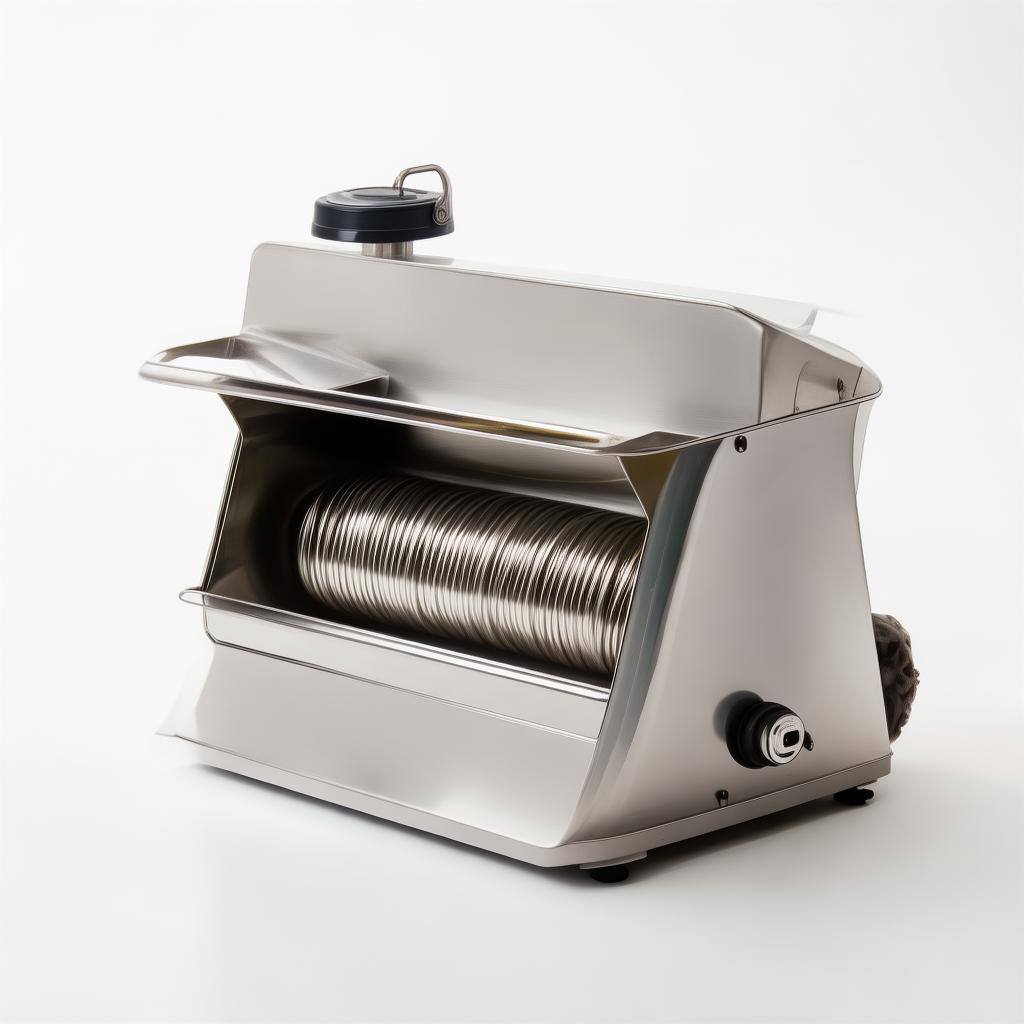
Tray Loading
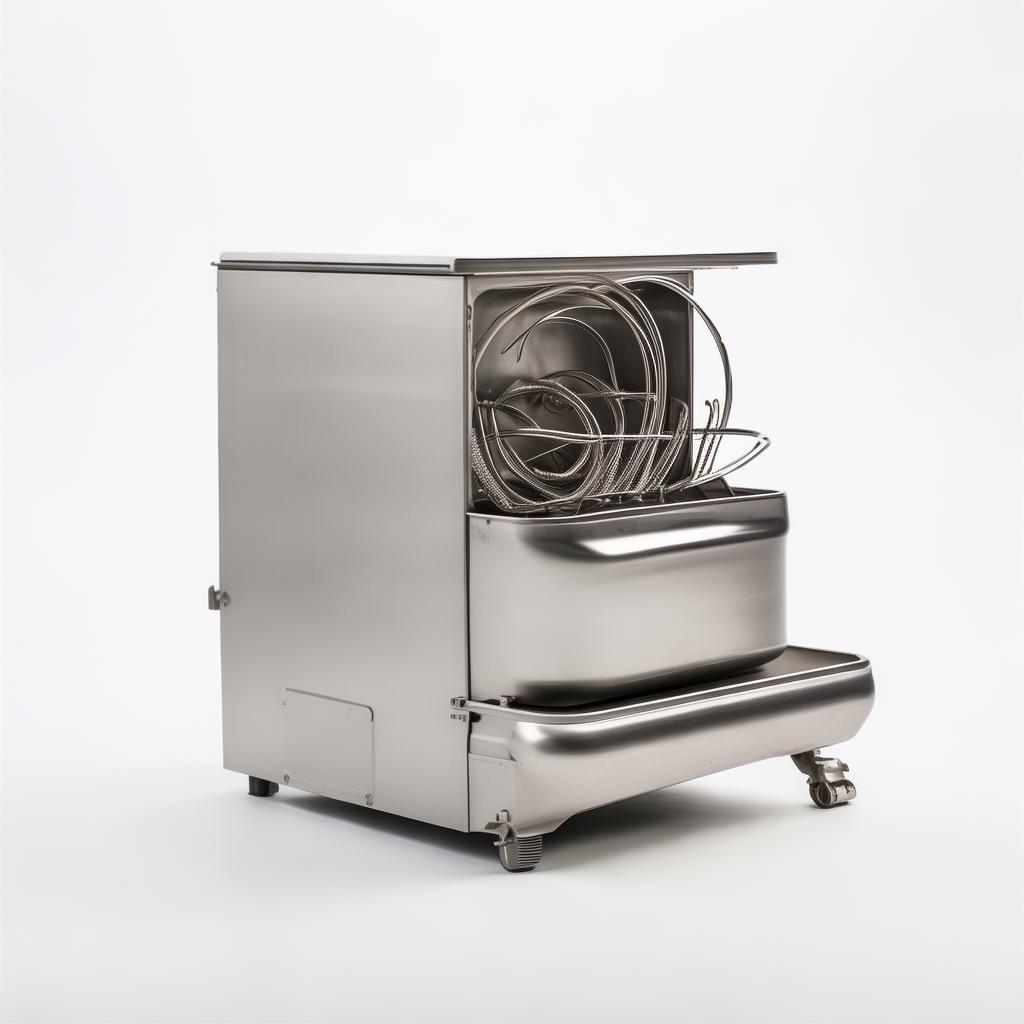
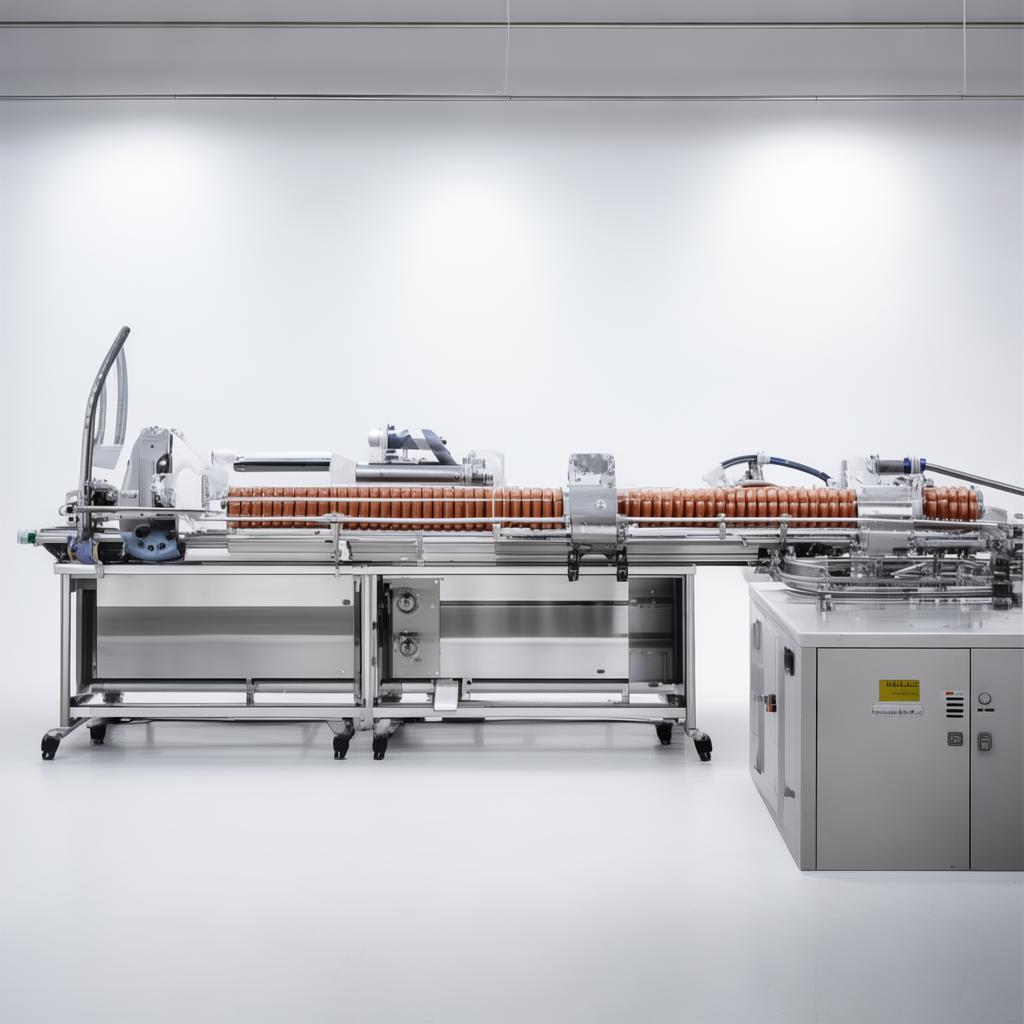
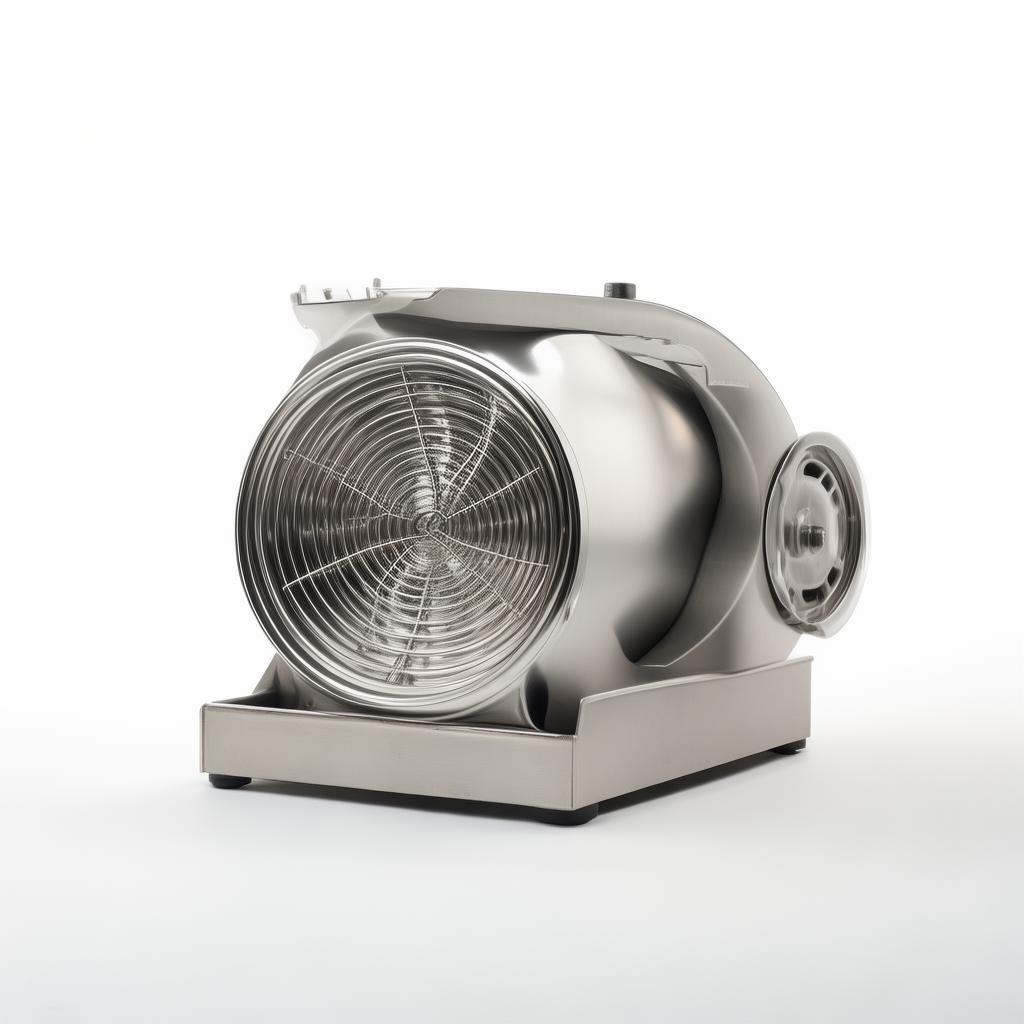
Advanced Tray Loading Solutions: Enhancing Efficiency and Throughput in Industrial Manufacturing

By: David Chen, Lead Production Engineer
Hebei Yuanchang Food Mechanism & Technology Co., Ltd.
October 26, 2023
In the fast-paced world of industrial manufacturing, particularly within sectors like food processing, packaging, and logistics, the efficiency of product handling is paramount. Tray loading—the automated or semi-automated process of placing products onto trays for further processing, packaging, or distribution—stands as a critical juncture in many production lines. Optimizing this step isn't just about speed; it's about precision, product integrity, cost reduction, and ensuring a smooth, uninterrupted workflow. For businesses looking to scale operations, reduce manual labor costs, and improve overall throughput, investing in robust and intelligent tray loading systems is no longer a luxury but a necessity. This deep dive explores the nuances of modern tray loading, its impact on various industries, and what discerning procurement managers should look for when selecting solutions. We understand the challenges faced by manufacturers: from maintaining consistent product orientation to managing delicate or irregularly shaped items, and the constant pressure to minimize downtime and maximize output. Our 40 years of experience since 1986 have shown us that the seemingly simple act of placing an item onto a tray can be a complex engineering challenge, especially when dealing with high volumes and stringent quality control.
The global meat processing equipment market, a key sector for advanced tray loading, was valued at USD 11.29 billion in 2025 and is projected to reach USD 17.39 billion by 2034, growing at a CAGR of 5.0%. Critical segments include filling & stuffing, and massaging equipment, highlighting the importance of efficient product handling and preparation for processed goods. (Source: Fortune Business Insights)
Similarly, the market for meat processing equipment, including molding and ripening stages, is expected to reach USD 15.04 billion by 2030. These figures underscore the significant investment in technologies that streamline how products move from raw material to finished goods, with tray loading being an integral part of that flow.
The Evolving Landscape of Tray Loading: Beyond Manual Placement
Historically, tray loading was a labor-intensive task. Operators would manually pick products from conveyor belts or other upstream equipment and carefully arrange them onto trays. While this approach might suffice for very low-volume operations or highly specialized, custom-shaped products, it presents significant drawbacks for most industrial settings. Manual loading is prone to inconsistencies, can lead to repetitive strain injuries for workers, is difficult to scale rapidly, and often becomes a bottleneck in high-speed production lines. The advent of automation has revolutionized this process, offering solutions that are not only faster but also more precise and adaptable. Modern tray loading systems are engineered to handle a vast array of product types, from fragile baked goods and delicate produce to precisely portioned meat products and standardized industrial components. The goal is to integrate seamlessly with upstream and downstream processes, creating a continuous, efficient flow that minimizes product damage and maximizes operational uptime.
For procurement teams, understanding this evolution is key to making informed decisions. It's not just about acquiring a machine; it's about implementing a solution that enhances your entire value chain. Are you currently facing challenges with throughput limitations, high labor costs, or product damage during handling? These are classic indicators that your current tray loading method may be holding you back. Consider the implications for your supply chain: delays at the loading stage can ripple through to distribution and final delivery, impacting customer satisfaction and potential revenue. Our commitment, forged over four decades, is to provide manufacturing solutions that address these real-world operational pain points. We've seen firsthand how a well-designed automated tray loading system can transform a production facility.
Key Challenges Addressed by Advanced Tray Loading Systems
- Product Orientation and Placement Accuracy: Many products require specific orientation for optimal packaging, handling, or presentation. Inconsistent manual placement can lead to misaligned items, wasted tray space, and packaging defects. Automated systems use vision systems and precise robotics to ensure correct positioning every time.
- Handling Delicate or Fragile Items: Products like cakes, pastries, or certain electronics demand gentle handling. Traditional robotic grippers might be too aggressive. Advanced systems employ specialized soft grippers, vacuum pick-and-place, or carefully controlled robotic movements to avoid damage.
- High-Speed Production Demands: For industries like bottled beverages or fast-moving consumer goods (FMCG), production lines operate at extremely high speeds. Manual loading simply cannot keep pace, creating a critical bottleneck. Automated systems are designed for rapid, continuous operation.
- Labor Costs and Availability: Rising labor costs and challenges in finding and retaining skilled operators make automation an increasingly attractive proposition. Investing in tray loading equipment can significantly reduce reliance on manual labor for repetitive tasks.
- Hygiene and Food Safety Standards: In food processing, minimizing human contact with products is crucial for maintaining hygiene and complying with stringent regulations. Automated systems reduce touchpoints, thereby enhancing food safety compliance.
- Versatility and Changeovers: Production lines often handle multiple product SKUs or tray sizes. The ability to quickly reconfigure and adapt the tray loading system for different products is a significant operational advantage, minimizing costly downtime during changeovers.
Technical Deep Dive: How Modern Tray Loading Works
At its core, an automated tray loading system involves several integrated components working in unison. The process typically begins with products arriving from an upstream conveyor or processing unit. These products are often singulated and oriented by specialized devices like dividers, pucks, or even vision-guided robotic arms. Once the product is ready for placement, a pick-and-place mechanism, usually a robotic arm or a dedicated pick-and-place unit, is employed. The choice of end-effector (gripper) is critical and depends heavily on the product's characteristics:
- Vacuum Grippers: Ideal for flat, non-porous surfaces. They offer a gentle grip and are highly versatile for various product shapes.
- Mechanical Grippers: Employed for products with specific features for gripping, or when vacuum is not feasible. These can range from simple finger grippers to more complex designs.
- Soft Robotics Grippers: Designed for extremely delicate or irregular items, these grippers conform to the product's shape and apply minimal, distributed pressure.
Simultaneously, empty trays are fed into the system, usually from a magazine or hopper, and are precisely positioned at the loading point. Advanced vision systems play a crucial role here, not only for product identification and orientation but also for ensuring trays are correctly presented. The robotic arm then picks the product and places it onto the tray according to a pre-programmed pattern. Multi-axis robots (e.g., 4-axis, 6-axis) allow for complex movements and the ability to load multiple items per tray efficiently. For very high-speed applications, delta robots are often utilized due to their speed and precision in pick-and-place operations.
Control systems, typically PLCs (Programmable Logic Controllers) or sophisticated motion controllers, orchestrate the entire sequence. They manage synchronization between conveyors, robot movements, tray feeding, and any upstream or downstream equipment. User-friendly HMI (Human-Machine Interface) panels allow operators to monitor the system, adjust parameters, select product recipes, and troubleshoot issues, making operation and changeovers more manageable. Our expertise lies in integrating these technologies into a cohesive, reliable system tailored to your specific production environment. We understand the importance of robust electrical and mechanical design to ensure longevity and minimize maintenance.
The meat processing equipment market, including essential molding and filling technologies, is poised for significant growth, projected to reach USD 19.66 billion by 2033. This indicates a strong industry-wide push towards automation in handling and shaping food products, where precise tray loading is fundamental.
Product Advantages & Our Manufacturing Excellence
At Hebei Yuanchang Food Mechanism & Technology Co., Ltd., our tray loading solutions are built upon decades of manufacturing experience. We don't just assemble machines; we engineer robust, reliable systems designed for the demanding environments of industrial production. Our in-house machining workshop, equipped with over 20 sets of precision machinery including Japanese Mazak CNC machining centers, allows us to produce high-standard components with exceptional accuracy and consistency. This internal capability ensures that every part of our tray loading systems—from the robotic end-effector to the frame and conveyor components—meets rigorous quality benchmarks.
- Precision Engineering: Utilizing advanced CNC technology ensures tight tolerances and reliable performance, minimizing product damage and maximizing loading accuracy.
- Robust Construction: Built with high-quality materials suitable for industrial environments, our machines are designed for longevity and continuous operation. This means less unplanned downtime and a better return on investment.
- Customizable Solutions: We understand that no two production lines are identical. Our engineering team works closely with clients to design tray loading systems that perfectly match product specifications, line speeds, and plant layouts. Whether you need a compact unit or a high-throughput integrated system, we can deliver.
- User-Friendly Interface: Our systems feature intuitive HMI panels that simplify operation, recipe management, and troubleshooting, reducing training time for your operators.
- Scalability: Our modular designs allow for future expansion, ensuring your investment can grow with your business needs.
- Traceable After-Sales Service: With our independent production of high-precision parts and a traceable management system, we provide exceptional after-sales support, ensuring your operations run smoothly long after installation.
Our extensive experience in manufacturing meat processing equipment, including filling, molding, and ripening technologies, provides us with a unique understanding of the challenges and requirements specific to food handling. This translates into tray loading systems that are not only efficient but also compliant with the highest hygiene and safety standards.
Application Scenarios: Where Tray Loading Excels
The applications for advanced tray loading systems are vast and continue to expand. Our solutions are tailored to meet the diverse needs across multiple industries:
- Food Processing:
- Bakery: Loading cakes, pastries, cookies, and bread onto trays for cooling, packaging, or further processing. Precision is key to avoid crushing delicate items.
- Meat & Poultry: Arranging raw or pre-cooked meat products, sausages, burgers, and poultry parts onto trays for retail packaging, marination, or freezing. Handling specific portion sizes and orientations is critical here.
- Produce: Loading fruits, vegetables, and salads into trays for display or processing. Systems must accommodate a wide variety of shapes and sizes, often requiring gentle handling.
- Ready Meals: Accurately placing multiple components of a ready meal into trays to ensure correct presentation and proportion.
- Pharmaceuticals:
- Loading vials, ampoules, or pre-packaged medications onto trays for sterilization, packaging, or distribution. High precision and sterile environments are paramount.
- Electronics:
- Placing electronic components, circuit boards, or finished devices onto trays for assembly, testing, or shipping. Anti-static handling might be required.
- Cosmetics:
- Loading individual cosmetic items like lipstick tubes, compacts, or small bottles into trays for packaging.
- Logistics & E-commerce:
- Loading various retail-ready products onto pallets or into larger distribution trays for warehouse management.
The specific demands of each application drive our customization efforts. For example, in the processed meat sector, systems need to be easily cleaned and sanitized to meet stringent FDA and USDA guidelines. We ensure our equipment is designed with hygienic principles in mind, utilizing stainless steel where appropriate and minimizing difficult-to-clean crevices.
Installation, Maintenance, and Logistics Considerations
Implementing a new tray loading system involves more than just the purchase. We consider the entire lifecycle, from installation and integration to ongoing maintenance and logistical planning.
Installation & Integration
Our team provides comprehensive support during the installation phase. This includes detailed site preparation guidelines, ensuring adequate space, power, and air supply. We can also offer on-site installation supervision or full turnkey installation services, depending on client requirements. Integrating our system seamlessly with your existing production line—whether it's conveyors, checkweighers, or case packers—is a key focus. We work with your internal engineering team or third-party integrators to ensure smooth data flow and operational synchronization.
Maintenance and Longevity
Regular maintenance is crucial for maximizing the lifespan and performance of any industrial machinery. Our tray loading systems are designed for ease of maintenance. We provide detailed maintenance manuals, recommended service schedules, and readily available spare parts. Many components are designed for quick replacement, minimizing downtime. For food-grade applications, regular cleaning protocols are essential and should be integrated into your operational procedures. Our equipment's design facilitates efficient cleaning and sanitization.
Logistics and Shipping
As an international exporter, we have extensive experience managing the logistics of shipping heavy industrial machinery. We work with reliable freight forwarders to ensure your tray loading system arrives safely and on time, whether you are located within China or across the globe. Our packaging methods are designed to protect the equipment during transit, whether by sea, air, or land. We handle all necessary export documentation to streamline customs clearance for our international clients. Accurate lead time communication is a priority, ensuring you can plan your production schedule effectively.
The global meat processing equipment market is projected to reach USD 29.8 billion by 2034. This growth includes demand for auxiliary items and efficient handling systems like automated tray loaders, essential for modernizing production lines and meeting increasing consumer demand for processed foods.
Procurement Guidance: What to Look For in a Tray Loading Supplier
Selecting the right supplier for your tray loading system is a critical procurement decision. It's not just about the lowest price; it's about finding a partner who understands your needs and can deliver a long-term, reliable solution. Here are key factors to consider:
- Proven Experience and Expertise: Look for a manufacturer with a substantial track record, especially in your specific industry. A supplier with 40 years of experience, like us, brings a wealth of knowledge in handling complex industrial machinery and processes. Inquire about their engineering capabilities and R&D investment.
- Customization Capabilities: Off-the-shelf solutions rarely fit perfectly. A reputable supplier should offer flexible design and engineering services to tailor the system to your unique product, tray size, and line speed requirements. Can they adapt the pick-and-place mechanism? Can they integrate with your existing SCADA systems?
- Technical Support and After-Sales Service: What kind of support do they offer post-installation? This includes spare parts availability, troubleshooting assistance, maintenance guidance, and potential upgrade paths. A responsive service team can significantly reduce downtime.
- Quality of Materials and Manufacturing: Understand their manufacturing processes. Do they have in-house machining for critical components? What materials do they use? For food applications, inquire about stainless steel grades and sanitary design principles. Certifications like ISO 9001 are good indicators of quality management.
- Lead Times and Delivery Reliability: Get clear, realistic estimates for manufacturing and delivery. Delays can have significant impacts on your production schedules.
- References and Case Studies: Ask for references from similar clients or request detailed case studies that demonstrate successful implementation and tangible benefits.
- Total Cost of Ownership (TCO): Consider not just the initial purchase price but also installation, training, maintenance, energy consumption, and potential spare parts costs over the system's lifetime.
Hebei Yuanchang Food Mechanism & Technology Co., Ltd. prides itself on transparent communication and a collaborative approach. We believe in building long-term partnerships with our clients, providing not just equipment but complete solutions and unwavering support. Our history of serving diverse manufacturing needs makes us a trusted choice for advanced tray loading systems.
Certifications and Factory Capabilities
As a reputable manufacturer and exporter, Hebei Yuanchang Food Mechanism & Technology Co., Ltd. adheres to rigorous quality and manufacturing standards. While specific tray loading machinery might not always require direct end-product certifications like CE for consumer electronics, the manufacturing processes and facility standards are paramount for B2B trust and operational excellence. Our company operates under strict quality management systems, which we are continuously working to enhance. Our facility is equipped to handle complex machining and assembly, ensuring that every piece of equipment leaving our premises is built to last and perform.

ISO Certified Quality Management

Compliance with Material Standards
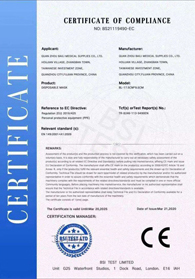
Adherence to EU Standards (Applicable Components)
Our factory spans approximately 14,000 square meters and employs a dedicated team of 80-100 professionals. This scale allows us to integrate R&D, production, and sales efficiently. With over 40 years of experience since 1986, we have honed our expertise in complete production lines, including the intricate details of automated handling and processing. Our advanced machining capabilities ensure we can produce high-precision, non-standard components in-house, a critical factor for custom tray loading solutions and ensuring reliable after-sales service.
Real-World Buyer Reviews

"Implementing Yuanchang's automated tray loader for our cakes was a game-changer. We were struggling with inconsistencies and damage from manual loading. Their team worked with us to develop a custom soft gripper that handles our delicate products perfectly. Throughput increased by nearly 30%, and product damage has been virtually eliminated. The installation and support were top-notch."
— October 15, 2023

"We needed a reliable system to load marinated chicken portions onto trays for our ready-to-cook line. Yuanchang's solution was efficient and met our strict hygiene requirements. The precision of their robotic arm ensures consistent product placement, which is vital for our portion control. Their understanding of the food processing industry is evident in the machine's design and ease of cleaning. Highly recommended for anyone in the meat sector."
— September 28, 2023

"Our old manual method for loading PCBs onto trays was slow and led to errors. Yuanchang provided a compact, automated system that fits perfectly into our assembly line. The accuracy is outstanding, and it has freed up our technicians for more complex tasks. The communication during the sales and installation process was excellent, and the lead time was within the estimated window. A solid investment."
— August 10, 2023
Frequently Asked Questions (FAQ)
Q1: What is the typical lead time for a custom tray loading system?
Lead times vary based on the complexity of the customization and our current production schedule. However, for most standard configurations, it typically ranges from 8 to 16 weeks from order confirmation to shipment. Complex custom projects may require additional time. We provide a detailed timeline during the quotation process.
Q2: Can your tray loading systems handle multiple product SKUs and tray sizes?
Yes, our systems are designed with flexibility in mind. We can program multiple loading patterns and recipes to accommodate various product types and tray configurations. Changeovers are typically managed through the HMI interface and can often be performed quickly by operators.
Q3: What kind of after-sales support do you offer?
loading trays automaticly automatic tray loader automatic tray
We provide comprehensive after-sales support, including remote diagnostics, troubleshooting assistance via phone or email, and readily available spare parts. We also offer on-site service and training options upon request for critical installations or maintenance needs.
Q4: Are your machines suitable for food processing environments?
Absolutely. For food processing applications, we utilize food-grade materials (such as stainless steel 304/316), design for easy cleaning and sanitization, and ensure compliance with relevant industry standards for hygiene and safety. Our extensive experience in meat processing equipment means we understand these requirements intimately.
Q5: What is the typical ROI for investing in an automated tray loading system?
The ROI can be substantial and varies significantly based on labor costs, production volume, and the reduction in product damage or waste. Many clients report recouping their investment within 1 to 3 years through reduced labor expenses, increased throughput, and improved product quality. We can help you estimate a potential ROI based on your specific operational data.
Q6: Do you offer OEM/ODM services for tray loading equipment?
Yes, we have extensive experience in OEM/ODM manufacturing. We can collaborate with your company to develop custom tray loading solutions under your brand, or we can adapt our existing designs to meet unique specifications. Our advanced machining capabilities and flexible production setup make us an ideal partner for such projects.
Enhance Your Production Flow Today
In today's competitive industrial landscape, efficiency and precision in every step of the production process are non-negotiable. Automated tray loading systems from Hebei Yuanchang Food Mechanism & Technology Co., Ltd. offer a robust solution to elevate your operational performance, reduce costs, and ensure consistent product quality. With our 40 years of manufacturing expertise, advanced engineering capabilities, and commitment to client satisfaction, we are uniquely positioned to provide the reliable, customized solutions you need to succeed.
Don't let outdated manual processes limit your growth. Explore the benefits of intelligent automation and discover how our advanced tray loading technology can optimize your manufacturing workflow. We invite you to connect with our team of experts to discuss your specific requirements and explore tailored solutions.
Ready to Optimize Your Tray Loading Process?
Let's discuss your project. Our engineers are ready to provide tailored insights and solutions.