Shumai Vs Dumplings
Shumai vs. Dumplings: Unpacking the Nuances for the International Palate
A Procurement and Production Perspective on Asia's Beloved Savory Pockets
 By Alex Chen, Senior Export Manager at Hebei Yuanchang Food Mechanism & Technology Co., Ltd.
Introduction: Beyond the Wrapper
In the vast and intricate world of international cuisine, few items hold as much universal appeal and subtle distinction as the humble dumpling. When discussing Asian culinary staples, the terms "shumai" and "dumplings" often arise, sometimes interchangeably, yet representing distinct traditions, preparation methods, and sensory experiences. For those in the B2B sector – whether you're a food importer, a restaurant chain sourcing ingredients, a private label manufacturer, or an OEM/ODM factory looking to expand your product line – understanding these differences is not just a matter of culinary accuracy; it's crucial for effective sourcing, efficient production, and ultimately, successful market penetration. The global meat processing equipment market, projected to reach over USD 17 billion by 2034, with segments like filling & stuffing equipment playing a critical role, highlights the scale of this industry. {{Meat Processing Equipment Market Analysis}}. This intricate ecosystem thrives on precision, consistency, and a deep understanding of product nuances.
As a company with 40 years of experience in R&D, production, and sales of meat processing equipment, including specialized machinery for complete production lines, Hebei Yuanchang Food Mechanism & Technology Co., Ltd. has witnessed firsthand the evolution of these food products and the technology that brings them to market. We've equipped facilities that produce countless tons of these savory parcels annually, navigating the complexities of international standards, taste preferences, and logistical challenges. The demand for processed meats, a market valued at over USD 750 billion in 2026, directly fuels the need for sophisticated processing equipment, particularly for forming, filling, and ripening. {{Processed Meat Market Insights}}. Understanding the subtle distinctions between a shumai and its dumpling cousins is paramount for anyone involved in this supply chain.
Often, what the Western palate broadly categorizes as "dumplings" encompasses a much wider array of regional specialties. Shumai, a specific type of Chinese dim sum, is one such distinct entity. While both involve dough wrappers encasing a filling, the devil, as they say, is in the details – from the way the wrapper is formed and pleated, to the typical ingredients of the filling, the cooking method, and even the customary serving style. For a procurement manager evaluating potential suppliers or a production engineer optimizing a filling and molding machine, these details translate into actionable requirements. For instance, the open-top design of shumai presents unique challenges for automated filling and sealing compared to a fully enclosed dumpling. This often necessitates specialized machinery capable of handling specific wrapper styles and sealing techniques to maintain structural integrity during steaming.
The global meat processing equipment market itself is a testament to the sophistication and scale required to meet demand. With projections showing continued growth, reaching around USD 15 billion by 2030, the emphasis is on automation, hygiene, and efficiency. {{Meat Processing Equipment Market Growth}}. Our own advanced capabilities, including Japanese Mazak CNC machining centers, allow us to produce high-standard, high-precision components essential for creating the machinery that manufactures these food products flawlessly, whether it's for forming delicate shumai or robust pork dumplings.
In this detailed exploration, we'll move beyond generic descriptions to dissect the core characteristics of shumai and its diverse dumpling relatives. We'll look at it from the perspective of an international trade specialist: what are the key considerations for sourcing, manufacturing, and marketing these items globally? We'll delve into the filling variations, the wrapper's role, the cooking techniques, and the equipment considerations that underpin their mass production. This isn't just about food; it's about supply chain optimization, quality control, and understanding the intricate production workflows that bring these beloved items from Asian kitchens to dining tables worldwide. Our goal is to equip you with the knowledge to make informed decisions, whether you're specifying a new production line or vetting a co-packer.
The distinction between shumai and dumplings is more than just semantics; it influences everything from ingredient ratios and dough consistency to packaging requirements and marketing messaging. For example, the typical pork and shrimp filling of shumai might require different texture considerations and binding agents than a vegetable-only filling found in some dumplings. The cooking method – often steaming for shumai versus boiling, pan-frying, or steaming for various dumplings – also impacts ingredient stability and texture. These are the operational realities we address daily when designing and supplying machinery. The operational knowledge gleaned from 40 years in this field allows us to anticipate these needs and offer solutions that are not only efficient but also robust and reliable for continuous, high-volume production.
Shumai: The Open-Faced Delight
Shumai (often spelled Siu Mai or Siu Maih in Cantonese) is a quintessential dim sum item, originating from China, particularly popular in Guangdong province. Its defining characteristic is its open-faced presentation, where the filling is visible at the top, often adorned with a pea, a small piece of carrot, or sometimes crab roe, adding both visual appeal and a subtle textural contrast.
Wrapper: The wrapper for shumai is typically a thin, square, or round piece of unleavened dough, often made with wheat flour and water. Unlike many other dumplings, shumai wrappers are usually not pleated extensively around the filling. Instead, they are gathered at the bottom, forming a cup-like shape, leaving the top of the filling exposed. The texture of the wrapper, when steamed, is usually soft and slightly chewy, designed to complement rather than overpower the filling.
Filling: The most traditional shumai filling features ground pork, shrimp, mushrooms (often shiitake), and sometimes water chestnuts for crunch. Seasonings typically include soy sauce, sesame oil, Shaoxing wine, ginger, and white pepper. The filling is usually finely minced to create a relatively uniform texture that is moist and flavorful. For commercial production, achieving this consistent texture requires precise grinding and mixing equipment. Our machines are designed to handle these delicate mixes without over-processing, ensuring the optimal mouthfeel.
Cooking Method: Shumai is almost exclusively steamed. This cooking method helps retain the moisture within the filling and creates the characteristic soft, tender wrapper. The steaming process is critical; too short, and the filling may not be cooked through; too long, and the wrapper can become overly soggy or the filling dry out. Achieving consistent results in large-scale steaming requires careful temperature and humidity control, something our auxiliary equipment can help optimize.
Presentation & Serving: Served hot, shumai is typically presented in bamboo steamers. They are often enjoyed as part of a larger dim sum meal, usually with a dipping sauce composed of soy sauce, vinegar, and chili oil. The open top is not just for aesthetics; it allows the steam to penetrate the filling effectively during cooking and can also be a visual cue for the diner about the ingredients within.
Dumplings: A World of Variations
The term "dumpling" is far broader and encompasses a global family of dishes. In the context of Asia, it often refers to filled dough pockets that are typically fully enclosed. Chinese dumplings, for instance, include varieties like Jiaozi (boiled, pan-fried, or steamed), Wontons (often served in soup), and Baozi (steamed buns with a thicker, leavened dough). Beyond China, the concept of a filled dough parcel exists in almost every cuisine, from pierogi in Poland and ravioli in Italy to empanadas in Latin America and gyoza in Japan. However, when comparing directly with shumai, we often mean Chinese-style dumplings.
Wrapper: Dumpling wrappers are usually made from wheat flour and water, but can sometimes include egg for added richness and elasticity. They are typically round and much thinner than a shumai wrapper, designed to be fully sealed around the filling. The pleating technique is crucial here, not only for sealing but also for appearance. There are numerous pleating styles for Chinese dumplings, each unique and often indicative of the maker's skill and regional origin. Consistent wrapper thickness is key for even cooking and is a prime area where automated processing machinery excels. The precision of our forming equipment ensures dough is perfectly thinned and cut, ready for efficient filling and sealing operations.
Filling: Dumpling fillings are incredibly diverse. Common Chinese dumpling fillings include ground pork with napa cabbage, shrimp with chives, beef with onion, or purely vegetable-based options with ingredients like mushrooms, tofu, and various greens. Seasonings are similar to shumai but can vary widely. The filling is often coarser than shumai filling, allowing for more textural variety, such as distinct pieces of cabbage or shrimp. This variety in filling texture and composition is a key consideration for machinery design; the auger or filling mechanism must be adaptable to different consistencies.
Cooking Methods: This is where dumplings exhibit immense versatility. They can be:
- Boiled (Shui Jiao): The most common method for Jiaozi, resulting in a soft, tender dumpling.
- Pan-fried (Guo Tie - Potstickers): Cooked in a pan with oil, then water is added to steam them, resulting in a crispy bottom and a steamed top.
- Steamed (Zheng Jiao): Cooked entirely by steam, producing a soft, delicate result similar to shumai but fully enclosed.
- Deep-fried: Less common but used for some snack-like varieties.
Each cooking method requires different wrapper strength and filling moisture levels to prevent breakage or undesirable textures. For a manufacturer, offering multiple cooking styles from a single production line is a significant advantage, and our flexible machinery designs aim to facilitate this adaptability.
Presentation & Serving: Dumplings are typically served with a dipping sauce that often includes soy sauce, black vinegar, chili oil, and sometimes garlic or ginger. They can be a main dish, an appetizer, or part of a larger meal. Their fully enclosed nature makes them robust and suitable for various serving formats.
Key Differentiating Factors: What Sets Them Apart?
While both are delightful filled dough parcels, the distinctions are significant for producers and procurers:
| Feature | Shumai | Dumplings (General Chinese Style) |
|---|---|---|
| Shape/Form | Open-faced, cup-shaped, filling visible at the top. Usually gathered at the bottom. | Fully enclosed, various pleated shapes (crescent, ingot, etc.). Wrapper completely seals filling. |
| Wrapper Handling | Less intricate pleating, more about forming a vessel. | Requires precise folding and pleating for sealing and aesthetics. |
| Typical Filling Texture | Finely minced, uniform, moist. | Can be coarser, with more distinct textures of ingredients (e.g., visible cabbage pieces). |
| Primary Cooking Method | Steaming. | Boiling, pan-frying, steaming. |
| Origin/Association | Primarily Chinese Dim Sum (Cantonese). | Widespread across China (Jiaozi, Wonton) and globally. |
dumpling vs wonton difference between a wonton and a dumpling what is the difference between a wonton and a dumpling
Procurement & Production Insights: Sourcing for Global Markets
From a B2B procurement standpoint, these distinctions directly impact sourcing strategies and production line requirements. The global trade in processed foods is substantial, with the meat processing equipment market expected to reach significant figures, driven by demand for convenience and automation. {{Meat Processing Equipment Market Forecast}}. This means the equipment you choose or the supplier you partner with must be capable of meeting specific product definitions.
Supplier Capabilities: When looking for a supplier, are you seeking a factory that specializes in dim sum items (shumai) or one with broader dumpling production capabilities? A factory equipped for authentic dim sum production will likely have specialized steaming equipment and skilled artisans or automated systems mimicking the traditional shumai formation. Conversely, a broader dumpling manufacturer might possess versatile filling and forming machines adaptable to various pleating styles and cooking methods.
OEM/ODM Opportunities: For businesses looking to develop their own branded products, understanding these differences is key. If you want to launch an authentic Cantonese dim sum line, you'll need an OEM partner with expertise in shumai. If your vision is a range of frozen dumplings for the retail market, an ODM partner with adaptable machinery for boiling, frying, and steaming different dumpling types would be more suitable. Our facility is well-equipped for both OEM and ODM projects, offering flexibility in product development and large-scale manufacturing.
Quality Control: Consistency is king in B2B food supply. For shumai, quality control focuses on the uniformity of the filling mixture, the delicate wrapper texture, and ensuring the open top is visually appealing and properly formed. For dumplings, QC involves wrapper integrity, consistent pleating, and ensuring the chosen cooking method yields the desired result without leakage or breakage. Our commitment to high-precision parts, manufactured in-house using advanced CNC machinery, ensures that the equipment we supply enables unparalleled consistency and quality in your production.
Logistics and Packaging: The way these items are packaged can also differ. Shumai, often sold in bamboo steamers or plastic trays, might require different packaging materials and thermal protection compared to frozen, fully enclosed dumplings which are typically bulk-packed for freezing. Understanding the typical consumption format (e.g., dim sum cart service vs. home freezer aisle) informs packaging design and logistical planning. Efficient container loading is also a factor; the uniform shapes of some dumplings can lead to better space utilization than the more varied forms sometimes seen in shumai.
Procurement Alert: When specifying machinery, clearly define whether your primary need is for specialized shumai forming and steaming equipment, or versatile dumpling makers that can handle boiling, pan-frying, and steaming for various pleated styles. Misalignment here can lead to production bottlenecks.
Market Trends & Consumer Demand
The market for both shumai and dumplings is robust and growing, influenced by several key trends. The global processed meat market is experiencing significant growth, with forecasts suggesting it could reach over USD 1.3 trillion by 2035, indicating sustained demand for meat-based convenience foods. {{Processed Meat Market Growth}}. Similarly, the meat processing equipment market is expanding, with a CAGR of around 5-7% across various reports, underscoring investment in production capabilities.
Growing Demand for Authentic Asian Cuisine: Consumers worldwide are increasingly seeking authentic culinary experiences. This translates to a higher demand for well-executed regional specialties like Cantonese shumai, as well as diverse Chinese dumplings. This trend supports both traditional home-style preparations and commercially produced versions that retain authenticity.
Convenience and Ready-to-Eat (RTE) Products: The demand for convenient meal solutions continues to surge. Frozen dumplings and dim sum items fit perfectly into this trend, offering consumers a quick and easy way to prepare a delicious meal at home. This drives production volume and the need for efficient, high-capacity processing equipment. The rise of reconstituted and formed meat products also significantly impacts the need for molding and pretreatment equipment, demonstrating a broader shift towards value-added meat items.
Health and Dietary Considerations: While traditional shumai and dumplings are often meat-heavy, there's a growing market for lighter, healthier versions. This includes options with lean meats, more vegetables, or even plant-based fillings. Manufacturers need adaptable equipment that can handle these evolving ingredient formulations without compromising texture or taste.
Automation in Food Production: As labor shortages and the need for stringent hygiene standards persist, automation is no longer a luxury but a necessity. The meat processing industry is heavily investing in automated filling, forming, and cooking equipment. For instance, the adoption of automation in pretreatment and molding processes is a significant driver in the meat processing equipment market. {{Meat Processing Equipment Market Trends}}. Our advanced CNC machining capabilities allow us to build highly automated, precise, and reliable machinery that meets these industry demands.
Geographic Expansion: The growth of international trade means that products like shumai and dumplings are reaching new markets. This requires manufacturers and suppliers to comply with diverse food safety regulations (e.g., FDA, EFSA) and adapt products to local taste preferences while maintaining core authenticity. This is where a reliable partner with export experience is invaluable.
Technical Considerations in Manufacturing
For manufacturers, the production of shumai and dumplings involves several critical technical considerations, particularly concerning the machinery. At Hebei Yuanchang, we address these through our robust engineering and advanced machining capabilities. The global meat processing equipment market is valued around USD 11-19 billion, with segments like filling and molding equipment being central to these operations. {{Meat Processing Equipment Market Value}}
Dough Hydration and Consistency: The ideal dough hydration for wrappers varies. Shumai often uses a slightly higher hydration for a softer, more pliable wrapper that can be gathered. Dumpling wrappers, especially for pan-frying, might need a lower hydration for crispiness. Our machinery can be calibrated to handle different dough consistencies. The wrapper material must also possess adequate tensile strength to withstand filling and forming without tearing.
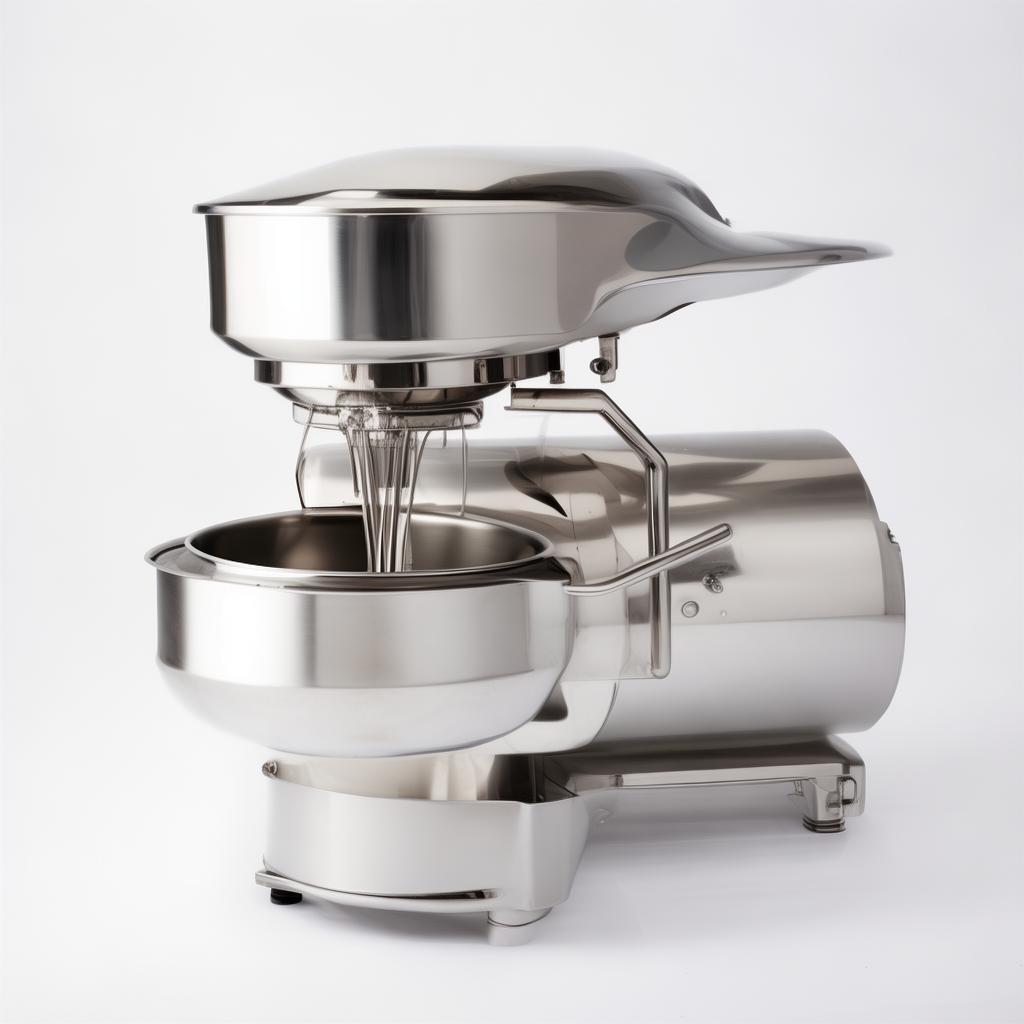
Filling Accuracy and Homogeneity: Precise filling is crucial for consistent product weight and taste. Our filling machines utilize advanced volumetric or gravimetric dosing systems to ensure accuracy. Achieving the desired homogeneity in fillings – whether finely minced for shumai or coarser for certain dumplings – requires specific mixer and filling auger designs. We offer a range of auger types and mixing chambers to suit various textures.
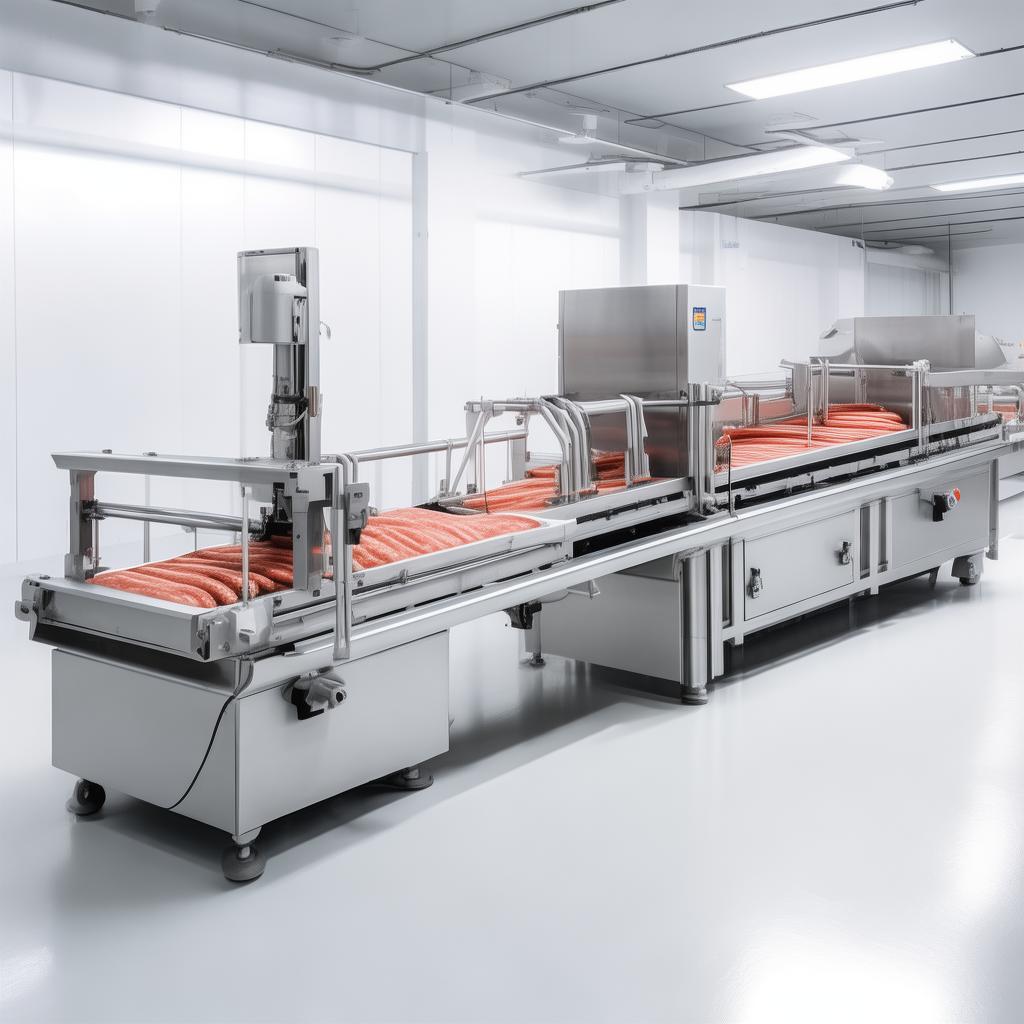
Wrapper Feeding and Forming: For shumai, the process involves forming a cup. This typically requires a specialized wrapper feeder and a forming mechanism that gently gathers the wrapper around the filling. For dumplings, automated systems must feed the wrapper, deposit the filling accurately, and then execute the specific pleating and sealing required. Our machines are designed with adaptable wrapper feeding systems and modular forming heads to accommodate different product types.
Sealing and Integrity: Ensuring the wrapper is securely sealed is vital, especially for boiled or steamed dumplings to prevent the filling from leaking out. For shumai, the gathering at the bottom needs to be secure enough to hold the filling during steaming. This often involves precise pressure application and sometimes slight moisture addition at the sealing points. Our sealing mechanisms are engineered for reliability under continuous operation.
Cooking Integration: While we primarily focus on the preparation and forming stages, the design of our equipment considers seamless integration with downstream cooking processes like steaming or boiling. The formed products must be stable enough to transfer to cooking units without deformation. For example, the gentle handling in our forming machines ensures that even delicate shumai can proceed to the steamer intact.
Hygiene and Cleanability: All food processing equipment must meet stringent hygiene standards. Our machines are constructed with food-grade stainless steel and designed for easy disassembly and cleaning. Quick-release components and smooth surfaces minimize crevices where bacteria could accumulate, ensuring compliance with international food safety regulations.
OEM/ODM Component Precision: For our OEM/ODM clients, the precision of components is paramount. Our in-house machining workshop, equipped with over 20 sets of processing machinery and 8 Japanese Mazak CNC machining centers, allows us to produce non-standard, high-precision parts. This capability is essential for creating bespoke machinery tailored to unique product requirements, ensuring that your private label dumplings or shumai meet exact specifications.
Technical Tip: When evaluating filling and molding machinery, look for adjustable fill weights, interchangeable forming parts, and robust construction suitable for continuous, high-volume operation to maximize ROI.
Buyer FAQs
1. What is the primary difference in wrapper thickness between shumai and typical dumplings?
Shumai wrappers are generally about the same thickness as standard dumpling wrappers, but the way they are used differs. Shumai wrappers are often gathered at the bottom to form a cup, leaving the top open. Dumpling wrappers are typically pleated and fully sealed around the filling, requiring precise handling for folding and sealing.
2. Can one machine produce both shumai and various types of dumplings?
This depends heavily on the machine's versatility. While some highly advanced and configurable machines can be adapted, it's more common for specialized equipment to be optimal for each. Our range of filling and molding machines are designed for flexibility; for example, specific forming heads can be swapped to create the characteristic cup shape of shumai or the pleated forms of dumplings. It's crucial to discuss your specific product requirements with the manufacturer.
3. What are the typical production speeds for these items?
Production speeds vary dramatically based on the complexity of the product and the automation level of the machinery. For high-speed automated lines, dumpling production can range from 60 to over 150 pieces per minute, depending on the size and complexity of the pleating. Shumai production speed can be similar, provided the forming mechanism is optimized for its unique shape. Our advanced CNC-machined components ensure high reliability and consistent output speeds.
4. How does the filling texture impact machinery choice?
A finely minced, homogenous filling (common in shumai) requires a mixer and filler that can handle sticky or paste-like consistencies without clogging. A coarser filling with distinct ingredients (e.g., chopped vegetables) requires a gentler mixing and filling process to maintain texture. We engineer our machines with different internal configurations and auger designs to accommodate this range.
5. What certifications are important for international export of these products?
For exporting to markets like the USA and Europe, certifications such as FDA compliance, HACCP, ISO 22000, and potentially Halal or Kosher depending on the target demographic are critical. For machinery, CE marking is often required for European markets. We ensure our equipment manufacturing processes align with international standards and can provide necessary documentation.
What Our Clients Say

"We were looking for a supplier capable of producing high-quality shumai for our dim sum line. Hebei Yuanchang not only delivered on product consistency but also provided excellent technical support for optimizing our steaming process. Their attention to detail in the filling and forming machinery was evident."

"The dumpling machines we purchased from Yuanchang are exceptionally versatile. We can switch between different filling types and even some basic pleating styles. The reliable performance and ease of cleaning have significantly improved our production efficiency. Top marks for the robust engineering."

"As a company focused on OEM private label frozen foods, we needed reliable equipment for dumpling production. Hebei Yuanchang's team understood our need for consistent quality and high throughput. Their ability to customize solutions and their 40 years of experience were clear deciding factors. We've seen a noticeable reduction in waste since implementing their machines."
Direct Communication Insights

Client discussing OEM wrapper specifications.

Engineer confirming technical compatibility for a new production line.

Logistics team coordinating export documentation.
Ready to Enhance Your Dumpling or Shumai Production?
Leverage 40 years of expertise and state-of-the-art manufacturing technology from Hebei Yuanchang. Whether you need precision-engineered machinery for OEM/ODM projects or robust solutions for mass production, we have the capabilities to support your global ambitions.