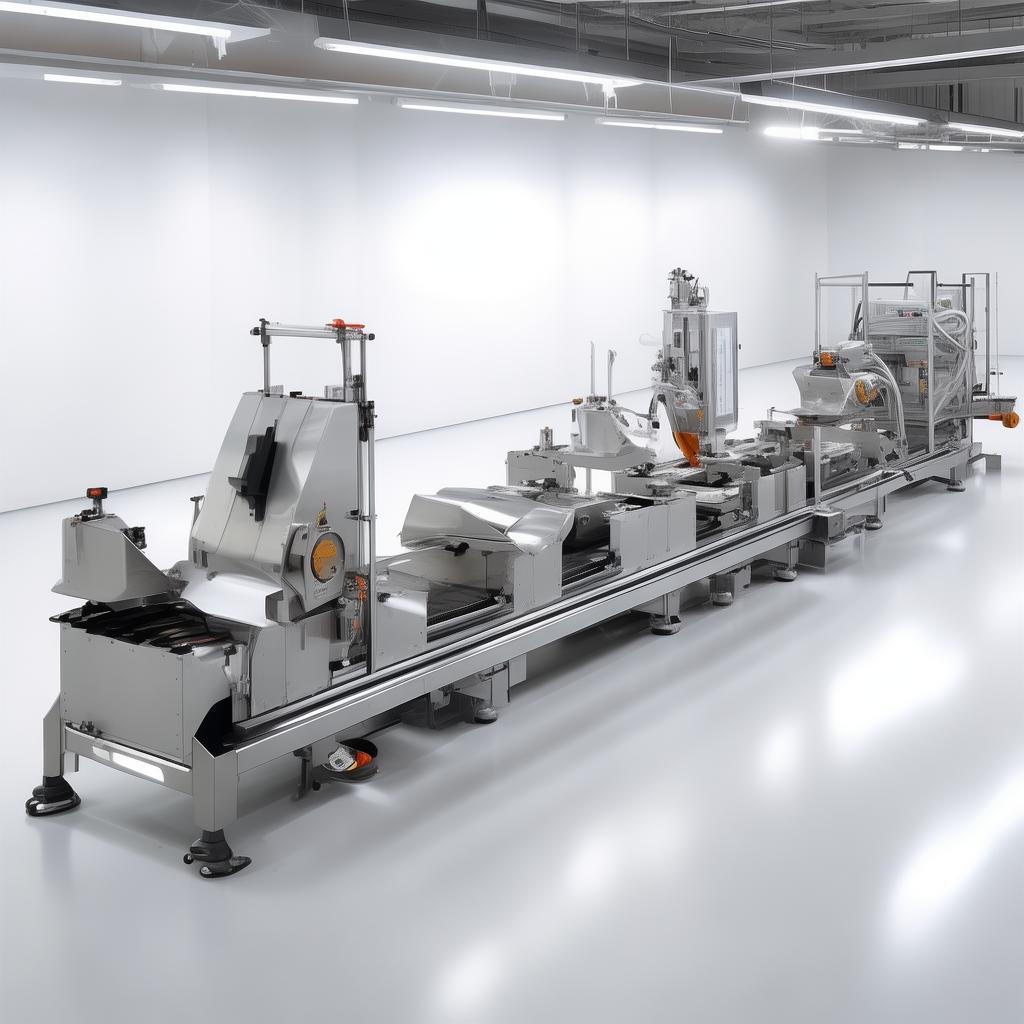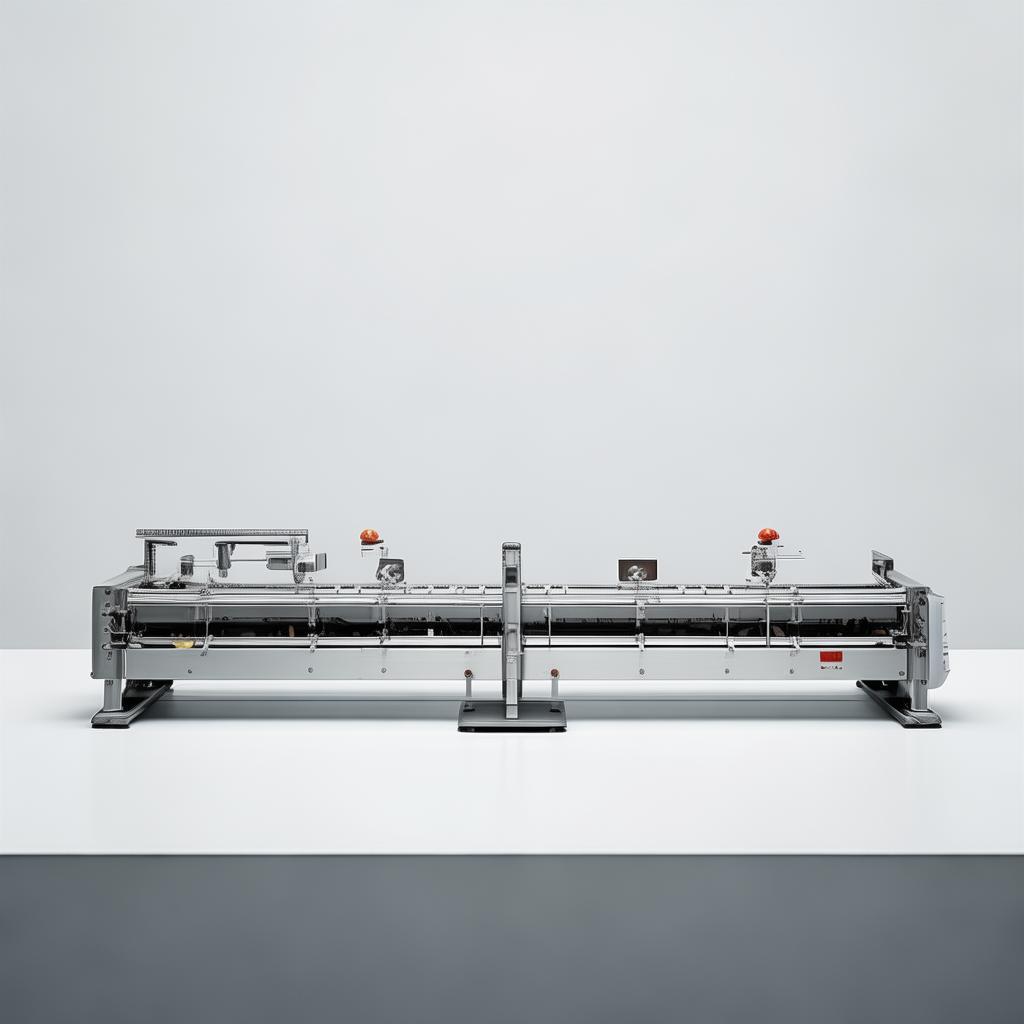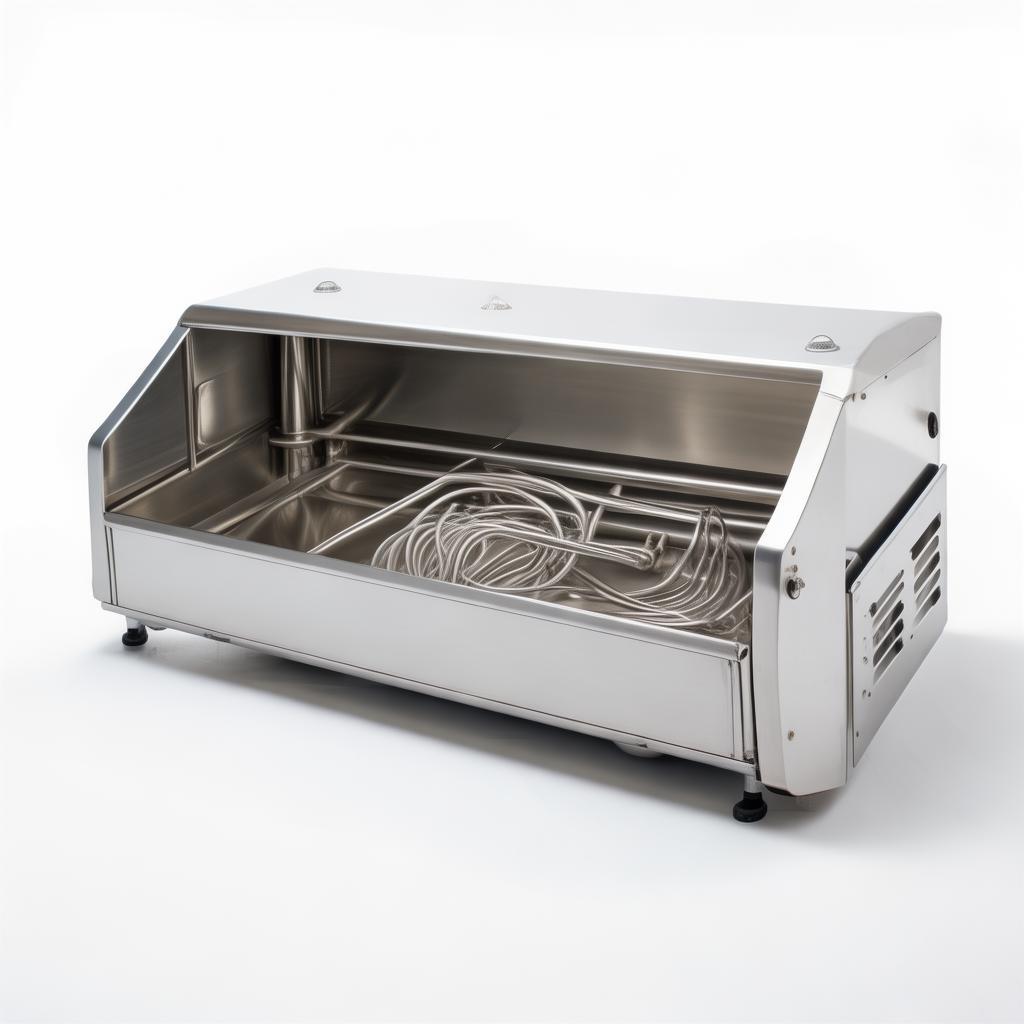
Semi Automatic Oil Filling Machine
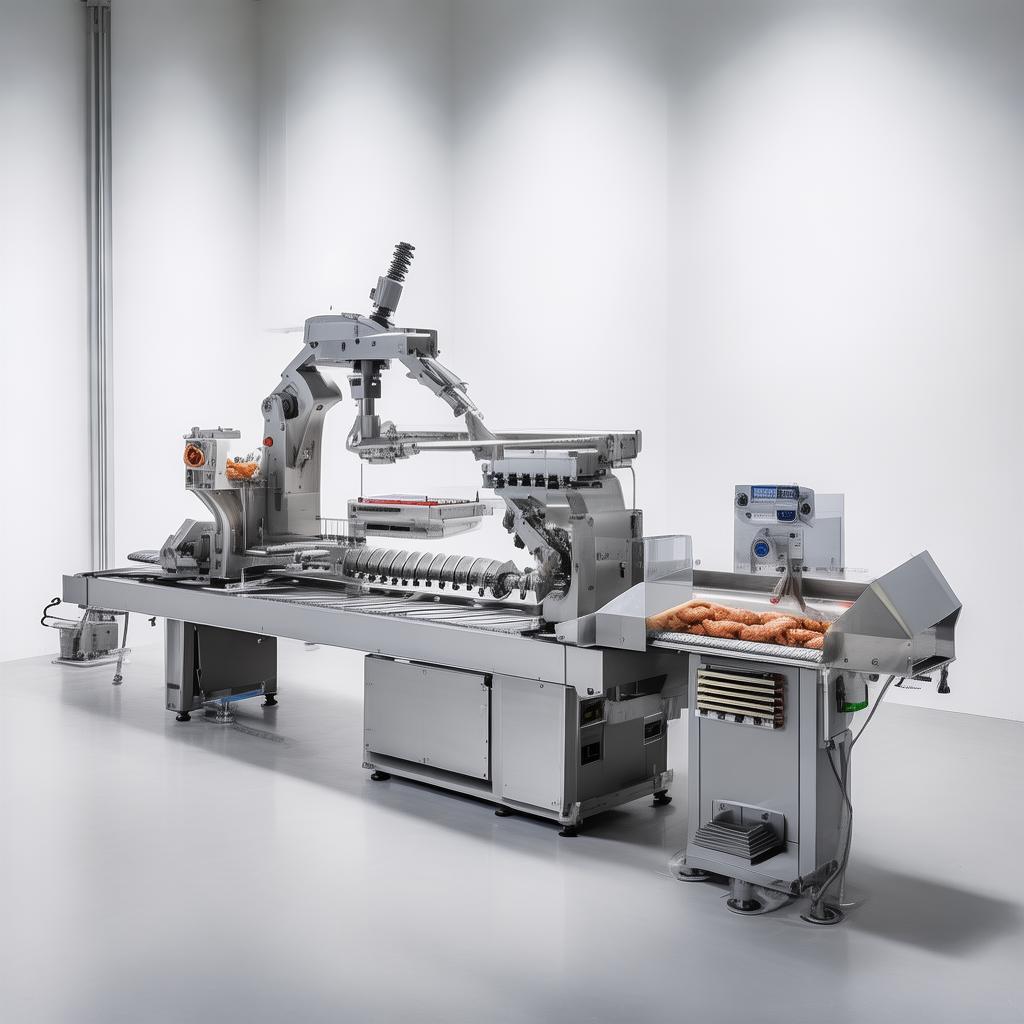
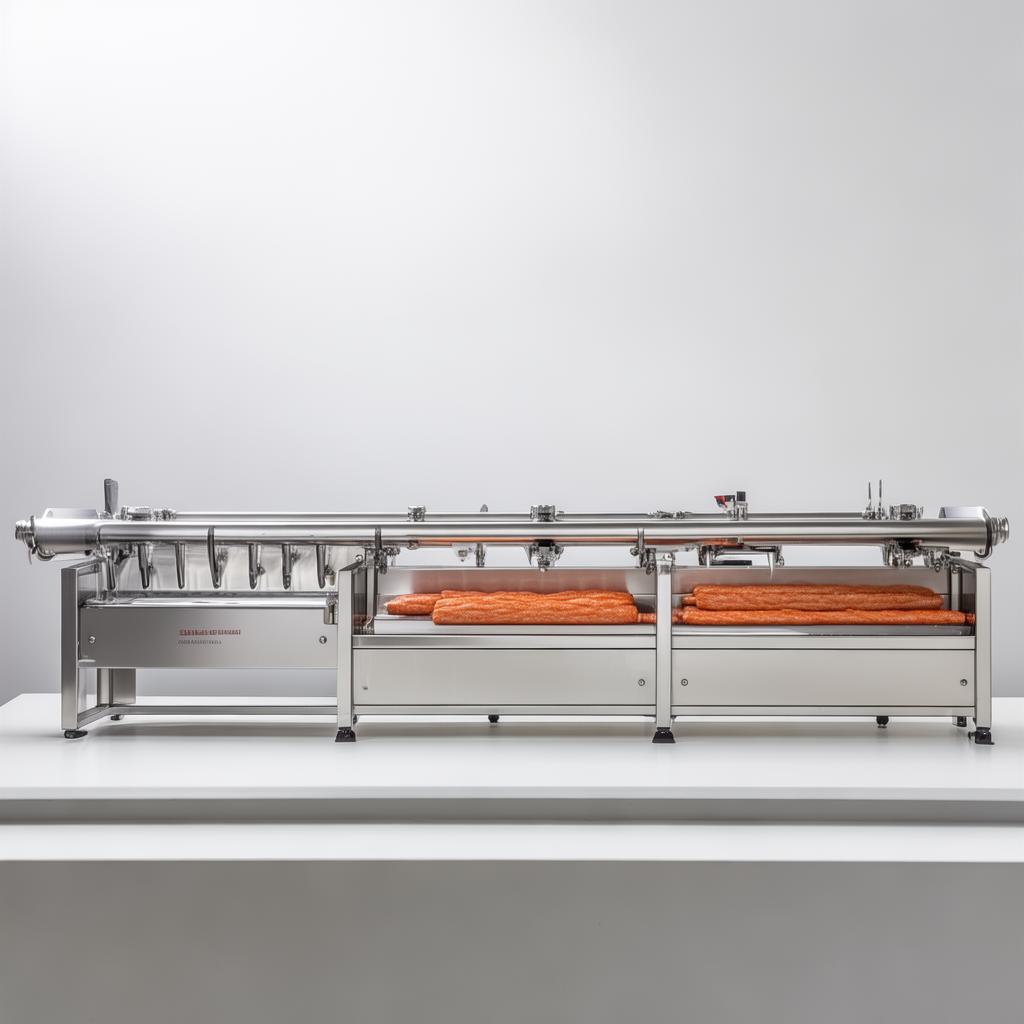
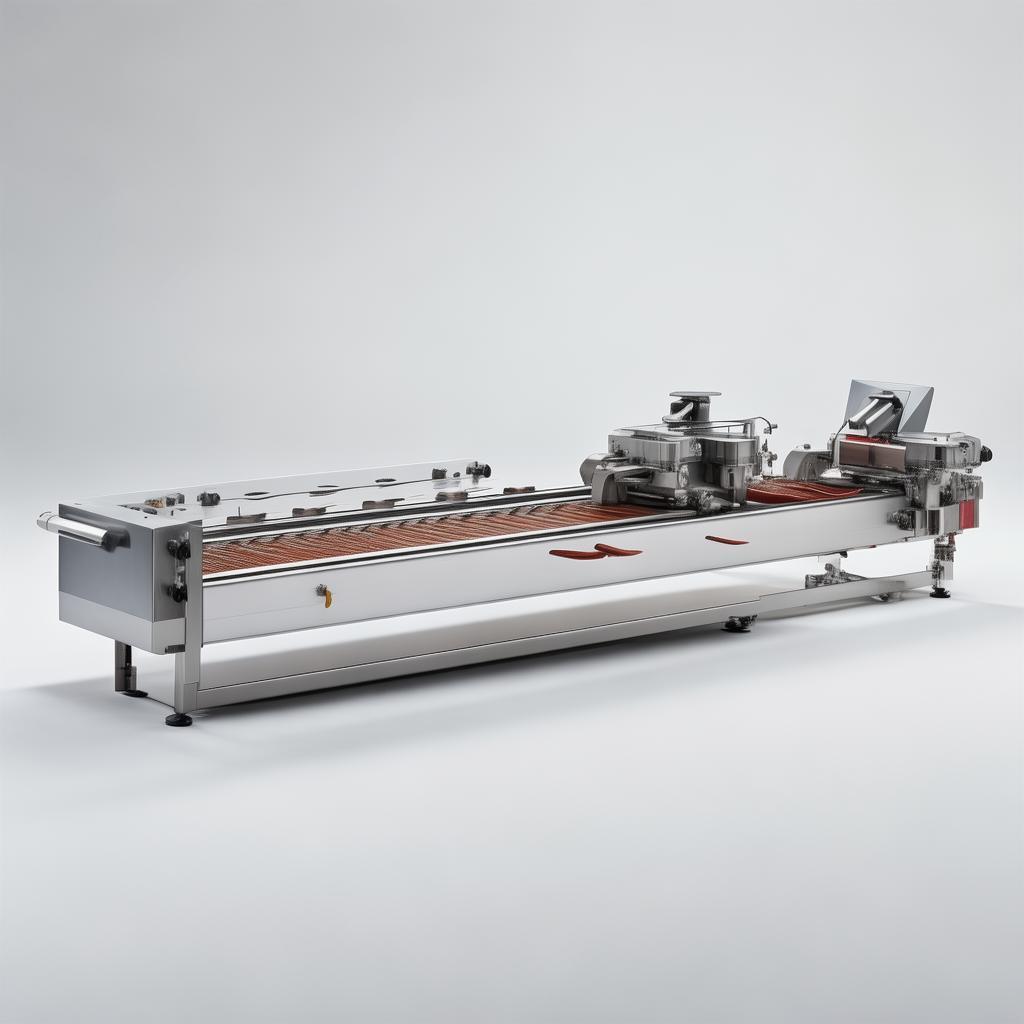
Semi-Automatic Oil Filling Machine: Precision, Efficiency, and Reliability for Your Bottling Needs
Streamline your liquid product packaging with robust, user-friendly filling solutions.

By Johnathan Lee
Senior Export Manager
Introduction: Mastering Liquid Packaging with Semi-Automatic Precision
In the fast-paced world of B2B wholesale export and industrial manufacturing, precision, efficiency, and cost-effectiveness are not just aspirations—they are prerequisites for success. When it comes to liquid products, particularly in sectors like edible oils, lubricants, chemicals, and even specialized food items, the packaging stage presents a critical juncture where accuracy and speed directly impact profitability and customer satisfaction. The demand for high-quality, reliably filled containers is constant. Procurement managers and operations directors are perpetually seeking solutions that can enhance throughput without compromising the integrity of their product or the visual appeal of their finished goods. This is where a well-designed semi-automatic oil filling machine becomes an indispensable asset.
The global market for meat processing equipment, which often includes specialized filling technologies, alone was valued at approximately USD 11.29 billion in 2025 and is projected to reach USD 17.39 billion by 2034, growing at a CAGR of 5.0% according to Fortune Business Insights. While this specific data point relates to meat, the underlying trend of increasing automation and efficiency in food and beverage packaging is universal. Similar growth trajectories are seen across related sectors. For instance, filling and stuffing equipment are identified as key segments within the broader meat processing machinery market, underscoring the importance of precise volumetric dispensing for consumer-ready products. This underscores a broader industrial shift: as consumer demand for processed and packaged goods rises – with the processed meat market alone expected to hit USD 1,253.77 billion by 2034 (Fortune Business Insights) – the need for specialized, reliable filling machinery intensifies. The semi-automatic oil filling machine is designed to meet this escalating demand head-on, offering a practical and economically viable upgrade for businesses looking to scale their operations.
Consider the daily challenges faced by a mid-sized producer of specialty cooking oils. They might currently be using manual pouring or a basic, unreliable volumetric filler. This leads to inconsistent fill levels – some bottles overfilled, leading to wasted product and potential spills during capping, and others underfilled, raising concerns about meeting label claims and customer perception. The labor involved is often intensive, prone to human error, and can lead to repetitive strain injuries. Furthermore, the speed is limited, creating a bottleneck that stifles their ability to meet growing market demand, especially during peak seasons. International buyers, whether distributors in North America or retailers in Europe, expect a certain standard of product presentation and consistency. Any deviation can lead to rejected shipments or damage to brand reputation. It's not just about filling a bottle; it's about delivering a consistent, high-quality product that instills confidence at every step of the supply chain.
Our semi-automatic oil filling machine is engineered to address these precise pain points. It bridges the gap between fully manual operations and expensive, complex fully automatic lines. It offers a significant leap in accuracy, speed, and operational ease, making it an ideal choice for businesses that have outgrown their current filling methods but are not yet ready for a complete automation overhaul. This machine provides controlled volumetric filling, ensuring that each container receives the exact amount of product specified, batch after batch. This not only minimizes product loss but also ensures compliance with regulatory standards and enhances brand credibility. The operational simplicity means less training time for staff, reduced risk of errors, and a safer working environment. For international trade, this translates to more consistent product quality for export markets, fewer claims, and a more streamlined logistics process.
The adoption of advanced filling technologies is not just about keeping up; it’s about gaining a competitive edge. In a market where product differentiation is key, the quality and consistency of packaging play a significant role. Buyers look for suppliers who demonstrate professionalism and reliability. A robust semi-automatic filler signifies that a company is invested in its production capabilities and committed to delivering excellence. It’s a tangible sign of operational maturity. Moreover, the global meat processing equipment market, with its high emphasis on hygiene and precise filling for products like sausages and formed meats, is rapidly adopting automated and semi-automated solutions. This trend highlights the industry's move towards greater precision and efficiency. The machinery involved, including filling and molding equipment, is crucial for consistent product quality and food safety compliance (Grand View Research). Our semi-automatic oil filling machine embodies these principles of precision and compliance, adapted for a wide range of liquid products.
We understand that investing in new machinery is a significant decision for any B2B operation. It requires careful consideration of ROI, integration into existing workflows, maintenance requirements, and long-term support. That's why we've designed our semi-automatic oil filling machine with practicality and longevity in mind. It’s built for robust performance in demanding industrial environments, yet simple enough in its operation to offer immediate benefits without extensive disruption. This machine represents a strategic investment in your company's growth, providing the scalability and reliability needed to compete effectively in the global marketplace. We invite you to explore how this equipment can transform your packaging operations and elevate your product offering.
Addressing Common Bottlenecks in Liquid Filling
Many manufacturers grapple with inefficiencies in their filling processes that eat into profits and hinder growth. Understanding these common pain points is the first step to identifying the right solution.
- Inconsistent Fill Levels: This is a persistent issue with manual or outdated volumetric fillers. Overfilling leads to direct product loss and increased material costs. Underfilling can result in customer complaints, product returns, and brand damage due to perceived value discrepancy. It also poses compliance challenges, especially in regulated industries.
- Low Production Speed (Throughput): Manual filling or inefficient machinery simply cannot keep up with rising market demand. This bottleneck limits production capacity, delays order fulfillment, and can lead to missed sales opportunities, particularly for businesses aiming for international export where lead times are crucial.
- High Labor Costs & Inefficiency: Relying heavily on manual labor for filling is expensive and prone to human error. It also increases the risk of repetitive strain injuries, leading to potential worker compensation claims and further operational disruptions. Staff are often tied up in repetitive tasks that could be automated.
- Product Waste & Spillage: Inaccurate pouring, messy drips, and overflow during filling contribute to significant product waste. This is not only a direct financial loss but also creates a messy work environment, necessitating additional cleanup time and resources, and potentially posing hygiene risks.
- Limited Flexibility for Different Container Sizes: Switching between various bottle sizes or container types can be time-consuming and labor-intensive with basic filling setups. This lack of adaptability hinders a company’s ability to respond to diverse customer orders or market trends efficiently.
- Hygiene and Contamination Risks: Open, manual filling processes can expose liquids to airborne contaminants, increasing the risk of spoilage or degradation, especially for sensitive products like edible oils. Maintaining stringent hygiene standards becomes a considerable challenge.
- Scalability Issues: As a business grows, particularly with aspirations for international B2B trade, the existing filling process often becomes a major impediment to scaling up production. Investing in a machine that can handle increased volumes without a proportional increase in labor or cost is vital.
These challenges are precisely why the demand for advanced, yet practical, filling solutions continues to grow. The global meat processing equipment market, for instance, is seeing increased adoption of automation and efficiency-driven machinery, including filling and stuffing equipment. This trend, driven by hygiene and labor efficiency needs, as noted by Grand View Research, is indicative of broader industrial requirements across food, beverage, and chemical sectors for more controlled and productive packaging solutions. Our semi-automatic oil filling machine is engineered to directly counteract these operational inefficiencies, providing a tangible path to improved productivity and profitability.
Key Advantages of Our Semi-Automatic Oil Filling Machine
Our semi-automatic oil filling machine is designed to deliver tangible improvements, offering a blend of precision, ease of use, and robust construction that appeals to discerning industrial buyers and export managers.
- Exceptional Fill Accuracy: Engineered with precise volumetric control, this machine dispenses exact quantities of liquid, minimizing product giveaway and ensuring consistent fill levels across all containers. This is crucial for meeting label claims and maintaining product integrity, especially for high-value liquids.
- Increased Throughput & Efficiency: Significantly boosts filling speed compared to manual methods, allowing you to process more units in less time. This enhanced productivity is vital for meeting market demand and fulfilling larger export orders promptly.
- Simplified Operation & Reduced Labor: Designed for intuitive operation, requiring minimal training. One operator can typically manage multiple machines or oversee the process effectively, freeing up valuable labor for other critical tasks and reducing overall labor costs.
- Versatile Product Handling: Capable of handling a wide range of viscosities, from thin oils to thicker viscous liquids. Material compatibility is a key consideration; constructed with food-grade stainless steel (e.g., 304 or 316L depending on application) and suitable sealing materials (like PTFE or Viton for specific chemical resistance).
- Adaptable to Various Container Types: Easily adjustable to accommodate different bottle sizes, shapes, and materials (glass, PET, HDPE). The adjustable filling head height and nozzle configurations ensure compatibility with standard and custom containers, a significant benefit for diverse product lines.
- Enhanced Hygiene and Safety: Features a closed-loop filling system that minimizes operator contact with the product and reduces exposure to environmental contaminants. The use of food-grade materials and easy-to-clean components supports stringent hygiene protocols, essential for industries like food and pharmaceuticals. The machine design also incorporates safety guards and emergency stops.
- Robust Construction for Industrial Use: Built with high-quality, durable materials, including stainless steel construction and reliable pneumatic or servo-driven components. This ensures longevity and consistent performance even in demanding production environments common in manufacturing and wholesale operations.
- Cost-Effective Solution: Offers a superior balance of performance and investment compared to fully automatic lines. It represents a strategic upgrade that delivers a strong ROI by improving efficiency, reducing waste, and increasing output capacity without the extensive capital expenditure of complex automation.
The market for meat processing equipment highlights the demand for sophisticated filling and molding technologies to ensure consistent product quality and safety. As noted by Mordor Intelligence, filling & stuffing equipment are key components for meat pretreatment and forming. Our machine applies these principles of precise dispensing to a broader range of liquid products, ensuring uniformity and efficiency.
Technical Specifications & Configuration
Understanding the technical capabilities of the semi-automatic oil filling machine is crucial for assessing its suitability for your specific production needs. Below are typical specifications, though configurations can be customized.
| Feature | Specification | Notes |
|---|---|---|
| Model Name | YC-SFA-OIL | Customizable naming available |
| Filling Method | Volumetric (Piston Pump / Gear Pump / Gravity) | Choice depends on liquid viscosity and accuracy requirements |
| Filling Range | 50 ml - 1000 ml (Standard) | Larger ranges available upon request. Adjustable via digital display/knob. |
| Accuracy | ± 1-2% | Achieved with proper calibration and product consistency. |
| Filling Speed | 15-30 Bottles/Minute | Varies with fill volume and operator proficiency. |
| Power Supply | 220V/50Hz/1Phase (or 110V/60Hz/1Phase) | Custom voltages available for international markets. |
| Air Pressure | 0.4 - 0.8 MPa | External air compressor required. |
| Machine Material | 304 Stainless Steel (Contact Parts: 316L option) | Ensures durability and food-grade compliance. |
| Nozzle Type | Anti-drip valve nozzle | Single or double nozzle configuration available. |
| Bottle Diameter | 10 mm - 100 mm | Adjustable clamp/holder system. |
| Control System | PLC Control with Touchscreen Interface | User-friendly parameter setting and diagnostics. |
| Dimensions (L x W x H) | Approx. 1200 x 800 x 1600 mm | Compact footprint for various factory layouts. |
Optional Features:
- Servo Motor Drive: For enhanced filling precision and smoother operation, especially for high-viscosity products.
- Automatic Capping Integration: Can be paired with a semi-automatic capping machine for a more integrated filling-and-sealing line.
- Product Tank with Level Sensor: For continuous supply and automatic feeding.
- Custom Nozzle Designs: Tailored to specific product characteristics (e.g., foamy liquids, viscous pastes).
oil filling equipment semi auto filling machine semi auto liquid filling machine
The global market analysis by IMARC Group suggests a strong demand for filling & stuffing equipment as part of meat pretreatment and forming processes, valued at USD 18.3 billion in 2025 and projected to reach USD 29.8 billion by 2034. This signifies the critical role precise dispensing technology plays across various sectors.
Versatile Applications Across Industries
Our semi-automatic oil filling machine is not limited to a single sector. Its robust design and adaptable features make it suitable for a wide array of liquid products and industries, providing reliable performance for B2B wholesale and export operations.
Edible Oils & Fats
Olive oil, sunflower oil, vegetable oils, coconut oil, ghee, essential oils. Precision is key for accurate portioning and preventing overflow.
Sauces & Condiments
Ketchup, mayonnaise, soy sauce, salad dressings, jams, honey, hot sauces. Handling varying viscosities and preventing drips is critical.
Beverages
Juices, milk, functional drinks, syrups, concentrates. Ensuring hygienic filling and accurate volumes for consumer appeal.
Chemical & Industrial Liquids
Lubricants, cleaning agents, solvents, adhesives, paints (low viscosity), car care products. Material compatibility and anti-corrosion features are often important.
Personal Care & Cosmetics
Shampoos, conditioners, lotions, liquid soaps, perfumes, essential oils. High standards of hygiene and aesthetic filling are required.
Pharmaceutical Liquids
Syrups, tinctures, oral solutions. Requires strict adherence to GMP (Good Manufacturing Practice) and high accuracy.
The increasing demand for convenience and ready-to-eat products globally, as highlighted by the processed meat market growth (Precedence Research), fuels the need for efficient packaging solutions across various food sectors. Our machine is well-suited to support these expanding markets.
Procurement Considerations for Bottling Equipment
As a procurement specialist or operations manager, selecting the right filling machine involves more than just comparing price tags. It's about ensuring long-term value, operational integration, and risk mitigation. Here’s a practical guide:
- Understand Your Product Viscosity and Characteristics: This is paramount. Is your liquid thin like water, medium like oil, or thick like honey? Does it foam? Are there solids or particulates? These factors dictate the type of pump and nozzle required. A machine suitable for light oils might struggle with thicker sauces.
- Analyze Your Container Specifications: What bottle neck sizes, heights, and shapes are you using? The machine must accommodate these with minimal adjustment time. If you plan to use different container types, ensure the machine offers sufficient flexibility.
- Evaluate Production Volume and Speed Requirements: Based on current demand and projected growth, determine your target output per hour or per shift. A semi-automatic machine is ideal for moderate volumes, but compare speeds of different models to ensure it meets your scaling needs.
- Consider Material Compatibility and Hygiene Standards: For food-grade products, 316L stainless steel for product contact parts is often preferred over 304 for superior corrosion resistance. For chemicals, ensure all wetted parts are resistant to the specific substances being filled. Compliance with FDA, CE, or GMP standards might be necessary.
- Investigate Ease of Operation and Maintenance: A complex machine might offer advanced features but could lead to longer training times and higher maintenance costs. Look for intuitive controls (like a PLC touchscreen) and straightforward cleaning procedures. Does the manufacturer provide clear manuals and support?
- Assess Supplier Reputation and Support: Beyond the machine itself, consider the manufacturer. Do they have a strong track record? Can they provide spare parts reliably, especially for international clients? What is their warranty policy? Hebei Yuanchang, with 40 years of experience, offers a traceable after-sales management system, ensuring continuity.
- Factor in Installation and Utilities: Does the machine require compressed air? What is its power consumption? Ensure your facility can support these requirements. Installation complexity should also be considered; many semi-automatic fillers are relatively plug-and-play.
- Compare Total Cost of Ownership (TCO): Don't just look at the initial purchase price. Include costs for installation, training, maintenance, spare parts, and potential downtime. A slightly more expensive machine with lower maintenance and higher reliability can offer a better TCO.
When procuring machinery for international markets, understanding lead times, shipping logistics, and customs procedures is also critical. A reliable supplier like Hebei Yuanchang will provide comprehensive support throughout this process, ensuring smooth delivery and setup.
Hebei Yuanchang: Your Trusted Manufacturing Partner
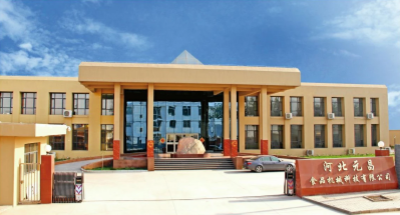
Our state-of-the-art machining workshop at Hebei Yuanchang.
At Hebei Yuanchang Food Mechanism & Technology Co., Ltd., we bring over 40 years of manufacturing experience (since 1986) to every piece of equipment we produce. Our extensive knowledge in R&D, production, and sales of specialized machinery, including filling solutions, allows us to offer products that are not only technologically advanced but also operationally robust and highly reliable.
Our facility spans approximately 14,000 square meters, staffed by a dedicated team of 80-100 skilled professionals. We pride ourselves on our comprehensive in-house capabilities, which include over 20 sets of advanced processing machinery. This allows us to maintain stringent quality control from raw material to finished product. The integration of Japanese Mazak CNC machining centers since 2012 enables us to manufacture high-precision components that meet demanding specifications for large volumes and non-standard requirements.
This vertical integration is crucial for our clients. It means we can independently produce critical high-precision parts, ensuring the longevity and consistent performance of our machines. More importantly, it underpins our traceable after-sales management system, offering you peace of mind and reliable support long after your purchase. For international buyers, this signifies a partnership with a stable, experienced manufacturer committed to long-term customer satisfaction.
Our expertise extends across complete production lines, giving us a holistic understanding of how each machine contributes to the overall efficiency and quality of your operation. This deep industry insight is what sets us apart and allows us to engineer solutions like the semi-automatic oil filling machine that truly address the practical needs of industrial and export-focused businesses.
Commitment to Quality: Certifications & Standards
We understand that for international B2B trade, adherence to global standards and certifications is non-negotiable. Our manufacturing processes and product designs are developed with quality, safety, and compliance at the forefront.

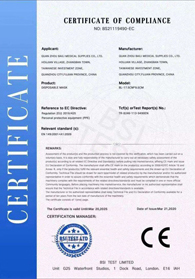


ISO Certification: Our manufacturing facilities operate under stringent quality management systems, aligning with ISO standards to ensure consistent production quality and process control.
CE Marking: For machinery exported to European Economic Area countries, our products comply with relevant EU directives, ensuring safety, health, and environmental protection standards are met.
RoHS Compliance: We adhere to the Restriction of Hazardous Substances directive, ensuring that our equipment contains limited amounts of specific hazardous materials.
FDA Compliant Materials: For food and pharmaceutical applications, critical product contact parts are constructed from FDA-approved materials, such as food-grade stainless steel (316L option) and appropriate sealants, ensuring product safety.
These certifications are not mere badges; they represent our deep-seated commitment to delivering machinery that meets the highest international benchmarks for quality, safety, and environmental responsibility. This is particularly important when supplying to regulated markets or for high-value product packaging.
What Our Clients Say
We value the feedback from our partners. Here are a few testimonials from businesses that have integrated our filling solutions into their operations:

Operations Manager, AgroHarvest Oils (Mexico)
"The YC-SFA-OIL machine has significantly improved our packaging line. We used to struggle with inconsistent fills and slow speeds. Now, we have accurate fills every time, and we've nearly doubled our output. It was surprisingly easy to set up and operate."

Procurement Director, Apex Lubricants (USA)
"We needed a reliable solution for filling industrial lubricants into various bottle sizes. Hebei Yuanchang's machine met our technical requirements, especially concerning material compatibility. The service and support have been excellent, crucial for our export operations."

Production Lead, Global Spice Extracts (UK)
"The precision of the volumetric fill is impressive, even for our sensitive spice extracts. It significantly reduced product waste and ensured consistent batches for our international distributors. The ease of cleaning is also a major plus for maintaining hygiene standards."
Ready to Elevate Your Filling Efficiency?
Discover how our semi-automatic oil filling machine can streamline your operations, enhance product consistency, and boost your bottom line. Request a personalized quote or speak with one of our technical experts today.
Frequently Asked Questions
What is the typical lead time for delivery to North America?
Lead times can vary based on current production schedules and customization requirements. Typically, for standard configurations, it ranges from 30-60 days from order confirmation. We work closely with international freight forwarders to ensure efficient and transparent shipping. For specific timelines, please request a detailed quote.
Can this machine handle products with small solid particles, like fruit preserves?
While our semi-automatic oil filling machine is optimized for liquids and semi-liquids, its capability with products containing small solid particles depends on the particle size and viscosity. For products like fruit preserves or sauces with chunky ingredients, a specialized filling solution with different pump mechanisms (e.g., piston fillers designed for particulates) might be more suitable. Please provide detailed product information for a tailored recommendation.
What kind of maintenance is required?
Routine maintenance is straightforward and includes regular cleaning of the filling nozzle and product pathways, checking seals for wear, and lubricating moving parts as per the operation manual. Our machines are built for durability, and with proper care, they offer long service life. We provide detailed maintenance guidelines and support.
Do you offer OEM/ODM services for this filling machine?
Yes, we do offer OEM (Original Equipment Manufacturer) and ODM (Original Design Manufacturer) services. We can adapt our designs, incorporate specific branding, or develop custom features to meet unique client requirements. This is ideal for distributors or businesses looking to offer proprietary equipment.
How does the volumetric filling system ensure accuracy?
The accuracy is achieved through precise calibration of the filling volume, typically managed by a piston pump or gear pump with adjustable stroke length or rotation. The PLC control system precisely governs the pump's operation for each fill cycle. Regular calibration checks, as outlined in the manual, are recommended to maintain optimal accuracy, especially when filling volumes close to the machine’s limit or with products whose viscosity can vary.
Get In Touch With Us
Contact Information
Company: Hebei Yuanchang Food Mechanism & Technology Co., Ltd.
Address: Shijiazhuang, Hebei Province, China
Phone: +86 15830991513
Email: ycmeatmech@gmail.com
Website: www.ycmeatmech.com
Send Us a Message
For immediate assistance or inquiries regarding custom configurations, OEM/ODM services, or bulk export orders, please contact us directly via phone or email.