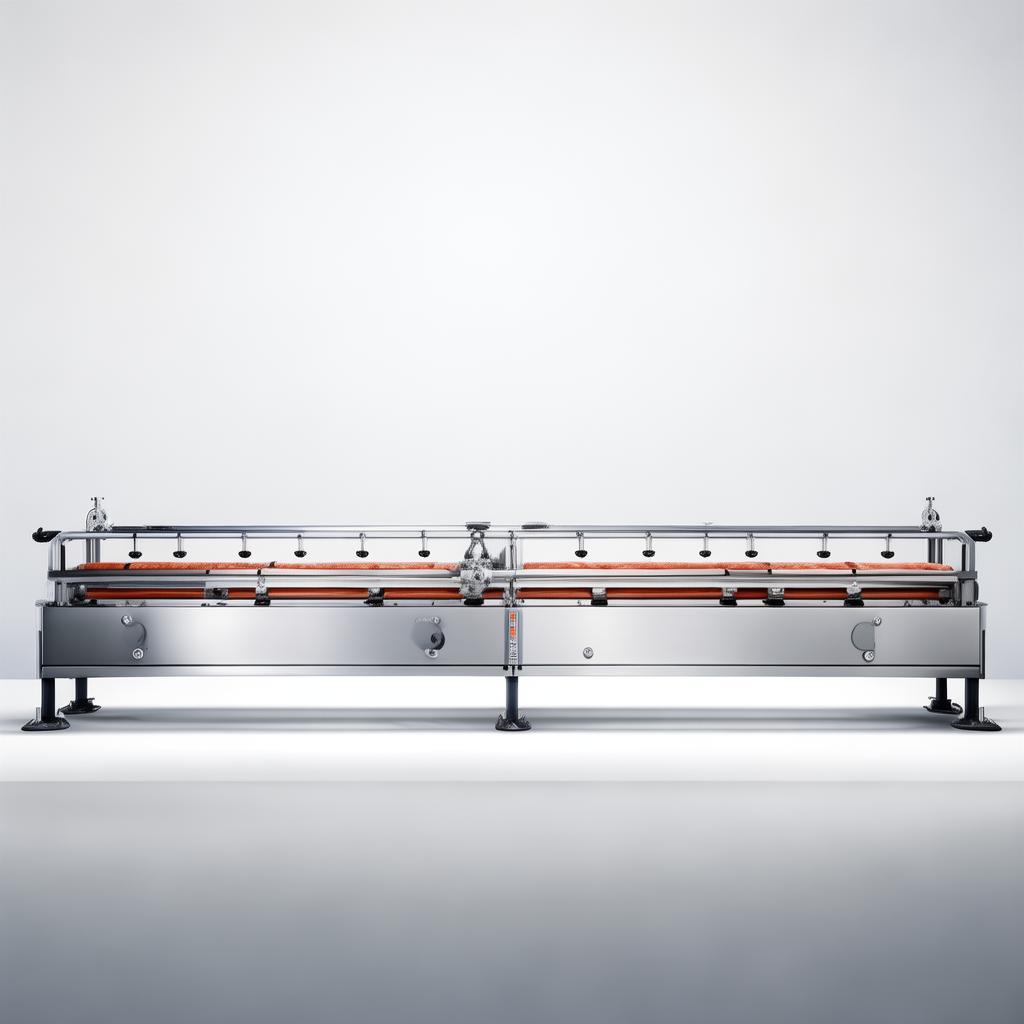
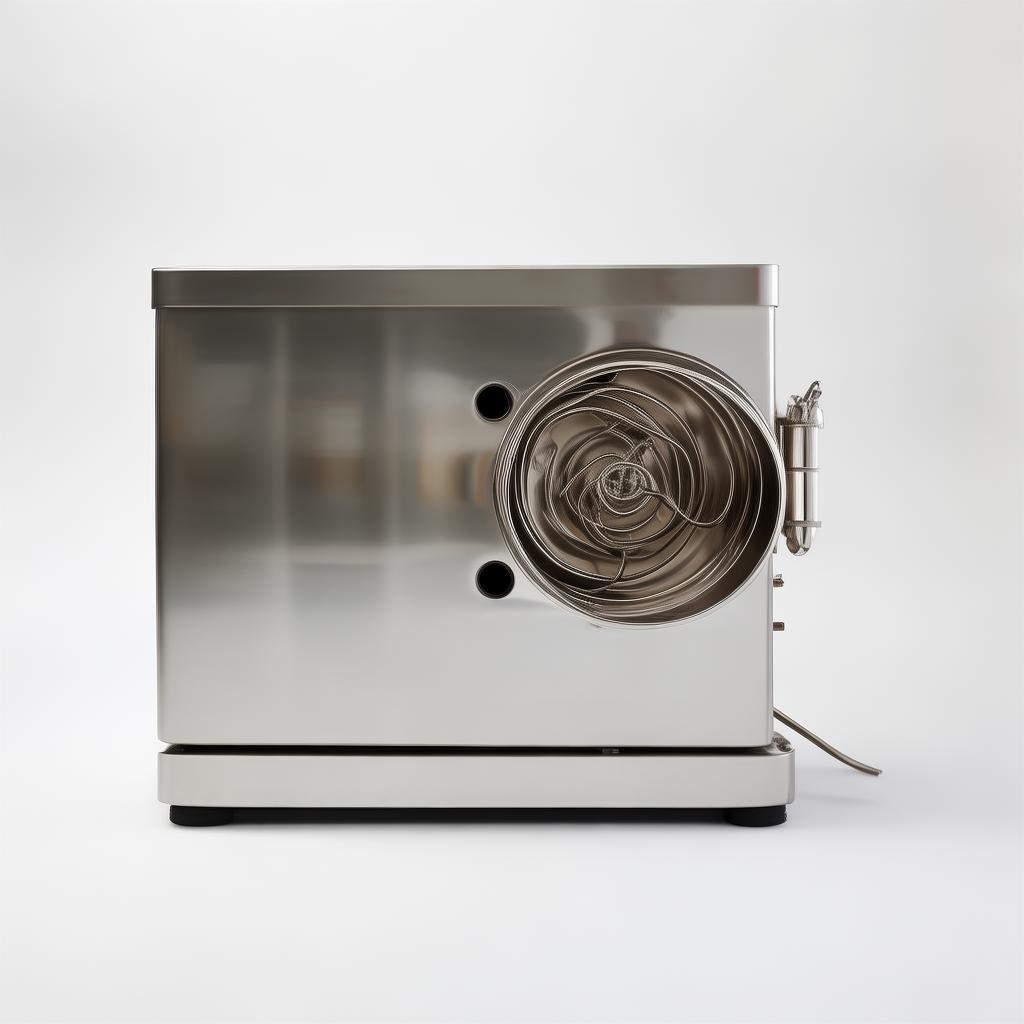
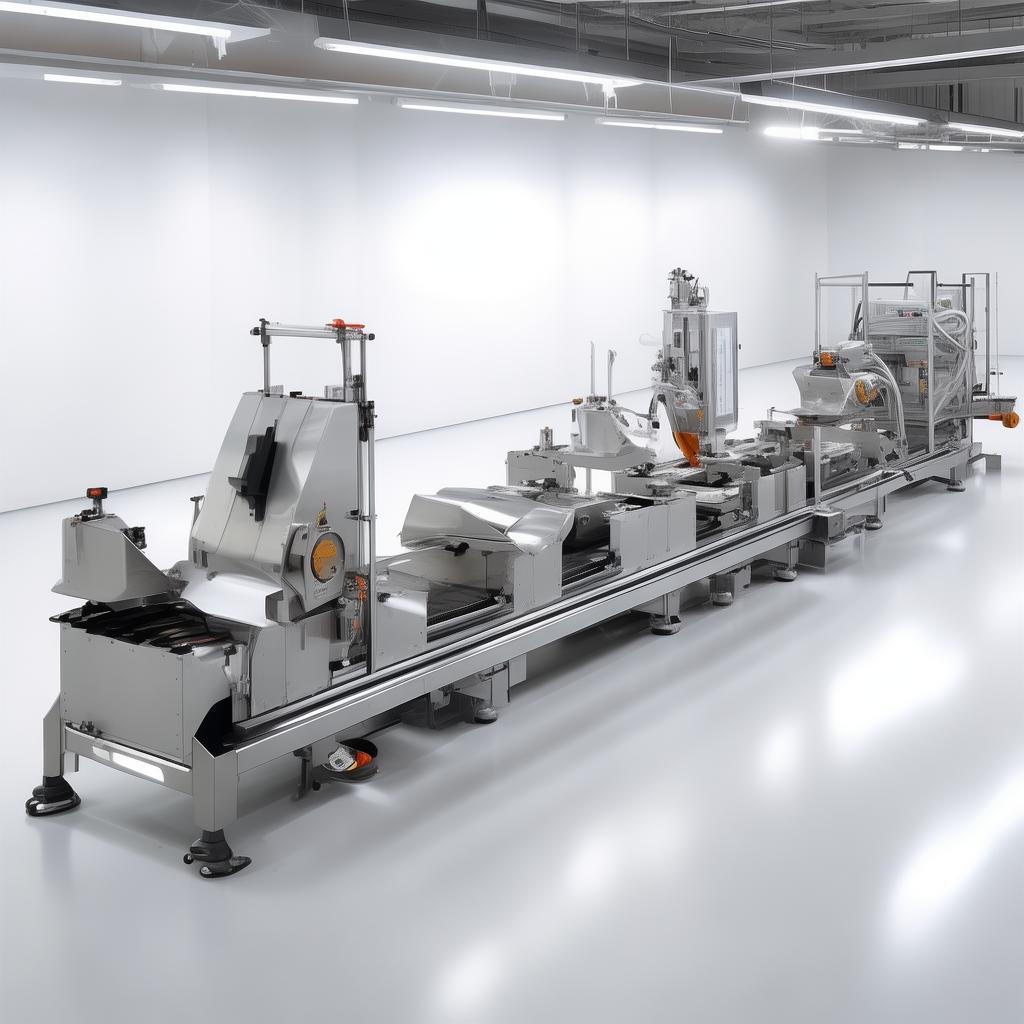
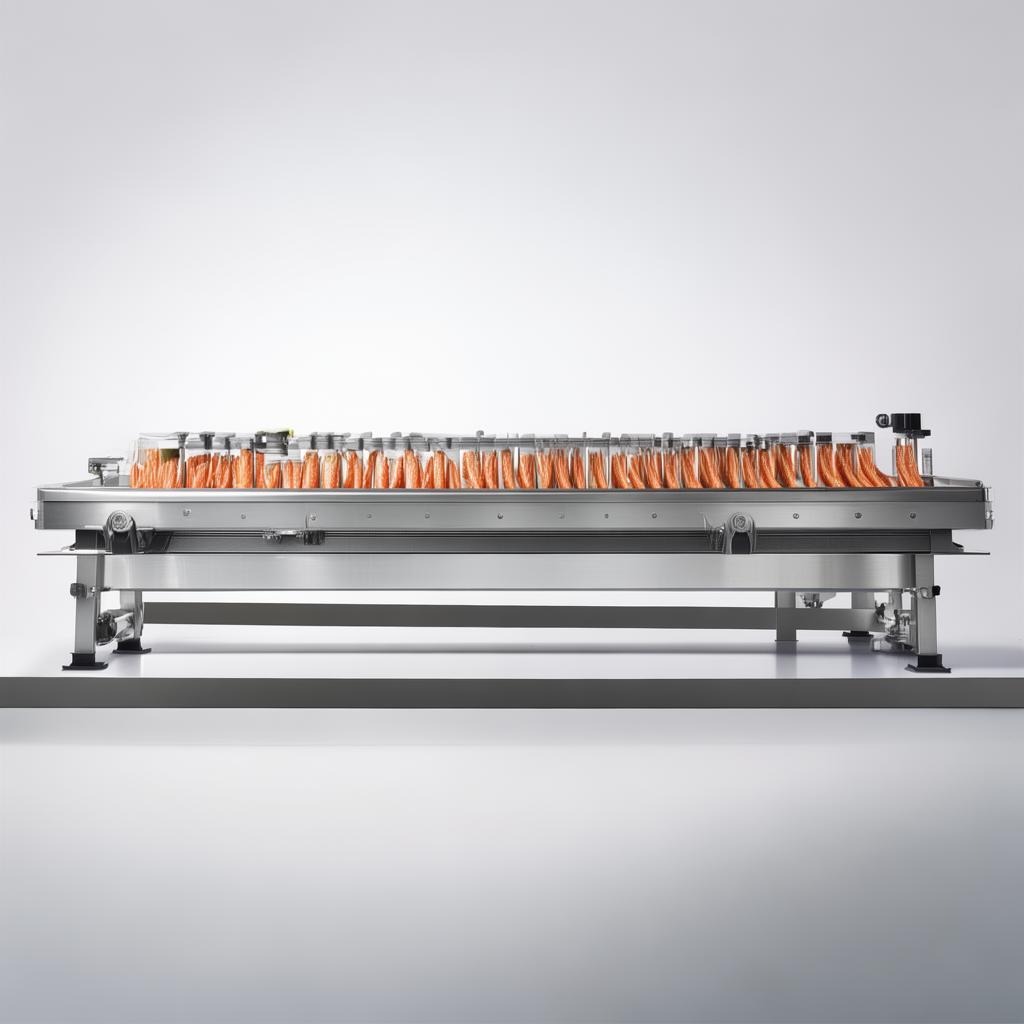
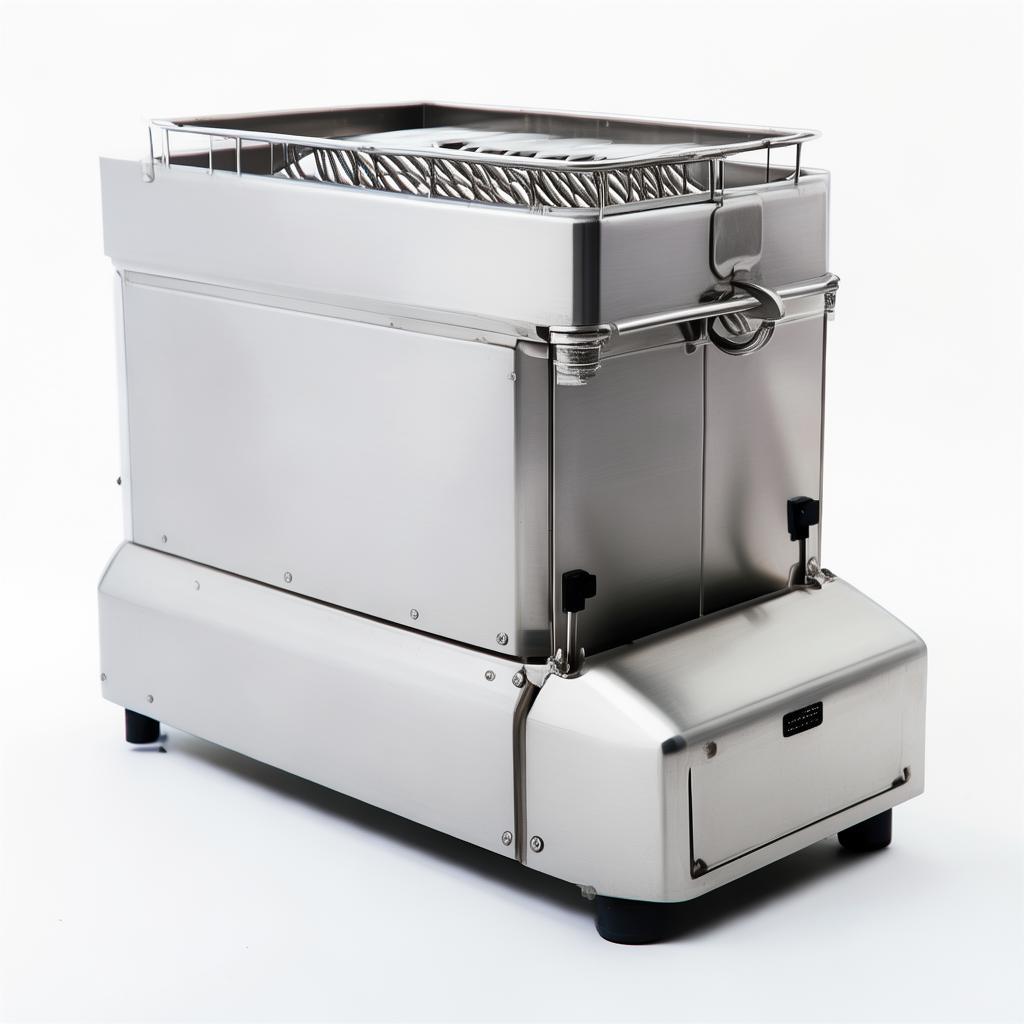
Semi Automatic Bag In Box Filling Machines
Semi-Automatic Bag-in-Box Filling Machines: Precision, Efficiency, and Scalability for Your Liquid Products
 By Alex Chen, Export Director at Hebei Yuanchang Food Mechanism & Technology Co., Ltd.
With 40 years of industrial experience since 1986.
Why Bag-in-Box? The Evolution of Packaging for Liquids
In today's competitive B2B landscape, the packaging solution you choose for liquids – be it wine, juice, sauces, oils, or even industrial chemicals – is as critical as the product itself. It impacts shelf life, transportation costs, user convenience, and ultimately, brand perception. For years, glass bottles and rigid containers dominated. But a quieter revolution has been underway, with Bag-in-Box (BiB) packaging steadily gaining traction across numerous industries. This isn't just a trend; it's a practical, cost-effective, and sustainable shift driven by real operational demands.
The core appeal of BiB is its multi-layered bag, often coupled with a dispensing tap, housed within a sturdy corrugated cardboard box. This design offers significant advantages. For starters, the bag's barrier layers protect the contents from oxygen ingress, significantly extending shelf life once opened – a major win for products that might otherwise oxidize quickly. Consider the implications for the wine industry alone: a BiB wine can stay fresh for weeks after opening, a stark contrast to the short window for a traditional bottle. This directly translates to reduced product waste and improved customer satisfaction.
From a logistical standpoint, BiB packaging is a game-changer. The collapsible nature of the bag when empty, and the efficient cubic shape of the box, allow for significantly higher palletization density compared to bulky bottles. This means more product shipped per container, leading to substantial savings in freight costs – a crucial factor in international wholesale and export operations. Furthermore, the reduced weight of BiB compared to glass contributes to lower transportation expenses and easier handling on the production floor and at the point of sale.
The global market for meat processing equipment, which often involves filling various forms, highlights the broader trend towards efficient handling and specialized machinery. Reports suggest the meat processing equipment market is set to reach values between USD 11.28 billion and USD 18.3 billion by 2034, with segments like filling and stuffing equipment showing robust growth. This indicates a strong industry-wide focus on optimizing filling processes for various product types, underscoring the importance of precise filling technology across different sectors.
For manufacturers and distributors looking to streamline operations, enhance product preservation, and optimize their supply chain, the adoption of BiB packaging is a strategic move. However, realizing these benefits hinges entirely on the efficiency and reliability of the filling machinery. This is where the right semi-automatic Bag-in-Box filling machine becomes indispensable. It’s not just about pouring liquid into a bag; it’s about precision, hygiene, speed, and integration into a larger production workflow.
We understand that selecting equipment is a significant investment. It requires a deep dive into technical capabilities, operational workflows, and long-term ROI. Our experience, spanning over four decades in manufacturing machinery, has shown us firsthand how the right equipment can differentiate a business. The shift towards BiB packaging is a testament to evolving market demands for convenience, extended shelf life, and cost-efficiency in transport. Our semi-automatic BiB filling machines are engineered to meet these demands head-on.
Addressing Your Production Challenges with Precision Filling
Many businesses grapple with the inherent complexities of liquid filling. Manual methods are slow, prone to inaccuracies, and pose hygiene risks, especially when dealing with food-grade or sensitive products. Overfilling leads to wasted product and increased material costs, while underfilling can result in customer complaints and potential compliance issues. Batch-to-batch consistency is another major hurdle, impacting product quality and brand reputation.
bag-in-box filling machine bag-in-box filling equipment bag filling machines
Furthermore, the transition to new packaging formats like BiB can present its own set of challenges. Ensuring the integrity of the bag seal, accurately dispensing precise volumes, and minimizing product loss during the filling process are paramount. The capital expenditure for advanced automated systems can also be a barrier for small to medium-sized enterprises (SMEs) or those scaling up their operations.
The global demand for processed meat products, projected to reach over USD 1.3 trillion by 2035, underscores the need for robust filling and molding technologies across diverse sectors. This sector's growth relies on efficient machinery that can handle specific product viscosities and safety standards. Similarly, the food processing equipment market as a whole is expanding, with significant investments in automation to improve efficiency and meet stringent regulatory requirements.
You might be experiencing issues with:
- Inconsistent fill volumes leading to product giveaway or short fills.
- Slow filling speeds that create production bottlenecks.
- Hygiene concerns with manual or outdated filling methods.
- Difficulty in integrating filling into existing production lines.
- High operational costs associated with labor and material waste.
- Challenges in handling different product viscosities or densities.
These are common pain points, and they directly impact your bottom line. Our focus has always been on providing robust, reliable, and cost-effective solutions that address these very issues, enabling you to scale your production efficiently and maintain product integrity.
The Semi-Automatic Bag-in-Box Filling Machine: Your Solution for Scalable Production
Our semi-automatic Bag-in-Box (BiB) filling machines are designed for businesses that require a balance of precision, operational simplicity, and cost-effectiveness. These machines integrate advanced filling technology with a user-friendly interface, making them ideal for medium-volume production runs or for companies looking to transition from manual filling to a more controlled process.
The "semi-automatic" designation means that while the filling cycle itself is automated and highly precise, certain manual steps, such as placing the bag and box, and initiating the filling cycle, are performed by the operator. This approach significantly boosts efficiency compared to fully manual operations while keeping the capital investment and operational complexity lower than fully automatic lines.
At the heart of these machines is our proprietary AccuFill™ volumetric or gravimetric dosing system, ensuring exceptional accuracy for every fill. Whether you're filling 3-liter pouches or 20-liter bags, the target volume is achieved consistently, minimizing product giveaway. The machine is built with robust materials, typically food-grade stainless steel (SS304 or SS316L), ensuring durability and compliance with stringent hygiene standards, which is crucial for food, beverage, and pharmaceutical applications.
Operationally, the machine guides the operator through a simple sequence:
- Bag Placement: The operator positions the empty BiB bag (often with its dispensing fitment) into the designated filling head.
- Initiation: A simple button press or sensor activation starts the automated filling cycle.
- Filling: The machine dispenses the pre-set volume of product accurately and efficiently.
- Sealing (Optional/Integrated): Depending on the model, the machine may integrate heat sealing or capping of the bag fitment.
- Bag Removal: The filled bag is easily removed and placed into its outer box for subsequent packaging.
This streamlined process allows for filling rates that can dramatically outperform manual methods, typically ranging from 5 to 20 bags per minute, depending on the product, fill volume, and operator efficiency. This offers a tangible increase in throughput without the immense cost of a fully automated line.
The semi-automatic nature also lends itself well to flexible production environments. Switching between different product types or fill volumes is generally straightforward, requiring minimal changeover time. This adaptability is invaluable for co-packers or manufacturers with diverse product portfolios.
Detailed Technical Specifications
Understanding the technical capabilities of our equipment is key to ensuring it aligns with your production needs. Below is a general specification table; please note that specific configurations can be customized to meet unique requirements.
| Feature | Specification | Notes |
|---|---|---|
| Machine Type | Semi-Automatic Bag-in-Box Filling Machine | Gravity, Volumetric Piston, or Gravimetric Dosing |
| Suitable Bag Volumes | 1L to 25L (Customizable) | Standard sizes: 3L, 5L, 10L, 15L, 20L |
| Filling Accuracy | ± 0.5% to ± 1.5% | Depends on product viscosity and fill method |
| Filling Speed | 5 - 20 Bags/Minute | Variable based on volume, product, and operator |
| Product Viscosity Range | 1 - 50,000 cPs (Customizable) | Includes low-viscosity liquids to semi-liquids |
| Materials of Construction | Food-Grade Stainless Steel (SS304/SS316L) | Contact parts; frame options available |
| Control System | PLC with Touchscreen HMI | Easy parameter setting and monitoring |
| Power Requirements | 220V/380V, 50/60Hz (Customizable) | Single or Three-phase |
| Air Consumption | Approx. 0.6 MPa / 0.3 m³/min | Clean, dry compressed air required |
| Optional Features | CIP/SIP cleaning ports, automatic capping, date/batch coding integration, product heating/cooling jackets | Enhance functionality and hygiene |
The integration of a PLC (Programmable Logic Controller) and a Human-Machine Interface (HMI) touchscreen is standard, offering intuitive control over fill volumes, speeds, and other critical parameters. This simplifies operation and reduces the learning curve for your staff. We often recommend integrating date and batch coding directly onto the bag or its fitment, which is a common requirement for traceability.
The materials used are paramount for product integrity. Food-grade stainless steel (SS304 as standard, SS316L for more corrosive products or stricter pharmaceutical needs) ensures longevity and ease of cleaning. For operations requiring Clean-in-Place (CIP) or Sterilize-in-Place (SIP) capabilities, we offer configurations that facilitate these processes, minimizing downtime and ensuring maximum hygiene.
Versatile Applications Across Industries
While the term "Bag-in-Box" might evoke images of wine, its utility extends far beyond. Our semi-automatic filling machines are robust enough to handle a wide array of liquid and semi-liquid products across various sectors.
Food & Beverage:
- Wines & Spirits: The classic application, offering extended freshness.
- Juices & Smoothies: From fresh juices to thicker smoothie blends.
- Dairy Products: Milk, cream, yogurt drinks (requires appropriate hygiene and cooling).
- Sauces & Condiments: Ketchup, mayonnaise, dressings, gravies, syrups.
- Oils & Vinegars: Edible oils, olive oils, specialty vinegars.
- Ready-to-Eat Meals: Liquid components for meal kits or prepared foods.
Industrial & Chemical:
- Lubricants & Greases: Various viscosity industrial lubricants.
- Cleaners & Detergents: Household and industrial cleaning solutions.
- Adhesives & Sealants: Certain types of liquid adhesives.
- Paints & Coatings: Water-based or specific types of liquid coatings.
- Pharmaceuticals: Liquid medications, reagents, or disinfectants (subject to strict validation and validation).
The global market for meat processing equipment is substantial, with projections indicating significant growth driven by automation and demand for processed products. For instance, the meat processing equipment market was valued at USD 11.28 billion in 2024 and is expected to expand. This highlights the universal need for precise volumetric control and efficient handling in food production, which our BiB fillers directly address for liquid products.
The ability to handle different product viscosities is a key differentiator. Our machines can be configured with specialized pumps and valve systems to accommodate everything from thin liquids like water or vinegar to more viscous products like honey, thick sauces, or even certain types of slurries. This versatility makes it a sound investment for businesses with evolving product lines.
Key Advantages for Your Business Operations
Investing in a semi-automatic BiB filling machine from Hebei Yuanchang isn't just about acquiring a piece of equipment; it's about unlocking tangible business benefits:
- Enhanced Product Shelf Life: The barrier properties of BiB bags significantly reduce oxidation and spoilage, allowing products to remain fresh for extended periods post-opening. This is crucial for reducing waste and improving consumer satisfaction.
- Reduced Operational Costs: Increased filling speed, minimized product giveaway through precise volumetric control, and efficient use of labor contribute to a lower cost per filled unit.
- Optimized Logistics & Storage: BiB packaging offers superior space utilization in shipping and warehousing compared to rigid containers. This translates directly to lower freight costs and higher inventory turnover.
- Improved Product Quality & Consistency: Automated filling ensures that every bag receives the exact same volume, guaranteeing batch-to-batch consistency and maintaining product integrity.
- Scalability & Flexibility: Semi-automatic operation provides a scalable solution that can grow with your business. It's an ideal step up from manual filling and can be upgraded or integrated into more automated systems later.
- Hygiene and Safety Compliance: Built with food-grade materials and designed for ease of cleaning, our machines help you meet stringent industry hygiene standards, reducing the risk of contamination.
- Reduced Environmental Impact: BiB packaging generally uses less material than glass bottles and can reduce overall shipping emissions due to lighter weight and better space efficiency.
The market for food processing equipment is continuously driven by the need for efficiency and safety. The global meat processing equipment market's projected growth to USD 29.8 billion by 2034 highlights the broader trend of investing in specialized machinery to enhance production output and quality. Our BiB fillers are a key component for liquid product manufacturers participating in this growth.
Installation, Operation, and Maintenance Insights
We understand that acquiring new machinery involves more than just the purchase. Practical considerations like installation, operation, and ongoing maintenance are critical for long-term success.
Installation: Our semi-automatic BiB fillers are designed for relative ease of installation. They typically require connections for power, and depending on the model, compressed air and possibly a connection to your product supply line. Most units are floor-standing and do not require complex mounting. We provide detailed installation manuals and can offer remote or on-site support for setup and initial commissioning. It’s vital to ensure adequate space for the machine, operator movement, and inbound/outbound product flow. Proper grounding and air filtration are essential for safe and reliable operation.
Operation: The user-friendly touchscreen interface simplifies operation. Operators are trained on the sequence of placing bags, initiating cycles, and removing filled bags. Safety features, such as emergency stop buttons and interlocked guards, are integrated to protect personnel. Regular cleaning and sanitization are paramount, especially for food and beverage applications. We recommend establishing a strict cleaning schedule using approved cleaning agents suitable for the materials of the machine and your product.
Maintenance: Routine maintenance is key to maximizing the lifespan and performance of your filling machine. This typically includes:
- Daily: External cleaning, visual inspection for leaks or damage.
- Weekly: Internal cleaning of product contact parts, lubrication of moving components as per manual.
- Monthly/Quarterly: Inspection and replacement of seals and gaskets, calibration checks of the filling system, filter checks.
- Annually: Comprehensive service check by a qualified technician (either ours or trained in-house personnel).
We provide comprehensive maintenance manuals, and our after-sales support team is available to assist with troubleshooting and parts supply. Proactive maintenance prevents costly breakdowns and ensures your production line remains operational, aligning with the industry’s push for continuous improvement and minimal downtime. The market reports consistently point to automation and improved operational efficiency as key growth drivers in food processing equipment, and preventative maintenance is a cornerstone of this.
Procurement & Supplier Evaluation: Making the Right Choice
Selecting a reliable supplier for industrial machinery is a strategic decision that impacts your entire operation. When considering semi-automatic Bag-in-Box filling machines, look beyond just the price tag.
Key Evaluation Factors:
- Experience & Expertise: How long has the manufacturer been in business? Do they specialize in filling machinery? Our 40 years of experience since 1986, with a dedicated focus on food processing and filling technologies, provides a strong foundation of expertise.
- Manufacturing Capabilities: Does the supplier have in-house manufacturing and quality control? Our facility, equipped with advanced CNC machining centers and a skilled workforce, allows us to control component quality precisely.
- Technical Support & After-Sales Service: What level of support is provided post-purchase? Access to spare parts, technical assistance, and training is crucial for minimizing downtime. Our traceable after-sales management system ensures continuous support.
- Customization Options: Can the machine be adapted to your specific product and process needs? We pride ourselves on offering tailored solutions.
- Certifications & Compliance: Does the equipment meet relevant industry standards (e.g., CE, FDA for specific applications)?
- References & Case Studies: Can they provide examples of successful installations in similar industries or applications?
When evaluating suppliers, consider the Total Cost of Ownership (TCO), not just the upfront cost. Factor in maintenance, spare parts, energy consumption, and potential downtime. A slightly higher initial investment in a robust, well-supported machine can yield significant savings over its operational life.
We understand the procurement decision-making workflow. It often involves engineers validating technical specifications, operations managers assessing efficiency, and finance departments analyzing ROI. Our goal is to provide all the necessary information and support to make this process as transparent and confident as possible.
Our Manufacturing Strength: Built for Precision and Reliability
Hebei Yuanchang Food Mechanism & Technology Co., Ltd. isn't just an assembler; we are a vertically integrated manufacturer with 40 years of dedicated experience since 1986. Our 14,000-square-meter facility is home to a team of 80-100 skilled professionals, covering R&D, production, and sales.
What sets us apart is our in-house machining workshop. Equipped with over 20 sets of precision processing machinery – including lathes, milling machines, high-precision grinders, boring machines, plate shears, bending machines, and wire cutting equipment – we maintain complete control over the quality of every component. The addition of 8 Japanese Mazak CNC machining centers in 2012 significantly elevated our capability to produce high-standard, high-precision, and non-standard components in large volumes.
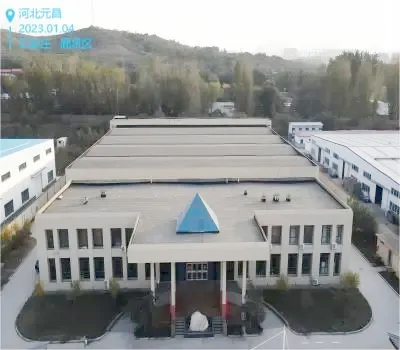
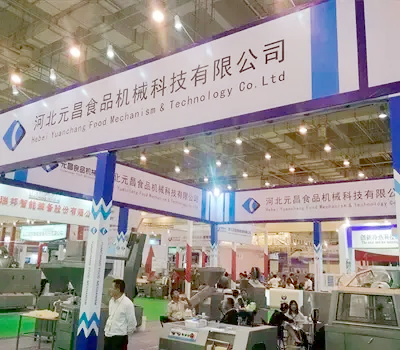
This control over component manufacturing translates directly into superior equipment reliability, longevity, and performance for our clients. We don't rely on third-party suppliers for critical parts; we manufacture them ourselves, ensuring they meet our exacting standards. This also means we can independently produce high-precision parts, which is fundamental to our traceable after-sales management system and provides you with worry-free service.
Our expertise extends across complete production lines, a testament to our deep understanding of industrial processes. This holistic view allows us to design and build machinery that seamlessly integrates into your existing operations. We are ISO certified, underscoring our commitment to quality management systems.
Certifications:  (Specific ISO certifications relevant to your product line can be displayed here)
What Our Clients Say
Hearing directly from our customers provides the best insight into the real-world impact of our equipment.

Operations Manager, "Premium Juices Inc." (USA)
"We switched to BiB for our premium organic juices to extend shelf life and reduce breakage. The semi-automatic filler from Yuanchang has been a workhorse. Fill accuracy is excellent, and the changeover between product flavors is manageable. It’s significantly boosted our efficiency compared to our old manual setup."

Procurement Lead, "Global Edible Oils Co." (Canada)
"We needed a reliable solution for filling specialty oils into 5-liter bags. Yuanchang's machine performs consistently, minimizing oil waste. Their team was very helpful during the selection process, ensuring the machine was configured correctly for our specific viscosity. Delivery and setup were prompt."

Production Supervisor, "Spice Blends Ltd." (UK)
"Our semi-liquid sauces were challenging to fill consistently. The volumetric system on this machine is spot on. It's robust, easy to clean, and the support from Yuanchang has been responsive. It's a solid piece of engineering that has improved our output significantly."
Frequently Asked Questions
A: Lead times can vary based on customization and current production schedules. Typically, it ranges from 4 to 8 weeks from order confirmation to shipment. We can provide a more precise estimate upon inquiry.
A: Yes, certain configurations can be adapted for hot-fill products. This usually involves specialized materials and cooling mechanisms. Please specify your product's filling temperature requirements.
A: We provide comprehensive operation and maintenance manuals. We also offer remote training sessions via video conference, and on-site training can be arranged at an additional cost.
A: The machine is designed with ease of cleaning in mind. Product contact parts are easily accessible and made from stainless steel. CIP/SIP configurations are available for more demanding hygiene protocols.
A: We offer a standard 12-month warranty on all our new machinery against manufacturing defects. Extended warranty options may be available.
Ready to Optimize Your Liquid Filling Operations?
Discover how our semi-automatic Bag-in-Box filling machines can bring precision, efficiency, and scalability to your production line.
Contact us today for a personalized consultation and quote.