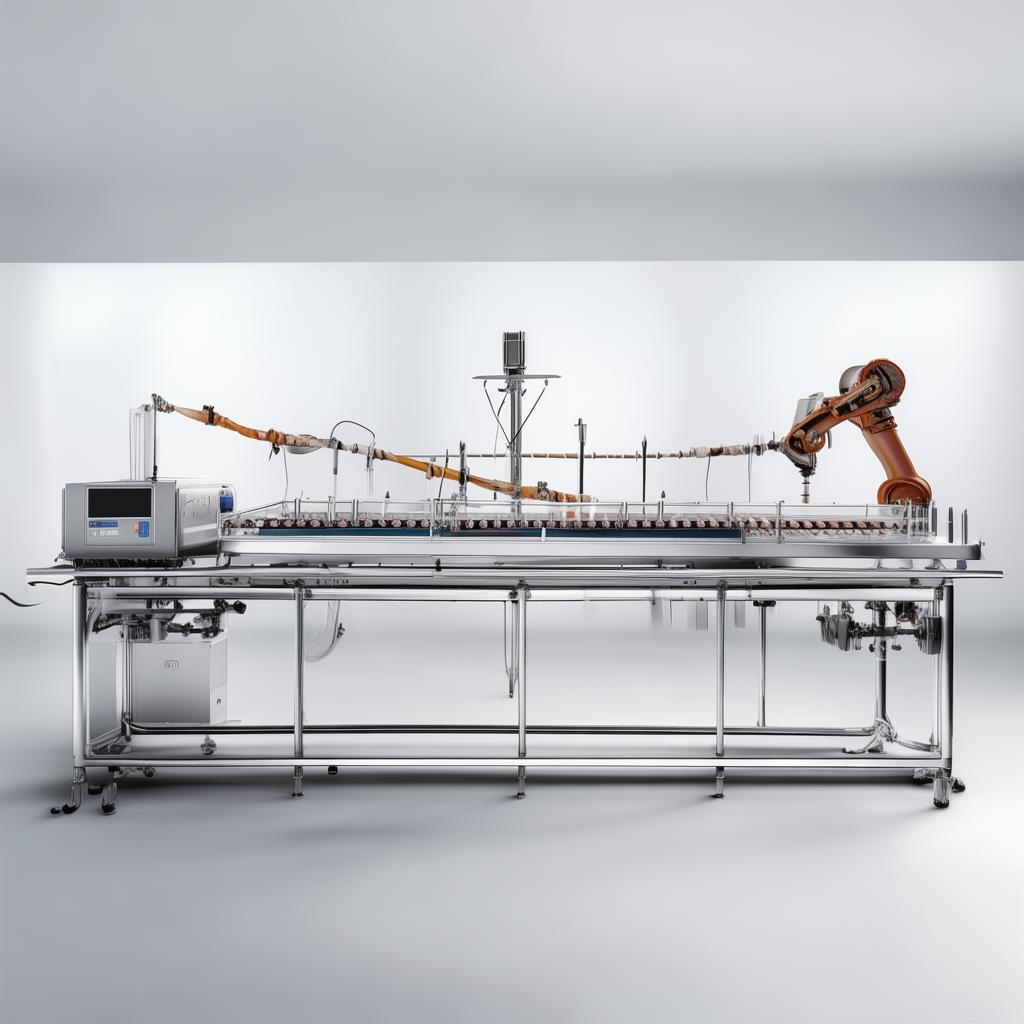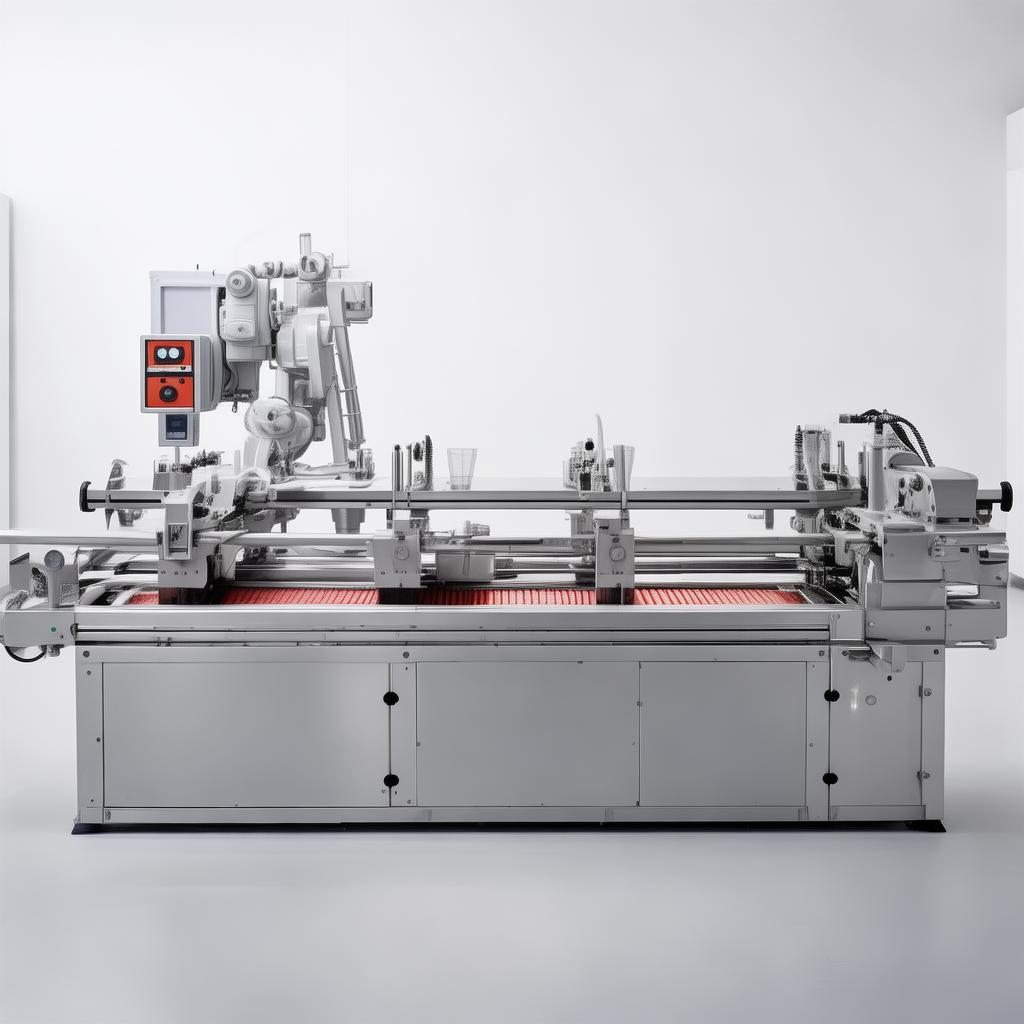
Semi Automatic Bottle Filling Machine
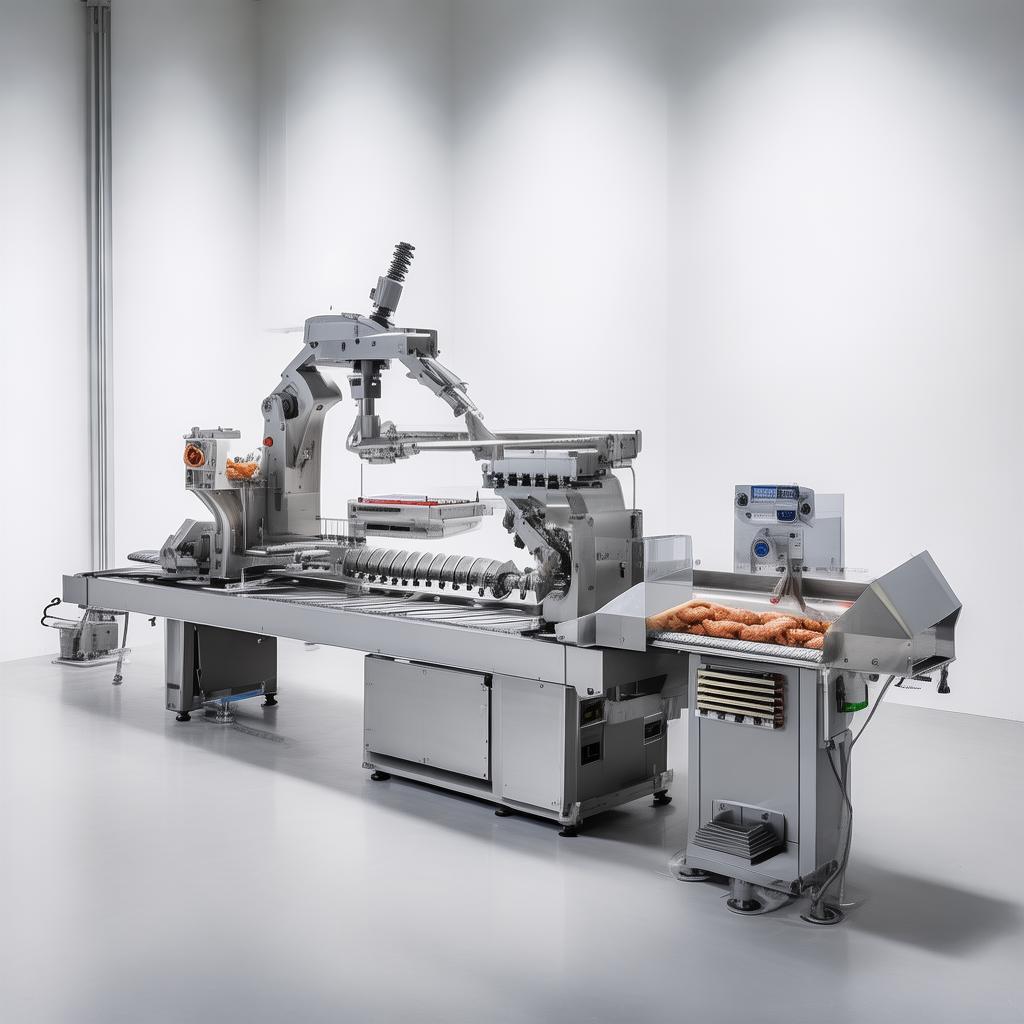
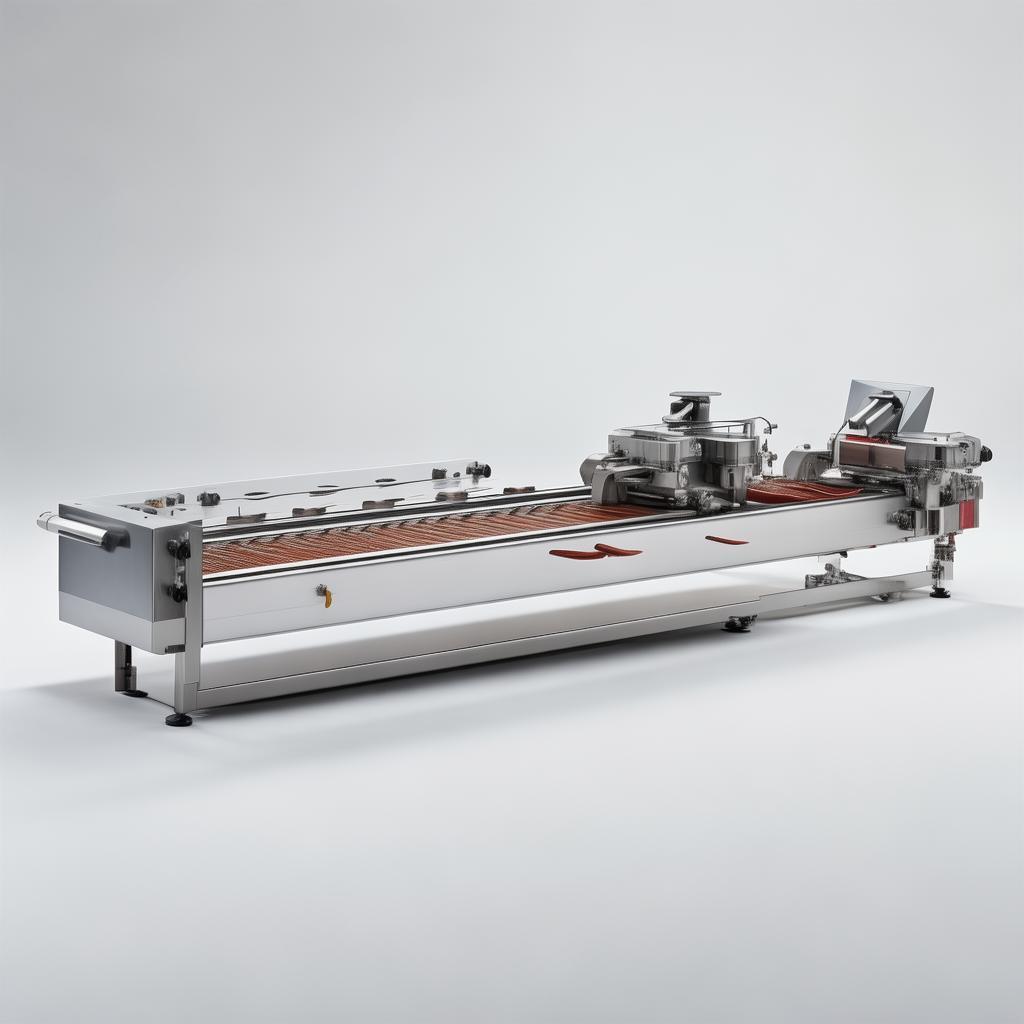
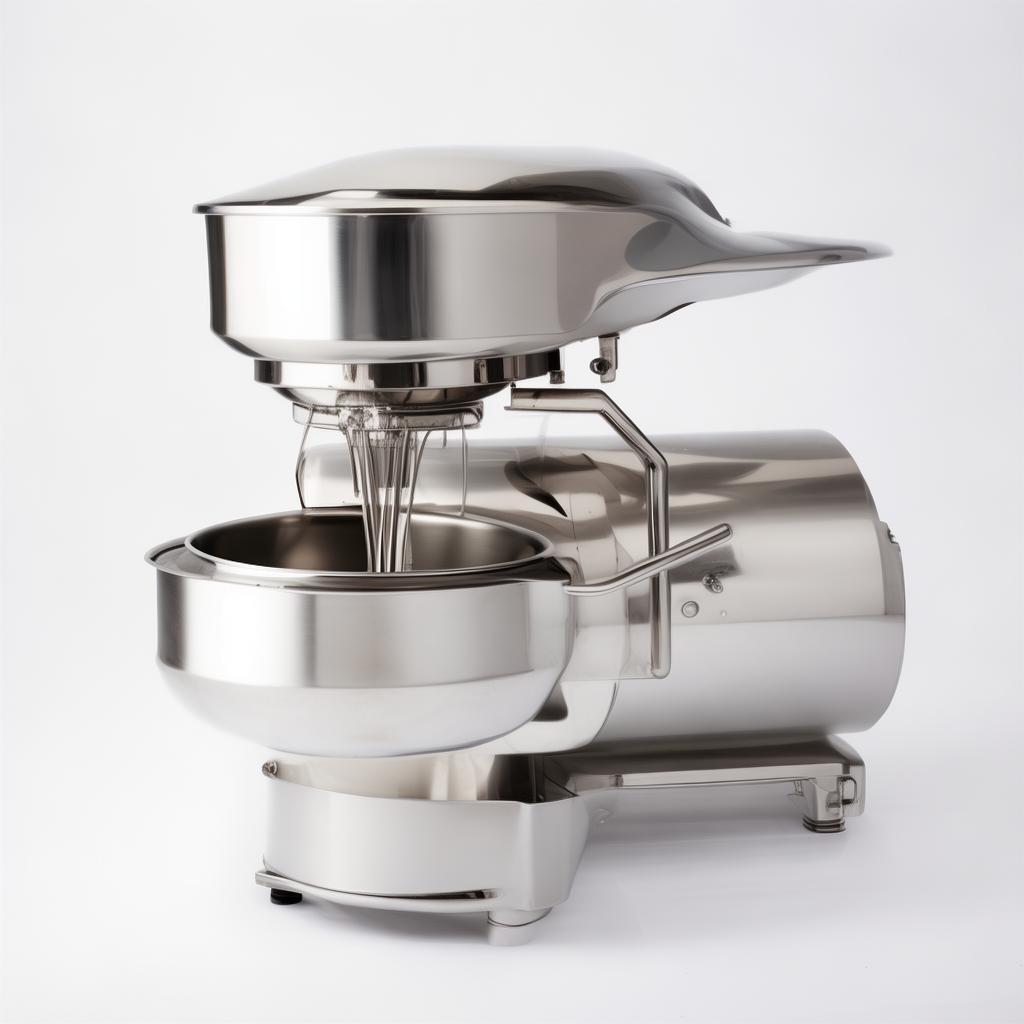
Semi-Automatic Bottle Filling Machines: Precision, Efficiency, and Reliability for Your Production Line
By Hebei Yuanchang Food Mechanism & Technology Co., Ltd.
Last Updated: October 26, 2023
In today's competitive manufacturing landscape, optimizing every stage of your production line is paramount. For businesses dealing with liquids, semi-liquids, or viscous products, the bottle filling process is a critical juncture. Achieving accuracy, maintaining product integrity, and ensuring consistent output without the prohibitive cost of full automation often leads discerning operations managers and procurement specialists to consider semi-automatic bottle filling machines. These units offer a compelling blend of precision and flexibility, bridging the gap between manual labor and fully automated systems. They are particularly well-suited for small to medium-sized enterprises, specialized product runs, or as a versatile addition to larger operations that require adaptable filling solutions.
The global market for meat processing equipment, a sector where precise filling is crucial, underscores the broader demand for such machinery. Reports indicate the global meat processing equipment market was valued at approximately USD 11.29 billion in 2025 and is projected to reach USD 17.39 billion by 2034, with a CAGR of 5.0% (Fortune Business Insights). Key segments include filling and stuffing equipment, which highlights the inherent need for accurate and efficient filling solutions across various industries. This steady growth is fueled by rising demand for processed foods, the imperative for automation to enhance hygiene and labor efficiency, and stringent food safety standards. Similar trends resonate across the beverage, pharmaceutical, cosmetic, and chemical sectors, where precise liquid handling is non-negotiable.
A semi-automatic filler typically involves an operator placing the container, initiating the filling cycle, and then removing the filled bottle. While this requires human intervention, the dispensing mechanism itself is automated, ensuring accuracy that manual pouring simply cannot match, especially for high-viscosity products or when precise fill levels are critical for regulatory compliance or cost control. This operational model is ideal for businesses that experience fluctuating production demands, handle a diverse range of product viscosities, or are transitioning from entirely manual operations. It allows for scalability without a massive upfront capital investment, making it a strategically sound choice for growth-oriented companies.
Consider the challenges faced by a growing artisanal beverage producer. As demand for their unique craft sodas increases, manually filling each bottle becomes a bottleneck. The inconsistency in fill levels can lead to product giveaway, impacting profit margins, or underfilling, which can lead to customer dissatisfaction and potential regulatory issues. Introducing a semi-automatic bottle filler provides a solution. It ensures each bottle receives the exact volume required, maintains brand consistency, and significantly boosts throughput. Furthermore, depending on the model, it can handle products with carbonation, varying viscosities, or even particulate matter, offering a versatility that simpler manual methods lack.
At Hebei Yuanchang Food Mechanism & Technology Co., Ltd., we understand these operational nuances. With over 40 years of experience in manufacturing, dating back to 1986, we've honed our expertise in R&D, production, and sales of industrial machinery. Our specialization in meat processing equipment, which demands extreme precision in filling, molding, and ripening, has equipped us with a deep understanding of fluid dynamics, material handling, and the engineering required for robust, reliable machinery. This translates directly into our ability to design and manufacture high-quality semi-automatic bottle filling machines that meet stringent international standards.
Choosing the right filling equipment involves more than just matching a machine to a product. It's about understanding your production workflow, your target fill accuracy, the properties of your liquid (viscosity, foaming tendency, corrosiveness), your container types and sizes, and your long-term operational goals. A semi-automatic filler can be an excellent solution for products ranging from edible oils, sauces, and dressings to personal care items like shampoos and lotions, or even industrial lubricants and cleaning agents. The key is selecting a machine designed for your specific application. Our expertise lies in guiding you through this selection process, ensuring you invest in a solution that drives efficiency, reduces waste, and supports your business growth.
We pride ourselves on leveraging advanced manufacturing capabilities, including Japanese Mazak CNC machining centers, to produce high-precision components. This in-house capability ensures unparalleled control over quality and the ability to create non-standard, high-specification parts when needed. Coupled with a traceable after-sales management system, this means you receive not only a reliable machine but also dependable support throughout its lifecycle. This commitment to engineering excellence and customer service is what sets us apart. Let's delve into how a semi-automatic bottle filling machine can be the precise solution your operation needs.

Precise liquid dispensing with operator assistance.
Common Bottlenecks in Liquid Filling Operations
Inconsistent Fill Volumes
Manual filling is prone to human error, leading to variations in fill levels. This results in product giveaway, increased costs, and potential customer complaints due to perceived underfilling.
Slow Production Throughput
Manual pouring and precise control is a time-consuming process. As demand grows, manual filling becomes a significant bottleneck, limiting overall production capacity and hindering scalability.
Product Waste and Spills
The lack of precise dispensing mechanisms in manual filling often leads to overfilling and spills. This not only wastes valuable product but also creates a mess, increases cleaning time, and poses safety hazards.
Limited Handling of Viscous Products
Manually filling thick or viscous liquids like sauces, creams, or pastes is challenging, time-consuming, and often results in inaccurate and inconsistent fills. Specialized equipment is required.
Hygiene and Contamination Risks
Open pouring methods increase the risk of product contamination from airborne particles or direct contact. Automated filling minimizes operator contact and exposure, crucial for food, beverage, and pharmaceutical applications.
Many businesses overlook the cumulative cost of these inefficiencies. While fully automated lines offer ultimate speed, the investment can be prohibitive for many. This is where the semi-automatic bottle filling machine steps in as a practical, cost-effective solution.
Key Advantages of Our Semi-Automatic Bottle Fillers
-
Precision & Accuracy
Utilizing advanced volumetric or gravimetric filling systems, our machines ensure highly accurate fill volumes with minimal deviation, reducing product giveaway and meeting strict specifications. Expect ±0.5% accuracy or better depending on the product and configuration.
-
Enhanced Throughput
Significantly faster than manual filling, a semi-automatic system dramatically increases your production speed without the need for extensive workforce training or complex integration. Typical cycle times can range from 5-20 bottles per minute, depending on product viscosity and fill volume.
-
Versatile Product Handling
Designed to handle a wide range of liquid and semi-liquid products, including low-viscosity liquids, oils, syrups, pastes, and even some particulate-containing products. We offer specialized nozzle designs for different product types.
-
Reduced Product Waste
Precise dispensing minimizes overfilling and spills, leading to significant savings on raw materials. This translates directly into a better ROI and reduced operational waste.
-
Improved Hygiene Standards
Minimized operator contact with the product and container reduces the risk of contamination. Our machines are designed for easy cleaning and can be constructed from food-grade stainless steel (e.g., ASTM A240 specification) for sanitary applications.
-
Cost-Effective Solution
Offers a substantial increase in efficiency and accuracy over manual methods at a fraction of the cost of a fully automatic system. It's an ideal entry point for automation or a flexible addition for specialized tasks.
-
Ease of Operation & Changeover
Designed for intuitive operation. Adjustments for different fill volumes or container sizes are typically straightforward, minimizing downtime between product runs. Many models feature digital interfaces for precise control.
How Our Semi-Automatic Fillers Work: A Closer Look
Understanding the mechanics behind our semi-automatic bottle filling machines is key to appreciating their value. While specific configurations vary based on the product and application, the core principles remain consistent. We primarily employ two leading filling technologies:
Volumetric Filling (Piston Fillers)
These are exceptionally popular for liquids and semi-liquids, especially where consistent volume is paramount. A precisely machined cylinder, coupled with a piston and a controlled valve system, draws a set amount of product from a hopper or tank. As the piston retracts, it pulls a specific volume of liquid into the cylinder. Upon actuation, the piston then pushes this exact volume into the waiting bottle. The fill volume is adjusted by altering the piston's stroke length, often through a manual handwheel or a digital setting on more advanced models. These are excellent for products like oils, syrups, lotions, and ketchup. The flow control is managed by precision-engineered valves, ensuring a clean fill without dripping.

Flow Meter Filling (Mass Flow or Volumetric Flow Meters)
For higher precision, especially with thin liquids or when dealing with temperature variations that can affect density, flow meter fillers are superior. These systems use a flow meter to measure the exact amount of liquid dispensed, either by mass (using Coriolis flow meters) or by volume (using magnetic or turbine flow meters). The system calculates the time or pulses required to dispense the target volume/mass and automatically shuts off the flow. This method is particularly robust for products like beverages, spirits, pharmaceuticals, and fine chemicals. It's less sensitive to viscosity changes than simple volumetric fillers and offers exceptional repeatability.

Regardless of the core technology, the operator's role is straightforward:
- Position Container: Place the empty bottle or container under the filling nozzle. A sensor or trigger typically detects the container's presence.
- Initiate Fill Cycle: Press a button, activate a foot pedal, or simply let the container's presence trigger the automated filling process.
- Remove Filled Container: Once the fill cycle completes, the nozzle retracts, and the operator removes the filled container and replaces it with a new empty one.
This workflow ensures efficiency while keeping human involvement manageable, making it ideal for many production environments. Our engineering team can guide you on selecting the most appropriate filling technology based on your product's characteristics – whether it's a thin, foaming beverage or a thick, non-foaming paste.
Diverse Applications for Semi-Automatic Bottle Filling
The versatility of semi-automatic bottle fillers makes them indispensable across numerous industries. Their ability to handle various viscosities and fill volumes, combined with their cost-effectiveness, opens doors for businesses of all sizes.
Food & Beverage
Oils, sauces, dressings, jams, honey, syrups, juices, dairy products, condiments, and even carbonated beverages (with appropriate nozzle design). The processed meat market, for example, relies heavily on precise filling for sausages and charcuterie products, a principle that extends to liquid fillings.
Cosmetics & Personal Care
Shampoos, conditioners, lotions, creams, liquid soaps, hand sanitizers, and essential oils. Precision is key for brand consistency and consumer satisfaction in this sector.
Pharmaceuticals
Liquid medicines, syrups, tinctures, and diagnostic reagents. Strict adherence to volume and hygiene standards is critical, often requiring machines compliant with FDA or other regulatory guidelines.
Chemicals
Cleaning solutions, detergents, solvents, lubricants, paints, and industrial fluids. Materials of construction are vital here to ensure chemical resistance and longevity.
Agriculture
Pesticide formulations, fertilizers, and other liquid agricultural treatments. Accuracy prevents overuse and ensures effective application.
Our commitment is to provide robust machinery tailored to your specific operational context. Whether you are a large-scale producer needing flexible filling solutions or a startup aiming for professional packaging, we have options to suit.
Technical Specifications: Tailored to Your Needs
Below is a representative table outlining common specifications for our semi-automatic bottle filling machines. Please note that these are guidelines, and we specialize in custom configurations to meet unique requirements. We routinely engineer solutions for specific OEM/ODM projects.
| Feature | Standard Configuration Example (Model YC-SFM-V2) | Notes & Customization Options |
|---|---|---|
| Filling Method | Piston Filler (Volumetric) | Option for Flow Meter Filling (Mass/Volumetric) available. |
| Capacity Range | 5 ml - 100 ml | Customizable ranges: 1 ml - 5000 ml+. |
| Accuracy | +/- 1% | Achievable accuracy ±0.5% with optimized settings and product. |
| Filling Speed | 10-25 bottles/min (adjusts by fill volume) | Higher speeds achievable with multi-nozzle configurations. |
| Suitable Viscosity | Up to 5,000 cPs | Specialized designs for higher viscosities (>10,000 cPs) available. |
| Nozzle Type | Single Nozzle (Gravity/Drip-proof) | Multi-nozzle (2, 4, 6), Anti-foam, Sub-surface filling options. |
| Container Diameter | 10 mm - 80 mm | Adjustable neck guides, wide range of container types (bottles, jars, pouches). |
| Material of Construction | 304 Stainless Steel (Product Contact Parts) | 316L Stainless Steel for corrosive products, food-grade plastics. ASTM A240 compliance. |
| Power Supply | 220V, 50Hz, Single Phase | Customizable for 110V, 60Hz, or three-phase power to meet international standards. |
| Control System | Manual / Semi-automatic with PLC | Touchscreen interface, programmable fill settings, batch counting. |
| Machine Dimensions (approx.) | 800 x 500 x 1200 mm | Compact footprint, floor-standing or tabletop models. |
| Certifications | CE Marked (Optional) | Can be engineered to meet specific regional requirements such as FDA, ISO 9001, ISO 14001. |
automated bottle filling machine manual bottle bottle filling machine Auto bottle filling machine
We encourage you to discuss your specific product properties and container requirements with our technical team. This ensures we recommend or engineer the most effective filling solution. Proper material selection, for example, is crucial when dealing with corrosive chemicals or highly sensitive food products. Our engineering expertise extends to designing nozzles that prevent dripping, foaming, or splashing, ensuring a clean fill every time.
Navigating the Purchase: A Procurement Advisor's View
Procuring industrial machinery, especially for international trade, requires careful consideration. For a semi-automatic bottle filling machine, think beyond just the price tag. Here’s what experienced procurement professionals look for:
Supplier Reliability & Experience
Look for suppliers with a proven track record, like Hebei Yuanchang's 40 years of manufacturing experience. Their background in demanding sectors like meat processing indicates a deep understanding of precision engineering and robust construction.
Customization Capabilities
Does the supplier offer tailored solutions? Your product or container might be unique. The ability to customize fill volumes, nozzle types, materials, and control systems is crucial. We specialize in OEM/ODM services for precisely this reason.
After-Sales Support & Spare Parts
Machine downtime is costly. Investigate the supplier's warranty, availability of spare parts, and responsiveness of their technical support. Our traceable after-sales management system ensures peace of mind.
Compliance and Certifications
For food, beverage, or pharmaceutical applications, compliance with standards like ISO, FDA, or CE is often non-negotiable. Ensure the manufacturer can provide documentation.
Logistics and Shipping
Understand shipping costs, transit times, import duties, and packaging requirements. Reliable suppliers will have experience navigating international logistics.
Don't hesitate to ask for detailed specifications, material certifications, or even a video demonstration of the machine in operation with a similar product. A reputable supplier will be transparent and accommodating. Requesting a factory quote early in the process provides a clear baseline for budgeting.
Our Manufacturing Strength: The Yuanchang Advantage
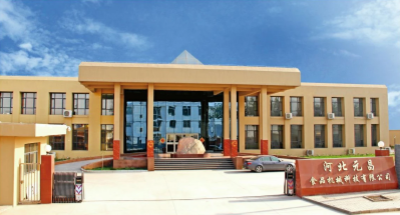
At Hebei Yuanchang, our 14,000 square meter facility is home to advanced R&D, production, and sales operations. We don't just assemble machines; we engineer them from the ground up.
- 40 Years of Experience: Since 1986, we've built a legacy of industrial machinery expertise.
- In-House Machining: Over 20 sets of advanced machinery, including CNC centers (Mazak), enable precision component manufacturing.
- High-Precision Manufacturing: We specialize in large volumes, high precision, and non-standard specifications.
- Quality Control: Rigorous testing and quality assurance at every stage of production.
- Traceable After-Sales: Our system ensures accountability and efficient support.
- Global Reach: We have extensive experience exporting to markets worldwide.
Our 80-100 dedicated employees are committed to delivering machinery that not only meets but exceeds industry expectations. We understand that reliable equipment is the backbone of your operation.
Precision machining in our state-of-the-art workshop.
What Our Clients Say

"We were struggling with inconsistent fill levels on our premium olive oil. Yuanchang's semi-automatic piston filler solved this immediately. The accuracy is remarkable, and changeover for our different bottle sizes is surprisingly quick. Highly recommend for food producers."
- Maria Garcia, Operations Manager, Spain

"As a growing cosmetics brand, precision and hygiene are everything. Their semi-automatic filler for lotions and creams meets our standards perfectly. The build quality is solid, and the support team was very helpful during installation. It's a reliable workhorse."
- David Chen, Production Lead, Canada

"We needed a flexible solution for various industrial cleaning agents. Yuanchang's team understood our needs and recommended a model with chemical-resistant materials and a precise flow meter system. It's performing beyond expectations. The export process was smooth."
- Sarah Miller, Procurement Director, USA
Frequently Asked Questions
Q: What is the main difference between semi-automatic and fully automatic bottle filling machines?
A: A semi-automatic filler requires an operator to place the bottle and remove it after filling. A fully automatic machine integrates bottle feeding, filling, capping, and sometimes labeling into a continuous, automated process with minimal human intervention.
Q: Can these machines handle hot-fill products?
A: Yes, many of our semi-automatic fillers can be configured for hot-fill applications. This typically involves using higher-temperature resistant materials for seals and nozzles, as well as specialized cooling mechanisms. Please specify your product temperature requirements when inquiring.
Q: What is the typical lead time for a semi-automatic bottle filling machine?
A: For standard configurations, lead times can range from 4-8 weeks. For highly customized machines or large orders, this may extend. We provide an estimated delivery timeline upon order confirmation, considering production schedules and shipping logistics.
Q: How easy is it to clean these machines?
A: Cleaning is a critical aspect for us. Our machines are designed with easy-access components and smooth surfaces to facilitate quick washdowns. Many parts can be quickly disassembled without specialized tools. We provide detailed cleaning and maintenance manuals.
Q: Can you provide OEM or ODM services?
A: Absolutely. We have extensive experience in OEM/ODM manufacturing, leveraging our advanced machining capabilities and engineering team to develop custom filling solutions tailored to your specific brand and product needs.
Ready to Optimize Your Filling Process?
Discover how a reliable, precise semi-automatic bottle filling machine from Hebei Yuanchang can transform your production efficiency and product quality. Our expert team is ready to discuss your specific needs.
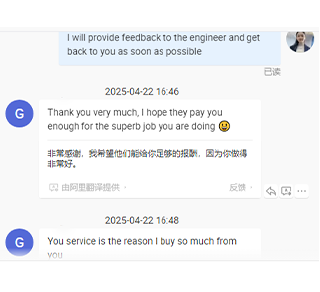
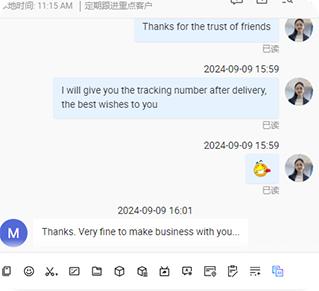
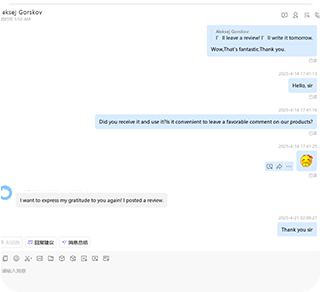
Customer Service Interaction Examples