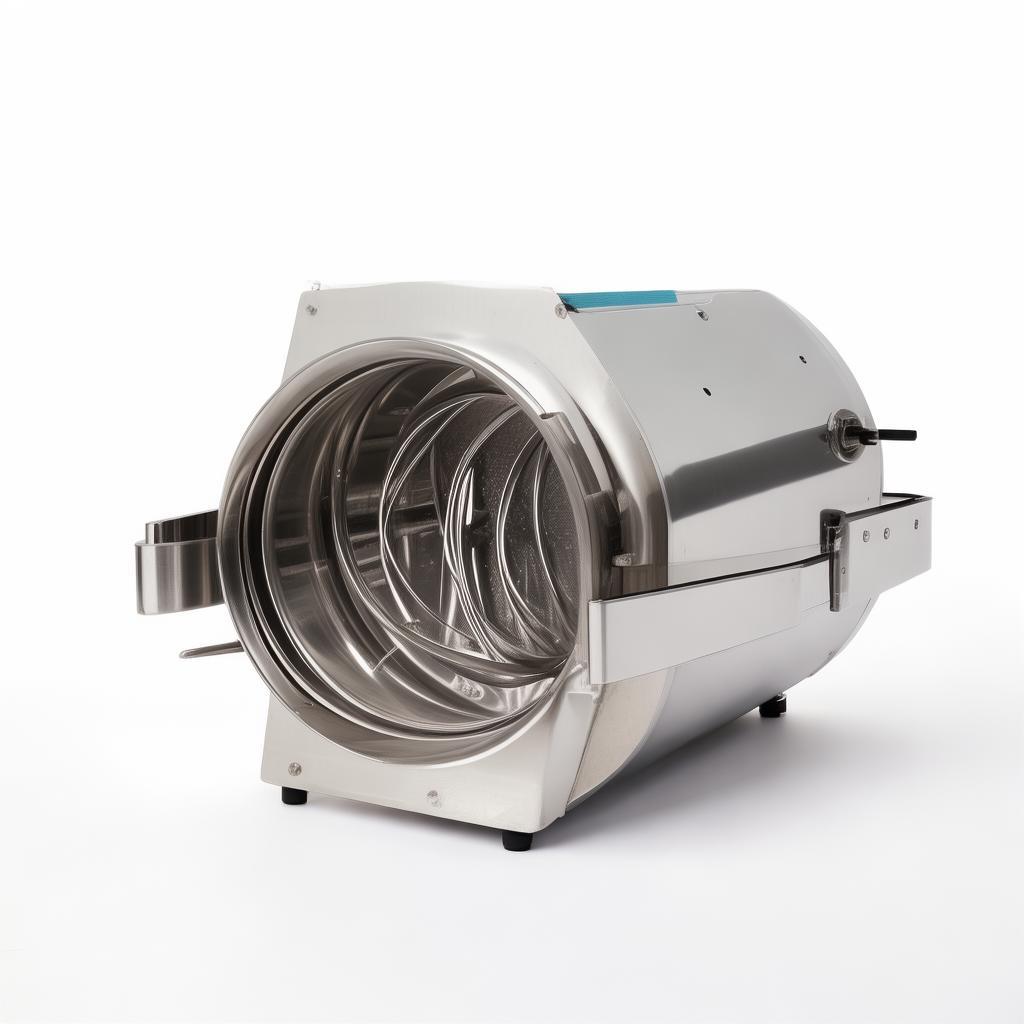
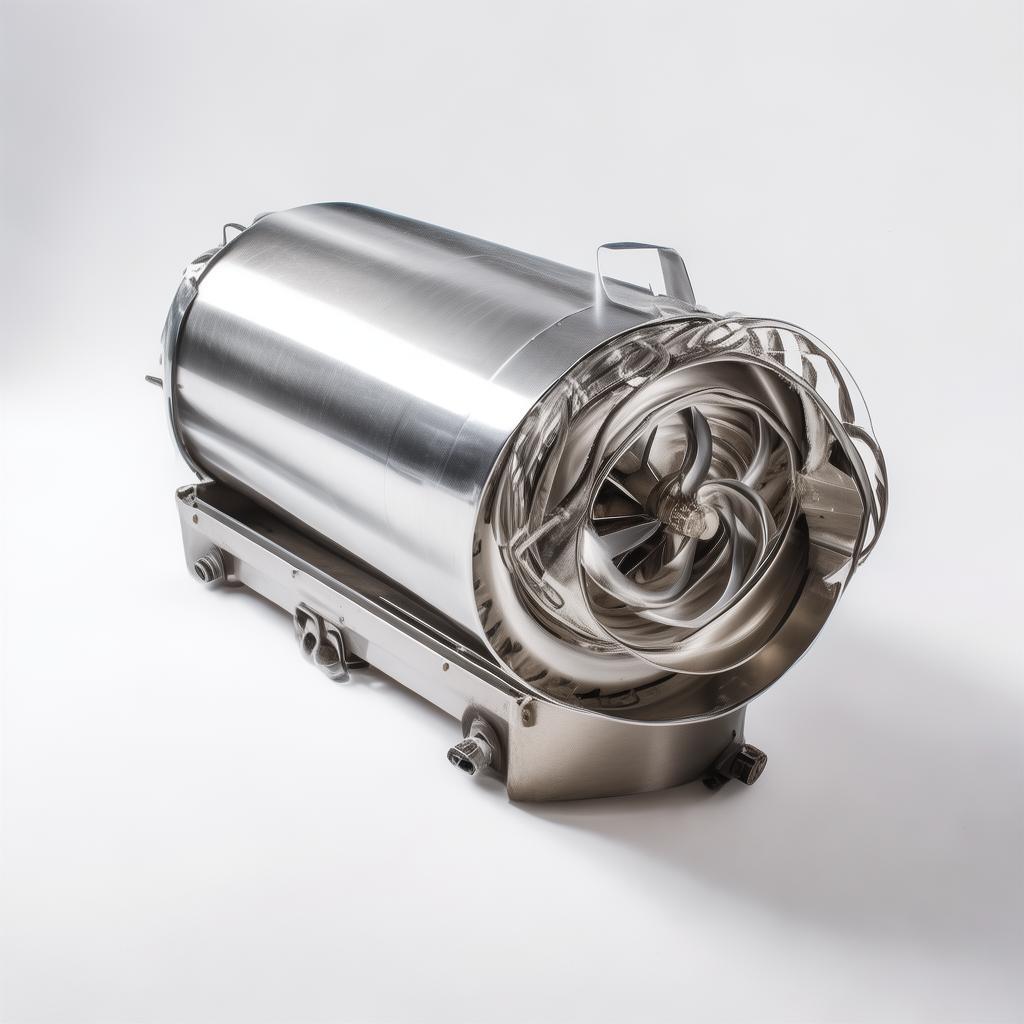
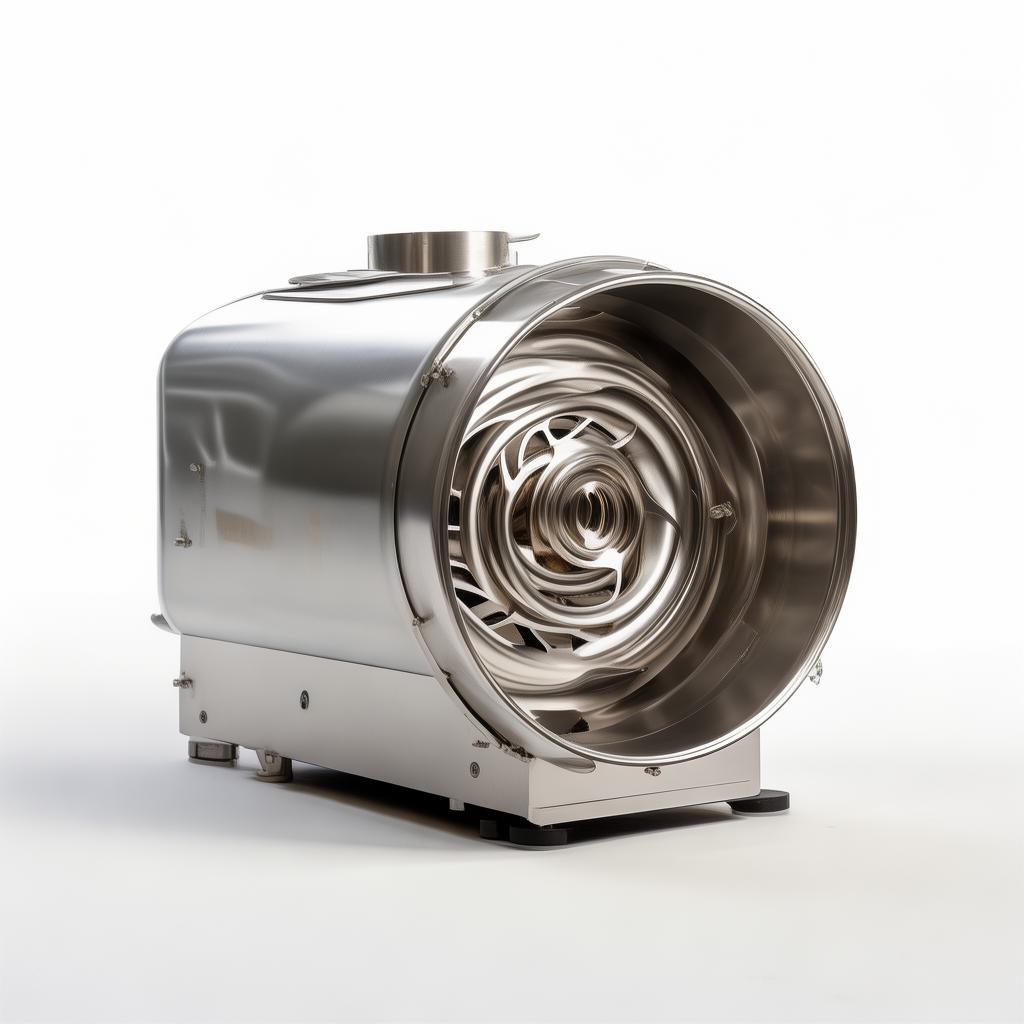
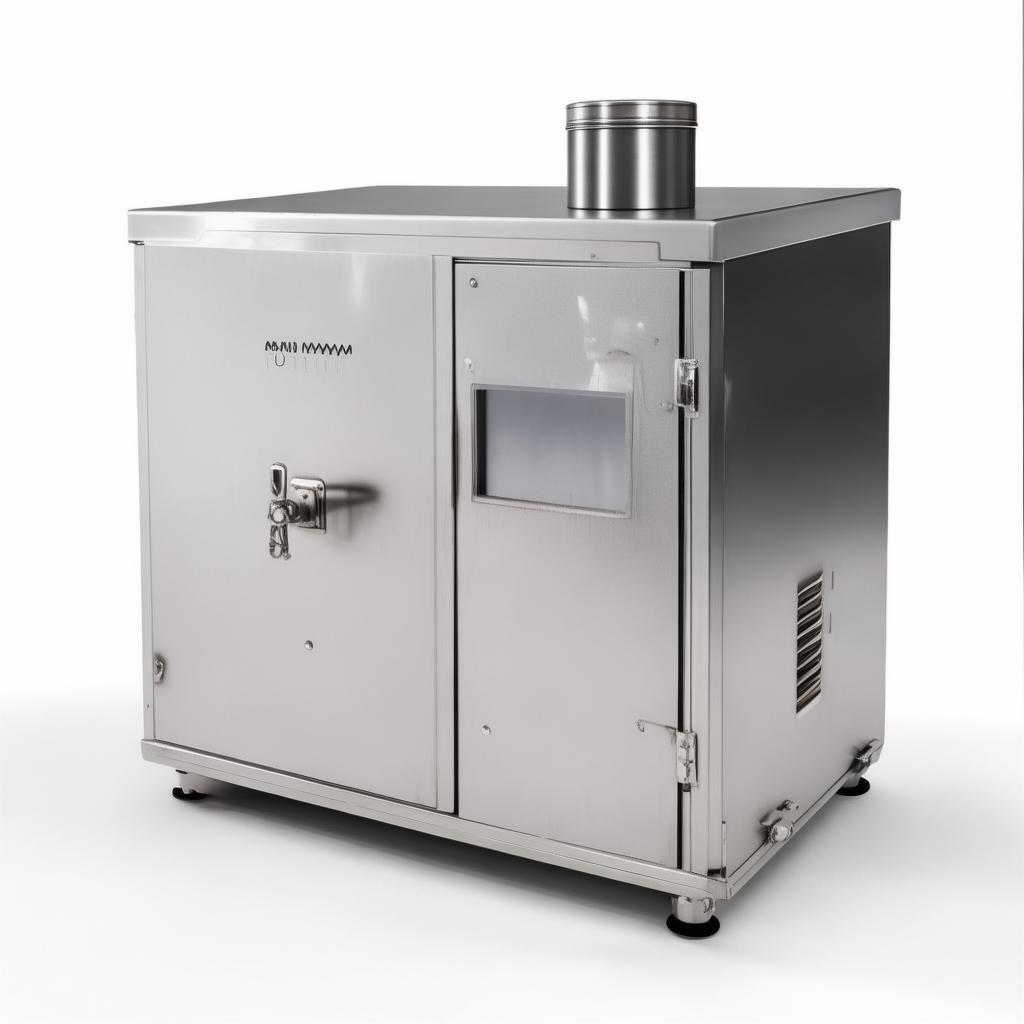
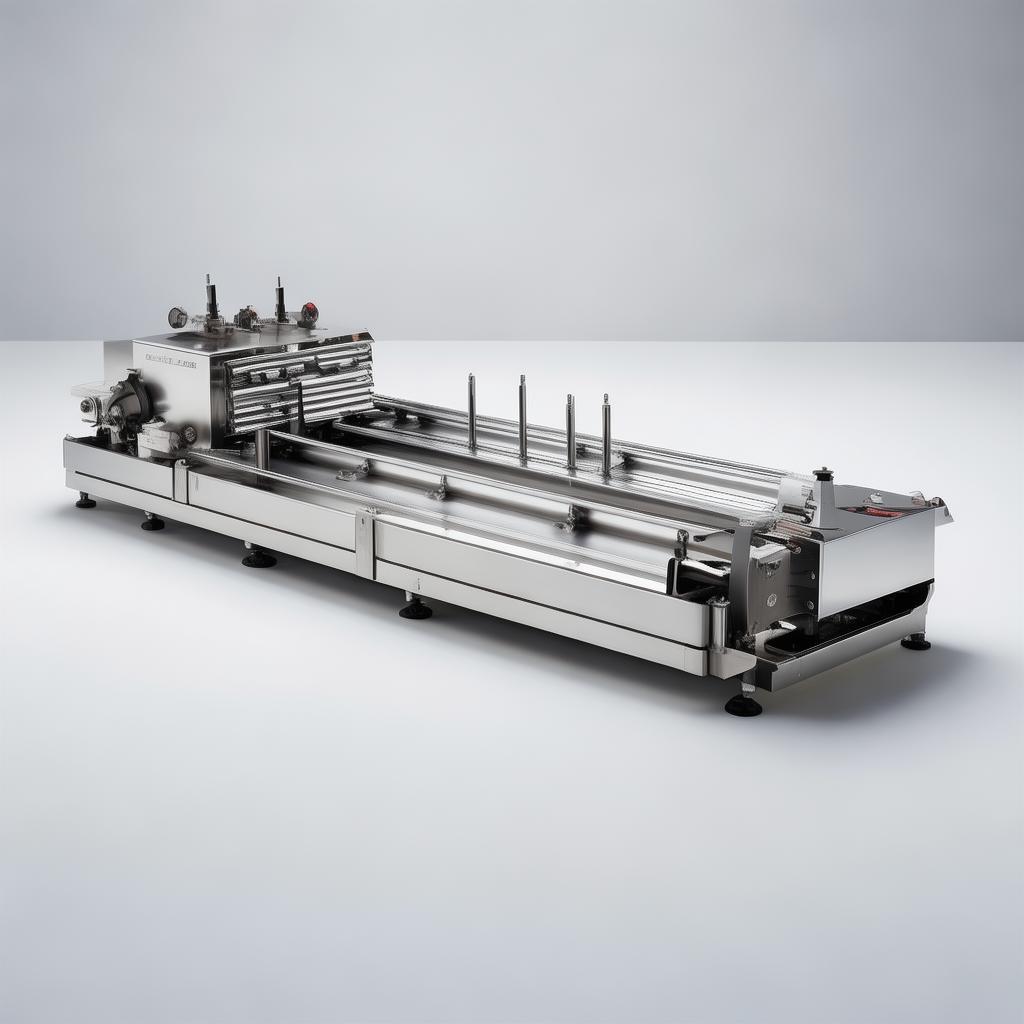
Sausage Tying Machine
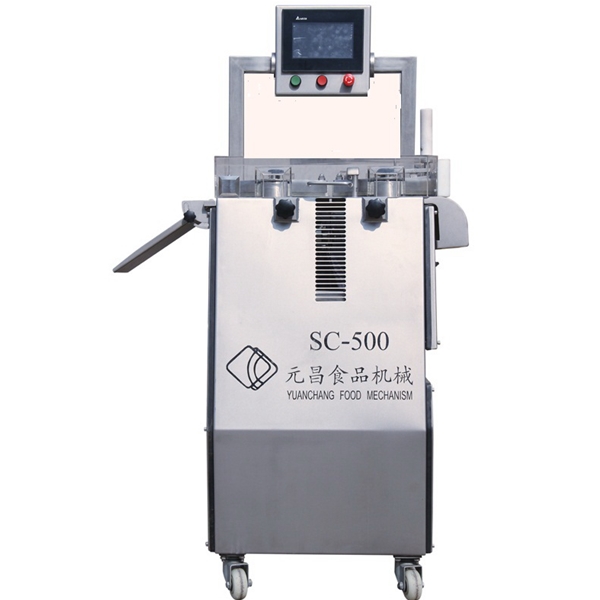
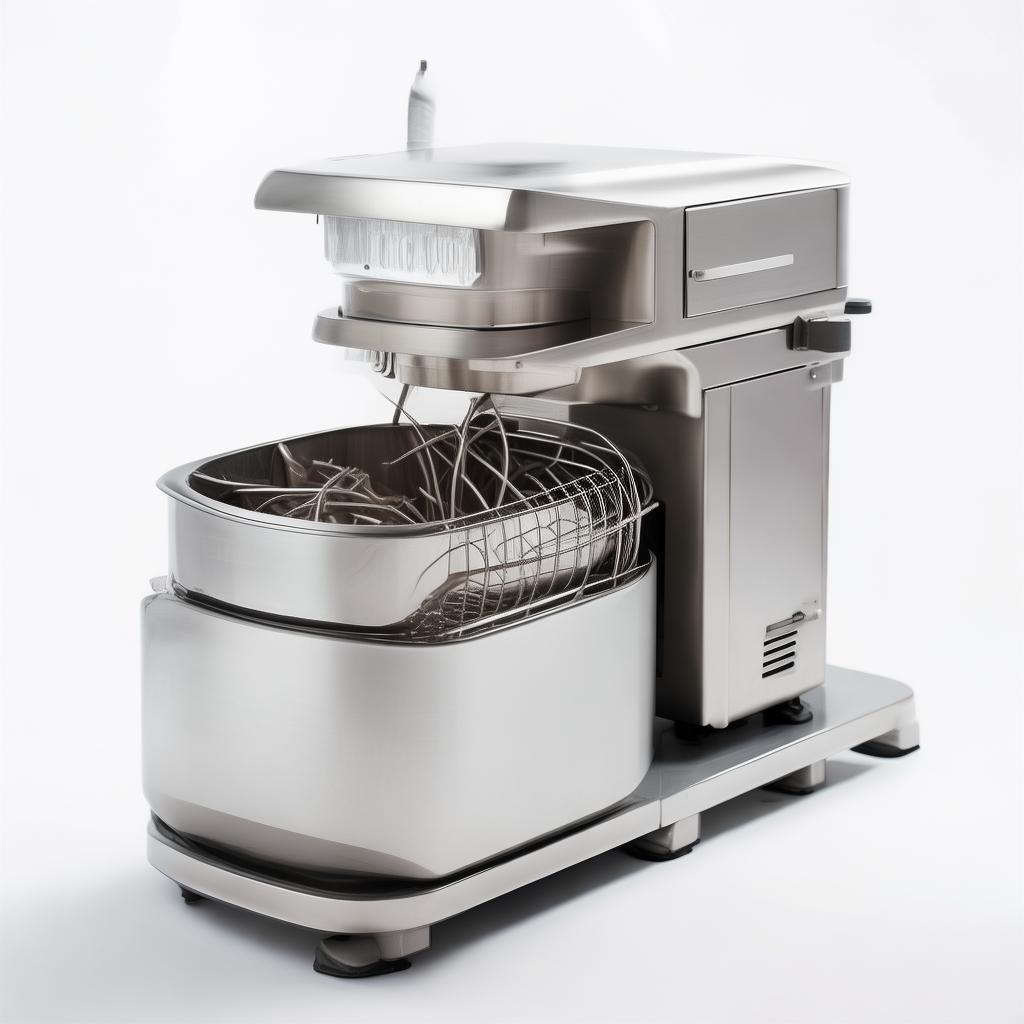
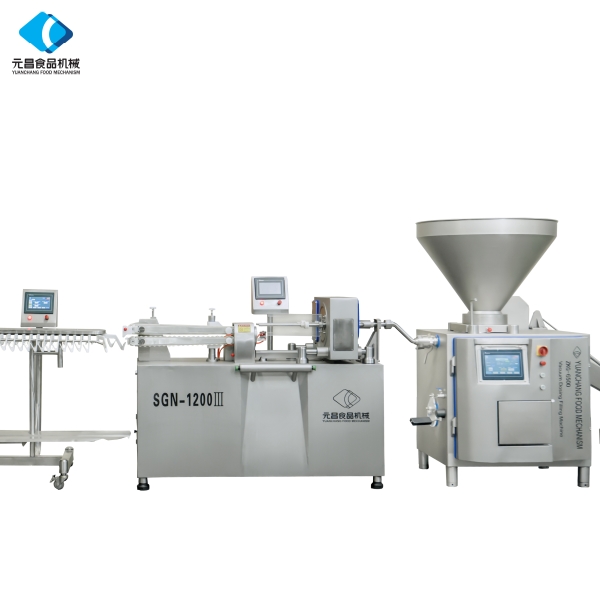
Sausage Tying Machines: Precision, Efficiency, and Consistency for Your Meat Processing Line
By  David Chen, Senior Production Engineer | Hebei Yuanchang Food Mechanism & Technology Co., Ltd.
Why Precise Sausage Tying Matters
In the competitive landscape of meat processing, the humble sausage casing is more than just a container. It’s a critical element influencing everything from product appearance and shelf life to processing efficiency and consumer appeal. The process of tying sausages, particularly for artisanal or custom products, demands precision. It ensures consistent portioning, maintains product integrity during cooking and smoking, and contributes to the overall visual quality that drives purchasing decisions.
Manual tying, while offering flexibility, is notoriously labor-intensive, prone to inconsistencies, and can significantly bottleneck production. Even minor variations in tension or knot security can lead to issues like casing burst, uneven cooking, or a less-than-ideal aesthetic. For businesses aiming for scalable, high-quality output, especially those in wholesale export or serving demanding B2B markets, investing in automated sausage tying solutions isn't just about reducing labor costs – it's about achieving a new standard of quality and reliability.
The global meat processing equipment market, valued at approximately USD 11.28 billion in 2024, is projected to reach USD 15.04 billion by 2030 (Grand View Research). This growth is underpinned by increasing demand for processed meats, a push for automation to enhance hygiene and labor efficiency, and the unwavering necessity to meet stringent food safety standards. Within this broad market, specialized equipment like sausage tying machines play a vital role in the value chain, directly impacting the efficiency and quality of sausage production lines.
Consider the challenges procurement managers face: balancing cost with performance, ensuring equipment integrates seamlessly into existing lines, and selecting machinery that minimizes downtime and maintenance headaches. The right sausage tying machine addresses these concerns by automating a critical, often manual, step. It’s about more than just tying a knot; it's about delivering a perfectly formed, consistently sized, and securely sealed product that meets both regulatory requirements and consumer expectations. This machine represents an investment in consistent quality and operational excellence.
Operational Insight: Consistent tying tension is key. Too loose, and you risk product swelling or casing slippage during cooking. Too tight, and you can stress the casing, leading to premature breakage and product loss. Automated machines excel at maintaining this crucial balance.
Understanding Sausage Tying Machine Types
The market offers a range of sausage tying machines, each designed to cater to different production scales, sausage types, and casing materials. Understanding these distinctions is the first step toward selecting the most suitable equipment for your facility.
1. Fully Automatic Sausage Tying Machines
These are the workhorses for high-volume production. They integrate seamlessly with filling machines, automatically taking the filled casing, tying it to precise lengths, and often detaching the linked sausages. They are engineered for continuous operation, offering significant labor savings and high throughput. These machines typically handle natural and artificial casings with advanced precision.
2. Semi-Automatic Sausage Tying Machines
These machines require some level of operator intervention, such as manually feeding the filled casing into the tying mechanism. They offer a good balance between automation and operator control, making them suitable for medium-scale production or for facilities that process a diverse range of sausage products requiring more manual oversight. They still provide substantial speed and consistency improvements over manual methods.
3. Manual Sausage Tying Tools
While not strictly "machines," these are handheld devices or simple jigs used for manual tying. They are best suited for very small artisanal producers, R&D labs, or for unique, small-batch runs where the cost of automation is prohibitive. Their primary advantage is low capital investment, but they are severely limited in speed and consistency.
4. Specialized Tying Machines
Some machines are designed for specific tasks, such as tying very large diameter sausages (e.g., for large roasts or specialty products) or utilizing specific tying materials like elastic bands or specialized clips. The choice here depends heavily on your product portfolio.
For most industrial and wholesale operations, fully automatic or robust semi-automatic machines are the primary focus. The global meat processing equipment market's growth, driven by demand for automation and efficiency, highlights the increasing adoption of these advanced tying solutions. As reported by Fortune Business Insights, the market's expansion is fueled by the need for improved hygiene and labor savings, making automated tying machines a strategic investment.
Essential Features for Modern Sausage Tying
When evaluating a sausage tying machine, several key features can significantly impact its performance, longevity, and suitability for your operations. It’s not just about the tying mechanism itself, but the supporting functionalities.
- Adjustable Tying Length & Tension: The ability to precisely control the length of each sausage link and the tightness of the knot is paramount. This ensures product uniformity and prevents casing damage. Look for machines with digital controls for easy adjustment.
- Casing Compatibility: Ensure the machine can handle the types of casings you use – natural casings (beef, hog, sheep), collagen, cellulose, or plastic. Each has different handling properties.
- Tying Material Versatility: Whether you use food-grade twine, cotton thread, or specialized synthetic yarns, confirm the machine is designed for your preferred tying material.
- Speed and Throughput: Directly linked to ROI. For high-volume operations, a machine that can tie hundreds of sausages per minute is essential.
- Hygiene and Cleanability: In food processing, this is non-negotiable. Stainless steel construction (e.g., SUS304), easy-to-disassemble parts, and smooth surfaces that can be thoroughly cleaned are vital. Compliance with food safety standards like HACCP is a strong indicator.
- Durability and Construction: Industrial environments are demanding. Robust construction, quality components, and resistance to corrosion and wear are crucial for minimizing downtime. Look for manufacturers with a strong track record in supplying durable equipment.
- Safety Features: Emergency stop buttons, safety guards, and interlocks are standard requirements to protect operators.
- Ease of Operation & Maintenance: Intuitive controls and straightforward maintenance procedures reduce training time and ensure the machine is kept in optimal working condition.
Beyond these features, consider integration capabilities. Does the machine communicate with your filling machines or the rest of your SCADA system? This level of integration can unlock further efficiencies. The demand for advanced, feature-rich equipment is a key driver in the meat processing sector, where consistency and compliance are paramount.
Buyer's Tip: When discussing specs, ask about the type of twine or tying material recommended. Some machines perform optimally with specific diameters or tensile strengths, which can affect cost and availability.
The Automation Advantage: Efficiency & ROI
The move from manual sausage tying to an automated solution is a significant operational upgrade, directly impacting profitability and production scalability. For businesses focused on international wholesale or OEM/ODM production, consistent, high-quality output is non-negotiable. Automation delivers this.
Consider the labor savings. A single high-speed automatic tying machine can often replace several skilled workers performing manual tying. This not only reduces direct wage costs but also minimizes the risks associated with human error, repetitive strain injuries, and training turnover. The saved labor can be redirected to more value-added tasks within the plant.
Beyond labor, think about efficiency gains. Automated machines operate at a consistent speed, eliminating the natural variability of manual work. This leads to a more predictable production flow, better scheduling, and reduced lead times for your clients. The consistent tying tension ensures less product loss due to casing bursts or leaks, translating directly into higher yields from your raw materials.
The market data supports this trend. Reports consistently highlight automation as a key growth driver in meat processing equipment. For instance, rising demand for processed meats and the need for enhanced hygiene and labor efficiency are pushing market values upwards. Estimates suggest the global meat processing equipment market will reach figures like USD 19.66 billion by 2033 (Skyquestt), with specific segments like filling and molding, where tying is integral, seeing significant investment. This suggests a strong industry trend towards adopting automated solutions like advanced tying machines.
For procurement professionals, the ROI calculation is straightforward: compare the capital expenditure against the projected savings in labor, material waste, and increased throughput. Factor in the potential for higher product quality and reduced risk of compliance issues. Many of our clients see a payback period within 18-36 months, depending on their production volume and current labor costs.
Example Scenario: A medium-sized sausage producer currently employs 3 full-time staff for manual tying, operating at 60 sausages per minute. Implementing a high-speed automatic tying machine capable of 120 sausages per minute, with 1 operator, frees up 2.5 FTEs and doubles the tying output from that station. Over a year, this translates to substantial savings and increased capacity, allowing them to take on larger contracts or expand their product lines.
| Metric | Manual Tying | Automated Tying Machine |
|---|---|---|
| Production Speed | Variable (e.g., 30-60 sausages/min) | Consistent (e.g., 80-150+ sausages/min) |
| Labor Requirement | Multiple operators | 1 operator (typical) |
| Consistency | Low to Medium | High to Very High |
| Material Waste | Higher (due to inconsistencies) | Lower (precise tension control) |
| Operational Cost | High (labor, waste) | Lower (long-term, per unit) |
The ROI is clear: higher output, lower costs, and improved product quality. This makes automated sausage tying machines a cornerstone for any serious meat processor looking to compete globally.
Technical Specifications: What to Look For
When diving into the technical details, focus on specifications that directly impact your operational efficiency, product quality, and integration capabilities. We often encounter clients who overlook these crucial aspects, leading to unexpected challenges down the line.
Machine Dimensions & Footprint
Ensure the machine will physically fit within your production area and allow for adequate access for cleaning and maintenance. Industrial machinery requires space.
Power Requirements
Voltage, phase, and wattage are critical for electrical compatibility. Confirm it matches your plant's existing infrastructure to avoid costly upgrades.
Tying Speed (Sausages per Minute/Hour)
This is a primary performance indicator. Match this to your filling machine's output or your desired overall line speed.
Casing Diameter Range
Crucial for product variety. Specify the minimum and maximum casing diameters the machine can reliably handle.
Tying Material Specifications
Maximum spool size for twine/yarn, compatibility with specific materials (e.g., food-grade cotton, synthetic polymers).
Construction Material
Preference for SUS304 stainless steel is standard for hygiene and corrosion resistance. Other materials might be used for non-contact parts, but critical surfaces should be food-grade.
Control System
PLC-based controls, touch screen interfaces, programmable settings for different product recipes.
Weight & Stability
A heavier, well-balanced machine will be more stable and less prone to vibration during operation.
Technical Deep Dive: Pneumatic vs. Electric Actuation. Pneumatic systems are common, relying on compressed air for power. They are robust and cost-effective but require a reliable air supply. Fully electric machines can offer more precise control and energy efficiency but may have a higher initial cost.
Here's a sample specification table, illustrating what you might expect. Note that exact figures vary by model and manufacturer:
| Specification | Model YC-AT5000 | Model YC-AT7000 (High Speed) |
|---|---|---|
| Machine Type | Fully Automatic | Fully Automatic |
| Tying Speed | Up to 100 sausages/min | Up to 150 sausages/min |
| Casing Diameter Range | 16 mm - 40 mm | 18 mm - 45 mm |
| Tying Material | Food-grade twine, synthetic yarn | Food-grade twine, synthetic yarn |
| Power Supply | AC220V/380V, 50/60Hz, 3 Phase | AC380V, 50/60Hz, 3 Phase |
| Motor Power | 2.2 kW | 3.0 kW |
| Construction Material | SUS304 Stainless Steel | SUS304 Stainless Steel |
| Dimensions (L x W x H) | 1800 x 800 x 1500 mm | 2000 x 900 x 1600 mm |
| Machine Weight | 450 kg | 550 kg |
| Control System | PLC, Touch Screen | PLC, Advanced Touch Screen |
sausage tie machine sausage cutter machine Sausage cutter machine
Careful review of these specs ensures you select a machine that not only performs but also integrates reliably into your production environment.
Versatile Applications in Meat Processing
The sausage tying machine is a fundamental piece of equipment in various sectors of the meat processing industry. Its primary role is to create uniform, aesthetically pleasing, and hygienically sealed sausages, enabling efficient downstream processing and appealing to end consumers.
Fresh Sausage Production
This is the most common application. Whether for breakfast links, Italian sausages, or bratwurst, automated tying ensures consistent portion sizes and lengths, crucial for retail display and consumer satisfaction. The global processed meat market, projected to reach substantial figures like USD 1.33 trillion by 2035 (Precedence Research), relies heavily on such equipment for its diverse product offerings.
Cured and Smoked Sausages
For products like kielbasa, chorizo, or summer sausage, proper tying is essential to maintain shape and prevent expansion during curing and smoking processes. The consistent tension prevents casing damage and ensures an even smoke penetration.
Artisanal and Specialty Products
Even for niche markets, automation can offer advantages. Specialized tying machines can handle unique casing materials or diameters required for gourmet or regional specialties, ensuring that artisanal quality is maintained at scale.
Pet Food Production
The pet food industry also utilizes similar processes, requiring precisely portioned and sealed meat products for treats and meals. Our expertise extends to equipment suitable for pet food applications as well.
OEM/ODM and Co-Manufacturing
For contract manufacturers, reliability and speed are paramount. The ability to quickly switch between product types and maintain consistent quality for multiple clients is a significant advantage offered by automated tying solutions.
The demand for convenience and ready-to-eat foods continues to fuel growth in the processed meat sector, directly increasing the need for efficient upstream processing equipment. Companies looking to expand their reach, especially into international markets, must invest in technologies that ensure product standardization and compliance with varying regional food safety regulations.
Consider the impact on your entire line: A well-tied sausage feeds more smoothly into packaging machines, reducing jams and improving overall line efficiency. This interconnectedness highlights the strategic importance of this seemingly simple piece of equipment.
Installation & Maintenance Considerations
Acquiring a sausage tying machine is just the first step; ensuring its optimal performance requires careful installation and a proactive maintenance strategy. This is where operational knowledge truly pays off.
Installation Essentials
1. Site Preparation: Ensure the floor is level and can support the machine's weight. Verify that all utility connections (power, compressed air if applicable) are readily accessible and meet the machine's specifications. Proper grounding is essential for electrical safety.
2. Machine Placement: Position the tying machine in line with your filling equipment and subsequent processing stages. Allow sufficient clearance around the machine for operation, cleaning, and maintenance access. Avoid placing it in high-traffic areas where it could be subjected to impacts.
3. Initial Setup & Calibration: This is best performed by trained technicians, either from the manufacturer or a qualified service provider. Proper calibration of the tying mechanism, sensor adjustments, and programming of initial parameters are critical for achieving consistent results from the outset.
4. Integration Testing: If part of a larger line, test the flow of product from the filler to the tier and then to the next stage. Check for any bottlenecks or synchronization issues.
Logistics Note: For international shipments, ensure you have a plan for customs clearance, potential import duties, and local transport from the port to your facility. Proper packaging is key to prevent transit damage.
Proactive Maintenance Schedule
A well-defined maintenance plan is crucial for minimizing unplanned downtime and extending the machine's lifespan. We recommend a tiered approach:
- Daily Checks: Visual inspection for loose parts, cleanliness, proper functioning of safety guards. Check oil levels for pneumatic components.
- Weekly/Monthly Lubrication: Lubricate designated points according to the manufacturer's manual. This is critical for moving parts.
- Regular Cleaning: Thorough cleaning after each production run is essential for hygiene. Use approved cleaning agents and ensure all areas are accessible.
- Twine/Yarn Spool Replacement: Ensure smooth loading of new spools to prevent interruptions.
- Tension & Length Calibration Checks: Periodically verify that the machine continues to tie to the set parameters.
- Wear Part Inspection: Regularly check components like the tying needles, cutters, or guides for signs of wear. Replacing these proactively prevents more significant failures.
Practical Warning: Using incorrect or low-quality tying material can lead to frequent jams, premature wear on critical components (like needles and cutters), and inconsistent knot strength. Always use food-grade materials specified by the manufacturer.
Investing in operator training on both operation and basic maintenance will significantly improve your equipment's performance and longevity. Remember, preventative maintenance is always more cost-effective than emergency repairs.
Selecting the Right Supplier: A Procurement Perspective
Choosing a supplier for industrial machinery like a sausage tying machine is a strategic decision that extends beyond just the product price. For B2B international trade, reliability, support, and long-term partnership are key considerations. Procurement managers need to vet suppliers rigorously.
Experience and Reputation
Look for manufacturers with a proven track record in the meat processing equipment sector. How long have they been in business? Do they specialize in this type of machinery? Seek out customer testimonials, case studies, or industry references. At Hebei Yuanchang, we've been innovating since 1986, accumulating over four decades of hands-on experience.
Manufacturing Capabilities
A supplier with robust in-house manufacturing capabilities, including advanced CNC machining, offers a significant advantage. This ensures higher precision in components, better quality control, and the ability to produce custom parts if needed. Our facility, equipped with over 20 sets of processing machinery and Japanese Mazak CNC centers, allows us to produce high-precision, non-standard components independently.
Quality Control and Certifications
Inquire about their quality management systems (e.g., ISO certifications) and whether their products meet relevant international standards (like CE for the European market, or FDA compliance for materials in contact with food). Evidence of rigorous testing and adherence to standards builds confidence.
After-Sales Support and Spare Parts
This is critical for industrial equipment. What kind of warranty is offered? How accessible are spare parts, especially for wear-and-tear items? What is their process for technical support and troubleshooting? A traceable after-sales management system, like ours, ensures prompt resolution of issues and availability of high-precision parts.
OEM/ODM Capabilities
If you require custom modifications, private labeling, or full OEM/ODM solutions, ensure the supplier has a dedicated engineering team and a structured process for managing such projects. This demonstrates flexibility and a willingness to adapt to specific market needs.
Logistics and Export Experience
For international buyers, a supplier's experience in global shipping, packaging for export, and understanding of international trade documentation is invaluable. This smooths the procurement process and minimizes transit risks.
Procurement Risk Mitigation: Always request detailed technical documentation, user manuals, and spare parts lists *before* finalizing a purchase. This transparency is a sign of a reliable supplier.

Frequently Asked Questions
Q1: What is the typical lifespan of a commercial sausage tying machine?
With proper maintenance and operational care, a well-built sausage tying machine can last for 10-15 years or even longer. Key factors include the quality of construction, the materials used, and adherence to a strict preventative maintenance schedule. Our robust construction and use of high-grade SUS304 stainless steel are designed for longevity.
Q2: Can these machines handle different types of meat fillings?
The tying machine itself is designed to work with the casing. Its compatibility is with the *casing* and the *tying material*. However, the uniformity of the filling before it enters the tying process is managed by the filling machine. For optimal results, the filling should be consistent in density and pressure, which is a function of your filling equipment.
Q3: What kind of training is required for operators?
For fully automatic machines, operator training typically focuses on loading tying material, starting/stopping the machine, product recipe selection (if applicable), basic cleaning procedures, and emergency protocols. For semi-automatic machines, the training might extend slightly to include manual feeding techniques. We provide comprehensive training as part of our installation service.
Q4: How quickly can a machine be set up for a new product recipe?
With modern PLC controls and touch screen interfaces, changing parameters for different sausage lengths or tying patterns can often be done in minutes. Many machines allow for saving pre-set recipes, making the changeover process very efficient. Our machines are designed for quick recipe recall.
Q5: What are the typical lead times for delivery after placing an order?
Lead times can vary depending on the model's availability and current production schedules. For standard models, it might range from 4 to 8 weeks. For custom modifications or OEM orders, this could extend. We provide precise lead time estimates upon order confirmation.
Q6: Do you offer equipment financing or payment plans?
We work with various clients and can discuss flexible payment terms and options. Please contact our sales team to explore what might be available for your specific order and region.
What Our Clients Say
"The YC-AT5000 has been a game-changer for our bratwurst line. We reduced tying time by 60% and our product consistency is now impeccable. Setup was straightforward, and the Yuanchang team was very responsive during installation."
- Mark Johnson, Operations Manager, Milwaukee, USA
 ★★★★★
★★★★★
"We needed a robust machine for a variety of natural casings, and the YC tying machine delivered. The ability to adjust tension precisely has dramatically reduced casing breaks during our smoking process. Their after-sales support has been reliable."
- Sarah Lee, Production Supervisor, Toronto, Canada
 ★★★★★
★★★★★
"As an OEM manufacturer, we need equipment that's efficient and can handle multiple product types quickly. Yuanchang's tying machine meets these demands. The consistent tying ensures our clients' products look perfect every time. We're considering a second unit."
- David Rodriguez, Procurement Director, Los Angeles, USA
 ★★★★☆
★★★★☆
"The initial investment was significant, but the ROI is undeniable. The automation has freed up valuable labor for other critical tasks. The build quality is solid, and it's proven to be a reliable part of our production line."
- Emily Carter, Plant Manager, Chicago, USA
 ★★★★★
★★★★★
Elevate Your Sausage Production Efficiency and Quality
Don't let manual tying be a bottleneck in your operation. Discover how our advanced sausage tying machines can deliver precision, speed, and reliability for your business.