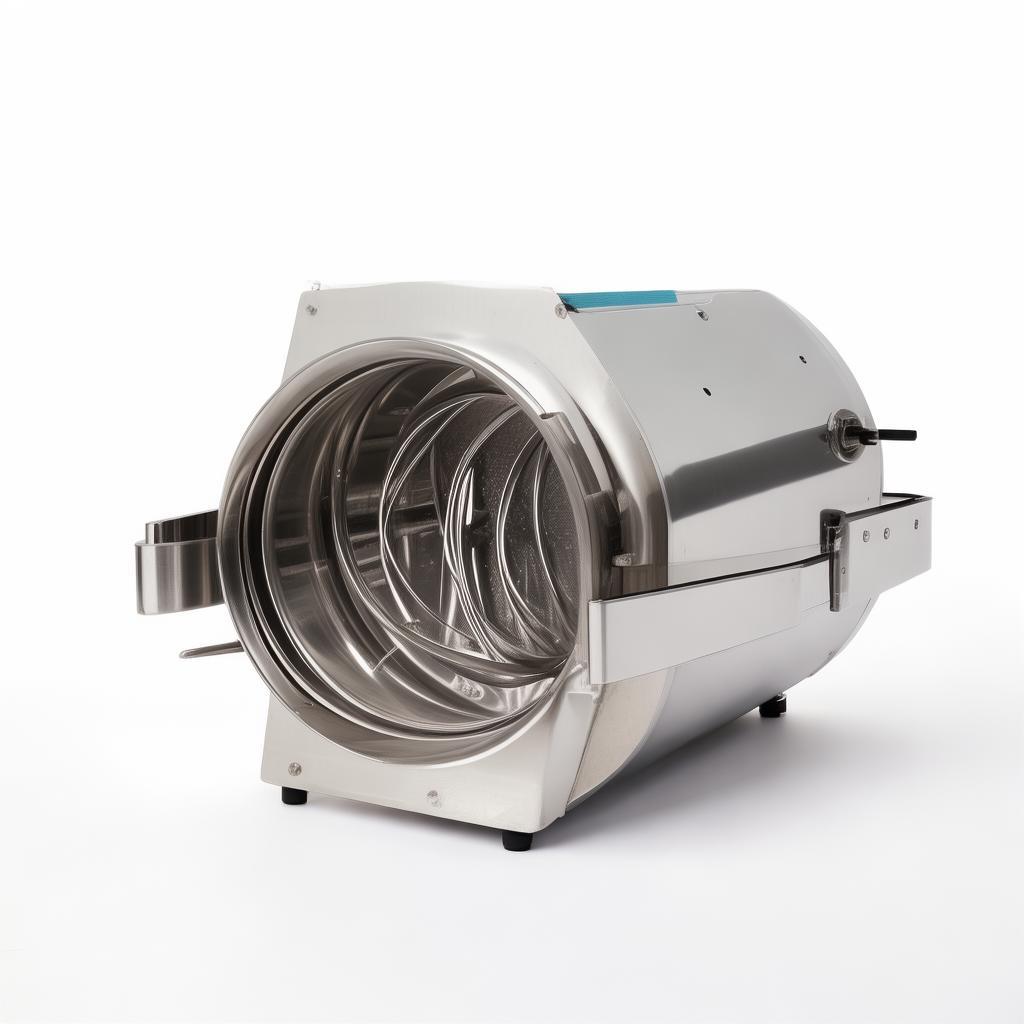
Sausage Manufacturing
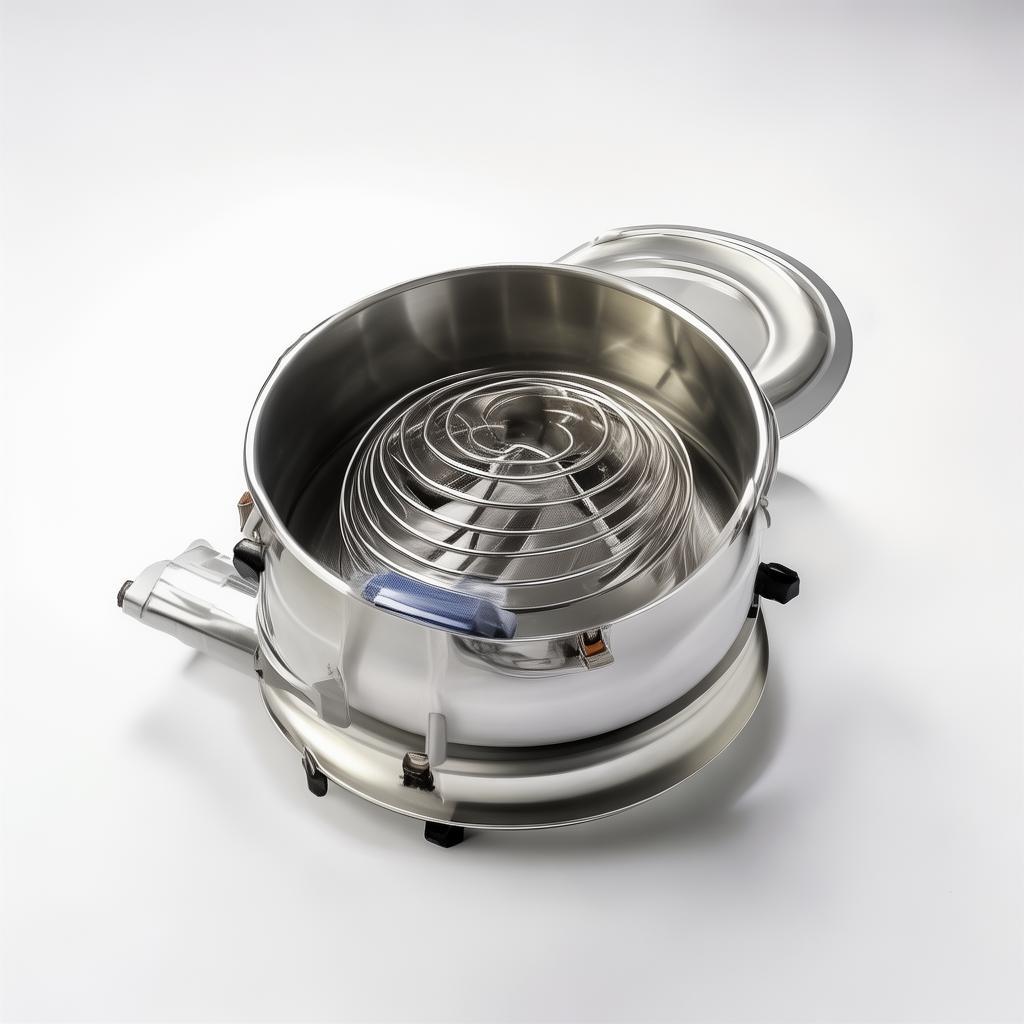
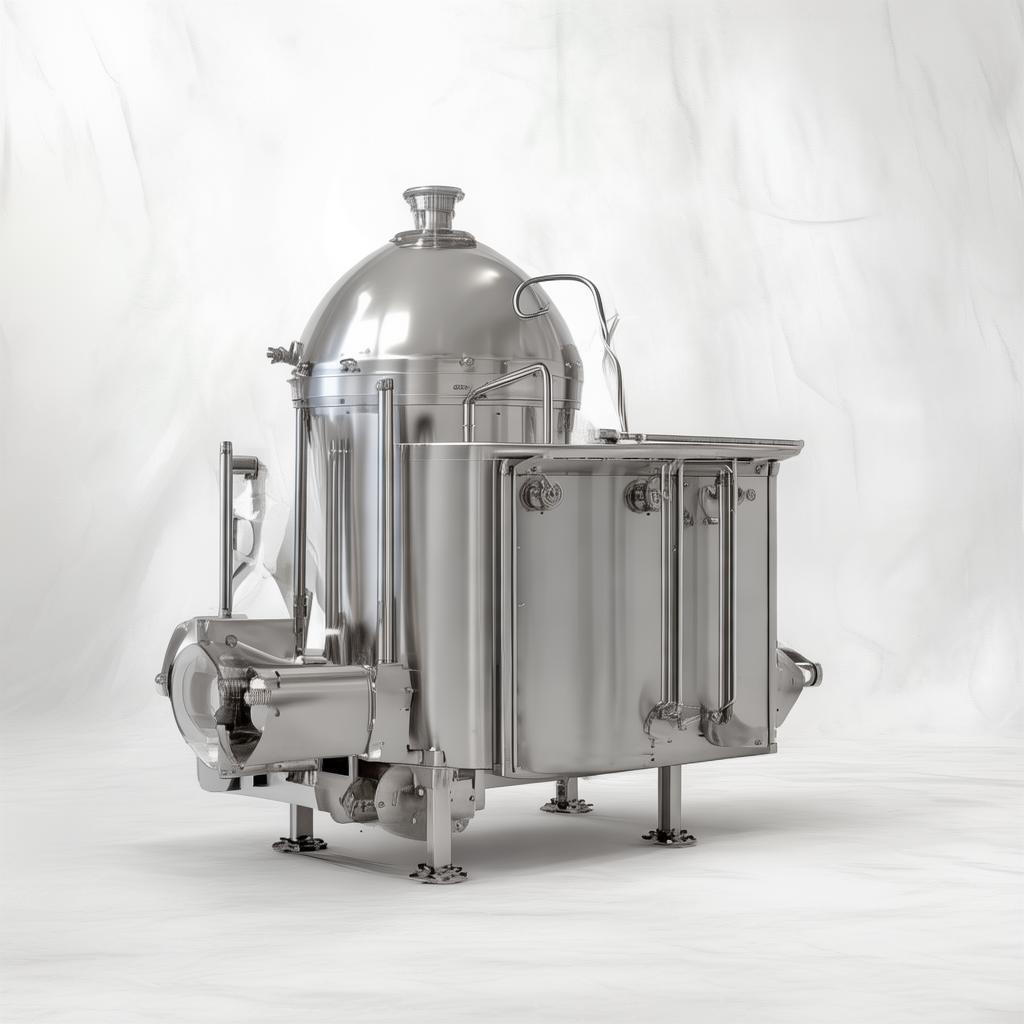
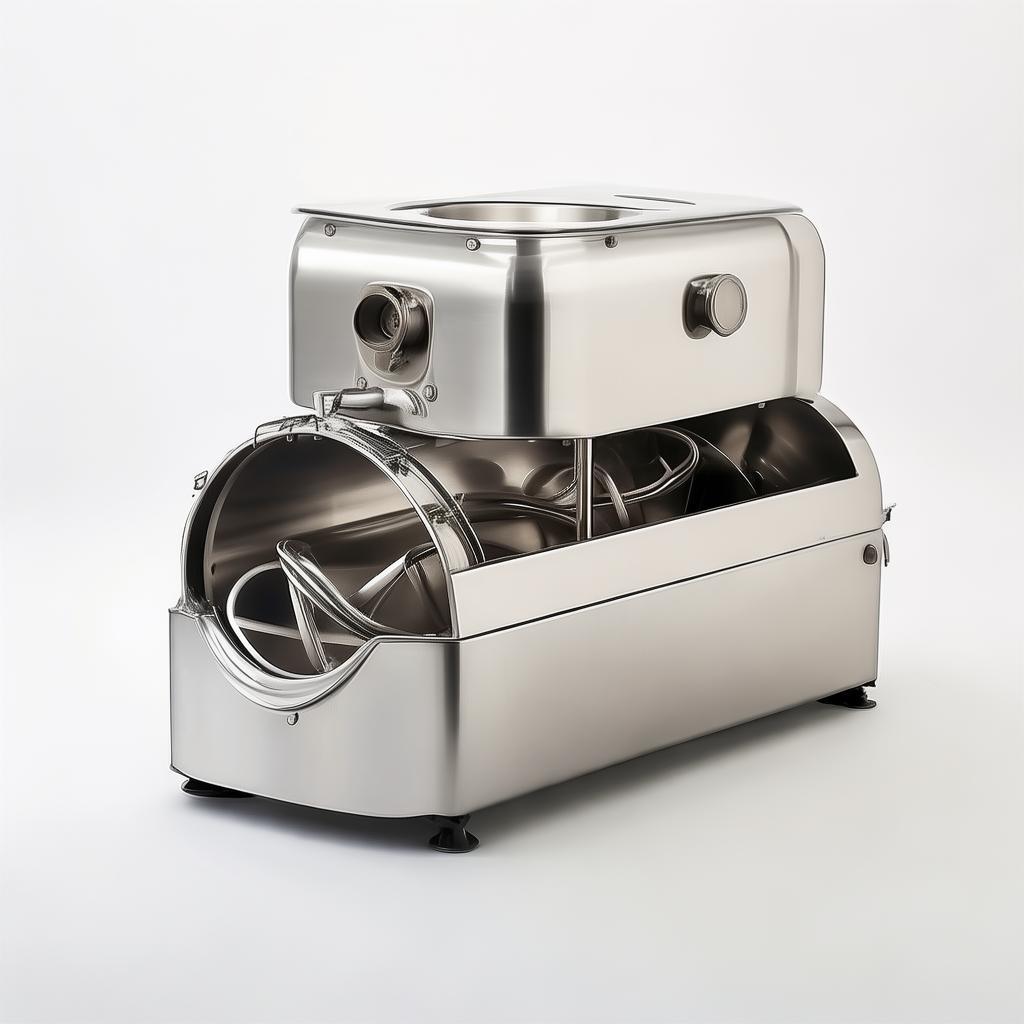
Sausage Manufacturing Equipment: Precision, Performance, and Profitability
Your Guide to Sourcing High-Quality Machinery for Global Markets

By Zhang Wei, Production Manager at Hebei Yuanchang Food Mechanism & Technology Co., Ltd.
Understanding the Core of Modern Sausage Production
Sausage manufacturing is a craft honed over centuries, but its modern iteration demands far more than just traditional know-how. Today, efficiency, consistency, food safety, and cost-effectiveness are paramount. Whether you're a seasoned exporter looking to optimize your lines, a new venture breaking into international markets, or an OEM/ODM factory seeking reliable equipment partners, understanding the nuances of sausage production machinery is critical. This isn't just about buying machines; it's about investing in a production ecosystem that ensures your product meets global standards and consumer expectations.
The global meat processing equipment market, a vital sector supporting sausage production, is robust and expanding. Reports indicate a market valuation reaching upwards of $11.29 billion in 2025, with projections to exceed $17.39 billion by 2034, growing at a CAGR of approximately 5.0% (Fortune Business Insights). This growth is propelled by several key factors: a surging global demand for processed meats, the undeniable need for automation to enhance hygiene and labor efficiency, increasingly stringent food safety regulations worldwide, and significant market expansion, particularly in the Asia-Pacific region. For manufacturers of sausages and other formed meat products, specialized equipment for filling, molding, and ripening (often termed massaging or tumbling) are the workhorses. These technologies are not mere add-ons; they are fundamental to achieving the desired texture, taste, and shelf-life that consumers expect from their favorite processed meat items.
At Hebei Yuanchang Food Mechanism & Technology Co., Ltd., with our 40 years of experience since 1986, we've seen firsthand how the right machinery can transform a production floor. We understand that a successful sausage operation hinges on precise control at every stage: from initial meat preparation and blending to the critical steps of filling, casing, and then proper ripening or curing. The consistency of a sausage's bite, the uniformity of its fill, and the depth of its flavor profile are direct outcomes of the equipment's performance. It’s about leveraging mechanical precision to replicate and enhance the artisan's touch, at scale.
This deep dive is designed to equip you, the procurement manager, operations director, or B2B distributor, with the knowledge to make informed decisions. We'll explore the critical components of sausage manufacturing equipment, from high-precision filling machines that ensure exact portioning to advanced tumbling systems that optimize texture and color development during the ripening process. We will also touch upon the often-overlooked aspects of installation, maintenance, and the logistical considerations crucial for international trade. Our aim is to provide a clear, actionable roadmap that aligns with your specific operational needs and commercial objectives, ensuring you source not just equipment, but reliable production partners.
The complexity of international procurement requires a clear understanding of supplier capabilities, certifications, and aftermarket support. With our in-house machining workshop, boasting over 20 sets of advanced processing machinery including lathes, milling machines, and high-precision grinding equipment, complemented by Japanese Mazak CNC machining centers since 2012, we are equipped to produce high-standard, non-standard, and high-precision components. This vertical integration is key to ensuring the quality and traceability of every part, translating directly into reliable after-sales service for our global clientele.
Let's delve into the machinery that forms the backbone of the global sausage industry. Understanding the interplay between pretreatment, filling, molding, and ripening technologies is your first step towards achieving superior product quality, optimizing production throughput, and ultimately, enhancing your brand's reputation in competitive international markets.
Table of Contents
- Common Challenges in Sausage Production
- Key Sausage Manufacturing Equipment Explained
- Technical Specifications & Performance Metrics
- Material Considerations
- Diverse Application Scenarios
- Installation, Maintenance, and Global Logistics
- Procurement & Supplier Evaluation
- Our Manufacturing Prowess
- Ensuring Global Compliance
- Client Experiences
- Frequently Asked Questions
- Ready to Enhance Your Production?
Navigating the Production Floor: Common Sausage Manufacturing Challenges
Operating a successful sausage production facility involves overcoming several persistent challenges. Inconsistent fill weights, for instance, directly impact cost control and customer satisfaction. Overfilling wastes valuable product, while underfilling can lead to customer complaints and damage brand reputation. Ensuring uniform texture and bite across thousands of units requires precise control over emulsion processing and filling pressures.
Maintaining strict hygiene standards is non-negotiable in food processing. Equipment must be designed for easy cleaning and sanitization to prevent microbial contamination. This often means considering materials of construction (like stainless steel grades) and the ease with which components can be disassembled and reassembled without specialized tools. The labor-intensive nature of manual casing and clipping also presents a bottleneck, driving demand for automated solutions.
Furthermore, achieving the desired product attributes – whether it's a finely emulsified frankfurter, a coarsely ground bratwurst, or a cured salami – relies heavily on the machinery's ability to handle different meat textures and fat percentages. This requires adaptable filling and stuffing mechanisms. The ripening process, crucial for flavor development and texture modification, can be lengthy and complex. Inefficient ripening can lead to product spoilage or undesirable organoleptic properties.
Global trade brings its own set of hurdles. Ensuring equipment meets international electrical standards (like 50Hz/60Hz, 220V/380V/440V), complying with import regulations, and managing long lead times for machinery and spare parts can be complex. Understanding these pain points is the first step in selecting equipment that not only performs but also integrates seamlessly into your operational and export strategy.
The Essential Gear: A Breakdown of Sausage Manufacturing Equipment
At the heart of modern sausage production lies a suite of specialized machinery, each playing a crucial role in transforming raw ingredients into finished consumer products. Understanding these components allows for a more informed selection process, ensuring your investment aligns with your production goals.
1. Meat Grinders & Emulsifiers
These machines are foundational, breaking down larger meat cuts into finer particles. Grinders prepare meat for coarse-textured sausages (like Italian or breakfast sausages), while emulsifiers create a smooth, paste-like consistency essential for products like frankfurters, bologna, and certain pâtés. The precision of the cutting plates and knives, combined with motor power and RPM, dictates the texture. High-capacity models often feature progressive feeding mechanisms to prevent heat buildup and ensure consistent particle size.
2. Meat Mixers
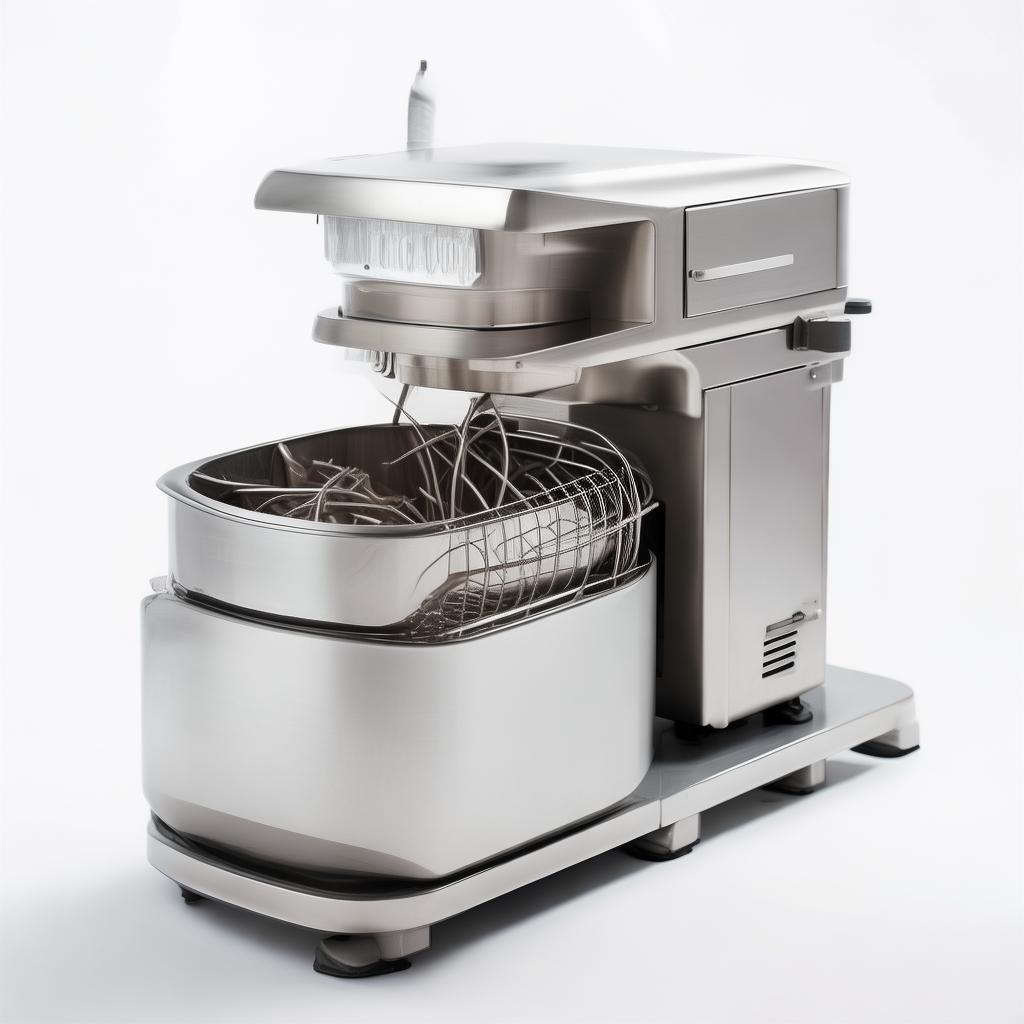
Critical for uniformly blending meat, fat, spices, and other ingredients. Effective mixing ensures even distribution of flavor and binding agents, which is vital for product integrity and taste. Various types exist, including single-shaft, double-shaft, and planetary mixers, each suited to different batch sizes and viscosity requirements. Achieving the right level of protein extraction (myofibrillar proteins) without overheating the mix is key to binding and texture.
3. Stuffers / Fillers
This is where the product takes its final shape. High-performance stuffers deliver precise fill weights, minimizing product giveaway and ensuring consistency. They operate under vacuum to remove air pockets, preventing oxidation and improving product appearance and shelf life. Technologies range from piston-driven fillers for high-volume, continuous production to screw-driven systems for more delicate emulsions or coarser grinds. Integration with automatic linking and casing-stuffing capabilities is a significant efficiency booster. The market for filling and stuffing equipment is a major segment within the broader meat processing machinery sector, underscoring its importance.
4. Linkers & Twisters
These machines automate the process of dividing the filled sausage emulsion into individual links of a specified length and securing them, usually by twisting natural or artificial casings. Automated linkers significantly increase production speed and uniformity compared to manual clipping or tying, essential for high-volume operations.
5. Tumbling & Massaging Machines
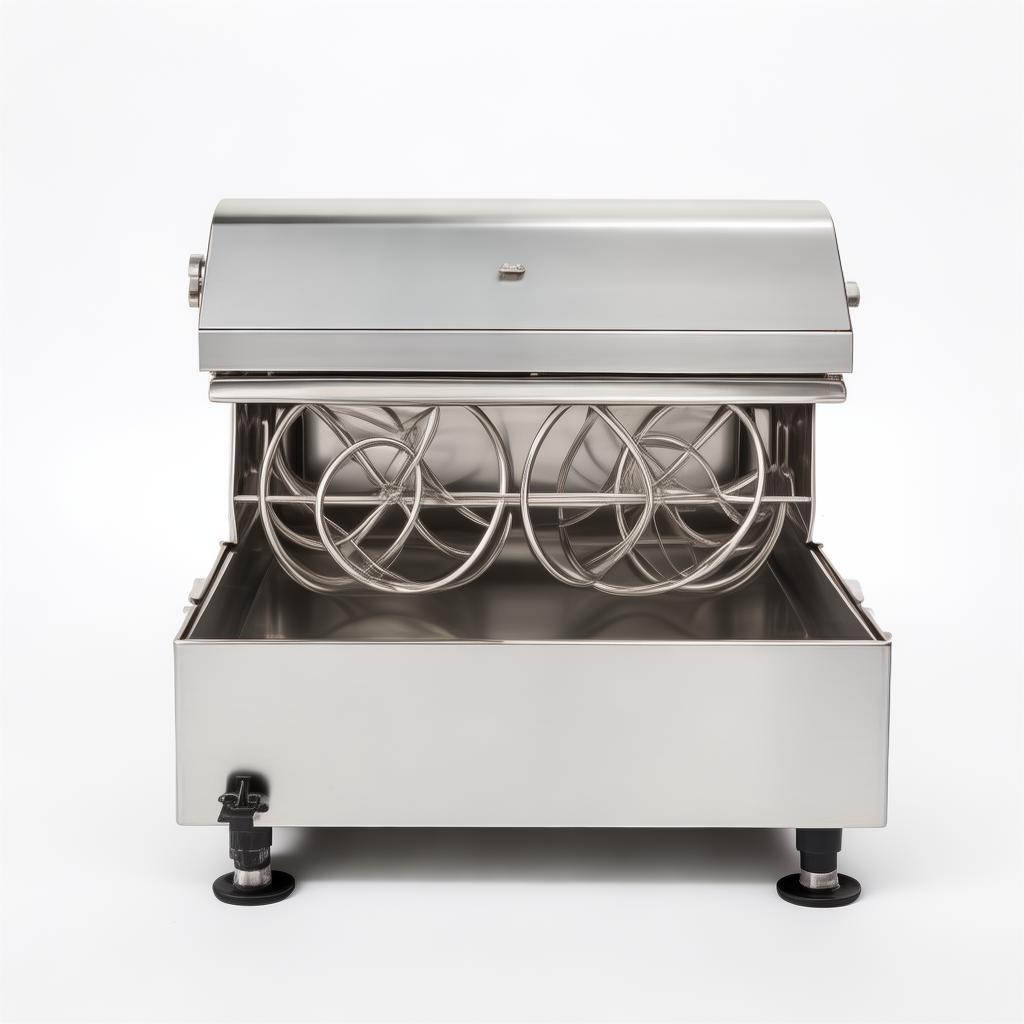
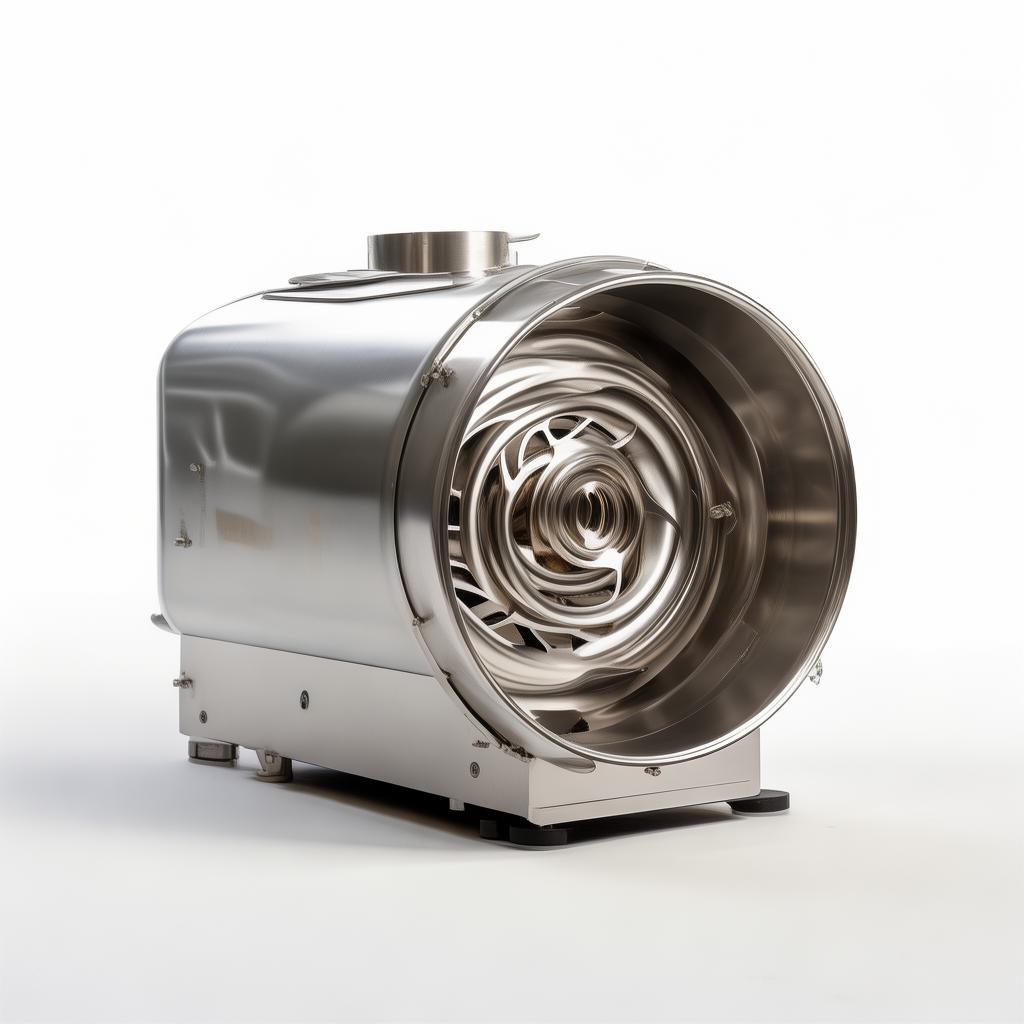
Crucial for processes involving curing, marinating, and tenderizing meat, particularly for products like hams, sausages, and jerky. Tumbling machines gently mix and agitate the meat in a controlled environment, allowing marinades to penetrate deeply and uniformly. This process also aids in protein extraction and fat dispersion, improving texture and binding. Massaging systems, a refinement of tumbling, focus on breaking down muscle fibers for enhanced tenderness. They are vital for the ripening process of fermented or cured sausages.
6. Smoking & Cooking Ovens
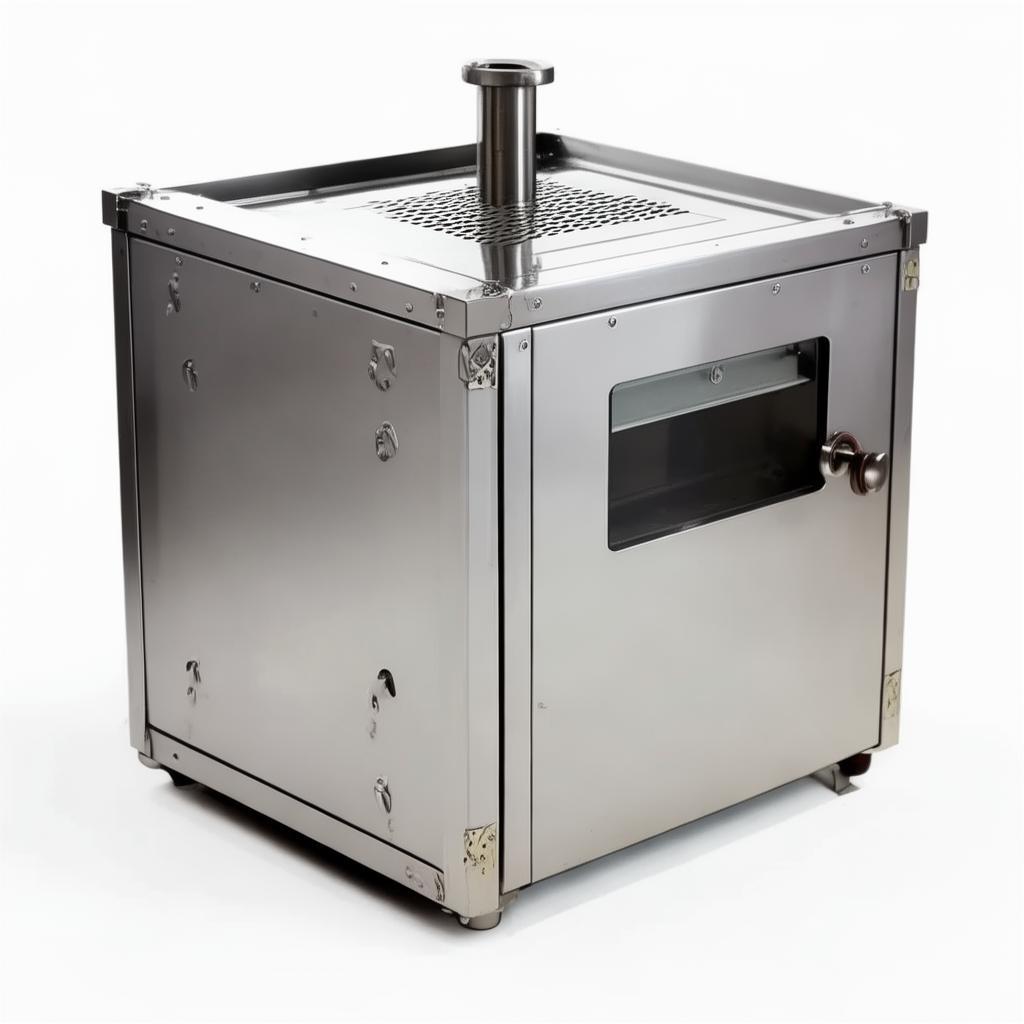
These units provide controlled environments for smoking, drying, cooking, and cooling sausages. Modern ovens offer precise temperature, humidity, and airflow control, enabling consistent product development. Features like multi-zone heating and automated cleaning systems enhance efficiency and product quality.
The effective integration of these machines forms the core of any efficient sausage production line. Each component must be selected not only for its individual performance but also for its compatibility with other units in the line to ensure seamless throughput and optimal yield.
Beyond the Basics: Key Technical Specifications & Performance Metrics
When evaluating sausage manufacturing equipment, delving into the technical specifications is crucial for understanding performance, reliability, and suitability for your specific needs. These details often separate competent machinery from truly exceptional, production-enhancing systems.
Capacity & Throughput
Measured in kilograms per hour (kg/hr) or pieces per minute (ppm), this is the most immediate indicator of a machine's production potential. For stuffers, it might relate to the volume of emulsion they can process. For grinders, it's the raw meat throughput. It's vital to match this to your projected production volume and line speed requirements.
Fill Weight Accuracy
A critical metric for stuffers, often expressed as a percentage of deviation (e.g., ±1% to ±2%). High accuracy minimizes product giveaway and ensures consistent portion sizes, directly impacting profitability and consumer perception. Advanced volumetric or weight-based filling systems achieve superior accuracy.
Motor Power & Speed
Indicates the machine's capability to handle dense or frozen materials and operate continuously. Higher wattage motors and variable speed drives offer greater flexibility and power for demanding applications like grinding frozen blocks or emulsifying tough meat. The typical range can be from 2.2 kW for smaller mixers to 30 kW or more for heavy-duty grinders and stuffers.
Vacuum Levels
For stuffers, the vacuum system's efficiency (often measured in mbar or kPa) is crucial for removing air. Lower residual air content leads to a denser product, better preservation, and improved appearance. Look for systems that can achieve vacuum levels below 50 mbar for optimal results.
Dimensions & Footprint
Essential for production floor planning. Manufacturers provide overall dimensions (L x W x H) and operational space requirements. Consider the height for overhead access and the footprint for placement and maintenance.
Construction Materials & Certifications
Specify materials like SUS304 (18/8) or SUS316 stainless steel for food contact surfaces. Compliance with international food safety standards (e.g., CE, UL, NSF) is paramount.
| Specification | Typical Range/Requirement | Importance |
|---|---|---|
| Stuffer Capacity | 100 kg/hr to 5,000+ kg/hr | Matching production volume |
| Fill Weight Accuracy | ±1% to ±3% | Cost control, consistency |
| Grinding Throughput | 500 kg/hr to 10,000+ kg/hr | Raw material processing speed |
| Vacuum Level (Stuffer) | Below 50 mbar | Product quality, shelf life |
| Material Contact Surfaces | SUS304 or SUS316 Stainless Steel | Hygiene, durability, corrosion resistance |
sausage production equipment sausage production line sausage filler
Choosing equipment that meets or exceeds these technical benchmarks ensures you're investing in efficiency, product quality, and long-term operational reliability.
Material Matters: Beyond Stainless Steel
While stainless steel (typically SUS304 or SUS316) is the industry standard for food-grade equipment due to its excellent corrosion resistance, durability, and ease of cleaning, other materials play supporting roles in sausage manufacturing machinery.
High-Performance Polymers: Certain internal components, seals, or wear parts might utilize food-grade polymers like UHMW-PE (Ultra-High Molecular Weight Polyethylene) or PTFE (Polytetrafluoroethylene). These materials offer self-lubricating properties, excellent wear resistance, and can withstand demanding operational conditions without degrading. They are crucial for reducing friction and wear in high-speed moving parts, contributing to machine longevity and reduced maintenance.
Cast Iron / Ductile Iron: In some older or heavier-duty industrial grinders, certain structural or heavy-duty components might be made from cast iron. However, for food contact surfaces, stainless steel is universally preferred.
Aluminum Alloys: While less common for direct food contact due to oxidation potential, certain non-critical structural parts or casings might use aluminum alloys for weight reduction or specific manufacturing processes.
The choice of materials directly impacts not just hygiene but also the machine's lifespan, operational noise, and maintenance requirements. Always prioritize food-grade certifications for any material that comes into contact with the product.
Versatile Solutions: Sausage Manufacturing Across Diverse Product Types
The beauty of modern sausage manufacturing lies in its adaptability. The same core equipment, with variations in configuration and settings, can produce an astonishing array of products found on global supermarket shelves.
- Fresh Sausages: Think Italian, bratwurst, breakfast links. These require efficient grinding for desired texture, precise mixing for ingredient homogeneity, and high-speed stuffing and linking to meet volume demands. Emulsification might be minimal or absent, focusing on distinct meat and spice notes.
- Cooked Sausages (Emulsified): Frankfurters, hot dogs, bologna, wieners. These rely heavily on fine emulsification, achieved through high-speed emulsifiers and specific grinding plates. Vacuum stuffing is critical to remove air and achieve a smooth, uniform texture. Subsequent cooking and smoking processes finalize the product.
- Fermented Sausages: Salami, pepperoni, chorizo (dry-cured varieties). These products undergo a complex ripening process. Tumbling and massaging machines play a vital role in initial mixing and developing texture, while specialized smoking and drying ovens are used for the extended ripening phase, allowing cultures to ferment and develop characteristic flavors and textures.
- Pet Food Sausages: Increasingly, the demand for high-quality, natural pet food has led to specialized production lines for pet food sausages. These often require similar equipment but with specific formulation considerations for animal nutrition and palatability, and may utilize different casing materials.
Our machinery is designed to be flexible, allowing manufacturers to switch between product types with minimal downtime. This adaptability is key to meeting evolving consumer preferences and market demands across different regions and product categories.
Operational Realities: Installation, Maintenance, and Global Logistics
Selecting the right equipment is only part of the equation. For international B2B buyers, understanding installation, ongoing maintenance, and global logistics is equally important for a smooth and profitable operation.
Installation Considerations
Industrial machinery requires specific power supply (voltage, phase, frequency), compressed air lines, and drainage. Ensuring your facility meets these requirements before shipment is critical. We provide detailed installation manuals and can offer remote support or on-site assistance for complex setups. Proper alignment and calibration of connected machines (e.g., stuffer to linker) are vital for optimal performance.
Routine Maintenance & Longevity
Regular maintenance extends equipment life and prevents costly breakdowns. This includes daily cleaning, lubrication of moving parts, checking for wear on cutting blades and seals, and inspecting electrical connections. Our machines are designed for accessibility, making routine tasks straightforward. We also maintain a comprehensive inventory of spare parts for rapid dispatch.
Global Logistics & Shipping
Exporting machinery requires careful planning. Equipment is typically shipped in robust wooden crates or metal frames, often on pallets. For larger lines, containerization is standard. We work with experienced freight forwarders to manage customs documentation, shipping insurance, and port-to-port or door-to-door delivery. Understanding import duties, taxes, and local regulations in the destination country is the buyer's responsibility, but we provide all necessary product specifications and documentation to facilitate this. Lead times can range from 4-12 weeks depending on customization and shipping routes.
After-Sales Support
Reliable after-sales support is non-negotiable. This includes technical assistance, troubleshooting, spare parts availability, and training. Our traceable after-sales management system ensures that every inquiry is handled efficiently, leveraging our in-house production of high-precision parts for timely resolution.
Procurement Smarts: Selecting Your Sausage Manufacturing Partner
Procuring industrial machinery for sausage production is a significant investment. Buyers, often purchasing managers or operations directors, need to approach this strategically to ensure maximum ROI and operational continuity.
Define Your Needs Clearly
Before contacting suppliers, map out your production goals: types of sausages, daily/hourly output targets, desired automation level, available floor space, and budget. This clarity prevents miscommunication and ensures you receive relevant proposals.
Evaluate Supplier Experience & Reputation
Look for manufacturers with a long history in the food processing equipment sector, especially those specializing in meat processing. Decades of experience, like ours since 1986, translate into deep understanding of product nuances and operational challenges. Check for testimonials, case studies, and customer references, particularly from international clients operating in similar markets.
Assess Manufacturing Capabilities
A vertically integrated manufacturer with its own machining facilities (like our 20+ processing machines and CNC centers) offers greater control over quality, precision, and lead times for custom components. This capability is a significant advantage for ensuring equipment reliability and long-term support.
Understand After-Sales Support & Spare Parts
Equipment downtime can be incredibly costly. Ensure the supplier has a robust system for technical support, troubleshooting, and readily available spare parts. A traceable management system for after-sales service is a strong indicator of commitment to customer satisfaction.
Certification and Compliance
Verify that the equipment meets international safety and hygiene standards (CE, UL, FDA compliance, etc.) relevant to your target markets. This is crucial for market access and regulatory compliance.
Choosing the right supplier is as critical as choosing the right machine. It's about forging a partnership that supports your production goals and business growth.
Our Foundation: Precision Engineering at Hebei Yuanchang
At Hebei Yuanchang Food Mechanism & Technology Co., Ltd., our 40 years of experience (since 1986) are built upon a strong foundation of in-house manufacturing and engineering excellence. We don't just assemble; we engineer and produce, ensuring unparalleled quality and control.
Our sprawling facility covers approximately 14,000 square meters and is staffed by a dedicated team of 80-100 employees. This allows us to integrate R&D, production, and sales seamlessly, offering complete production line solutions for meat and pet food processing.
In-House Machining Prowess: Our comprehensive machining workshop is equipped with over 20 sets of advanced processing machinery. This includes:
- Lathes
- Milling Machines
- High-Precision Grinding Machines
- Boring Machines
- Plate Shears & Bending Machines
- Wire Cutting Equipment
Advanced CNC Capabilities: Since 2012, we've invested in 8 sets of Japanese Mazak CNC machining centers. This cutting-edge technology empowers us to manufacture high-standard components with extreme precision, whether for large volumes or complex, non-standard specifications. This capability ensures that critical parts meet exact tolerances, directly enhancing equipment performance and longevity.
Integrated Quality Control: Our vertical integration means we control every step of component production. Coupled with our traceable after-sales management system, this allows us to guarantee the quality and reliability of the parts we produce, offering clients genuine peace of mind regarding after-sales service and support.

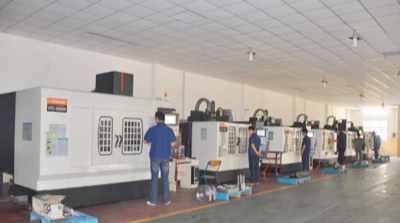
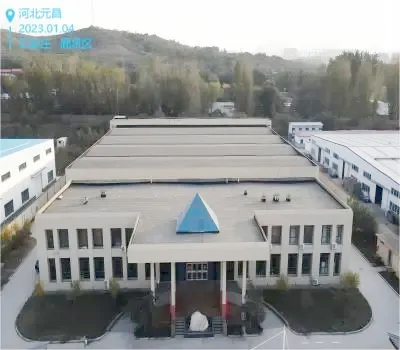
We are not just equipment suppliers; we are manufacturers with a deep understanding of engineering and production.
Global Compliance: Our Commitment to International Standards
Operating in the international food processing sector requires unwavering adherence to global standards for safety, quality, and environmental responsibility. At Hebei Yuanchang, we prioritize compliance to ensure our equipment facilitates market access and builds trust with our clients worldwide.
While specific certifications can vary based on product application and target market, our machinery is designed and manufactured with principles aligned with leading international standards. Key areas of compliance include:
- CE Marking: For equipment destined for the European Economic Area, our machinery adheres to the essential health, safety, and environmental protection requirements as indicated by CE certification. This signifies conformity with relevant EU directives.
- ISO 9001: Our quality management system is structured to align with ISO 9001 principles, ensuring consistent product quality and continuous improvement throughout our manufacturing processes.
- Food Grade Materials: We ensure all materials in direct contact with food products meet stringent international food safety regulations, such as those set by the FDA (U.S. Food and Drug Administration) and equivalent bodies in other regions. This includes using certified food-grade stainless steel and polymers.
- Electrical Safety: Equipment is designed to comply with international electrical safety standards (e.g., IEC standards, UL certifications where applicable) to prevent hazards related to electricity. This includes appropriate voltage, frequency, and grounding configurations.
- Hygienic Design Principles: Our machines are built with hygienic design as a priority, minimizing crevices, sharp internal angles, and difficult-to-clean areas to prevent bacterial growth and facilitate thorough sanitation.
We are committed to providing equipment that not only performs exceptionally but also meets the rigorous compliance demands of global food industries.
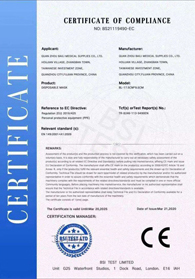


What Our Global Partners Say
Our commitment to quality and service is reflected in the satisfaction of our clients worldwide. Here's what some of them have to say about their experience with Hebei Yuanchang equipment:

Procurement Manager, USA
"We were looking for a reliable stuffer-linker combo for our growing hot dog line. Hebei Yuanchang provided a solution that was both cost-effective and incredibly precise. The fill weight accuracy has drastically reduced our product giveaway. Their after-sales support, especially with spare parts, has been prompt and efficient."

Operations Director, Mexico
"The industrial meat mixer we purchased from Yuanchang is a workhorse. It blends our sausage mixes perfectly, ensuring consistent texture and flavor across all batches. The robust construction and simple operation make it a key asset on our production floor. We appreciate their understanding of our local market needs."

Factory Manager, Japan
"We required specialized machinery for our fermented sausage line. Hebei Yuanchang's team listened to our specific requirements and delivered a robust tumbling and smoking system that exceeded expectations. The precision control allows us to achieve consistent ripening results, which is vital for our premium product."
Your Questions Answered: FAQ for Sausage Manufacturing Equipment
Q1: What is the typical lead time for a complete sausage production line?
Lead times can vary depending on the complexity and customization required for the line. Generally, standard configurations might range from 8 to 16 weeks from order confirmation to shipment. Highly customized solutions or extensive lines could take longer. We provide detailed estimated lead times upon order specification.
Q2: Do you offer installation and training services internationally?
Yes, we do offer installation and training services. Our team can be dispatched to your facility to oversee setup and train your operators. These services are typically quoted separately and depend on the project scope and your location. Remote support and comprehensive manuals are provided as standard.
Q3: What voltage and frequency options are available for your equipment?
We can configure our machines to meet various international standards, including common voltages like 380V/400V/440V and frequencies such as 50Hz or 60Hz. Please specify your local power requirements when requesting a quote.
Q4: How easy is it to obtain spare parts for your machines, especially for international clients?
We maintain a comprehensive inventory of common spare parts. Our traceable after-sales management system allows us to quickly identify and dispatch parts globally. For critical or custom components, our in-house machining capabilities ensure we can produce them as needed, minimizing extended downtime.
Q5: Can your equipment handle frozen meat blocks?
Certain models, particularly our heavy-duty industrial grinders and mixers, are designed to process meat with minimal thawing, including some frozen blocks. However, the degree of freezing capability varies by machine. It is essential to specify if you intend to process frozen meat so we can recommend the appropriate model and configuration for optimal performance and longevity.
Ready to Elevate Your Sausage Production?
Partner with Hebei Yuanchang for robust, high-performance sausage manufacturing equipment designed for global markets.
Hebei Yuanchang Food Mechanism & Technology Co., Ltd. | Shijiazhuang, Hebei Province, China | Visit Our Contact Page