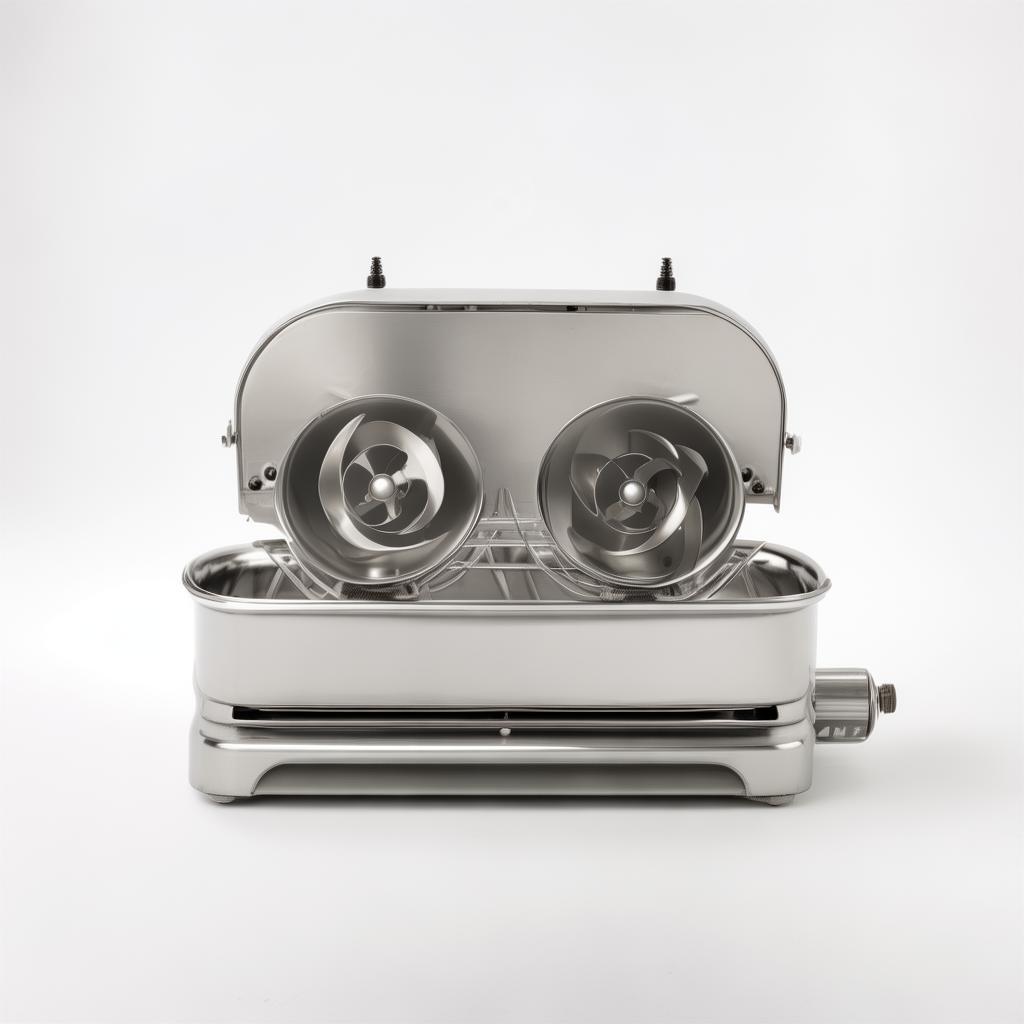
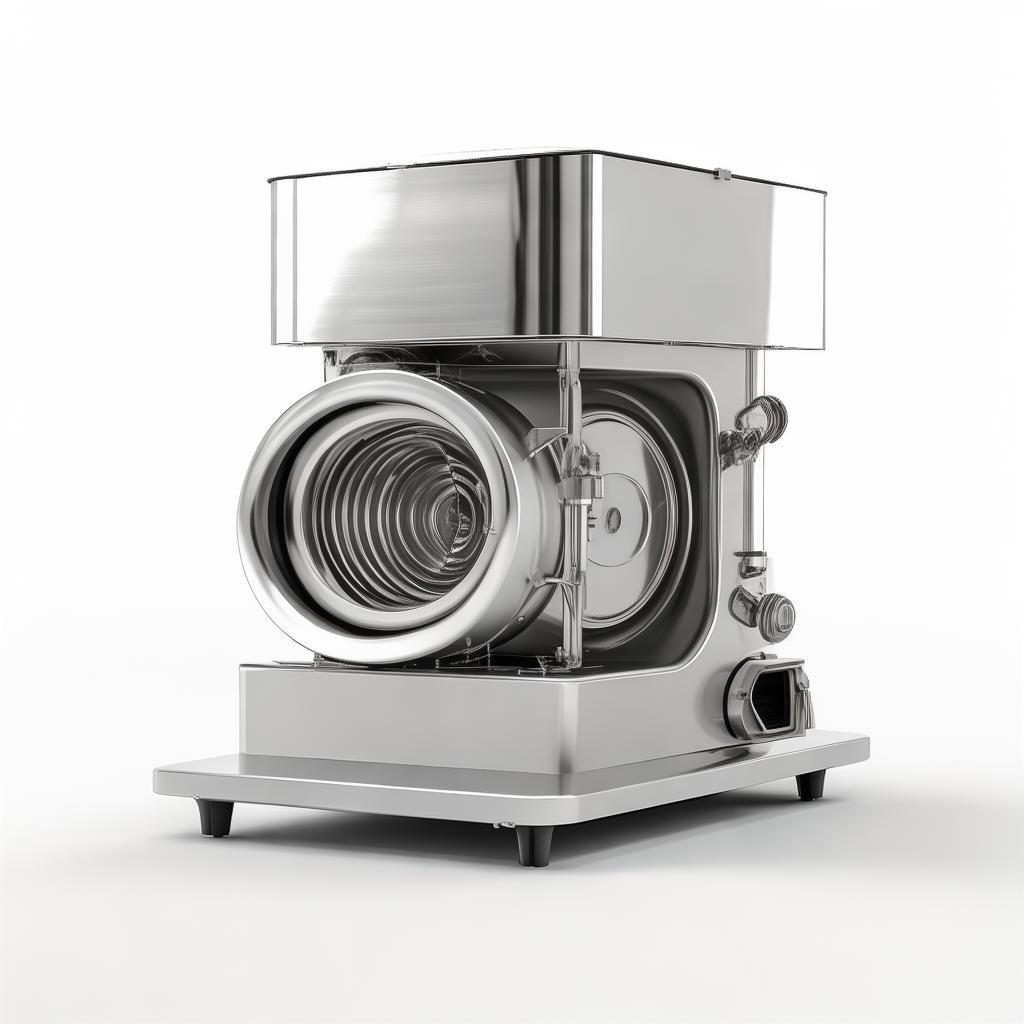
Pork Hair Removal
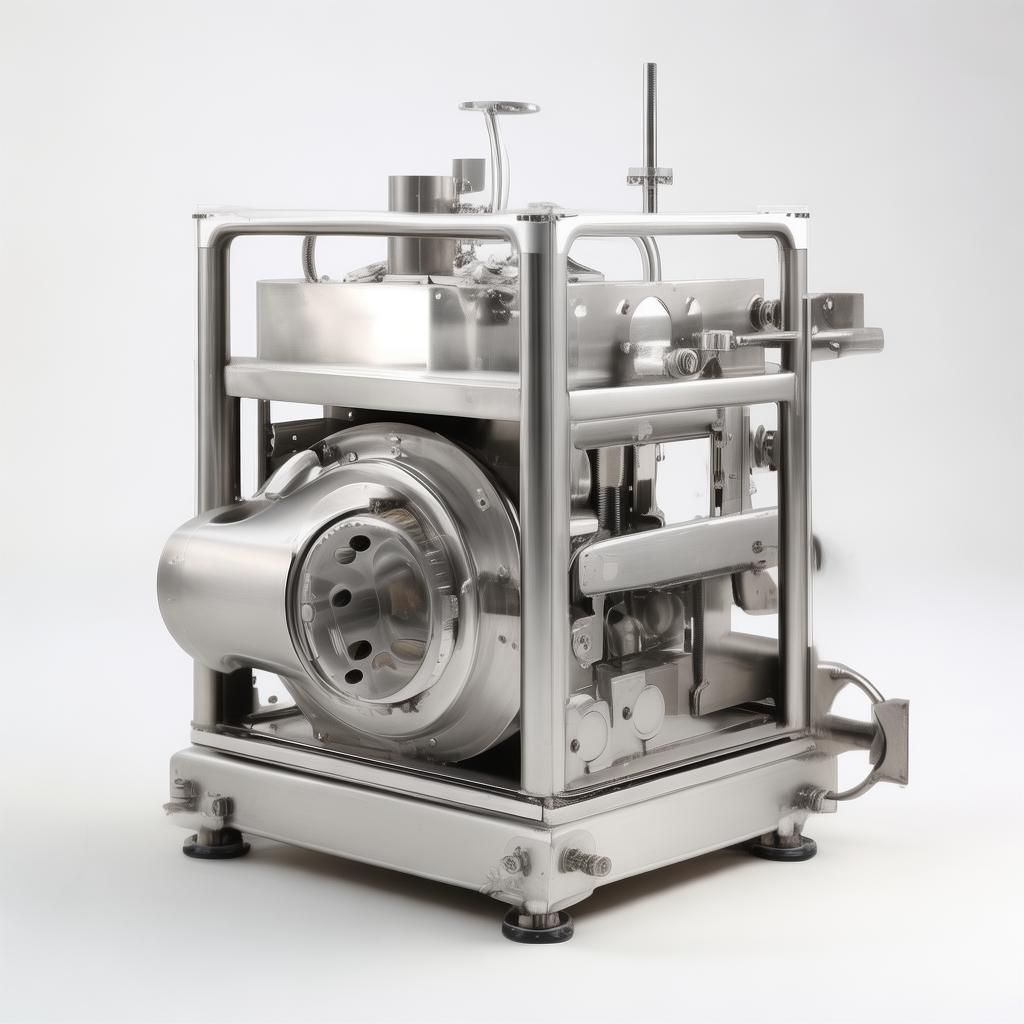
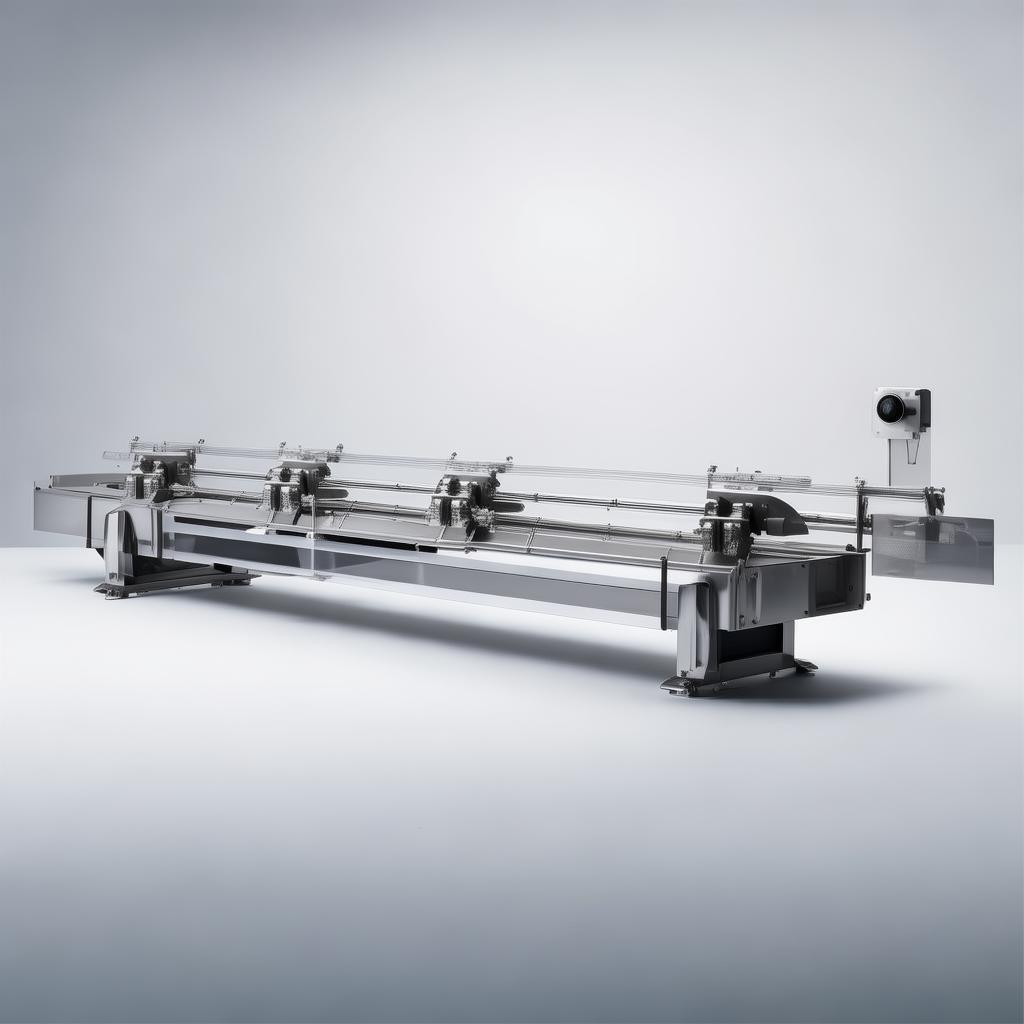
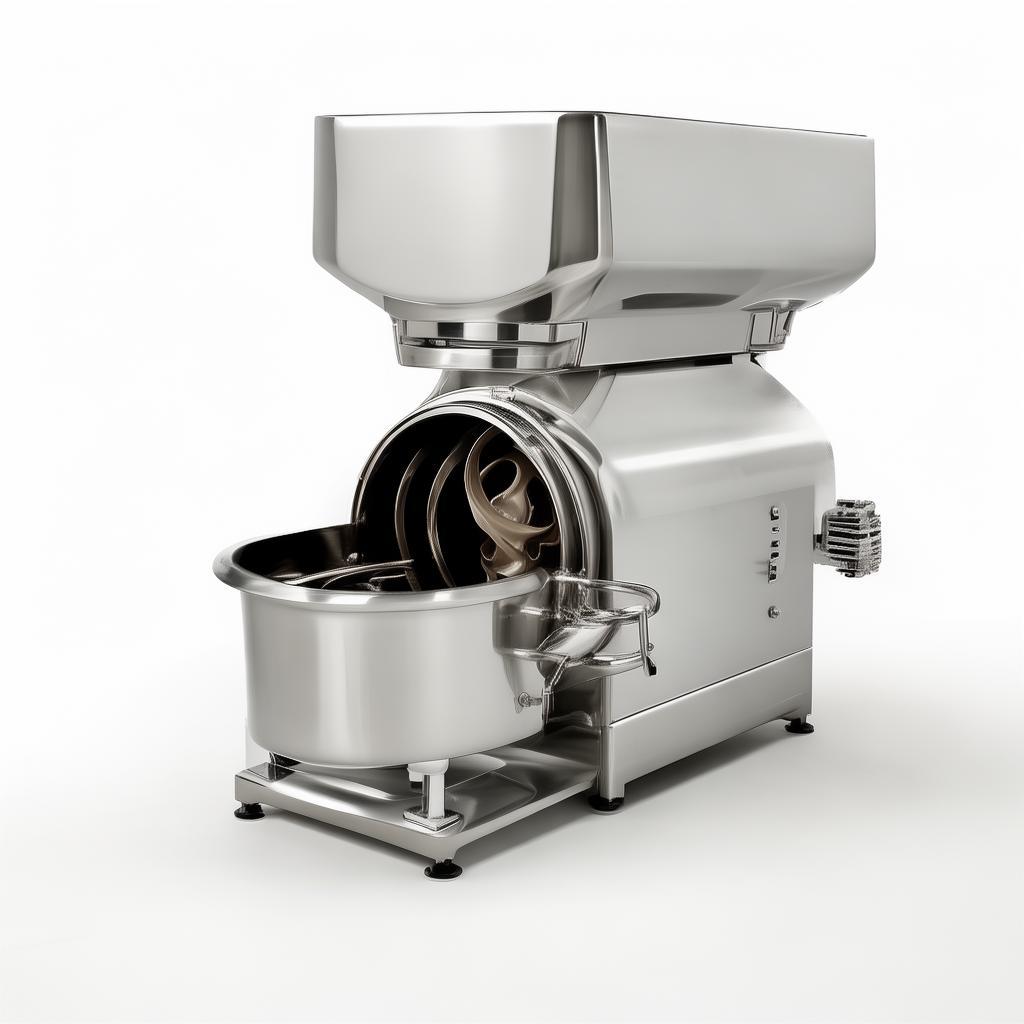
Pork Hair Removal: Precision Equipment for Uncompromised Quality
Streamline your processing with advanced, reliable pork dehairing solutions.

By Li Wei, Senior Production Engineer
Hebei Yuanchang Food Mechanism & Technology Co., Ltd.
The Critical First Step: Efficient Pork Dehairing
In the demanding world of pork processing, efficiency and quality are not just desirable; they are the cornerstones of profitability and brand reputation. Every stage of the butchering and processing line contributes to the final product's appeal and market value. Among these, the pork hair removal, or dehairing, stands out as a fundamental, non-negotiable step. Achieving a consistently clean, hair-free carcass is paramount for meeting stringent hygiene standards, enhancing visual appeal, and ensuring consumer acceptance. Missteps here can lead to costly rework, rejected batches, and a tarnished image.
The global meat processing equipment market is a testament to the industry's continuous evolution and demand for specialized solutions. Reports indicate a significant and steady growth, with market valuations projected to reach upwards of USD 19 billion by 2034, driven by increasing processed meat consumption and the adoption of automation for both hygiene and labor efficiency. (See: Fortune Business Insights). This growth underscores the necessity for reliable, high-performance machinery across all processing segments, including the foundational dehairing stage. Our focus at Hebei Yuanchang is on providing precisely that – robust, dependable equipment engineered to tackle this critical task with unparalleled effectiveness.
Historically, manual dehairing was labor-intensive, inconsistent, and frankly, unpleasant work. The advent of mechanical dehairing machines revolutionized the industry, allowing for greater throughput and significantly improved consistency. However, the technology has continued to evolve. Modern pork dehairing machines are designed not just to remove hair but to do so with minimal damage to the skin, preserving the valuable fat layer and meat quality beneath. This means employing the right balance of mechanical action, material design, and operational control. It’s about understanding the nuances of hog hide at different temperatures and stages of processing.
When procurement managers and operations directors look for dehairing solutions, they're not just buying a piece of equipment; they're investing in a crucial part of their production chain. They need to consider several factors: throughput capacity, the machine’s ability to handle different sizes of hogs, the ease of maintenance and cleaning (critical for food safety compliance), energy efficiency, and, of course, the initial capital expenditure versus the long-term operational savings and return on investment. We understand these pressures. Our 40 years of experience since 1986, deeply rooted in manufacturing and R&D, have equipped us to address these precisely. We’ve seen firsthand how the right dehairing machine can drastically reduce processing time, minimize the need for secondary manual hair removal, and contribute to an overall cleaner, more efficient operation.
The market also demands solutions that integrate seamlessly into existing lines. Whether you're a large-scale export operation or a specialized producer of cured pork products, the equipment must fit. This is where customization and thoughtful engineering come into play. We offer various configurations of our pork dehairing machines, understanding that no two processing plants operate identically. Factors like water usage, waste management, and space constraints are all part of the engineering conversation. The goal is always to enhance your processing capabilities without introducing new bottlenecks or complications. It’s about creating a harmonious workflow where every component, from the initial scalding to the final packaging, functions optimally.
Moreover, the emphasis on food safety and traceability is stronger than ever. Equipment that is difficult to clean or harbors bacteria is unacceptable. Our dehairing machines are designed with hygiene at the forefront. We utilize high-grade stainless steel (commonly SS304 or SS316L for food contact surfaces), smooth finishes, and easily accessible components for thorough cleaning and sanitation. This not only helps processors meet regulatory requirements (like USDA, FDA, or equivalent international standards) but also builds consumer confidence in the safety and integrity of the final product. A clean dehairing process is a direct contributor to a safer food supply chain.
The challenge for many buyers is navigating the plethora of options. Some machines might offer high throughput but at the cost of skin integrity, leading to a less desirable end product for certain markets. Others might be gentler but lack the speed for large-volume operations. Our expertise lies in striking that balance, engineering machines that are both highly effective at hair removal and remarkably gentle on the carcass. We achieve this through meticulous design of the rotating shafts, the types of paddles or beaters used, and the precise control over their speed and direction. This attention to detail ensures that you achieve that pristine, hair-free finish that consumers expect, while also maximizing yield and preserving the quality of the pork skin and sub-dermal layers.
As the processed meat market continues its upward trajectory, projected to reach over USD 1.3 trillion by 2035 (See: Precedence Research), the demand for efficient, reliable upstream processing equipment like dehairing machines will only intensify. The trend towards reconstituted and formed meat products, which heavily rely on meticulous pretreatment, further emphasizes the need for high-quality raw material preparation. Our commitment is to provide the tools that enable processors to meet this growing demand with confidence and consistency.
This page delves into the intricacies of pork hair removal, highlighting the technology, the benefits of investing in quality equipment, and why Hebei Yuanchang stands as a trusted partner for processors worldwide. We’ll explore the technical specifications that matter, the operational advantages our machines offer, and the crucial considerations for any buyer in this vital segment of the meat industry.
Key Takeaways:
- Pork dehairing is a foundational step for hygiene and quality.
- Mechanical dehairing is essential for high-volume, consistent results.
- Modern machines balance efficiency, gentleness, and ease of cleaning.
- Market growth in processed meats drives demand for advanced equipment.
- Hebei Yuanchang leverages 40 years of experience for robust solutions.
Common Hurdles in Pork Dehairing Operations
Many processors grapple with consistent, efficient pork dehairing. The challenges are varied and can significantly impact overall operational efficiency and product quality. Understanding these pain points is the first step toward finding the right solution.
- Inconsistent Hair Removal: Partial hair removal or uneven results necessitate secondary manual labor, which is time-consuming, costly, and prone to human error. This directly impacts throughput and labor allocation.
- Skin Damage & Yield Loss: Aggressive dehairing can tear or scrape the skin, reducing the value of the carcass for markets that utilize the skin (e.g., crackling, certain processed products). It can also affect the appearance of the meat itself.
- Hygiene & Sanitation Difficulties: Machines with complex internal structures or difficult-to-access areas can become breeding grounds for bacteria, posing a serious food safety risk. Thorough cleaning procedures can become overly burdensome.
- Low Throughput & Bottlenecks: Older or poorly designed machines may not keep pace with modern slaughter lines, creating a bottleneck that slows down the entire operation and leads to costly downtime.
- Excessive Water & Energy Consumption: Inefficient designs can lead to higher operational costs due to excessive water usage for cleaning and rinsing, or high energy demands for motor operation.
- Maintenance & Downtime: Frequent breakdowns, the need for specialized repairs, or the unavailability of spare parts can cripple a processing line. Reliable equipment is key to sustained productivity.
- Difficulty Handling Varying Hog Sizes: Slaughterhouses often process hogs of different weights and sizes. A dehairing machine that struggles to adapt can lead to inconsistent results across the batch.
Addressing these issues isn't just about acquiring a new machine; it's about selecting a partner whose equipment is engineered for longevity, efficiency, and above all, reliability. It’s a strategic decision that impacts your bottom line daily.
Engineered for Excellence: Our Pork Dehairing Solutions
At Hebei Yuanchang, we’ve channelled our four decades of manufacturing experience into creating pork dehairing machines that directly counter the operational pain points. Our design philosophy centers on robustness, efficiency, and precision.
Superior Hair Removal Performance
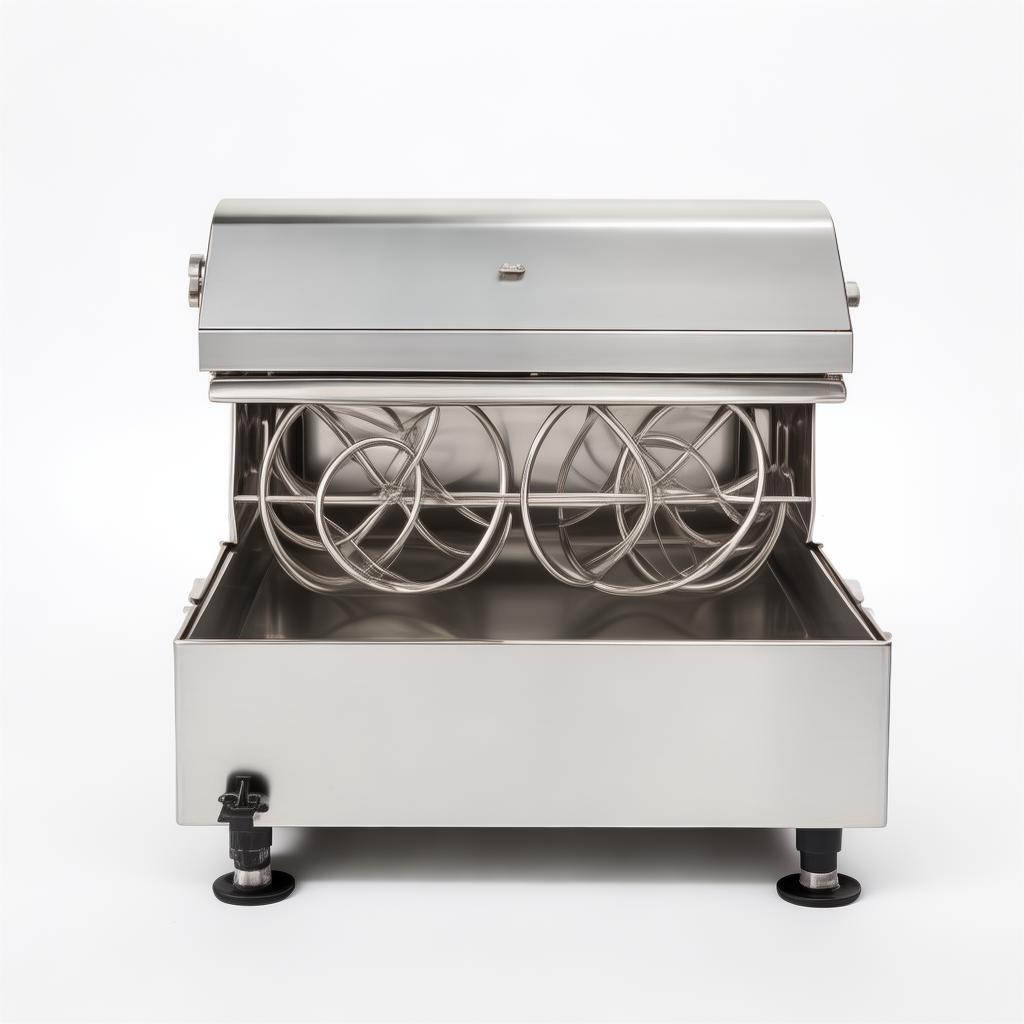
Our machines utilize precisely engineered paddles or beaters that work in conjunction with rotating shafts to effectively remove hair. The configuration is optimized to ensure maximum contact with the carcass surface while minimizing friction that could damage the skin. This results in a consistently clean finish that significantly reduces the need for manual touch-ups.
Gentle Processing, Preserved Quality
We understand that the skin and underlying fat layer have significant market value. Our dehairers are designed to be robust on hair but gentle on the carcass. This is achieved through careful selection of paddle materials, optimized rotational speeds, and a design that allows carcasses to move through the machine smoothly, preventing bruising or excessive scraping.
Hygiene and Ease of Maintenance
Food safety is paramount. Our dehairing machines are constructed with high-grade stainless steel, featuring smooth surfaces and easily accessible internal components. This design facilitates thorough cleaning and sanitization, minimizing the risk of bacterial contamination. The robust construction also ensures longevity and reduces the likelihood of parts breaking off into the product stream.
High Throughput and Scalability
Built for demanding industrial environments, our machines are designed to handle high volumes, keeping pace with even the most aggressive slaughter lines. We offer various sizes and configurations to match the specific throughput requirements of your operation, from medium-scale processors to large export facilities.
Operational Efficiency
We focus on energy-efficient motors and optimized water usage for cleaning. The mechanical design minimizes wear and tear, leading to lower maintenance costs and reduced downtime over the machine's lifespan. This translates to a better overall operational cost and a more predictable production schedule.
Adaptable to Various Hog Sizes
Our dehairing units are engineered to perform consistently across a range of hog weights. The mechanical action is forgiving, ensuring that whether you're processing a lighter sow or a heavier market hog, the hair removal remains effective and uniform.
Why Choose Yuanchang Dehairing Equipment?
- 40 Years of Proven Expertise: Since 1986, we've honed our manufacturing capabilities.
- In-house Precision Machining: Our 20+ advanced machines, including Japanese Mazak CNC centers, ensure high-precision parts.
- Traceable After-Sales Support: We control component production for reliable service.
- Commitment to Quality: ISO certifications and rigorous quality control underscore our dedication.
Technical Specifications: Pork Dehairing Machine Model YC-DH3000
Below are the key specifications for one of our popular models. We also offer custom configurations to meet specific client needs.
| Feature | Specification | Notes |
|---|---|---|
| Model | YC-DH3000 | Standard configuration |
| Dimensions (L x W x H) | 3200mm x 1800mm x 1600mm | Approximate, subject to configuration |
| Weight | 1800 kg | Net weight |
| Power Supply | 380V / 50Hz / 3 Phase | Customizable to regional standards |
| Motor Power | 15 kW | High-efficiency industrial motor |
| Processing Capacity | Up to 300 heads/hour | Varies with hog size and line speed |
| Material | Food-grade Stainless Steel (SS304/SS316L) | Corrosion-resistant, easy to clean |
| Dehairing Shafts | 4 sets, counter-rotating | Optimized for thorough hair removal |
| Paddles/Beaters | Specialized rubber or polyurethane | Durable, gentle on skin, replaceable |
| Water Spray System | Integrated for continuous rinsing | Enhances cleaning efficiency |
| Control System | Basic electrical controls with emergency stop | Optional PLC integration available |
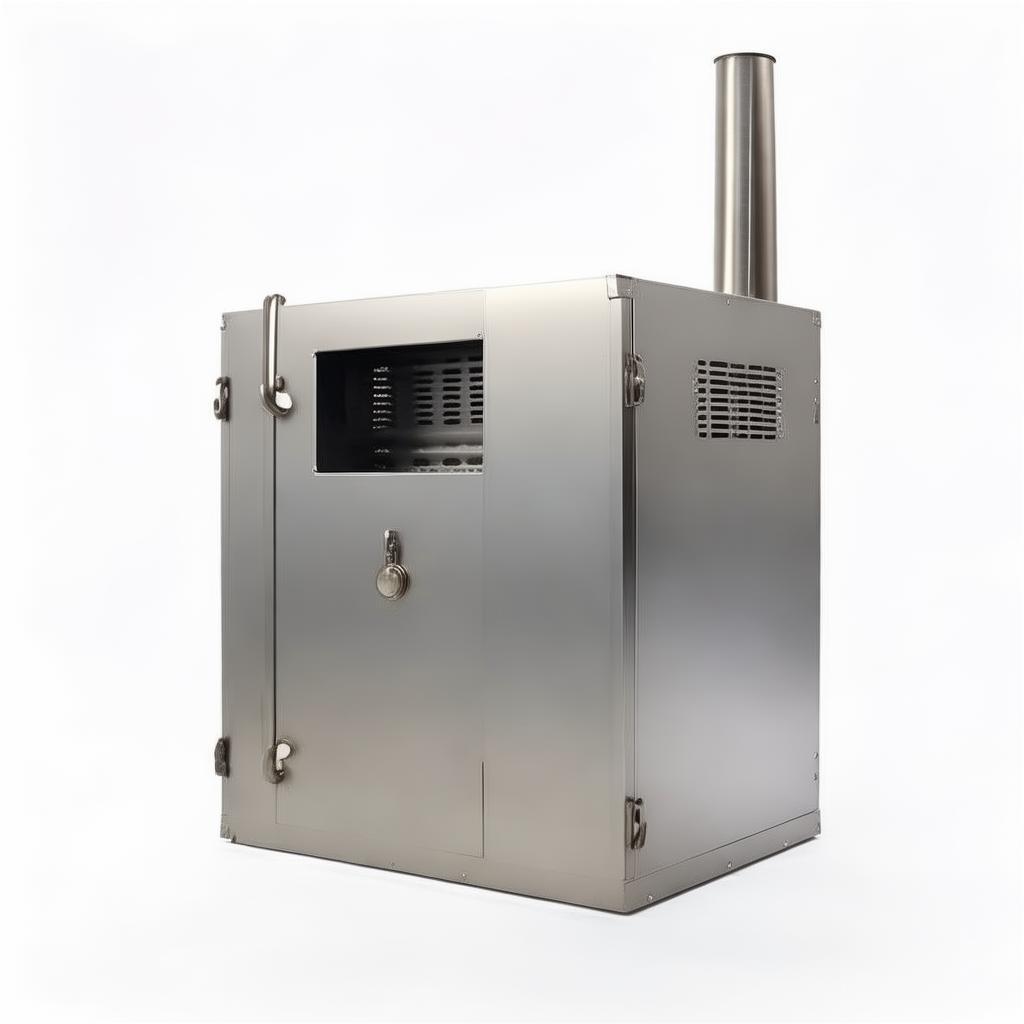
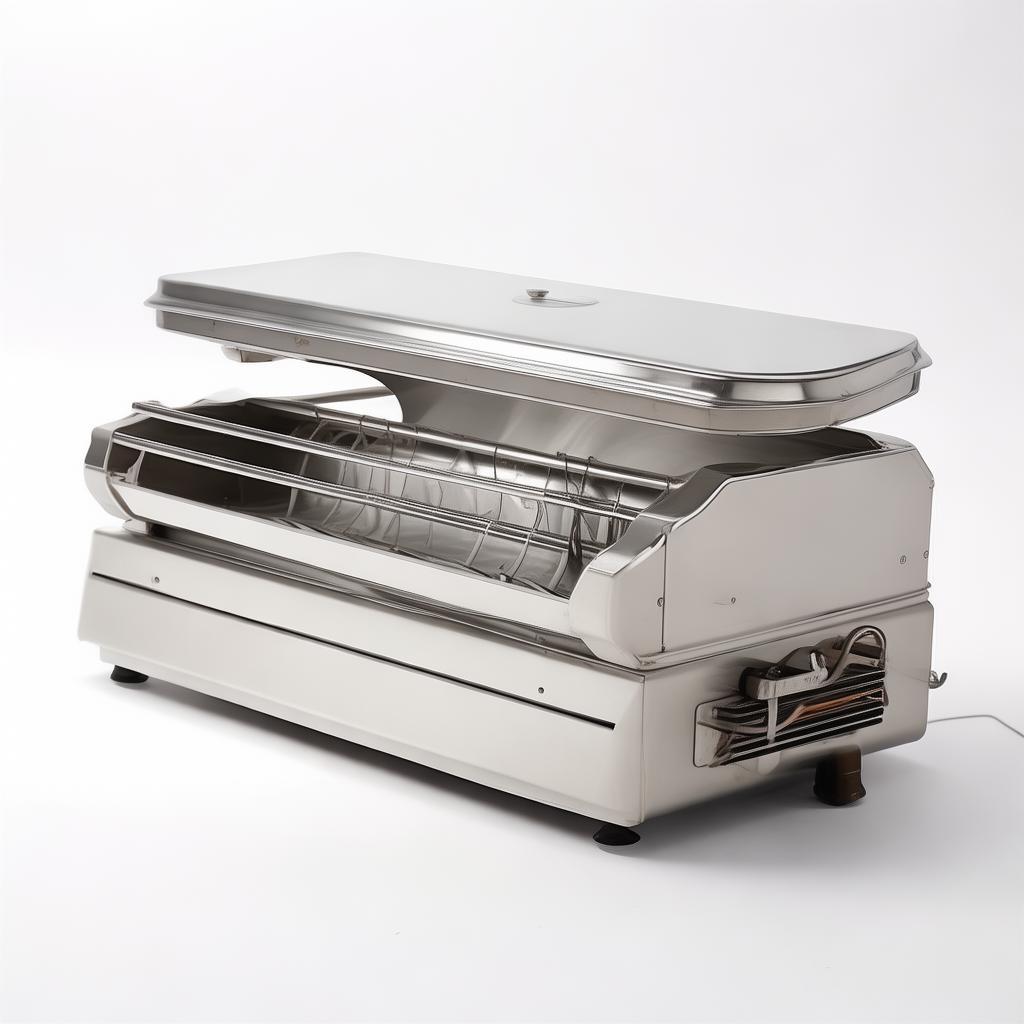
pig hair removal machine hog hair removal machine goat hair removal machine
*Specifications are subject to change without prior notice. Please contact us for the latest details.
Market Trends & Procurement Insights
The meat processing equipment sector is influenced by several macro trends. The global meat processing equipment market is substantial, estimated to be around USD 11-12 billion in 2024 and projected to grow steadily to USD 15-19 billion by 2030-2034, with CAGRs typically ranging from 4.5% to 7.5%. (See: Grand View Research, SkyQuest, IMARC). This expansion is fueled by rising global population, increasing demand for processed and convenience meats, and a push for automation to improve hygiene, efficiency, and address labor shortages. Asia-Pacific is a significant growth region due to industrialization and rising disposable incomes.
For procurement professionals, understanding these market dynamics is crucial for making informed investment decisions. When evaluating pork dehairing equipment, consider the following:
Supplier Reliability & Experience
Four decades of experience, like ours at Hebei Yuanchang, means we've weathered industry shifts, refined our designs through practical application, and built a reputation for durable machinery. Look for suppliers with a long history and clear manufacturing capabilities, not just trading companies.
OEM/ODM Capabilities
Does the supplier offer customization? For many large-scale operations, a standard machine isn't enough. We offer OEM and ODM services, allowing us to tailor equipment specifications, dimensions, or control systems to perfectly fit your existing infrastructure and unique processing needs. This is critical for seamless integration and maximum efficiency.
After-Sales Support & Spare Parts
A machine is only as good as its ongoing support. Our traceable after-sales management system, coupled with our in-house precision machining capabilities, ensures you can source high-quality spare parts and receive timely technical assistance. Avoid suppliers who can't guarantee parts availability or technical backup.
Certifications & Compliance
While specific certifications for dehairing machines can vary, look for manufacturers who adhere to international quality standards (like ISO) and can demonstrate compliance with food safety regulations relevant to your target markets. We are committed to upholding these standards.
Risk Mitigation in Procurement:
- Verify Manufacturing Strength: Insist on seeing evidence of their production facilities. Our 14,000 sq meter facility and advanced machining centers are a testament to our capabilities.
- Ask for References: Speak with existing clients who have implemented similar equipment.
- Understand Lead Times: Be realistic about production and shipping schedules. Our 40 years in the business means we have refined logistical processes.
- Negotiate Terms Clearly: Ensure payment terms, warranties, and delivery agreements are explicit.
Versatile Applications for Your Processing Needs
Our pork dehairing equipment is designed to be a critical component in a wide range of pork processing operations:
- Slaughterhouses: The primary application, where efficient dehairing is required immediately after stunning and bleeding.
- Meat Processing Plants: Essential for preparing carcasses for further processing into various meat products, including fresh cuts, sausages, and cured meats.
- Pork Skin Product Manufacturers: For products like crackling, pork rinds, or gelatin production, a clean, undamaged skin is crucial.
- Export Operations: Meeting international standards for hygiene and presentation demands reliable dehairing.
- Integrated Food Production Facilities: Where pork is a key raw material for a broader range of food items.
The quality of the dehairing directly impacts the quality of subsequent steps such as evisceration, chilling, and cutting. A clean carcass is easier to handle and process, reducing contamination risks throughout the line.
Seamless Integration: Installation and Logistics
Getting your dehairing equipment operational is a critical phase. We understand the complexities of international shipping and on-site installation.
Shipping and Handling
We have extensive experience in exporting machinery globally. Our equipment is securely packaged for transit, often utilizing robust steel frames and protective coverings to withstand the rigors of international shipping. We work with trusted freight forwarders to ensure timely and cost-effective delivery to your nearest port. Container loading is optimized to maximize space and minimize shipping costs, a detail many overseas buyers appreciate.
Installation Considerations
Our machines are designed for relatively straightforward installation. Key considerations include:
- Space Requirements: Ensure adequate floor space, clearance for access, and maintenance.
- Power Supply: Verify that your plant's electrical infrastructure meets the machine's power requirements (e.g., 380V/50Hz/3 Phase).
- Water and Drainage: The machine integrates a water spray system, and efficient drainage is crucial for sanitation and hygiene.
- Integration with Existing Lines: Our team can provide guidance on how to best connect the dehairer to your incoming and outgoing conveyor or rail systems.
We provide detailed installation manuals and can offer remote technical support or, for larger projects, dispatch an engineer to oversee the setup and initial operation. Getting it right from day one ensures optimal performance and longevity.
Commissioning and Training
Upon installation, proper commissioning is vital. This involves testing all functions, calibrating speeds, and ensuring smooth operation. We can also provide training for your operators and maintenance staff on the safe and efficient use of the equipment, as well as basic troubleshooting and routine maintenance procedures.
Maximizing Uptime: Routine Maintenance for Dehairing Machines
Preventative maintenance is not an option; it's a necessity in any food processing environment. It ensures consistent performance, extends the equipment's lifespan, and critically, prevents costly breakdowns during peak production periods.
Daily Checks
- Visual Inspection: Check for any obvious signs of wear, damage, loose fittings, or leaks.
- Cleaning: Thoroughly clean the machine interior and exterior after each production run. Ensure all food residues are removed.
- Shaft Rotation: Briefly run the shafts (without product) to ensure smooth rotation and check for unusual noises.
Weekly/Monthly Maintenance
- Lubrication: Lubricate all designated points (bearings, drive chains, etc.) according to the manufacturer's schedule. Use food-grade lubricants where specified.
- Paddle/Beater Inspection: Check the condition of the paddles or beaters. Replace any that show significant wear, cracking, or deformation, as this directly impacts dehairing performance.
- Belt/Chain Tension: Inspect and adjust drive belts or chains for proper tension to ensure efficient power transfer.
- Water Nozzles: Ensure all water spray nozzles are clear and functioning correctly for effective rinsing.
Annual Servicing
- Bearing Check: Inspect bearings for wear and consider replacement if showing signs of degradation.
- Motor and Gearbox: Check the motor and gearbox for proper function and fluid levels.
- Electrical Components: Have a qualified technician inspect electrical connections and safety features.
Our commitment extends beyond the sale. We provide comprehensive maintenance guidelines in our manuals and are always available to answer your technical questions. Investing a little time in maintenance saves significant costs and downtime in the long run.
How to Evaluate a Pork Dehairing Equipment Supplier
Choosing the right supplier is as important as choosing the right machine. Here’s what to look for:
- Manufacturing Capability: Do they actually manufacture, or are they resellers? Look for in-house production facilities and precision machining. Our extensive workshop equipped with CNC centers signifies genuine manufacturing strength.
- Industry Experience: Longstanding experience (like our 40 years) translates to deep practical knowledge and reliable product development.
- Technical Expertise: Can they discuss the engineering behind their machines? Do they have engineers on staff? Our team includes seasoned production engineers.
- Customization Options (OEM/ODM): For many international buyers, standard models need adaptation. Enquire about their OEM/ODM services.
- After-Sales Support: What is their process for handling parts, service, and technical issues? A traceable system is a plus.
- Quality Control: Do they adhere to quality management systems like ISO?
- References and Reputation: Seek testimonials or client lists.
At Hebei Yuanchang, we pride ourselves on transparency and reliability, offering a complete solution from manufacturing to after-sales support.
Commitment to Quality: Our Certifications
Our dedication to quality manufacturing and operational excellence is reflected in our adherence to international standards. While specific machine certifications can vary by region and application, our factory operates under robust quality management systems.

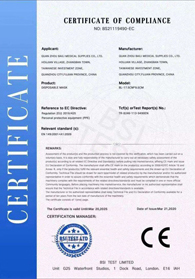

We ensure our equipment manufacturing processes meet the high standards expected by global food industries.
Frequently Asked Questions (FAQ)
1. What is the typical lifespan of your pork dehairing machines?
With proper maintenance and routine servicing, our dehairing machines are built for longevity, typically lasting 10-15 years or more. The robust construction and use of high-grade materials are designed for industrial uptime.
2. How much water does the machine use?
The integrated water spray system is designed for efficiency. While exact consumption depends on cleaning cycles and plant water pressure, our machines are optimized to minimize water usage compared to older or less advanced systems.
3. Can your machines handle different types of pork products or sizes?
Yes, our machines are engineered to handle standard market hogs. While they are optimized for typical sizes, the design accommodates a range. For exceptionally small or large animals, please consult with our technical team for suitability or customization options.
4. What are the power requirements?
The standard model YC-DH3000 requires 380V / 50Hz / 3 Phase. We can adapt the electrical configuration to meet regional power standards (e.g., 60Hz, different voltage) for international clients. Please specify your requirements.
5. What is the warranty period?
We offer a comprehensive warranty covering manufacturing defects. Please refer to our sales agreement for specific terms and duration, which typically covers key components for a defined period.
6. How long is the typical lead time from order to delivery?
Lead times vary based on current production schedules and customization requirements. Generally, standard models can be ready for shipment within 4-8 weeks. Complex ODM projects may require longer. We provide estimated lead times upon order confirmation.
What Our Clients Say
Real feedback from processors like you, who rely on our equipment daily.

Procurement Manager, US Pork Packers
"We upgraded our dehairing line with Yuanchang's YC-DH3000. The difference in consistency is night and day. We've seen a significant reduction in manual rework, and the carcass presentation is much cleaner. Their team was professional and handled the export logistics smoothly."

Operations Director, Mesoamérica Meats
"Reliability is key in our high-volume operation. Yuanchang's dehairing machine has been running non-stop with minimal fuss. Cleaning is straightforward, which is crucial for our food safety audits. We appreciate their understanding of operational needs."

Plant Manager, Sakura Pork Foods
"We needed a solution that wouldn't damage the skin, as it's a valuable product for us. Yuanchang delivered. The dehairing is thorough yet gentle. Their technical support during installation was also very helpful, providing clear instructions."
Ready to Elevate Your Pork Dehairing Process?
Discover how Hebei Yuanchang's advanced dehairing solutions can boost your efficiency, quality, and profitability.
Industry Data Sources:
【Meat Processing Equipment Market Size, Share & Industry Analysis - Fortune Business Insights - The global meat processing equipment market was valued at USD 11.29 billion in 2025 and is projected to reach USD 17.39 billion by 2034 at a CAGR of 5.0%.】
【Meat Processing Equipment Market Size, Share Report, 2030 - Grand View Research - The global meat processing equipment market was estimated at USD 11.28 billion in 2026 and is projected to reach USD 15.04 billion by 2030.】
【Processed Meat Market Size to Worth USD 1,330.45 Billion by 2035 - Precedence Research - The processed meat market is expected to reach USD 1,330.45 billion by 2035 at a CAGR of 6.03%.】
Chat with Our Experts: