Pig Scalder
High-Efficiency Pig Scalder Machines: Revolutionizing Pork Processing
Hebei Yuanchang Food Mechanism & Technology Co., Ltd. - Your Partner for Advanced Pork Processing Solutions

Introduction: The Critical Role of Efficient Pig Scalding in Pork Production
In the demanding world of pork processing, efficiency, hygiene, and product quality are paramount. The initial stages of preparing a pig carcass for further processing significantly impact the overall success and profitability of a meat operation. Among these crucial initial steps, the scalding process stands out. Pig scalding, the practice of immersing a hog carcass in hot water after slaughter, is not merely about removing hair; it's a meticulously controlled operation designed to loosen the hair follicles, facilitating easier and more thorough removal. The effectiveness of this step directly influences the subsequent butchering, dressing, and final product quality. An improperly scaled carcass can lead to labor-intensive manual hair removal, potential contamination, and an unappealing final product, impacting everything from production yield to market acceptance.
The global meat processing equipment market, a sector valued at over USD 11 billion in 2025 and projected to exceed USD 17 billion by 2034 (according to Fortune Business Insights), underscores the scale and importance of this industry. Within this expansive market, specialized equipment like pig scalder machines plays a foundational role. These machines are designed to handle the unique challenges of scalding – ensuring uniform temperature, sufficient immersion time, and efficient movement of carcasses through the hot water bath. The goal is simple yet critical: to prepare the carcass for dehairing with maximum effectiveness and minimal impact on meat quality. This requires a deep understanding of thermal dynamics, material science, and the operational flow of a modern abattoir.
For decades, the industry has relied on various methods, from simple vats to complex automated systems. However, the evolution of food safety regulations, increasing labor costs, and the drive for greater production throughput have pushed the demand for more sophisticated, hygienic, and energy-efficient scalding solutions. This is where a well-engineered pig scalder machine makes a tangible difference. It's not just about acquiring a piece of machinery; it's about investing in a critical component that enhances operational efficiency, upholds stringent hygiene standards, and ultimately contributes to a more profitable processing business. Many processors struggle with inconsistent results from older or less sophisticated methods, leading to bottlenecks in the dehairing stage and increased manual labor, which is costly and can introduce inconsistencies. The investment in a modern, purpose-built pig scalder is a direct response to these challenges.
At Hebei Yuanchang Food Mechanism & Technology Co., Ltd., we understand these operational realities. With 40 years of experience since 1986 in designing and manufacturing meat processing equipment, our expertise spans the entire production line. Our commitment is to provide robust, reliable, and technologically advanced solutions that meet the specific needs of pork processors worldwide. We recognize that a pig scalder is more than just a tank of hot water; it's a precision instrument engineered for the rigorous demands of industrial processing. Our development process incorporates feedback from countless operations, ensuring our machines address practical concerns like ease of cleaning, maintenance accessibility, and energy efficiency – factors that significantly impact the total cost of ownership and daily operational smoothness.
This landing page is dedicated to exploring the intricacies of pig scalder technology, its benefits, and how our advanced machines can optimize your pork processing operations. We will delve into the critical aspects, from the technical specifications that define performance to the operational advantages that translate directly to your bottom line. Whether you are looking to upgrade existing equipment, establish a new processing facility, or simply understand the state-of-the-art in scalding technology, you'll find valuable insights here. We aim to provide a clear, no-nonsense overview, grounded in our extensive manufacturing experience and deep understanding of the international B2B trade landscape for industrial equipment. Our goal is to empower you with the knowledge to make an informed decision, ensuring your investment in a pig scalder contributes positively to your business objectives and stands the test of time in a competitive market.
The selection of a pig scalder is a significant operational decision, influencing throughput, labor requirements, and even the quality of the finished meat product. Factors such as carcass size, processing volume, and desired dehairing efficiency all play a role. A machine that is too small can create a bottleneck, while one that is oversized might be an unnecessary capital expense. Furthermore, the type of heating system, water circulation, and carcass handling mechanism are all critical design elements that impact performance and maintenance. We believe in providing comprehensive information, allowing you to see beyond the basic function and appreciate the engineering that goes into a truly effective scalding solution.
Industry Pain Points: The Challenges of Traditional Pig Scalding
Many abattoirs grapple with outdated or inefficient scalding methods. These often lead to:
- Inconsistent Scalding: Uneven water temperatures or immersion times result in hair that's difficult to remove, necessitating more manual labor and increasing the risk of carcass damage.
- High Energy Consumption: Maintaining large volumes of water at precise temperatures can be a significant energy drain, impacting operational costs.
- Hygiene Concerns: Poorly designed scalding tanks can harbor bacteria and are difficult to clean thoroughly, posing a risk to food safety.
- Labor Inefficiencies: Manual intervention for loading, unloading, or post-scalding hair removal adds to labor costs and slows down the entire processing line.
- Water Quality Issues: Inadequate filtration or water management can lead to contamination of the carcass during the scalding process.
- Equipment Durability: Constant exposure to hot, humid conditions and corrosive elements requires robust construction to ensure longevity.
These issues translate directly into reduced productivity, increased operational expenses, and potential compliance failures. Addressing them requires a strategic approach to equipment selection.

Introducing the Yuanchang Pig Scalder: Engineered for Excellence
Our pig scalder machines are designed from the ground up to overcome these challenges, offering a superior solution for pork processors. Built with decades of manufacturing experience and a deep understanding of industry needs, each unit is a testament to our commitment to quality and performance. We leverage our in-house machining capabilities, including Japanese Mazak CNC machining centers, to ensure precision in every component.
Key Product Advantages:
- Optimized Temperature Control: Advanced heating systems and precise thermostats ensure consistent water temperature, crucial for effective hair loosening without cooking the meat.
- Uniform Immersion: Intelligent carcass handling mechanisms guarantee each side of the hog is fully and evenly submerged for the optimal duration.
- Enhanced Hygiene Design: Smooth, rounded surfaces, easy-access panels, and robust drainage systems facilitate rapid and thorough cleaning, minimizing bacterial growth.
- Durable Stainless Steel Construction: Fabricated from high-grade stainless steel (e.g., SUS304), our scalder units are built to withstand the demanding, corrosive environment of an abattoir for years.
- Energy Efficiency: Insulated tanks and optimized heating elements reduce energy consumption, leading to significant cost savings over the equipment's lifecycle.
- Reduced Labor Requirements: Automated loading and unloading options, coupled with superior scalding, minimize the need for manual intervention, streamlining your workflow.
- Customizable Solutions: We offer various capacities and configurations to match your specific throughput requirements and plant layout.

Our commitment extends beyond just manufacturing. We offer comprehensive support, from initial consultation to installation guidance and after-sales service, ensuring your investment delivers maximum value. The global processed meat market is expanding rapidly, projected to reach USD 1.33 trillion by 2035 (Precedence Research), underscoring the growing need for efficient processing infrastructure like our scalder machines.
Technical Specifications & Engineering Deep Dive
Understanding the technical capabilities of a pig scalder is essential for procurement managers and engineers evaluating new equipment. Our machines are engineered with precision and durability in mind. Below are typical specifications, though custom designs are always an option.
| Feature | Standard Model A (Medium Capacity) | Custom Model B (High Capacity) |
|---|---|---|
| Material Construction | SUS304 Stainless Steel | Heavy-Duty SUS304/316 Stainless Steel |
| Tank Dimensions (L x W x H) | 3000mm x 1200mm x 900mm | Customizable (e.g., 4500mm x 1500mm x 1000mm) |
| Heating System | Electric Immersion Heater (50-75 kW) or Steam Injection | High-Efficiency Steam Coils or Indirect Electric Heating |
| Water Circulation | Integrated Pumps for Even Heat Distribution | High-Flow Pumps with Multi-Point Distribution Jets |
| Carcass Handling | Automated Chain Conveyor System | Heavy-Duty S-Type Hook System or Overhead Rail Integration |
| Temperature Control | Digital Thermostat (±1°C tolerance) | Advanced PLC Control System with PID Regulation |
| Capacity (Pigs/Hour) | Approx. 60-90 | Approx. 120-200+ |
| Voltage/Power | 380V/50Hz/3Phase (Customizable) | Customizable based on facility |
| Features | Water Level Sensor, Auto Fill, Overflow Outlet | Integrated De-linting function (optional), Auto-Drain, Easy-Clean Access Doors |
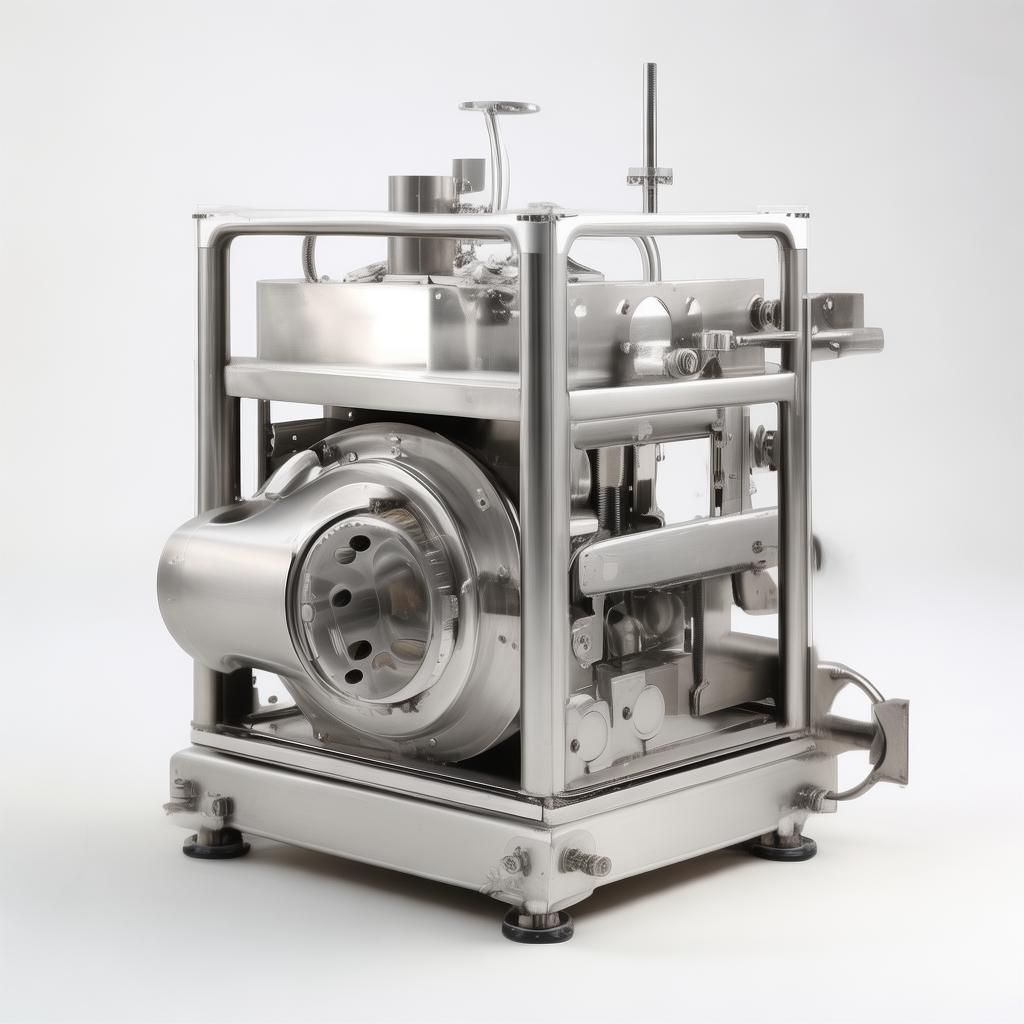
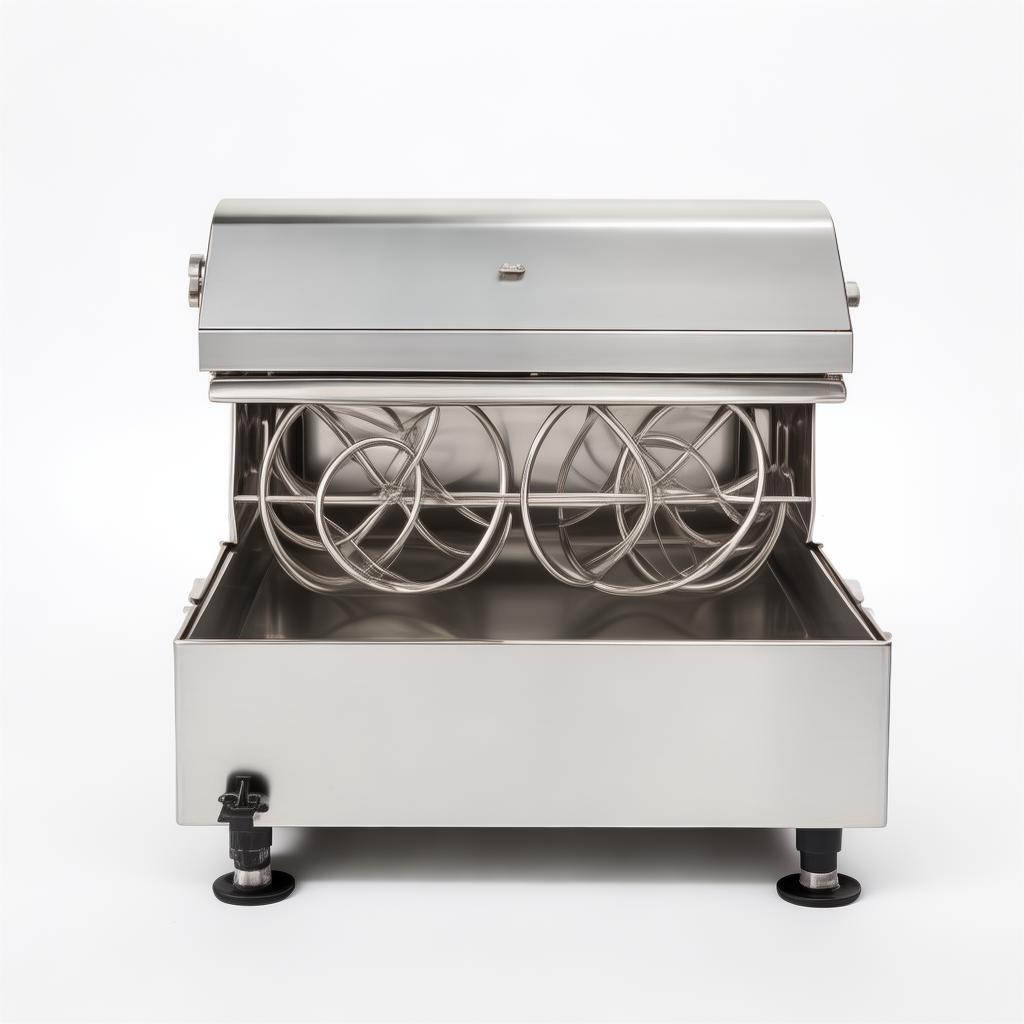
hog scalder equipment dehairing machine for pigs hog dehairer
Our engineering team is adept at integrating these machines into existing production lines. We understand that a pig scalder is part of a larger system, and its performance is interdependent with upstream and downstream equipment. Factors like dwell time, water volume, and carcass density are all calculated to ensure optimal results. As the global meat processing equipment market continues its upward trajectory, with projections indicating a CAGR of around 5.0% to 5.6% (various market reports), investing in precise, reliable equipment like ours is a strategic move.
Application Scenarios & Operational Insights
Our pig scalders are designed for a wide range of pork processing facilities, from medium-sized regional abattoirs to large-scale industrial operations. They are crucial components in:
- Slaughterhouses: Essential for preparing hogs for immediate dehairing and evisceration.
- Pork Processing Plants: Integral for consistent high-volume output of dressed carcasses.
- Specialty Meat Processors: For operations focused on specific cuts or products requiring a perfectly prepared carcass.
Operational Insight: The ideal scalding temperature for pigs typically ranges between 58°C to 65°C (136°F to 149°F). The exact temperature and duration (dwell time) depend on factors like the pig's age, fat content, and the desired outcome for dehairing. Over-scalding can lead to a cooked exterior, negatively affecting meat quality and appearance, while under-scalding makes hair removal difficult. Our machines are designed to maintain this critical temperature range with high precision.

Installation, Maintenance & Longevity
Investing in quality equipment means ensuring it's installed correctly and maintained properly to maximize its lifespan and operational efficiency. Our machines are designed for straightforward installation, but we recommend consultation with experienced technicians to integrate them seamlessly into your plant's workflow. Proper water supply, drainage, and power connections are critical.
Maintenance Schedule:
- Daily: Thorough cleaning of the tank, conveyor, and any removable parts. Check water levels and heater functionality.
- Weekly: Inspect conveyor chains, sprockets, and bearings for wear. Check water circulation pumps. Ensure all safety guards are in place.
- Monthly: Inspect heating elements or steam coils for scaling or damage. Check control panel and electrical connections. Lubricate moving parts as per manual.
- Annually: Comprehensive system check by a qualified technician. Consider professional cleaning of heat exchangers.
With proper maintenance, our pig scalder units offer exceptional durability, often lasting over a decade in demanding industrial environments. This reliability is a direct result of our robust manufacturing processes and the high-quality materials we employ. Our traceable after-sales management system, combined with our ability to independently produce high-precision parts, ensures we can support you throughout the equipment's lifecycle.
Procurement Guidance & Supplier Evaluation
When sourcing industrial processing equipment, particularly for critical applications like pig scalding, a thorough procurement process is vital. Consider the following:
- Manufacturer Experience: Look for suppliers with a long history in meat processing equipment manufacturing. Our 40 years of experience are a testament to our deep industry knowledge.
- Customization Capabilities: Can the supplier adapt the equipment to your specific needs? We excel at offering tailored solutions.
- Material Quality & Construction: Ensure the use of food-grade stainless steel and robust fabrication techniques for longevity and hygiene.
- Technical Support & After-Sales Service: Reliable support is crucial for uptime. We pride ourselves on our traceable after-sales management.
- Certifications & Compliance: While specific certifications for scalders vary, adherence to international standards for food processing equipment is important.
- Lead Times & Logistics: Understand production lead times and the logistics involved in international shipping. We have extensive experience in global export.
As an established OEM/ODM factory, we understand the importance of delivering on promises. We work closely with clients to define requirements, manage production schedules, and ensure timely delivery, whether it's a single unit or a complete processing line. Our ability to produce high-precision parts in-house gives us greater control over quality and delivery timelines.
Why Choose Hebei Yuanchang Food Mechanism & Technology Co., Ltd.?
We are not just a manufacturer; we are a solutions provider with a proven track record. Our facility covers approximately 14,000 square meters and is staffed by 80-100 dedicated professionals. Our in-house capabilities, including over 20 sets of advanced processing machinery and 8 Japanese Mazak CNC machining centers, allow us to control quality from raw material to finished product.
Our Strengths:
- 40 Years of Experience: Deep industry knowledge since 1986.
- Integrated R&D, Production, Sales: A seamless workflow from concept to delivery.
- High-Precision Manufacturing: State-of-the-art CNC machining capabilities.
- Comprehensive Product Lines: We offer solutions for pretreatment, filling, molding, and ripening.
- Global Export Expertise: Experienced in navigating international trade regulations and logistics.
- Traceable After-Sales Service: Ensuring long-term customer satisfaction.

We are committed to supporting the growth and efficiency of your meat processing operations. Our dedication to quality and innovation makes us a trusted partner for businesses worldwide.
Customer Testimonials
"The Yuanchang pig scalder has been a game-changer for our dehairing process. The temperature consistency is excellent, and it’s significantly reduced the manual labor needed to remove stubborn hairs. Cleaning is also much simpler than our old unit."

Operations Manager, USA
"We were looking for a reliable supplier for our new processing line. Hebei Yuanchang understood our capacity needs and provided a custom scalder that fit perfectly. The build quality is exceptional, and the lead time was within our expectations for international shipping."

Procurement Director, Canada
"The energy efficiency of this scalder is noticeable. Compared to our previous setup, we've seen a reduction in our utility bills. Plus, the automated handling has sped up our throughput considerably. Excellent engineering from the Yuanchang team."

Plant Supervisor, Australia
Frequently Asked Questions (FAQ)
A: Generally between 58°C to 65°C (136°F to 149°F). Our machines offer precise control to maintain optimal temperatures for your specific needs.
A: This depends on the model chosen. We provide detailed technical drawings and can advise on space requirements based on your selected configuration.
A: We offer a standard one-year warranty on parts and labor, with extended service agreements available. Our commitment to quality ensures robust performance from day one.
A: Yes, many of our models can be configured for steam heating, which is often preferred in facilities with existing steam infrastructure for cost-effectiveness.
A: Lead times vary based on model complexity and current production schedules. Standard models may take 4-6 weeks, while custom builds can take 8-12 weeks, plus shipping time. We provide accurate estimates upon inquiry.
Ready to Optimize Your Pork Processing?
Discover how Hebei Yuanchang's high-efficiency pig scalder machines can enhance your operation, improve hygiene, and boost productivity. We're ready to discuss your specific requirements and provide a tailored solution.
Phone: +86 15830991513 | E-mail: ycmeatmech@gmail.com