Palletwasser
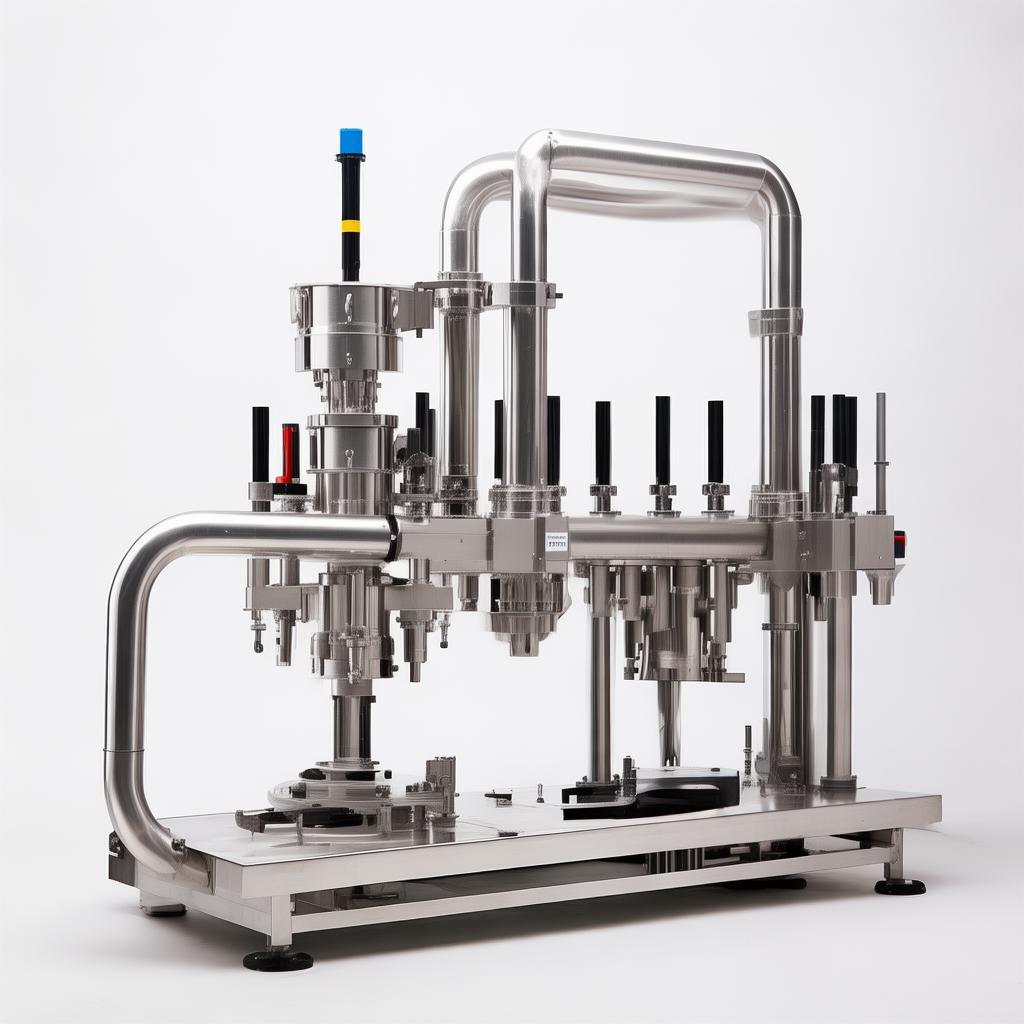
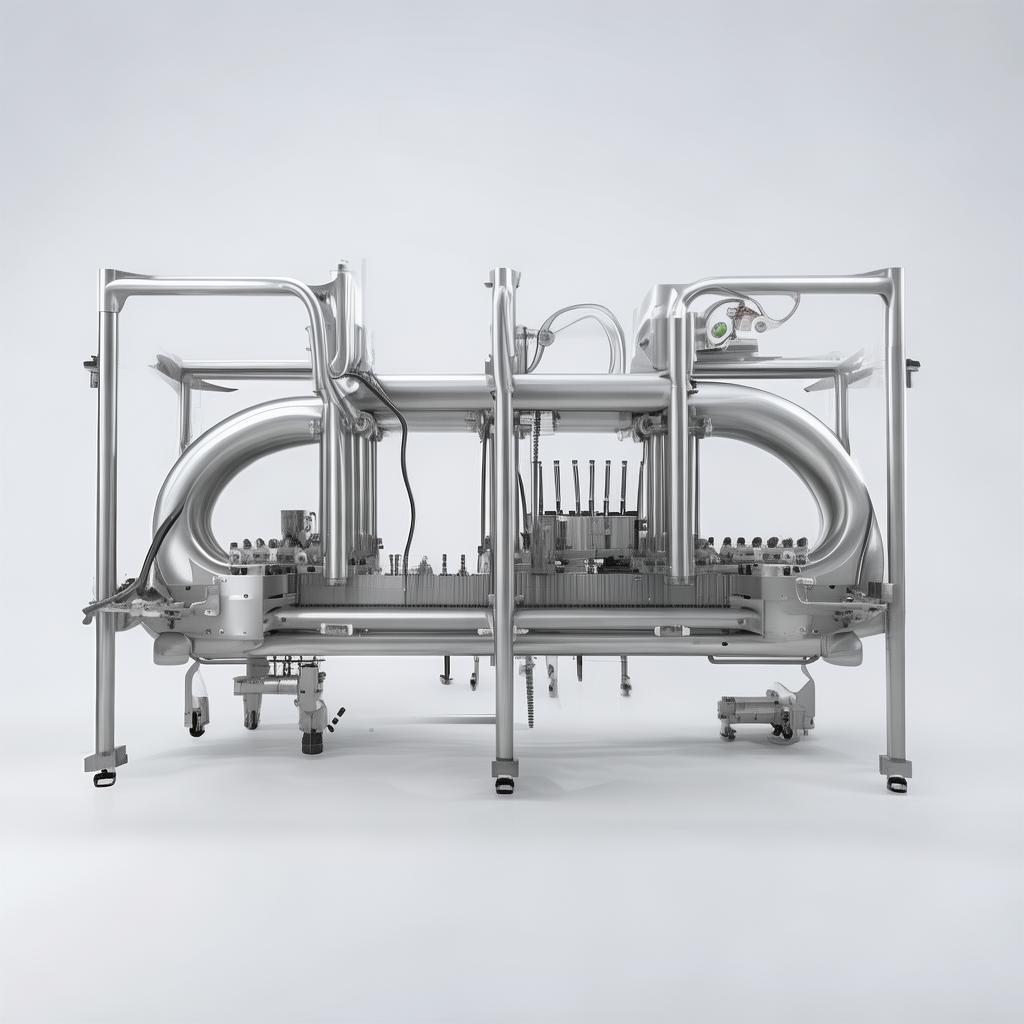
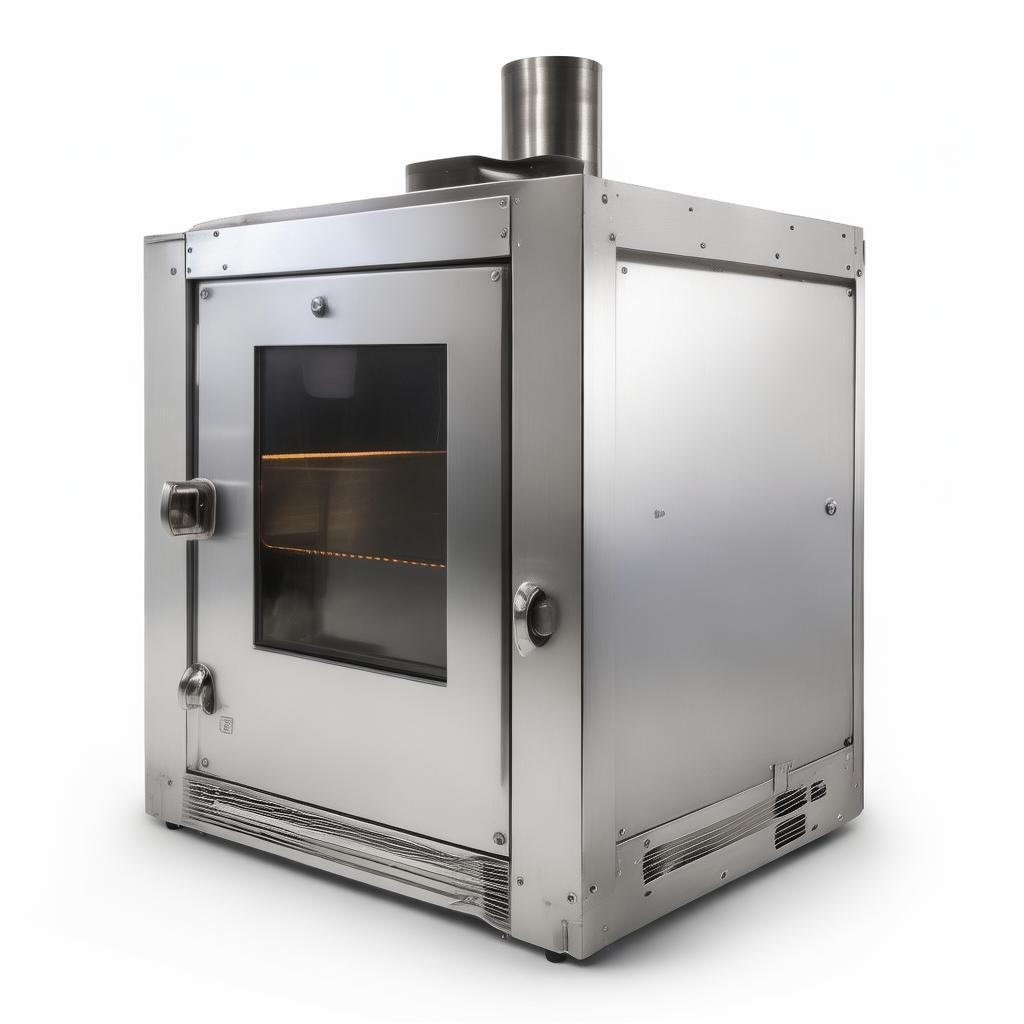
Palletizing Solutions: Optimizing Your Industrial Throughput and Storage Efficiency
Expert insights into advanced palletizing equipment and strategies for global wholesale and manufacturing operations.
 By Alex Chen, Senior Export Manager | Hebei Yuanchang Food Mechanism & Technology Co., Ltd.
The Crucial Role of Palletization in Global Trade
In the fast-paced world of international B2B trade and industrial manufacturing, efficient handling of goods from production to final destination is paramount. At the core of this operational efficiency lies the process of palletization – the strategic stacking and securing of products onto pallets for streamlined transport, storage, and distribution. This isn't merely about stacking boxes; it's a critical logistical function that directly impacts cost-effectiveness, product integrity, warehouse space utilization, and overall supply chain velocity.
Consider the journey of a manufactured good. It moves from the production line, often involving complex processes like meat filling, molding, or ripening, to packaging, and then the crucial step of being prepared for shipment. Without effective palletization, this transition becomes a bottleneck. Manual stacking is labor-intensive, prone to errors, and poses significant ergonomic risks. Inconsistent stacking can lead to unstable loads, resulting in product damage during transit or warehousing – a costly and reputation-damaging issue. Furthermore, inefficient use of space on pallets and within storage facilities translates directly into higher shipping costs and reduced inventory capacity.
The global market for meat processing equipment, which heavily relies on robust palletization for its output, underscores this importance. Reports indicate the global meat processing equipment market was valued at approximately USD 11.29 billion in 2025, projected to reach USD 17.39 billion by 2034 with a CAGR around 5.0% (Fortune Business Insights). This growth is driven by rising demand for processed meats, increasing automation for hygiene and labor efficiency, and stringent food safety standards. Equipment like filling machines, molding machines, and ripening systems (using massagers) produce goods that invariably need to be palletized. Similarly, the broader processed meat market is expected to reach significant figures, with demand for cured, smoked, and filled products driving the need for efficient handling and palletizing solutions.
From a wholesale export perspective, whether you're dealing with high-volume consumer goods, sensitive food products requiring precise temperature control during ripening, or industrial components, the ability to palletize effectively is non-negotiable. It's about maximizing the cubic volume within shipping containers, optimizing warehouse racking systems, and ensuring that goods arrive at their destination in the same condition they left the factory. The implementation of advanced palletizing systems, ranging from semi-automatic layer forming machines to fully automated robotic palletizers, represents a significant investment that yields substantial returns through reduced labor costs, minimized product damage, and accelerated order fulfillment times.
At Hebei Yuanchang Food Mechanism & Technology Co., Ltd., with our 40 years of experience since 1986, we've seen firsthand how critical these foundational processes are. We specialize in equipment for the pretreatment of meat products, meat product filling and molding, and the ripening process for meat products. These processes inherently generate outputs that require efficient palletization. Understanding the nuances of product shape, weight, fragility, and stacking requirements is crucial. For instance, a batch of perfectly formed sausages needs a different palletizing strategy than rigid industrial parts. Our expertise extends to providing not just the processing machinery but also insights into the downstream logistics, including the integration of effective palletizing solutions that complement our production equipment.
The international trade landscape demands robust, reliable, and cost-effective solutions. The move towards Fit For Now (2026) readiness means businesses must adopt technologies that enhance agility, reduce waste, and improve operational resilience. Palletizing equipment plays a vital role in this. It's the unsung hero that ensures your valuable manufactured goods are handled with care and efficiency from port to port. This guide aims to demystify palletizing equipment, highlight its benefits, and offer practical advice for selecting the right solutions for your international B2B operations.
Navigating the Pitfalls: Common Material Handling & Palletization Challenges
Before diving into the solutions, it's essential to acknowledge the operational pain points that plague many businesses involved in wholesale export and manufacturing. These issues, if left unaddressed, can significantly erode profit margins and hinder growth.
- Labor Shortages & High Labor Costs: Finding and retaining skilled labor for manual stacking is increasingly difficult and expensive. The repetitive nature of palletizing tasks often leads to high turnover.
- Product Damage & Inconsistent Quality: Manual stacking is inherently inconsistent. Uneven loads, improper weight distribution, and product jostling during handling lead to damaged goods, returns, and wasted materials. This is particularly critical for food products where hygiene and integrity are paramount.
- Inefficient Space Utilization: Poorly stacked pallets mean less product per pallet, leading to more pallets needed, increased warehousing costs, and higher shipping expenses. Every square foot in a warehouse and every cubic meter in a shipping container has a cost.
- Ergonomic Risks & Worker Safety: Repeated heavy lifting and awkward movements in manual palletizing are major causes of workplace injuries. This impacts employee morale, incurs workers' compensation claims, and can lead to operational disruptions.
- Slow Throughput & Bottlenecks: Manual palletizing can become a significant bottleneck, especially during peak production periods. This delays shipments, impacts customer satisfaction, and can disrupt the entire supply chain.
- Inventory Management Complexities: Inconsistent pallet configurations make automated inventory scanning and management more challenging. This can lead to errors in stock tracking and fulfillment.
- Lack of Scalability: Manual operations are difficult to scale up or down quickly to meet fluctuating demand, putting businesses at a disadvantage in dynamic markets.
These challenges are amplified in international trade where lead times, customs, and diverse logistics environments add further complexity. Businesses are continuously seeking ways to mitigate these risks and streamline their operations. Modern palletizing solutions offer a direct answer to these pressing concerns, providing a pathway to enhanced efficiency and profitability.
Types of Palletizing Equipment: Finding Your Operational Fit
The term "palletizer" covers a range of machinery designed to automate the stacking of products onto pallets. The right choice depends heavily on your production volume, product type, available space, and budget. We often see clients looking for robust solutions that integrate seamlessly with their existing processing lines, especially those producing items like cured meats or formed products.
Semi-Automatic Palletizers
These systems still require significant human intervention but automate certain aspects of the stacking process. Operators are typically responsible for loading products onto a forming area or conveyor, and the machine then arranges them into a layer before depositing it onto the pallet. Workers also manage pallet supply and removal. These are often a good entry point for businesses looking to improve upon manual methods without a massive capital outlay.
Automatic Palletizers
These machines are designed to handle the entire stacking process autonomously. Products are fed to the palletizer, which then forms layers and places them onto the pallet according to pre-programmed patterns. They are faster and more consistent than semi-automatic units. For many manufacturers, particularly those producing high volumes of standardized products, automatic palletizers represent a significant leap in productivity.
Robotic Palletizers
Utilizing industrial robotic arms equipped with specialized grippers (vacuum, clamp, fork), robotic palletizers offer the highest degree of flexibility. They can handle a wide variety of product shapes, sizes, and weights, and can create complex stacking patterns. Their adaptability makes them ideal for mixed-product lines or facilities where product SKUs change frequently. For example, a facility processing various types of sausages or pre-packaged meat cuts might find robotic palletizing to be the most versatile solution.
Layer Forming Palletizers
These systems focus on creating complete layers of products before depositing them onto the pallet. They are highly efficient for uniform products like boxes, bags, or trays, ensuring consistent layer integrity. This method is widely adopted for its speed and the stability it provides to the final pallet load.
At Hebei Yuanchang, our machinery, such as meat filling and molding machines, can produce items that are ideally suited for automated or robotic palletizing. The consistent output from these machines means that upstream processes are less likely to be a bottleneck for the palletizing operation itself. We work with clients to understand their entire production flow, ensuring that our equipment, and indeed the subsequent handling systems like palletizers, are perfectly aligned.
The Tangible ROI: Core Advantages of Implementing Palletizing Solutions
Investing in appropriate palletizing technology isn't just about modernizing; it's a strategic move that delivers measurable improvements across your operations. The benefits resonate directly with procurement decision-makers focused on efficiency and cost reduction.
| Benefit | Impact on Your Business | Operational Realities |
|---|---|---|
| Reduced Labor Costs | Significantly cuts expenses associated with manual labor for stacking, wrapping, and moving pallets. Frees up staff for more value-added tasks. | Fewer personnel required for the loading dock or end-of-line packaging. Mitigates risks from labor shortages. |
| Minimized Product Damage | Consistent, secure stacking prevents shifting and crushing during transit and handling, reducing claims and returns. | Product integrity maintained from factory to client. Essential for high-value or fragile goods. |
| Optimized Space Utilization | Maximizes product density on each pallet and within warehouse storage (racking). | More units per pallet means fewer pallets to store and ship, directly lowering logistics costs. Increased warehouse capacity. |
| Increased Throughput Speed | Automated systems stack pallets much faster than manual labor, accelerating order fulfillment. | Reduces lead times and allows for quicker response to market demand. Prevents production bottlenecks. |
| Enhanced Worker Safety | Eliminates the risk of strains, sprains, and other injuries associated with heavy lifting and repetitive motions. | Fewer workplace accidents mean lower insurance premiums and improved employee morale. Compliance with safety regulations. |
| Improved Load Stability & Integrity | Precise, consistent stacking patterns create stable loads that withstand transit stresses better. | Reduced risk of load collapse during transport or automated warehouse operations. Essential for automated guided vehicles (AGVs). |
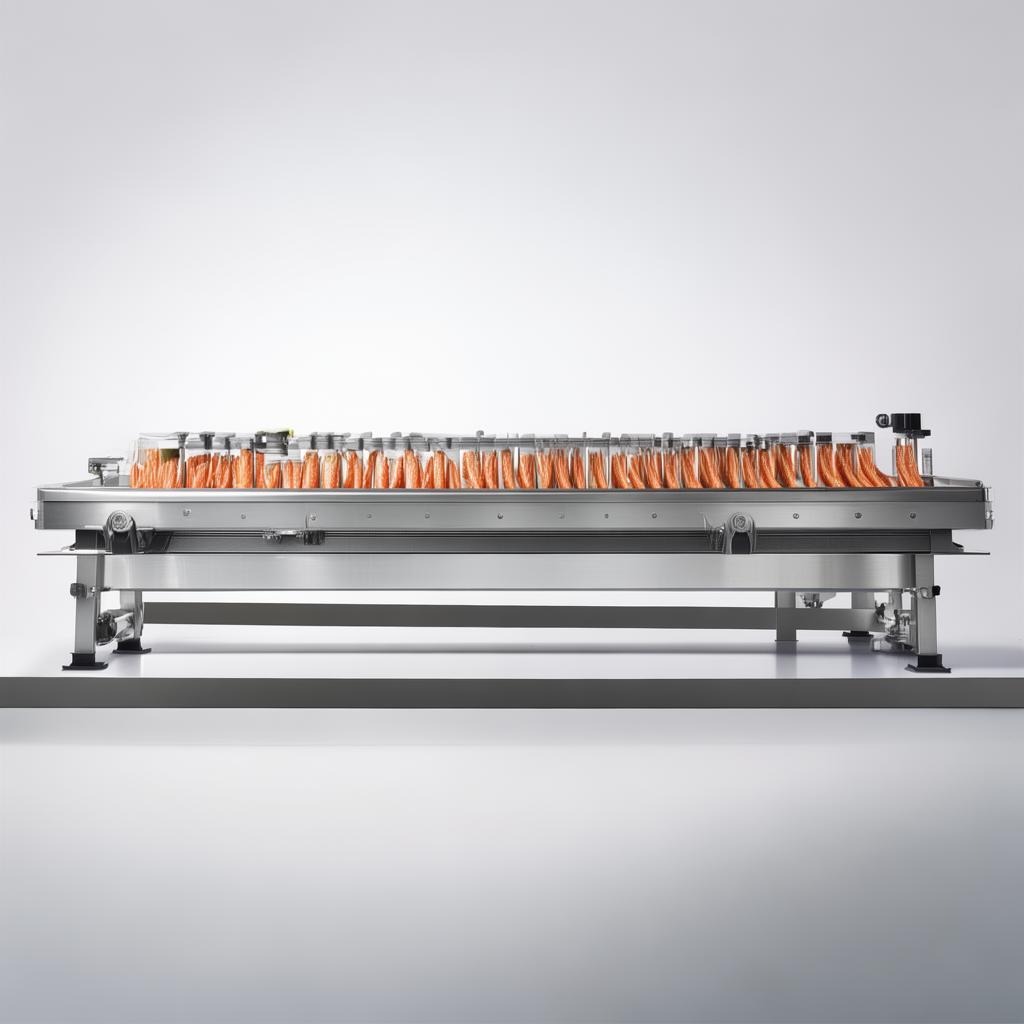
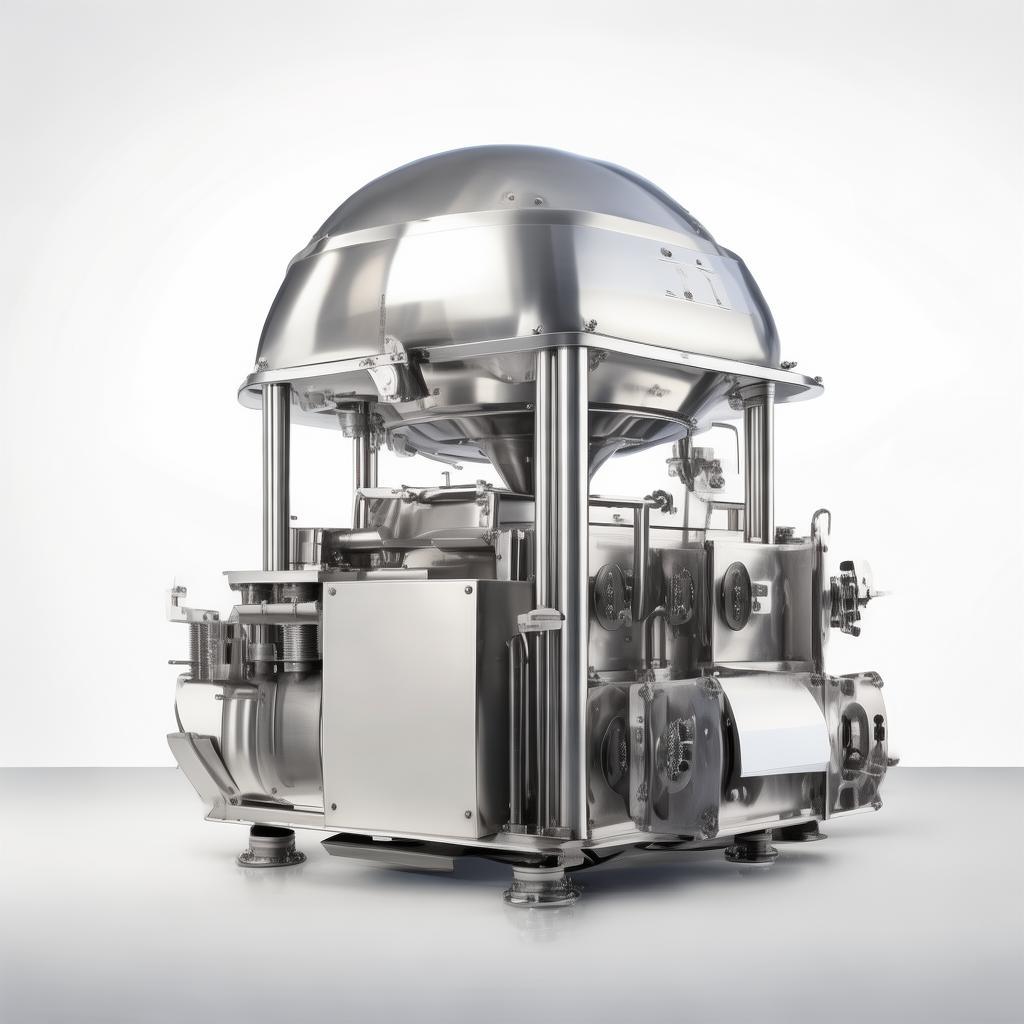
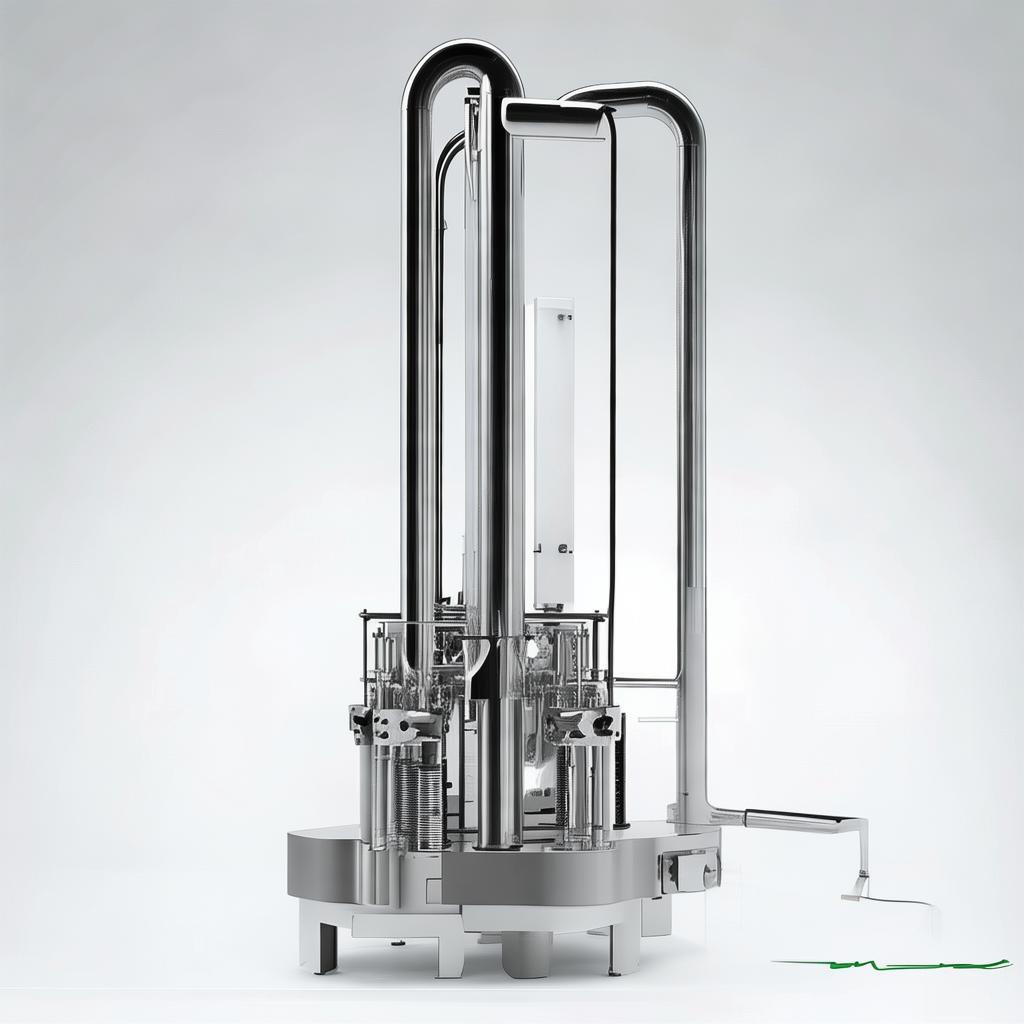
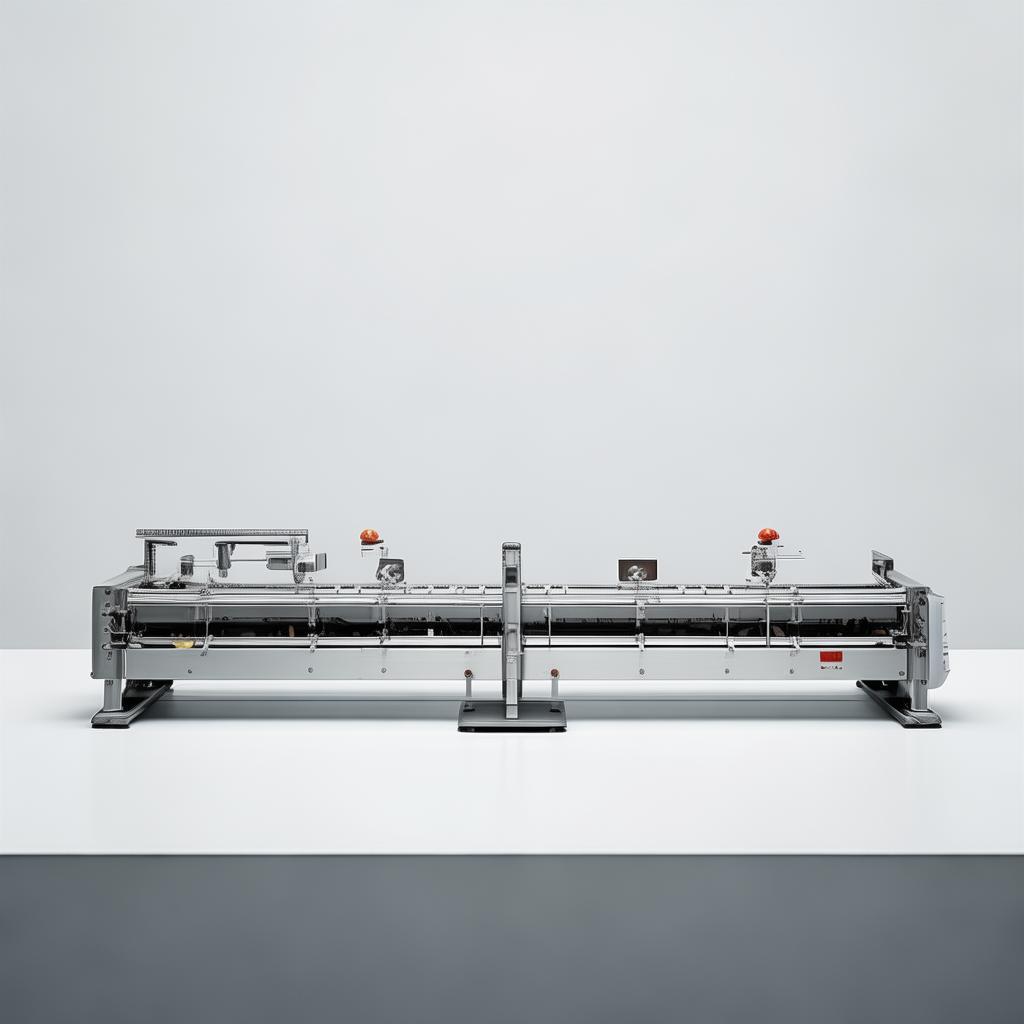
denester pallet dumper rotosolver
For a company like ours, producing specialized food processing equipment, understanding these benefits is key to advising our clients. A faster processing line needs a faster, more reliable palletizing solution to match. The ROI calculations often show that the investment in automation pays for itself within a relatively short period, especially when factoring in the cost of damaged goods and lost productivity.
Technical Deep Dive: Key Specifications for Palletizing Equipment
Selecting the right palletizing equipment requires a detailed understanding of its technical capabilities and how they align with your operational needs. Ignoring these details can lead to costly mismatches and underperforming systems.
Payload Capacity
This is the maximum weight the palletizer (especially robotic arms) can lift and place. It must comfortably exceed the weight of your heaviest product load. Overloading leads to premature wear and potential failure. Consider future product variations and increased packaging density.
Speed / Throughput Rate
Measured in cycles per minute (cpm) or pallets per hour (pph). This dictates how many pallets the machine can stack within a given timeframe. It's crucial to match this to your production line's output to avoid creating new bottlenecks.
Reach and Vertical Stroke (Robotic Palletizers)
For robotic systems, the reach (horizontal distance) and vertical stroke (height) determine the working envelope. This defines how far the robot can extend and how high it can stack. Ensure it covers your pallet footprint and desired stacking height.
Stacking Patterns & Flexibility
Can the system handle various interlocks, column stacks, or mixed-layer patterns? How easily can patterns be changed or programmed? Flexibility is key for businesses with diverse product lines or frequent promotional packaging changes.
Footprint and Layout Integration
The physical dimensions of the palletizer and its required surrounding clearance are critical. Will it fit within your existing facility layout? Consider product infeed, pallet outfeed, and safety guarding requirements.
End-of-Arm Tooling (EOAT) / Gripper Type
For robotic palletizers, the gripper is vital. Vacuum grippers are common for bags and boxes, while clamp or fork grippers might be better for specific containers. For complex products, custom EOAT might be necessary. This is a core consideration for handling delicate items.
Power Requirements & Utilities
Understand the electrical, pneumatic, and any other utility requirements. Ensure your facility infrastructure can support the palletizer's demands.
Safety Features
Modern palletizers incorporate advanced safety features, including light curtains, safety interlocks, and emergency stops. Compliance with international safety standards (e.g., OSHA, CE) is non-negotiable.
Ease of Maintenance and Operation
Look for intuitive human-machine interfaces (HMIs), readily available spare parts, and clear maintenance schedules. A system that is difficult to operate or maintain will quickly become a liability.
When you consider our meat processing machinery, the output consistency is a major factor for downstream palletizing. If your filling and molding equipment produces uniform shapes, a more standard automatic palletizer might suffice. If you have highly varied product sizes, a flexible robotic system is often a better long-term investment. We can provide insights into the typical dimensions and weights of products coming off our lines to help you size upstream and downstream equipment accurately.
Versatile Applications Across Industries
Palletizing technology is not limited to a single sector. Its ability to efficiently and reliably stack goods makes it indispensable across a wide spectrum of B2B industries, especially those involved in wholesale export and large-scale production.
Food & Beverage
From bagged grains and canned goods to bottled beverages and packaged meats (like sausages, formed patties, or cured products), efficient palletizing is crucial for distribution. Hygiene standards are paramount, and equipment must be easy to clean. Our expertise in meat processing means we understand the unique handling requirements for these products, ensuring downstream palletization integrates seamlessly.
Manufacturing & Industrial
Boxes of components, raw materials, finished goods like engines, or construction materials – all require secure palletization for transport and storage. Durability and high throughput are key here.
Agriculture
Bags of fertilizer, feed, seeds, or harvested produce often move on pallets. Robust systems are needed to handle these typically heavy and sometimes irregular loads.
E-commerce & Warehousing
The explosion of e-commerce has placed immense pressure on warehouse operations. Automated palletizing is vital for quickly building outgoing shipments and efficiently storing incoming goods.
Pharmaceuticals & Chemicals
Secure, precise stacking is essential for these sensitive goods to prevent damage and ensure compliance with strict regulations. Containment of potentially hazardous materials is a consideration.
Pet Food Processing
Similar to human food processing, pet food production involves bags and boxes of varying sizes that require efficient palletizing for distribution to retailers and distributors worldwide. The market for pet food processing equipment is growing, mirroring trends in human food.
The global processed meat market, projected to reach substantial figures like USD 1,253.77 billion by 2034 (Fortune Business Insights), relies heavily on efficient palletizing for everything from cured meats to formed products. This interconnectedness highlights why understanding your entire value chain, from production to shipment, is so critical.
Choosing Your Partner: Key Considerations When Selecting a Palletizer Supplier
Selecting a supplier for industrial equipment is a significant decision. The wrong choice can lead to operational headaches, costly downtime, and unmet production goals. Here’s what procurement managers and operations directors should evaluate:
Experience and Track Record
Look for a supplier with a proven history in your specific industry or with similar product types. Ask for references and case studies. How long have they been in business? Do they understand the complexities of your market?
Technical Support & After-Sales Service
This is often overlooked but is critical. What is their response time for technical issues? Do they offer remote diagnostics? What is the availability and cost of spare parts? A reliable supply of spare parts is crucial for minimizing downtime. Can they provide on-site training and maintenance services?
Customization Capabilities (OEM/ODM Potential)
If you have unique requirements, can the supplier offer custom solutions or modifications? This is where OEM (Original Equipment Manufacturer) and ODM (Original Design Manufacturer) capabilities become important. Can they adapt their designs to your specific workflow or facility constraints?
Integration Expertise
Can they ensure their equipment integrates smoothly with your existing production lines or warehouse management systems (WMS)? This requires a good understanding of automation and control systems.
Cost of Ownership (Not Just Initial Price)
Consider not only the upfront purchase price but also installation costs, energy consumption, maintenance, spare parts, and potential downtime. A slightly more expensive but more reliable and efficient machine often offers a better total cost of ownership.
Geographic Reach & Logistics
For international trade, the supplier's ability to ship, install, and service equipment globally is vital. What are their lead times? How do they handle international shipping and customs documentation?
At Hebei Yuanchang, we pride ourselves on our long-standing commitment to our clients. With 40 years of experience, we understand the importance of robust manufacturing, reliable after-sales service, and the need for equipment that performs consistently in demanding international markets. We offer comprehensive support, ensuring that your investment in our processing equipment, and the subsequent palletizing solutions you adopt, is well-supported throughout its lifecycle.
Hebei Yuanchang: Your Partner in Manufacturing Excellence
When you partner with Hebei Yuanchang Food Mechanism & Technology Co., Ltd., you're aligning with a manufacturing entity built on decades of practical expertise and a relentless pursuit of quality. Our facility is more than just a production site; it's the engine that drives the precision and reliability of our specialized equipment.
Spanning approximately 14,000 square meters, our operations are managed by a dedicated team of 80-100 skilled professionals. This robust infrastructure allows us to seamlessly integrate research and development, advanced production, and efficient sales processes. Our focus is on delivering machinery for the pretreatment, filling, molding, and ripening of meat products – processes that are foundational to many food export businesses.
Our in-house machining workshop is a testament to our commitment to precision. Equipped with over 20 sets of advanced processing machinery, including lathes, milling machines, high-precision grinding machines, and wire cutting equipment, we possess the capability to manufacture intricate and critical components with exceptional accuracy. The strategic integration of 8 sets of Japanese Mazak CNC machining centers since 2012 further elevates our capacity. This allows us to undertake the production of high-standard components requiring large volumes, extreme precision, and non-standard specifications – a critical factor when integrating with complex international supply chains.
This in-house control over component manufacturing is what enables our traceable after-sales management system. We can independently produce high-precision parts, ensuring that any need for replacement or enhancement is met promptly and with unwavering quality. This independence translates directly into worry-free after-sales service for our global clientele. Whether you require a complete production line or specific auxiliary items, our capabilities ensure you receive equipment built to last and perform.
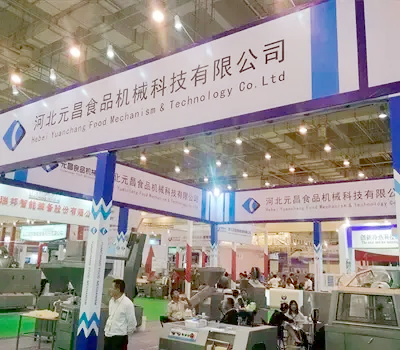
We understand that the success of your international export operations hinges on the reliability of your manufacturing partners. Our 40 years of accumulated practical knowledge, combined with our state-of-the-art manufacturing facilities, positions us as a dependable source for critical food processing equipment that sets the stage for efficient downstream handling, including palletization.
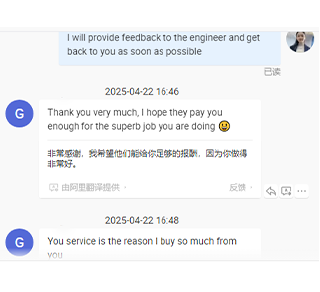
Client Interactions: Building Trust Through Clear Communication
We believe in transparent communication and responsive support. Here are glimpses of our interactions with clients regarding their specific needs:


Frequently Asked Questions about Palletizing Solutions
Q1: How do I determine the right type of palletizer for my business?
This depends on several factors: your production volume (items per minute/hour), the type and weight of products you handle (boxes, bags, trays, individual items), the required stacking patterns, and your budget. For high-volume, consistent products, automatic palletizers are efficient. For varied products or complex patterns, robotic palletizers offer more flexibility. We can help assess your needs based on the output of our processing equipment.
Q2: What is the typical lead time for ordering and installing a palletizer?
Lead times can vary significantly based on the complexity of the machine and the supplier's current production schedule. Standard automatic palletizers might have lead times of 8-16 weeks, while custom robotic systems could take longer. Installation and commissioning can add another 1-4 weeks. It's essential to plan well in advance.
Q3: Can palletizing equipment handle mixed product SKUs on a single pallet?
Yes, especially robotic palletizers are adept at handling mixed SKUs and creating complex, mixed-layer patterns. Automatic palletizers can also be programmed for certain mixed-product scenarios, but it requires careful configuration. Flexibility in programming is key for this capability.
Q4: What are the maintenance requirements for palletizing equipment?
Regular preventative maintenance is crucial for longevity and optimal performance. This typically involves daily cleaning, weekly checks of lubrication and wear parts, and periodic inspections of safety systems and electrical components. Suppliers usually provide detailed maintenance schedules. For our processing equipment, regular cleaning is also vital, especially in food applications.
Q5: How does palletization contribute to international shipping efficiency?
Well-palletized loads maximize the use of space within shipping containers and trucks. Consistent stack heights and secure loads reduce the risk of damage during transit, minimizing claims and ensuring goods arrive in good condition. This direct impact on freight density and product integrity is vital for cost-effective global trade.
Q6: Are palletizers compliant with international safety standards?
Reputable manufacturers design their equipment to meet or exceed relevant international safety standards, such as CE marking for Europe or OSHA guidelines for the US. Always confirm compliance with the supplier.
What Our Clients Say

"Yuanchang's filling machines are top-notch. We integrated their equipment into our sausage production line, and the consistent output made upgrading our palletizer a logical next step. The efficiency gains have been significant."
Maria RodriguezProduction Manager, Mexico

"We were initially concerned about integrating new equipment, but Hebei Yuanchang provided excellent technical guidance. Their machinery for meat product molding works flawlessly, and they helped us understand the palletizing needs for our export market."
David LeeOperations Director, South Korea

"The reliability of their meat processing equipment is impressive. It's allowed us to scale up production significantly. While they don't manufacture palletizers directly, their insights into the downstream requirements were invaluable for our procurement process."
Sarah ChenProcurement Lead, USA
Ready to Optimize Your Operations?
Discover how Hebei Yuanchang's industry-leading meat processing equipment can streamline your production, creating a perfect foundation for efficient palletization and global export success.
Or visit our contact page: ycmeatmech.com/contacts.html