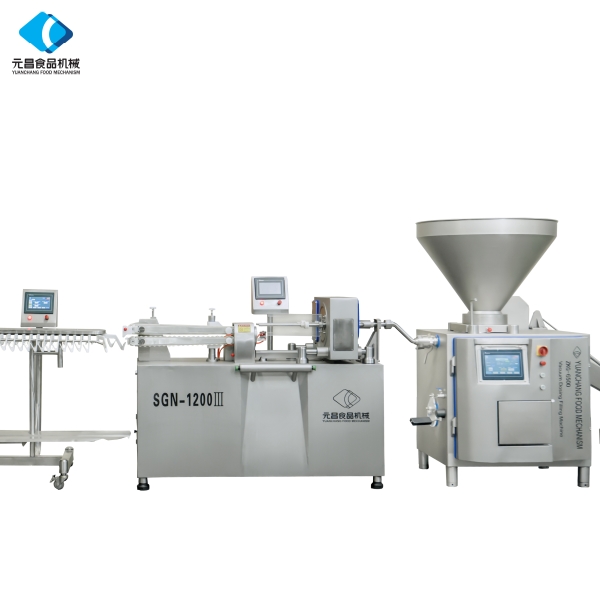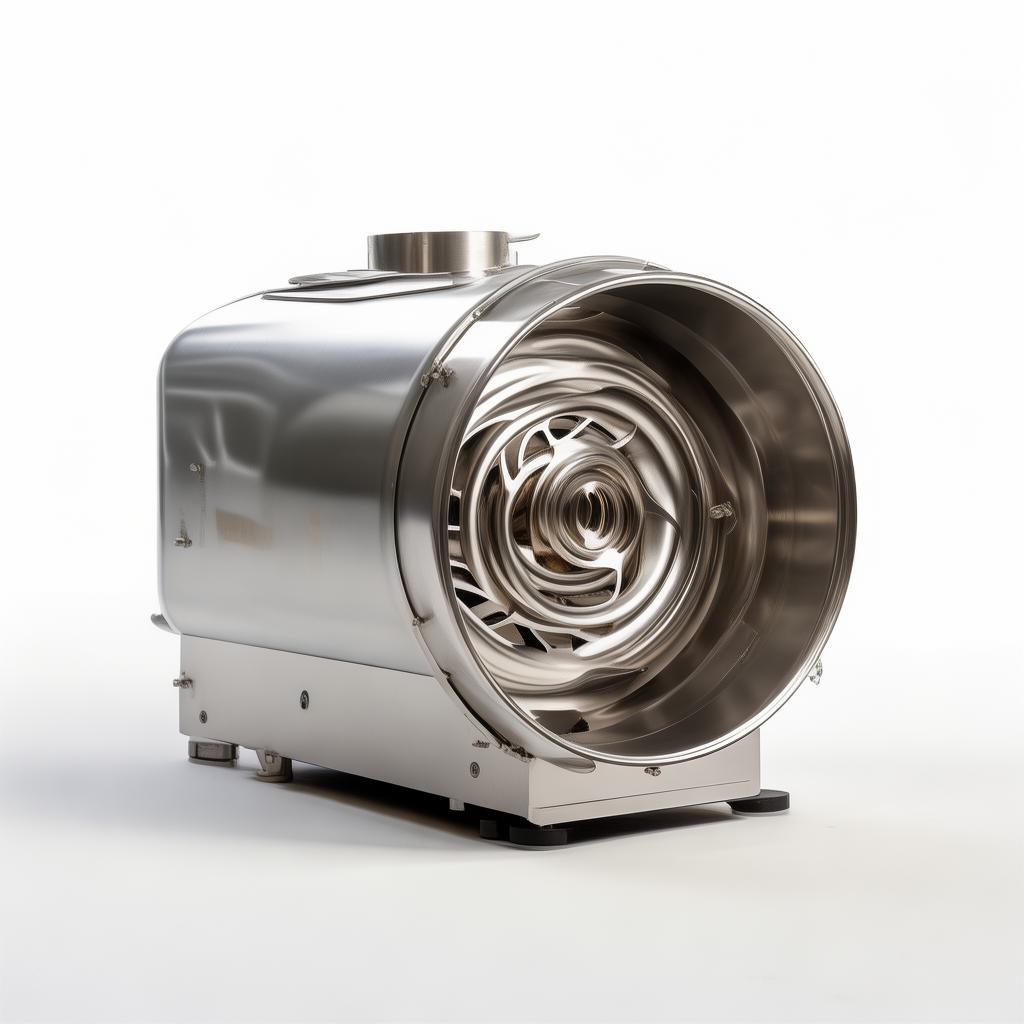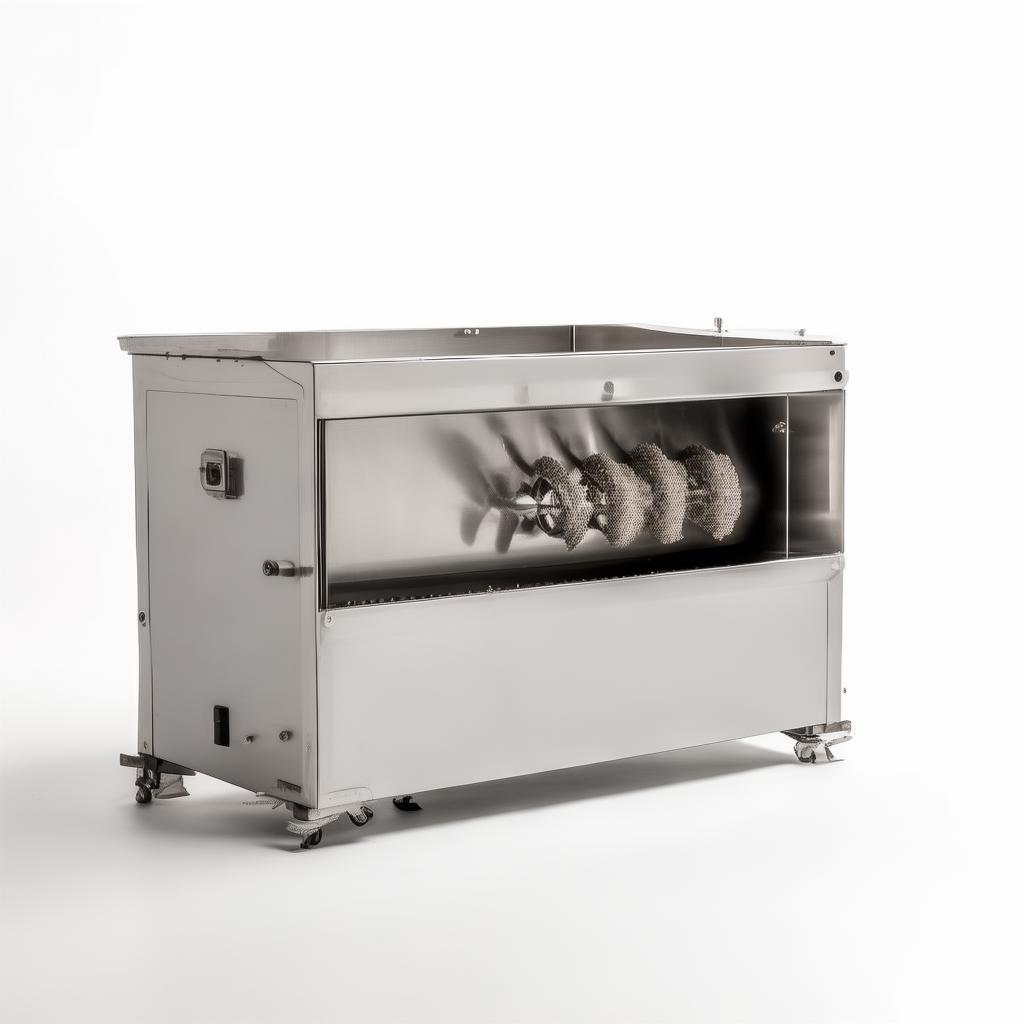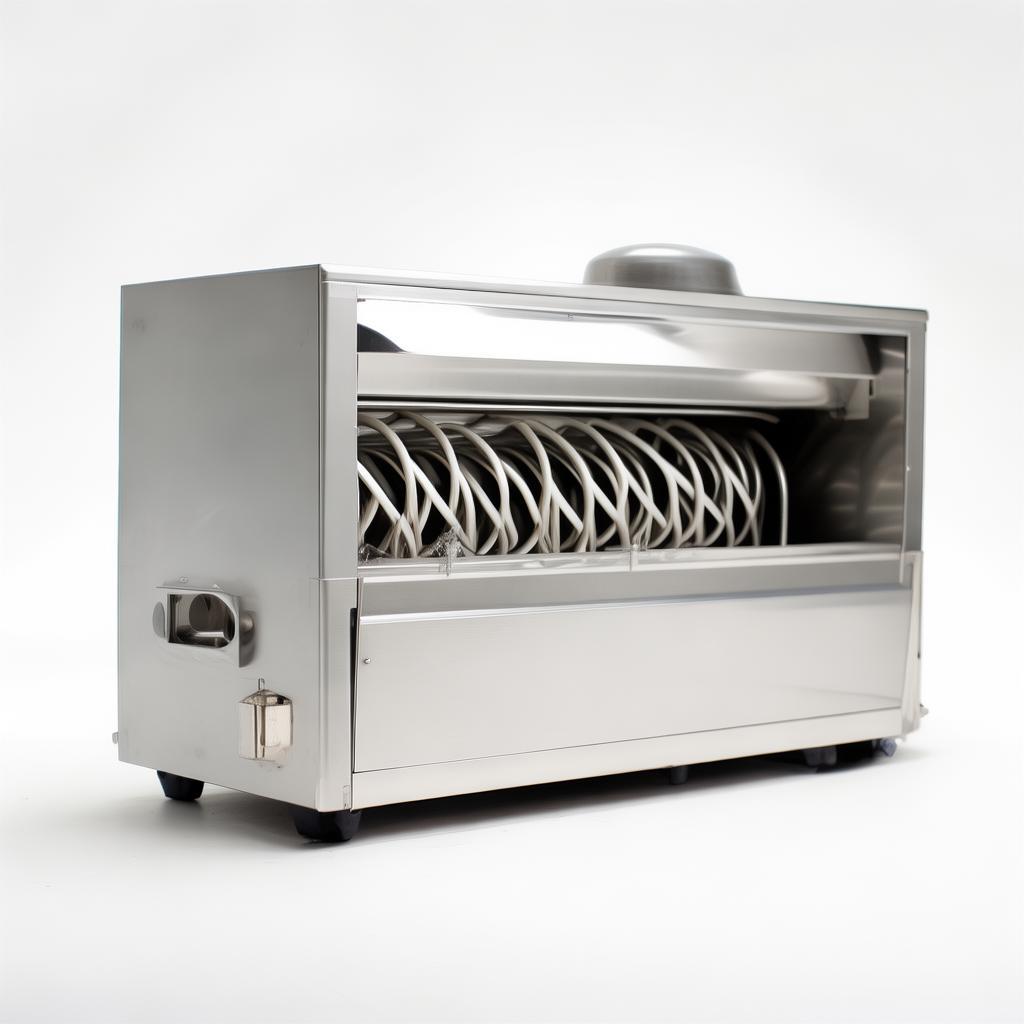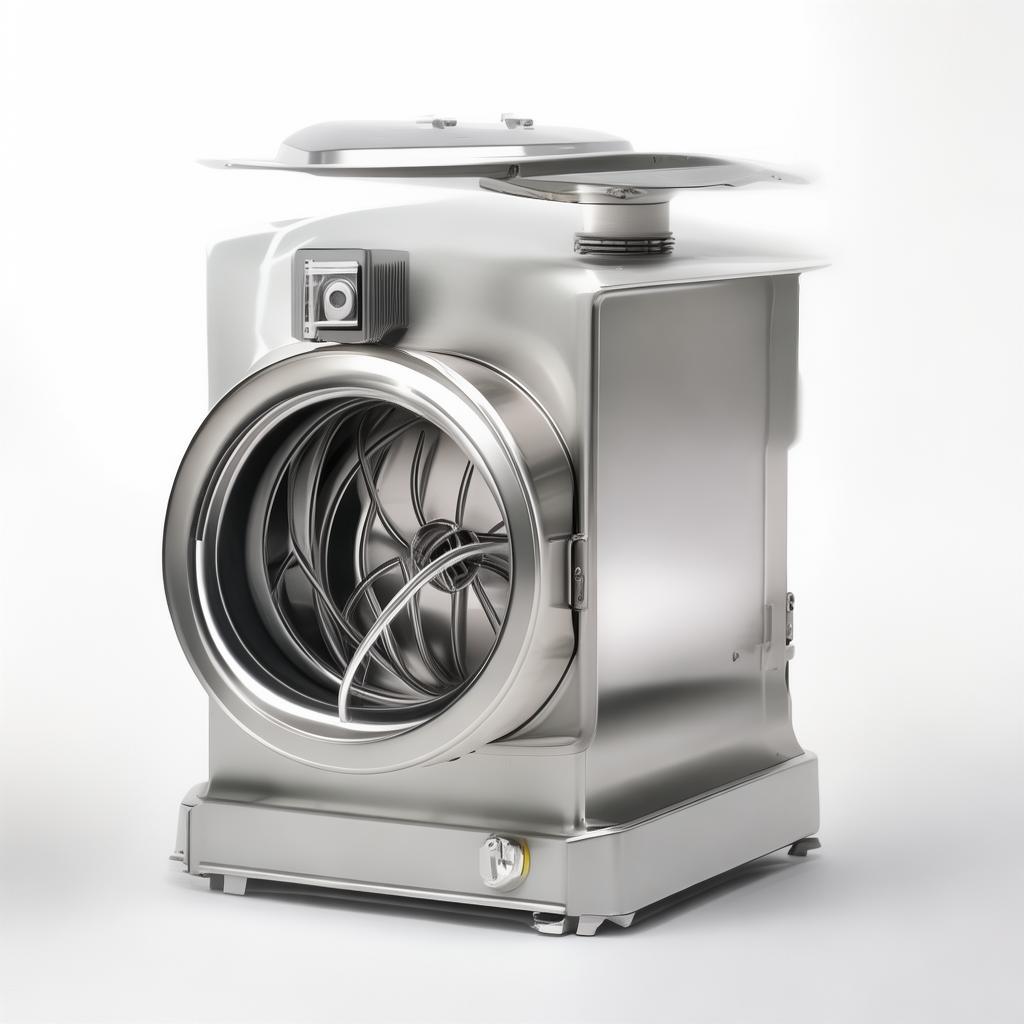
Paddle Conveyor
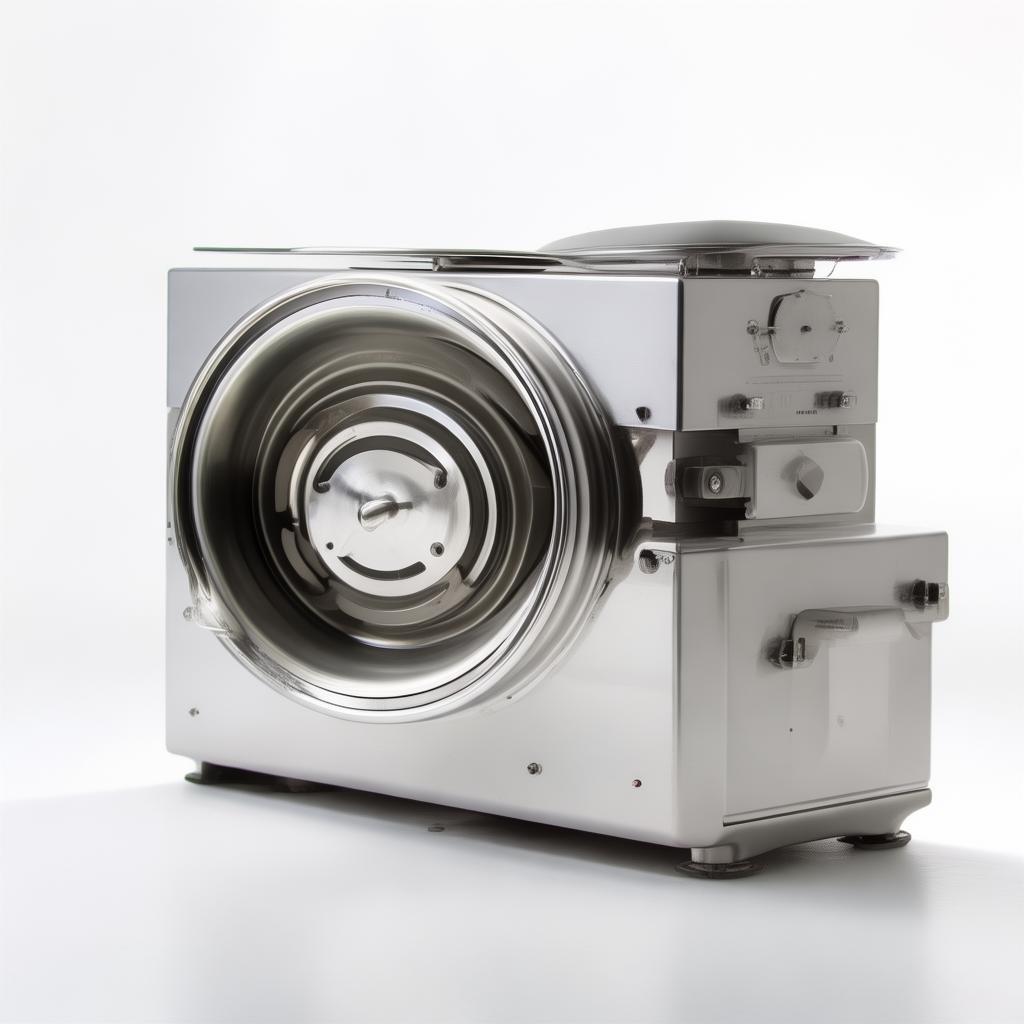
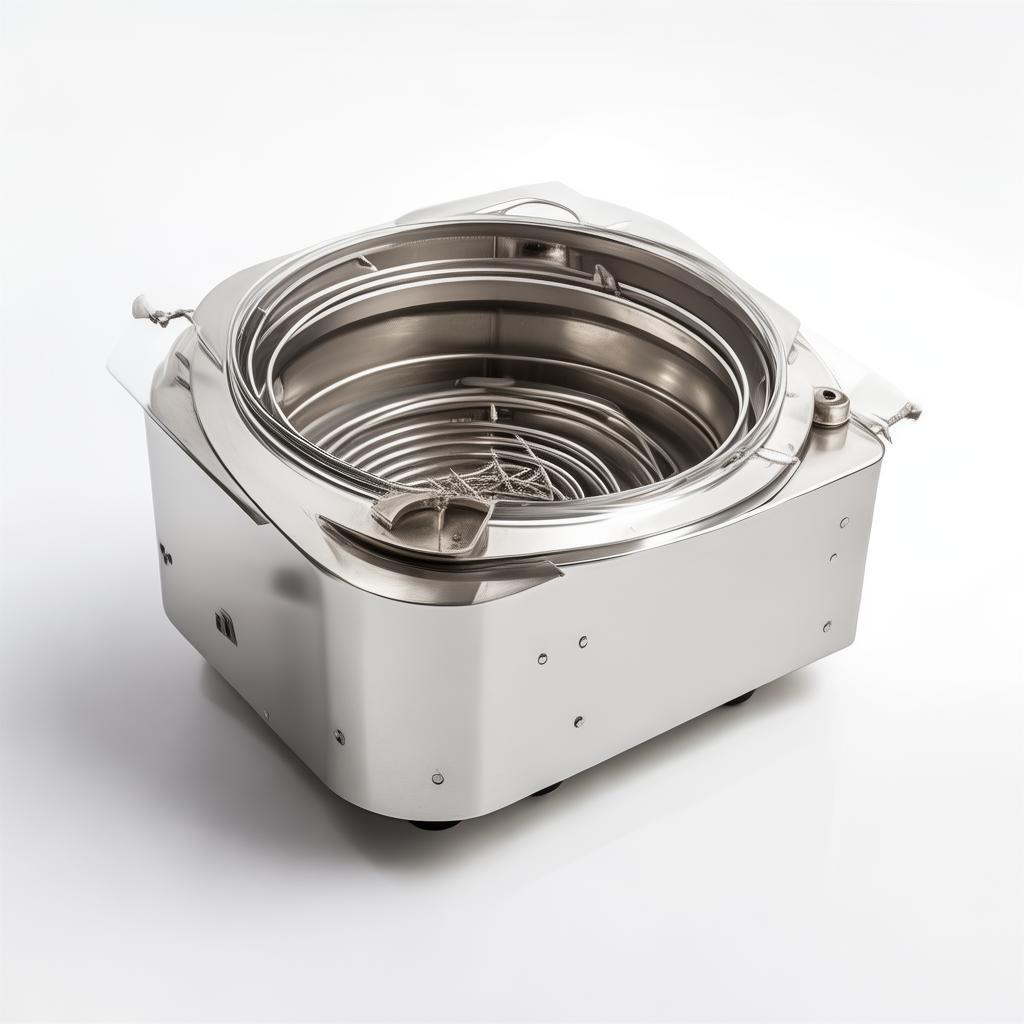
Paddle Conveyors: Precision Handling for Industrial Throughput
Hebei Yuanchang Food Mechanism & Technology Co., Ltd. | Enabling Efficient Material Transfer
Optimizing Bulk Material Handling: The Essential Role of Paddle Conveyors
In the demanding world of industrial material handling, efficiency, reliability, and precision are non-negotiable. Whether you're processing food products, managing chemical compounds, or dealing with bulk solids in manufacturing, the method you choose to move materials can directly impact your bottom line. Traditional belt or screw conveyors have their place, but for certain applications involving bulk solids, powders, granules, or even sticky or sensitive materials, they often fall short. This is where the robust and versatile paddle conveyor emerges as a critical piece of equipment. It’s designed to tackle challenges that simpler systems can’t, offering a controlled, gentle, and highly effective way to transport materials across processing stages.
The global meat processing equipment market, for instance, is a multi-billion dollar industry, projected to reach significant figures like USD 19.11 billion by 2035 according to Precedence Research, growing at a CAGR of 4.89%. Within this sector, the efficient movement of ingredients, minced meats, and semi-finished products is paramount. Similar dynamics are at play across industries like chemicals, plastics, pharmaceuticals, and even agriculture. The demand for processed meat, a market expected to exceed USD 1,253.77 billion by 2034 (Fortune Business Insights), inherently drives the need for specialized handling equipment that maintains product integrity and hygiene. A paddle conveyor, often integrated into larger processing lines, plays a vital role in this intricate dance of production. It’s not just about moving something from point A to point B; it’s about doing so without degradation, contamination, or unnecessary energy expenditure.
Understanding the nuances of paddle conveyor design and application is key for any operations manager, procurement specialist, or plant engineer aiming to optimize their workflow. These systems are engineered with specific material characteristics in mind – their flowability, abrasiveness, temperature sensitivity, and tendency to clump or bridge. Unlike an open belt that can expose materials to the environment or a screw conveyor that can cause shear damage, a paddle conveyor typically operates within an enclosed casing, providing a contained and controlled environment. This enclosure is crucial for safety, preventing dust escape, and maintaining process control, particularly in environments with stringent hygiene or hazardous material regulations.
The core principle of a paddle conveyor involves a series of paddles, often mounted on a chain or belt, that traverse a trough or casing. These paddles act like a gentle, continuous scoop, pushing the material forward without excessive agitation. The design of the paddles – their shape, size, material, and spacing – is critical and can be customized based on the specific application. For instance, materials that are prone to sticking might require paddles with a non-stick coating or a specific sweeping action, while abrasive materials might necessitate hardened steel or specialized polymer paddles. The enclosed nature of the system also means it can operate efficiently in situations where other conveyor types might fail, such as inclined or even slightly vertical transport of certain bulk solids.
Furthermore, the material of construction for the conveyor itself is a significant consideration. Stainless steel is common in food processing and chemical applications due to its corrosion resistance and ease of cleaning. For less demanding applications, carbon steel might suffice. The sealing of the casing is also vital to prevent leakage and ingress of contaminants. This attention to detail in design and material selection is what distinguishes a high-performance paddle conveyor from a generic bulk handling solution. It’s this specialization that allows operations to maintain product quality, meet regulatory standards, and achieve consistent throughput day after day.
The market for meat processing equipment, which heavily utilizes such systems for pretreatment, molding, and ripening processes, is a clear indicator of the importance of efficient material transfer. With a projected market size of USD 15.04 billion by 2030 (Grand View Research), the demand for reliable machinery is consistently high. Paddle conveyors are instrumental in stages where materials need to be mixed, gently transported between different machines (like a filler and a mold), or conveyed through a ripening or smoking process. Their ability to handle a wide range of bulk densities and flow characteristics makes them adaptable to various product formulations.
When procurement professionals evaluate equipment, they’re looking for more than just a price tag. They’re assessing longevity, maintenance requirements, energy efficiency, and how well the equipment integrates into their existing or planned production lines. A well-designed paddle conveyor, like those engineered by Hebei Yuanchang, minimizes downtime, reduces labor costs associated with manual handling, and ensures product consistency. The investment in quality equipment upfront often translates to significant savings in operational costs and reduced product loss over time. It’s about building a resilient and profitable operation, and the right conveyor technology is foundational to that goal.
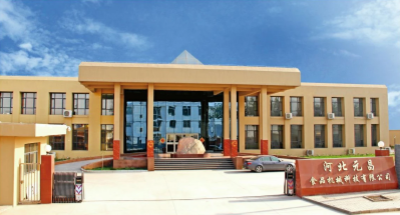
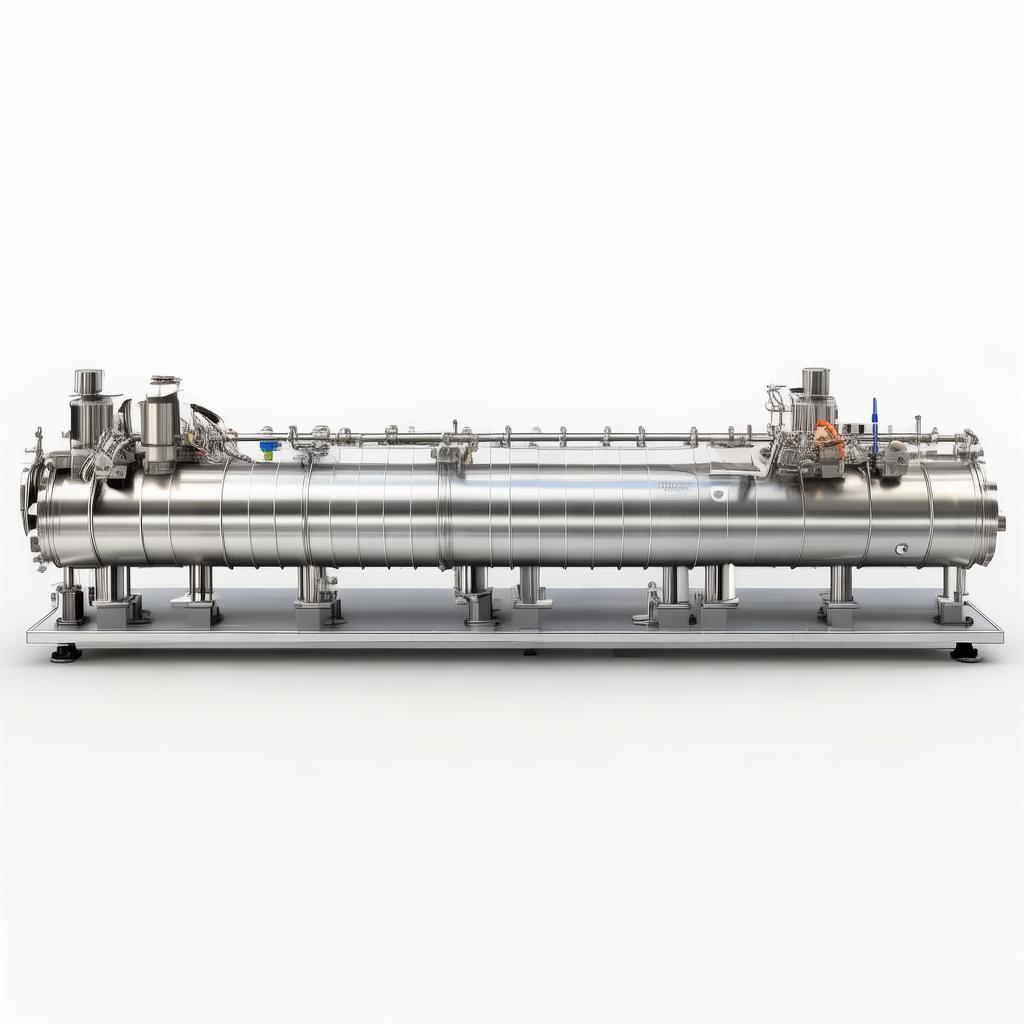
A typical paddle conveyor installation showcasing controlled material flow.
Common Operational Challenges in Bulk Material Handling
Many processing plants face recurring issues that slow down production and impact product quality. Identifying these pain points is the first step toward finding the right solution, and often, the material handling system is at the heart of the problem.
- Product Degradation: Traditional conveyors can be too aggressive, leading to breakage, pulverization, or uneven particle size distribution, especially with delicate materials.
- Material Sticking & Bridging: Sticky or hygroscopic materials often clump on conveyor surfaces or form bridges in hoppers, causing blockages and requiring frequent manual intervention.
- Dust & Contamination: Open conveyor systems can lead to product loss through dust, and expose materials to airborne contaminants, compromising hygiene and safety standards.
- Inconsistent Feed Rates: Variations in how material is introduced to or moved by a conveyor result in uneven downstream processing, affecting batch consistency and quality control.
- Limited Versatility: Standard conveyors may struggle with inclines, require large footprints, or be unsuitable for a wide range of material consistencies (e.g., from fine powders to wet pastes).
- Maintenance Downtime: Systems prone to wear, jamming, or material buildup require frequent cleaning and repairs, leading to costly production stoppages.
- Energy Inefficiency: Overly powered or poorly designed systems can consume excessive energy, driving up operational costs without a corresponding increase in throughput.
Addressing these challenges requires equipment designed for the specific demands of your product. A well-specified paddle conveyor offers a targeted solution for many of these common operational headaches, ensuring a smoother, more reliable process.
The Strategic Advantages of Employing Paddle Conveyors
When your process demands more than basic material movement, paddle conveyors offer a suite of benefits that translate directly into operational improvements and cost savings. Their design inherently addresses many of the shortcomings found in less specialized handling equipment.
Gentle Material Handling
The sweeping action of the paddles minimizes shear and breakage, preserving the integrity of granular, flake, or sensitive products. This is crucial for maintaining product quality and appearance, especially in food and pharmaceutical applications.
Controlled Enclosed Transport
Operating within a sealed trough, paddle conveyors prevent dust emission, minimize contamination risks from the environment, and contain odors. This is vital for safety, hygiene, and regulatory compliance, especially in food processing and chemical handling.
Versatile Application Range
They effectively handle a wide range of materials, including powders, granules, flakes, and even some sticky or semi-liquid products. Their ability to convey materials at various angles, including inclines, adds significant operational flexibility.
Reduced Sticking and Bridging
Paddles designed to sweep clean the trough help to prevent material buildup and bridging, common issues with sticky or cohesive substances. This leads to more consistent flow rates and less manual clearing.
Durable Construction
Built with robust materials like stainless steel or specialized alloys, paddle conveyors are designed for longevity in demanding industrial environments, reducing replacement frequency and maintenance costs.
Low Maintenance Requirements
With fewer moving parts exposed to the product and robust construction, paddle conveyors generally require less frequent maintenance compared to other conveyor types, minimizing operational disruptions.
Technical Specifications & Customization Options
The effectiveness of a paddle conveyor hinges on its precise engineering and suitability for the intended material and process. At Hebei Yuanchang, we pride ourselves on offering standard designs that perform exceptionally well, alongside the flexibility to customize for unique requirements. Below are typical specifications, but remember, your specific needs drive our design.
| Parameter | Standard Configuration | Customization Potential |
|---|---|---|
| Material Handling Capacity | Varies based on model size and speed (e.g., 1-10 m³/hr) | Adjustable via paddle size, trough width, and drive speed |
| Conveying Angle | Horizontal or inclined up to 45° | Up to 90° for specific material types with specialized paddle design |
| Materials of Construction | Food-grade Stainless Steel (e.g., SS304), Carbon Steel | SS316L, specialized coatings, wear-resistant alloys, food-grade polymers |
| Paddle Design | Rigid, fixed paddles (various shapes) | Flexible, sweeping, perforated, or heated paddles; custom materials |
| Drive System | Electric motor with gearbox, variable frequency drive (VFD) | Explosion-proof motors, higher IP ratings, integrated control panels |
| Casing/Trough | Enclosed steel trough with sealed access doors | Sanitary design with smooth internal surfaces, specialized seals, integrated dust collection ports |
| Temperature Range | Standard ambient to moderate heat (e.g., up to 80°C) | High-temperature designs, cooled paddles, or integrated heating elements |
| Length & Width | Customizable based on application footprint | Tailored to specific plant layout and throughput needs |
Our engineering team works closely with clients to define the optimal combination of these parameters. For example, processing meat products often requires SS304 or SS316L construction with smooth finishes and easily cleanable paddle designs to meet stringent hygiene standards. The Processed Meat Market is projected to reach USD 1,330.45 billion by 2035 (Precedence Research), highlighting the continuous need for specialized equipment that ensures both food safety and product quality.
Versatile Applications Across Industries
The robust design and gentle handling capabilities of paddle conveyors make them indispensable in a surprisingly broad array of industrial processes. Their adaptability ensures they can be tailored to meet the specific demands of each sector.
Food Processing
Ideal for transferring ingredients, bulk solids, frozen foods, pet food kibble, dough, pasta, vegetables, and cooked meats. The enclosed, sanitary design prevents contamination and maintains product integrity.
Chemical & Pharmaceutical
Suitable for conveying powders, granules, pellets, and even some sticky or hazardous chemicals. The contained system prevents dust release and cross-contamination, essential for safety and regulatory compliance.
Plastics & Polymers
Efficiently moves plastic pellets, granules, powders, and masterbatches. Their durability handles the abrasive nature of some plastic materials without significant wear.
Agriculture & Feed
Used for transporting grains, feeds, fertilizers, and other bulk agricultural products, often in inclined configurations to optimize space utilization.
Mining & Minerals
paddle mixers industrial paddle mixer in-line marination equipment
Capable of handling abrasive materials like ores, sands, and aggregates in appropriately hardened designs, providing a robust solution for tough environments.
Detergents & Cosmetics
Transfers powders and granules for soaps, detergents, and cosmetic products, maintaining product purity and preventing dust dispersion.
The broad applicability is a testament to the engineering versatility of paddle conveyor systems. As the Meat Processing Equipment Market continues its steady growth, with reports like one from Fortune Business Insights projecting USD 11.29 billion in 2025, the demand for reliable, specialized equipment like paddle conveyors will only increase. These systems are critical for integrating various stages of production, from initial ingredient handling to final product transfer.
Hebei Yuanchang: Your Partner in Precision Manufacturing
With over 40 years of experience since 1986, Hebei Yuanchang Food Mechanism & Technology Co., Ltd. has established itself as a reliable manufacturer of industrial equipment, including specialized material handling solutions. Our deep understanding of production processes, particularly in food and meat processing, allows us to engineer paddle conveyors that meet the highest standards of performance and durability.
Extensive Manufacturing Facility
Our 14,000 square meter facility is equipped to handle complex manufacturing. We employ a team of 80-100 skilled professionals dedicated to quality production.
In-House Machining Excellence
Our comprehensive machining workshop boasts over 20 sets of processing machinery. Since 2012, we've integrated Japanese Mazak CNC machining centers, enabling us to produce high-precision, non-standard components with exceptional accuracy.
40 Years of Expertise
Since 1986, we've accumulated invaluable practical knowledge in complete production line solutions, particularly in meat processing, giving us unique insight into material handling challenges.
Traceable Quality Control
Our traceable after-sales management system and independent part production capabilities ensure that every component meets our stringent quality requirements, leading to worry-free operation for our clients.
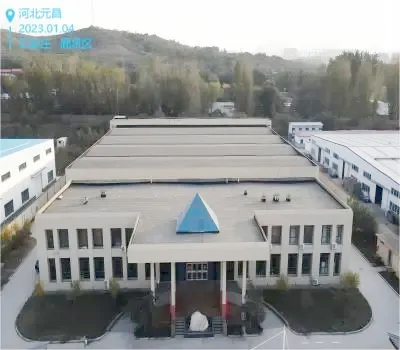
Precision machining at Hebei Yuanchang ensures component accuracy and system reliability.
We understand that choosing an international supplier involves more than just product specifications. It's about trust, consistency, and a commitment to quality that spans decades. Our export experience and dedication to client satisfaction make us an ideal partner for businesses worldwide seeking efficient and reliable material handling solutions.
Frequently Asked Questions About Paddle Conveyors
We’ve compiled answers to some of the most common inquiries regarding paddle conveyor systems to help you make an informed decision.
-
Q: What types of materials can a paddle conveyor handle?
Paddle conveyors are exceptionally versatile. They excel with powders, granules, flakes, small lumps, and even some sticky or semi-liquid materials. Their gentle sweeping action makes them ideal for products prone to breakage or degradation, such as certain food ingredients, plastic pellets, or pharmaceutical powders.
-
Q: How do paddle conveyors differ from belt or screw conveyors?
The primary difference lies in their mechanism and application. Belt conveyors are best for flat, non-bulky items or light bulk materials. Screw conveyors are great for moving materials within a pipe or trough, but can cause shear damage. Paddle conveyors use a series of paddles to gently push material within an enclosed trough, making them superior for bulk solids that need contained, controlled, and gentle transport, especially at inclines.
-
Q: Are these systems suitable for food processing applications?
Absolutely. Our paddle conveyors are frequently built with food-grade stainless steel (SS304 or SS316L), featuring sanitary designs, smooth surfaces, and easy-to-clean components. They meet the stringent hygiene standards required for processing meats, dairy, baked goods, and other food products. The enclosed system also prevents external contamination.
-
Q: What is the typical maintenance required for a paddle conveyor?
Paddle conveyors generally have low maintenance requirements due to their robust construction and the enclosed nature of their operation. Routine checks typically involve inspecting the drive system, checking chain/belt tension, ensuring paddles are secure, and cleaning the trough and paddles during planned downtime. We provide detailed maintenance manuals to ensure longevity.
-
Q: Can paddle conveyors handle abrasive materials?
Yes, with the right material specifications. For highly abrasive materials, we can construct the conveyor using wear-resistant steel alloys or apply specialized coatings to the trough and paddles. This ensures durability and extends the service life of the equipment in challenging environments.
-
Q: What are the lead times for custom-designed paddle conveyors?
Lead times vary based on the complexity of the customization, material availability, and our current production schedule. Typically, standard configurations might be ready within 4-8 weeks, while highly customized solutions could take 8-12 weeks or longer. We provide an estimated lead time upon order confirmation.
What Our Clients Say
Real feedback from businesses that have integrated our paddle conveyors into their operations.
"The paddle conveyor from Hebei Yuanchang has significantly improved our dough handling. Before, we had issues with sticking and tearing, but this system moves it gently and consistently. Installation was straightforward, and their team provided excellent support."

Operations Manager, Bakery Co.
"We needed a reliable way to move our plastic pellets from the extruder to the next stage without damage. The custom-built paddle conveyor they provided works flawlessly. It's robust, efficient, and the enclosed design keeps our production area much cleaner."

Plant Supervisor, Polymer Solutions Inc.
"The export process was smooth, and the paddle conveyor arrived well-packaged. It's integrated into our pet food line and handles the kibble perfectly, maintaining its structure. We appreciate the straightforward operation and minimal downtime."

Production Lead, Premium Pet Foods
Ready to Optimize Your Material Handling?
Let our experts help you select or design the ideal paddle conveyor system for your specific needs. We offer unparalleled manufacturing experience and a commitment to quality that ensures your operation runs smoothly and efficiently.
Contact Us Directly:
Phone: +86 15830991513 | E-mail: ycmeatmech@gmail.com
Address: Shijiazhuang, Hebei Province, China | Visit our website