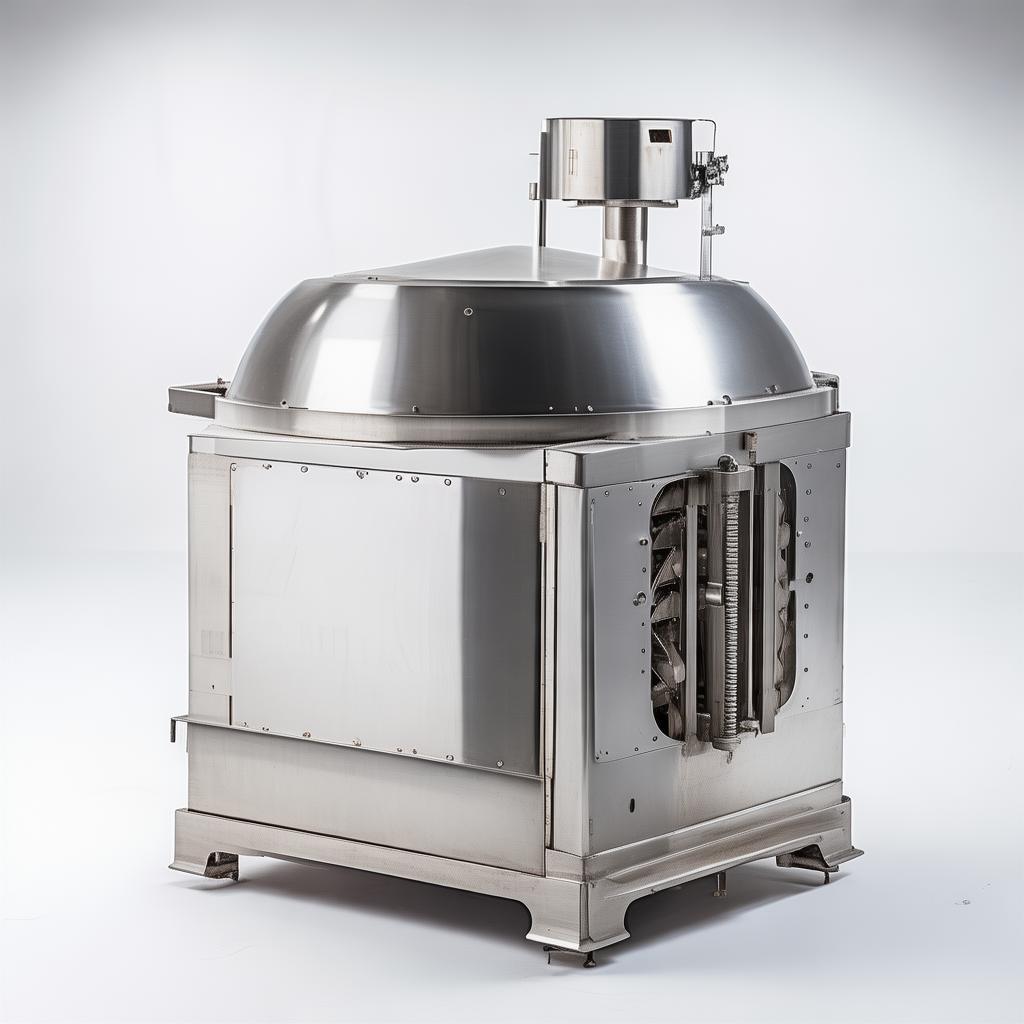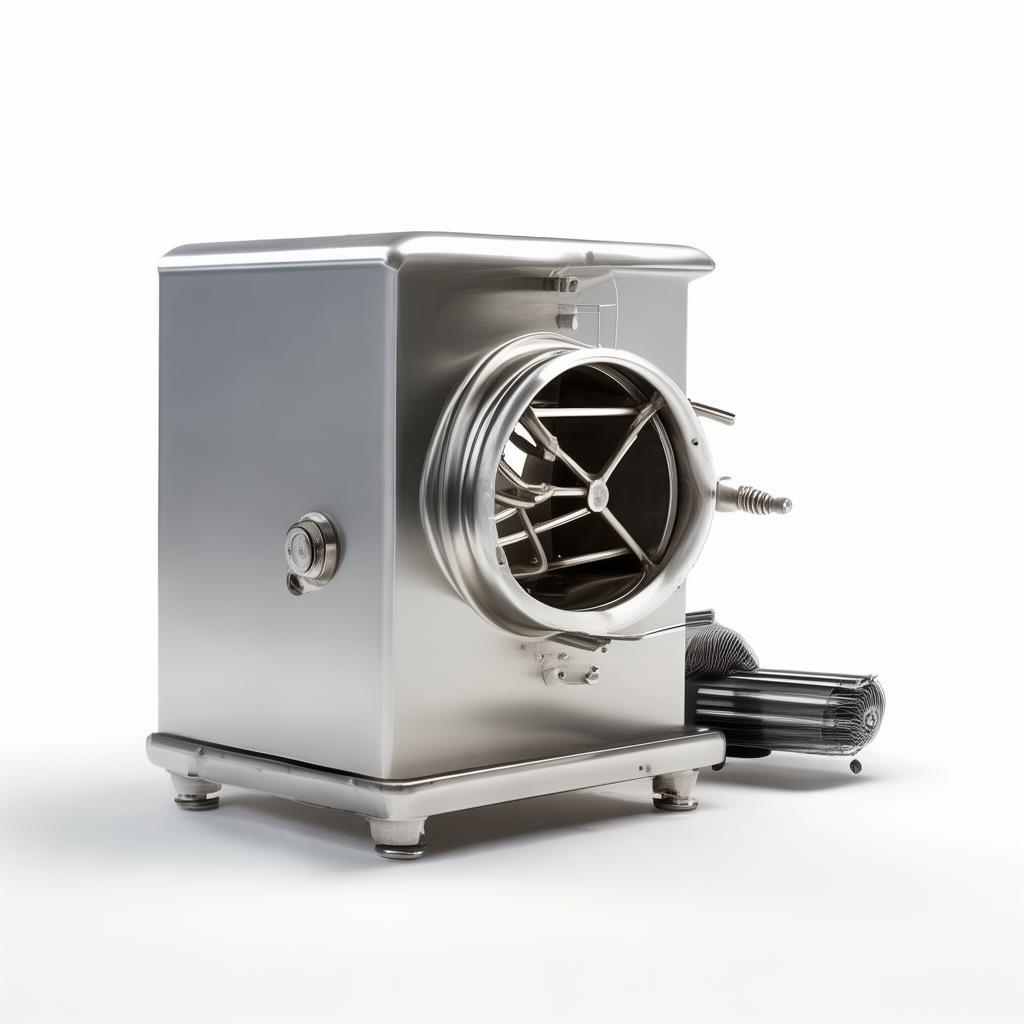
Oil Vacuum Cleaner
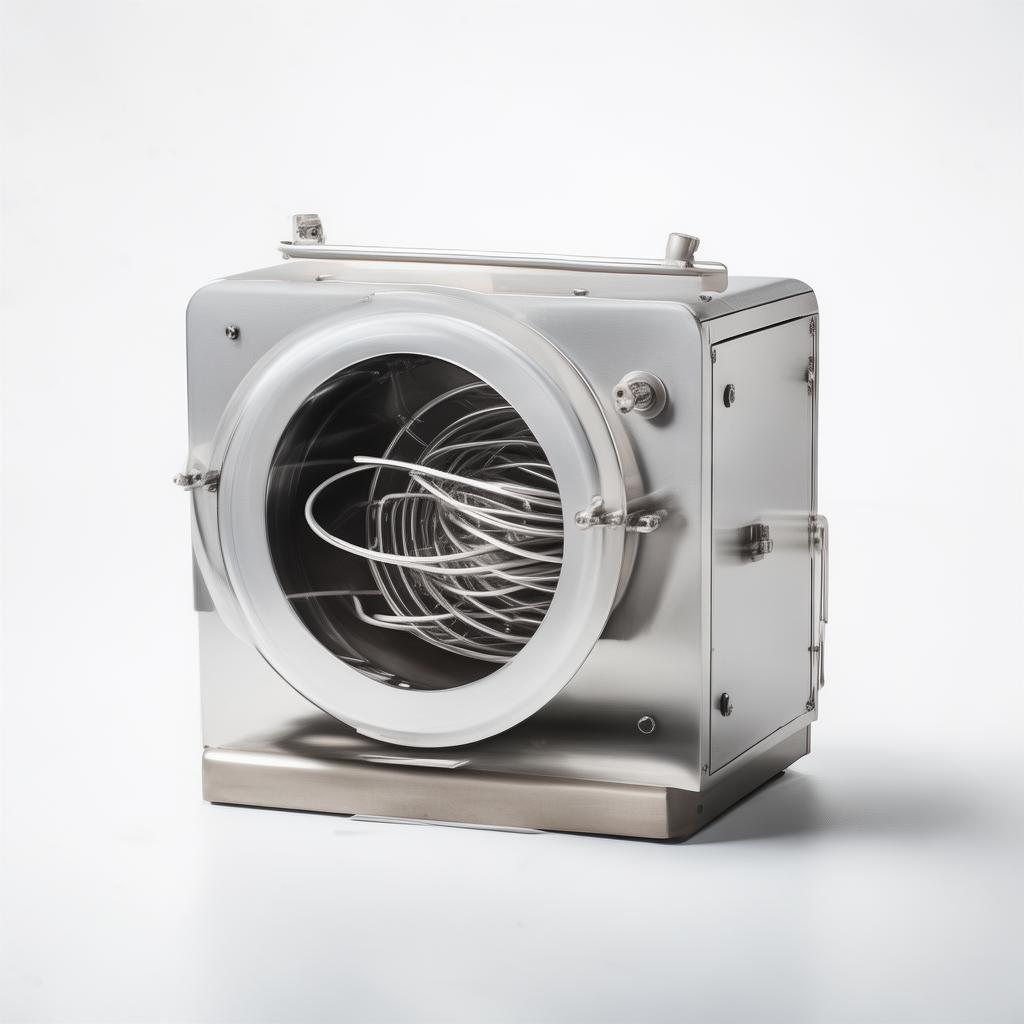
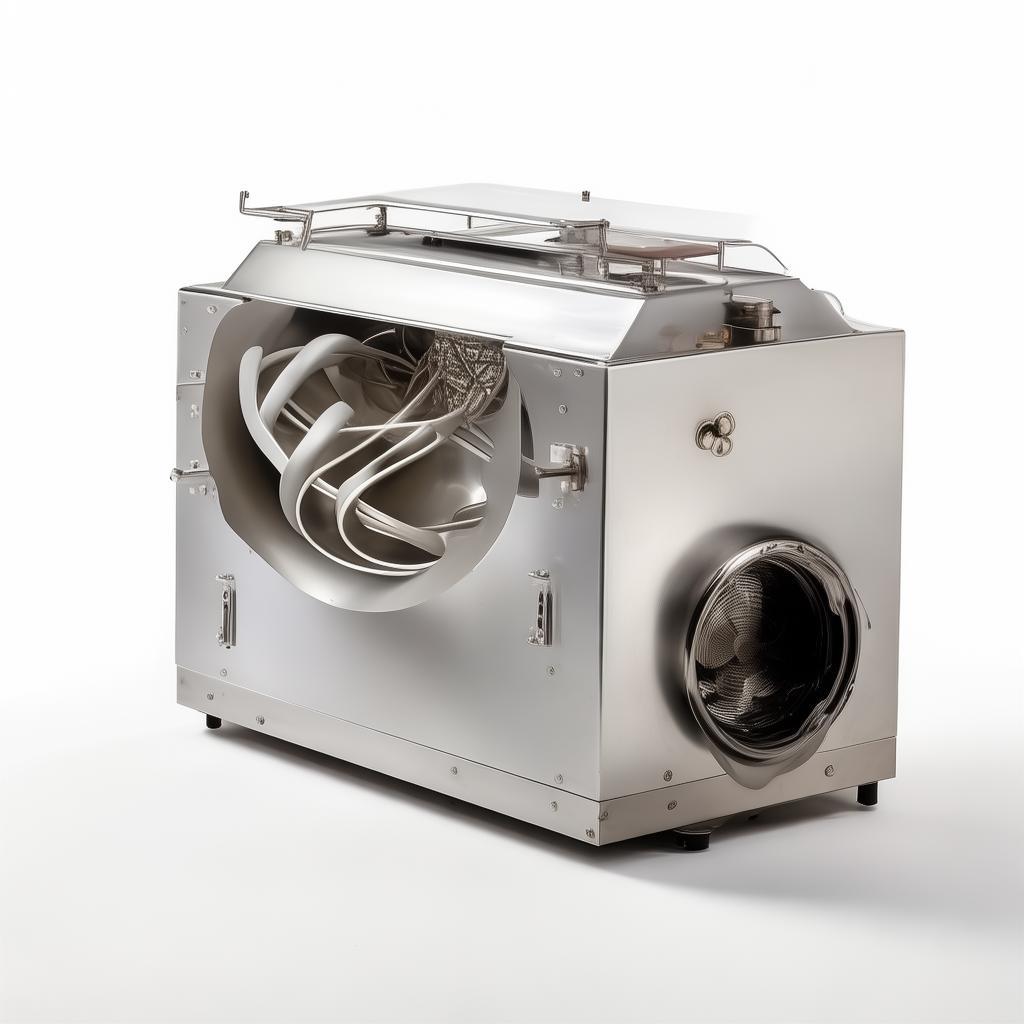
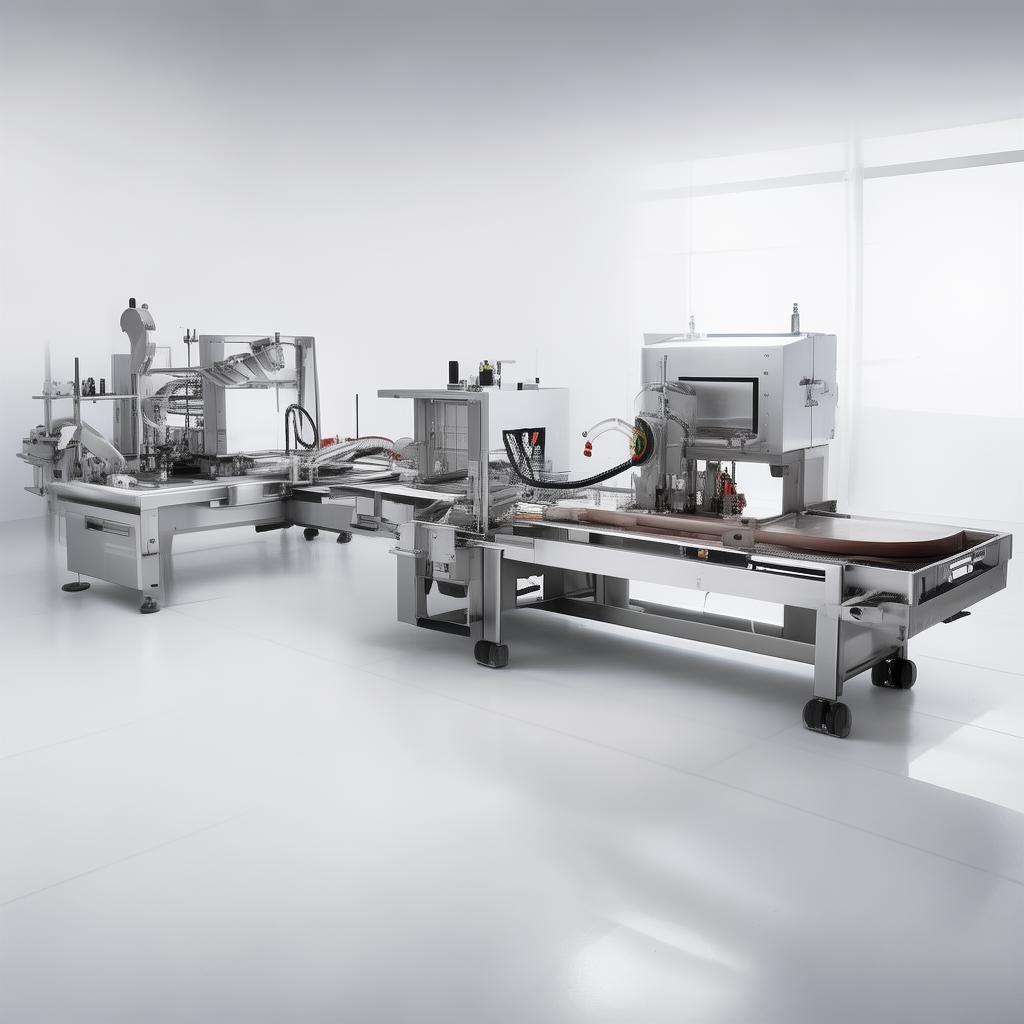
Industrial Oil Vacuum Cleaners: Precision Cleaning for Demanding Environments
Streamline Your Operations with Reliable, High-Performance Filtration and Recovery Solutions.
 By David Chen, Export Director | Hebei Yuanchang Food Mechanism & Technology Co., Ltd.
Navigating the Complexities of Industrial Fluid Management
In the rigorous world of industrial manufacturing and processing, maintaining a clean and efficient operational environment is paramount. This isn't just about aesthetics; it's about safeguarding equipment, ensuring product quality, and upholding safety standards. When it comes to managing lubricants, cutting fluids, hydraulic oils, and other industrial oils, conventional cleaning methods often fall short. Spills, leaks, and the accumulation of contaminants can lead to equipment wear, increased downtime, and potentially hazardous working conditions. This is where a specialized oil vacuum cleaner becomes not just a tool, but a critical component of your operational strategy.
For decades, businesses have grappled with the persistent challenge of oil contamination and spillage. Whether it's a bustling automotive workshop, a high-volume metal fabrication plant, a food processing facility with strict hygiene requirements, or a large-scale manufacturing operation, the presence of unwanted oils poses a significant risk. These fluids, when not managed properly, can degrade machinery performance, increase friction, lead to premature component failure, and create slip hazards that put your workforce at risk. Furthermore, improper disposal of oily waste carries significant environmental and regulatory penalties. The global meat processing equipment market, for instance, is projected to reach USD 17.39 billion by 2034, underscoring the scale of industries dealing with complex fluid management needs where cleanliness is non-negotiable. Our own experience, spanning over 40 years in meat processing machinery, highlights how crucial efficient material handling and waste management are to overall operational success. We understand the detailed requirements of preventing contamination and maintaining hygienic standards, a principle that extends directly to industrial fluid management.
The demand for efficient and reliable solutions has driven the development of specialized industrial vacuum cleaners designed to handle viscous and hazardous liquids. These aren't your typical household or commercial vacuums; they are robust machines engineered with specific features to safely and effectively collect, filter, and sometimes even recover oils. The nuances of selecting the right unit can be daunting. Factors like suction power, tank capacity, filtration capabilities, material compatibility, and explosion-proof certifications (where applicable) all play a crucial role. A misstep in choosing the wrong equipment can lead to inefficient cleanup, premature equipment failure, safety incidents, and ultimately, increased operational costs. This guide is designed to cut through the complexity, offering insights grounded in years of industrial application and manufacturing expertise to help you identify the optimal oil vacuum cleaner for your specific needs.
We will delve into the core functionalities, the critical technical specifications to look for, and the diverse range of applications where these machines prove indispensable. From managing large-scale hydraulic fluid leaks on a factory floor to precise recovery of cutting oils in a CNC machining center, the right vacuum cleaner can transform your approach to fluid management. Consider the challenges within the meat processing industry, where hygiene and the prevention of cross-contamination are paramount; similar rigorous standards apply when dealing with oils in other sectors. For example, the meat processing equipment market, valued at USD 11.29 billion in 2025, shows the scale of operations that demand specialized equipment for fluid handling and cleanliness. Our expertise in developing complete production lines for meat products, involving intricate processes from pretreatment to ripening, has ingrained in us a deep understanding of how machinery interacts with various substances, including oils and lubricants. This foundational knowledge allows us to appreciate the engineering requirements for robust, reliable industrial vacuum solutions.
Furthermore, we'll explore how these units contribute to waste reduction, oil recycling, and the overall improvement of workplace safety and environmental compliance. Investing in a high-quality oil vacuum cleaner is an investment in operational efficiency, equipment longevity, and a safer, more productive workplace. Let's examine how the right choice can fundamentally enhance your business operations.
Understanding the Core Need: Why Standard Vacuums Won't Cut It
The fundamental difference between a general-purpose vacuum cleaner and an industrial oil vacuum cleaner lies in their design, materials, and intended application. Standard vacuums are typically built for dry debris and light moisture. Their motors, filters, and collection bags/bins are not designed to withstand the chemical properties or viscosity of industrial oils.
- Motor Protection: Oils can degrade the insulation and components of standard vacuum motors, leading to short circuits, overheating, and eventual failure. Industrial units often feature sealed motors or more robust insulation.
- Filtration Systems: Dry filters in standard vacuums can become saturated and clogged by liquids, rendering them ineffective and potentially allowing oil vapors into the exhaust. Industrial oil vacuums use specialized liquid filters, often with multiple stages, designed to separate oil from air and prevent contamination of the motor.
- Tank Materials: Plastic bins on standard vacuums may become brittle or degraded when exposed to certain industrial oils. Industrial vacuum tanks are typically constructed from durable materials like stainless steel or heavy-duty polyethylene that are resistant to chemical corrosion and impact.
- Suction and Pumping Capabilities: Many industrial oil vacuums are designed not just to suck up liquids but also to pump them out, facilitating easier disposal or transfer into storage containers. This is a feature rarely found on consumer-grade equipment.
- Safety Features: In environments where flammable oils are present, explosion-proof (ATEX or equivalent) certifications are critical. Standard vacuums lack these safety measures, posing a significant fire hazard.
The global meat processing equipment market's emphasis on hygiene and safety, with growth driven by automation for hygiene and labor efficiency, mirrors the need for specialized equipment in fluid management. As noted by Grand View Research, segments like filling & stuffing and massaging equipment are crucial for consistent product quality and food safety compliance. This same principle of specialized equipment for specific tasks applies to industrial oil vacuums.
Ignoring these distinctions can lead to costly breakdowns, safety violations, and inefficient cleanup operations. A proper oil vacuum cleaner is engineered for the specific challenges posed by industrial fluids.
Key Features and Advantages of Our Oil Vacuum Cleaners
At Hebei Yuanchang, we understand that efficiency, reliability, and safety are non-negotiable in your operations. Our range of industrial oil vacuum cleaners is built to meet these demands head-on, offering tangible benefits:
1. Robust Construction for Harsh Environments
Constructed with high-grade stainless steel or reinforced composite materials, our units are designed to withstand corrosive environments, impact, and heavy industrial use. This ensures a long service life and minimizes the risk of damage from drops or accidental impacts common in factory settings.
2. Powerful Suction and High-Volume Capacity
Equipped with industrial-grade motors, our oil vacuums deliver superior suction power essential for efficiently removing even viscous oils and sludge. Tank capacities range from compact units for small spills to large-capacity models capable of handling significant fluid volumes, reducing the frequency of emptying.
3. Advanced Filtration and Oil Recovery
Our machines feature multi-stage filtration systems. The primary stage captures large debris, while subsequent stages are specifically designed to separate oil from any entrained air, protecting the motor. Some models offer optional oil/water separation, allowing for the recovery and reuse of valuable lubricants, aligning with sustainability goals and reducing waste disposal costs. The meat processing industry's focus on precise handling of raw materials and by-products demonstrates the need for fine control and purity – similar precision is required when managing valuable industrial oils.
4. Integrated Pumping Systems
For added convenience and efficiency, many of our models include integrated pumps. This allows for the direct discharge of collected oil into drums, tanks, or recycling systems, eliminating the need for manual tipping of heavy tanks and reducing the risk of spills during disposal. This is a significant operational advantage compared to gravity-drain-only units.
5. Safety Certifications for Hazardous Areas
For industries where flammable oils or vapors are a concern (e.g., certain chemical processing or aerospace applications), we offer models with ATEX or other equivalent explosion-proof certifications. These units are designed with spark-proof components and intrinsically safe electrical systems to prevent ignition in hazardous environments.
6. Ease of Operation and Maintenance
Designed with the operator in mind, our vacuums feature intuitive controls, easy-access maintenance points, and simple filter replacement procedures. We aim to minimize downtime not just from spills, but from the equipment itself.
The market for meat processing equipment, valued between USD 11.28 billion and USD 19.73 billion annually according to various reports, highlights the global scale of industries that rely on specialized machinery. This scale demands robust, reliable, and efficient solutions, a principle we apply to our industrial vacuum technology.
Technical Specifications: What to Look For
Selecting the right industrial oil vacuum cleaner involves understanding key technical parameters. Here’s a breakdown:
| Specification | Critical Considerations | Why It Matters |
|---|---|---|
| Motor Power (Watts/HP) | Higher wattage generally means stronger suction. | Essential for efficiently removing viscous fluids and large volumes. |
| Vacuum Pressure (mbar/kPa) | Indicates the suction force. Higher values are better for tough jobs. | Determines the unit's ability to lift fluids and pull them through hoses. |
| Airflow (L/s or m³/h) | Volume of air moved per unit time. Important for large areas. | Impacts the speed of cleanup, especially for widespread spills. |
| Tank Capacity (Liters/Gallons) | Consider the typical volume of spills or fluid you need to collect. | Larger tanks mean fewer interruptions for emptying. |
| Filtration Type | Look for oil-resistant filters and multistage systems. | Protects the motor and ensures clean exhaust. Crucial for preventing contamination. |
| Hose Diameter & Length | Consider reach and the ability to handle viscous fluids. | Longer hoses offer greater maneuverability; larger diameters handle thicker oils better. |
| Pump Rate (LPM/GPM) | If the unit has a pump, this is its discharge speed. | Faster pumping reduces downtime during fluid transfer. |
| Material Compatibility | Ensure all wetted parts (tank, hoses, seals) are resistant to the oils you use. | Prevents material degradation and premature failure. |
| Noise Level (dB) | Important for operator comfort and meeting workplace regulations. | Lower dB ratings contribute to a better working environment. |
| Certifications | ATEX, CE, UL, etc., depending on your region and industry. | Ensures compliance with safety and environmental standards. Critical for hazardous zones. |
ATEX vacuum cleaner vacuum industrial cleaner commercial industrial vacuum cleaners
The global meat processing equipment market, driven by factors like automation for hygiene and efficiency, shows a clear trend toward specialized machinery. Reports from Fortune Business Insights and others indicate consistent growth, emphasizing the need for equipment that precisely handles various substances. Our approach to engineering oil vacuum cleaners mirrors this precision and reliability.
Diverse Applications: Where Our Oil Vacuums Excel
The versatility of our industrial oil vacuum cleaners makes them indispensable across a wide spectrum of industries:
Automotive & Transportation Workshops
Efficiently managing spills of engine oil, transmission fluid, brake fluid, and coolant during maintenance and repair. Quick cleanup of leaks from machinery and vehicles.
Metalworking & Machining Facilities
Recovering cutting oils, coolants, and lubricants from CNC machines, lathes, and milling centers. Essential for maintaining a clean work area and for potential oil recycling. The demand for precise equipment in sectors like meat processing, where accuracy in molding and filling is key, translates to the need for precision in fluid management in manufacturing.
Manufacturing & Industrial Plants
Handling leaks from hydraulic systems, gearboxes, and other industrial machinery. Cleaning up oil residue on floors and equipment, crucial for safety and preventing equipment contamination.
Food & Beverage Processing
While specialized food-grade vacuums are often used for direct food contact, oil vacuums are vital for cleaning up lubricant spills from conveyors, machinery, and floors in non-product contact areas, ensuring a safe and hygienic environment without risking cross-contamination. Our 40 years of experience in food machinery underscore the absolute necessity of precise fluid management and hygiene.
Oil & Gas Sector
Managing spills of lubricants, hydraulic fluids, and other oils in refineries, drilling sites, and maintenance facilities. Often requires explosion-proof models for hazardous environments.
Aerospace & Defense
Precision cleaning of hydraulic fluids and specialized lubricants in manufacturing and maintenance of aircraft and other complex machinery. Strict safety and material compatibility requirements.
The continuous growth in processed meat markets, projected to reach over USD 1.3 trillion by 2035 according to Precedence Research, highlights the industrial scale that demands specialized equipment. Our oil vacuum cleaners are engineered to meet similar demands for efficiency and reliability in demanding industrial settings.
Procurement Guidance: Making the Right Choice for Your Business
Choosing an industrial oil vacuum cleaner is a significant operational decision. Here are key considerations to guide your procurement:
1. Assess Your Specific Needs
What types of oils do you typically handle? What is the volume of spills or accumulation? What is the frequency of use? Are there specific environmental risks (flammable liquids, hazardous areas)? Answering these questions will define your critical specifications.
2. Evaluate Supplier Reliability and Support
Look for manufacturers with a proven track record in industrial equipment. Consider factors like:
- Experience: Decades of experience, like ours since 1986, signify deep operational understanding.
- Manufacturing Capabilities: In-house machining, CNC centers (like our Japanese Mazak units), and quality control processes ensure precision and durability.
- After-Sales Service: Availability of spare parts, technical support, and repair services is crucial for minimizing downtime. A traceable management system for parts is a significant advantage.
- Certifications: ISO certifications, CE marking, and compliance with relevant safety standards build trust.
3. Consider Total Cost of Ownership (TCO)
Beyond the initial purchase price, factor in:
- Durability and Lifespan: A well-built unit will last longer.
- Maintenance Costs: Ease of maintenance and availability/cost of spare parts.
- Energy Efficiency: Lower power consumption reduces operating expenses.
- Oil Recovery Potential: The ability to recover and reuse oil can offset purchase costs over time.
The meat processing equipment market, with its diverse segments (filling, ripening, cutting, grinding), reflects a need for specialized, efficient machinery. Similarly, selecting an oil vacuum cleaner requires understanding specific operational needs rather than a one-size-fits-all approach.
4. Request Detailed Specifications and Demos
Don't hesitate to ask for detailed spec sheets, performance data, and, if possible, a demonstration of the equipment in action, ideally with a fluid similar to what you handle.
Procurement Insight: Many buyers underestimate the importance of hose material and static discharge properties. Ensure these are specified for your operating environment.
Certifications and Compliance
Ensuring your equipment meets industry standards is crucial for safety, regulatory compliance, and operational integrity. Our oil vacuum cleaners are available with:
- CE Marking: Indicates conformity with health, safety, and environmental protection standards for products sold within the European Economic Area (EEA).
- ATEX Directive Compliance: For units intended for use in potentially explosive atmospheres (zones). This is a critical safety feature for environments with flammable liquids or gases.
- ISO 9001:2015 Certification: Demonstrates our commitment to quality management systems in our manufacturing processes.
We understand the importance of these accreditations, especially in sectors like food processing, where hygiene and safety are paramount. For instance, the meat processing equipment market is heavily regulated, requiring strict adherence to standards for safe operations.

Our Manufacturing Strength: Hebei Yuanchang's Commitment
With a legacy dating back to 1986, Hebei Yuanchang Food Mechanism & Technology Co., Ltd. brings over 40 years of invaluable experience to industrial equipment manufacturing. While our primary focus has been on meat processing machinery, the core principles of precision engineering, robust construction, and reliable performance are universally applied to all our products, including industrial oil vacuum cleaners.
Our 14,000 square meter facility is home to a dedicated team of 80-100 skilled professionals. We integrate Research & Development, production, and sales, allowing for complete control over quality and innovation. Our in-house machining workshop is equipped with over 20 sets of advanced processing machinery, including lathes, milling machines, high-precision grinding machines, and wire cutting equipment. The significant investment in 8 Japanese Mazak CNC machining centers since 2012 enables us to produce high-standard, high-precision, and non-standard components in large volumes. This capability ensures that every part of our oil vacuum cleaners meets stringent quality and performance specifications.
The global meat processing equipment market is a testament to the need for specialized, high-capacity machinery. As reports indicate, this market is expected to grow substantially, driven by demand for processed foods and automation. Our experience developing complete production lines for meat products, from pretreatment to ripening, has instilled in us a deep understanding of material handling, fluid dynamics, and hygiene requirements – knowledge that directly benefits the design and manufacturing of our industrial vacuum solutions. We don't just build machines; we build trust through decades of hands-on engineering and production excellence.

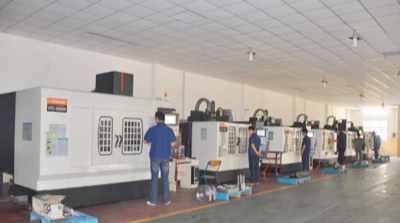
We pride ourselves on our traceable after-sales management system and our ability to independently produce high-precision parts, ensuring worry-free support for our clients.
Customer Testimonials
Hear from our satisfied clients:
"We switched to their industrial oil vacuum after dealing with constant spills in our machining department. The power and the pump-out feature have dramatically reduced cleanup time and made the workshop much safer. Absolutely worth the investment."
 - Mark Jenkins, Operations Manager, Precision Metalworks Inc.
"We needed a reliable solution for hydraulic fluid leaks on our production line. Hebei Yuanchang provided an ATEX-certified unit that perfectly met our safety requirements. The support team was knowledgeable and helped us select the right model. Minimal downtime since installation."
 - Sarah Lee, Plant Engineer, Industrial Manufacturing Group
"The ability to recover and filter the oil for potential reuse has been a significant cost-saver for us. The vacuum is robust and handles the thick cutting fluids in our metal fabrication shop with ease. Great build quality."
 - David Miller, Purchasing Director, Fabrication Solutions LLC
"Excellent performance for workshop floor cleanup. We use it daily for various oils and lubricants. Easy to operate and maintain, which is important for our maintenance crew."
 - Maria Garcia, Maintenance Supervisor, Automotive Service Center
Frequently Asked Questions (FAQ)
Q1: Can your oil vacuum cleaners handle hot oils?
Our standard industrial oil vacuum cleaners are designed for ambient temperature oils. For applications involving hot oils, please consult with our technical team. We may have specialized models or configurations that can accommodate higher temperatures, ensuring material compatibility and safety.
Q2: What is the difference between oil vacuum cleaners and wet/dry vacuums?
While both handle liquids, oil vacuum cleaners are specifically engineered for the viscosity, chemical properties, and potential flammability of industrial oils. They feature specialized motors, filtration, and materials resistant to oil degradation. Wet/dry vacuums are more general-purpose and may not be suitable or safe for prolonged exposure to industrial oils.
Q3: Can these units be used for flammable liquids?
For flammable liquids, it is imperative to use units specifically certified as explosion-proof (e.g., ATEX compliant). Standard industrial oil vacuums are not designed for this purpose and pose a significant fire or explosion risk. Please specify your requirement for flammable liquid handling when contacting us.
Q4: What maintenance is required for these vacuum cleaners?
Regular maintenance typically includes cleaning or replacing filters, inspecting hoses and seals for wear or damage, and ensuring the collection tank is properly emptied and cleaned. Specific maintenance schedules will be provided with your unit's manual. Our robust construction aims to minimize wear and tear.
Q5: Do you offer OEM/ODM services for oil vacuum cleaners?
Yes, with our extensive manufacturing capabilities and engineering expertise, we are equipped to provide OEM (Original Equipment Manufacturer) and ODM (Original Design Manufacturer) services. We can customize units to meet specific client requirements, branding, or unique operational needs.
Ready to Enhance Your Operational Efficiency?
Don't let oil spills and contamination slow down your business. Invest in a reliable, high-performance solution.
Contact us today for a personalized consultation:
Phone: +86 15830991513
E-mail: ycmeatmech@gmail.com
Address: Shijiazhuang, Hebei Province, China
Connect with us to discuss your specific needs and learn how our industrial oil vacuum cleaners can optimize your operations.